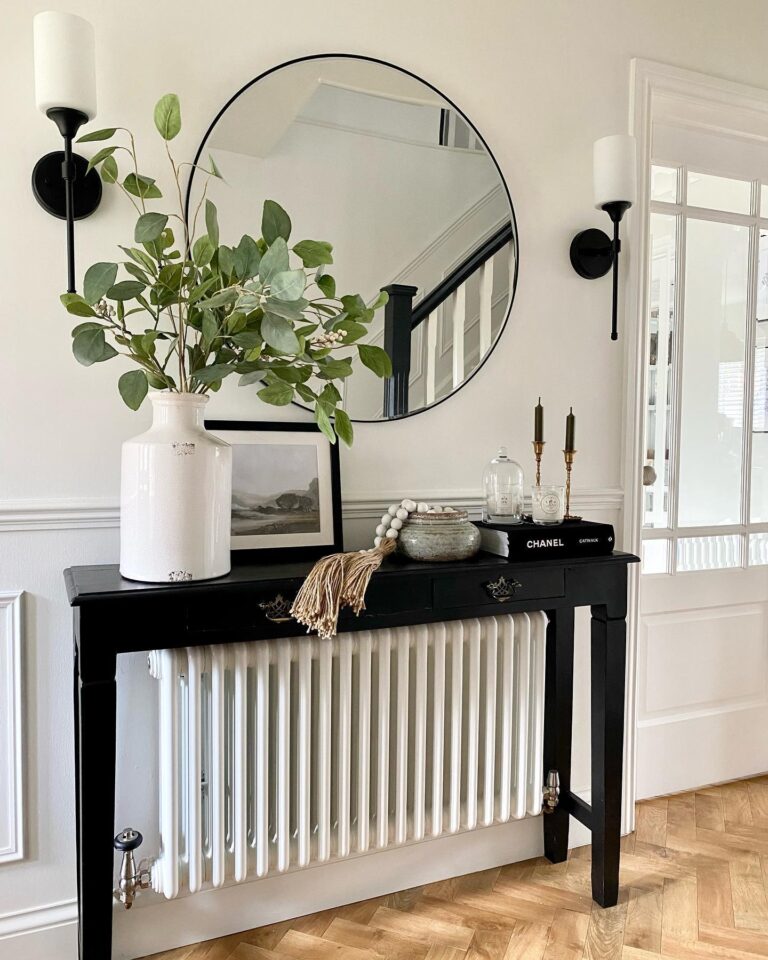
23 DIY Cat Tower Ideas: Creative Ways to Spoil Your Feline Friend

This post contains affiliate links, and we will be compensated if you buy after clicking on our links. Read our disclaimer.
Read our editorial process
If you have a cat, you already know this: they will climb something.
If it is not a cat tree, it is your bookshelf. If it is not a bookshelf, it is the top of your fridge. Cats love height. They love perching. They love claiming territory above eye level like tiny royalty.
The problem? Store-bought cat towers can be expensive, bulky, and not exactly stylish. Some look out of place in a thoughtfully decorated living room. Others fall apart faster than you would expect.
That is where DIY cat towers come in.
Building your own allows you to customize the size, shape, and materials to fit both your space and your cat’s personality. Whether you have a small apartment or a larger home, you can create vertical climbing zones that feel intentional rather than intrusive.
And you do not need to be a master carpenter to make something sturdy and fun.
Why Cats Love Vertical Space?
Cats instinctively seek higher ground. It gives them a sense of safety and control over their environment. Elevated platforms allow them to observe without being disturbed.
Providing vertical climbing options can also reduce boredom and destructive behavior. When cats have designated spots to climb and scratch, they are less likely to target furniture.
A well-designed DIY tower combines perches, scratching surfaces, and cozy hideaways in one structure.
Discover More DIY Projects for Cats
• DIY Cat Shelves Ideas
• DIY Cat Litter Box Ideas
• DIY Dog Run Cheap Ideas
• DIY Fence Ideas Cheap
What Makes a Good DIY Cat Tower?
Stability comes first. The base needs to be wide and secure so it does not wobble. Using solid wood, thick plywood, or reinforced shelving helps ensure safety.
Texture matters too. Sisal rope for scratching posts, soft carpet or upholstery fabric for platforms, and enclosed cubbies for resting all add variety. Cats enjoy different textures and levels.
You can also get creative with design. Repurpose old furniture into climbing structures. Mount wall shelves to create a vertical path. Build a slim corner tower if floor space is limited.
The goal is enrichment, not just height.
23 DIY Cat Tower Ideas to Inspire Your Build
Below, you will find creative ideas ranging from simple multi-level platforms to full climbing walls and modern minimalist towers.
Whether you are looking for a compact solution or an ambitious weekend project, these DIY cat tower ideas offer practical and stylish ways to spoil your feline friend while keeping your home looking great.
1. Simple PVC Cat Tower

Looking for a budget friendly cat tower that’s easy to build? PVC pipe is a surprisingly practical choice. It’s lightweight, sturdy, and simple to customize for your space.
Start with PVC pipes, elbow joints, and T connectors to create the frame. You can build multiple levels, adjust the height, or create a layout that works for your room.
Wrap sections with sisal rope to add scratching areas. Small platforms or fabric hammocks give your cat comfortable spots to rest and watch the room.
Since PVC is lightweight, the tower can be moved or reconfigured whenever needed. This project works well for beginners who want a functional cat tower without complicated tools or materials.
2. Multi-Level Cardboard Tower
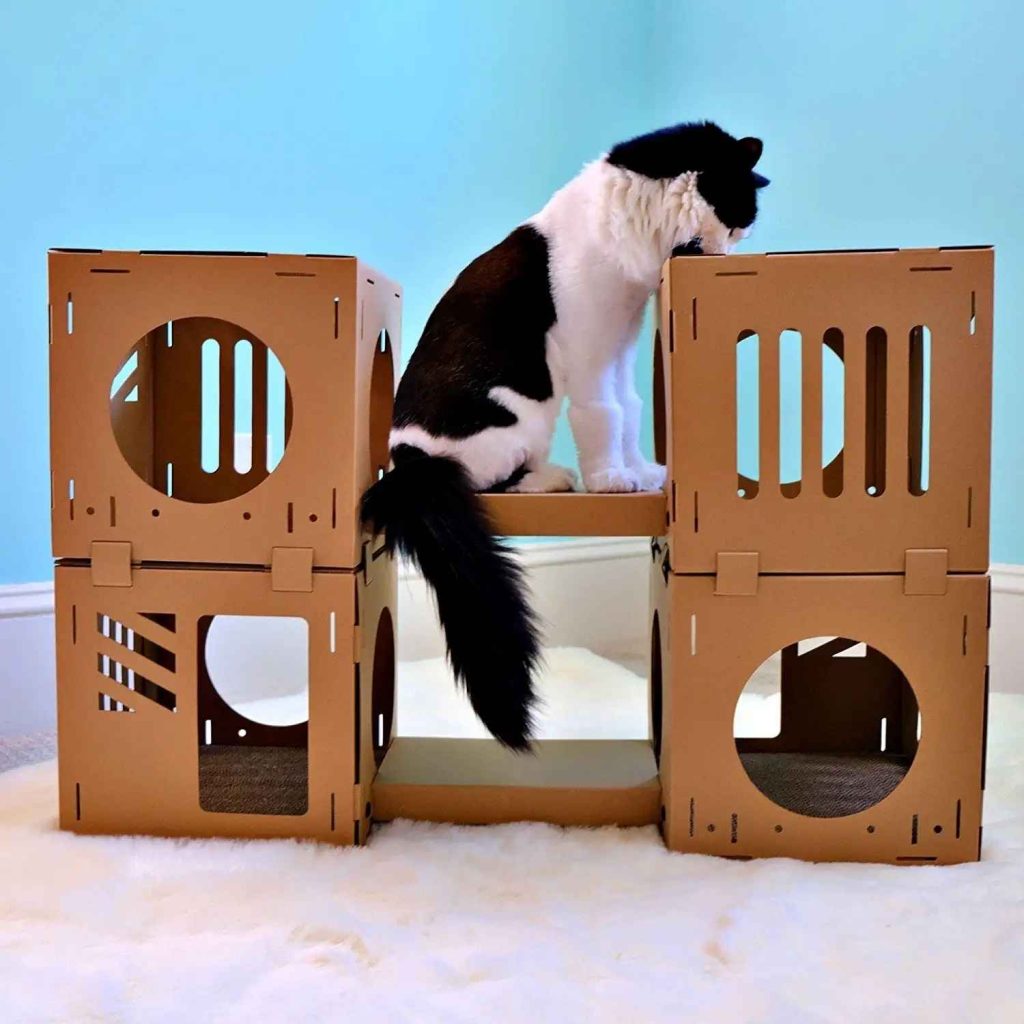
Got a stack of cardboard boxes sitting around? Turn them into a fun climbing tower for your cat. This low cost project gives curious cats plenty of places to explore.
Stack sturdy boxes and secure them together with strong tape or glue. Cut openings between levels so your cat can move from one section to another with ease.
Add blankets, cushions, or scraps of carpet inside for comfort. You can also create tunnels, hideouts, or lookout spots to make the structure more engaging.
Cardboard will wear down over time, but it’s easy to replace and customize whenever your cat needs something new.
3. Sisal-Wrapped Wooden Cat Tree
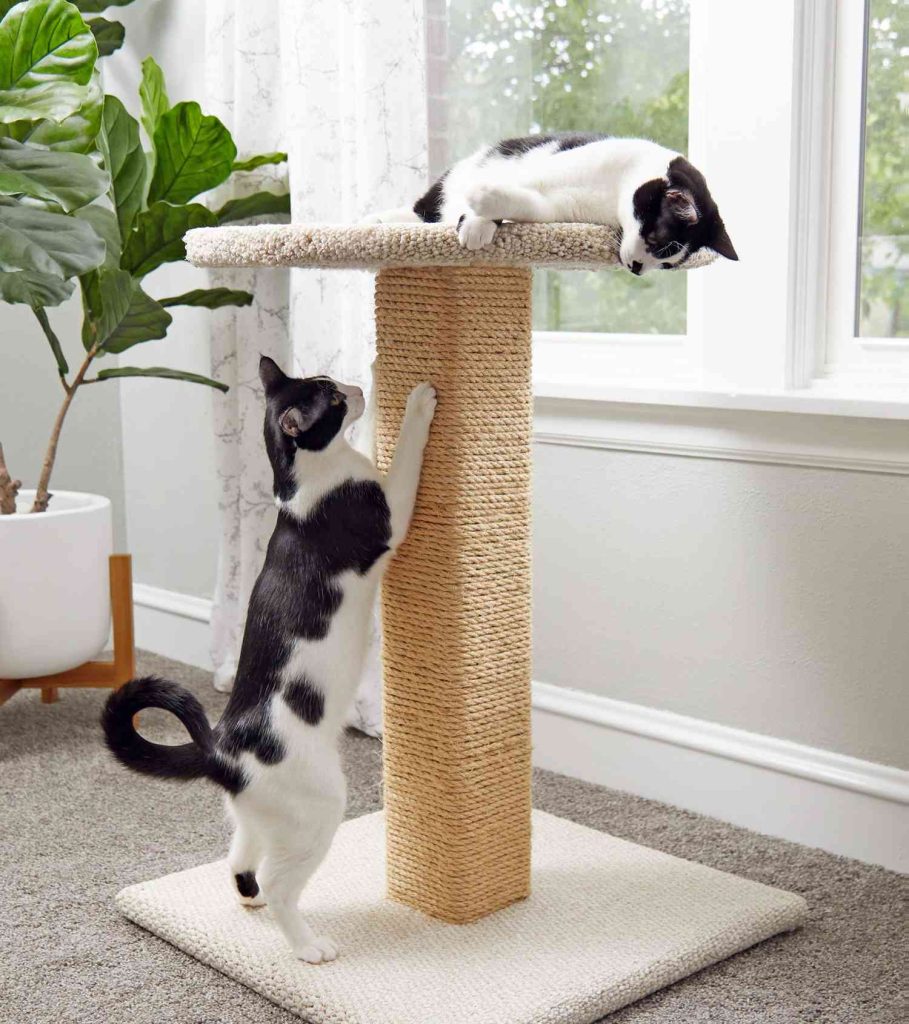
Cats need a place to scratch, climb, and rest. A wooden cat tree covered with sisal rope combines all three in one sturdy setup.
Build the frame using wooden boards and add platforms at different heights. The varying levels encourage climbing while giving your cat several places to lounge.
Wrap the vertical posts tightly with sisal rope to create durable scratching surfaces. Soft pads or cushions on the platforms make the tower more inviting for daily naps.
This project takes a bit more effort, but the finished result is strong enough to handle years of use.
4. Repurposed Furniture Cat Tower
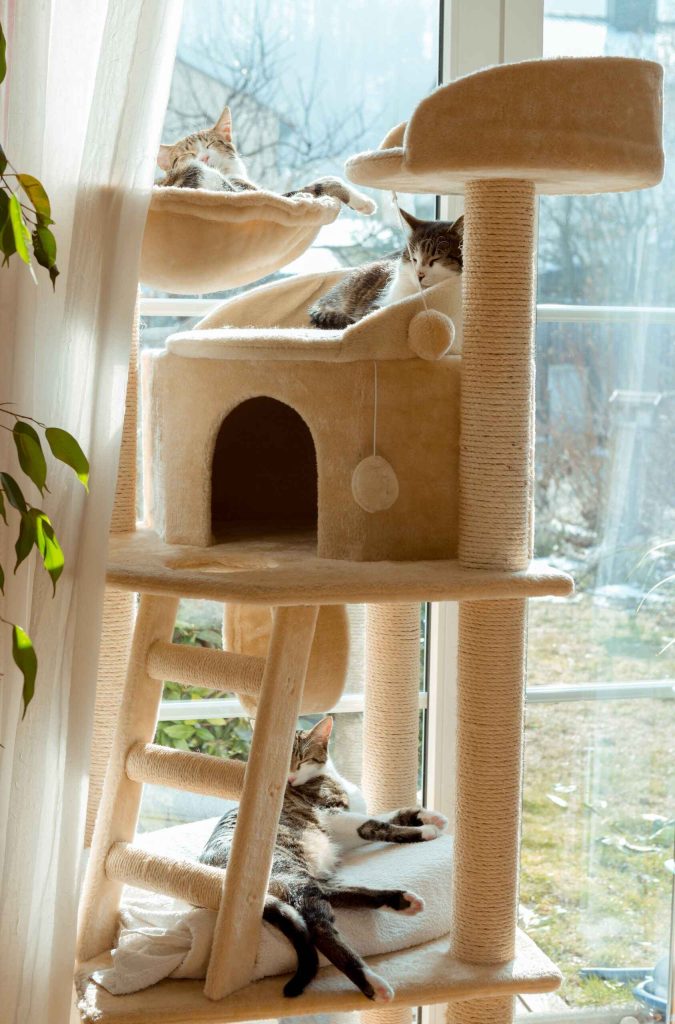
An old bookshelf or cabinet can become a functional cat tower with just a few updates. It’s a practical way to reuse furniture while creating extra space for your pet.
Adjust shelves to create climbing levels and open areas for resting. Larger sections can double as cozy hideaways where cats can retreat when they want privacy.
Add sisal rope along edges and corners to encourage scratching. A few soft cushions help transform the furniture into a comfortable spot for lounging.
This approach blends easily into a living room, bedroom, or home office without looking out of place.
5. Wall-Mounted Cat Shelves
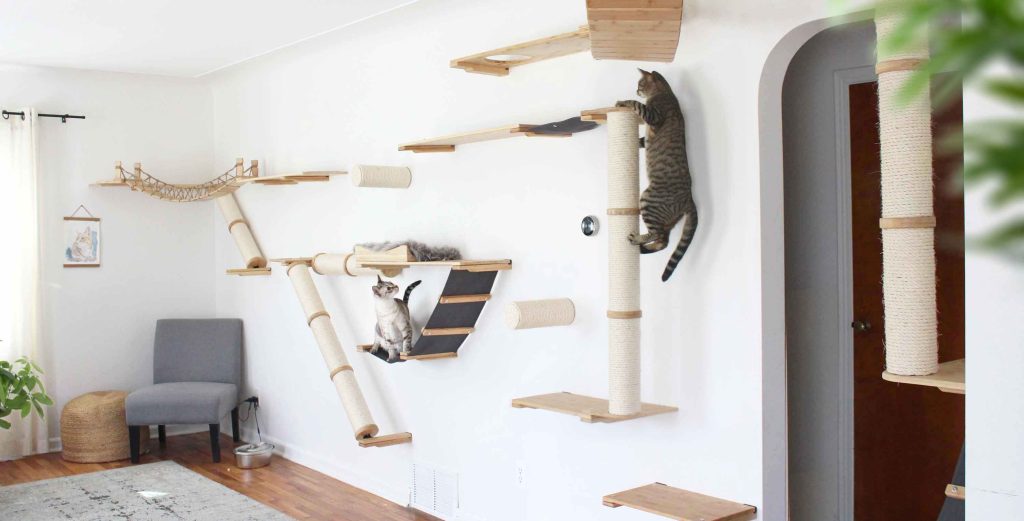
Running out of floor space? Wall-mounted shelves give cats room to climb without adding bulky furniture to the room.
Install sturdy wooden shelves at different heights to create a path across the wall. Secure mounting is important to keep the structure safe and stable.
Spacing the shelves carefully encourages jumping, climbing, and exploration. Some owners also add scratching pads or small resting platforms between levels.
The finished setup keeps cats active while creating an eye-catching feature that works well in smaller homes.
6. Carpeted Cat Tower
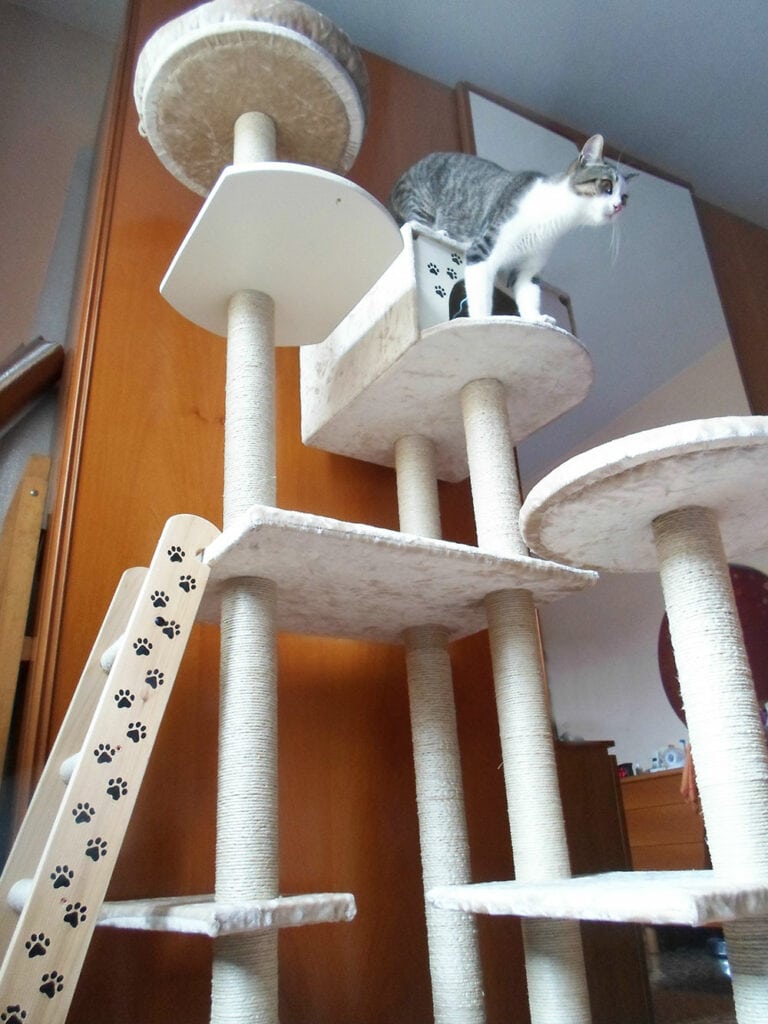
Some cats will choose a soft surface over anything else. A carpeted cat tower gives them comfortable places to climb, scratch, and nap throughout the day.
Build a simple wooden frame and cover the platforms with carpet. Secure the material firmly so it stays in place during playtime and daily use.
Sisal wrapped posts add dedicated scratching areas, while the soft surfaces create cozy resting spots. This style works especially well for cats that enjoy lounging between bursts of activity.
7. Tree Branch Cat Tower
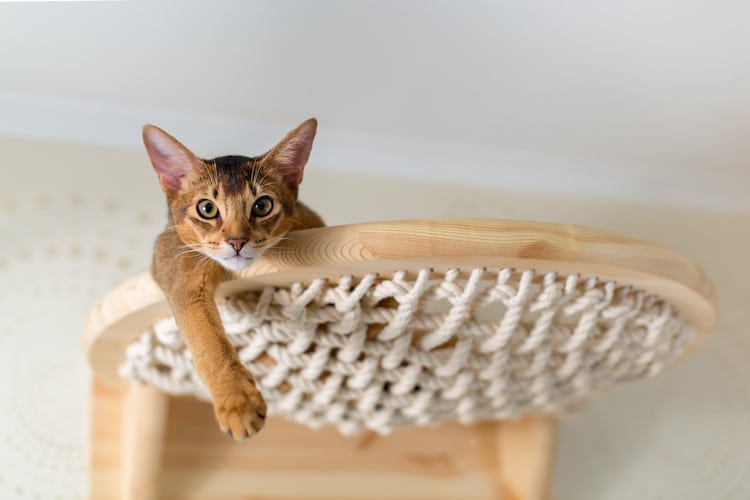
Want something that feels a little more natural? A cat tower built from real tree branches brings texture and character into the room.
Secure sturdy branches to a solid wooden base and arrange them to create climbing paths and elevated perches. Each branch adds a unique shape to the structure.
Leave the wood natural for a rustic look or finish it to match your decor. A few scratching sections and resting platforms help turn the tower into a complete playground.
8. Cat Tower with Hammock
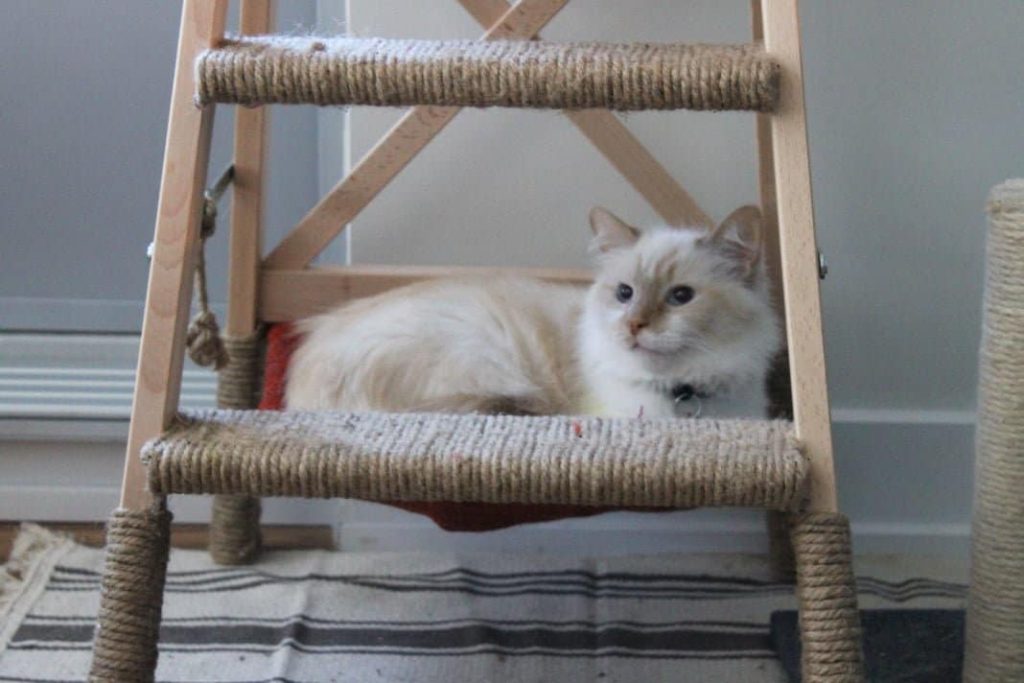
Many cats love curling up in snug, elevated spaces. Adding a hammock to a cat tower creates a comfortable spot where they can relax and watch the room.
Attach a strong fabric sling between shelves or support posts. Durable materials such as canvas or cotton hold up well to daily use.
Pair the hammock with climbing platforms to give your cat places to play and rest. The gentle cradle effect often becomes a favorite sleeping spot.
9. Modular Cat Tower System
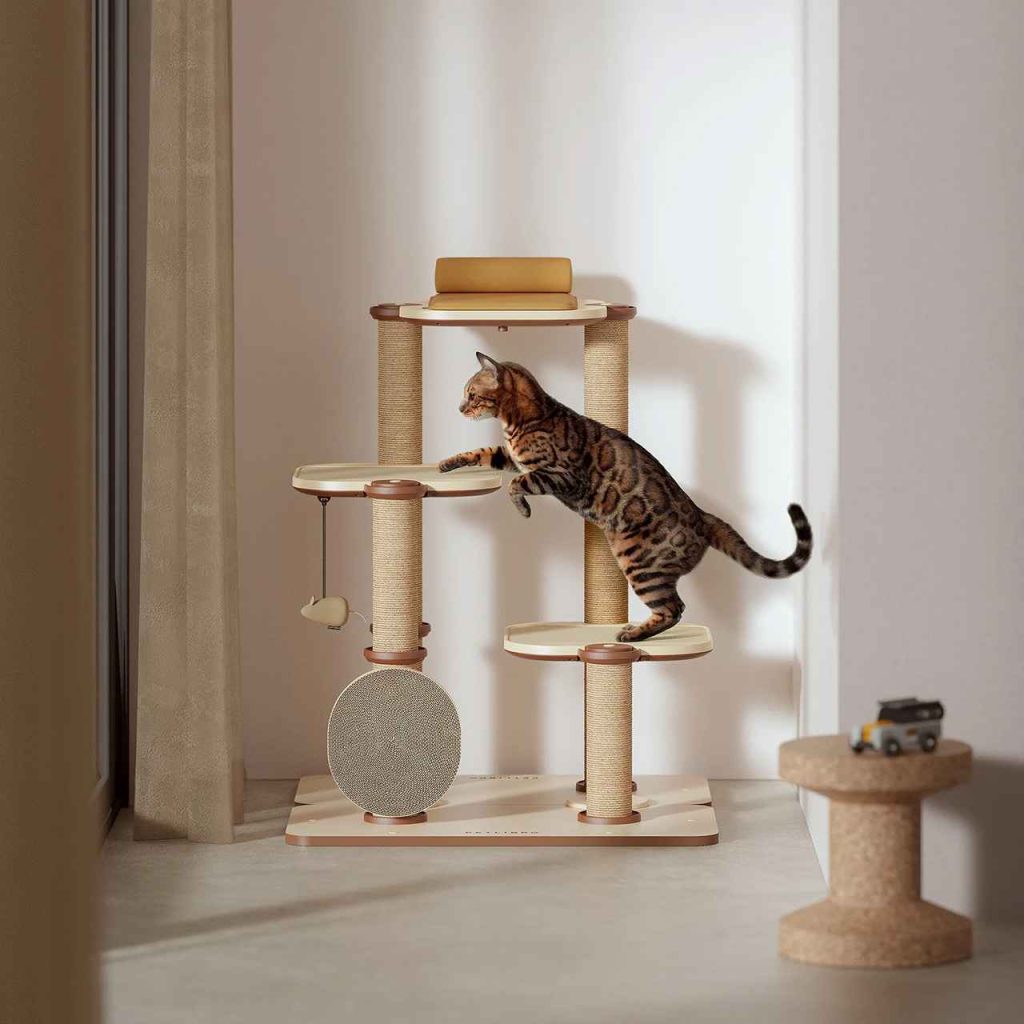
Not every cat tower needs to stay the same forever. A modular design allows you to expand, rearrange, or update the setup whenever needed.
Start with a few platforms and connect additional sections over time. Different layouts can help keep the structure interesting for active cats.
Extra tunnels, ramps, and climbing areas can be added as your pets grow or your space changes. The flexibility makes this option useful for multi-cat homes.
10. Boho-Inspired Cat Tower
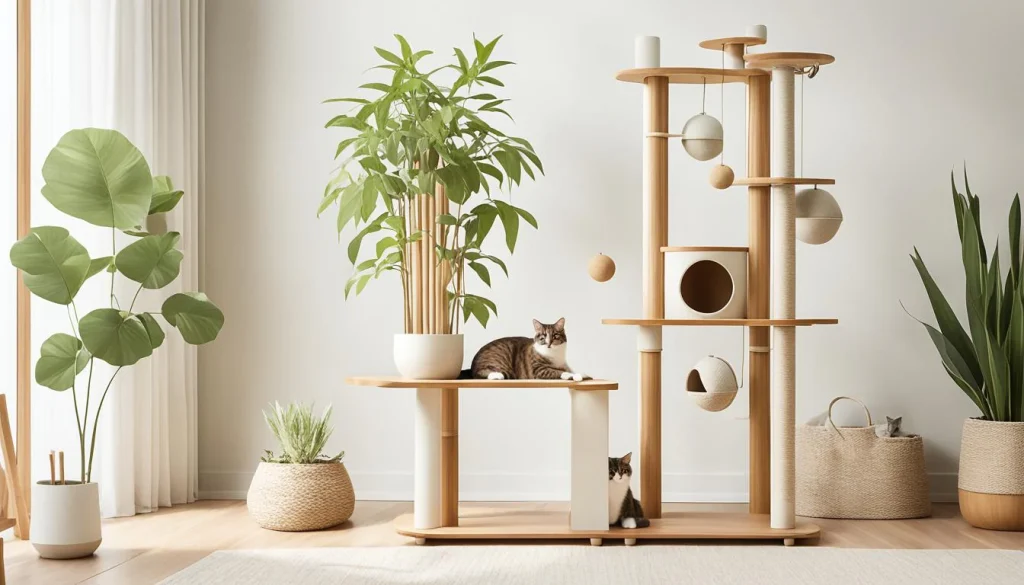
A cat tower can blend into your decor instead of standing out. This boho-inspired design combines climbing space with decorative details for a more styled look.
Use a wooden frame as the base and add woven textures, natural fibers, or fabric accents. Soft perches and enclosed corners give cats comfortable places to rest.
The finished tower feels more like a piece of furniture while still providing plenty of space for scratching and climbing.
11. Scratching Post & Tower Combo
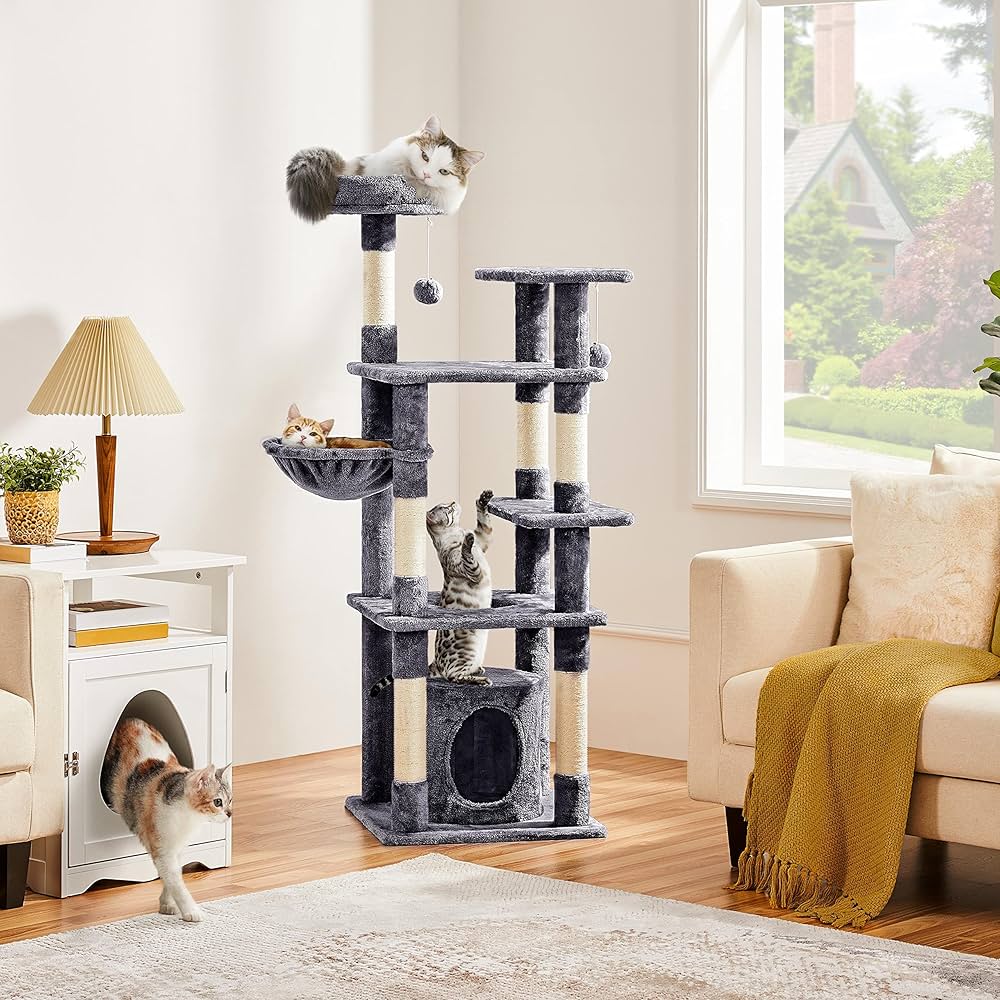
Need a setup that does more than one job? Combining a scratching post with a cat tower gives your pet room to stretch, climb, and sharpen their claws.
Build a sturdy base and install a tall sisal-wrapped post at the center. Add platforms at different heights to encourage movement throughout the structure.
This design helps direct scratching away from furniture while giving cats elevated places to relax. It also works well in rooms with limited space.
12. Recycled Wood Cat Tower
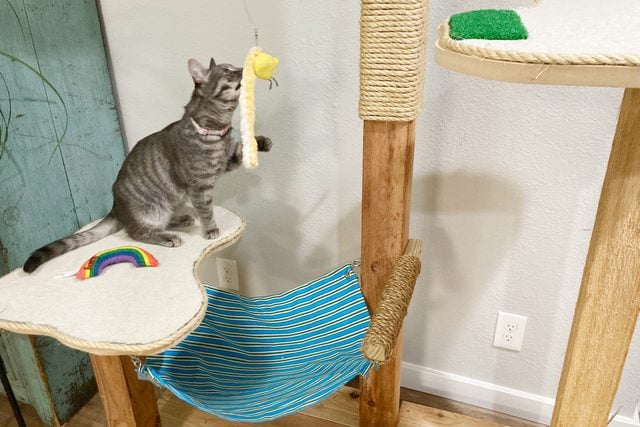
Old wood can be turned into something both practical and attractive. A recycled wood cat tower gives new life to materials that might otherwise go unused.
Use reclaimed boards or pallet wood to build the frame and platforms. Sand rough edges and check each piece for stability before assembly.
Add scratching surfaces and soft resting areas to complete the tower. The finished project has a unique look that can’t be replicated with store-bought materials.
| Create the Perfect Cat Space • DIY Console Table Ideas • DIY Painted Table Ideas • Living Room DIY Built In Cabinets • DIY Canopy Bed Ideas |
13. Cat Tower with Multiple Platforms
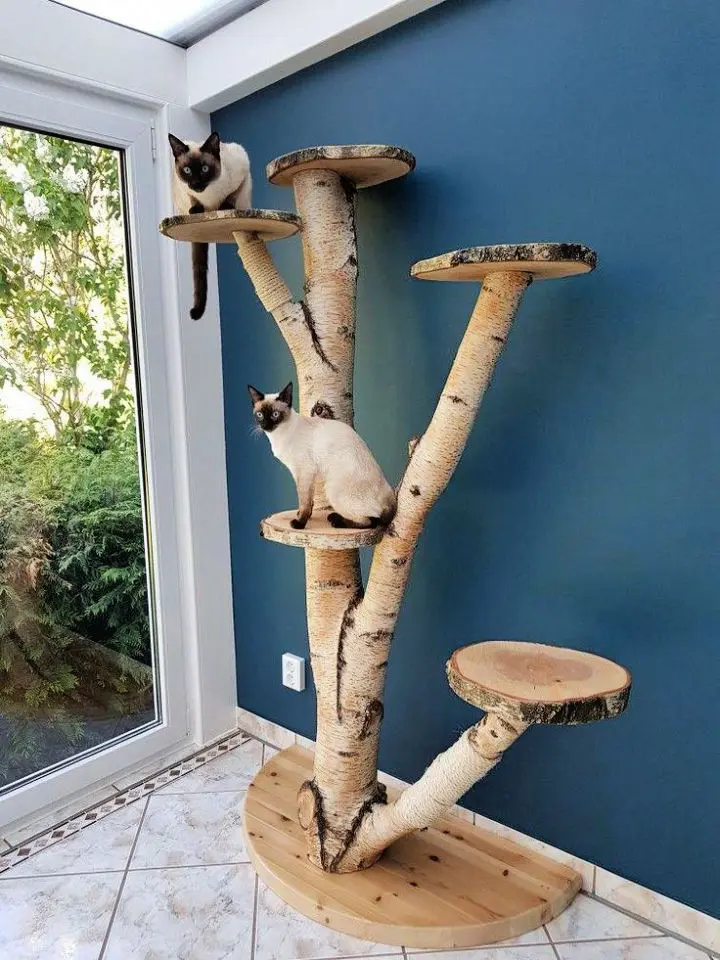
Active cats rarely stay in one place for long. A tower with multiple platforms gives them plenty of room to climb, jump, and explore throughout the day.
Use a sturdy base and install platforms at different heights to encourage movement. Reclaimed shelves or simple wooden boards work well for this type of build.
Adding ramps, bridges, or connecting walkways makes the setup even more engaging. Soft coverings on each level help create comfortable spots for resting between adventures.
14. Interactive Puzzle Cat Tower

Some cats need more than climbing space to stay entertained. An interactive puzzle tower adds mental stimulation while encouraging natural curiosity.
Include compartments, sliding panels, or treat hiding spots throughout the structure. Small challenges give cats a reason to investigate and interact with different sections.
Tunnels and elevated platforms add another layer of activity. This design works especially well for smart, energetic cats that enjoy solving problems.
15. Elegant Floating Cat Tower
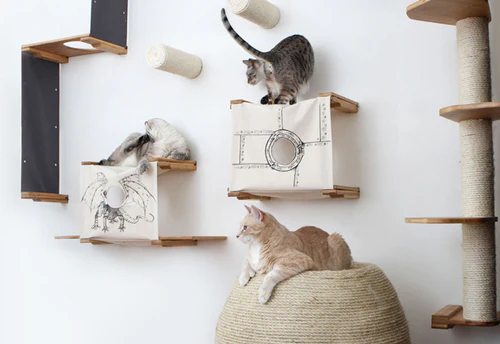
Looking for something clean and modern? A floating cat tower creates vertical play space while keeping the floor area open.
Mount sturdy shelves directly to the wall and arrange them at different heights. Hidden supports help create a streamlined appearance that blends into contemporary interiors.
A few scratching surfaces or lounging areas make the setup more functional. The result feels stylish while still meeting your cat’s climbing needs.
16. Cat Tower with Storage
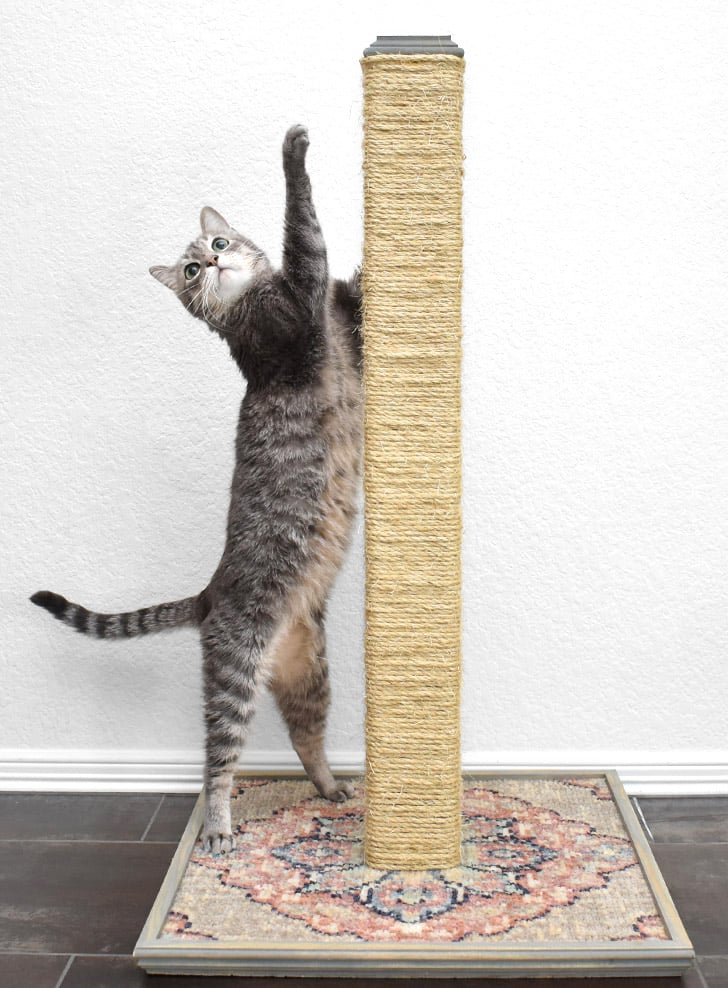
Pet supplies can quickly take over a room. A cat tower with built-in storage helps keep everything organized in one place.
Create platforms above drawers, cubbies, or storage compartments. These spaces can hold toys, grooming tools, blankets, or other daily essentials.
Some storage sections can even double as hideouts for your cat. This design is a smart option for apartments and smaller homes where every inch counts.
17. Cozy Cat Hideaway Tower
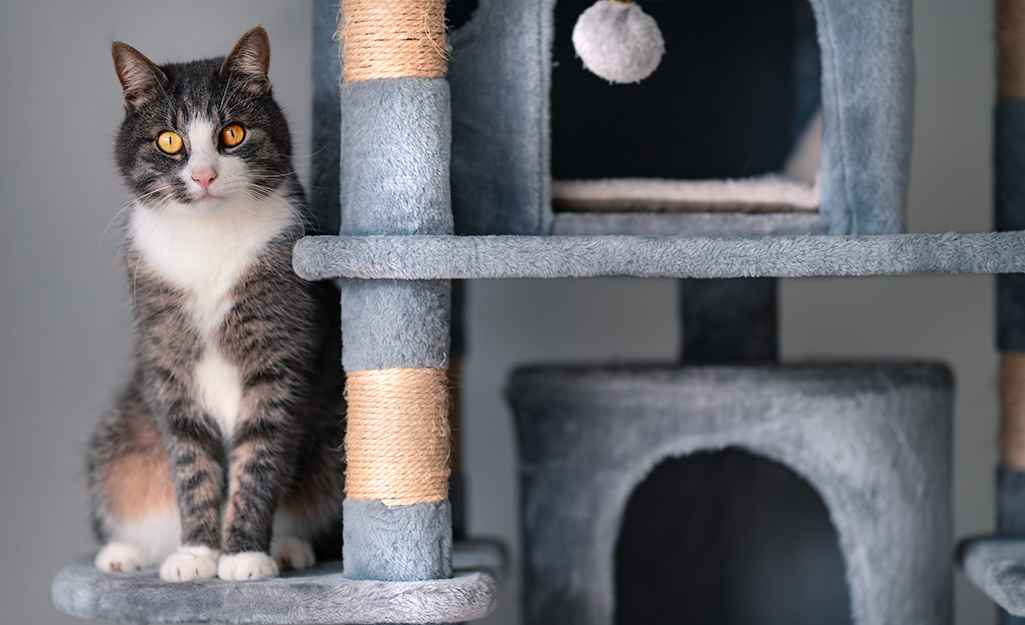
Not every cat wants to be out in the open all the time. A hideaway tower offers a quiet retreat where they can rest undisturbed.
Build several climbing levels and include at least one enclosed section. Wood panels, fabric coverings, or repurposed boxes can create a sheltered sleeping area.
Adding a soft cushion inside makes the space even more inviting. Many shy or cautious cats naturally gravitate toward this type of setup.
18. Outdoor Cat Tower
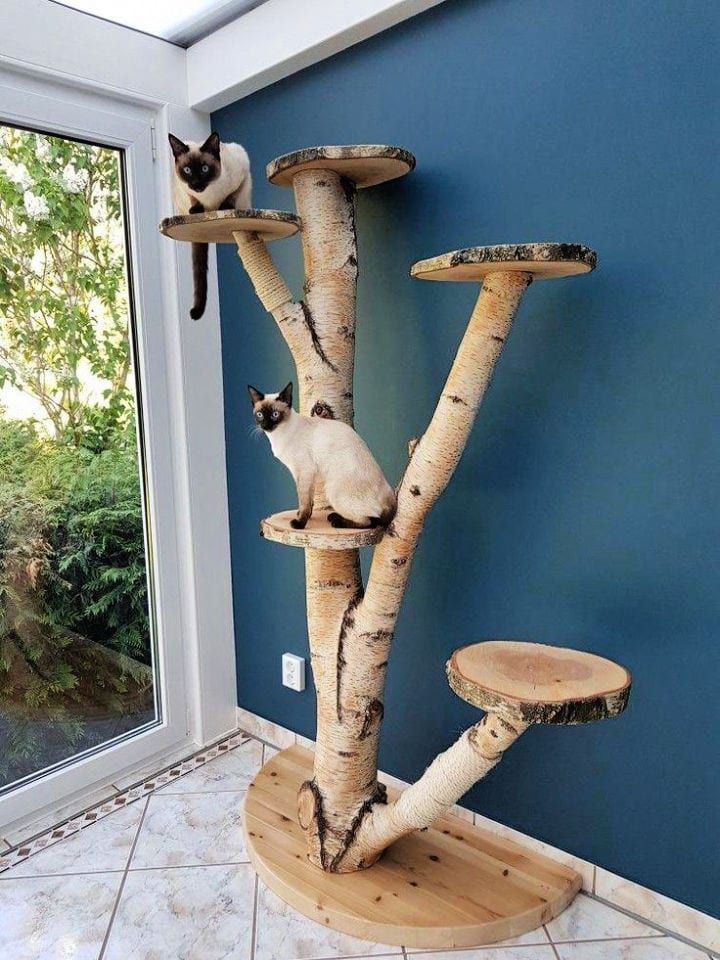
Fresh air and outdoor views can make a cat tower even more exciting. An outdoor version gives cats a safe place to climb and observe their surroundings.
Choose weather-resistant materials that can handle changing conditions. A solid base and secure installation are important for long-term stability.
Include elevated perches, shaded sections, and comfortable resting spots. This setup allows cats to enjoy time outside while remaining protected and contained.
19. Cat Tower with Heated Pads
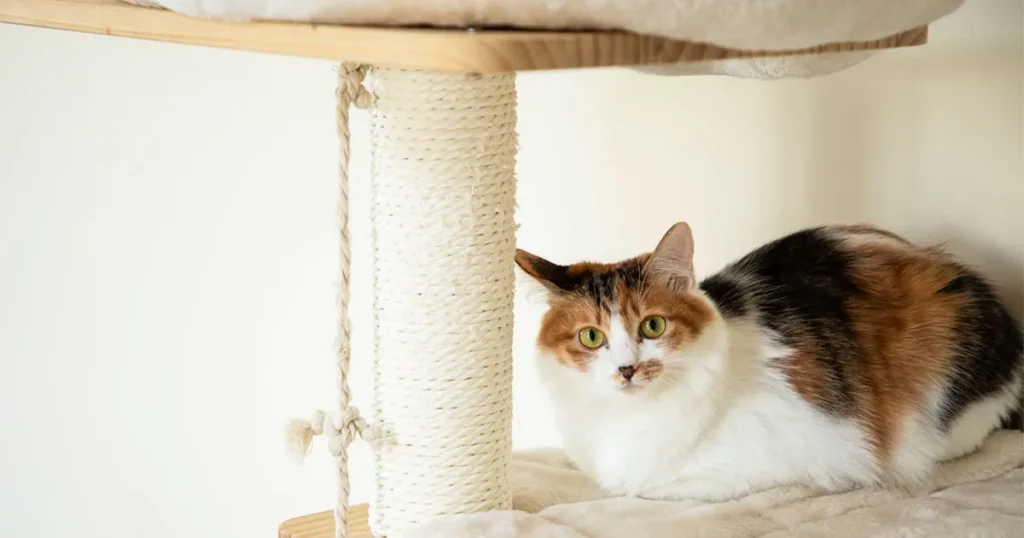
Cold weather can make favorite sleeping spots less inviting. Adding heated pads to a cat tower gives your pet a warm place to rest during cooler months.
Place pet safe heating pads on one or more platforms where your cat naturally likes to sleep. Make sure cords and electrical components remain protected and out of reach.
This feature is especially helpful for senior cats or breeds with thinner coats. A warm perch can quickly become the most popular spot in the house.
20. Eco-Friendly Cat Tower
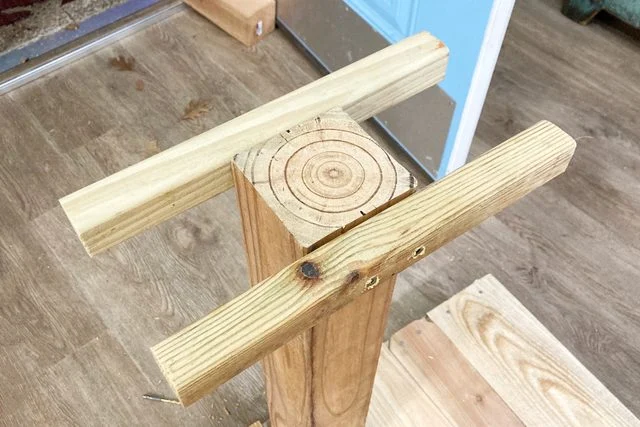
Building a cat tower doesn’t have to require brand-new materials. Reclaimed wood, cardboard, and natural fabrics can create a sturdy structure while reducing waste.
Use salvaged materials to build the frame and platforms. Sand rough surfaces carefully to keep the finished tower safe for daily use.
Natural fiber cushions and scratching surfaces complete the design. The result is practical, attractive, and made with sustainability in mind.
21. Vintage Style Cat Tower
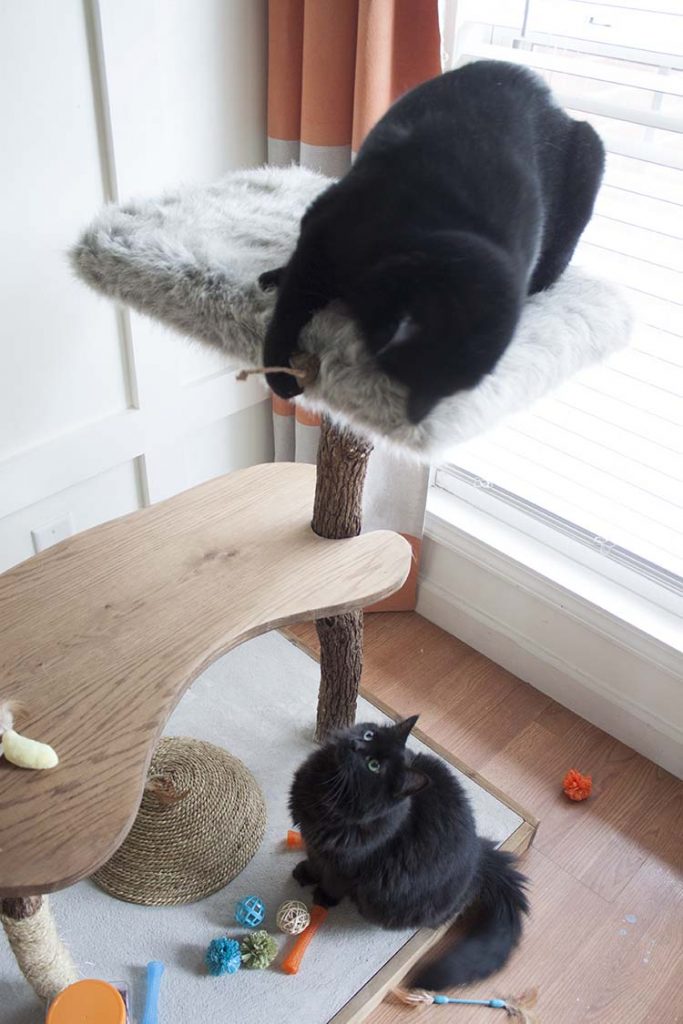
A cat tower can also double as a decorative piece. Vintage-inspired designs bring personality to a room while giving cats a place to climb and relax.
Repurpose an old chair, cabinet, or bookshelf as the foundation. Soft fabrics, classic finishes, and textured scratching surfaces help complete the look.
This style blends well with traditional and eclectic interiors. It offers both function and character without feeling overly pet-focused.
22. Pallet Cat Tower

Wooden pallets offer an affordable starting point for a sturdy cat tower. Their simple structure makes them easy to customize for different spaces.
Stack, cut, or reconfigure pallets to create platforms and climbing levels. Sanding the wood helps improve safety and gives the project a cleaner finish.
Add cushions, scratching areas, and resting spots to make the tower more comfortable. The rustic appearance works especially well in casual or farmhouse-inspired homes.
23. Cat Tower with Hidden Tunnel
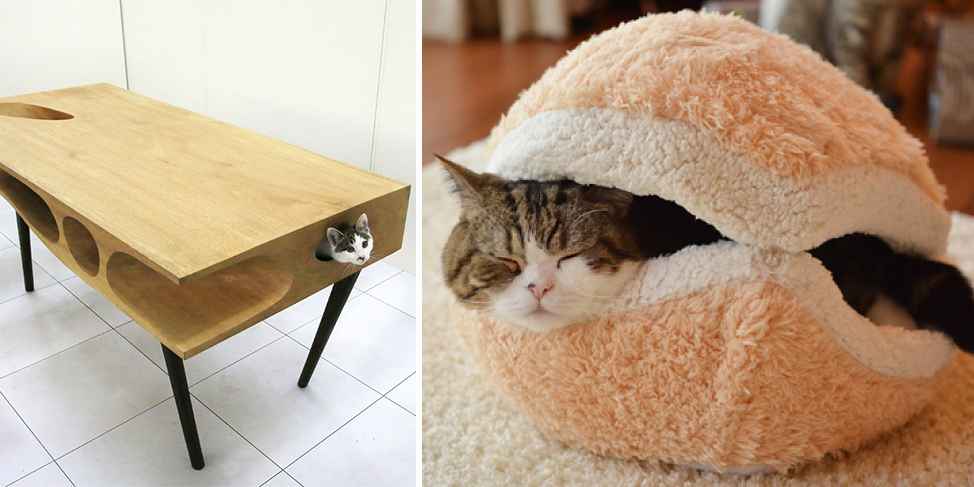
Some cats enjoy exploring as much as climbing. Hidden tunnels add an extra layer of adventure while encouraging movement throughout the tower.
Connect platforms using enclosed passageways made from tubes, wood, or fabric. Multiple entry points help keep the layout interesting and engaging.
Cats can use the tunnels to play, hide, or move between levels unnoticed. This design adds variety and helps prevent boredom during indoor playtime.
Conclusion
A well-designed cat tower gives your cat a dedicated place to climb, scratch, rest, and play. The best part of building your own is the ability to customize every detail to fit your space and your pet’s personality.
From simple beginner projects to more advanced builds with tunnels, storage, or climbing systems, there are plenty of ways to create something unique. Focus on stability, comfort, and the activities your cat enjoys most.
Hopefully, these 23 DIY cat tower ideas have inspired your next project. Share this article with fellow cat lovers, friends, and family who might be planning a custom tower for their own feline companion.
Keep Upgrading Your Home
• DIY Key Holder Ideas
• DIY Shoe Rack Ideas
• DIY Pin Board
• DIY Bathroom Makeover Ideas