
11 Car Trunk Organization Hacks That Make Everyday Driving Easier

This post contains affiliate links, and we will be compensated if you buy after clicking on our links. Read our disclaimer.
Read our editorial process
You probably do not think much about your trunk until you need something from it.
Then suddenly you are moving grocery bags, sports equipment, reusable totes, and random items that have been sitting there for months. What should be a quick grab turns into a search mission.
The problem is not usually a lack of space. Most trunks have enough room for everyday needs. The challenge is that items get added over time without a system for where they belong or how often they are used.
A well-organized trunk makes daily errands easier, keeps emergency supplies accessible, and helps prevent items from sliding around while you drive. It also makes it easier to use the space you already have instead of constantly feeling like you need more.
These 11 car trunk organization hacks will help you create a setup that stays organized long after the initial cleanup is done.
1. Empty the Entire Trunk Before Organizing
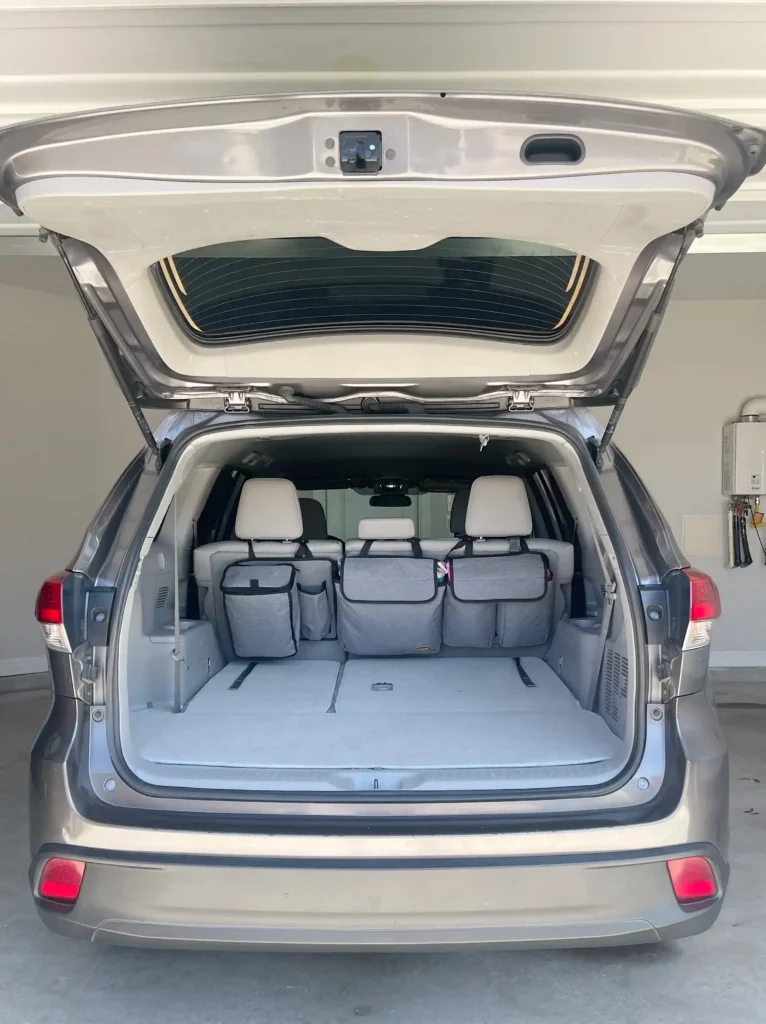
You open the trunk looking for one thing and end up moving five other things first. That usually happens because items have collected over time without any clear system.
Start by taking everything out. Place similar items together, such as emergency supplies, sports gear, reusable bags, and cleaning products. Throw away trash and remove anything that does not belong in the vehicle.
The most common mistake is organizing around clutter instead of removing it. You’ll know it worked when every remaining item has a clear reason to stay in the trunk.
2. Create Zones Based on How Often You Use Items
Many trunks become frustrating because everything is stored in one large pile. The problem is not lack of space. It is lack of structure.
Divide the trunk into zones based on how often you need items. Keep reusable shopping bags and umbrellas near the opening. Place weekly-use items toward the middle.
Store emergency supplies in a dedicated corner and seasonal gear farther back.
Most people organize by size, but frequency of use matters more. You’ll spend less time digging through the trunk every day.
Trunk Zone Planning Guide
| Zone | Items | Placement |
|---|---|---|
| Quick Access | Reusable bags, umbrella | Near trunk opening |
| Weekly Use | Sports gear, cleaning supplies | Center area |
| Emergency | First aid kit, jumper cables | Secured corner |
| Seasonal | Snow brush, beach gear | Rear section |
3. Use a Trunk Organizer Instead of Loose Bins
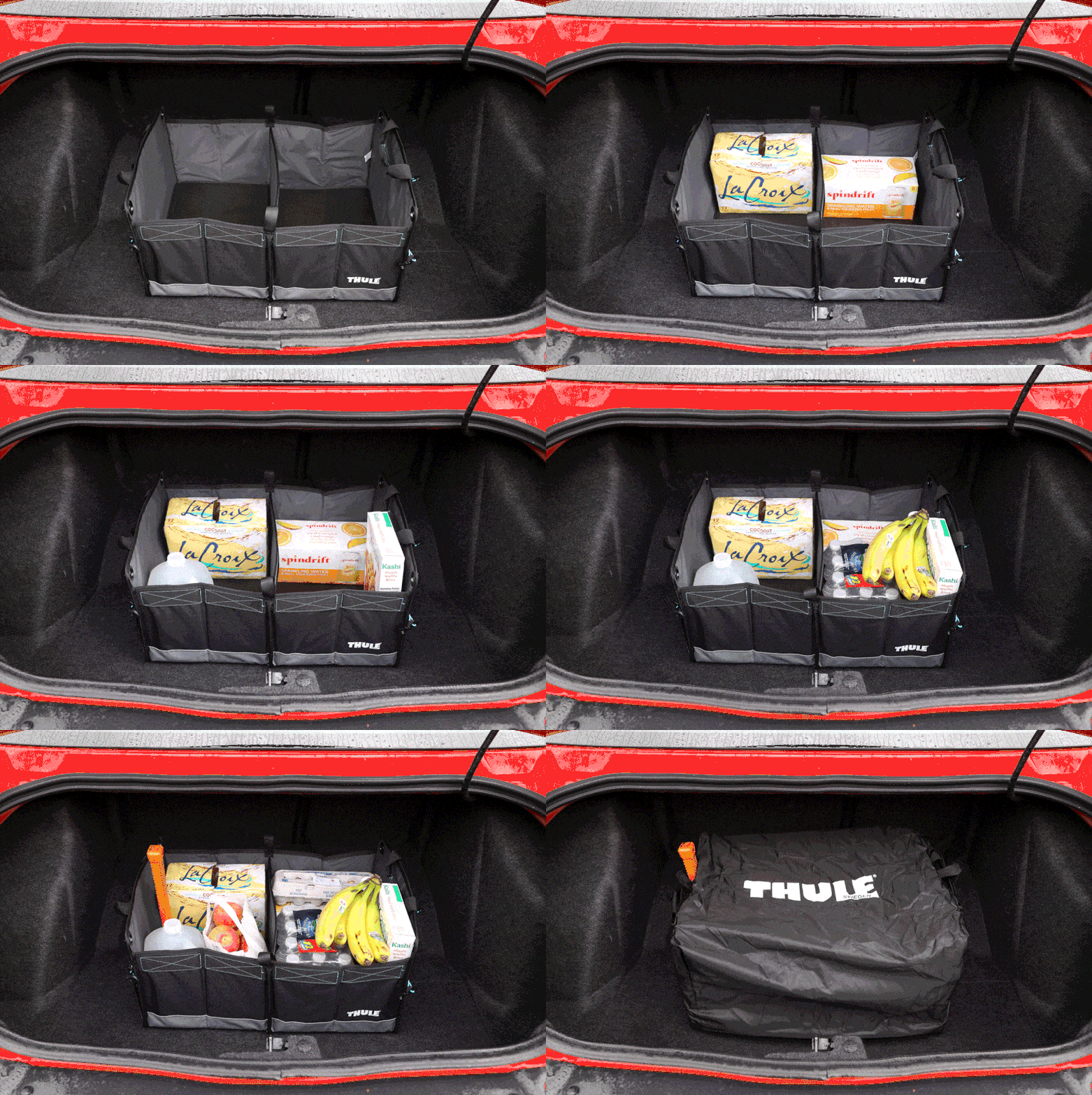
Loose containers often slide around every time you turn a corner. Small items end up scattered, and finding what you need becomes harder than it should be.
Choose a trunk organizer with separate compartments. Foldable organizers work well if you occasionally need extra cargo space. Rigid versions hold their shape better for daily use.
The common error is buying one that takes up half the trunk. Match the organizer to your vehicle size so it helps storage instead of limiting it.
4. Secure Grocery Bags to Prevent Spills
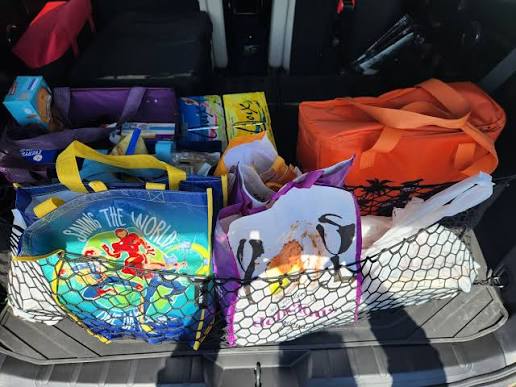
You get home, open the trunk, and find groceries tipped over again. A single sharp turn can send bags sliding across the cargo area.
Use cargo hooks, reusable crates, or a non-slip mat to keep bags in place. Put heavier items at the bottom and fragile foods upright. Many people focus on organizing after a spill happens.
It works better to prevent movement before it starts. You’ll know this setup is working when groceries stay exactly where you placed them during the drive home.
5. Keep an Emergency Kit in One Dedicated Spot
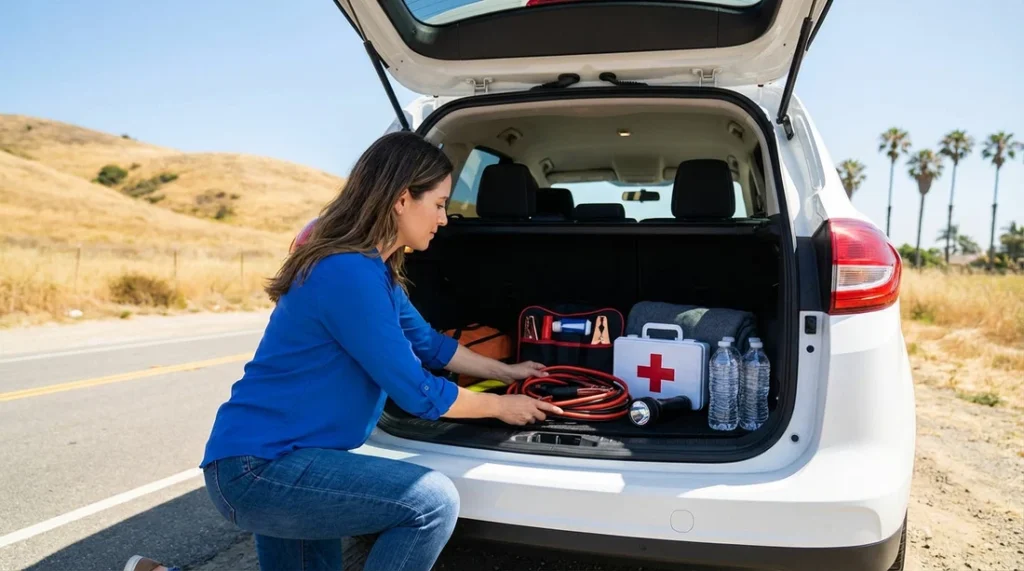
Few things are more frustrating than searching for emergency supplies during an actual emergency. The time to find jumper cables is not when your battery has already died.
Store first aid supplies, a flashlight, tire tools, gloves, and jumper cables together in one container. Pick a fixed location and leave it there year-round.
What gets missed most is checking supplies after they are used. A dedicated emergency zone only works if it stays complete and easy to reach.
6. Install a Non-Slip Cargo Mat
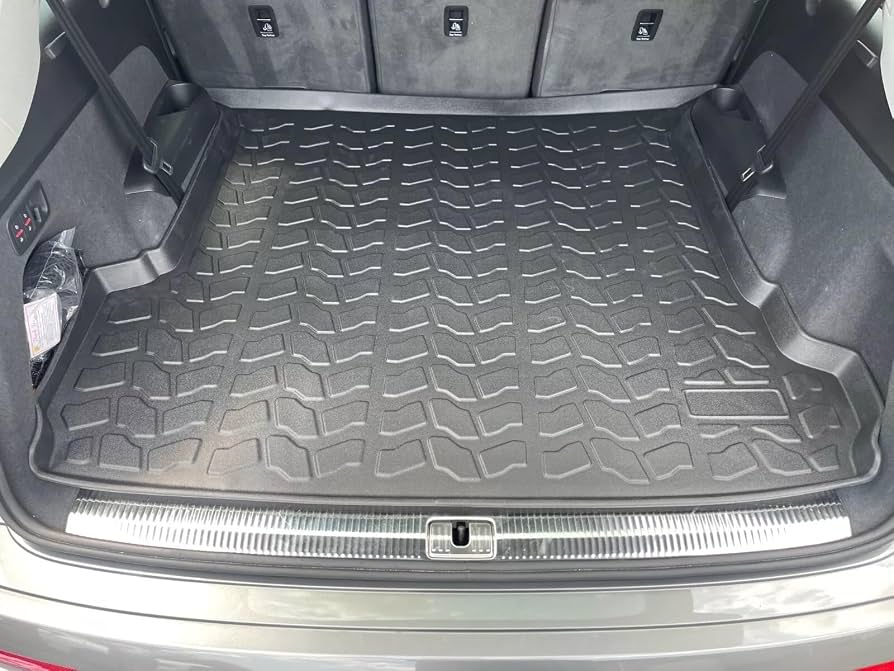
You place everything neatly in the trunk, then hear items sliding around on the first drive. That movement creates clutter even when the trunk started organized.
A non-slip cargo mat helps hold items in place while protecting the trunk floor from dirt and spills. It also reduces wear on storage containers.
Many people rely on organizers alone, but organizers still move if the surface underneath is slippery. You’ll know the mat is doing its job when items stay stable during turns and stops.
7. Use Trunk Side Pockets and Cargo Nets
Small items often become the hardest things to store. Chargers, flashlights, gloves, and cleaning wipes seem to disappear whenever you need them.
Take advantage of vertical space using side pockets, cargo nets, or trunk wall organizers. These areas are often unused but can hold many everyday essentials.
The common mistake is filling the main cargo floor with small items. Keeping them off the floor frees up room for larger loads and makes essentials easier to find.
8. Rotate Seasonal Items Throughout the Year
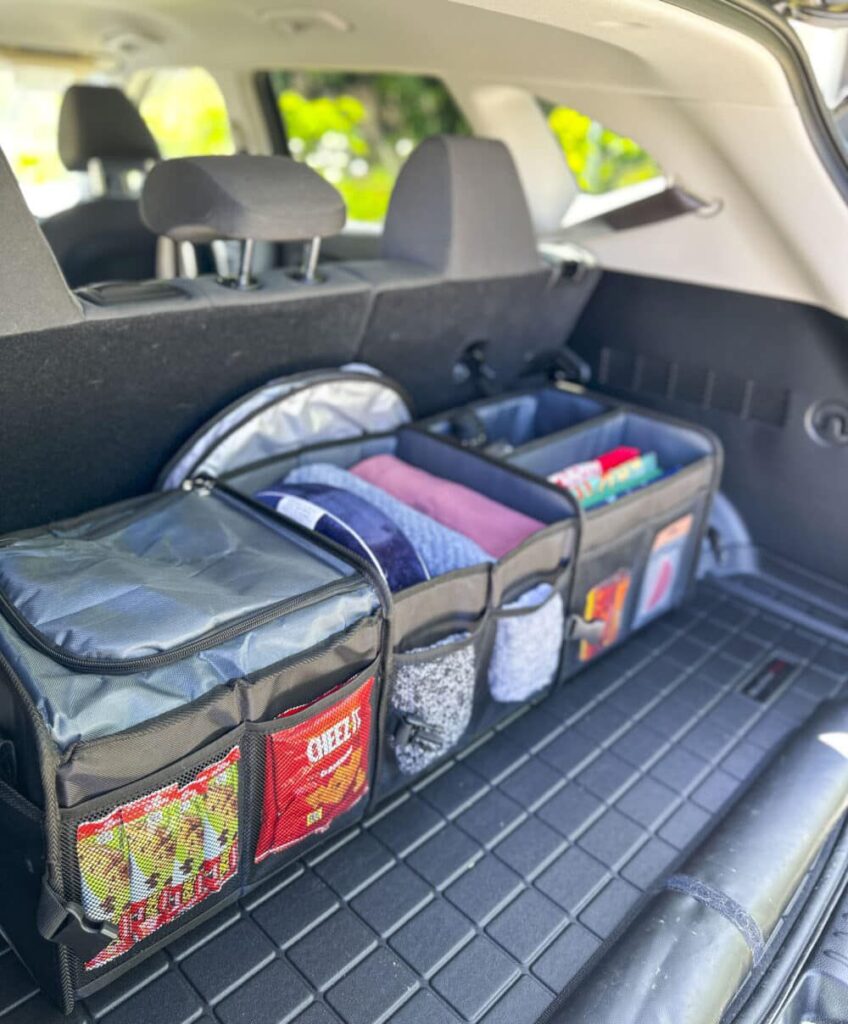
Many trunks stay crowded because items never leave once they enter. Winter gear sits there through summer, and beach equipment remains long after vacation season ends.
Review your trunk every few months and swap out seasonal supplies. Keep only what fits current conditions and activities. Most people add items without removing old ones.
That habit slowly reduces available space. You’ll know this system is working when your trunk still has room for unexpected errands and larger purchases.
Seasonal Trunk Rotation Checklist
| Season | Recommended Items |
|---|---|
| Spring | Umbrella, cleaning wipes |
| Summer | Cooler bag, sunscreen, beach towels |
| Fall | Blanket, flashlight, rain gear |
| Winter | Ice scraper, gloves, emergency blanket |
9. Store Small Essentials in Clear Containers
You know the item is somewhere in the trunk, but finding it takes longer than expected. Small essentials tend to disappear into larger storage areas.
Use clear containers for charging cables, cleaning supplies, pet accessories, and road trip items. Visibility matters because you can spot what you need without opening multiple containers.
The most common error is using opaque boxes that hide contents. You’ll save time and avoid buying duplicates because you can see exactly what you already have.
10. Build a Quick-Access Section Near the Opening
Some items leave the trunk almost every day. Yet many people store them at the back, buried beneath everything else.
Create a quick-access zone near the trunk opening. Store reusable bags, umbrellas, work supplies, and other frequently used items there.
Ask yourself one question: what do you reach for most often?
Those items belong closest to you. If daily retrieval describes your situation, keep those supplies in the first area you see when opening the trunk.
11. Follow a Five-Minute Monthly Reset Routine
Most organization systems fail because they are treated as one-time projects. Life changes, new items enter the trunk, and clutter slowly returns.
Set aside five minutes once a month to remove trash, return misplaced items, restock emergency supplies, and review seasonal gear.
What gets missed most is checking expired or depleted emergency items. Those are often the supplies you need most when a problem happens.
You’ll know the routine is working when the trunk never reaches the point where a major cleanup is necessary.
Signs Your Trunk Organization System Is Actually Working
It can be hard to tell if a system is effective until a few weeks pass. A clean trunk on day one does not always mean the setup will last.
You should be able to find any item within a few seconds. Cargo should stay in place while driving, emergency supplies should remain accessible, and there should still be open space available.
If you constantly move items around to reach something else, the system needs adjustment. A good setup feels easy to maintain, not something you have to fight against.
Organize More Than Just Your Vehicle
• Hallway Organization Tips
• Kitchen Organization Ideas
• Desk Organization Ideas
• Linen Closet Organization Ideas