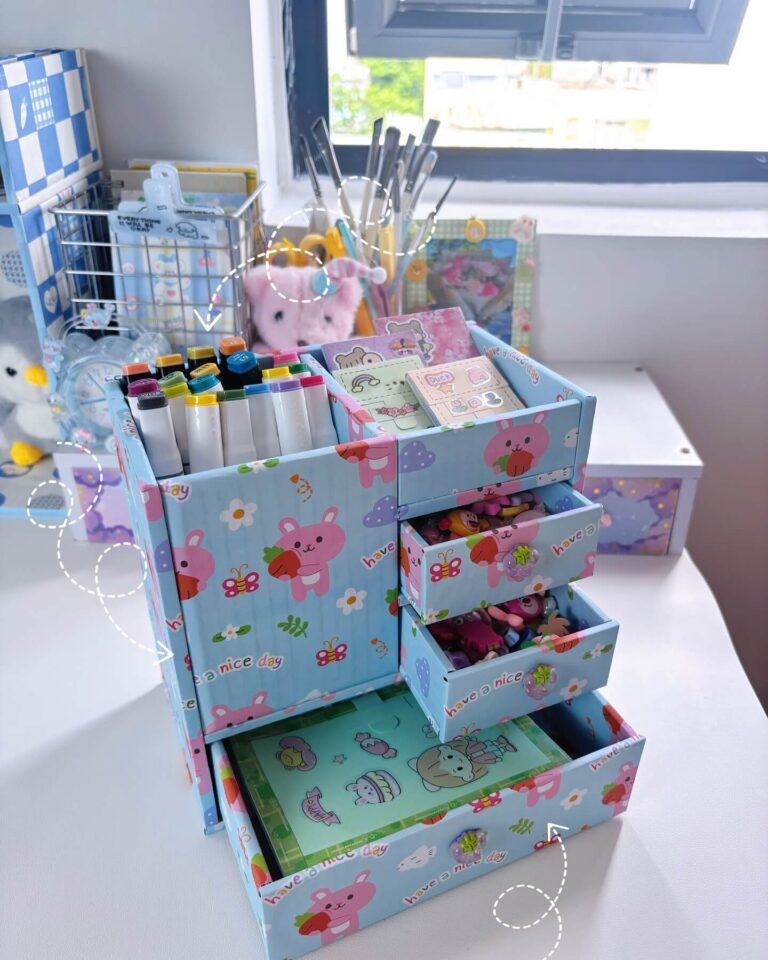
27 DIY Shoe Racks That Actually Solve the Pile-Up Problem

This post contains affiliate links, and we will be compensated if you buy after clicking on our links. Read our disclaimer.
Read our editorial process
Shoes have a way of taking over your space before you even notice. One pair turns into a pile, and suddenly, your entryway or closet feels messy all the time.
Many people try quick fixes, but without proper storage, shoes end up scattered again. It wastes space and makes everyday routines more frustrating than they need to be.
The good news is you don’t need expensive furniture to fix it. With a few DIY ideas, you can create simple racks that keep everything organized and easy to access.
This article brings you 27 DIY shoe rack ideas to help you organize your space. Practical solutions that work for real homes and daily use.
Let’s jump in!
Can You Build a Shoe Rack Without Advanced Skills?
Yes. Many of the most practical designs require only basic tools and straight cuts.
Stacked wooden crates, simple tiered shelving, wall-mounted rails, and slim vertical racks are all beginner-friendly projects. Even repurposing an old bookshelf or cabinet can turn into a functional shoe station with minor adjustments.
The key is measuring your space carefully and planning for airflow, so shoes do not feel crammed.
27 DIY Shoe Racks to Bring Order Back to Your Entryway
Below, you will find creative and practical ideas designed to tackle shoe clutter head-on.
From compact solutions for tight spaces to larger storage systems for busy households, these DIY shoe rack ideas focus on what matters most: keeping your floors clear and your home feeling organized.
Clean and Classic White Shelving
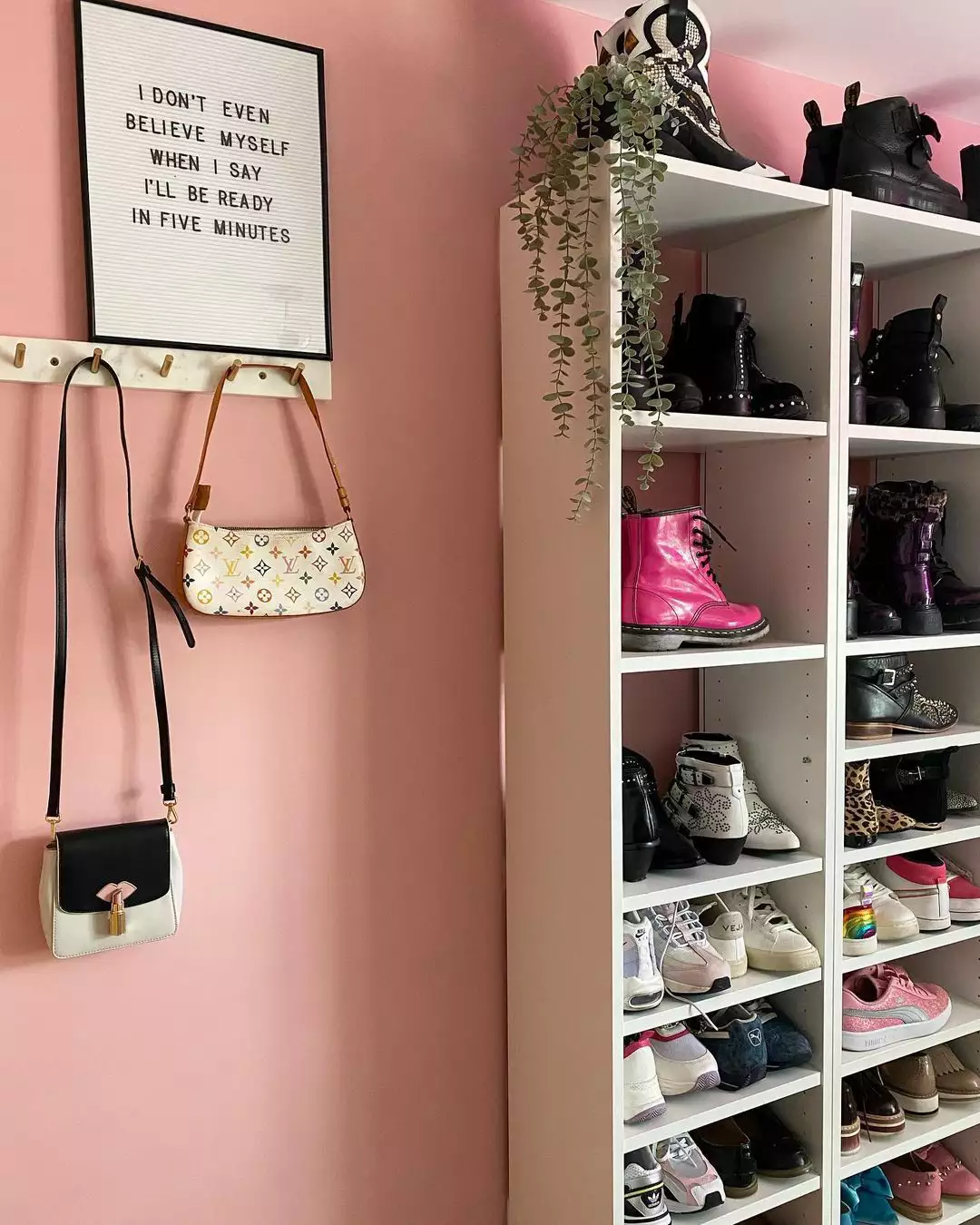
Tall white shelving works well in a narrow entryway with limited floor space, where spreading out is not an option. The vertical layout keeps everything lifted while the light finish reflects available light instead of making the corner feel tight.
Using a matte white bookcase with evenly spaced shelves helps boots and sneakers sit neatly without visual clutter. Placing softer elements like trailing greenery on top reduces the rigid look of straight lines.
In daily use, this setup keeps shoes visible and easy to grab, which reduces last-minute searching. One thing to watch, heavier boots can make shelves bow slightly over time, so adjusting shelf height early helps maintain structure.
The Ultimate Utility Back-of-Door Station
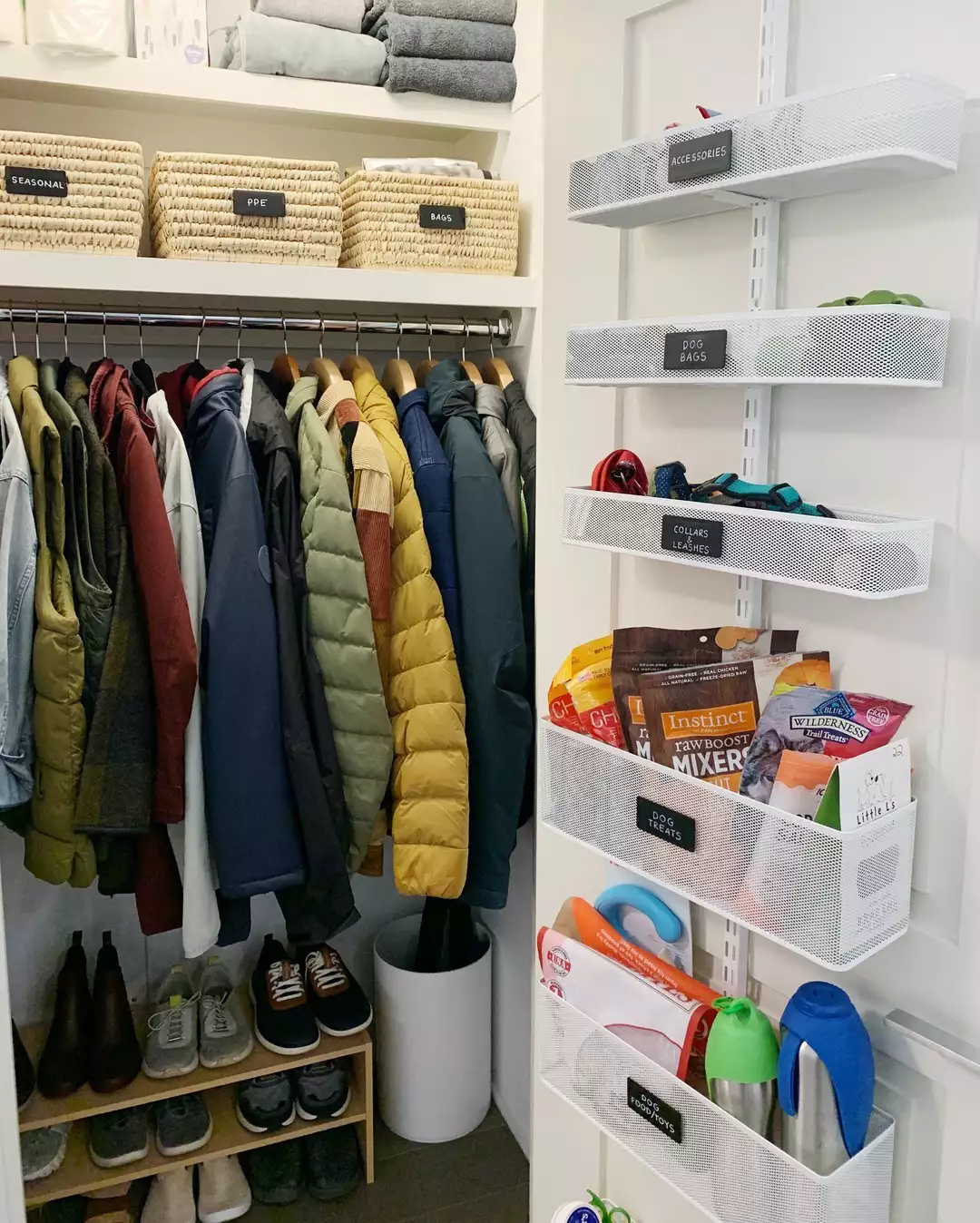
This setup fits best in a small entry closet where wall space is already taken by hanging clothes. Using the back of the door avoids crowding the main area while still adding storage.
A pantry-style rack with mesh or clear bins makes smaller items easy to spot without digging. Pairing it with a low wooden bench below creates a defined zone for everyday shoes.
Over time, it reduces morning friction by keeping essentials in one place instead of scattered around. A small adjustment that helps avoid overloading the top rows since door hinges can loosen with uneven weight.
Rustic Stacked Crate Charm
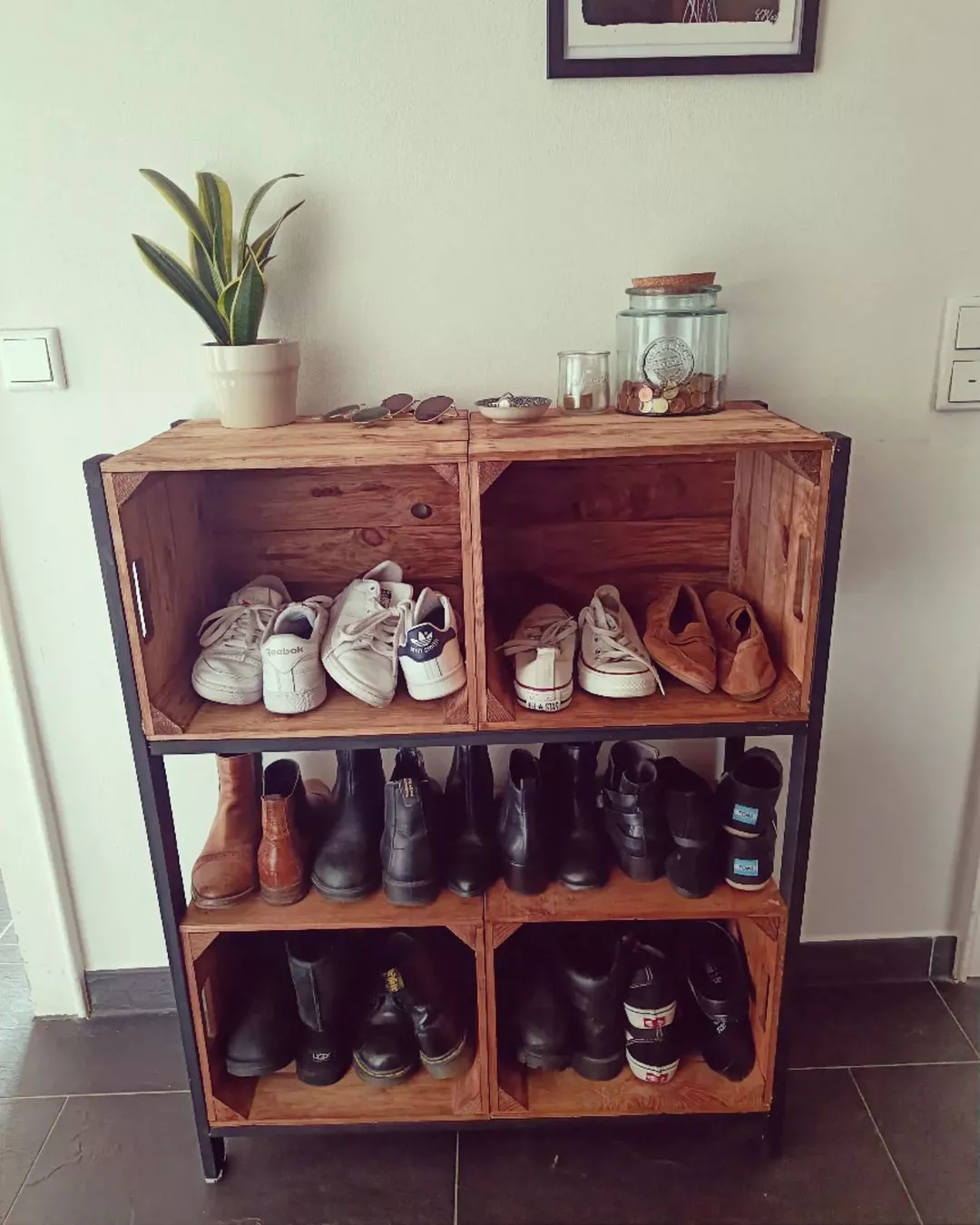
Stacked crates work differently in a space with darker flooring or neutral walls, where texture stands out more than color. The depth of each crate allows bulkier shoes to sit without looking cramped.
Choosing weathered wooden crates with visible grain and a simple black frame adds structure while keeping the look relaxed. The top surface can double as a drop zone for keys or small decor.
In real use, it handles larger shoes better than shallow racks and keeps pairs grouped naturally. One small detail, uneven crate sizes can shift slightly, so aligning the base layer properly makes everything feel stable.
Sleek Garage Wall System
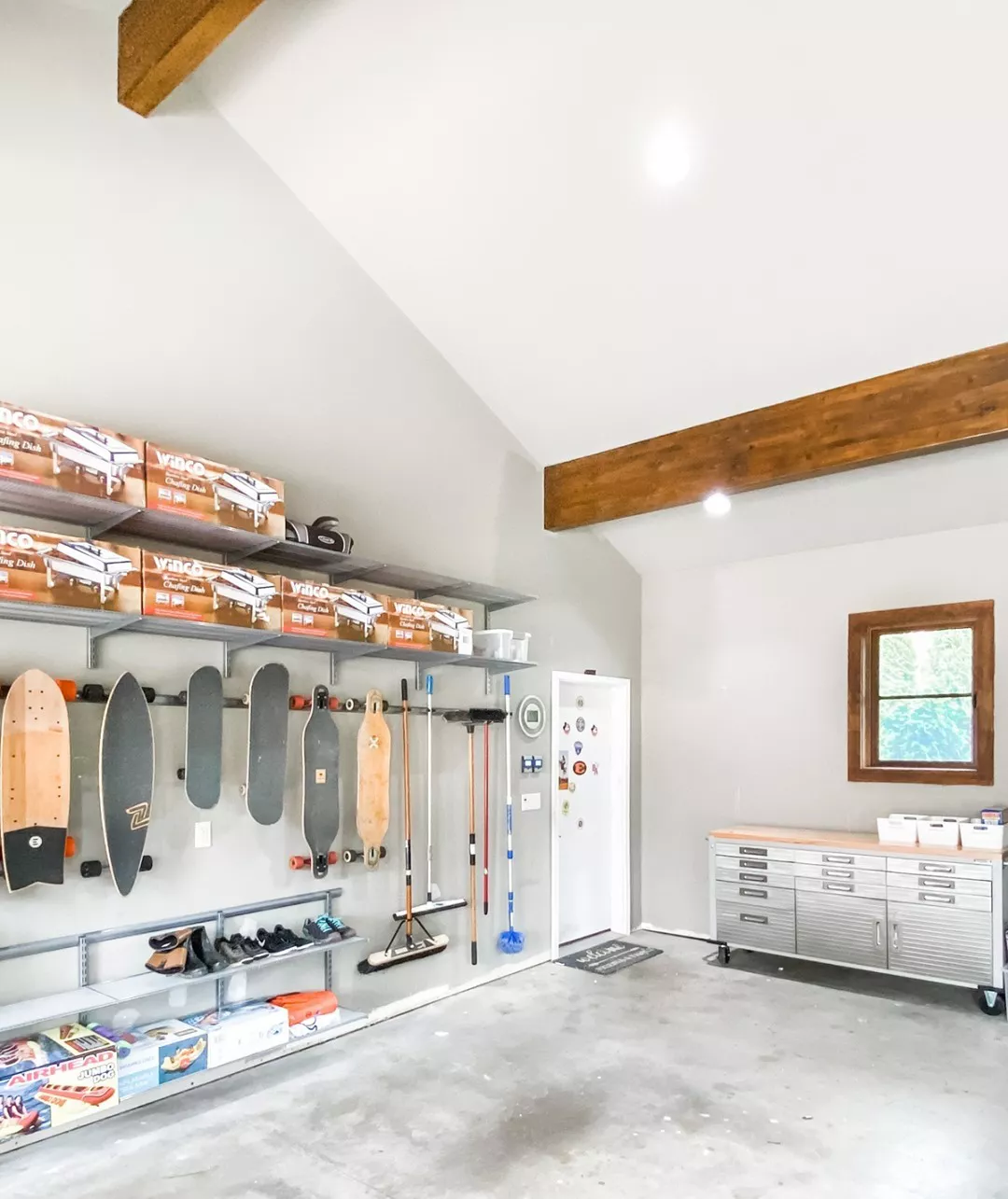
Wall-mounted storage becomes useful in a garage where floor space is needed for movement or parking. Lifting everything up keeps the area easier to clean and less cluttered.
Slim metal shelves in consistent grey or silver tones create a uniform look that blends with tools and equipment. Keeping the spacing tight prevents shoes from tipping forward.
This setup makes the garage feel more open and organized while separating gear clearly. One thing people miss, placing shelves too high makes daily use inconvenient, so keeping frequently used pairs at waist level works better.
Tucked Away Basket Storage
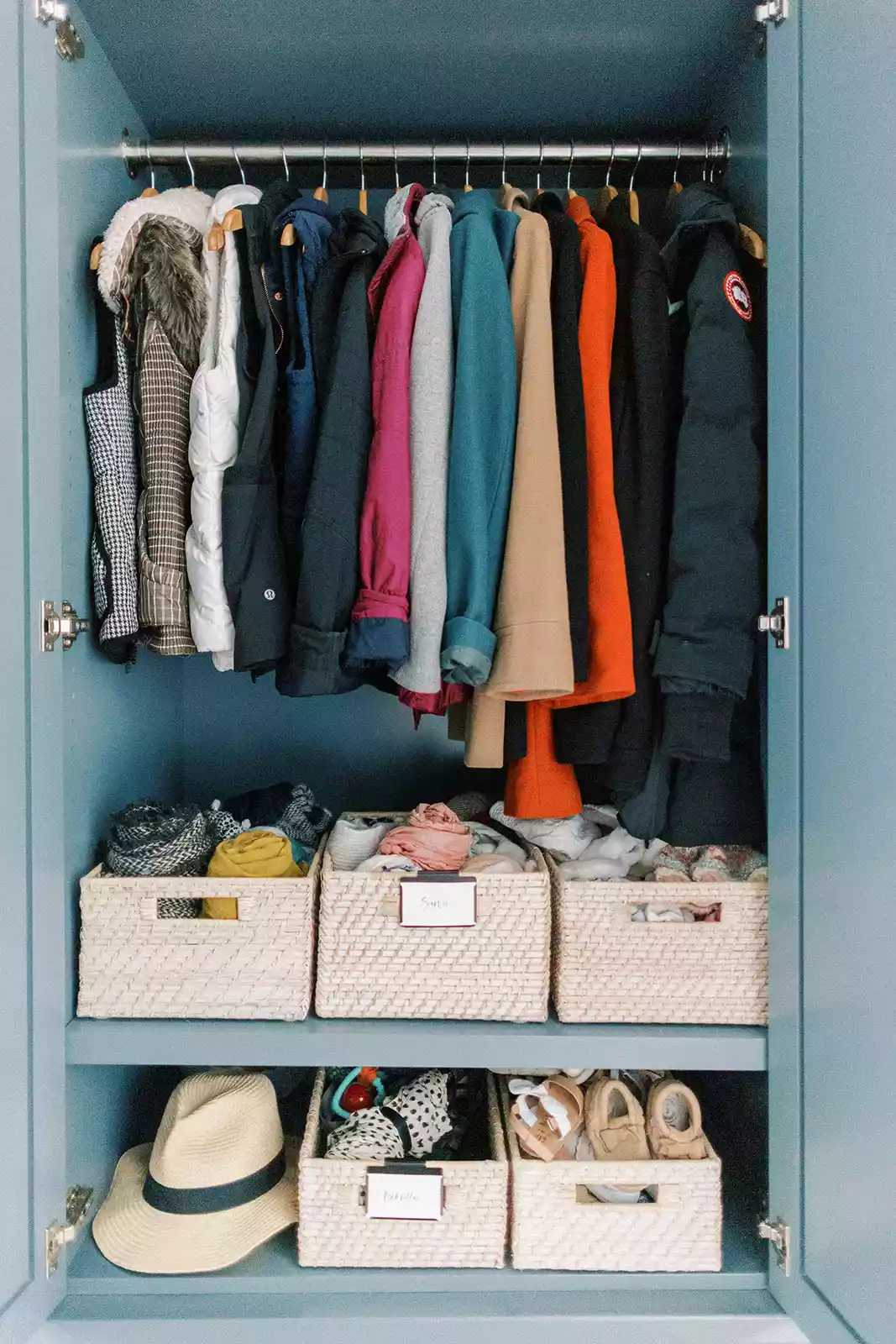
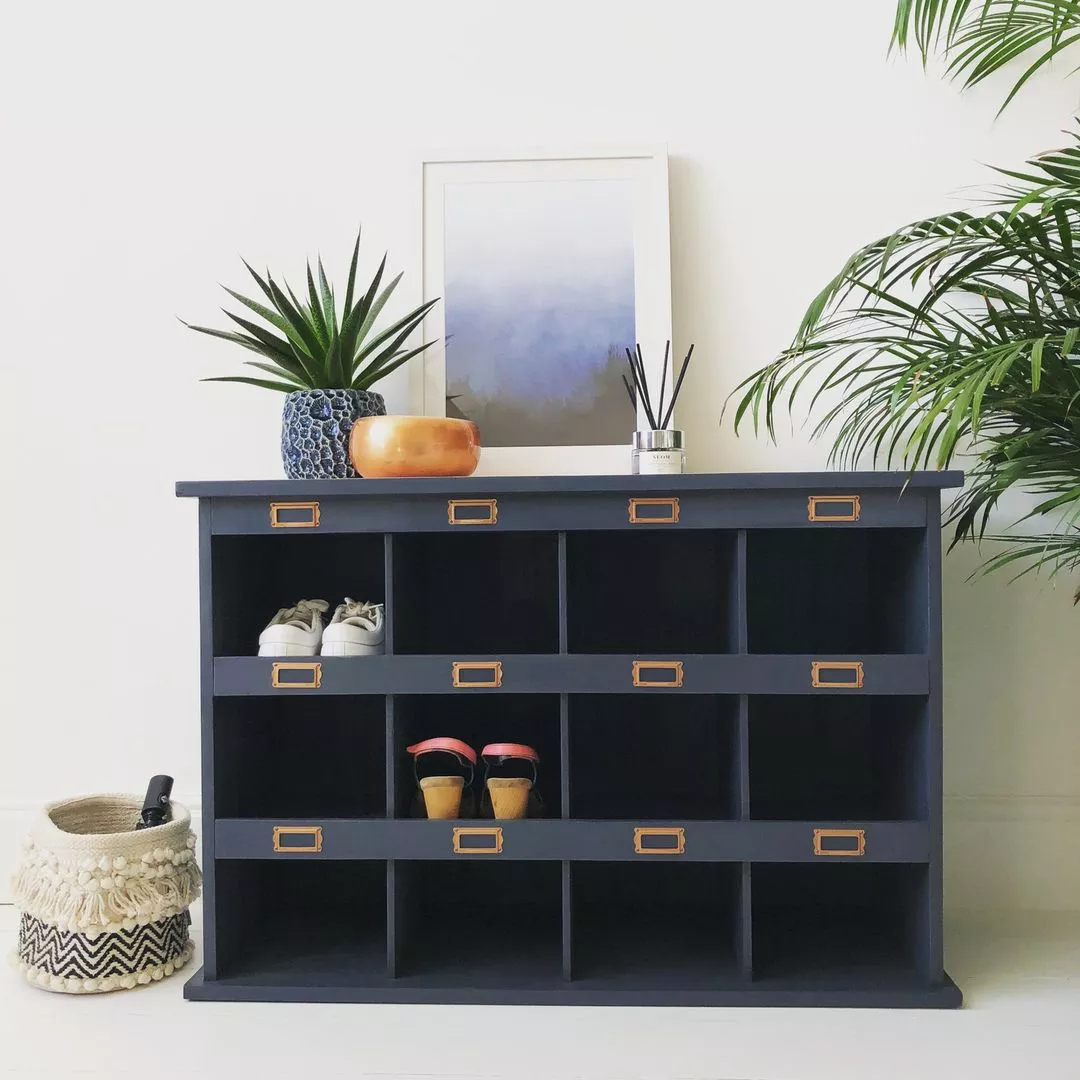
This approach suits a shared entry space where visual clutter builds quickly, especially with kids or multiple users. Hiding items helps maintain a calmer look without constant tidying.
Using woven wicker baskets inside a painted cabinet adds texture while concealing smaller shoes and accessories. Labels or tags make it easier to assign each basket a purpose.
In everyday use, it keeps the area looking clean even when storage is full, which reduces the need for constant rearranging. A small insight, deeper baskets can swallow items, so limiting how much goes inside keeps things easy to find.
Personalized Photo Box Labels
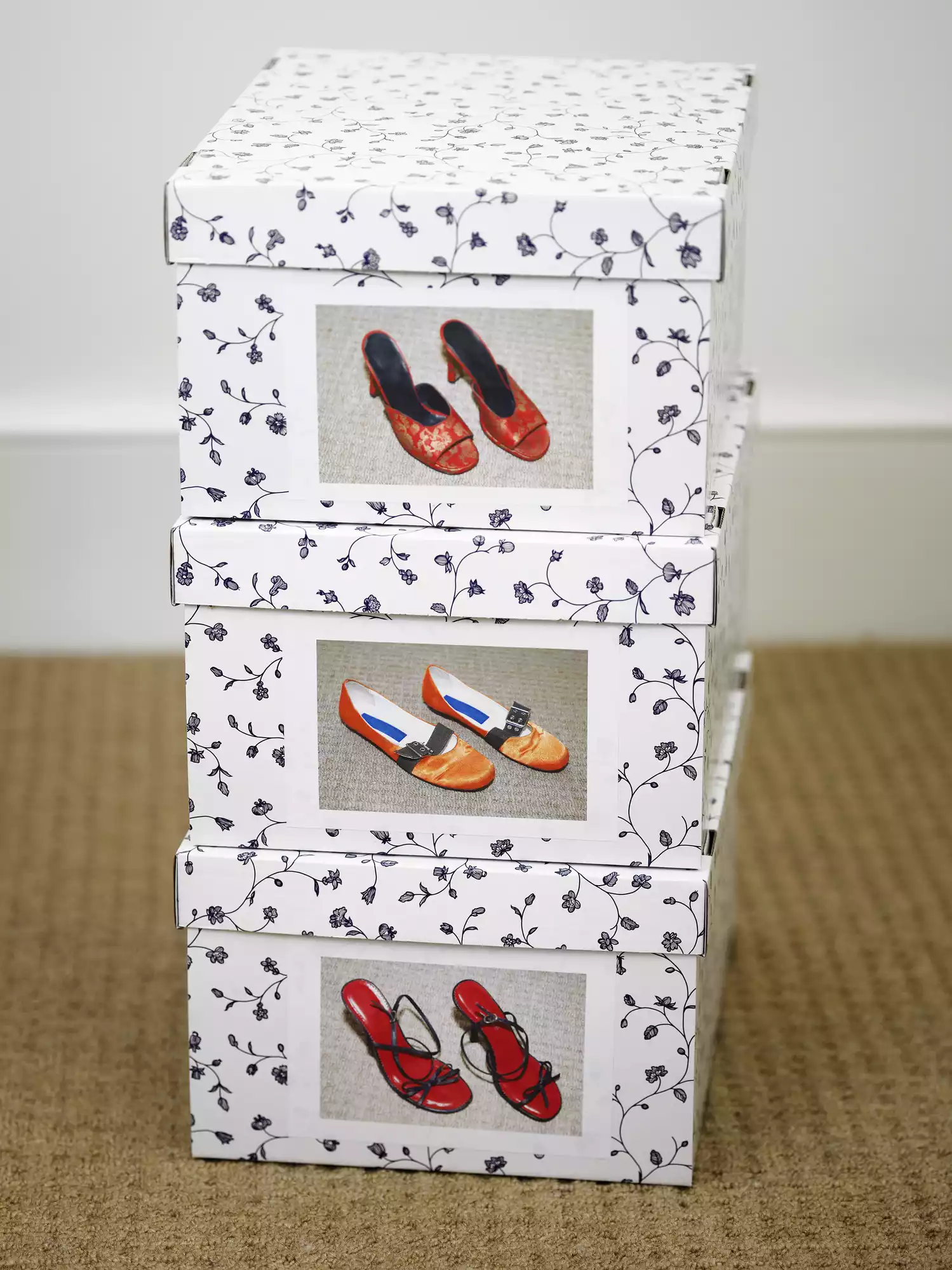
Stacked boxes usually turn into guesswork, especially in a low-light closet where labels are hard to read. Adding photos changes how quickly you find things.
Small printed images on uniform storage boxes keep everything clean while protecting shoes from dust. The visual cue replaces digging through every box.
The result feels smoother day to day since you spot the exact pair instantly instead of searching. One thing people miss, glossy prints can reflect light and become harder to see, so a matte finish works better.
Recycled Bottle Shoe Slots
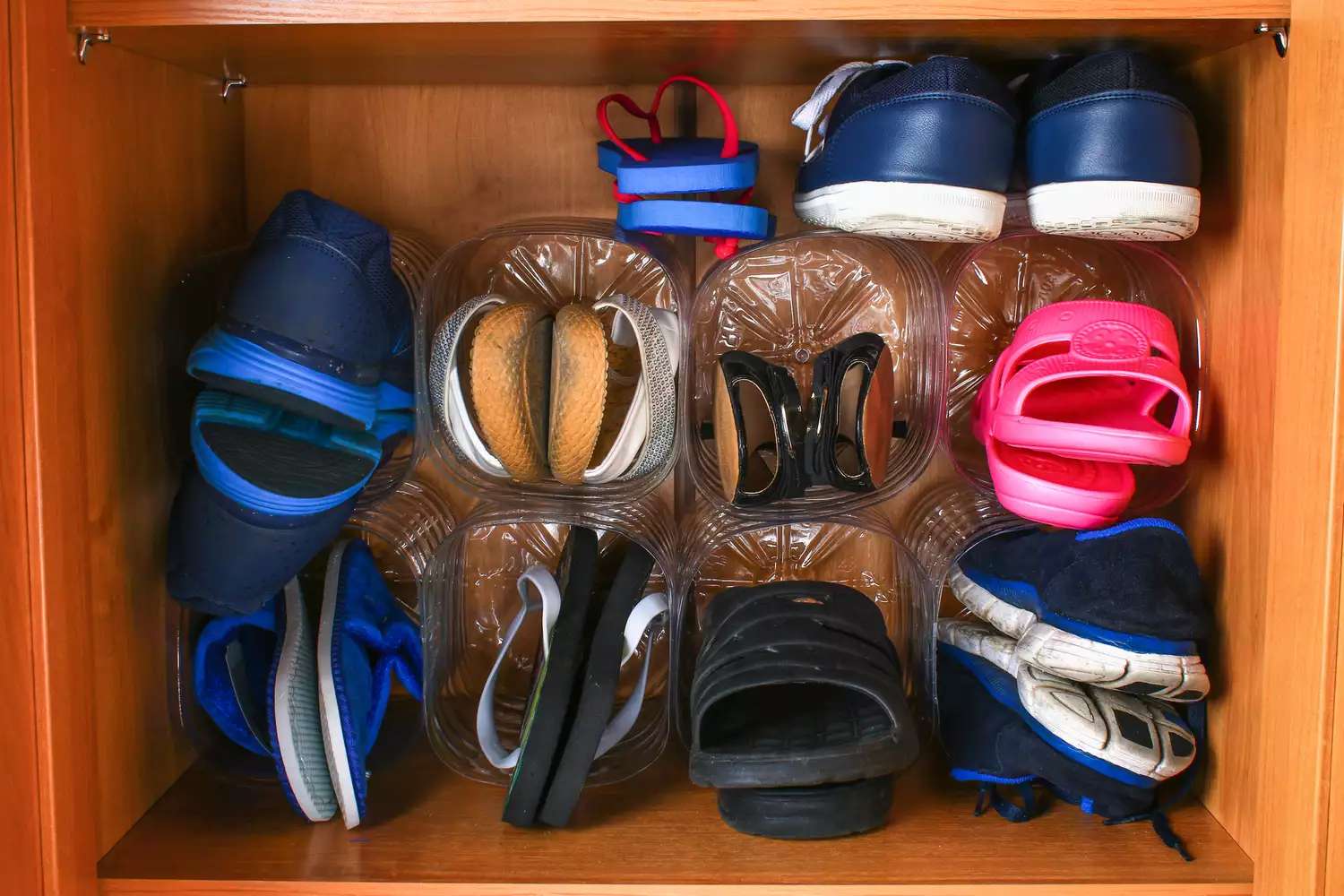
Loose sandals tend to collapse into each other, mostly in a tight cabinet with shallow depth. Giving each pair its own slot fixes that instantly.
Cut plastic bottles into clear open front holders so each shoe stays in place. The transparency keeps everything visible without moving items around.
This setup reduces scuffs and keeps pairs from mixing over time. A small fix that helps, keeping bottle sizes consistent, avoids uneven stacking inside the cabinet.
Industrial Pipe and Wood Bench
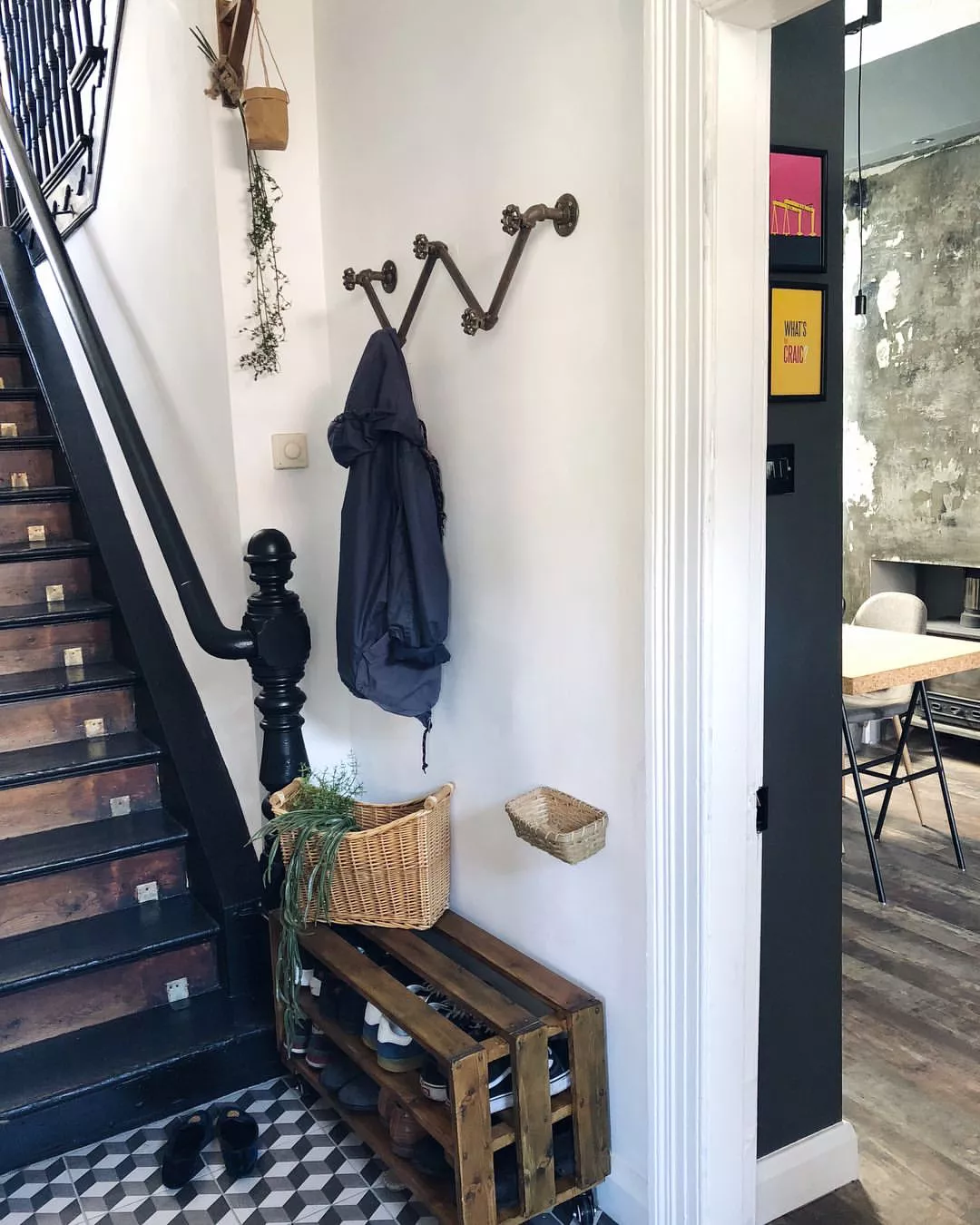
Some entryways deal with heavy daily use, especially near the door, where dirt and weight build up quickly. A stronger structure handles that better.
Thick wood paired with black iron pipes and rolling casters adds both support and mobility. You can shift it easily when cleaning or rearranging.
In real use, it holds weight without flexing and keeps shoes within reach while seated. One detail to watch, untreated wood can absorb moisture near the floor, so sealing it helps in the long term.
Minimalist Porch Ladder
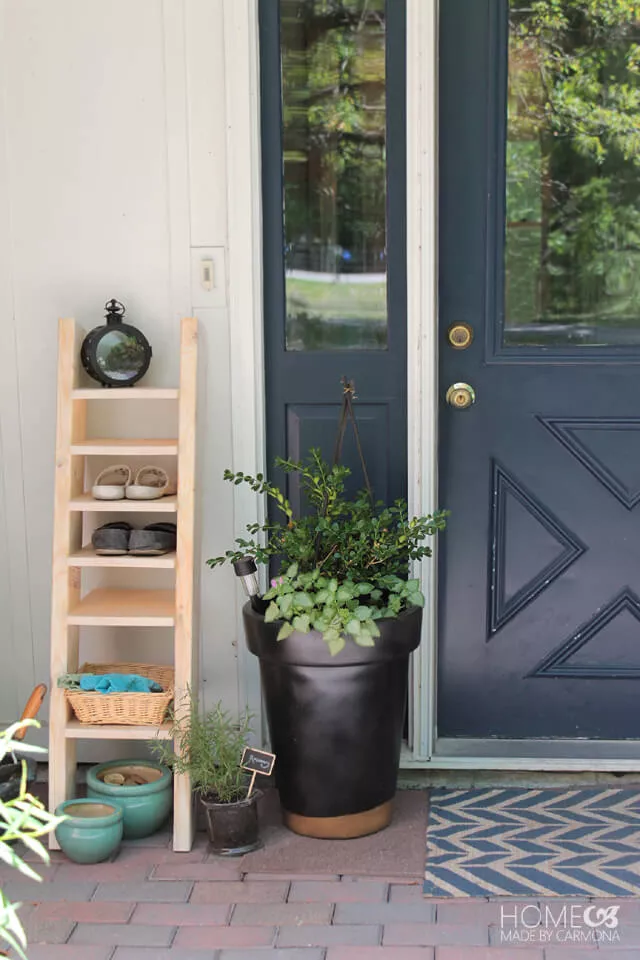
Outdoor shoes need a spot that stays separate, especially in a covered porch exposed to humidity and dust. A slim ladder keeps things contained without bulk.
Light wood with spaced rungs allows airflow, which helps dry shoes faster after use. It also keeps the setup visually light.
Over time, it reduces how much dirt gets tracked indoors while keeping access easy. A small tweak, placing it slightly away from the wall, improves air circulation behind the rack.
The Dreamy Floor-to-Ceiling Wall
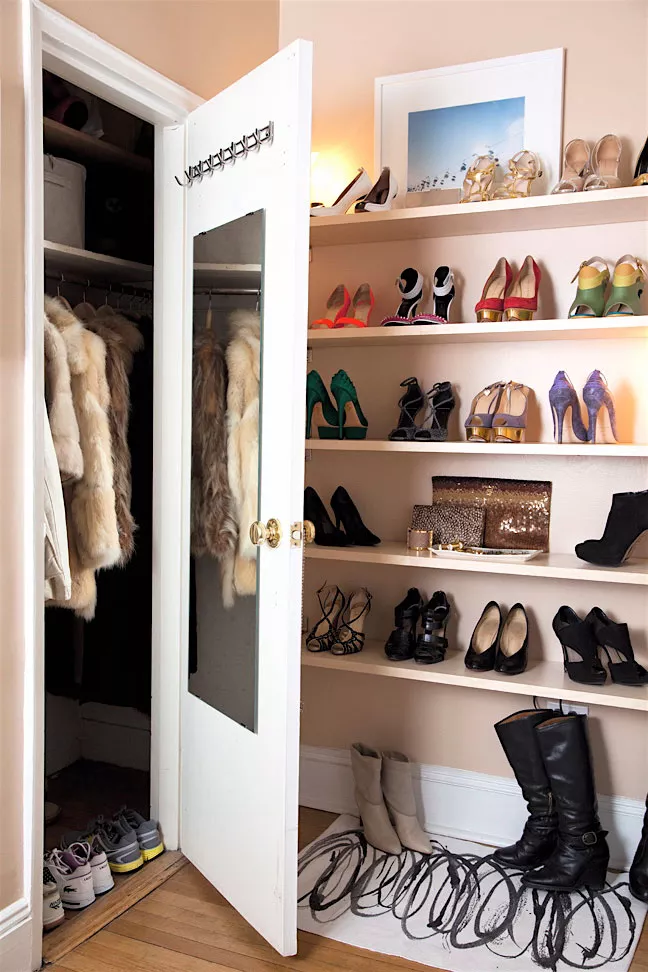
Hallways often go unused, particularly when they are narrow but tall. Using the full height changes how the space functions.
Floating shelves in clean white with varied spacing let you store boots below and lighter shoes at eye level. Lighting adds clarity and definition.
The outcome feels more intentional since everything is visible and organized instead of hidden away. One subtle point, leaving a bit of space between sections, keeps the wall from feeling crowded.
Chic Floating Cubby Slots
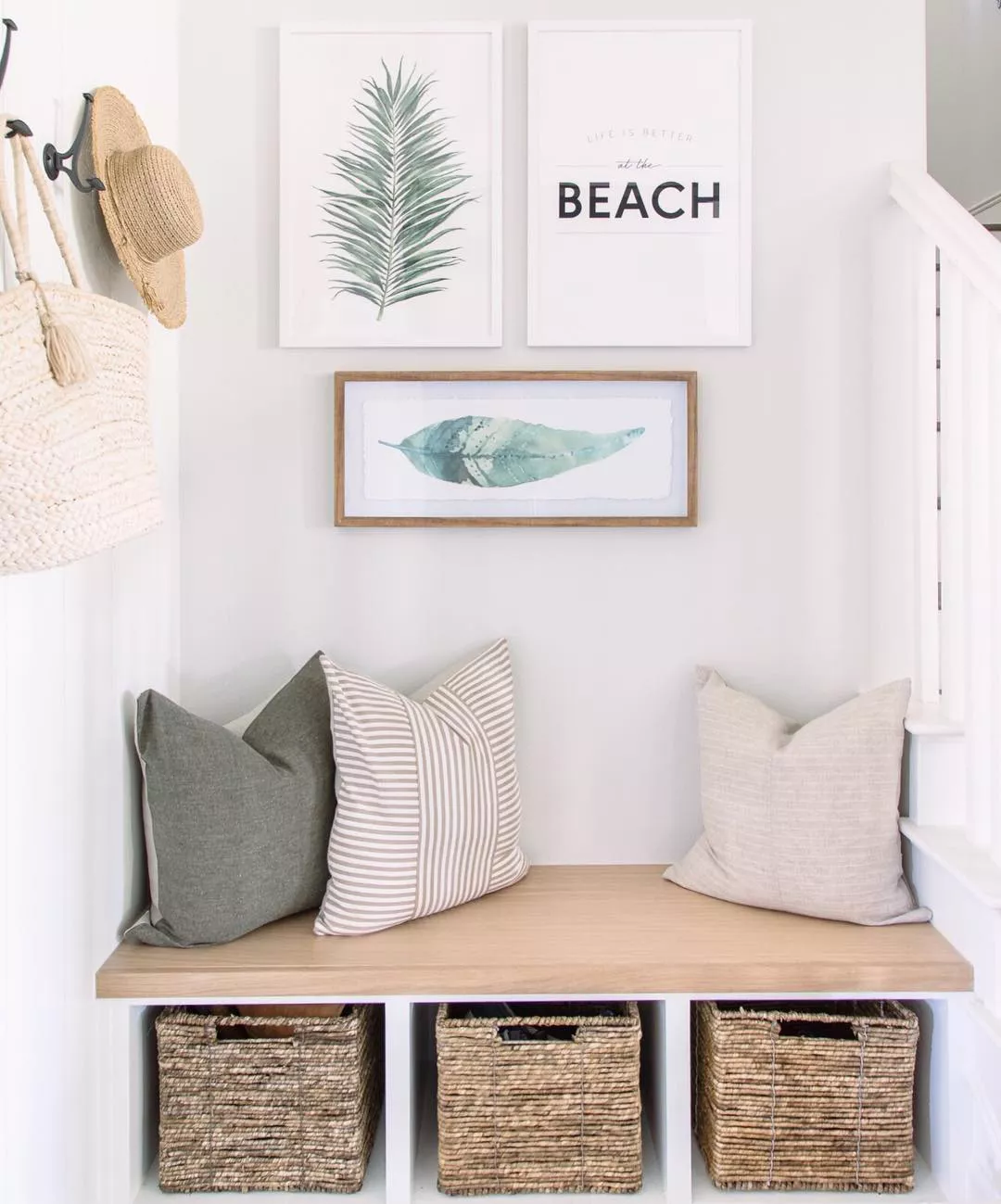
Instead of filling the floor, this layout works better on a narrow wall where horizontal space is limited but height is available. Breaking storage into smaller units keeps the area from feeling crowded.
Using individual wooden cubbies in a natural finish adds warmth against lighter walls while keeping each pair separated. Staggering them slightly changes how the wall feels visually.
In daily use, it keeps shoes easy to grab while turning storage into display. One small insight, placing cubbies too close together can make bulkier shoes feel cramped, so spacing matters more than expected.
The Minimalist Wire Grid
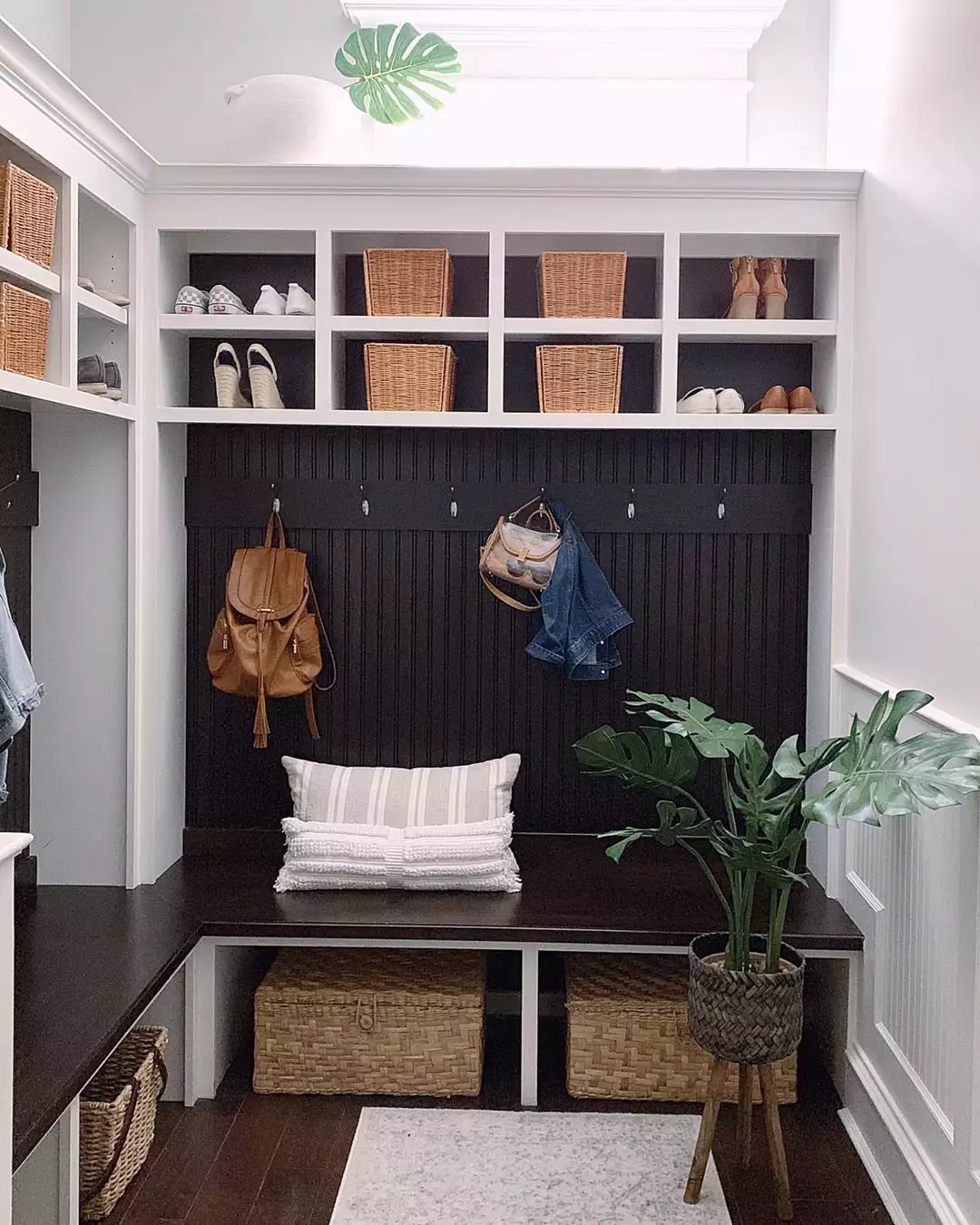
When closet space is tight, vertical solutions like this help, especially in a compact bedroom where floor storage is already full. The wall becomes usable without adding weight.
A thin metal grid with small hooks in matte black or soft metallic tones keeps the structure light while letting shoes stand out. Heels hang naturally without stacking.
Over time, it keeps frequently used pairs visible and reduces clutter buildup below. One thing to watch, softer heel materials can slip if hooks are too wide, so smaller hooks hold better.
Reimagined Crown Molding Ledges
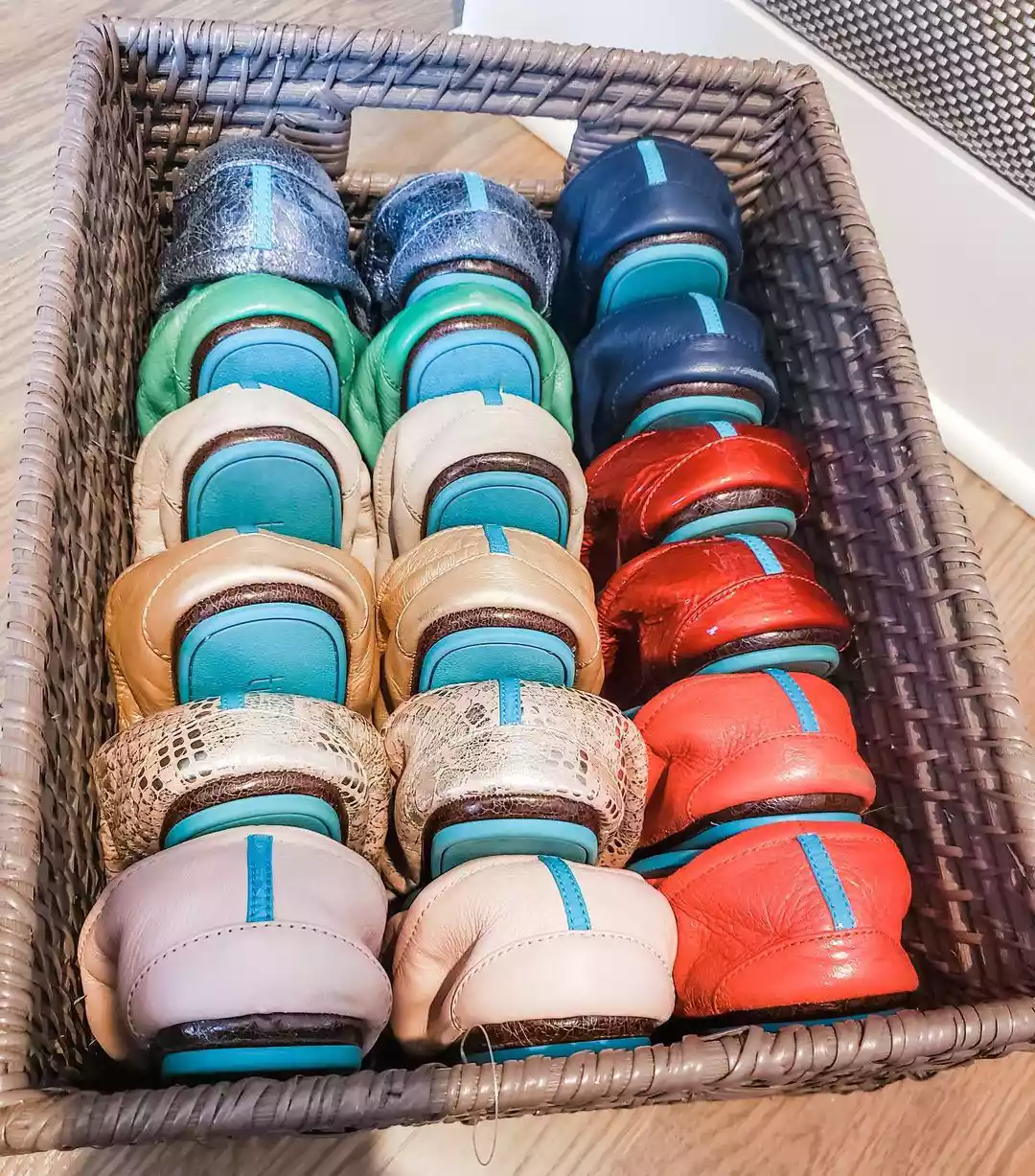
This idea works differently in a space with clean walls and enough height to stack rows vertically. It uses the wall surface without needing bulky units.
Installing crown molding strips with a slight lip allows heels to rest securely while forming clean horizontal lines. Painted molding blends into the wall for a seamless look.
In real use, it keeps heels aligned and off the floor while creating a structured display. A small detail, uneven spacing between rows, can make the layout feel off balance, so measuring carefully helps.
Dark and Moody Built-ins
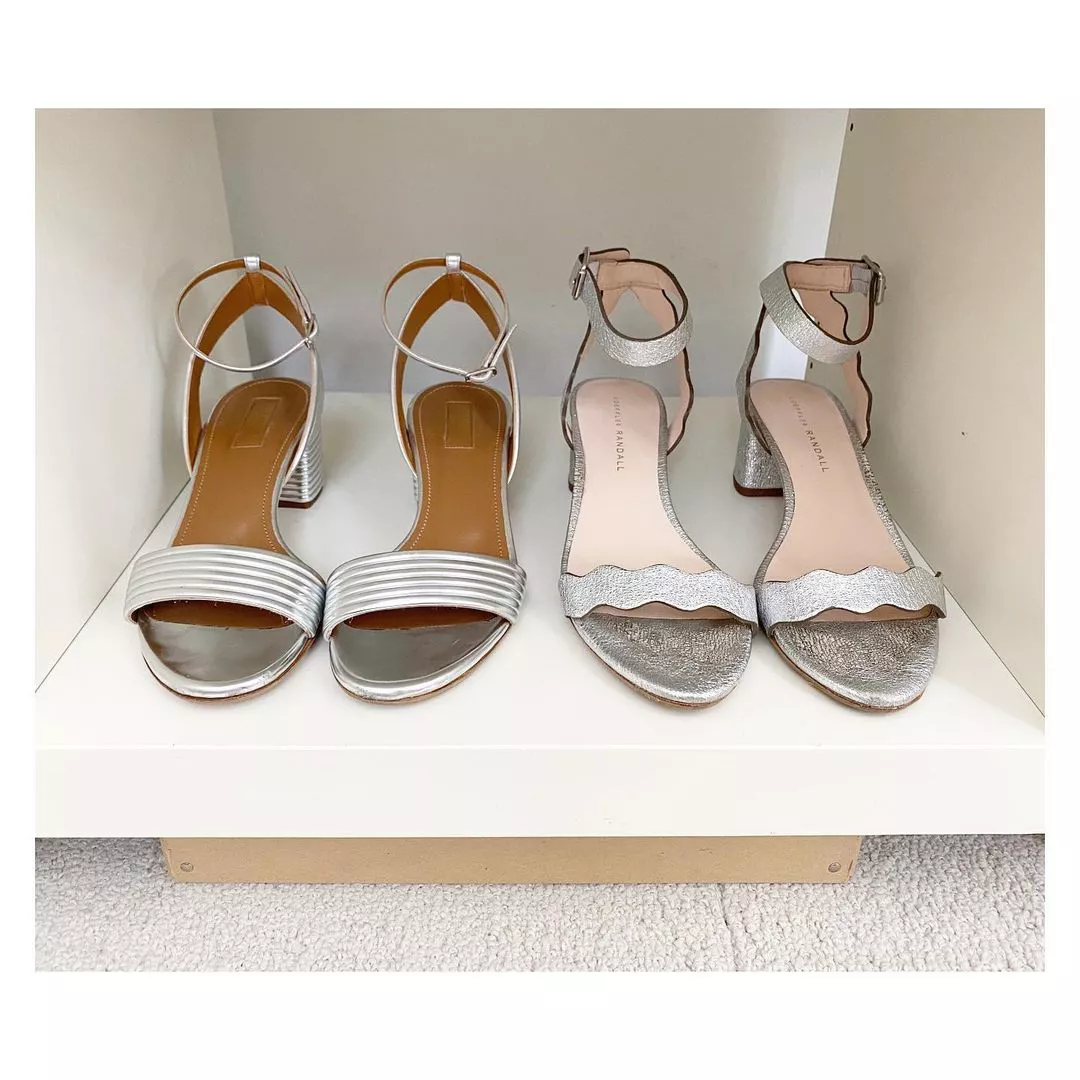
This setup stands out more in a room with controlled lighting, where darker tones do not feel heavy. Matching the shelf color with the wall creates a continuous surface.
Using deep charcoal or matte black shelving with subtle lighting above each row highlights lighter shoes and adds contrast. The finish absorbs excess glare.
The result feels more refined since the shoes become the focal point instead of the shelving. One subtle point, dust shows faster on dark surfaces, so regular light cleaning keeps it sharp.
Hidden Bench with a Twist
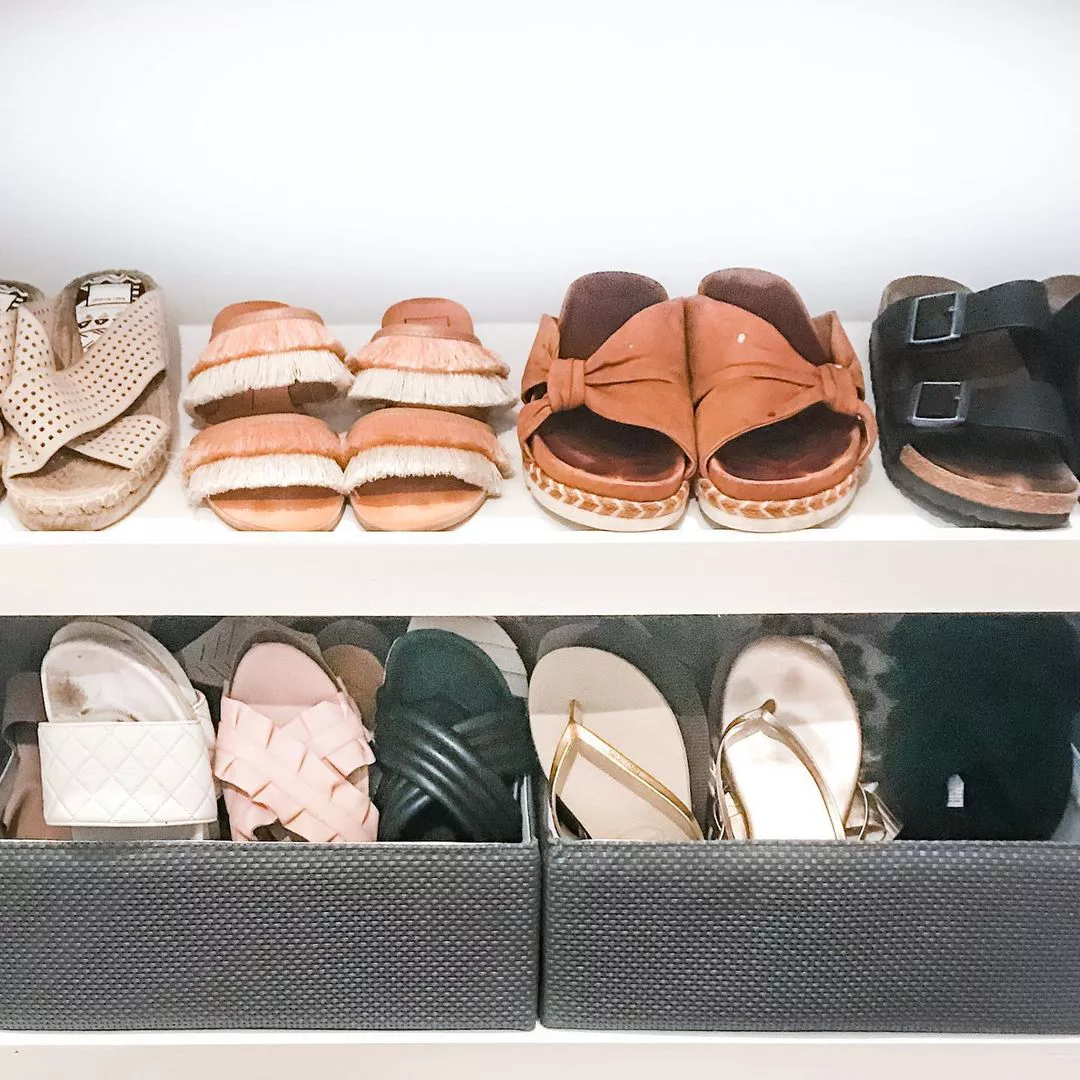
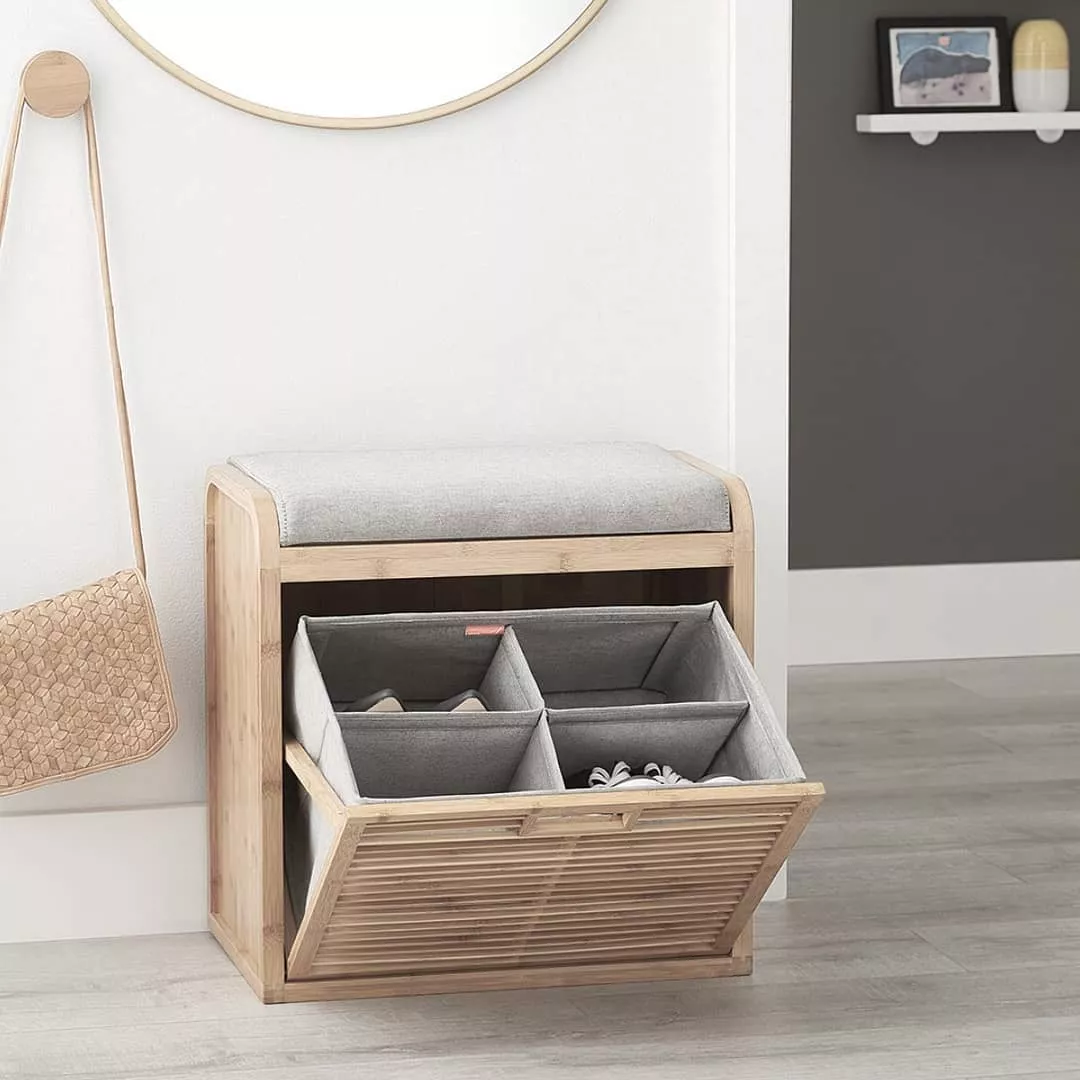
In smaller homes, furniture often needs to serve more than one role, especially in an entryway with limited storage and seating. This design solves both.
A wooden bench with a flip-top lid and deep interior space holds bulkier shoes out of sight while keeping the exterior clean. Straight lines help it blend into the space.
Day to day, it reduces visible clutter while keeping shoes within reach when needed. One thing people overlook soft close hinges prevent loud slams and extend the bench’s lifespan.
Copper Pipe Industrial Rack
Open structures work best in a hallway or mudroom that lacks natural light, where bulky furniture can make the area feel tighter. This keeps things visually open.
Combining copper pipes with simple wooden planks adds warmth while maintaining a lightweight frame. The metallic tone reflects a bit of light across the space.
In use, it holds multiple pairs without blocking movement or making the area feel closed in. A small insight, letting copper age naturally creates a softer finish that blends better over time.
Corner Carousel Magic
Corners often get ignored, especially in a walk-in closet where deep angles make access awkward. A rotating system changes how that space functions.
A tiered circular rack with smooth rotation allows shoes to move into view without reaching into the back. Each level can hold different types based on height.
In everyday use, it reduces wasted space and makes selection quicker without shifting items around. One small detail, overloading one side can affect balance, so distributing weight evenly keeps the rotation smooth.
Pegboard Personalization
This works well in a room that changes often, like a kid’s space or home gym, where fixed storage becomes limiting over time. Flexibility is the main strength here.
A large pegboard with adjustable pegs and hooks lets you shift positions as your collection grows. The grid keeps everything aligned without looking messy.
Over time, it adapts easily and keeps shoes visible without stacking. A subtle point, spacing pegs too far apart can make smaller shoes unstable, so tighter placement works better.
Under-the-Bed Rolling Drawers
Hidden storage becomes useful in a small bedroom where closet space is already full. Using the area under the bed keeps things out of sight.
Low rolling drawers made from light wood or clear plastic slide easily while staying compact. Handles or cutouts make access quicker.
In daily use, it keeps seasonal shoes stored without affecting the room’s appearance. One small insight: keeping heavier pairs toward the center helps the drawers glide more smoothly.
Clear Acrylic Floating Shelves
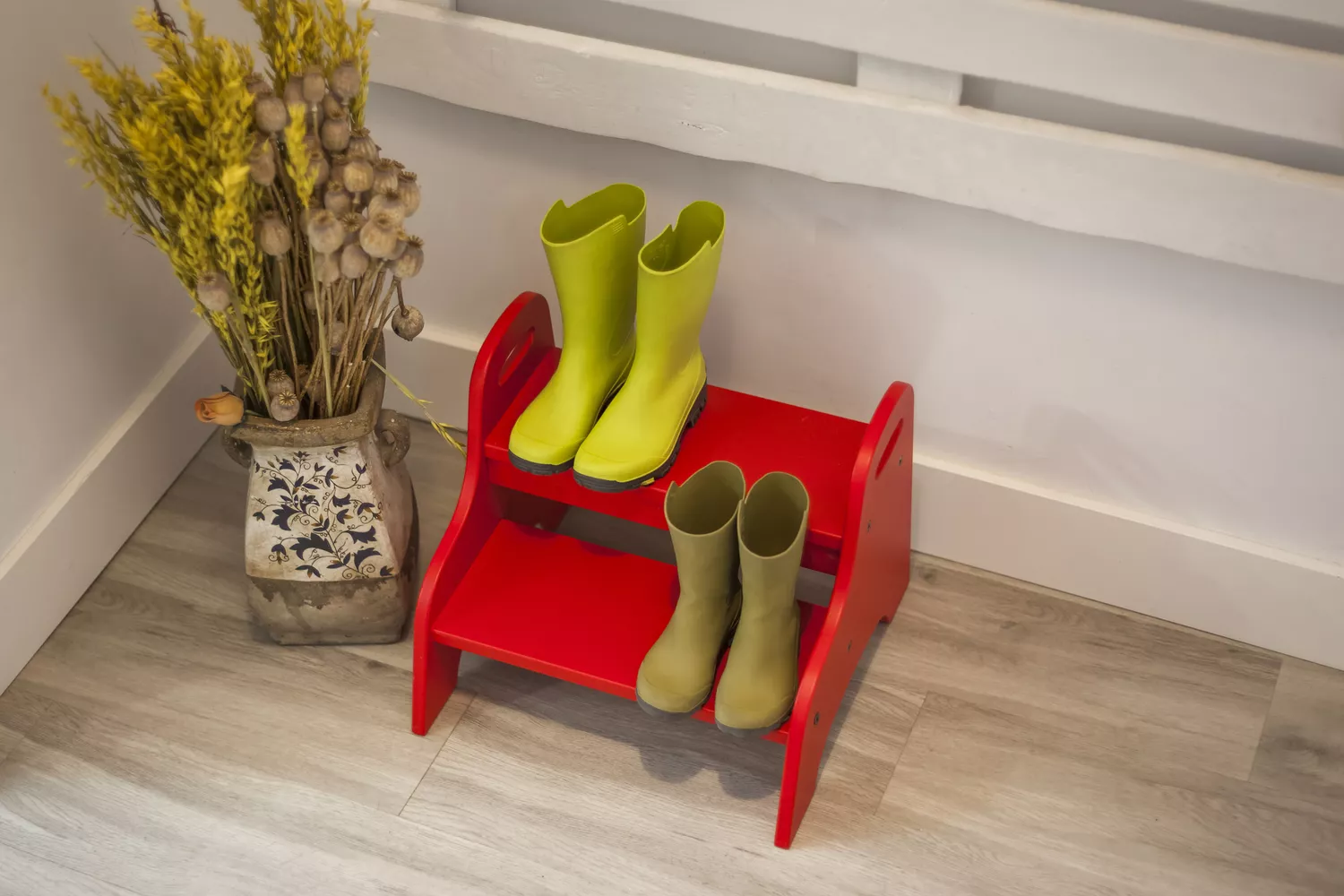
This approach suits a tight hallway or wall where bulky furniture would block movement. Keeping things minimal changes how open the space feels.
Using transparent acrylic ledges mounted evenly across the wall makes the shelves almost disappear. Shoes become the only visible element.
The result feels lighter since nothing visually interrupts the wall surface. One detail to note, placing too many pairs close together reduces the floating effect, so spacing matters.
Vertical Skateboard and Shoe Fusion
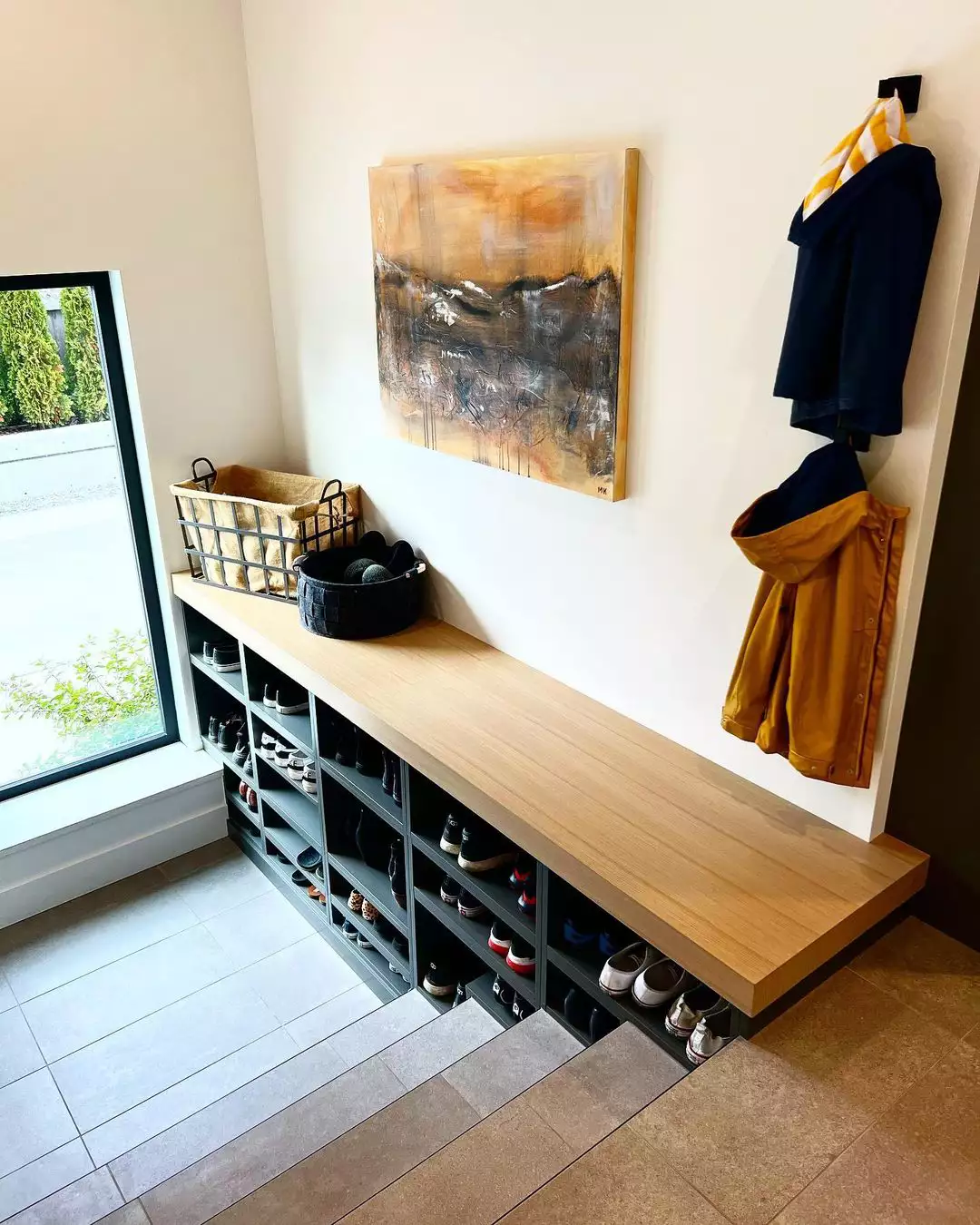
Garages with mixed gear often feel cluttered, especially when sports equipment and shoes share the same floor area. Vertical organization separates everything.
A track system with hooks for boards and metal shelves for sneakers keeps each item in its own place. Materials like steel help handle heavier loads.
In real use, it frees up floor space and keeps movement areas clear. One small adjustment, placing frequently used items at mid-height, makes access faster during busy routines.
The Secret Closet Shelf
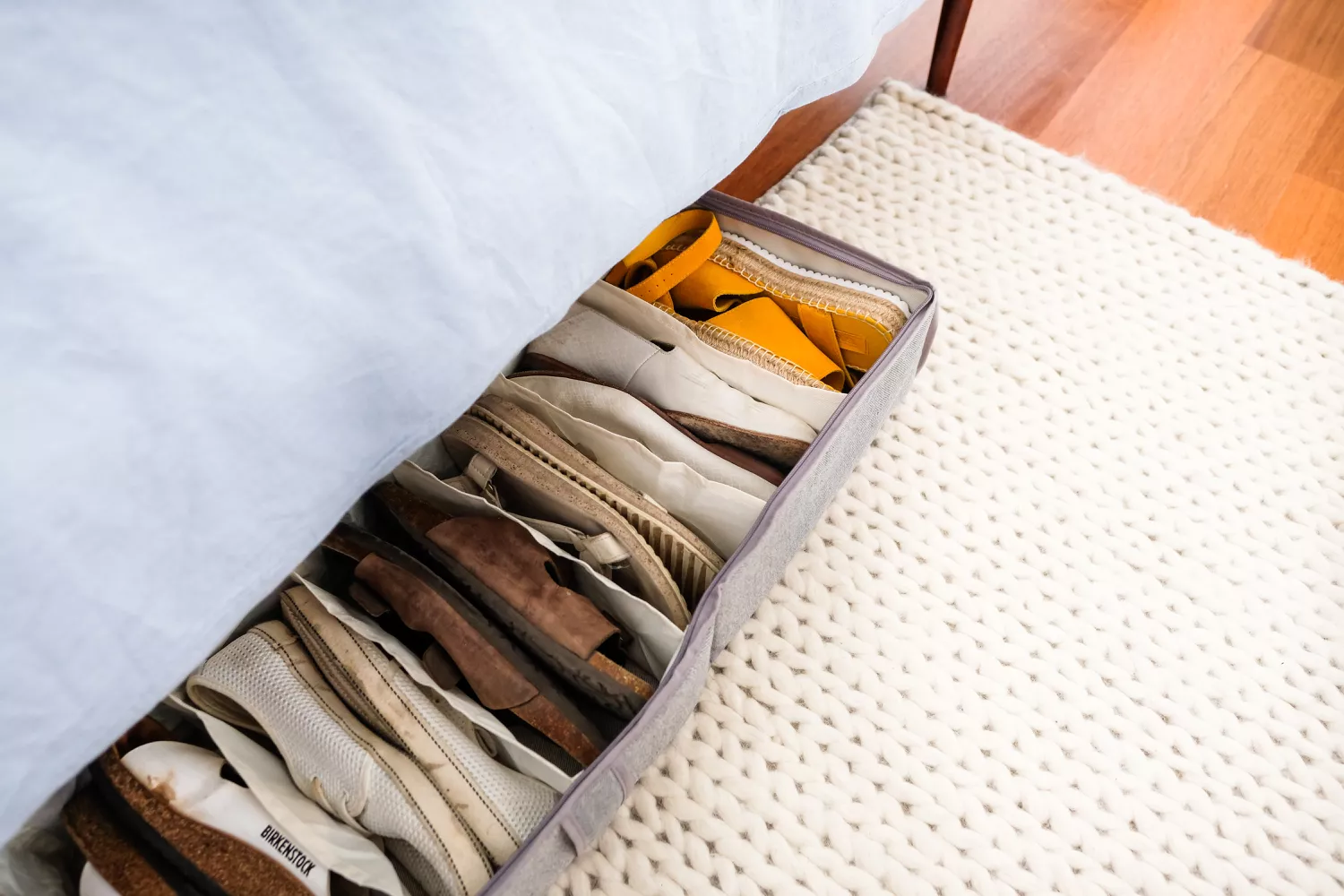
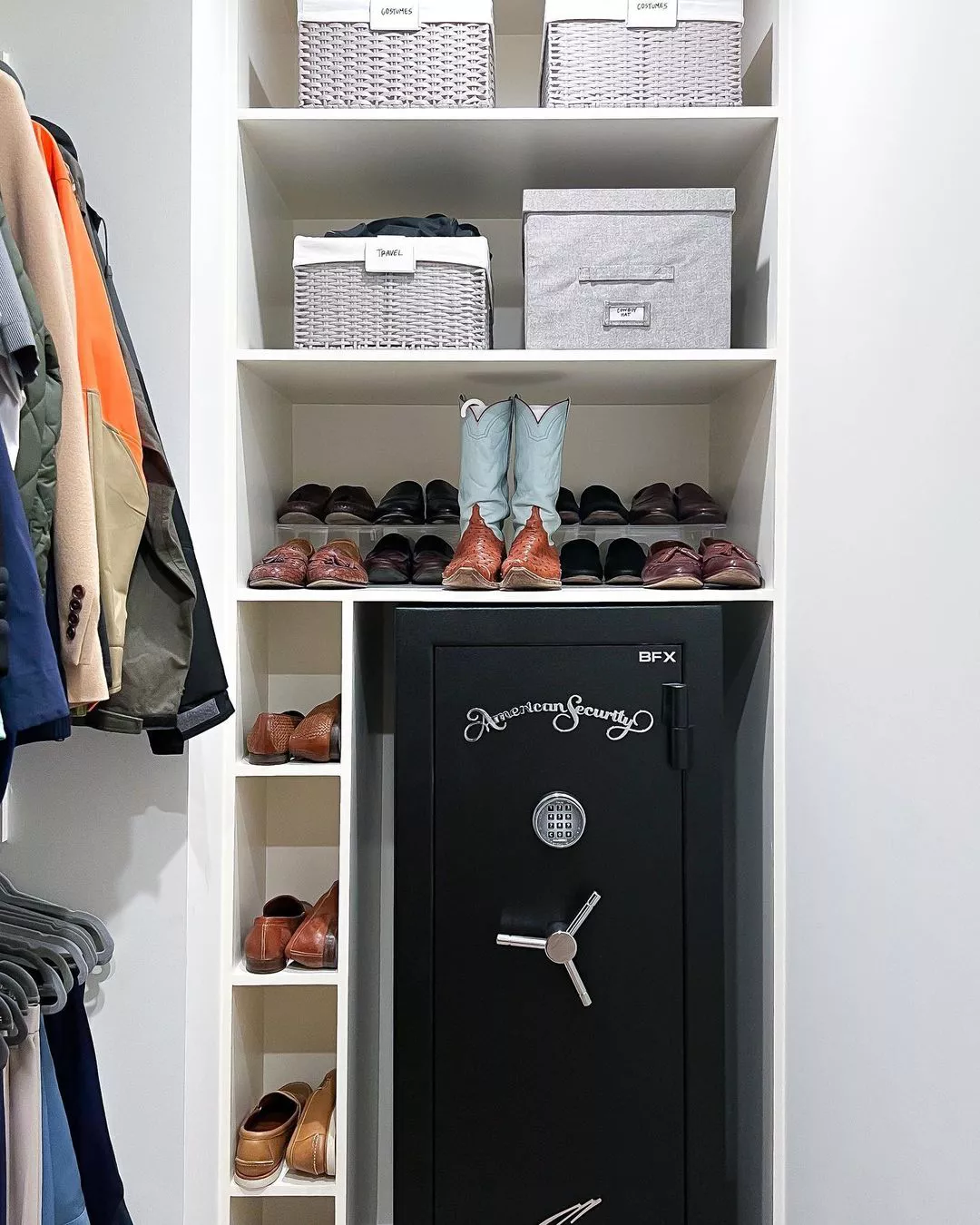
Unused wall recesses become valuable in a bedroom where storage needs to stay discreet. Turning that space into shelving adds function without adding bulk.
Simple white shelves inside a recessed nook create a built-in feel while keeping shoes hidden behind a door. A painted back panel can add contrast.
Over time, it keeps the room looking clean while still holding everyday pairs nearby. One subtle tip: adding a small light inside the nook makes it easier to see without opening it fully.
Multi-Functional Entryway Bench
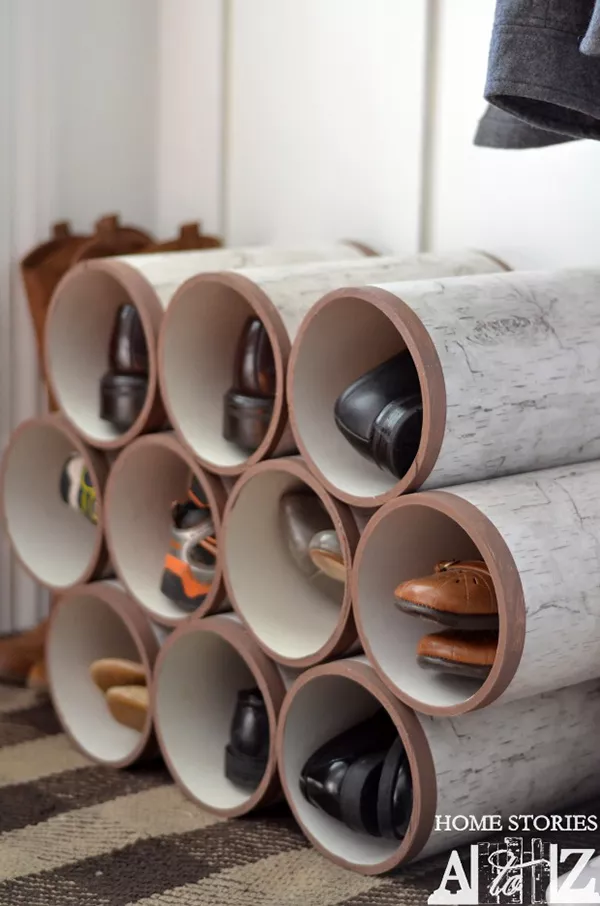
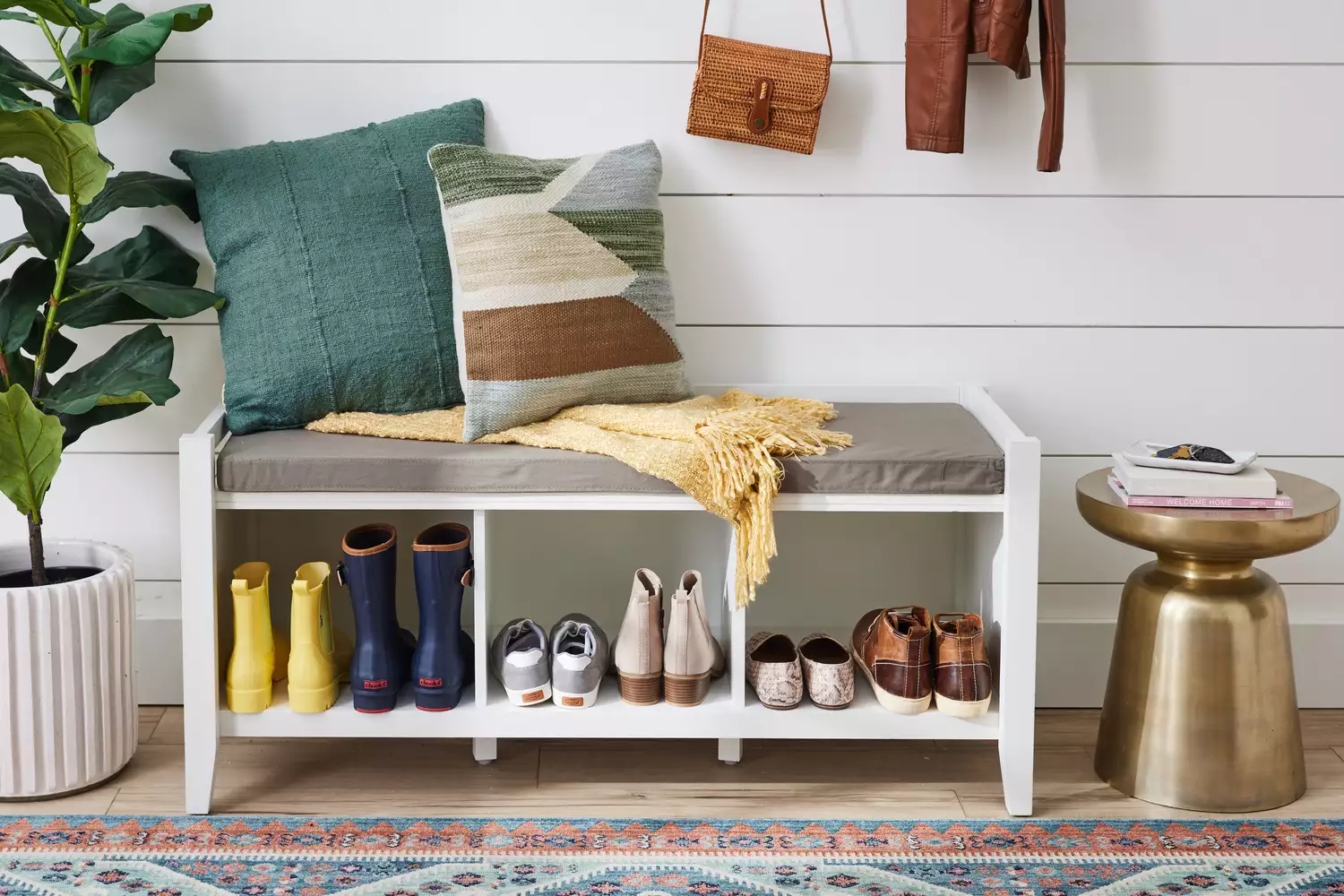
Entryways that feel crowded benefit from pieces that do more, especially in a compact hallway where both seating and storage are needed. This setup combines both without adding bulk.
A wooden bench with open slats below and a mounted metal coat rack above keeps everything aligned in one zone. The slats allow airflow while holding daily shoes.
In real use, it creates a clear drop point for shoes and outerwear, reducing clutter at the door. One small insight, leaving a bit of space under the bench helps avoid dirt buildup in tight corners.
Outdoor Ladder Shelf
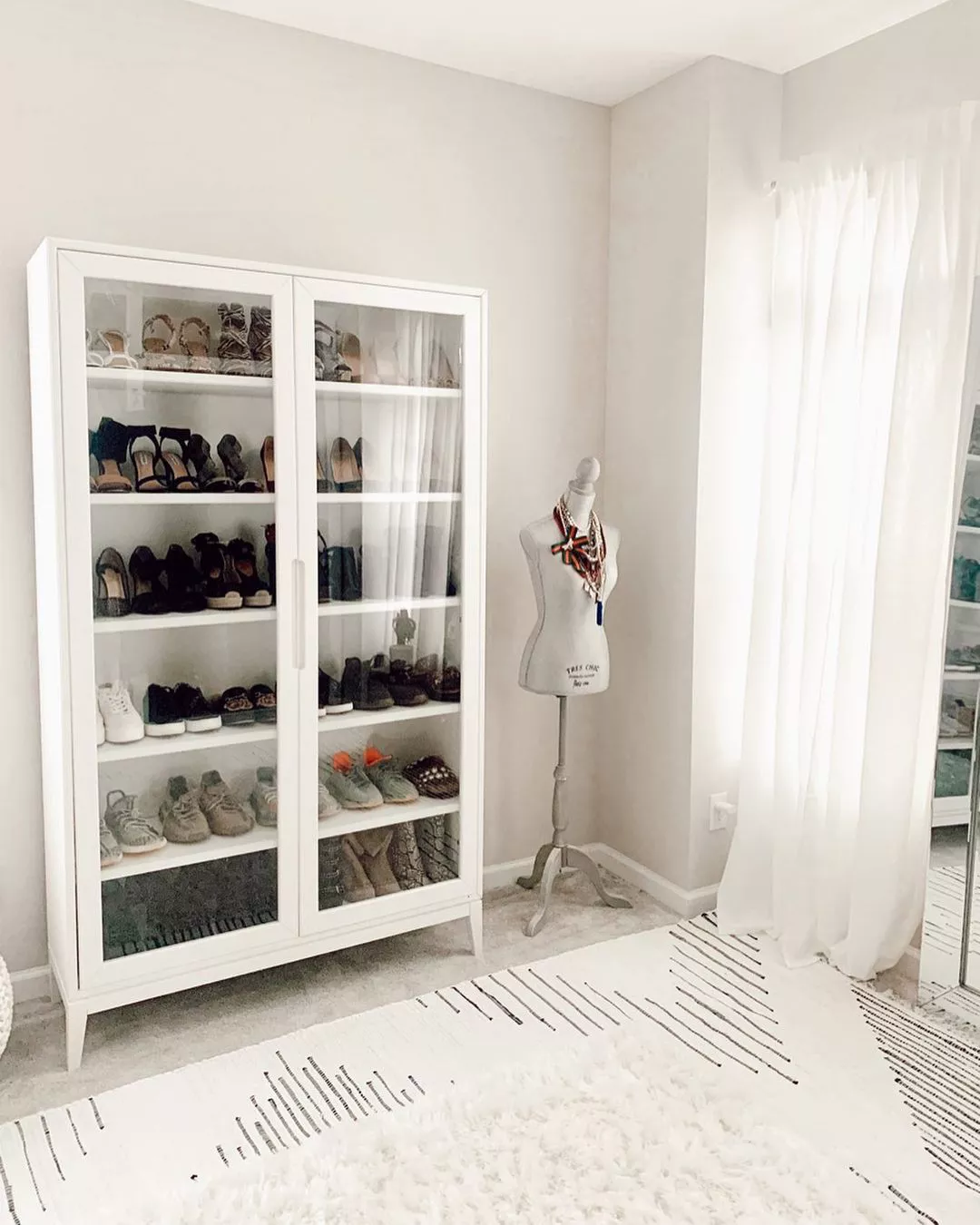
Porches often collect shoes quickly, especially in a home with a no-shoes-indoors habit and limited exterior space. A vertical solution keeps things contained.
A leaning wooden ladder shelf with evenly spaced rungs holds sandals and clogs while keeping the footprint minimal. The light wood blends naturally with outdoor elements.
Over time, it keeps dirt outside and prevents piles from forming near the door. A small detail, placing it on a slightly raised surface helps avoid moisture soaking into the base.
Tiered Utility Racking
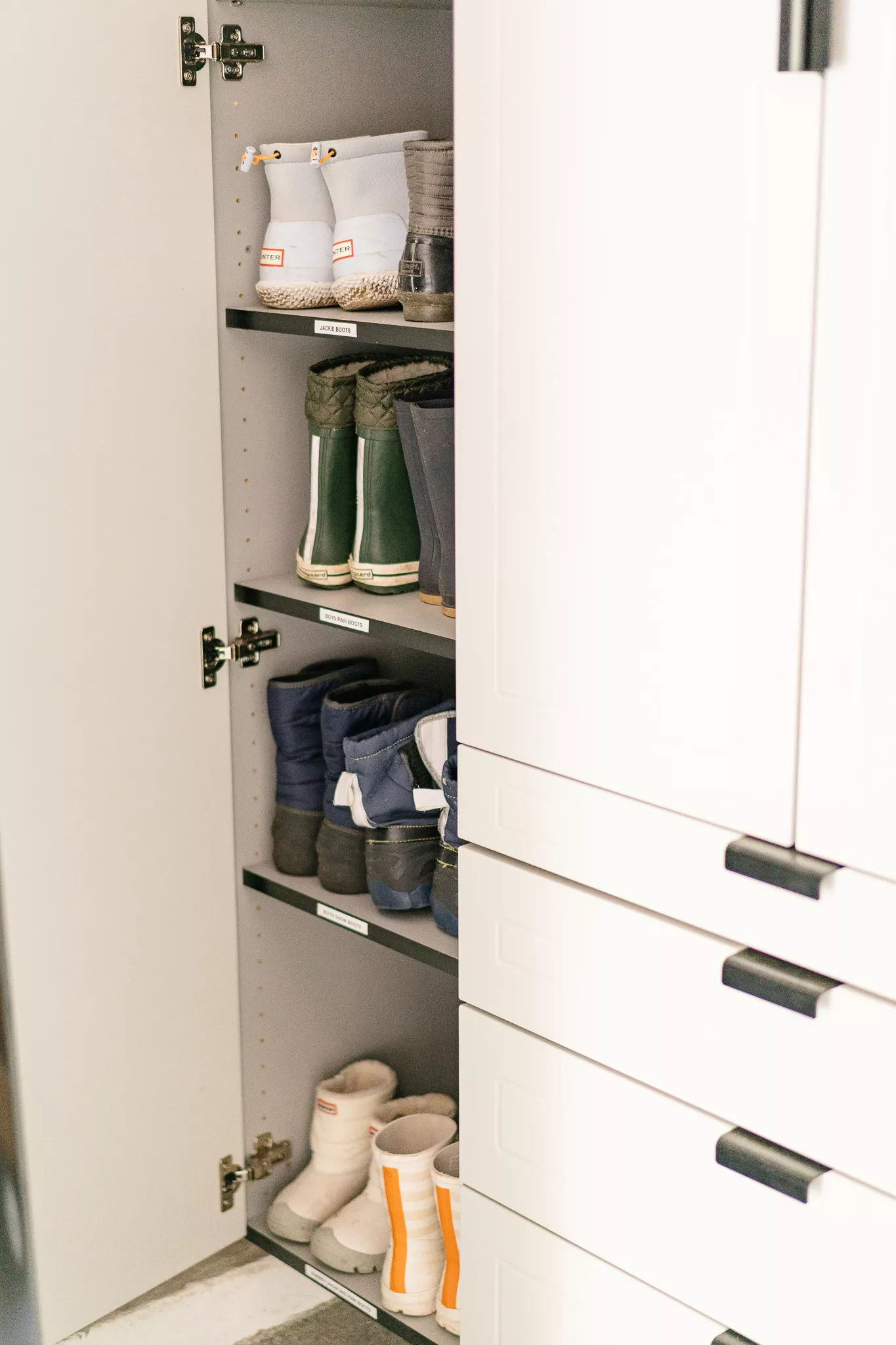
Busy households need something simple, particularly in a mudroom where multiple people drop shoes daily. High capacity matters more than appearance here.
A low metal rack with open wire tiers allows air to move through, helping shoes dry faster after use. The structure supports heavier pairs without bending.
In everyday use, it keeps shoes separated and easy to access without stacking. One subtle point, placing a tray underneath can catch dirt and make cleaning quicker.
Bohemian Crate Stack
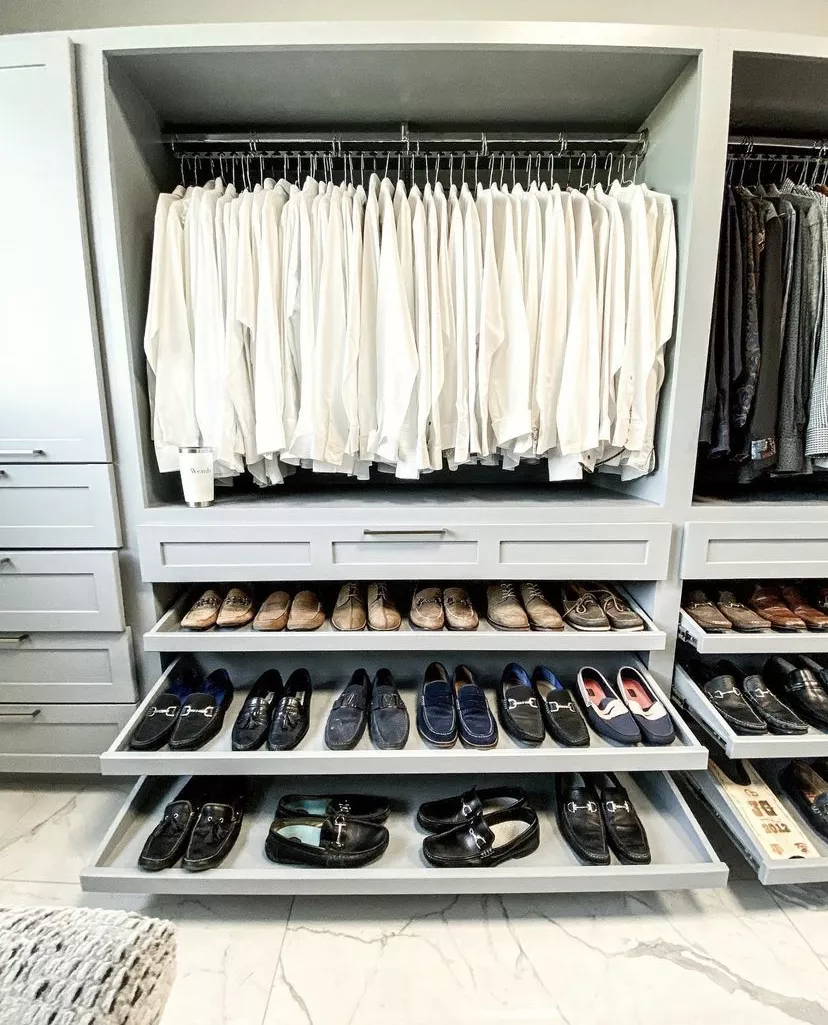
This style works best in a space with neutral walls where texture can stand out naturally. The layered look adds depth without needing extra decor.
Stacked wooden crates within a simple metal frame create deep compartments for bulkier footwear. The wood grain adds warmth against cleaner surfaces.
In practice, it holds larger shoes comfortably while doubling as a display surface on top. One small tip: Securing the base crates prevents shifting when the weight is uneven.
High-Fashion Hallway Display
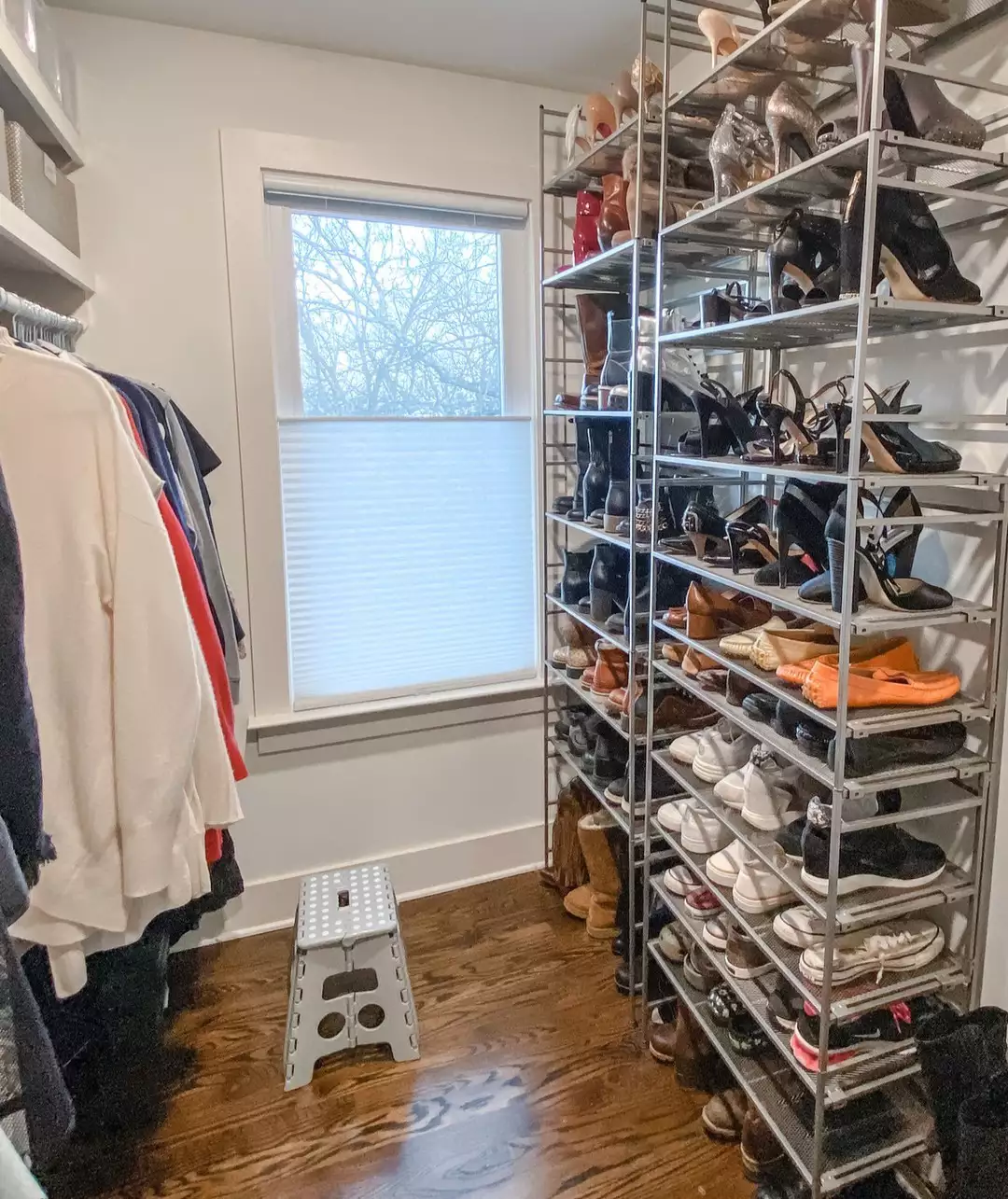
Long hallways often feel empty, especially when they are narrow but stretch across unused wall space. Turning the wall into storage changes that.
Thin floating white ledges placed in rows allow multiple pairs to sit neatly while staying visible. Keeping spacing consistent helps maintain balance.
The result feels more structured since shoes become part of the visual design rather than hidden clutter. One detail that helps is limiting each shelf to a few pairs, which keeps the layout from feeling crowded.
Frequently Asked Questions
How do I stop my shoe rack from smelling?
I always suggest placing a few cedar blocks or small sachets of dried lavender on the shelves. For those extra “loved” sneakers, a little sprinkle of baking soda inside the shoe overnight works wonders. Also, open-air racks (like the wire or slat styles) are great because they let everything breathe!
What is the best way to store tall boots without them creasing?
The struggle is real! I’ve found that using “boot trees” or even just rolled-up old magazines inside the shafts keeps them standing tall and prevents those annoying folds at the ankle.
Is it better to keep shoes in their original boxes?
It’s great for protection, but terrible for finding what you need! If you love the box life, try the photo-labeling trick we mentioned earlier. It keeps the dust off while saving you from a 10-minute search for that one specific pair of flats.
Browse More DIY Organization Projects
• DIY Key Holder Ideas
• DIY Pin Board
• DIY Necklace Holder Ideas
• DIY Console Table Ideas