7 Kids Organization Hacks Every Parent Needs

This post contains affiliate links, and we will be compensated if you buy after clicking on our links. Read our disclaimer.
Read our editorial process
Toys seem to spread across the house faster than you can pick them up. One day the room looks organized, and by the next afternoon, books, shoes, backpacks, and art supplies are scattered everywhere again.
Many parents assume the problem is that their kids are messy. In most cases, the real issue is that the organization system is too complicated, hard to reach, or difficult for children to maintain on their own.
Kids are more likely to stay organized when storage is easy to understand and easy to use. A few small changes can make cleanup faster, mornings less stressful, and everyday routines much smoother.
These seven kids organization hacks focus on creating simple systems that help children find their things, put them away, and build habits that last.
1. Keep Everyday Items at Kid Height
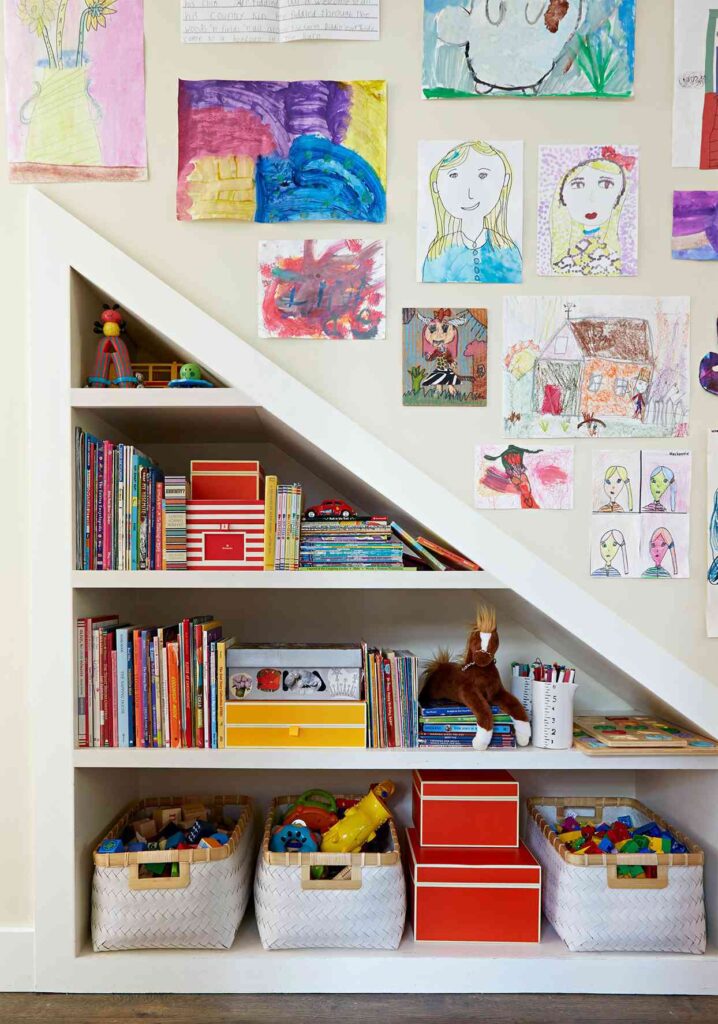
You have probably watched your child leave toys on the floor even though there is storage available. Often, the storage is placed where an adult can easily reach it but a child cannot.
Move frequently used items onto low shelves, open bins, and accessible storage that kids can reach without help.
- Toys
- Books
- Art supplies
- Dress-up items
The most common mistake is placing everyday items on high shelves to keep the room looking tidy. You’ll know this change worked when your child starts putting things away without asking where they belong. If children cannot reach it, they usually will not put it away.
2. Use Picture Labels Instead of Text Labels
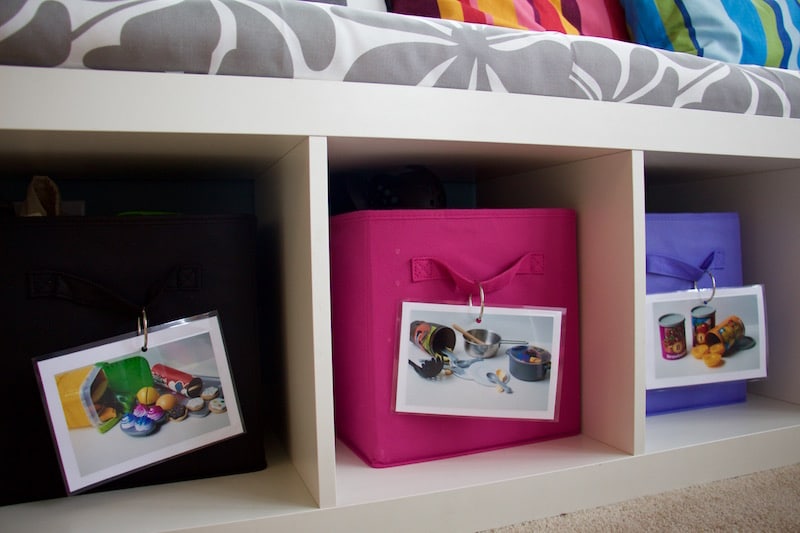
You may have labeled every bin in the room and still find toys ending up in the wrong place. Young children often cannot read quickly enough to use written labels during cleanup.
Try using photos, simple icons, or color-coded labels instead.
- Toy bins
- Clothing drawers
- School supplies
- Craft storage
Visual labels reduce the number of decisions kids need to make. The mistake most parents make is assuming children organize the same way adults do. You’ll know this system is working when cleanup becomes faster and children need fewer reminders.
3. Create a Daily Grab-and-Go Station
Mornings often become stressful when one shoe is missing, the backpack cannot be found, and the lunch bag is sitting somewhere unexpected.
Create a dedicated station near the door for items used every day. Keeping these essentials together cuts down on searching and helps children build routines.
Kids Entryway Station Setup
| Item | Best Storage Option |
|---|---|
| Backpack | Wall hook |
| Shoes | Open basket |
| Jacket | Low hook |
| Lunch bag | Shelf or cubby |
Many families focus on organizing bedrooms while ignoring entryways. You’ll know this setup is helping when mornings require fewer reminders and fewer last-minute searches. The fewer morning decisions, the smoother the routine.
4. Rotate Toys Instead of Storing Everything
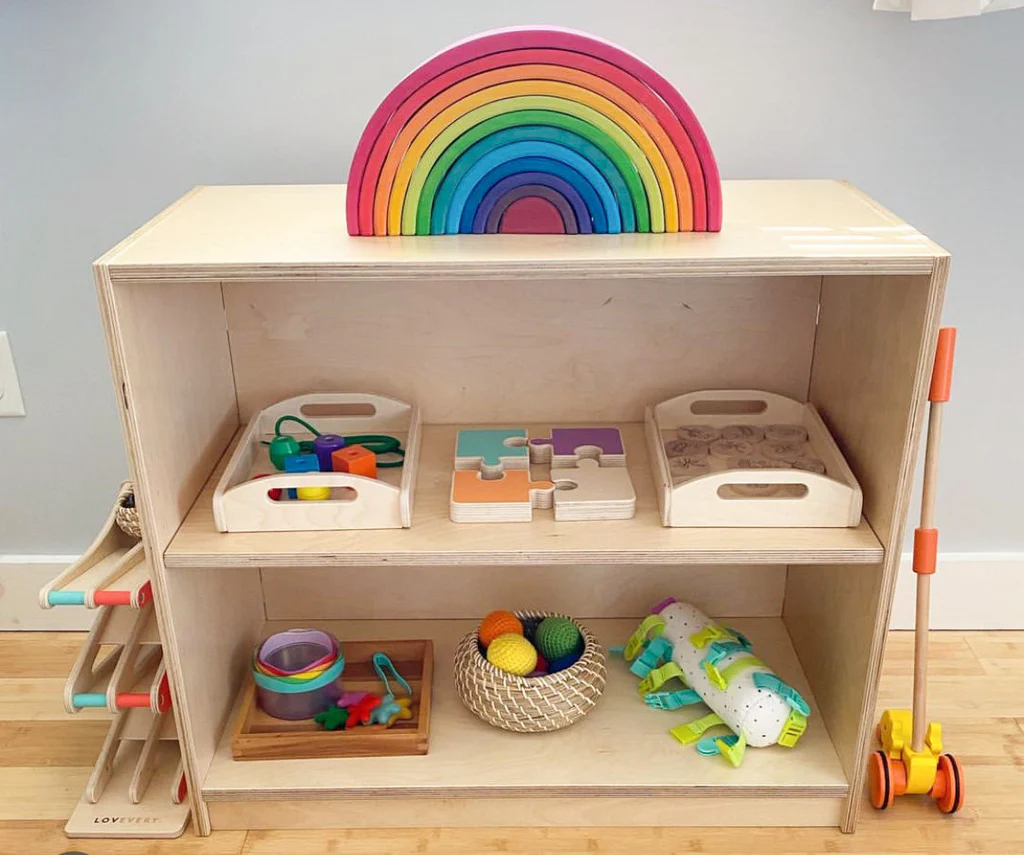
A room can be full of storage bins and still feel cluttered. Too many toys available at once often make it harder for children to focus on any of them.
Store part of the collection in a closet or storage container and rotate toys every month.
Benefits include:
- Better focus
- Easier cleanup
- Less overwhelm
- More excitement when toys return
Parents often assume adding more storage will solve toy clutter. In many cases, reducing what is visible works better. You’ll know this strategy is working when your child spends more time playing and less time jumping between toys.
5. Connect Cleanup to Existing Routines
The reminder cycle can feel endless. You ask kids to clean up, they forget, and the same conversation happens again the next day.
Instead of creating a separate cleanup schedule, attach cleanup to routines that already happen every day.
Quick Routine Table
| Trigger | Cleanup Task |
|---|---|
| Before dinner | Put away toys |
| Before bedtime | Organize books |
| Before screen time | Clear floor space |
The biggest mistake is expecting children to remember cleanup on their own. Habits form faster when they are connected to something already happening. You’ll know this approach is working when cleanup starts happening with less prompting.
6. Give Every Category a Permanent Home
You may notice clutter returning shortly after a room has been cleaned. This usually happens when children are unsure where things belong.
Create one permanent location for each category.
- Books
- Crafts
- Building toys
- School supplies
Follow a simple rule:
- One category
- One storage location
- One cleanup destination
Children often struggle when multiple bins could work for the same item. Clear categories remove confusion and speed up cleanup. You’ll know the system is working when children can put things away without asking questions.
7. Build a System Your Kids Can Maintain Alone
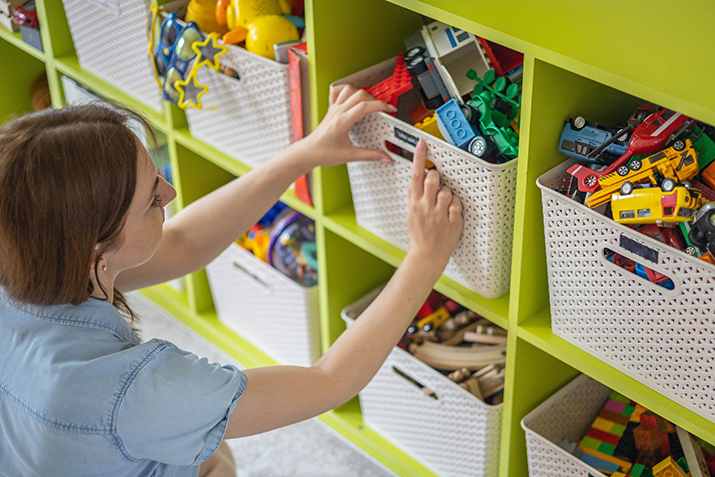
Many organization systems look good for a few days and then slowly fall apart. The problem is often that the system requires too much adult involvement.
Keep storage simple, set age-appropriate expectations, and review the setup every few months as your child grows.
Signs the system is working:
- Kids find items independently
- Fewer parent reminders
- Faster cleanup
- Less clutter buildup
The most common mistake is creating a system that is too detailed. A six-year-old does not organize like an adult. The best organization system is the one your child can manage without help.
Conclusion
Keeping kids organized is rarely about buying more storage or creating a picture-ready room.
The goal is to build systems that children can understand, use, and maintain on their own.
Start with one or two of these hacks and pay attention to what works for your family.
Small changes often create the biggest improvements over time.
If you found these ideas helpful, share them with friends and family who are also trying to make kids’ spaces easier to manage.
FAQ
How Do I Organize Toys Without Buying More Storage?
Start by reducing the number of toys available at one time. Toy rotation often creates more space than purchasing additional containers. Empty baskets, shelves, and bins you already own can usually handle most storage needs once items are sorted into clear categories.
What Is The Best Age To Teach Kids Organization Skills?
Children can start learning simple organization habits as early as preschool. Young kids can sort toys into labeled bins and put books back on shelves. Expectations should grow with age, but basic cleanup routines can begin long before children can read.
How Often Should I Declutter Kids Toys?
Most families benefit from reviewing toys every three to six months. Birthdays, holidays, and school breaks are good times to reassess what is being used. If storage feels crowded or cleanup is becoming difficult, it is usually time for another toy review.
Why Does My Child’s Room Get Messy So Quickly?
The room often becomes messy because there are too many items available or the storage system is difficult to use. Children are more likely to maintain organization when storage is easy to reach, categories are clear, and cleanup is connected to daily routines.
Keep Every Room Neat and Functional
• Kitchen Organization Ideas
• Linen Closet Organization Ideas
• DIY Garage Organization Ideas
• Under Sink Bathroom Organization Ideas