How to Place Rug in Bedroom Without Design Mistakes

This post contains affiliate links, and we will be compensated if you buy after clicking on our links. Read our disclaimer.
Read our editorial process
A bedroom rug can make a room feel bigger, warmer, and more comfortable. But placement matters just as much as the rug itself.
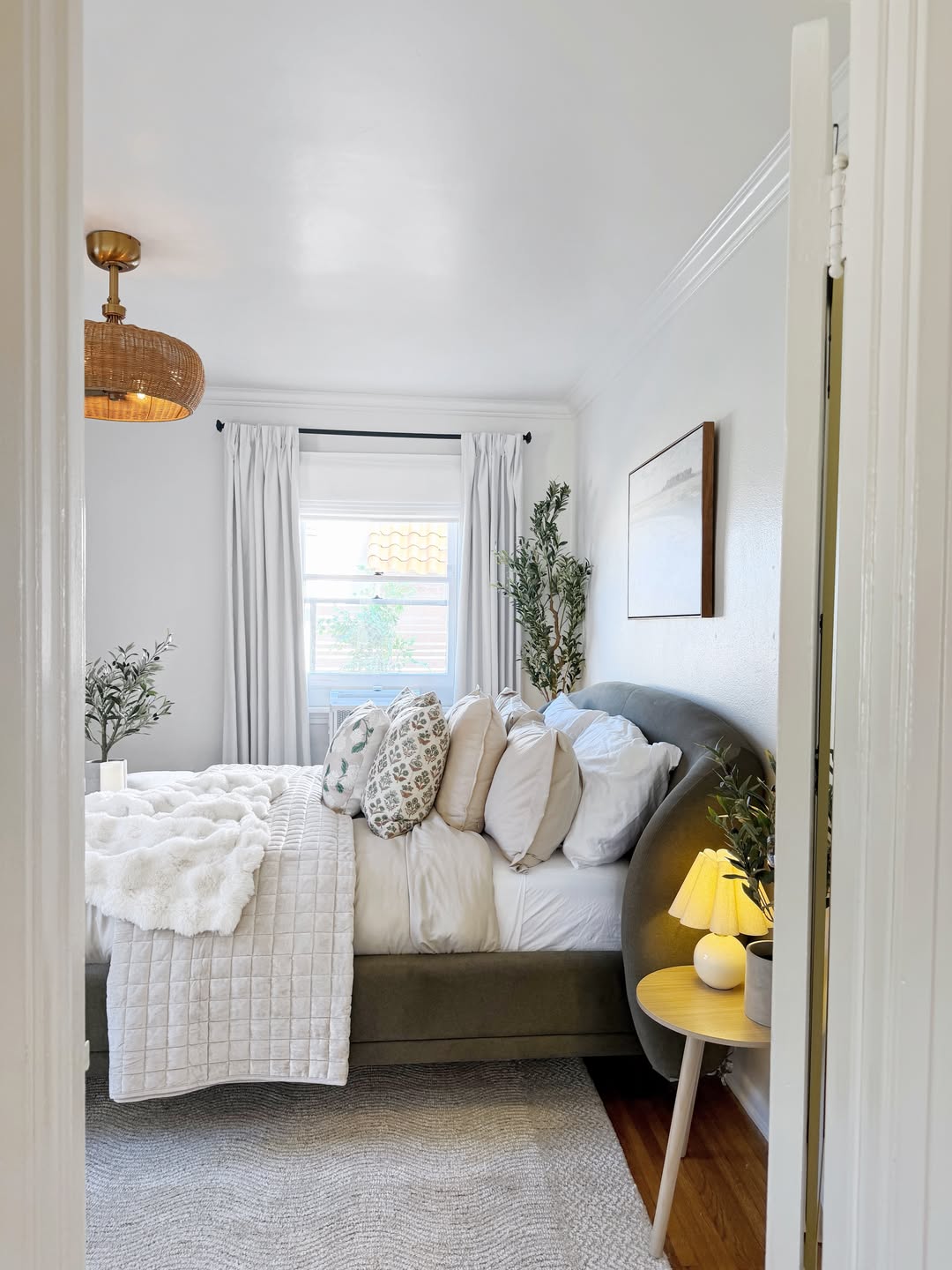
Many people spend hundreds of dollars on a beautiful rug only to discover that the room still feels awkward. The rug may be too small. It may sit in the wrong spot under the bed. Or it may leave strange gaps that make the room feel unfinished.
The good news is that most bedroom rug problems are easy to fix. A few simple placement rules can make your space look more balanced and feel more inviting.
In this guide, you’ll learn how to place a rug in bedroom layouts of all sizes. You’ll discover the best rug sizes for different bed types, common bedroom rug placement mistakes, and designer-approved tips that help your room look polished without spending more money.
Why Rug Placement Matters in a Bedroom

A rug does more than cover the floor. It helps define the entire room.
The bed is usually the largest piece of furniture in a bedroom. A properly placed rug helps anchor the bed and creates a visual center for the space. Without a rug, furniture can feel disconnected, and the room may look unfinished.
Comfort is another reason placement matters. According to research from the National Association of Home Builders, comfort remains one of the highest priorities for homeowners when designing bedrooms. A rug adds softness where your feet land every morning and evening.
Rugs can also help absorb sound. Soft floor coverings reduce echoes and make bedrooms feel quieter and more relaxing.
Think about the difference between two identical bedrooms. In the first room, the bed sits directly on hardwood flooring with space around it. In the second room, a properly sized rug extends beyond the bed and creates a soft border around the sleeping area. Most people immediately see the second room as more complete and welcoming.
Good bedroom rug placement brings furniture together, adds warmth, and helps create a balanced layout. And that’s why choosing the right placement should come before choosing colors or patterns.
Measure Your Bedroom Before Buying a Rug
The biggest rug mistake often happens before the rug even arrives.
Many homeowners choose a rug based on appearance without measuring their room first. This usually leads to a rug that feels too small or too large for the space.
Start by measuring the entire bedroom. Record both the width and length of the room.
Next, measure your bed. Include the frame if it extends beyond the mattress. If you have nightstands, measure those as well.
You should also leave visible flooring around the perimeter of the room. Designers generally recommend leaving:
- 12 to 18 inches in smaller bedrooms
- 18 to 24 inches in larger bedrooms
This border helps the room feel balanced and prevents the rug from looking wall-to-wall.
Use these common rug size recommendations as a starting point:
| Room Size | Recommended Rug |
|---|---|
| 10 x 10 | 6 x 9 |
| 10 x 12 | 8 x 10 |
| 12 x 14 | 9 x 12 |
Painter’s tape can help before you buy. Mark the rug dimensions directly on your floor. This gives you a clear picture of how the rug will fit inside the room.
Following a simple bedroom area rug size guide like this can save money and prevent costly decorating mistakes.
How to Place a Rug Under a Queen Bed

A queen bed is one of the most common bedroom setups, which makes rug placement fairly straightforward.
In most cases, an 8 x 10 rug works well under a queen bed.
Instead of placing the rug fully beneath the bed, position it so the lower two-thirds of the bed sits on the rug. This is one of the most popular designer approaches because it provides good coverage without requiring an oversized rug.
The nightstands usually stay off the rug. This keeps the layout clean and helps reduce the rug size needed.
Aim for:
- 18 to 24 inches of rug visible on both sides of the bed
- 24 to 36 inches visible at the foot of the bed
This gives you enough soft surface to step onto when getting out of bed.
For example, if you have a queen bed in a 10 x 12 bedroom, placing an 8 x 10 rug under the lower portion of the bed often creates the best balance between comfort and visual appeal.
When considering rug placement under bed furniture, remember that consistency matters. The rug should extend evenly on both sides so the room feels symmetrical.
If one side shows more rug than the other, the layout may feel off, even if you can’t immediately identify why.
How to Place a Rug Under a King Bed

King beds require more floor coverage because they occupy a larger portion of the room.
This is where many homeowners make mistakes. They try to use an 8 x 10 rug under a king bed to save money.
Unfortunately, that size often looks too small.
For most king beds, a 9 x 12 rug should be considered the minimum size. Larger primary bedrooms may benefit from a 10 x 14 rug.
Here’s a simple comparison:
Incorrect:
- King bed with 8 x 10 rug
Correct:
- King bed with 9 x 12 rug
- Large room with 10 x 14 rug
The goal is to create enough rug exposure around the bed so it feels intentional. You want a comfortable landing area on both sides and at the foot of the bed.
A properly sized rug also helps balance the visual weight of a king bed, which can otherwise dominate the room.
Good king bed rug placement creates a stronger foundation for the entire bedroom design.
Common Bedroom Rug Placement Mistakes to Avoid
Rug Coordinate Diagnostics
Undersized Textile Disconnect
A clipped rug leaves your frame looking isolated. When choosing between two scales, prioritize the larger textile footprint to anchor the room.
Front-Leg Partial Clipping
Resting only the front feet on a rug creates structural instability. Pull the boundary under the lower two-thirds of your bedframe.
Asymmetrical Margin Drift
Unequal textile extensions break visual balance. Calibrate your layout lines so the rug margins extend evenly from both bed profiles.
Unprotected Foot-Traffic Tracks
Ignoring daily high-use pathways causes cold landings. Ensure the fabric safeguards the immediate floor zones where your feet drop.
Pre-Measurement Sizing Blindness
Sourcing an item purely on textile patterns causes sizing errors. Log room, frame, and furniture limits before analyzing designs.
Even the most beautiful rug can look out of place when it’s positioned incorrectly. Many bedroom design problems come down to a few simple rug placement mistakes.
Choosing a Rug That’s Too Small
This is the most common mistake homeowners make. A small rug can make the bed look disconnected from the rest of the room and create an unfinished appearance. When you’re deciding between two sizes, the larger rug is usually the better option.
Only Placing the Front Bed Legs on the Rug
Placing only the front legs of the bed on a rug often creates an awkward look. Instead, position the rug under the lower two-thirds of the bed or use a larger rug that extends beyond the bed frame.
Uneven Rug Placement
A rug should extend evenly from both sides of the bed. If one side shows significantly more rug than the other, the room can feel visually unbalanced.
Ignoring Walking Areas
Think about where your feet land when you get out of bed. A rug should provide a soft surface in these high-traffic areas to improve both comfort and function.
Buying Before Measuring
Never choose a rug based on appearance alone. Measure your bedroom, bed, and nearby furniture before shopping. This simple step helps you avoid costly sizing mistakes and ensures the rug fits the space properly.
Many interior designers consider undersized rugs one of the biggest bedroom decorating mistakes. Avoiding these common errors will help your bedroom look more balanced, comfortable, and professionally designed.
Bedroom Rug Placement Examples by Room Size
The easiest way to choose a rug is to match it to your room size and bed size.
| Bedroom | Bed Size | Rug Size |
|---|---|---|
| 10 x 10 | Full | 6 x 9 |
| 10 x 12 | Queen | 8 x 10 |
| 12 x 14 | King | 9 x 12 |
| Large Primary | King | 10 x 14 |
Conclusion
The right rug placement can completely change how a bedroom looks and feels. In many cases, placement matters more than the rug’s color or pattern.
Start by measuring your room before shopping. Choose a rug size that matches your bed and room dimensions. Leave enough rug visible around the bed, and avoid rugs that are too small for the space.
Simple designer rules can make the process easier. Focus on balance, comfort, and proper proportions. A well-placed rug helps anchor the bed and creates a more finished room.
Before you buy, use painter’s tape to outline the rug size on your floor. It’s one of the easiest ways to test a layout.
Now that you know how to place a rug in bedroom spaces correctly, you’ll be able to choose a layout that looks intentional and feels comfortable every day.
Discover More Bedroom Styling Ideas
• How to Arrange Bedroom Furniture
• How to Decorate A Small Bedroom
• How to Decorate Bedroom Walls
• How to Fill Empty Space In Bedroom