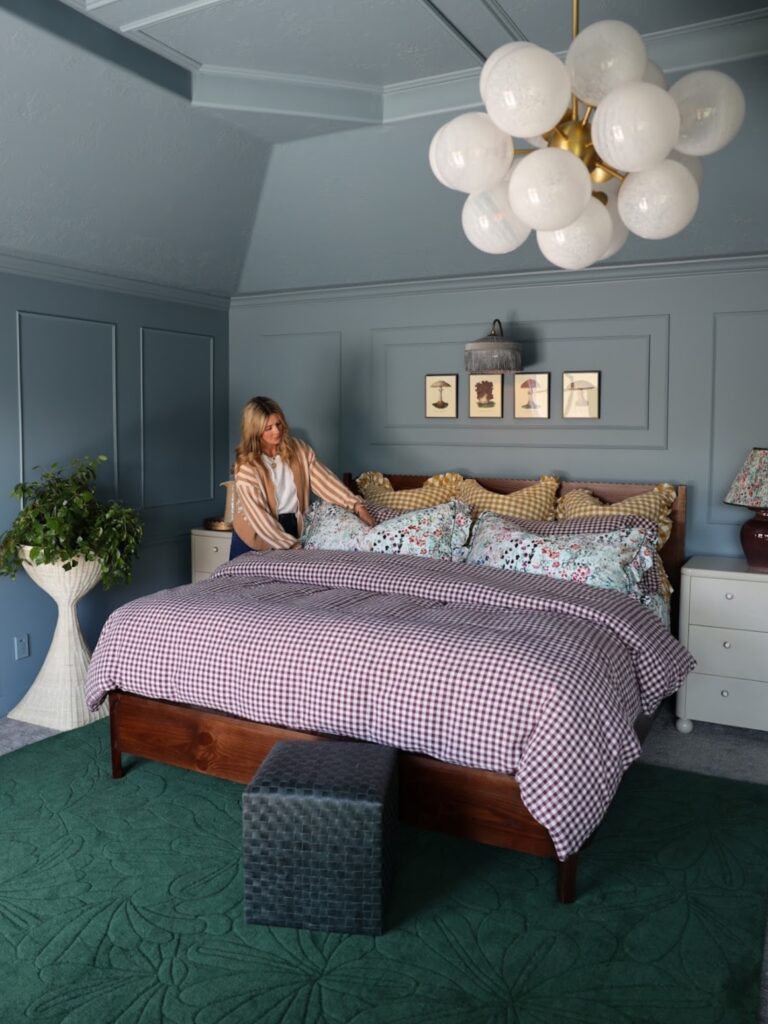
How to Decorate a Small Bedroom Without Making It Feel Crowded

This post contains affiliate links, and we will be compensated if you buy after clicking on our links. Read our disclaimer.
Read our editorial process
A small bedroom does not have to feel cramped or cluttered.
Many people think they need a larger room to create a comfortable space. In reality, the problem is often the layout, furniture choices, and storage setup.
When every inch counts, even a few wrong decisions can make a bedroom feel crowded. Oversized furniture, poor lighting, and too much decor can quickly overwhelm a small space.
The good news is that you do not need a renovation to make a noticeable difference. Smart planning can help your room feel bigger, brighter, and more functional.
Learning how to decorate a small bedroom starts with using your available space more effectively. The right furniture, color palette, and storage solutions can completely change how the room looks and feels.
In this guide, you’ll discover practical small bedroom decorating ideas, space-saving storage tips, and simple design strategies that work in real homes.
Whether you’re updating a guest room, apartment bedroom, or compact primary bedroom, these ideas will help you create a space that feels open, organized, and inviting.
Start With a Small Bedroom Layout Plan
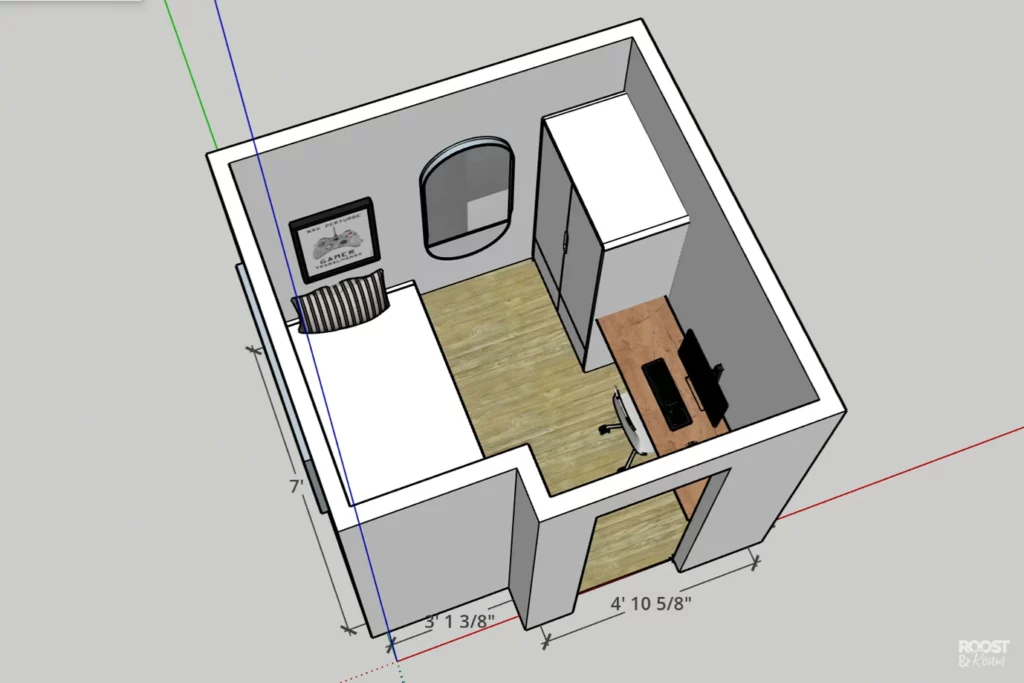
Before buying furniture or choosing paint colors, start with a plan.
A good layout can make a small bedroom feel larger without spending a single dollar on new decor. It also helps prevent expensive mistakes later.
According to data from the National Association of Home Builders, many modern homes continue to include smaller secondary bedrooms than homes built decades ago. Because space is often limited, planning becomes one of the most important parts of decorating.
Start by measuring the room.
Write down the length and width of every wall. Measure the location of windows, closet doors, vents, electrical outlets, and entry doors. These details will affect where furniture can be placed.
If your room measures 10 by 10 feet, you have about 100 square feet to work with. A 10-by-12 bedroom provides roughly 120 square feet. While that difference sounds small, those extra 20 square feet can significantly affect furniture placement.
To make planning easier, consider using free tools like the IKEA Room Planner or Floorplanner. These tools allow you to test different furniture arrangements before moving anything.
Next, identify the natural walking paths through the room.
You should be able to walk from the door to the bed, closet, and windows without squeezing between furniture. If movement feels restricted, the room will always feel smaller than it is.
Think about the focal point as well.
In most bedrooms, the bed naturally becomes the center of attention. Placing it on the longest uninterrupted wall often creates the most balanced arrangement.
Bed size matters too.
A standard queen mattress measures 60 inches by 80 inches. A full-size mattress measures 54 inches by 75 inches.
Those few extra inches may not seem important at first. In a small bedroom, however, they can create valuable walking space and improve the overall layout.
Before adding decorative items, focus on function.
Ask yourself a few simple questions:
- Do you need a workspace?
- Will you watch television in bed?
- How much clothing storage do you need?
- Do you need room for reading or hobbies?
Your answers will determine which furniture deserves a place in the room.
A layout that works well creates the foundation for everything that follows.
Choose Furniture That Fits the Room
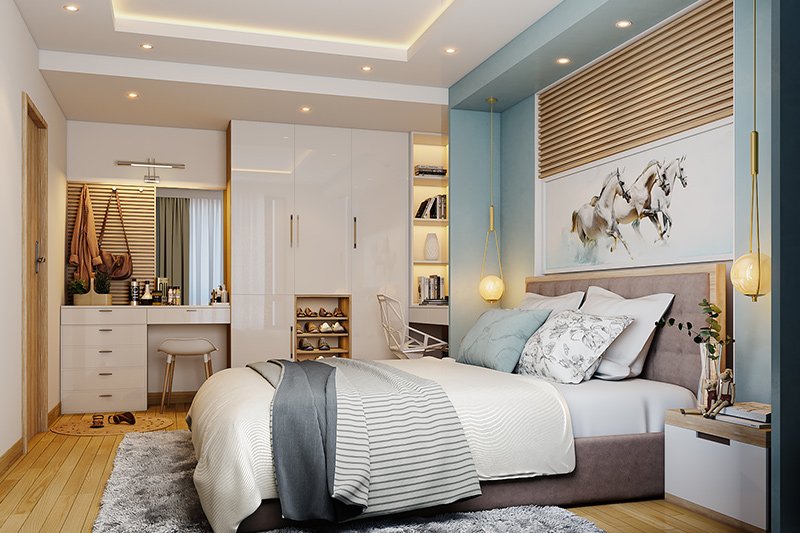
One oversized furniture piece can make a small bedroom feel crowded instantly.
Many people assume they need fewer furniture pieces. In reality, the size of the furniture matters more than the number of pieces.
A room can feel open with several well-sized items. It can also feel cramped with only a bed and one oversized dresser.
Start with the largest piece in the room.
The bed usually takes up the most space, so it should guide every other furniture decision.
If a queen bed leaves little room for movement, consider whether a full-size bed would better fit your needs. In guest bedrooms and smaller homes, downsizing the mattress can free up a surprising amount of floor space.
Look for furniture that performs more than one job.
Storage beds are among the best investments for compact bedrooms. Built-in drawers provide extra storage without requiring another piece of furniture.
Many small space solutions featured by IKEA Bedroom Ideas focus on this concept because every piece needs to earn its place in the room.
Wall-mounted nightstands are another smart option.
Because they do not touch the floor, they create a more open look while still providing storage for books, chargers, and personal items.
A floating desk can replace a bulky traditional desk.
Likewise, a narrow dresser often works better than a wide dresser in compact spaces. Using vertical storage allows you to preserve valuable floor area.
Lighting can also be incorporated into your furniture strategy.
Instead of placing lamps on nightstands, consider wall-mounted sconces. This frees up surface space and creates a cleaner appearance.
Current bedroom inspiration from Houzz Bedroom Design Ideas often shows how designers maximize function through carefully scaled furniture rather than filling rooms with oversized pieces.
Before buying anything, measure carefully.
A beautiful piece of furniture is only useful if it actually fits your room.
Choosing furniture that matches the scale of the space is one of the easiest ways to make a small bedroom feel larger and more comfortable.
Use Color Strategically to Make a Small Bedroom Look Bigger
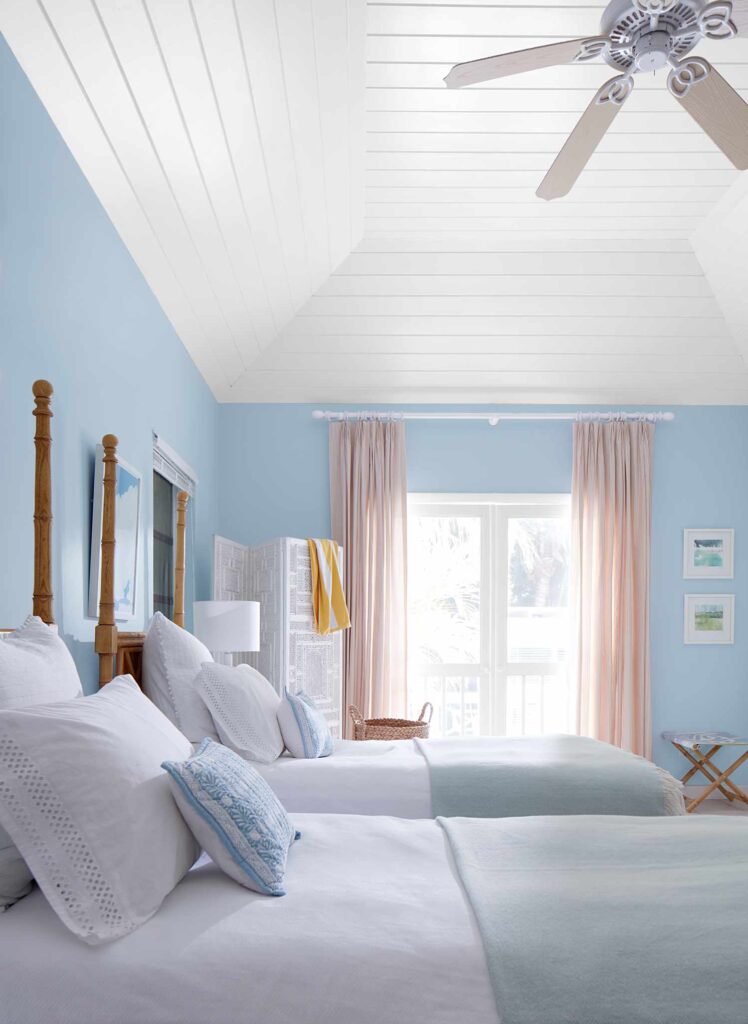
Color has a powerful effect on how a room feels.
The right paint color can help a small bedroom feel brighter, larger, and more relaxing. The wrong color can make the space feel closed in and heavy.
Light colors reflect more light throughout the room.
This reflection creates a greater sense of openness and helps soften hard edges.
That does not mean every small bedroom should be painted bright white.
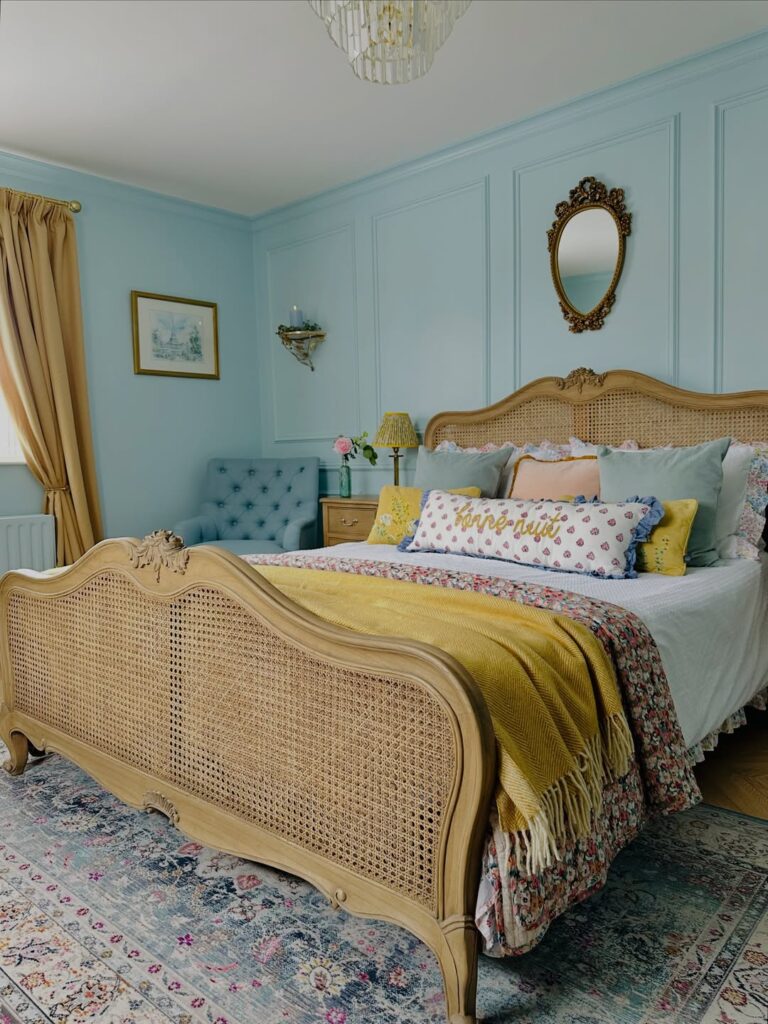
Many designers prefer shades that add warmth while still keeping the room light. Popular choices include warm white, soft greige, pale sage, light taupe, and dusty blue.
For inspiration, browse the latest palettes from Sherwin-Williams Color Collections. Their color guides often include recommendations for smaller rooms and changing design trends.
Another useful approach is a monochromatic color scheme.
When walls, bedding, curtains, and furniture stay within a similar color family, visual interruptions are reduced. The eye can move through the room more smoothly, making the space feel larger.
Contrast still has a place.
A darker headboard or accent chair can add depth and interest. The key is using contrast carefully instead of introducing too many competing colors.
Do not overlook the ceiling.
Painting the ceiling slightly lighter than the walls can help create the impression of additional height.
Many homeowners assume a dark accent wall automatically adds style. Sometimes it works. Sometimes it makes the room feel shorter and narrower.
Always test paint samples before making a final decision.
Colors often look different in natural daylight than they do under artificial lighting.
A thoughtful color palette can make a dramatic difference without changing the layout or furniture.
Maximize Natural and Artificial Lighting
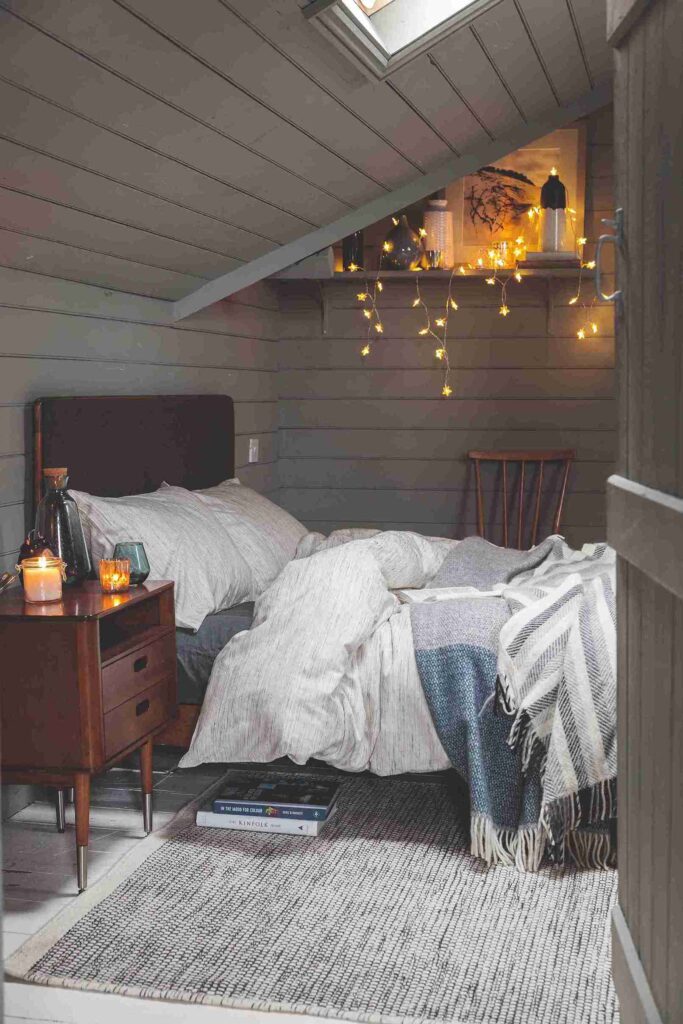
Even the best-designed bedroom can feel cramped if the lighting is poor.
Light helps define space. The brighter a room feels, the larger it often appears.
Start with natural light whenever possible.
Avoid placing tall furniture directly in front of windows. Blocking sunlight limits the amount of light entering the room and can make the space feel smaller.
Choose curtains that allow daylight to pass through.
Sheer curtains work well because they soften sunlight while maintaining brightness. Heavy drapes may provide privacy, but they can also make a room feel visually heavy.
Mirrors are another simple solution.
Placing a mirror across from a window reflects natural light deeper into the room. This trick has been used by designers for years because it is simple and effective.
Artificial lighting is equally important.
According to recommendations from the American Lighting Association, rooms feel more balanced when multiple types of lighting are used together.
A simple three-layer lighting plan works well in most bedrooms.
Ambient Lighting
This is your main source of light, usually a ceiling fixture or overhead light.
Task Lighting
Task lighting focuses on specific activities such as reading, working, or getting dressed.
Accent Lighting
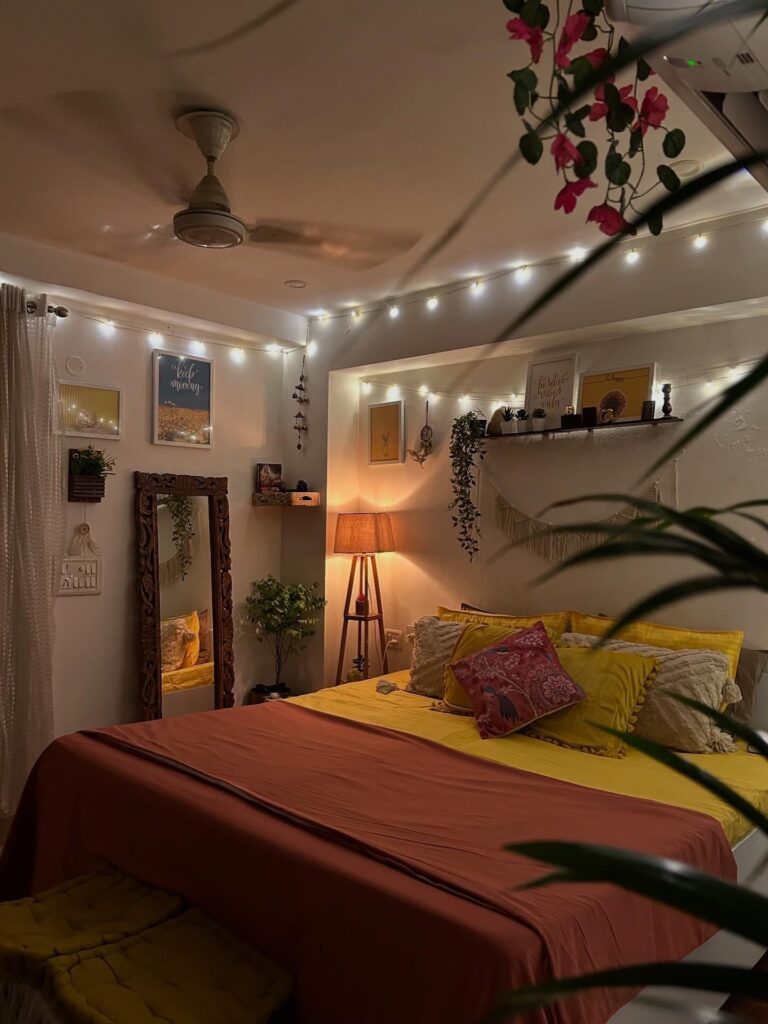
Accent lighting adds warmth and atmosphere. Examples include LED strips, wall lighting, and decorative fixtures.
Wall sconces are especially useful in small bedrooms because they provide light without taking up valuable space on tables or dressers.
When lighting is layered properly, a room feels brighter, more inviting, and noticeably larger.
Use Vertical Space Instead of More Floor Space
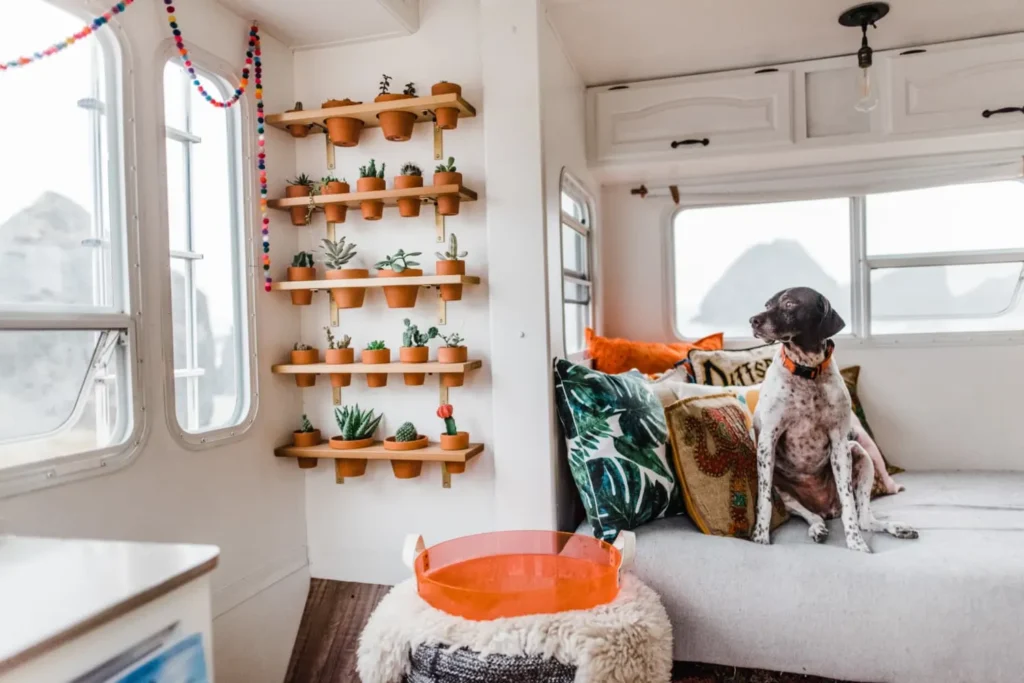
Limited floor space often leads homeowners to focus on finding smaller furniture. While that can help, one of the most effective solutions is making better use of the walls. Many small bedrooms contain valuable vertical space that goes completely unused.
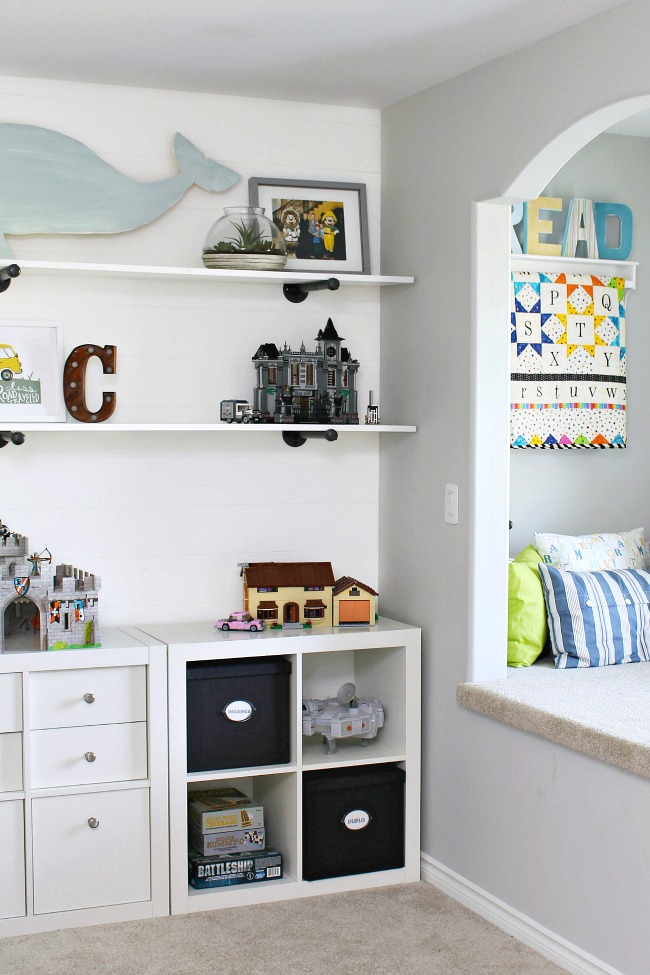
Floor-to-ceiling shelving is a practical example. It provides storage for books, baskets, and decorative accessories without taking up additional floor area. This approach keeps the room organized while helping draw the eye upward, which can make the ceiling appear taller. Small space solutions featured by IKEA Small Space Living Ideas frequently use vertical storage to maximize functionality in compact rooms.
Floating shelves can serve a similar purpose. They work particularly well above desks, dressers, and beds where traditional furniture may feel bulky. Picture ledges offer another flexible option, allowing you to display artwork and decorative items without filling tabletops or nightstands.
Tall wardrobes are often a better choice than wide dressers in small bedrooms. They provide substantial storage while preserving valuable floor space. Wall hooks and peg rails can also help keep everyday items such as bags, jackets, and hats organized without introducing additional furniture into the room.
Using vertical space effectively allows you to increase storage capacity while maintaining an open and comfortable layout.
Reduce Visual Clutter With Smart Storage
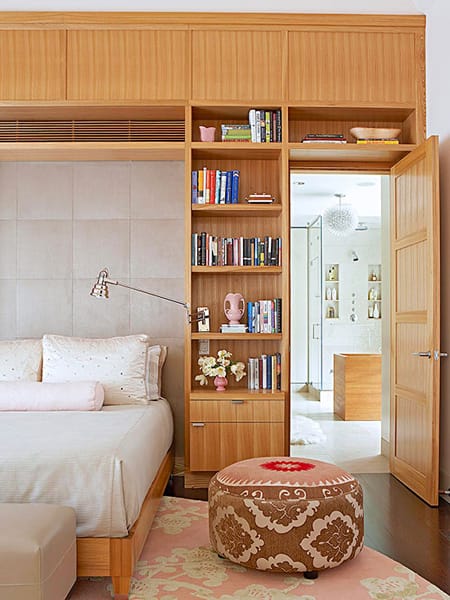
Storage plays a major role in how spacious a bedroom feels. Even a well-designed room can appear crowded when everyday items are left out in the open. Creating dedicated storage areas helps reduce visual clutter and makes the entire space feel more organized.
Under-bed storage is one of the most useful solutions for small bedrooms. Storage bins, rolling containers, and vacuum-sealed bags provide space for seasonal clothing, extra bedding, and rarely used items. Because these belongings remain out of sight, they do not contribute to the feeling of overcrowding.
Storage beds offer an additional advantage by combining furniture and storage into a single piece. Built-in drawers eliminate the need for extra storage furniture and make better use of space that would otherwise go unused.
Closets should also be organized with efficiency in mind. Drawer dividers, shelf risers, and hanging organizers can significantly increase storage capacity without requiring renovations. Even simple changes can improve accessibility and reduce clutter.
For additional ideas, the organization resources available through The Container Store Organization Guides offer practical solutions for maximizing limited storage space.
The goal is not simply to store more items. It is to create a system that keeps everyday belongings organized and easy to access. When storage works effectively, a bedroom feels calmer, cleaner, and noticeably larger.
Create the Illusion of More Space With Designer Tricks
Interior designers often rely on visual techniques to make small rooms feel larger. These methods do not increase square footage, but they can significantly improve the way a space looks and feels.
Mirrors remain one of the most effective tools for creating the impression of a larger room. When placed opposite a window, a mirror reflects both natural light and outdoor views, helping extend the visual boundaries of the space. Many designers featured by Architectural Digest Bedrooms regularly use oversized mirrors in compact bedrooms for this reason.
Window treatments can also influence how spacious a room appears. Hanging curtain rods several inches above the window frame draws the eye upward and creates the illusion of taller ceilings. This simple adjustment often has a greater impact than changing paint colors or furniture placement.
Furniture with visible legs contributes to a lighter visual appearance because more floor space remains visible. In contrast, bulky furniture that sits directly on the floor can make a room feel heavier and more confined.
Rug size is another detail that is frequently overlooked. A large area rug helps unify the room and creates a sense of continuity. Multiple small rugs often divide the floor visually, which can make the room feel smaller than it actually is.
Design experts featured by Apartment Therapy Small Bedroom Ideas frequently recommend maintaining a consistent color palette throughout the room. Reducing abrupt changes in color and pattern allows the eye to move more naturally through the space, contributing to a greater sense of openness.
When combined thoughtfully, these techniques can dramatically improve the appearance of a small bedroom without requiring major changes or significant expense.
Decorating Ideas That Add Personality Without Creating Clutter
A small bedroom should feel personal and welcoming, but adding character does not require filling every available surface. In fact, one of the most effective decorating strategies is choosing fewer pieces with greater visual impact.
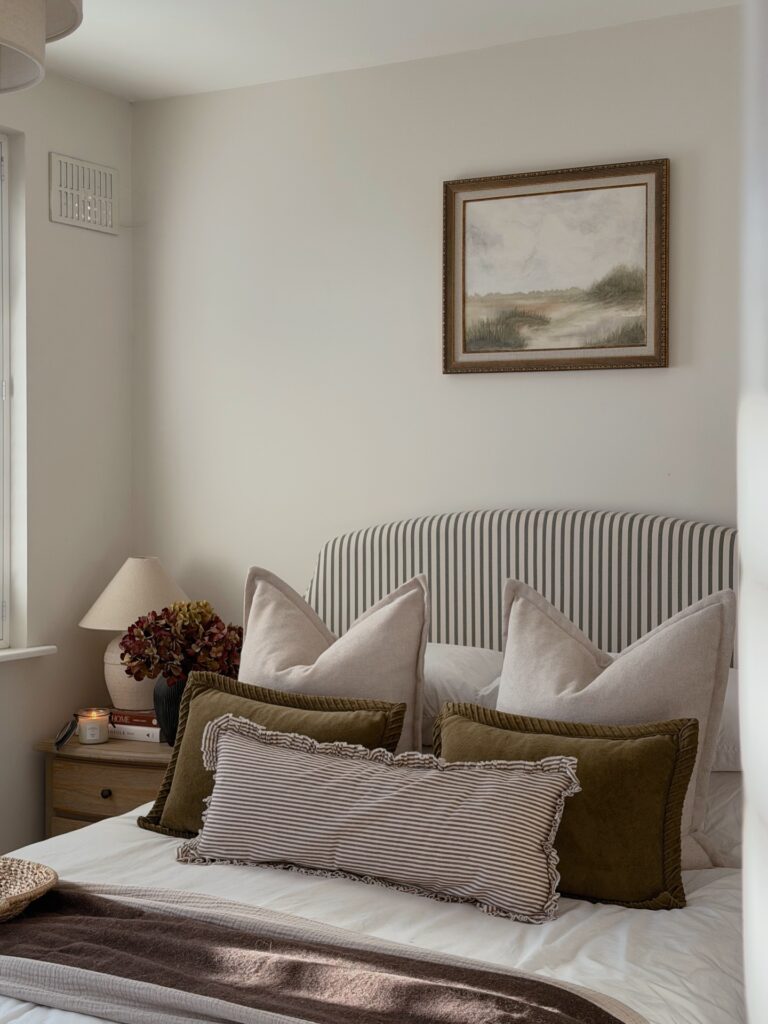
Artwork is a good example. A single oversized piece above the bed often creates a stronger focal point than a collection of small frames scattered throughout the room. Large artwork helps anchor the space while keeping the overall design clean and organized.
Textiles can also add warmth and personality without taking up additional room. Layered bedding, textured throws, and accent pillows introduce color and dimension while maintaining functionality. This approach allows you to refresh the look of a bedroom seasonally without making major design changes.
Plants are another simple way to make a room feel more inviting. A small potted plant on a floating shelf or nightstand can bring texture and color into the space without creating clutter. If floor space is limited, consider hanging planters or wall mounted plant shelves.
Current bedroom trends highlighted by Houzz Bedroom Inspiration continue to favor thoughtful, intentional decorating rather than filling a room with decorative accessories. The focus is often on quality over quantity.
When decorating a small bedroom, every item should contribute either function, beauty, or both. This creates a space that feels curated rather than crowded.
Common Small Bedroom Decorating Mistakes to Avoid
Even well-intentioned decorating projects can create problems when common mistakes are overlooked. Avoiding a few key errors can make a significant difference in how a bedroom looks and functions.
One of the most frequent mistakes is purchasing furniture before measuring the room. A dresser or nightstand may look perfect in a showroom but feel oversized once it is placed inside a compact bedroom. Measuring carefully before shopping helps prevent costly mistakes and layout issues.
Another common issue is choosing rugs that are too small. Small rugs can make a room feel disconnected because they visually break up the floor space. A larger rug typically creates a more cohesive appearance and helps the room feel larger.
Lighting is another area where many bedrooms fall short. Relying on a single overhead fixture often creates shadows and dark corners. A layered lighting plan that includes ambient, task, and accent lighting generally produces a more comfortable and balanced environment.
Overdecorating can also work against the goal of making a room feel spacious. Too many decorative accessories, picture frames, and accent pieces create visual noise. Removing unnecessary items often improves the appearance of the room immediately.
Another mistake is ignoring wall space. Empty walls represent storage opportunities that can reduce clutter elsewhere in the room. Shelving, hooks, and wall-mounted storage solutions can provide valuable functionality without consuming floor space.
By avoiding these common decorating mistakes, it becomes much easier to create a bedroom that feels comfortable, organized, and visually balanced.
Small Bedroom Makeover Checklist
Before beginning a bedroom makeover, it helps to follow a clear plan. This checklist can help guide each decision and ensure that every improvement contributes to a more functional space.
Micro-Layout Blueprint
1. Architectural Layout
Log accurate footprints to locate structural entries and walkways. Position the bed bedframe to protect clear traffic paths through the room.
2. Proportional Furniture
Select downscaled footprints. Prioritize multifunctional storage beds over heavy, oversized items that clip your physical boundaries.
3. Tiered Light Programming
Harvest pristine natural light sources. Add bedside tasks and layered accent runs, utilizing wall-mounted fixtures to save surface space.
4. Vertical Storage Expansion
Reclaim unused territory. Use deep under-bed areas, install high vertical column shelving, and segment off seasonal items separately.
5. Visual Space Multipliers
Anchor mirrors opposite light paths. Hang drapery above the window frames and anchor a single, tight color layout to trick the eye.
Layout
✔ Measure the room accurately
✔ Identify doors, windows, closets, and walkways
✔ Determine the best placement for the bed
✔ Maintain clear traffic paths throughout the room
Furniture
✔ Choose furniture that matches the scale of the room
✔ Consider a storage bed with built in drawers
✔ Select multifunctional furniture whenever possible
✔ Avoid oversized pieces that restrict movement
Lighting
✔ Maximize natural light from windows
✔ Add bedside task lighting
✔ Include accent lighting for warmth and depth
✔ Use wall-mounted fixtures to save space
Storage
✔ Utilize under-bed storage
✔ Install vertical shelving
✔ Organize closets with dividers and organizers
✔ Store seasonal items separately
Decor
✔ Select one primary focal point
✔ Limit decorative accessories
✔ Use artwork strategically
✔ Add texture through bedding and textiles
Visual Space
✔ Place mirrors where they can reflect light
✔ Hang curtains higher than the window frame
✔ Use a consistent color palette
✔ Choose appropriately sized rugs
Completing even a few items from this checklist can noticeably improve the appearance and functionality of a small bedroom.
Conclusion
Decorating a small bedroom successfully is less about square footage and more about making thoughtful decisions. A well-planned layout, appropriately sized furniture, effective lighting, and organized storage can dramatically improve how a room looks and functions.
The most successful small bedrooms focus on balance. They provide the storage needed for everyday life while maintaining enough open space to feel comfortable and relaxing. Every design decision should support both functionality and visual simplicity.
Start by evaluating your current layout and identifying areas that feel crowded or underused. Small changes such as improving storage, adjusting furniture placement, or introducing better lighting often create the biggest improvements.
If you have been searching for practical advice on how to decorate a small bedroom, focus on creating a space that works for your daily routine. With a clear plan and a few smart design choices, even the smallest bedroom can feel spacious, organized, and beautifully designed.
Explore More Small Bedroom Ideas
• How to Arrange Bedroom Furniture
• How to Fill Empty Space In Bedroom
• How to Decorate Bedroom Walls
• How to Place Rug In Bedroom