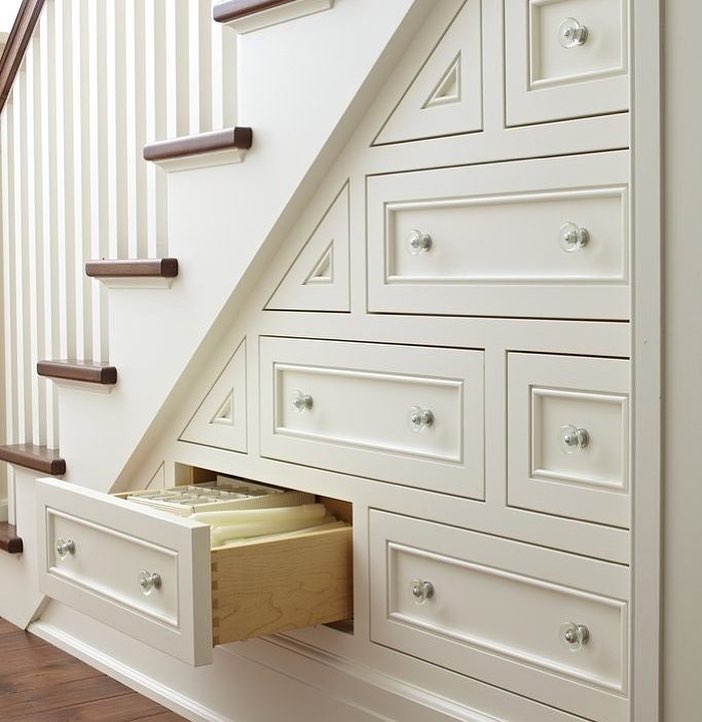
9 Hallway Organization Tips That Actually Keep Clutter Away

This post contains affiliate links, and we will be compensated if you buy after clicking on our links. Read our disclaimer.
Read our editorial process
Hallways have a way of collecting clutter without much notice. Shoes pile up by the door, bags get left against the wall, and everyday items slowly take over the space.
The problem is that hallways connect multiple rooms, making them an easy place for things to stop temporarily and stay longer than intended. Over time, even a small amount of clutter can make the entire area feel crowded.
A few smart systems can make a big difference.
These 9 hallway organization tips will help you create a cleaner, more functional space that’s easier to maintain every day.
Create a More Organized Home From the Front Door
• Entryway Organization Hacks
• Apartment Organization Ideas
• Staircase Organization Tips
• Entryway Shoe Storage Ideas
1. Stop Treating the Hallway Like Temporary Storage
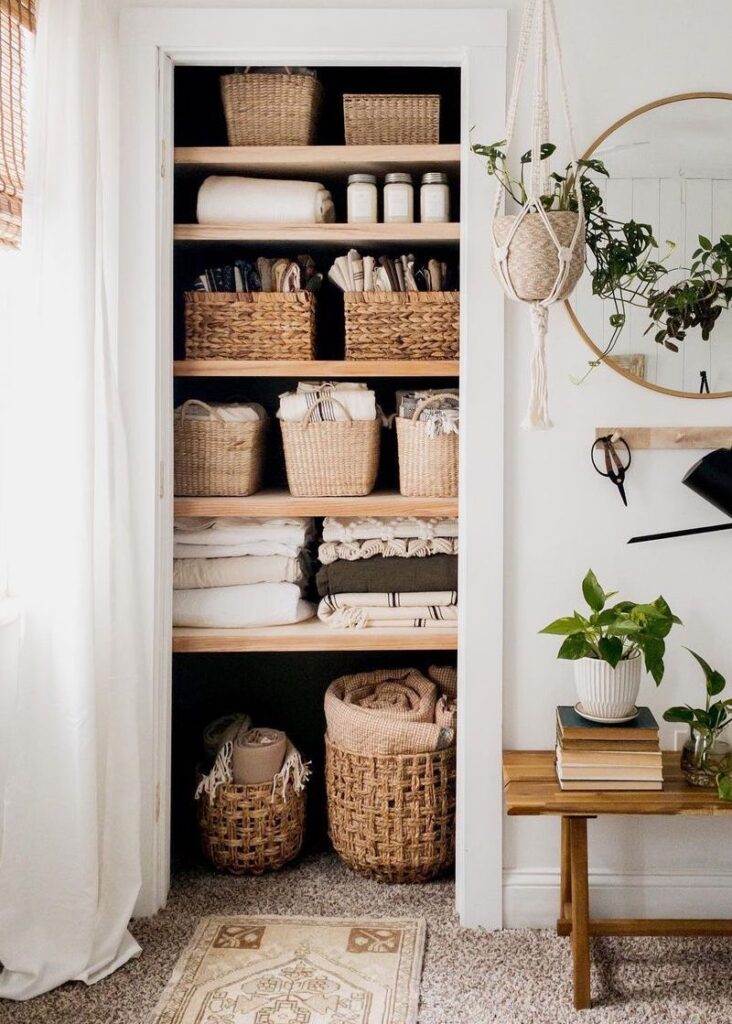
You walk through the hallway and spot the same things sitting there again. A shopping bag from last week, shoes that never made it to the closet, or a package waiting to be opened.
Most hallway clutter starts because items are placed there “for now” and then forgotten. The hallway works best as a path, not a holding area. Once you see it as a space for movement instead of storage, organizing becomes easier.
Start by removing anything that does not support daily traffic through the area. Common offenders include laundry baskets, unopened mail, sports gear, and random household items.
The mistake most people make is allowing temporary storage to become permanent storage. You’ll know this change worked when you can walk through the hallway without stepping around anything.
2. Identify What Actually Belongs in Your Hallway
You may have organized the hallway before, only to watch it fill up again within days. Often the problem is that too many items are competing for limited space.
Ask yourself one question: Do I use this item when entering or leaving the house? If the answer is no, it probably belongs somewhere else.
Items that often make sense in a hallway include:
A family with children may need more hallway storage than someone living alone. Focus on function rather than copying someone else’s setup.
You’ll know you’re on the right track when every item in the hallway serves a clear purpose.
3. Create Dedicated Zones for Everyday Items
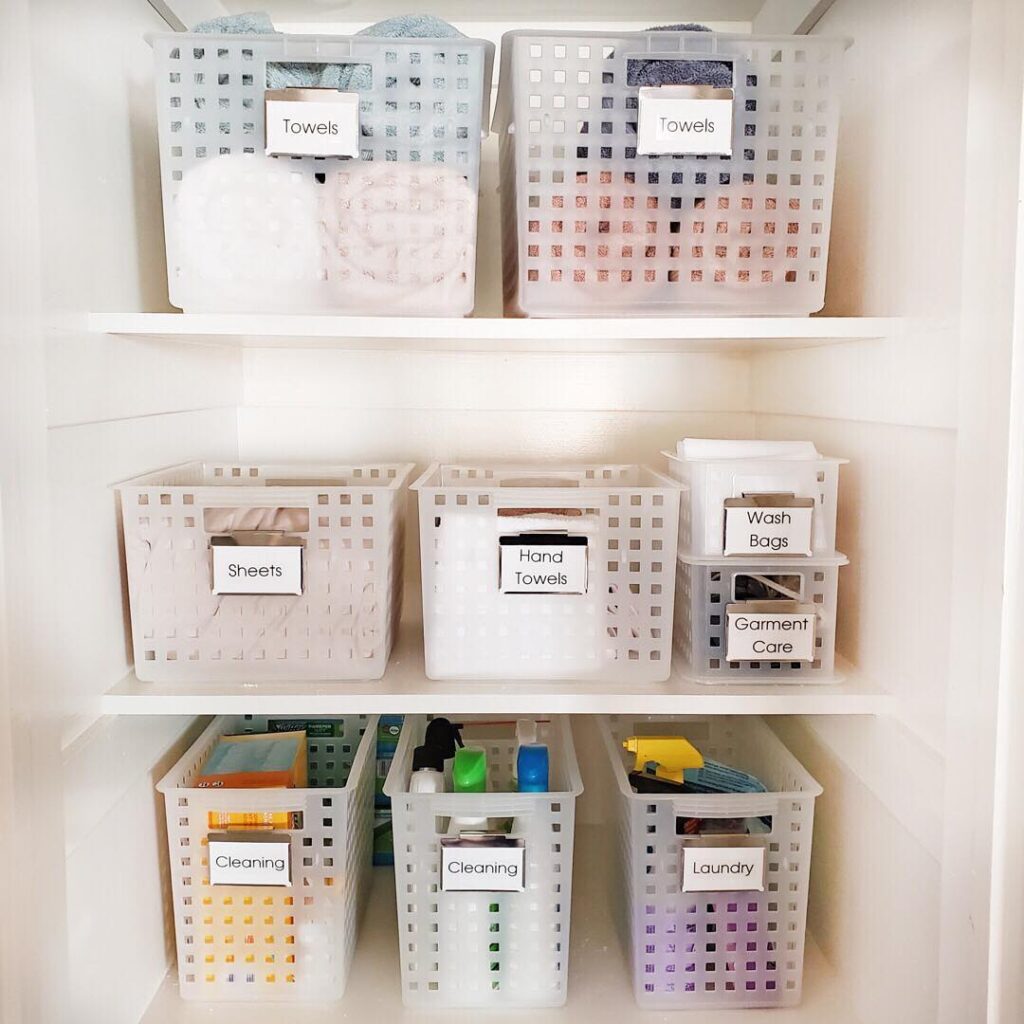
You waste less time looking for things when every item has a home. Without zones, bags end up on chairs, shoes spread across the floor, and keys disappear when you need them most.
Divide the hallway into small functional areas:
- Shoe zone
- Bag and backpack zone
- Key station
- Mail area
- Umbrella storage
The goal is not creating more storage. The goal is reducing decisions. When you already know where something belongs, cleanup happens faster.
The most missed step is assigning limits to each zone. If the shoe area holds six pairs, extra shoes need another home.
You’ll know this system is working when family members put items away without asking where they belong.
4. Use Vertical Space Before Adding More Furniture
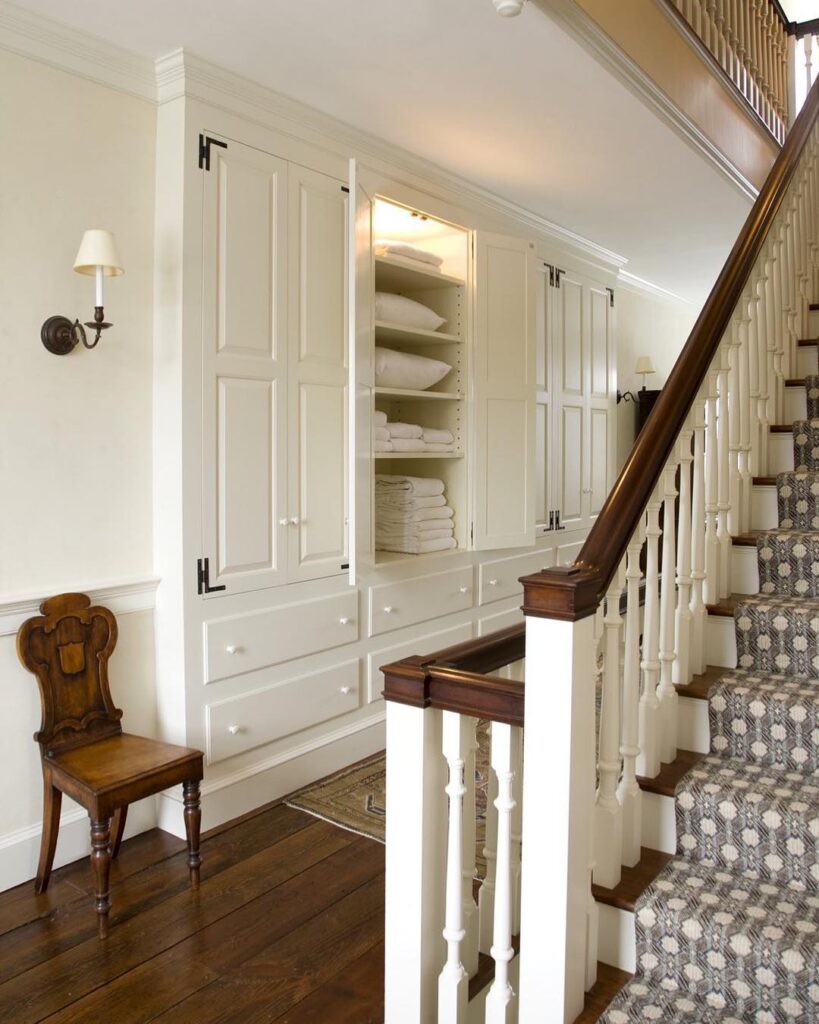
You may feel like the hallway needs more storage, but the floor already feels crowded. Adding another cabinet can sometimes create a new problem.
Before bringing in furniture, look at your walls. Vertical storage keeps items accessible while preserving walking space.
Useful options include:
- Wall hooks
- Peg rails
- Floating shelves
- Over-door organizers
- Mounted mail holders
A narrow hallway often benefits more from wall storage than floor storage. The trade-off is that open storage stays visible, so keeping it tidy matters.
The most common error is installing hooks too close together, which creates visual clutter. You’ll know it worked when the floor feels open and easier to clean.
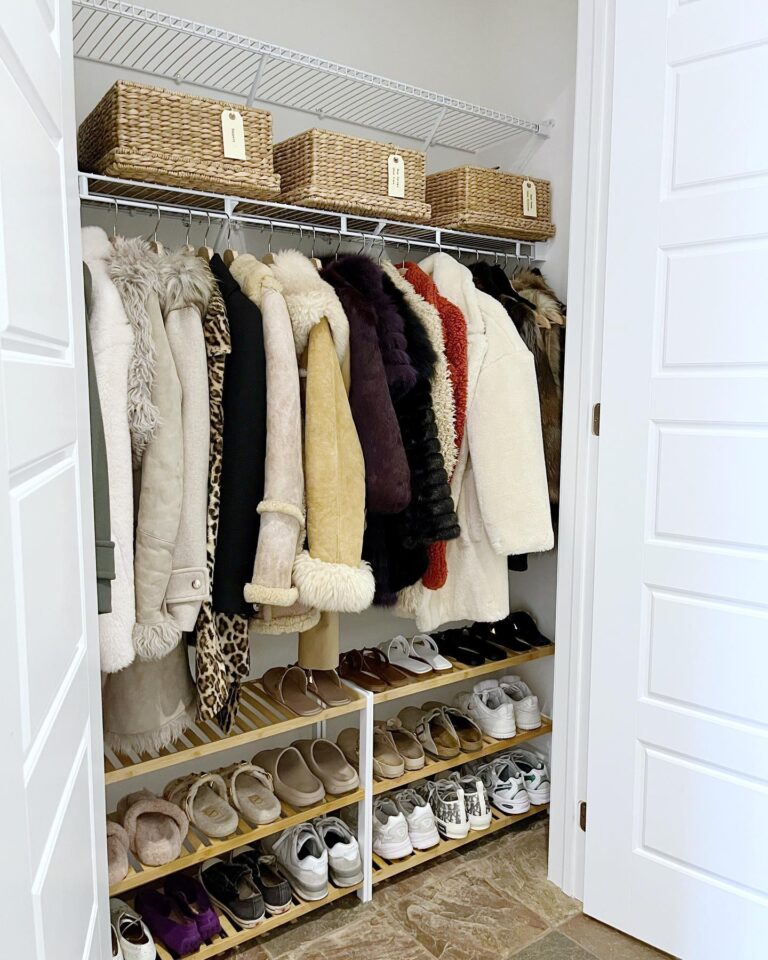
5. Organize Shoes So They Do Not Take Over the Floor
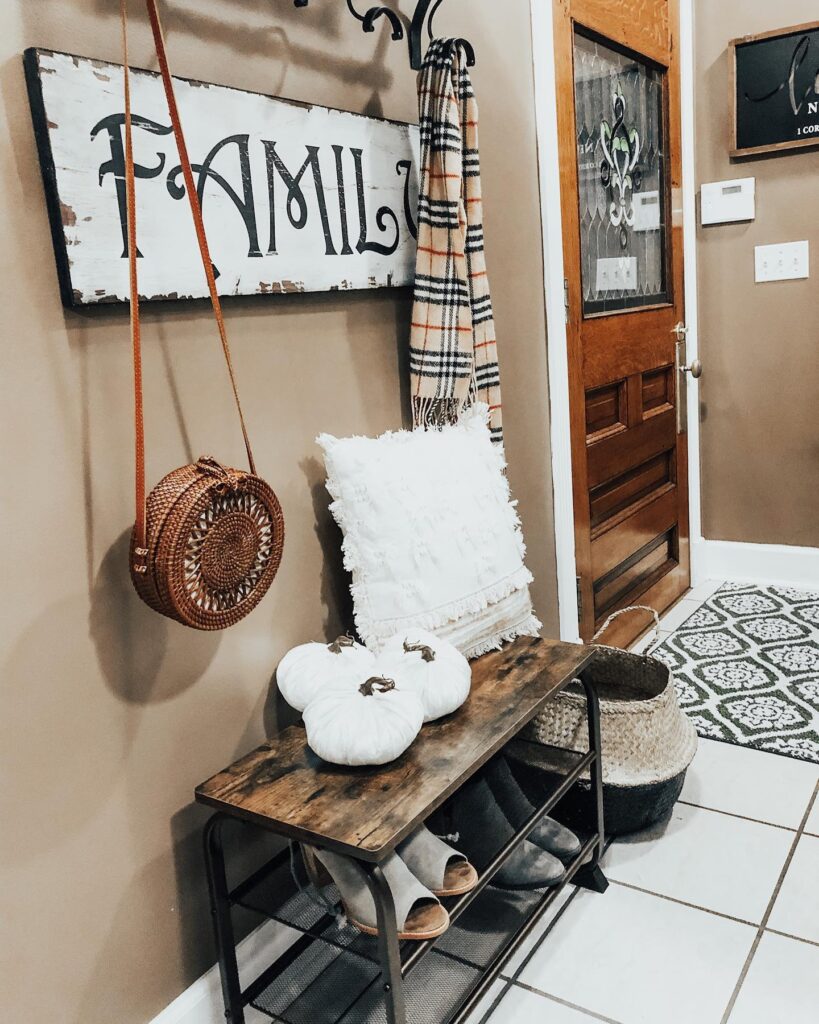
You clear the hallway floor and somehow shoes return within hours. This happens because most households store more shoes near the entrance than they actually use.
Keep only the pairs currently in rotation near the door. Seasonal shoes and special occasion footwear can live elsewhere.
| Household Size | Recommended Hallway Capacity |
|---|---|
| 1–2 People | 4–8 pairs |
| 3–4 People | 8–12 pairs |
| 5+ People | 12–16 pairs |
Open racks make access easy. Closed cabinets reduce visual clutter. The right choice depends on how much you value convenience versus a cleaner appearance.
You’ll know your shoe system works when pairs stay inside the storage area instead of spreading across the hallway.
6. Add Hidden Storage Without Blocking Walkways
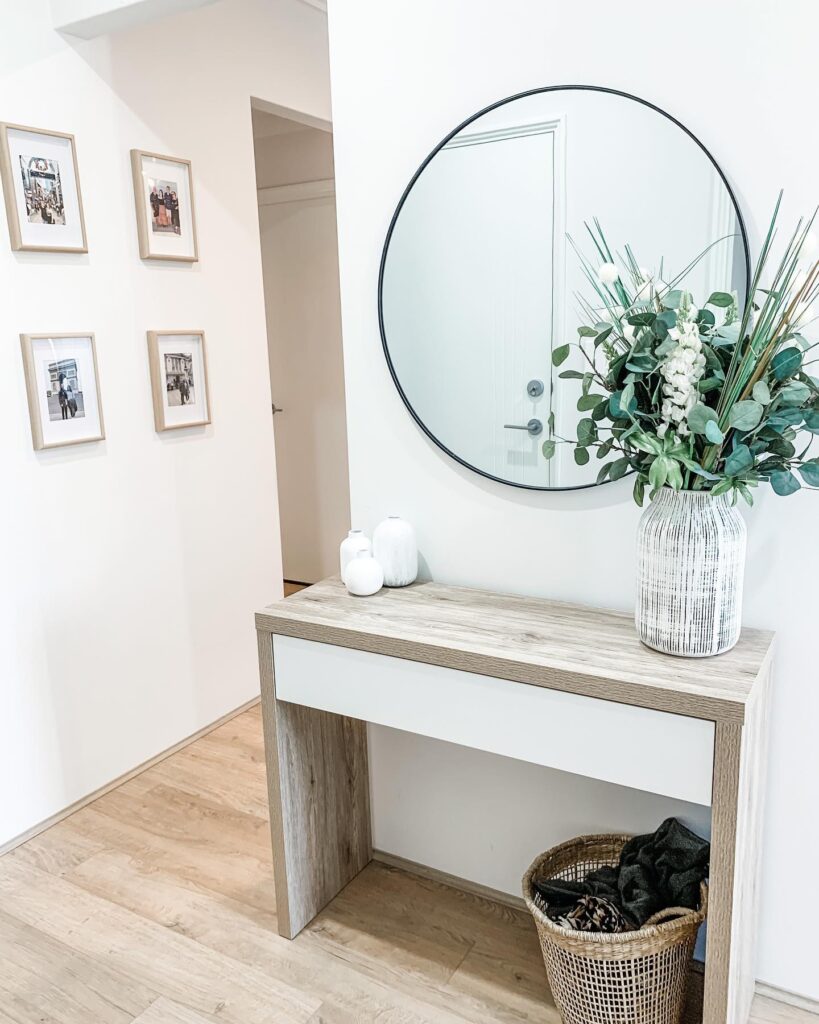
You need more storage but don’t want the hallway to feel smaller. This is where scale matters more than storage capacity.
Measure the walkway before buying anything. Furniture that looks slim online can feel bulky in a narrow corridor.
| Hallway Width | Storage Option |
|---|---|
| Under 36 inches | Wall-mounted storage |
| 36–48 inches | Slim cabinet |
| Over 48 inches | Storage bench or console |
Look for pieces that provide storage without creating obstacles. A shallow cabinet often stores more than expected while maintaining comfortable clearance.
The mistake people make is prioritizing storage over movement. You’ll know you chose correctly when people can pass through without adjusting their path..
Keep High Traffic Areas Clutter Free
• Entryway Backpack Storage Ideas
• IKEA Built-In Mudroom Hack Entryway Storage
• Purse Storage Ideas
• Linen Closet Organization Ideas
7. Build a Simple Weekly Reset Routine
You spend hours organizing once and then avoid maintenance until the clutter returns. A short reset routine prevents that cycle.
Set aside five minutes each week to return misplaced items and clear buildup before it becomes overwhelming.
Weekly hallway checklist:
- Return stray items
- Sort incoming mail
- Remove unused shoes
- Wipe surfaces
- Check storage zones
- Rotate seasonal accessories if needed
Many people miss paper clutter because it accumulates slowly. A few envelopes become a stack before anyone notices.
You’ll know the routine is working when cleanup takes minutes instead of becoming a weekend project.
8. Adjust Your System for Different Hallway Types
You may see an organization idea online that looks useful but fails in your home. Hallways vary more than people realize.
Different spaces need different solutions:
- Narrow hallway: prioritize wall storage
- Apartment hallway: focus on multi-purpose storage
- Family hallway: create individual zones
- Upstairs hallway: limit storage and reduce visual clutter
- Hallway with stairs: use nearby wall space carefully
The best system is the one that fits your layout and daily habits. Copying another home without adjusting for your space usually leads to frustration.
Ask yourself where clutter naturally appears. That answer often reveals where storage should go.
9. Know the Signs Your Hallway System Is Working
You do not need a magazine-worthy hallway to know your organization system is successful. The better measure is how the space functions every day.
Look for these signs:
- The floor stays mostly clear
- Storage areas stay within capacity
- Items return to their zones
- Cleaning takes less time
- You can move through the hallway easily
Many people judge success by appearance alone. Function is the better test. A hallway that supports daily routines without creating stress is doing its job.
You’ll know the system has become part of your routine when you stop thinking about it and the space stays organized anyway.
Frequently Asked Questions
How Do You Organize A Narrow Hallway?
A narrow hallway benefits most from vertical storage. Use hooks, peg rails, floating shelves, and wall-mounted organizers instead of bulky furniture. Keeping the floor clear helps the space feel larger and safer to navigate. Focus on storing only daily essentials in the hallway and relocate less-used items elsewhere.
What Should Not Be Stored In A Hallway?
Large boxes, laundry baskets, seasonal decorations, exercise equipment, and long-term storage items usually do not belong in a hallway. These items reduce walking space and create visual clutter. Hallways work best when they support movement rather than storage.
How Often Should A Hallway Be Decluttered?
A quick weekly reset is enough for most homes. Spend a few minutes returning misplaced items, sorting mail, and removing anything that has collected in the space. A larger review every season helps prevent storage zones from becoming overcrowded.
What Is The Best Storage For Small Hallways?
The best storage depends on the available width. Wall hooks, floating shelves, and slim cabinets often provide useful storage without blocking traffic. In compact spaces, choosing vertical storage before adding furniture usually produces the best results.
Conclusion
A hallway may seem like a small part of your home, but it affects how every day begins and ends. When clutter collects there, the entire house can feel less organized.
These 9 hallway organization tips focus on creating systems that are easy to maintain, not systems that require constant attention.
Start with one change, build from there, and pay attention to what your household actually uses.
The best hallway organization system is the one that continues working long after the initial cleanup is finished.
Continue Organizing Every Corner
• Kitchen Organization Ideas
• Basement Organization Tips
• Desk Organization Ideas
• DIY Garage Organization Ideas