The Trellis Ideas That Made My Star Jasmine Look Like a Garden Feature

This post contains affiliate links, and we will be compensated if you buy after clicking on our links. Read our disclaimer.
Read our editorial process
Is your outdoor space missing that lush, romantic touch that softens hard edges and blank walls? A thoughtfully placed trellis covered in star jasmine can completely transform the atmosphere.
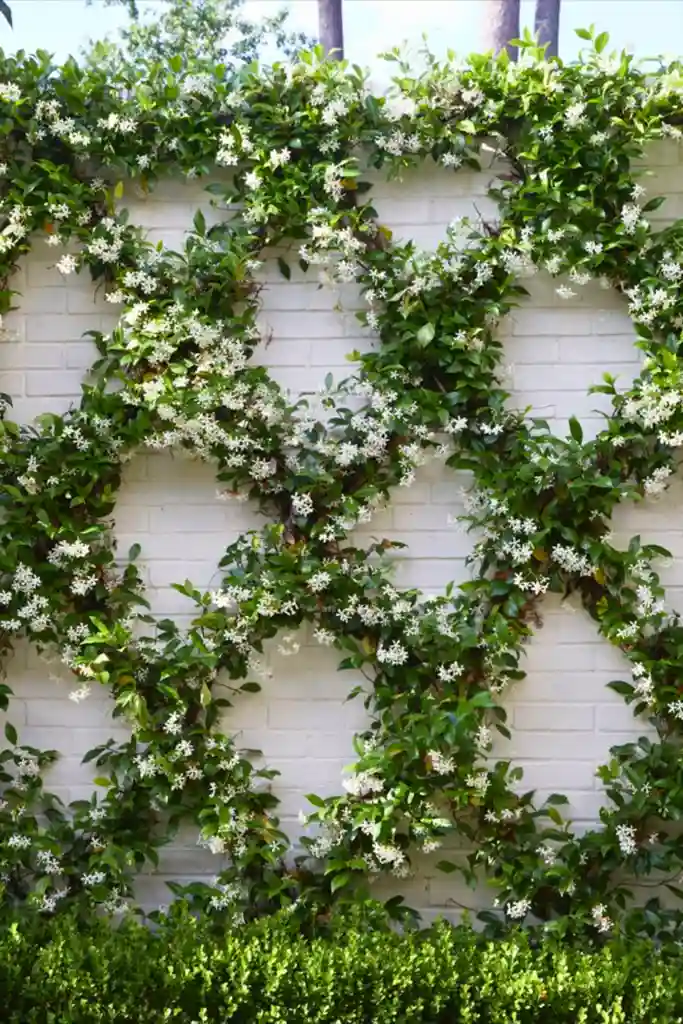
Star jasmine grows 3 to 6 feet per year in USDA zones 8 through 10. Give it full sun to part shade and well-drained soil with a pH of 6.0 to 7.0, and it rewards you with glossy leaves and white blooms every spring.
The right trellis shapes how it grows and how your outdoor space feels. Some designs offer privacy. Others create shade or define a boundary.
This list covers 15+ trellis ideas with real details on materials, costs, and growing performance to help you choose the right fit.
1. Classic Wooden Wall Trellis
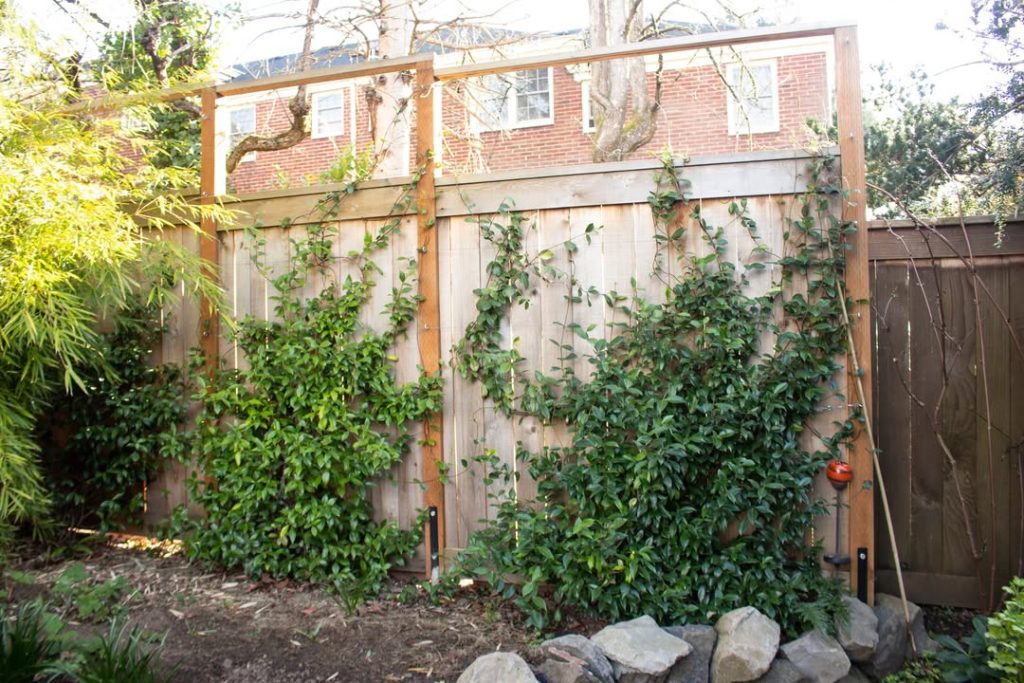
Cedar and redwood resist rot naturally for 15 to 20 years without chemical treatment. A crisscross design with 4 to 6 inch grid spacing gives star jasmine enough room to weave through without losing structural support.
Mount the frame 2 inches from the wall to allow air circulation and prevent moisture buildup behind it. Apply a UV-resistant wood sealant every 3 to 4 years to extend the trellis lifespan.
Full wall coverage on a standard 6-by-8-foot panel takes 2 to 3 growing seasons. South and west-facing walls in zones 9 and 10 produce the fastest results.
2. Freestanding Metal Trellis
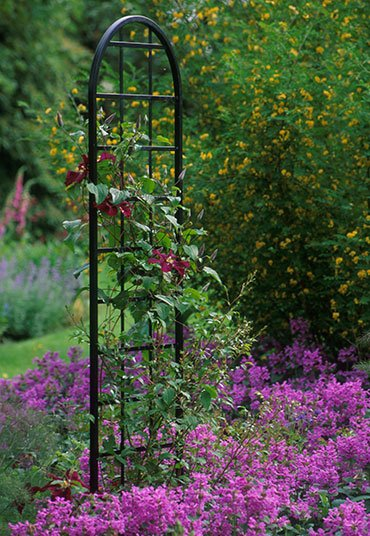
Powder-coated steel trellises last 20 to 30 years outdoors with minimal upkeep. The coating protects against rust, UV damage, and temperature fluctuations.
Grid patterns with 3 to 4 inch spacing work best for star jasmine, giving tendrils enough gaps to grip without the plant becoming tangled. Position the trellis at least 18 inches from a seating area to allow the vines room to fill out.
Star jasmine on a freestanding frame reaches a spread of 3 to 5 feet within two seasons. This is the best option for renters who need a structure they can move.
3. Archway Trellis
:strip_icc():format(webp)/garden-stone-wall-metal-trellis-8b735a3a-d835e5090a914eae97bb9668fb2ce9de.jpg)
A quality wrought iron arch costs between $150 and $400 and lasts decades with a coat of rust resistant primer applied every few years. Plant star jasmine 12 inches from the base on each side for balanced, even coverage.
Guide the vines upward with soft garden ties during the first season. By the second year, the plant climbs naturally without intervention.
A standard 7-foot arch reaches full coverage in roughly 3 growing seasons. Evening fragrance from star jasmine is strongest in enclosed spaces like archways.
4. Pergola with Star Jasmine
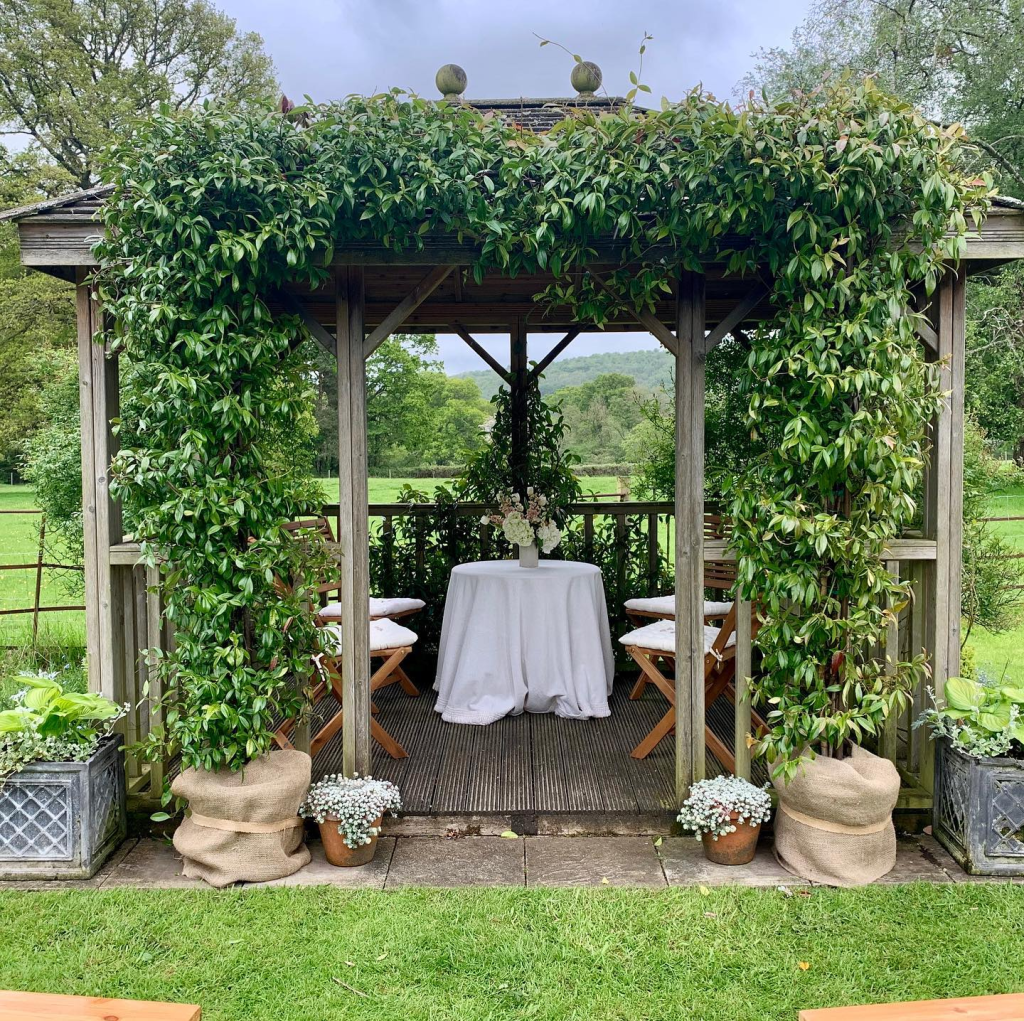
Vine-covered overhead structures can reduce surface temperatures beneath them by 5 to 15 degrees Fahrenheit compared to open pergolas in direct sun. Plant jasmine at the base of each post, spacing plants 3 to 5 feet apart for full coverage without overcrowding.
Secure new growth to the beams with soft garden ties or silicone clips. Avoid wire ties, as they cut into stems as the vine thickens.
Full pergola coverage typically takes 3 to 4 seasons, depending on sun exposure and irrigation. South-facing pergolas in zones 9 and 10 reach coverage fastest.
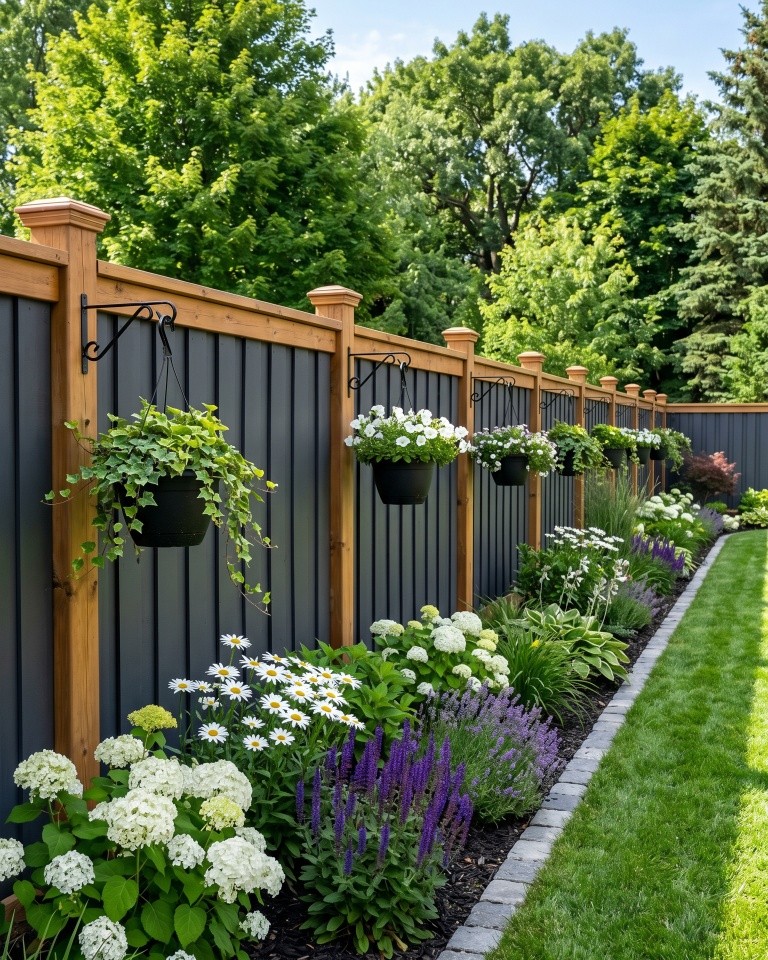
5. Privacy Fence Trellis
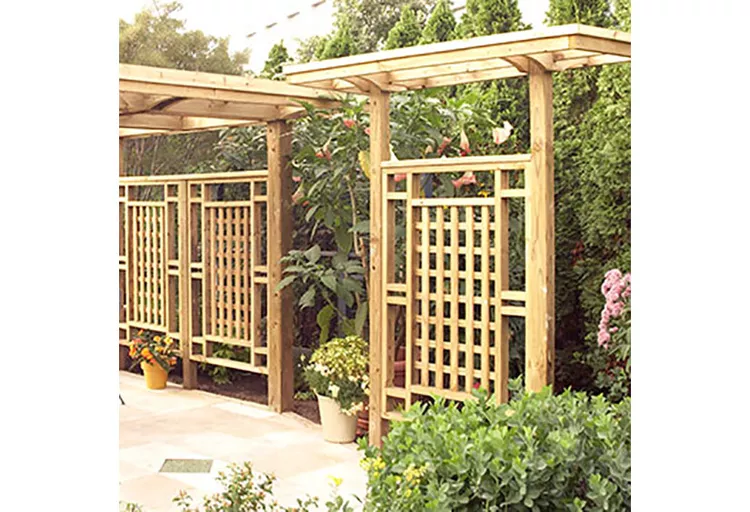
Adding horizontal wire or wooden slats to an existing fence gives star jasmine the grip it needs to climb. Space the supports 8 to 12 inches apart vertically for even coverage from top to bottom.
Dense jasmine foliage along a fence line provides a measurable reduction in ambient noise. It acts as a soft buffer between your yard and surrounding activity.
Plant jasmine every 3 to 4 feet along the fence for complete coverage within 2 to 3 seasons. Deep watering twice a week during the first season builds the root system that drives faster coverage in years two and three.
6. Vertical Garden Frame
A vertical garden frame works well on patios with less than 100 square feet of floor space. Build the frame from 1.5-inch square steel tubing, or purchase a galvanized steel panel frame rated for outdoor use.
Mount the frame at least 3 inches from the wall to allow air movement behind the vines. Adding a drip irrigation line at the base maintains consistent soil moisture without daily hand watering.
Star jasmine on a vertical frame typically reaches 6 to 8 feet in height within two growing seasons in zone 9. This is the most space-efficient trellis option on this list.
7. Obelisk Trellis
Garden obelisks range from 4 to 8 feet tall and support vines weighing 15 to 20 pounds at maturity. Star jasmine is a lightweight climber compared to wisteria or trumpet vine, making it well-suited to midsize obelisks.
Choose a base width of at least 18 inches to ensure stability in the wind. Powder-coated metal obelisks last 20 or more years outdoors.
Place the obelisk in a planting bed with at least 6 hours of direct sun per day. Star jasmine reaches full coverage on an 8-foot obelisk in approximately 2 seasons in zones 9 and 10.
8. Wire Grid Trellis
Galvanized steel wire grid panels last 10 to 15 years in most outdoor conditions. Vinyl-coated wire extends that lifespan closer to 20 years and prevents rust marks from staining wall surfaces.
Mount the grid on 2-inch standoffs rather than flush against the wall to improve airflow and reduce moisture damage. Wire spacing of 4 to 6 inches works best for star jasmine.
Smaller spacing increases humidity around the leaves, which raises the risk of powdery mildew. Larger spacing gives tendrils less to grip and slows vertical progress.
9. Bamboo Trellis
Outdoor bamboo trellis structures last 5 to 10 years, depending on climate and annual treatment. Applying a wood sealant once a year prevents water absorption and cracking significantly.
Use culm bamboo poles with a diameter of at least 1 inch for structural stability under the weight of a mature jasmine vine. Arrange poles in a 30 to 45 degree spread from a single anchored base pole for the most stable configuration.
Secure the frame with UV-resistant garden twine rather than wire. Star jasmine trained on a fan frame fills in evenly within one to two seasons.
10. Window Frame Trellis
A reclaimed wooden window frame costs nothing if salvaged and under $50 if sourced from architectural salvage stores. Reinforce old frames with exterior wood glue and stainless steel screws before mounting.
Add horizontal garden wire across open panes at 6 inch intervals to give jasmine tendrils additional support points. Mount the frame at least 12 inches above the soil line to prevent wood rot at the base.
Star jasmine planted below a mounted window frame climbs into the structure within its first growing season. This style works consistently well in cottage, farmhouse, and eclectic garden designs.
11. Lattice Panel Trellis
Vinyl lattice panels cost between $20 and $60 per 4-by-8-foot sheet and require no painting or sealing. Cedar lattice panels cost more but offer a natural appearance and last 10 to 15 years with periodic staining.
Install panels with a 2-inch clearance from any wall surface to allow air circulation behind the foliage. Star jasmine grows through lattice panels quickly due to the many grip points at each intersection.
A single 4-by-8 panel fully covered in star jasmine weighs 15 to 25 pounds when wet. Anchoring hardware must be rated for that sustained load.
12. Decorative Privacy Screen Trellis
Laser cut metal privacy screens range from $80 to $300 depending on size and pattern complexity. Powder coated aluminum resists rust and weighs less than steel, making it the strongest outdoor choice.
Mount the screen with adjustable standoff brackets so it can be repositioned without causing wall damage. Geometric or botanical cutout patterns give jasmine tendrils natural pathways to weave through.
Full jasmine coverage on a decorative screen takes 2 to 3 seasons. After that, the cutout patterns remain partially visible through the foliage, creating a layered visual effect.
13. T-Post Trellis with Wire
Steel T-posts cost $5 to $10 each and last 20 or more years without treatment. Space them 4 to 6 feet apart and string 14-gauge galvanized wire horizontally at 12-inch intervals.
Plant jasmine 3 to 4 feet apart along the wire line. Each plant covers approximately 3 to 4 feet of horizontal spread at maturity.
A 20-foot run planted with 5 to 6 jasmine plants reaches full, dense coverage in 2 to 3 growing seasons. Total material cost for that run typically stays under $100, making this the most budget-efficient option on this list.
14. Corner Trellis
An L shape corner trellis fits into tight outdoor spaces where square footage is limited. Standard panels measure 24 to 36 inches on each arm and stand 5 to 6 feet tall.
Plant star jasmine at the base of each arm, one plant per side. The two plants meet at the apex within 2 seasons and create a full, rounded coverage effect.
Vinyl is the lowest maintenance material choice for humid climates prone to moisture damage. Corner trellises soften the hard angle of wall junctions while blocking sightlines naturally.
15. Hanging Wall Trellis
A hanging wall trellis uses horizontal rods or rails mounted at 12 inch intervals across an outdoor wall. A standard 6 foot wide arrangement with 5 horizontal rails creates approximately 30 square feet of growing surface.
Mount the lowest rail no more than 12 inches from the soil so jasmine vines can reach it in the first season. Star jasmine grows both upward and downward once established, filling in the rail system quickly.
This design works especially well on covered patios and balconies where vertical space is the only available growing area. It is the top choice when floor space cannot be used for containers or beds.
16. DIY Rustic Ladder Trellis
A reclaimed wooden ladder costs nothing or under $30 at estate sales and secondhand stores. Sand the rungs lightly, then treat the wood with an exterior sealant rated for outdoor use.
Lean the ladder at a 70 to 80-degree angle against the wall for maximum stability under vine weight. Plant star jasmine at the base and secure new growth to the rungs with soft silicone ties.
A 6-foot ladder trellis holds approximately 3 to 5 pounds of mature vine, well within the limits of most solid wood ladders in good condition. The plant fills in the frame within 1 to 2 seasons, depending on sun exposure.
Frequently Asked Questions
How fast does star jasmine cover a trellis?
Star jasmine grows 3 to 6 feet per year in USDA zones 8 through 10. A standard 6-by-6-foot trellis reaches full coverage in 2 to 3 growing seasons. Consistent deep watering during the first season is the biggest factor in how quickly the plant establishes.
Does star jasmine damage wood trellises?
Star jasmine does not penetrate or damage wood the way English ivy does. Its tendrils wrap around surfaces rather than attaching with adhesive rootlets. Mount wood trellises 2 inches from walls and seal the wood annually to prevent moisture damage from dense foliage holding humidity against the surface.
What is the best trellis material for star jasmine?
Powder-coated steel lasts the longest at 20 to 30 years. Cedar and redwood perform well for 15 to 20 years with periodic sealing. Vinyl is the lowest maintenance option. Bamboo suits short-term setups and lasts 5 to 10 years. The best choice depends on your climate zone, budget, and how long the structure needs to last.
How do I train star jasmine on a trellis?
Secure new growth every 2 to 3 weeks during the growing season using soft silicone or fabric ties. Guide the main stems toward the trellis frame in the first season to establish direction. After that, the plant climbs on its own. Avoid wire ties, which cut into stems as the vine thickens.
Does star jasmine need full sun on a trellis?
Star jasmine grows best with 6 or more hours of direct sun daily. It tolerates part shade but produces fewer flowers and slower coverage in lower light. North-facing walls see the slowest growth and fewest blooms. South and west-facing placements are optimal across USDA zones 8 through 10.
Can star jasmine grow in a container on a trellis?
Yes. Use a container of at least 15 to 20 gallons for a mature plant with room to spread. Smaller pots restrict root development and slow coverage significantly. Container-grown jasmine needs more frequent watering than in-ground plants, especially during the peak of summer.
How do I prune star jasmine growing on a trellis?
Prune after flowering ends in early summer, once the main bloom flush is complete. Remove crossing or tangled stems first, then cut back growth extending beyond the trellis frame. Avoid heavy pruning in fall, as this removes next season’s growth buds.
Conclusion
Choosing the right trellis comes down to three things: your climate zone, the space you have, and how long you want the structure to last.
For renters, freestanding metal trellises and obelisks are the smartest choice. They move with you. For permanent installations, T-post wire setups deliver the best coverage per dollar spent. For small spaces, a corner or vertical frame keeps things contained without sacrificing presence.
Start with one section of your outdoor space rather than trying to cover everything at once. Give star jasmine the right support, adequate sun, and consistent water in year one, and it handles the rest on its own.
Explore More DIY Outdoor Inspiration
• Whimsical Garden Ideas
• Brick Garden Edging Ideas
• Front Porch Step Ideas
• Backyard Layout Ideas