The Landscaping Trick That Fixed My Yard Drainage (17 Swale Ideas)

This post contains affiliate links, and we will be compensated if you buy after clicking on our links. Read our disclaimer.
Read our editorial process
Not sure how to manage water flow in your yard without sacrificing design? Swale landscaping offers a practical way to handle drainage while adding structure and visual interest to your outdoor space.
Swales are shallow channels designed to guide and absorb rainwater, helping prevent erosion and standing water. They are especially useful in landscapes where runoff or uneven drainage causes ongoing problems.
When planned thoughtfully, swales can blend seamlessly into a garden rather than looking purely functional. Planting choices, gentle slopes, and natural materials can turn a drainage solution into an attractive landscape feature.
From subtle garden swales to more defined designs, there are many ways to incorporate this technique based on your yard’s layout and water needs.
Here are 17 swale landscaping ideas to transform your outdoor space and help you manage water while enhancing your landscape design.
1. Native Plant Lined Swales
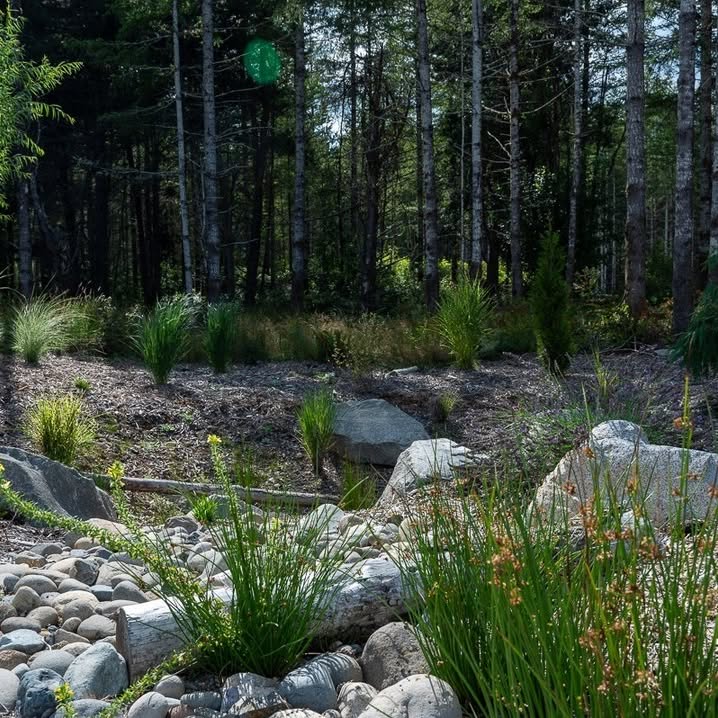
Native grasses and flowering plants bring soft texture to this swale while helping it blend into the surrounding yard. The mix of green foliage and seasonal blooms adds color without taking attention away from the landscape itself.
Different plant heights create a natural layered look along the slope. As the vegetation fills in, the swale feels less like a drainage feature and more like a planted garden bed woven into the design.
2. Decorative Rock Channels
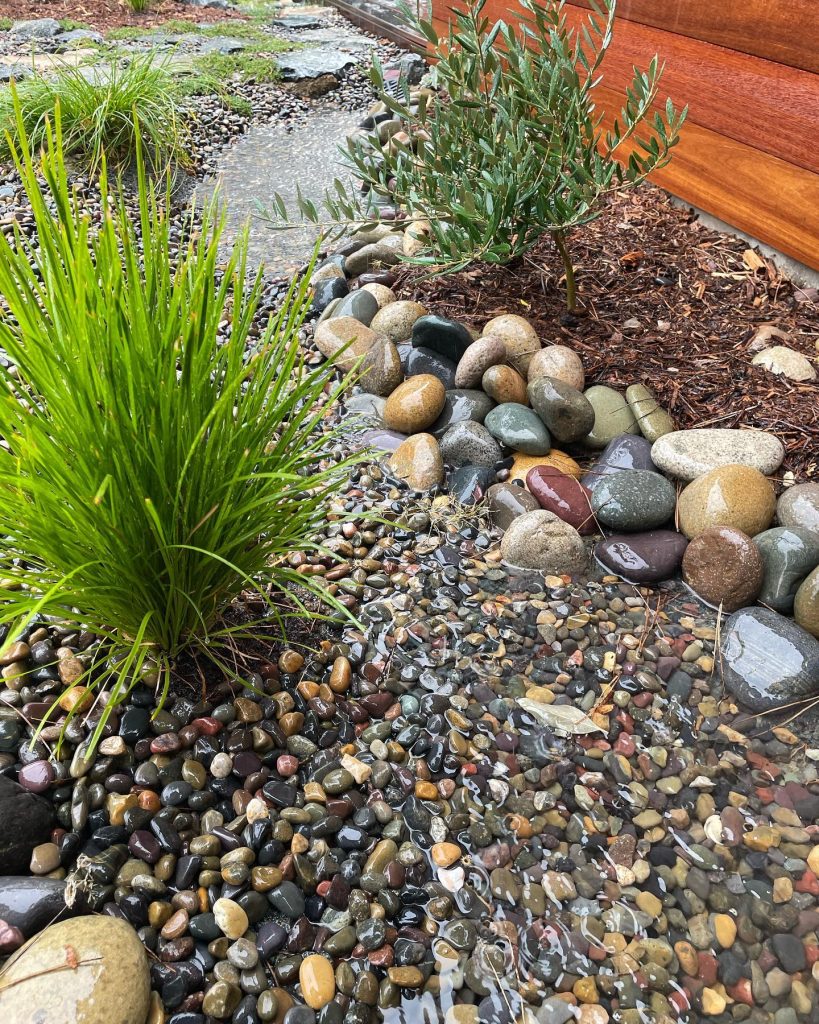
Smooth river rocks give this swale a clean, structured appearance. The mix of stone sizes adds texture while helping define the path where water naturally moves through the landscape.
Larger accent rocks create visual interest along the channel. Together, the materials bring a natural look that feels organized without drawing too much attention.
3. Rain Garden Swales
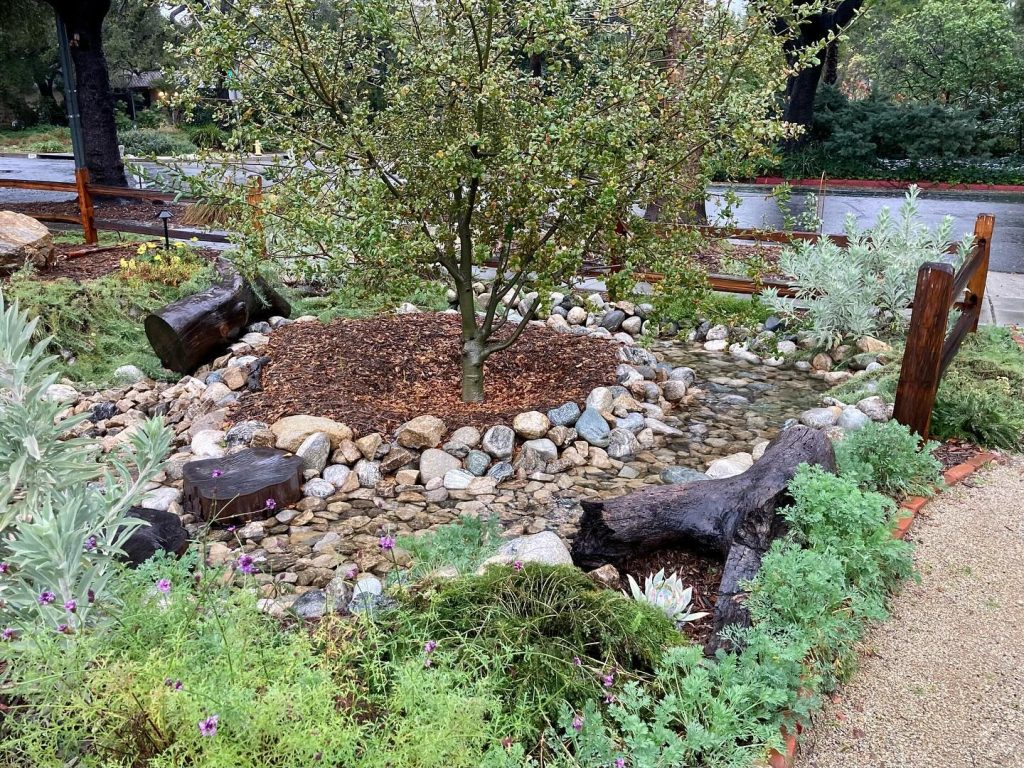
Dense planting transforms this swale into a colorful garden feature. Layers of grasses, flowering perennials, and moisture-loving plants soften the drainage area and add seasonal interest.
As the plants mature, the swale blends into the surrounding landscape. The result feels more like a natural planting bed than a functional water management feature.
4. Grassy Berm Swales
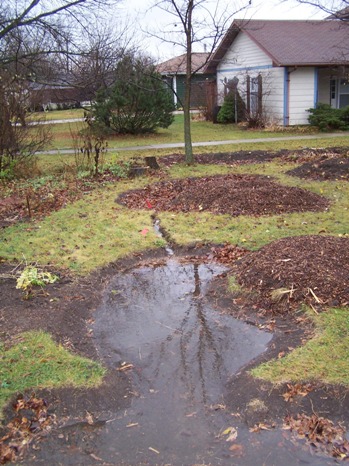
Gentle grassy mounds frame the swale and add shape to an otherwise flat yard. The rolling contours create movement across the landscape while guiding water through the space.
Different elevations make the area feel more dynamic. The green slopes also help the swale blend seamlessly with the surrounding lawn.
5. Swale Pathways with Stepping Stones
Large stepping stones cross the swale and create an easy route through the landscape. The stone surfaces stand out against the surrounding ground cover while maintaining a natural appearance.
Careful spacing keeps the pathway functional and visually balanced. This approach combines access and drainage in one simple design feature.
6. Edible Garden Swales
Fruit trees, herbs, and leafy vegetables bring both function and texture to this swale design. The layered planting creates a productive landscape that feels lush throughout the growing season.
Different crops occupy different levels of the swale, making efficient use of available moisture. The result blends food production with natural landscape design in a practical way.
7. Decorative Bridge Over Swales
A small bridge draws attention to the swale while creating an easy crossing point through the yard. Wood, metal, or stone materials add character and help define the surrounding landscape.
From a distance, the bridge acts as a focal feature rather than a simple utility element. Its presence gives the swale a more intentional and finished appearance.
8. Mulched Swale Beds
A thick layer of mulch gives the swale a clean, natural look while covering exposed soil. The rich texture contrasts nicely with the surrounding plants and helps unify the planting area.
Defined edges keep the shape neat and organized. As the landscape matures, the mulched surface helps the swale blend smoothly into the rest of the garden.
9. Gabion Wall Swales
Stone-filled gabion walls add strong structure along the edges of the swale. The combination of rock and metal creates a bold look that stands out in contemporary landscapes.
Elevation changes become more visually interesting with this approach. The layered materials bring texture and depth while giving the swale a distinct architectural presence.
10. Integrated Lighting for Night Appeal
Soft landscape lighting highlights the curves and contours of the swale after dark. Illuminated plants, stones, and pathways create depth across the yard during the evening hours.
The added light helps connect the swale with nearby outdoor living areas. At night, the feature becomes part of the overall landscape rather than fading into the background.
11. Swales with Wooden Retaining Walls
Wooden retaining walls add structure and definition along the edges of the swale. The natural material brings warmth to the landscape while creating a clear transition between planting areas and drainage zones.
Clean lines give the feature a finished appearance. As plants spill over the edges, the wood softens into the surrounding landscape and feels more integrated with the yard.
12. Stone-Tiered Swales for Elevation
Multiple stone tiers guide water through the landscape while creating visual depth across the slope. Each level introduces texture and helps break up large elevation changes.
Natural stone adds a rugged character that blends well with surrounding plants. The stepped layout turns the swale into a prominent landscape feature rather than a hidden utility area.
13. Swale Integrated Seating
Built-in seating along the swale edge creates a space that feels both functional and inviting. Benches framed by plants encourage people to slow down and enjoy the surrounding landscape.
The combination of hardscape and greenery adds balance to the design. From different angles, the seating helps the swale feel like an intentional gathering area within the yard.
14. Functional Swales as Play Spaces
Gentle slopes and soft ground cover make this swale feel open and usable throughout the year. The broad shape creates opportunities for movement while maintaining its role within the landscape.
Natural materials help the area blend into the yard without looking overly designed. The result is a space that supports everyday activities while remaining visually appealing.
15. Flower-Filled Swales for Seasonal Color
Layers of flowering plants bring changing color and texture to the swale throughout the seasons. Different bloom times keep the landscape looking active and varied for much of the year.
Dense plantings soften the contours of the swale and create a garden-like appearance. Butterflies and other pollinators add even more life to the space as the flowers mature.
16. Gravel Swales for a Modern Look
Gravel gives the swale a clean and streamlined appearance that works well in contemporary landscapes. The textured surface creates contrast against nearby lawns, plants, and hardscape features.
Defined borders help emphasize the shape of the channel. The simple material palette keeps the overall design feeling organized and uncluttered.
17. Curved Swale Design for Visual Flow
A curved swale follows the natural movement of the landscape and creates a softer appearance than straight lines. The gentle bends guide the eye through the yard and connect different outdoor areas.
Plant groupings and decorative elements fit naturally along the curves. This layout adds rhythm to the landscape while helping the swale feel like part of the overall design.
Conclusion
A well designed swale can do much more than manage water. With the right combination of plants, stone, wood, and ground covers, it can become a natural part of your landscape rather than a feature you try to hide.
Some swales blend into garden beds, while others become focal points with bridges, lighting, or layered planting. The best approach depends on your yard, drainage needs, and overall landscape style.
As you plan your outdoor space, look for ways to make every part of the yard both functional and attractive. A thoughtfully landscaped swale can add texture, movement, and visual interest while helping your property handle runoff more effectively.
If you found these swale landscaping ideas helpful, share them with friends and family who are planning their own outdoor projects.
Add Height and Beauty to Your Garden
• Corner Fence Landscaping
• Steep Hill Landscaping Ideas
• Swale Landscaping Ideas
• Pea Gravel Patio Ideas