9 Entryway Organization Hacks to Keep Shoes, Bags, and Keys Under Control

This post contains affiliate links, and we will be compensated if you buy after clicking on our links. Read our disclaimer.
Read our editorial process
You’re not the only one who walks through the front door and ends up dropping shoes, bags, keys, and mail wherever there is space. It seems organized for a day or two, then the clutter slowly starts building up again.
The problem is that entryways handle a lot of traffic every single day. Everyone passes through them, which means they quickly become a collection spot for items that do not have a clear place to go.
Many people assume they need more storage bins, shelves, or furniture to solve the problem. But in most cases, the real issue is that the entryway lacks a simple system that makes it easy to put things away.
A few smart changes can make a huge difference. In this article, I’ll share 9 entryway organization hacks that can help you create a cleaner, more functional, and less stressful entryway.
Let’s jump in!
Quick Entryway Assessment
Before making any changes, identify the problem that creates the most frustration in your space.
| If Your Biggest Problem Is… | Start With… |
|---|---|
| Lost keys and wallets | A dedicated landing zone |
| Shoes covering the floor | A shoe storage system |
| Bags and coats piling up | Vertical wall storage |
| Mail clutter | A paper sorting station |
| Seasonal overflow | A rotation system |
| Family belongings are getting mixed up | Personal drop zones |
Fixing one problem completely is usually more effective than trying to organize the entire entryway at once.
Start With a More Functional Entryway
• Hallway Organization Tips
• Entryway Shoe Storage Ideas
• Entryway Backpack Storage Ideas
• Apartment Organization Ideas
Why Entryways Become Clutter Magnets
Entryways are transition spaces. Items arrive and leave constantly, which makes clutter build up faster here than almost anywhere else in the home.
The biggest mistake people make is treating the area like temporary storage. A backpack gets dropped for a minute, shoes get kicked off after work, and mail lands on a table until later. Before long, temporary clutter becomes permanent clutter.
Most entryway problems are not caused by a lack of storage. They happen because everyday items do not have a designated home.
Once every frequently used item has a specific place to go, staying organized becomes much easier.
1. Create a Landing Zone for Keys, Wallets, and Daily Essentials
Give your most-used items a single place to land. Keys, wallets, sunglasses, earbuds, and access cards should always return to the same spot.
A small tray on a console table works better than a large basket. Limited space forces you to keep only the essentials.
Place the landing zone within arm’s reach of the door. If you have to walk across the room to put something away, the habit usually disappears within days.
Many people create oversized catchall areas. That turns into a dumping ground filled with receipts, loose change, chargers, and random clutter.
The non-obvious trick is to make the landing zone slightly too small. A crowded tray becomes a signal that something needs to be removed.
Families often lose time searching for everyday items. A dedicated landing zone removes that daily frustration and makes leaving the house much easier.
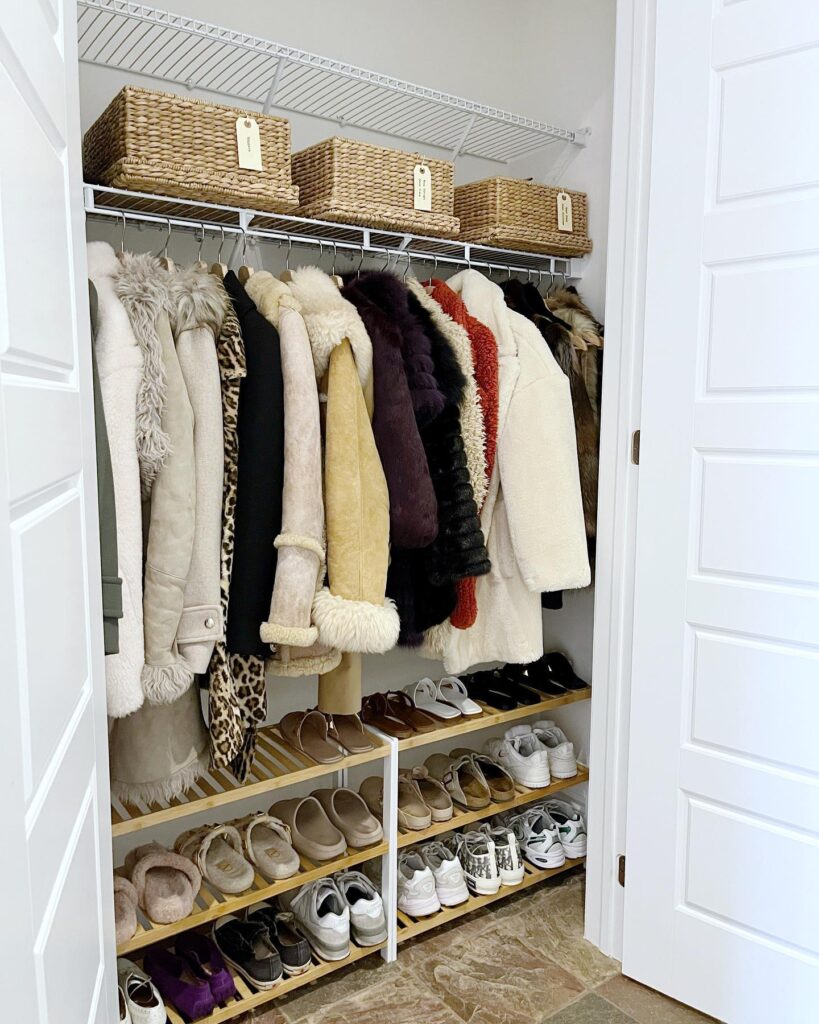
2. Reduce Shoe Clutter by Storing Only What You Wear
Too many shoes near the front door create instant clutter. Keep only the pairs currently in use and move the rest elsewhere.
A simple shoe rack usually works better than stacking shoes on the floor. Visibility helps people put footwear away instead of kicking it into a pile.
Seasonal rotation solves many entryway problems. Winter boots do not need to sit by the door during summer, and flip-flops do not need space during colder months.
Large families benefit from assigned spots. Give each person a specific shelf or section instead of creating one shared area.
Many storage guides suggest fitting more shoes into the entryway. That often makes the space feel crowded and harder to maintain.
Professional organizers focus on access, not capacity. The easier the shoes are to grab and return, the more likely the system survives.
3. Use Vertical Storage to Free Up Valuable Floor Space
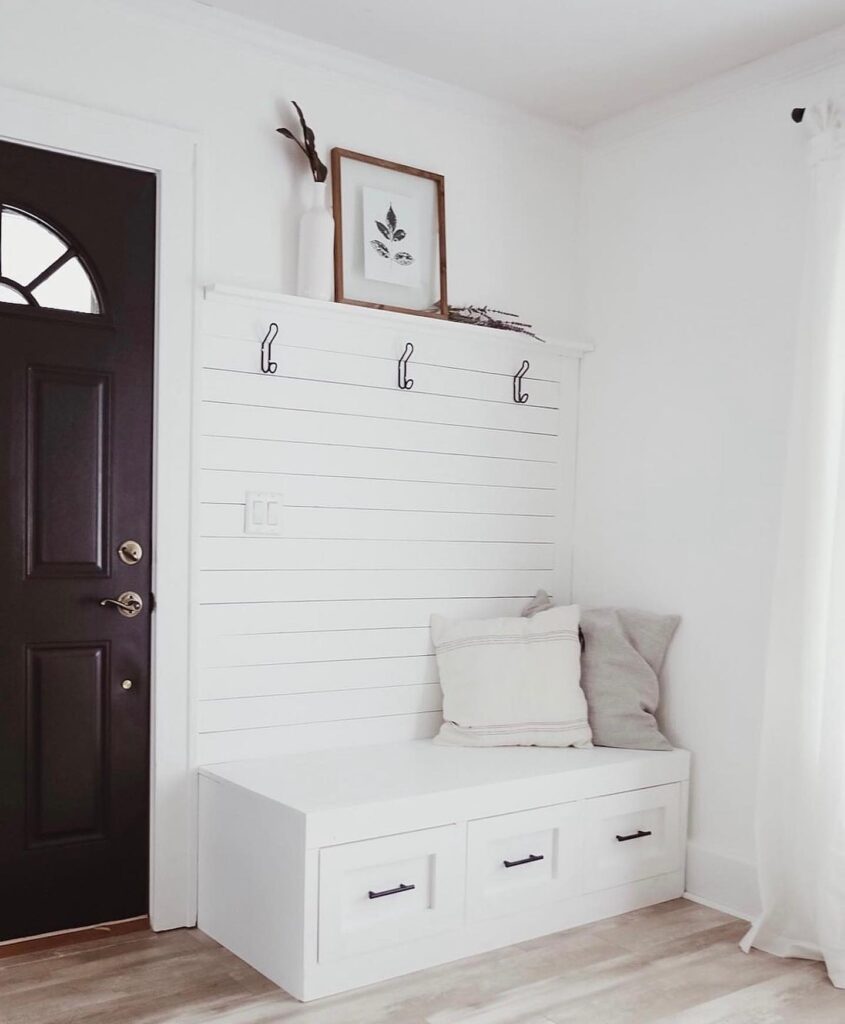
Floor space disappears quickly in an entryway. Walls often provide storage opportunities that people completely ignore.
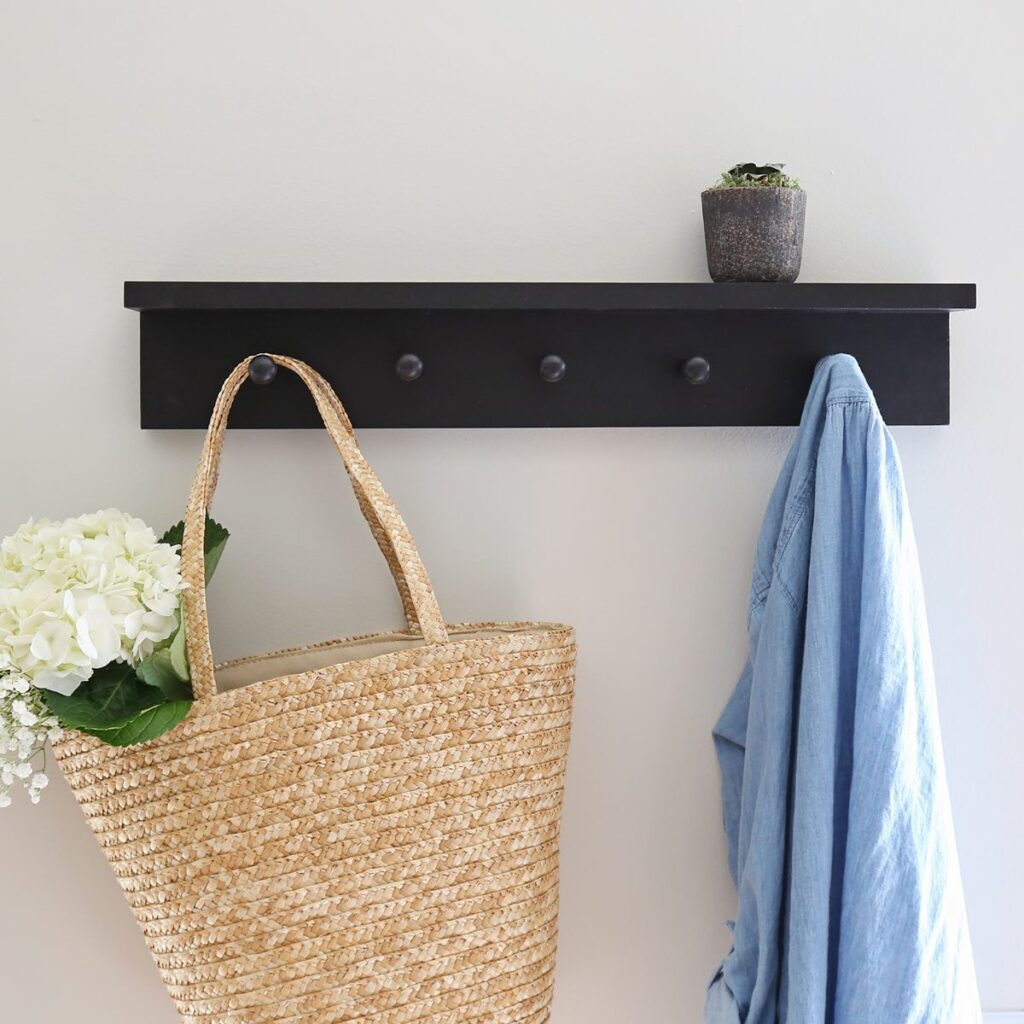
Install hooks for jackets, bags, and dog leashes. Hanging items frees up valuable floor space and keeps walkways clear.
Floating shelves can hold baskets, decorative pieces, or daily essentials. Even a narrow shelf can create useful storage without making the room feel cramped.
Peg rails work especially well in smaller homes. They offer flexibility because hooks can support different items throughout the year.
One mistake is covering every available wall with storage. Too many shelves and hooks create visual clutter even when everything is organized.
The best setups leave some space. An entryway feels cleaner when every surface is not competing for attention.
4. Give Every Family Member a Dedicated Drop Zone
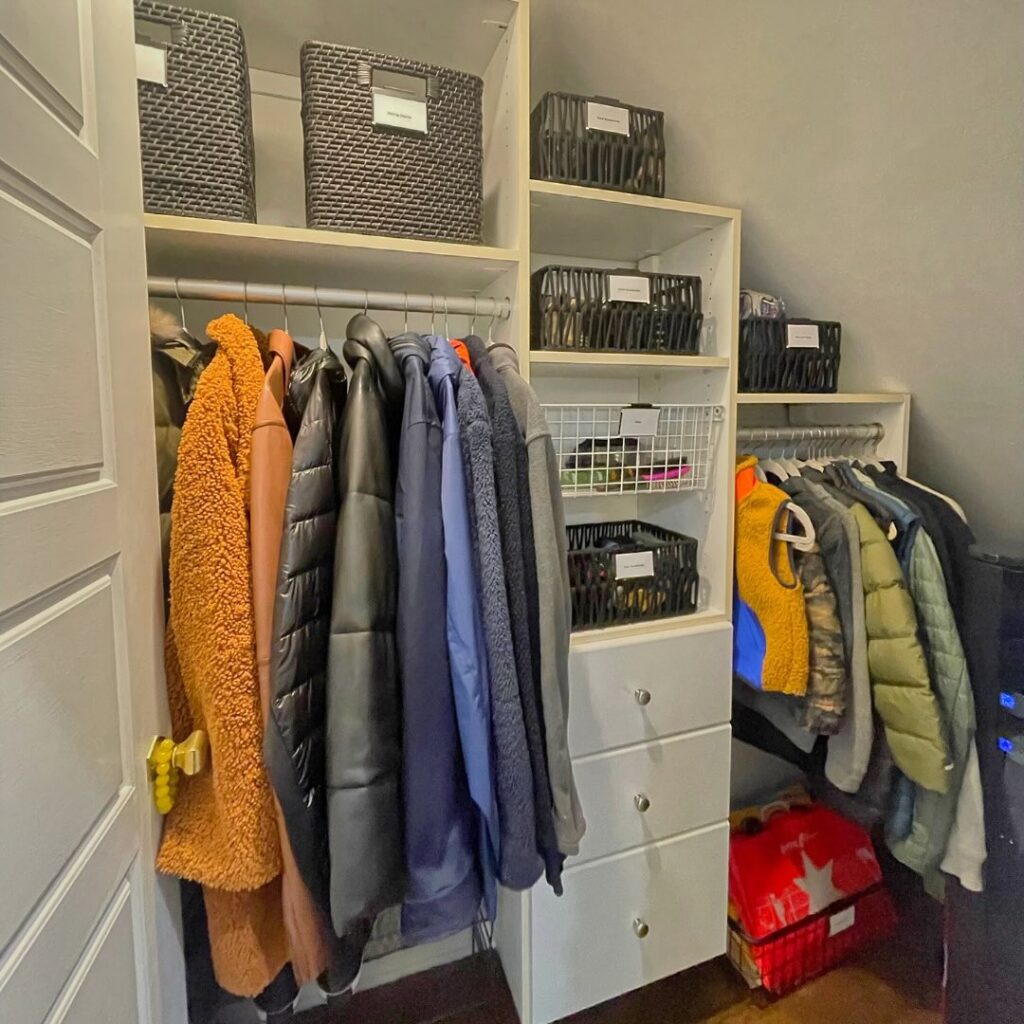
Shared storage confuses. Personal storage creates accountability.
Assign one hook, one basket, and one shelf to each family member. Everyone knows exactly where their belongings belong.
Labels can help younger children build habits faster. Clear visual cues remove guesswork and reduce the need for constant reminders.
Backpacks, sports gear, and work bags stay organized when each person has a dedicated space. Items stop migrating across the house.
Many households create one large storage area for everyone. That system usually fails because nobody feels responsible for keeping it tidy.
A small personal zone often works better than a large shared one. Ownership encourages consistency.
5. Stop Paper Clutter Before It Spreads Through the House
Mail should be sorted the moment it enters the house. Delaying the decision creates stacks that grow faster than expected.
Use three categories: action, file, and recycle. Most papers can be handled in less than a minute.
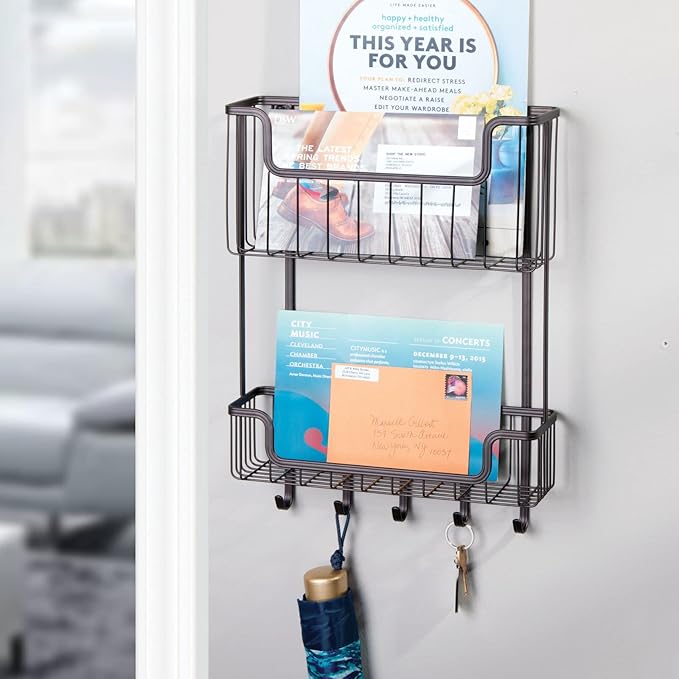
Wall-mounted organizers save space while keeping documents visible. Out-of-sight systems often become forgotten systems.
Receipts, school forms, and bills need different treatment than junk mail. Sorting immediately prevents important papers from getting buried.
A common mistake is creating a giant pile of mail for later. Later rarely comes, and the stack keeps growing.
Professionals reduce paper before storing it. Less paper means fewer organizational problems to solve.
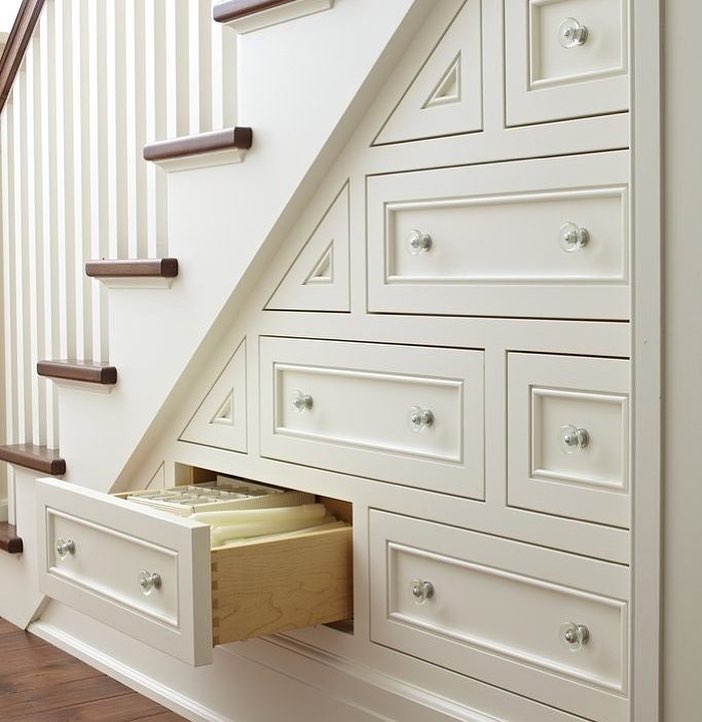
6. Add Hidden Entryway Storage Without Creating Bulk
Storage should solve clutter without making the entryway feel crowded. Multi-purpose furniture does that better than large cabinets.
A storage bench can hold shoes, seasonal gear, reusable bags, or pet supplies. At the same time, it provides a place to sit while putting on shoes.
Slim cabinets work well in narrow hallways. They offer storage without blocking traffic flow.
Lift-top benches are especially useful for families. Larger items stay hidden while remaining easy to access.
Many people buy oversized furniture because it offers more storage. The result is often a cramped entryway that feels smaller than before.
Choose furniture based on available walking space first. Storage comes second.
7. Rotate Seasonal Items to Keep the Entryway Organized
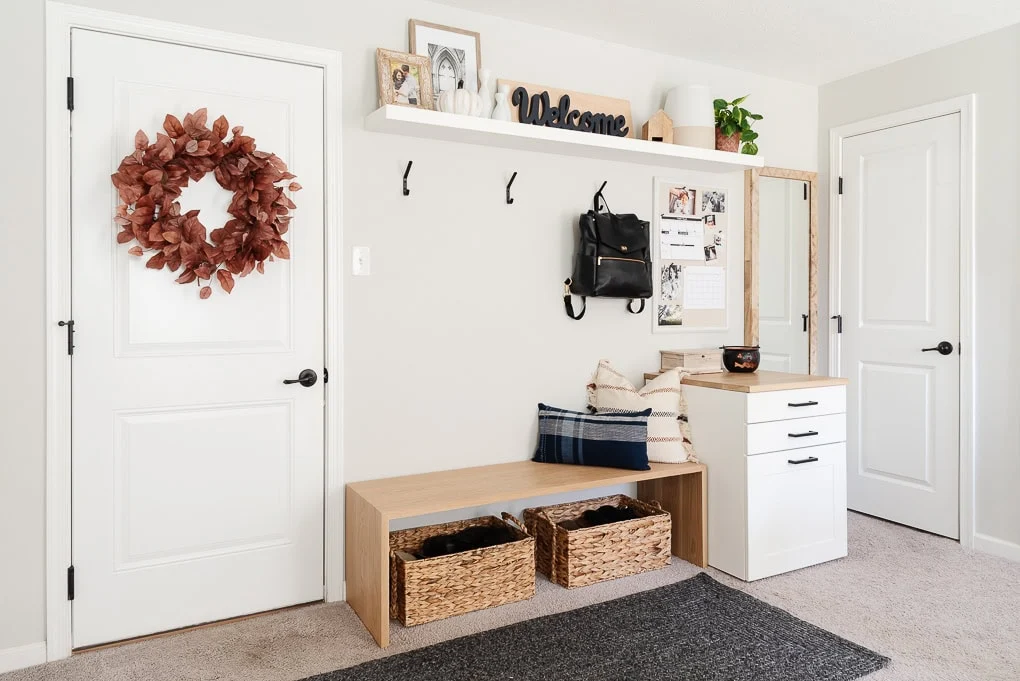
Not everything needs to stay in the entryway year-round. Seasonal rotation keeps the space focused on current needs.
Store heavy coats, snow gear, and winter accessories elsewhere when warm weather arrives. Replace them with lighter items that match the season.
The same approach works for umbrellas, sports equipment, and outdoor accessories. Keep only what you use regularly within reach.
Visual clutter often comes from storing too much rather than owning too much. Reducing what is visible can make a dramatic difference.
Many homeowners try to prepare for every situation. That approach usually leads to overcrowded storage.
Professional organizers treat entryways like active workstations. Only current tools stay available.
Organize Everyday Essentials
• Purse Storage Ideas
• IKEA Built-In Mudroom Hack Entryway Storage
• Staircase Organization Tips
• Linen Closet Organization Ideas
8. Use Baskets to Keep Small Items Under Control
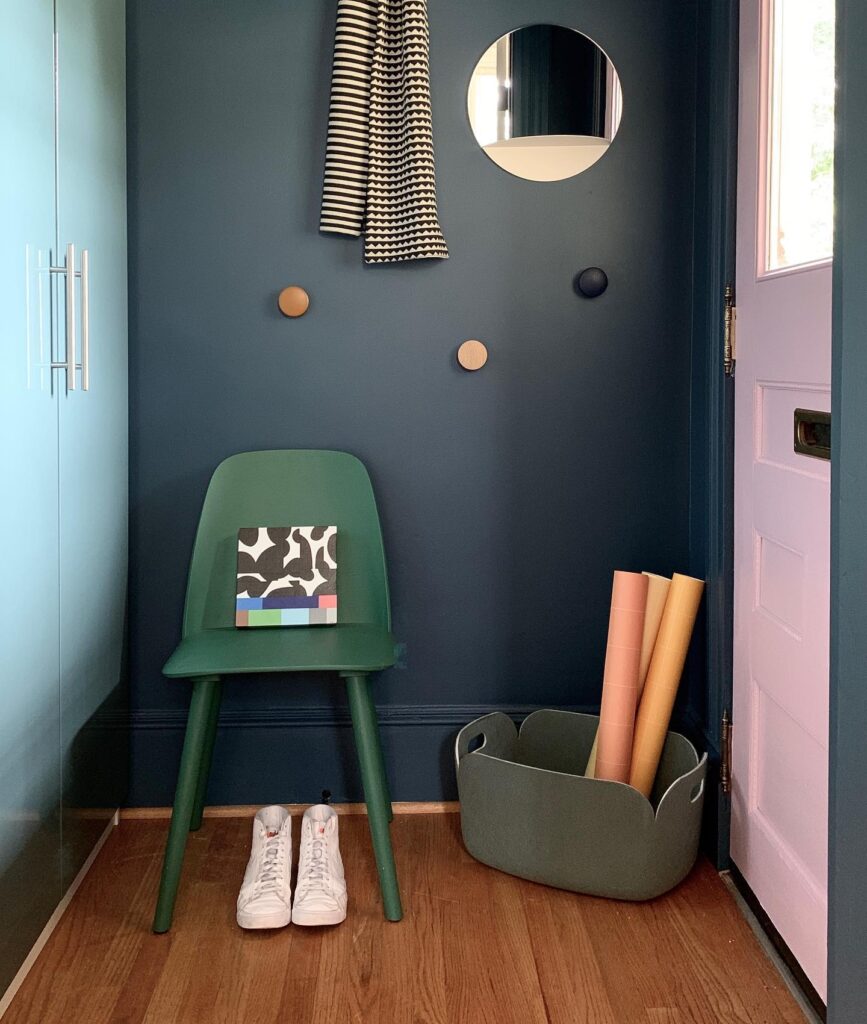
Small items create disorder faster than large ones. Baskets prevent those items from spreading across every surface.
Use separate containers for gloves, scarves, pet supplies, reusable shopping bags, and outdoor accessories. Grouping similar items makes them easier to find.
Choose baskets that fit the category. Oversized containers invite random clutter to accumulate.
Open baskets encourage regular use because contents stay visible. Hidden bins often become forgotten storage.
One common mistake is creating a catchall basket. That single container eventually holds dozens of unrelated items.
Every basket needs a purpose. If you cannot describe what belongs inside, the basket is not helping.
9. Create a Five-Minute Weekly Entryway Reset Routine
No organizational system survives without maintenance. The good news is that maintenance takes far less time than people expect.
Spend five minutes each week returning misplaced items, clearing surfaces, and removing anything that does not belong in the entryway.
Check shoe storage, empty the landing zone, and sort leftover papers. Small corrections prevent major cleanup projects later.
Many people wait until clutter becomes obvious. By then, the reset takes much longer and feels overwhelming.
The hidden advantage of weekly resets is that they reveal weak spots. If the same item keeps ending up in the wrong place, the system needs adjustment.
Consistency beats deep cleaning. A few minutes each week protects all the work you already did.
Entryway Organization Tips for Small Spaces
Small entryways need smarter storage, not more storage.
Use wall hooks instead of bulky coat racks. Choose a storage bench that provides seating and concealed storage at the same time.
Install floating shelves above eye level for items that are used less often. Keep shoes limited to active pairs rather than storing every pair near the front door.
The less floor space you use, the larger your entryway will feel.
Final Thoughts
A clean entryway is not about owning more baskets, shelves, or storage furniture. It comes from creating simple systems that match the way your household actually functions.
Start with one or two of these entryway organization hacks instead of trying to overhaul everything at once.
Small changes such as a landing zone, a shoe limit, or a weekly reset often create the biggest improvement because they remove daily friction and make organization easier to maintain.
Keep the Rest of Your Home Organized
• Kitchen Organization Ideas
• Desk Organization Ideas
• DIY Garage Organization Ideas
• Basement Organization Tips