How to Decorate Bedroom Walls in 2026

This post contains affiliate links, and we will be compensated if you buy after clicking on our links. Read our disclaimer.
Read our editorial process
Why does your bedroom still feel unfinished even after buying new bedding, furniture, or decor?
In many cases, the problem is not the furniture. It is the walls. Large blank walls can make a bedroom feel empty and disconnected. On the other hand, filling every wall with artwork and decorations can make the space feel crowded and overwhelming.
The right wall decor helps create balance, adds personality, and makes the room feel complete. It can also make a small bedroom look larger, brighten dark corners, and support the overall design style of the space.
The good news is that you do not need an interior designer or a large budget to make a big difference. A few smart choices can completely change the look and feel of your room.
You’ll discover how to decorate bedroom walls step by step, choose the best locations for wall decor, find bedroom wall decor ideas that fit your style, and avoid common mistakes that can make a room feel crowded rather than relaxing.
Step-by-Step Guide: How to Decorate Bedroom Walls
Wall Styling Architecture
Anchor the Primary Wall
Establish a heavy architectural focus behind the headboard plane. Keep this zone stronger than surrounding walls to lock down a central visual anchor.
Calibrate Scale Proportions
Measure bed widths prior to sourcing artwork. Center feature canvases so they span roughly two-thirds the absolute width of the frame below.
Isolate Style Blueprints
Enforce style constraints early. Pair sleek profiles with modern templates, woven elements with boho texturing, or wood slats for farmhouse balance.
Deploy One Hero Concept
Commit to a single macro idea per zone—be it an oversized portrait or a custom gallery wall. Stop small mismatched fragments from competing for weight.
Balance Peripheral Planes
Keep secondary walls noticeably lighter. Leave ample unembellished negative areas to give your primary focal elements room to breathe.
Reflect Ambient Lighting
Position full or rounded mirrors directly across from lighting footprints. This structural placement amplifies illumination while expanding small room depths.
Layer Tactile Material Reliefs
Soft-cushion flat vertical spaces using board and batten, vertical slats, or fabric hangings to infuse rich, low-clutter sensory warmth.
Filter Intended Keepsakes
Weave in highly personal memories, travel graphics, or custom frames. Restrain distribution arrays strictly to avoid cluttering historical layouts.
Audit Hanging Elevation
Keep art fields visually integrated with lower furniture horizons. Use painters tape to validate sightline gaps before breaking surfaces.
Execute Post-Layout Edits
Step back to analyze overall balance vectors. Ruthlessly extract redundant components; optimal wall curation values spaces that look intentional, not packed.
Step 1: Choose the Main Wall First
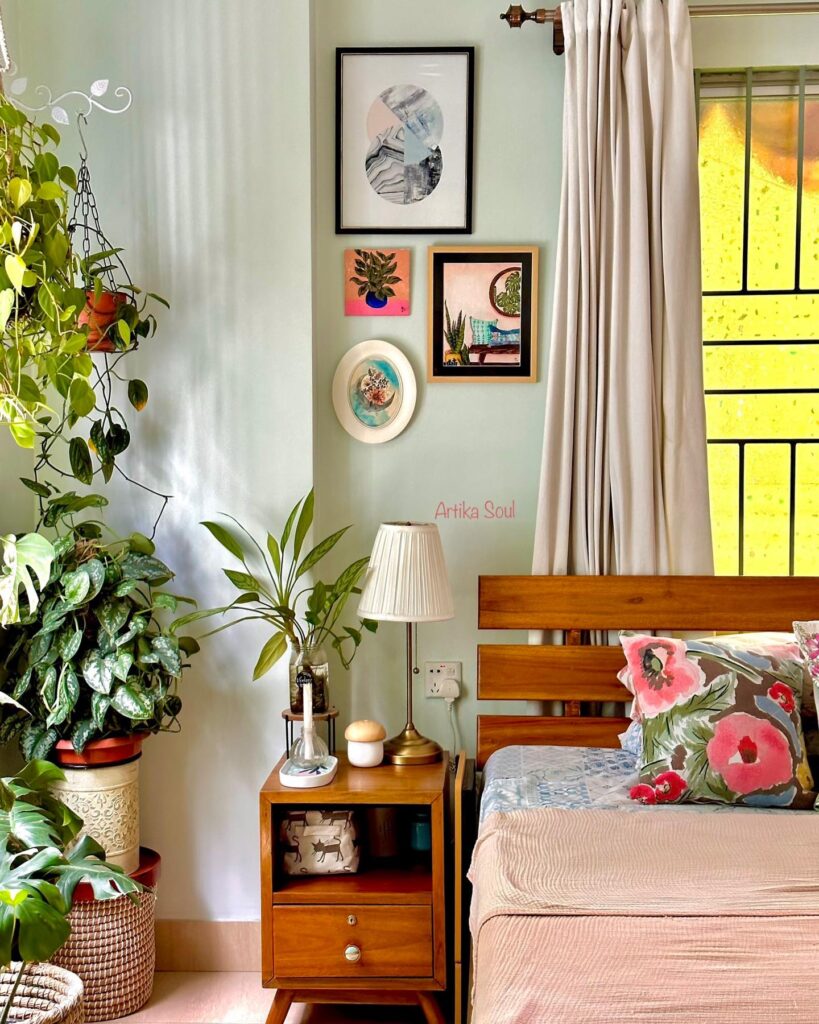
Start with the wall behind your bed.
This is usually the first wall people notice when they enter the bedroom. It also gives the room a clear focal point.
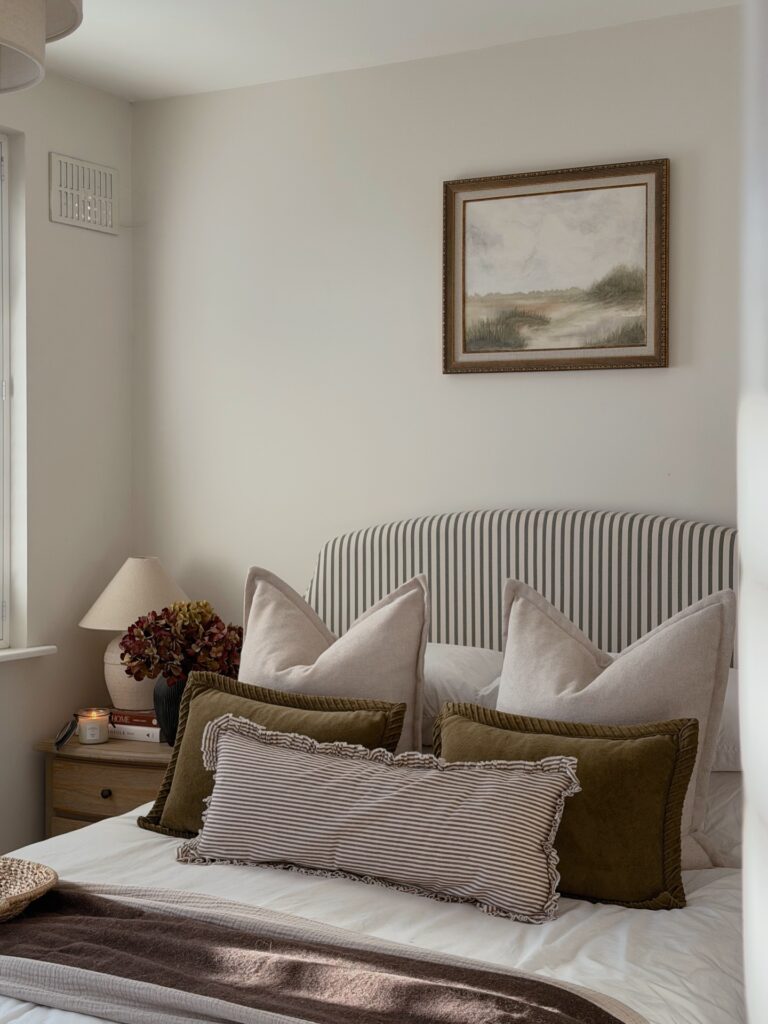
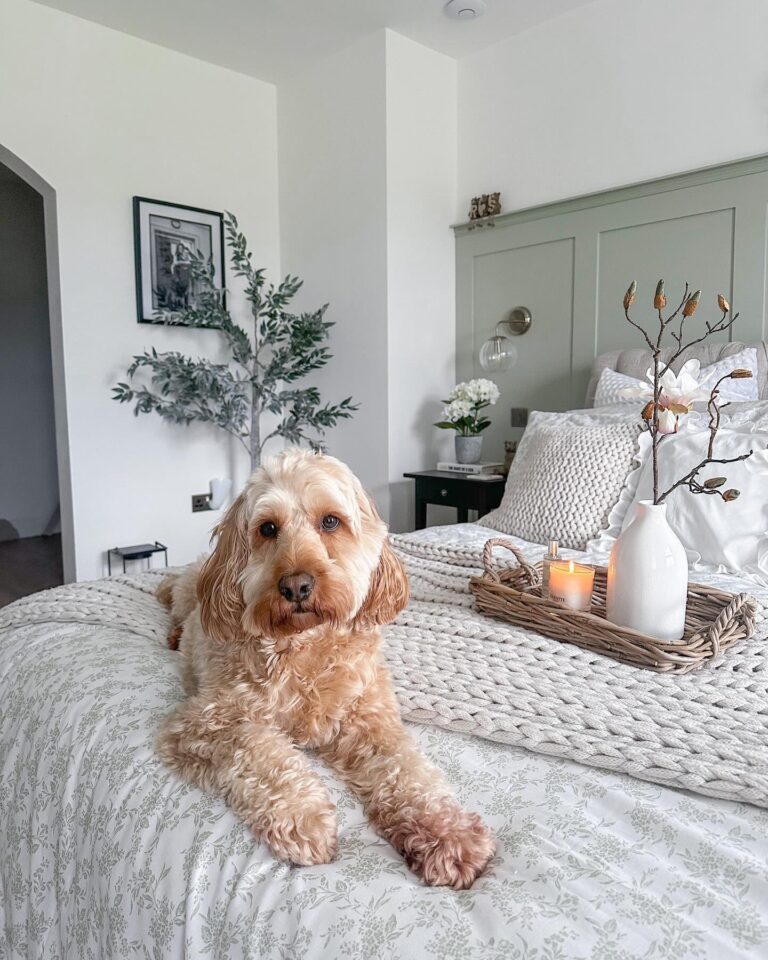
You can use one large artwork, a gallery wall, wallpaper, wood paneling, or a simple picture ledge above the headboard.
Keep this wall stronger than the others so the room does not feel visually scattered.
Step 2: Measure Before Buying Anything
Measure the width of your bed, wall, and furniture before choosing decor.
Wall decor that is too small can look awkward. Large blank walls usually need larger pieces, while narrow walls need simpler decor.
For artwork above the bed, choose a piece that is roughly two thirds the width of the headboard or bed frame.
This helps the decor feel connected to the bed instead of floating on the wall.
Step 3: Pick a Clear Style
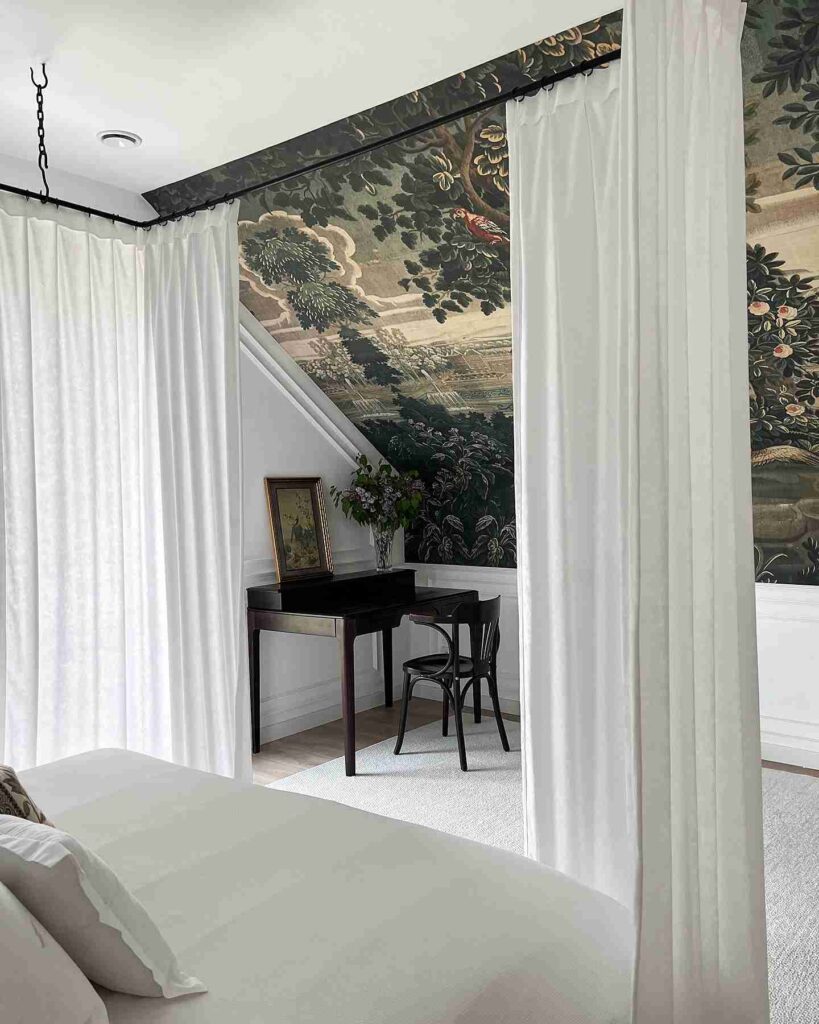
Choose a style before you start shopping.
Your wall decor should match the rest of the bedroom.
For example:
- Modern bedrooms work well with large artwork and simple frames.
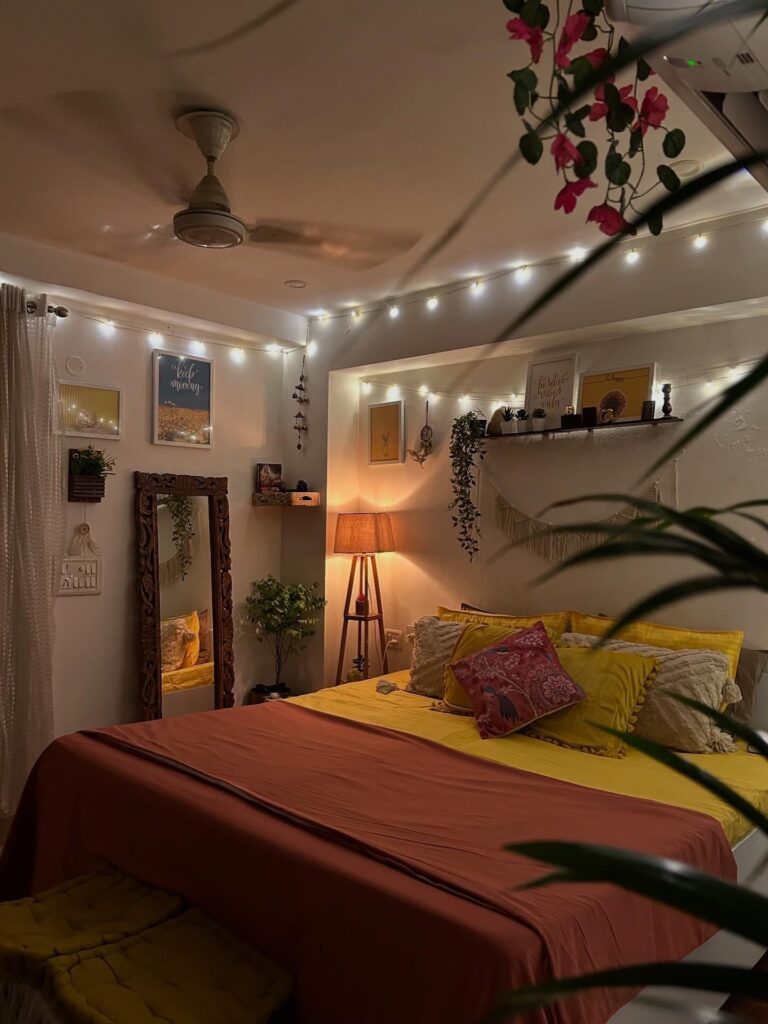
- Boho bedrooms can use woven wall hangings, plants, and layered textures.
- Farmhouse bedrooms suit wood accents and vintage style pieces.
- Minimalist bedrooms look best with one strong focal piece.
This keeps the room from feeling random.
Step 4: Choose One Main Decor Idea
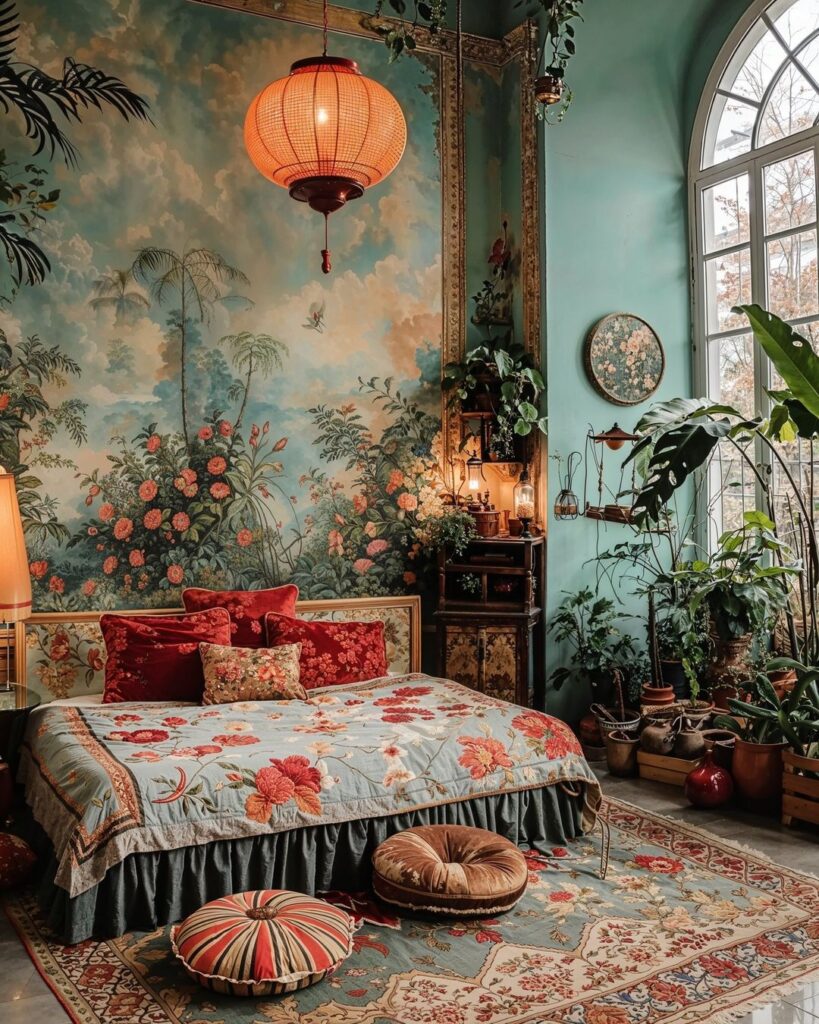
Do not try to use every wall decor idea at once.
Pick one main feature for the bedroom wall.
Good options include:
- Oversized artwork
- Gallery wall
- Mirror
- Wallpaper
- Wood paneling
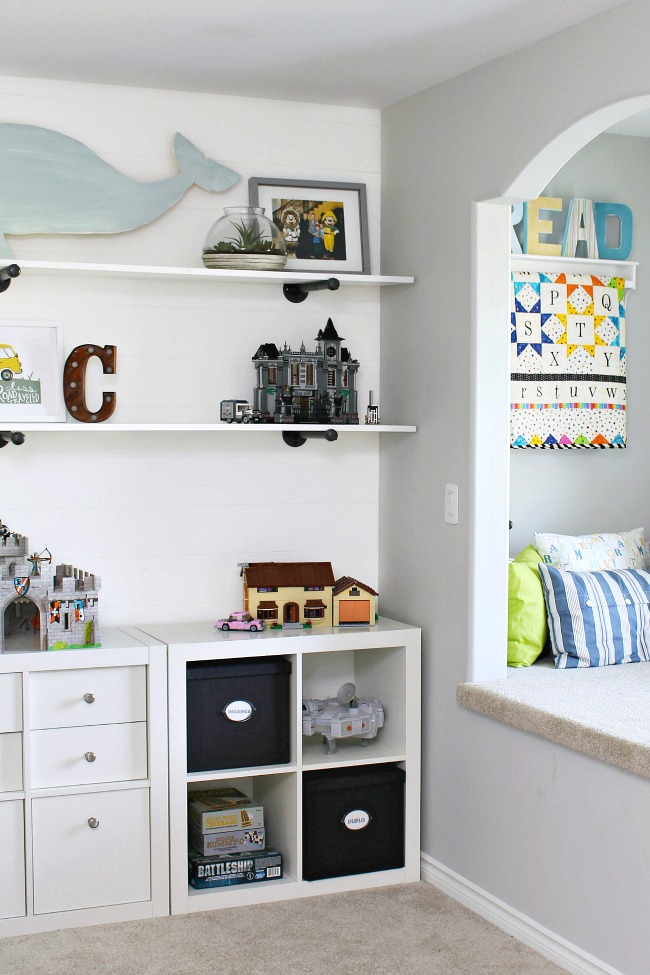
- Floating shelves
- Fabric wall hanging
One strong idea usually looks better than several small pieces competing for attention.
Step 5: Balance the Other Walls
After decorating the main wall, keep the other walls lighter.
A bedroom feels calmer when every wall does not compete for attention.
You can add a mirror on one wall, shelves near a dresser, or a small artwork beside a reading chair.
Leave some blank space too.
Blank space helps the room breathe and makes your decor stand out more.
Step 6: Use Mirrors to Add Light
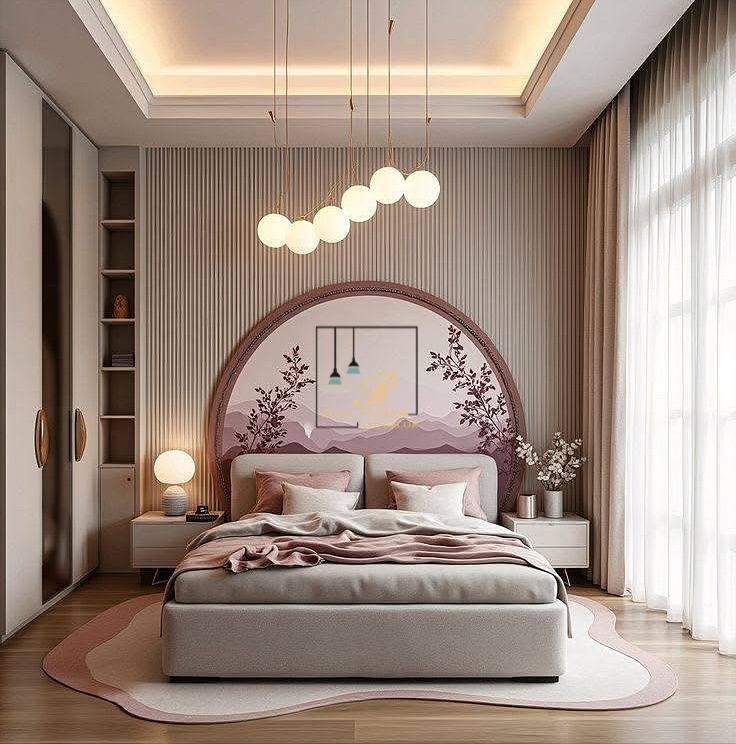
If your bedroom feels small or dark, add a mirror.
Place it across from a window or near a light source. This helps reflect light and makes the room feel brighter.
A full-length mirror works well in small bedrooms because it adds function and visual height.
A round mirror can soften a room with many straight lines.
Step 7: Add Texture for a Finished Look
Flat walls can sometimes feel plain, even with artwork.
Texture helps solve that problem.
You can add texture with:
- Peel-and-stick wallpaper
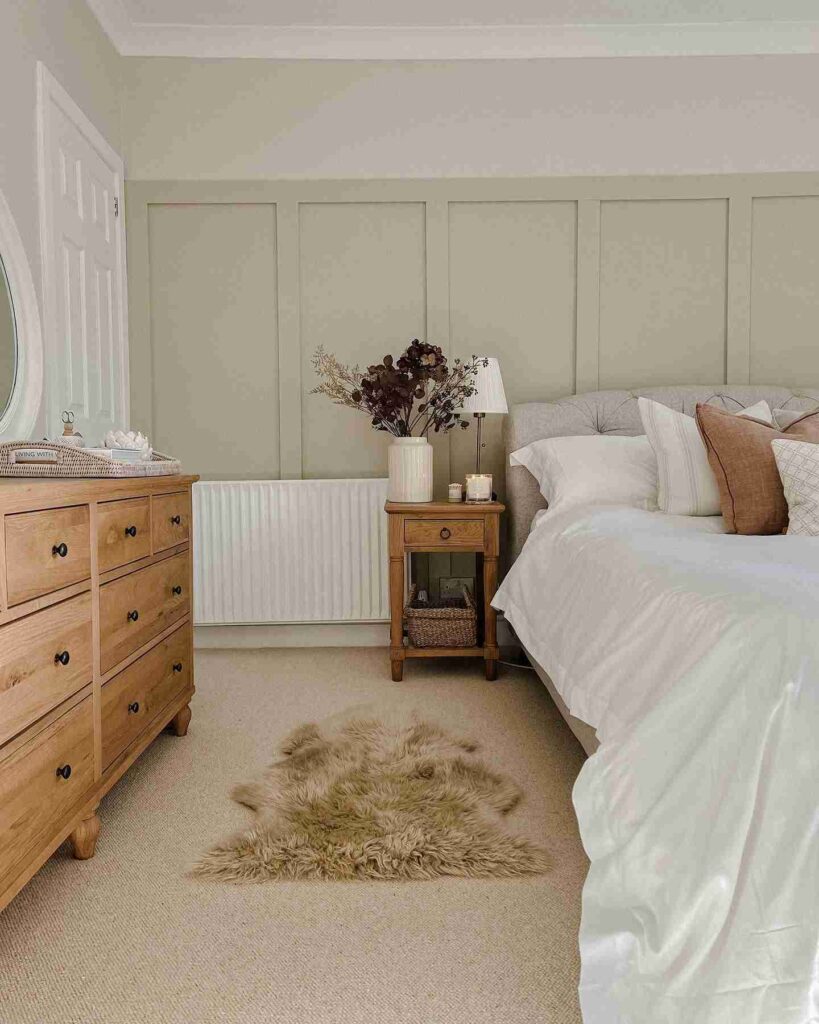
- Board and batten
- Vertical wood slats
- Limewash paint
- Fabric wall hangings
- Woven baskets
Texture makes the bedroom feel warmer without adding too much clutter.
Step 8: Include Personal Pieces
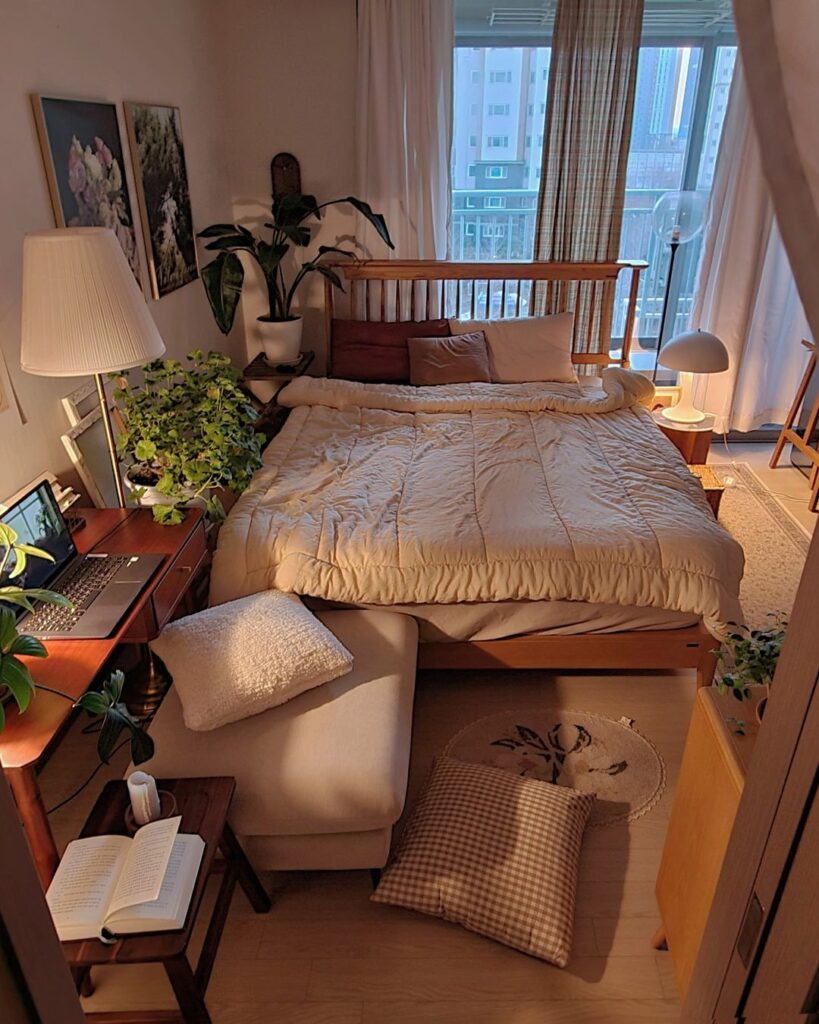
Your bedroom should feel like it belongs to you.
Add personal items cleanly and intentionally.
You can use family photos, travel prints, vintage artwork, framed fabric, records, or meaningful keepsakes.
Avoid covering every wall with memories.
Choose a few pieces that matter most and display them well.
Step 9: Check the Height Before Hanging
Wall decor often looks wrong because it is hung too high.
Artwork should feel connected to the furniture below it.
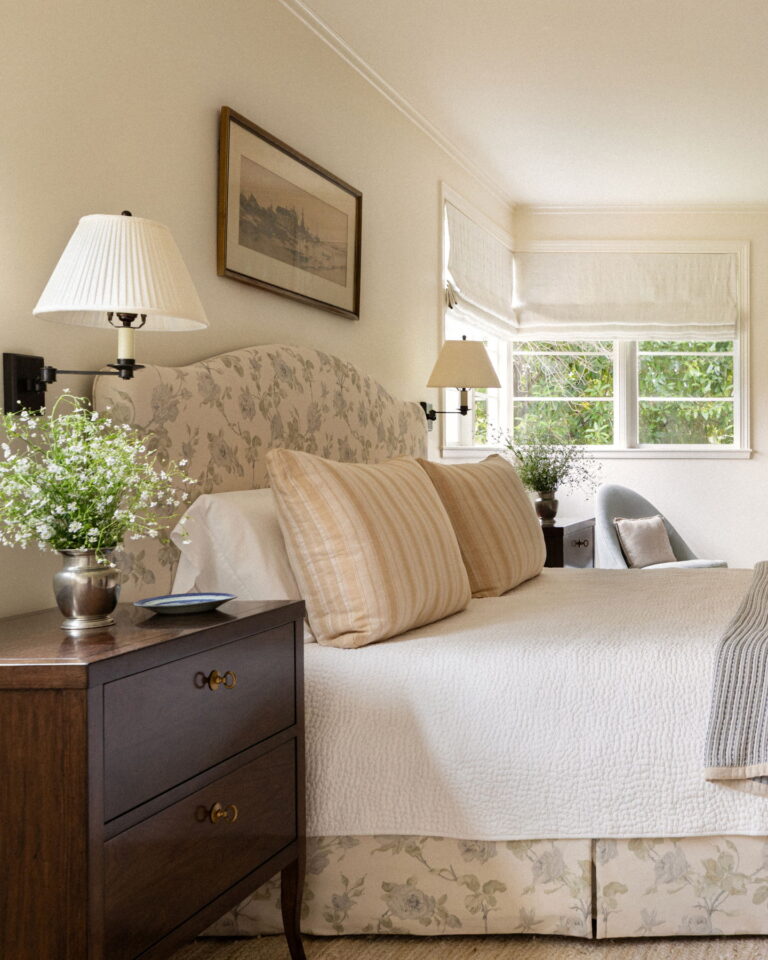
Above a bed, leave a comfortable gap between the headboard and the bottom of the artwork.
Above a dresser, keep the decor close enough so both pieces feel like one arrangement.
Use painter’s tape to mark the size and position before hanging anything.
Step 10: Edit Before You Finish
Once everything is up, step back and look at the whole room.
Ask yourself:
- Does one wall clearly stand out?
- Does the room feel balanced?
- Is any wall too crowded?
- Does the decor match the bedroom style?
- Is there enough blank space?
Remove anything that feels unnecessary.
The best bedroom wall decor feels planned, not packed.
Conclusion
Decorating bedroom walls is about more than filling empty space.
The best results come from understanding your room layout, creating a clear focal point, and choosing decor that supports your overall style.
Start with the wall behind your bed. Then consider mirrors, shelves, textured wall treatments, and meaningful personal pieces that add character without creating clutter.
You do not need to transform every wall at once.
Pick one area and make a few thoughtful changes. Small updates often create the biggest difference.
Once you understand how to decorate bedroom walls, creating a bedroom that feels finished, comfortable, and personal becomes much easier.
Personalize Your Bedroom Walls
• How to Paint Bedroom Walls
• How to Place Rug In Bedroom
• How to Arrange Bedroom Furniture
• Locker Decoration Ideas