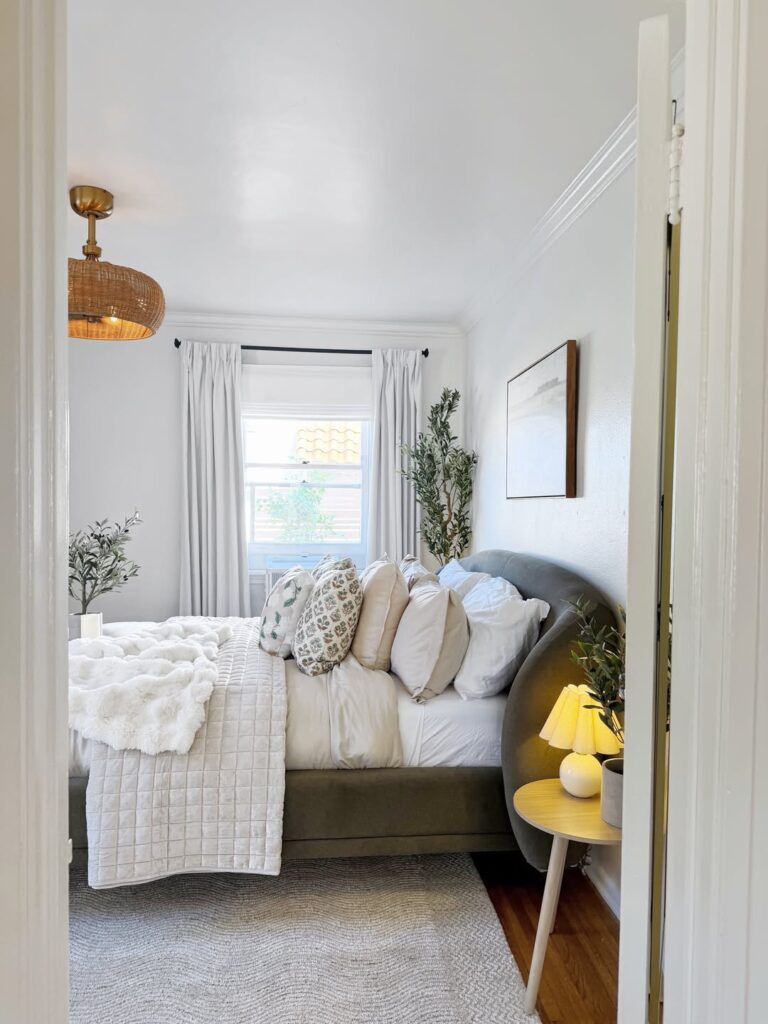
How to Declutter Your Bedroom in 7 Simple Steps

This post contains affiliate links, and we will be compensated if you buy after clicking on our links. Read our disclaimer.
Read our editorial process
Is your bedroom supposed to be a place to relax, yet somehow it feels stressful every time you walk in?
Clothes pile up on chairs. Drawers become overcrowded. Random items collect on every surface. Even after cleaning, the room still feels messy and difficult to manage.
The truth is that most bedrooms do not have a cleaning problem. They have a clutter problem. When too many items compete for space, the room can feel crowded, distracting, and harder to keep organized.
Learning how to declutter your bedroom is not about throwing everything away. It is about keeping what you use, removing what you do not, and creating simple systems that make everyday life easier.
In this guide, you will discover practical bedroom decluttering tips, learn how to organize a bedroom step by step, decide what to keep and what to remove, and build habits that help prevent clutter from coming back.
Before You Start: Create a Bedroom Decluttering Plan
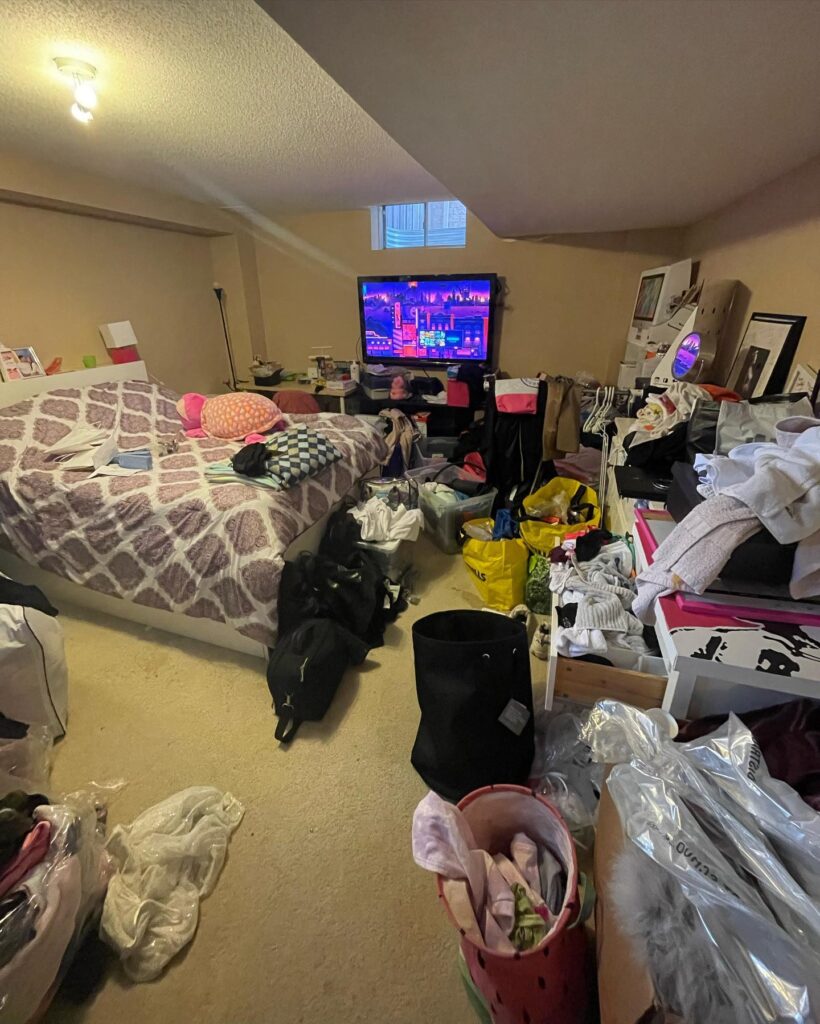
Many people make the mistake of pulling everything out at once. A few hours later, the room looks worse than before, and motivation disappears.
A simple plan helps you stay focused and avoid burnout.
Start by setting a timer. Even 20 to 30 minutes can produce noticeable results. You do not need an entire weekend to make progress.
Next, gather several containers or boxes. Label them clearly:
- Keep
- Donate
- Sell
- Trash
- Relocate
These categories make decision-making easier because every item has a destination.
Before you begin, take a few photos of your bedroom. The pictures provide a clear starting point and help you see progress later. Many people underestimate how much they accomplish until they compare before and after images.
Focus on visible areas first. Clear surfaces create immediate results and build momentum. When you see progress quickly, you are more likely to continue.
Professional organizers often recommend handling each item only once. Pick it up, make a decision, and place it in the appropriate category. Avoid creating temporary piles that require another round of sorting later.
A simple declutter bedroom checklist can also help. Write down the areas you plan to tackle, such as your nightstand, dresser, closet, and under-bed storage. Crossing off completed tasks provides motivation and keeps the project manageable.
With a bedroom organization plan in place, you can start decluttering with confidence instead of feeling overwhelmed.
How to Declutter Your Bedroom Step by Step
Spatial Recovery Sequence
Clear Visible Surfaces
Strip down nightstands, dressers, and desks completely. Strip excess items and return only high-frequency essentials to the open planes.
Filter Wardrobe Volume
Extract stained or ill-fitting garments immediately. Filter remaining items based strictly on your current, actual daily lifestyle.
Isolate Drawers Individually
Never pull out all units at once. Empty, wipe clean, and reorganize one self-contained drawer chamber completely before moving on.
Evaluate Furniture Footprints
Audit layout structures. Identify clothing-covered chairs or oversized accent tables that are silently crowding the room’s physical boundary.
Purge Cross-Household Items
Locate lingering paperwork, toys, or kitchen items. Funnel them into a dedicated relocation drop box to be routed back to their true zones.
Audit Deep Storage Crypts
Unearth deep under-bed cavities and high closet zones. Review forgotten possessions carefully to reclaim hidden premium storage footprints.
Assign Target Home Nodes
Group items by operational purpose. Fix a permanent coordinate for every remaining element to lock out future baseline drift.
When your bedroom feels overwhelming, the order of decluttering matters. Starting in the right place helps you see progress faster and keeps you motivated.
Step 1: Clear Surfaces First
Start with the easiest wins.
Look at your nightstands, dresser tops, desk areas, and shelves. These spaces often collect items that do not belong there.
Remove everything from the surface and sort it into your categories.
Ask yourself:
- Do I use this regularly?
- Does it belong in the bedroom?
- Is it adding value to the space?
Return only the items you actually use.
For example, a nightstand may only need a lamp, a book, and a charging cable. Everything else can be stored elsewhere or removed completely.
Clearing visible surfaces instantly makes a cluttered bedroom feel calmer and more organized.
Step 2: Declutter Clothing
Clothing is often the biggest source of bedroom clutter.
Start with items that are easy to decide on. Remove clothes that are damaged, stained, or no longer fit.
Then ask three simple questions:
- Have I worn this in the last year?
- Does it fit comfortably?
- Would I buy it today?
If the answer is no, it may be time to let it go.
Be realistic about your lifestyle. Many people keep clothes for a version of themselves that no longer exists.
A closet full of unused clothing takes up space and makes finding your favorite items harder.
Focus on keeping clothes that fit your current life.
Step 3: Empty Drawers One at a Time
Avoid emptying every drawer at once.
Instead, work through one drawer completely before moving to the next.
Remove everything.
Sort items into categories.
Wipe out the drawer.
Then place back only what belongs there.
This process often reveals duplicates you forgot you owned.
You may discover five flashlights, ten old chargers, or several unopened products hidden in the back.
Organizing becomes much easier once unnecessary items are removed.
Step 4: Evaluate Your Furniture
Sometimes the problem is not the clutter. Sometimes it is the furniture itself.
Walk around your room and look at each piece honestly.
Ask yourself:
- Do I use this regularly?
- Does it serve a purpose?
- Is it making the room feel crowded?
Many bedrooms contain furniture that has quietly become storage for clutter.
A chair covered in clothes is a common example.
Unused storage cabinets, extra side tables, or oversized furniture can make a room feel smaller than it actually is.
Removing one unnecessary piece can create more space than hours of organizing.
Do not assume every piece needs to stay.
Step 5: Remove Non-Bedroom Items
Bedrooms often become holding areas for things that belong somewhere else.
As you declutter, watch for:
- Paperwork
- Kitchen items
- Children’s toys
- Exercise equipment
- Seasonal decorations
- Pet supplies
Create a relocation box for these items.
Once your decluttering session is complete, return them to their proper locations.
Your bedroom should support rest. The more unrelated items you remove, the easier that becomes.
Step 6: Check Hidden Storage Areas
Visible clutter is only part of the problem.
Look under the bed, inside closets, on high shelves, and in storage bins.
These spaces often become long term dumping grounds for forgotten belongings.
Take everything out and review each item carefully.
If you forgot you owned it, ask yourself whether you truly need it.
Many people find that hidden storage contains items they have not touched in years.
Removing these forgotten belongings creates extra storage space for the things you actually use.
Step 7: Give Everything a Home
The final step is assigning a permanent location to every item that remains.
If something does not have a designated place, it will likely become future clutter.
Group similar items together.
Store frequently used items where they are easy to reach.
Place rarely used items in higher shelves or storage containers.
This simple habit makes maintaining an organized bedroom much easier.
The goal is not perfection. The goal is to create a room that is easy to use and easy to maintain.
The Clothing Decluttering Method That Works Best
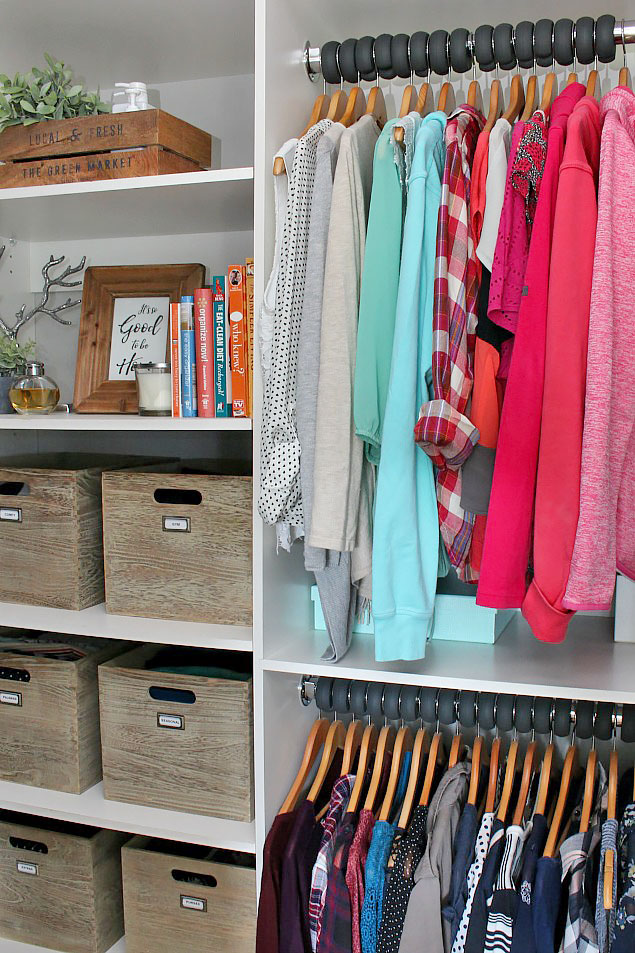
If your closet is overflowing, you are not alone. Clothing is one of the hardest categories to declutter because it often carries emotional and financial value.
One of the most effective methods is the Reverse Hanger Method.
Turn all your hangers backward.
When you wear something, return it to the closet with the hanger facing the normal direction.
After six to twelve months, look at what remains.
Items still hanging backward are pieces you probably do not wear.
This method removes guesswork and relies on actual behavior instead of memory.
Another useful approach is the capsule wardrobe concept.
The idea is simple. Keep a smaller collection of clothing that works well together and gets worn regularly.
You do not need to own only a certain number of items. The goal is to reduce excess and focus on clothes you genuinely enjoy wearing.
Courtney Carver’s Project 333 helped popularize this approach by encouraging people to simplify their wardrobes and become more intentional with clothing choices.
As you declutter clothes, focus on quality over quantity.
A closet full of favorite items is easier to manage than one packed with clothes you rarely wear.
Good bedroom wardrobe organization starts with keeping less, not buying more storage products.
Smart Bedroom Storage Solutions After Decluttering
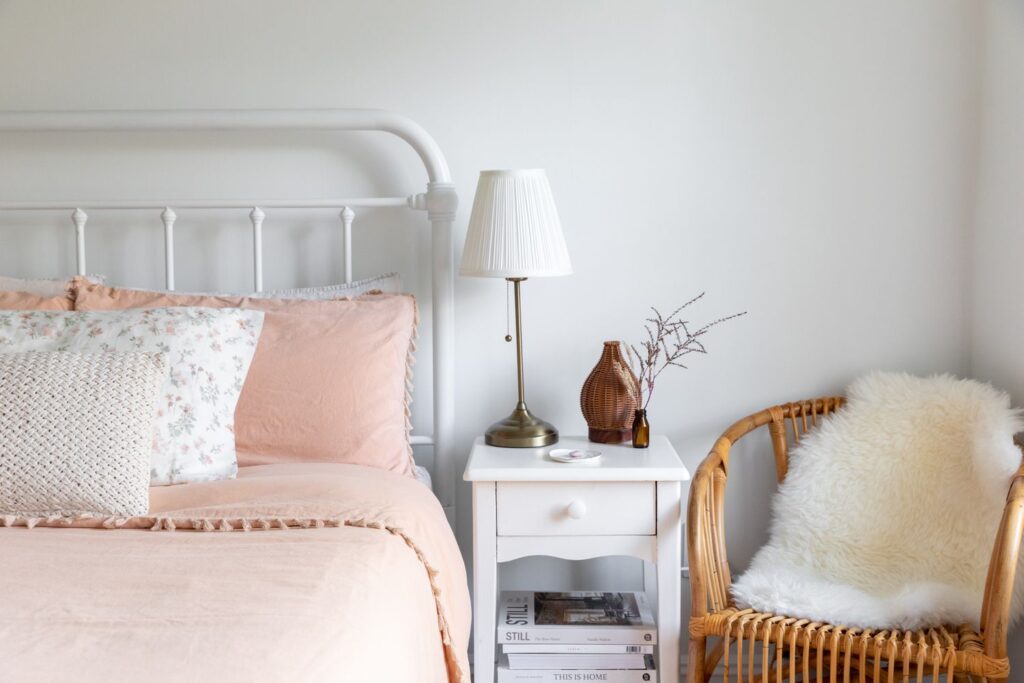
Storage works best after decluttering, not before.
Many people buy bins, baskets, and organizers hoping to solve clutter problems. In reality, those products often end up storing items that should have been removed.
Once you have reduced the amount of stuff in your room, storage becomes much simpler.
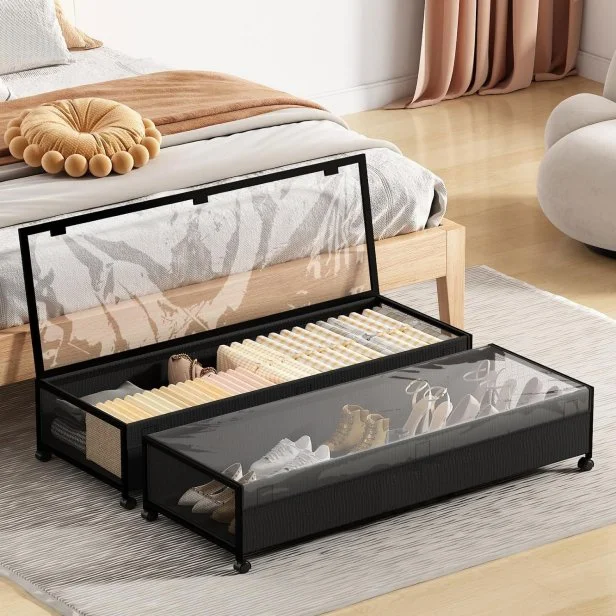
Under-bed storage is one of the most useful options for smaller bedrooms. Use shallow containers for seasonal clothing, extra bedding, or rarely used items.
Vertical storage helps maximize wall space without taking up floor space. Floating shelves, wall hooks, and over-the-door organizers can add useful storage while keeping the room open.
Drawer dividers make it easier to separate clothing, accessories, and small personal items. Instead of digging through messy drawers, everything stays visible and accessible.
Closet organizers can also improve storage efficiency. Simple shelf dividers, hanging organizers, and stackable bins help make better use of existing space.
Hidden storage furniture offers another practical solution. Storage benches, ottomans, and beds with built-in drawers provide extra storage without making the room feel crowded.
According to the National Association of Productivity and Organizing Professionals, effective organization depends on giving frequently used items a designated home. When everything has a place, it becomes easier to maintain an organized bedroom.
Choose storage solutions that match your daily habits. The easier a system is to use, the more likely you are to stick with it.
Common Bedroom Decluttering Mistakes to Avoid
Space Cleanse Diagnostics
Session Marathon Burnout
Purging an entire room in one giant burst map triggers rapid mental burnout. Isolate targeted micro-zones instead to build fluid momentum.
Pre-emptive Bin Accumulation
Sourcing structural organizers before sorting items traps dead weight. Execute your structural purge first, then match storage to the remainder.
The General Storage Trap
Allowing the bedroom to catch unrelated cross-household inventory breaks visual calm. Bar random home overflow from closets and under-bed tracks.
Habit Loop Omission
Treating decluttering as a singular event guarantees a return of mess. Weave a swift 5-minute micro-routine into your daily layout to lock in results.
Even the best intentions can lead to frustration if you make a few common mistakes.
Trying to Do Everything in One Day
Decluttering an entire bedroom in a single session sounds productive, but it often leads to burnout.
Break the project into smaller tasks.
Focus on one area at a time.
Small wins build momentum.
Buying Organizers Before Decluttering
Many people buy storage products before deciding what to keep.
This often creates more clutter instead of less.
Declutter first.
Then purchase storage solutions based on what remains.
Keeping “Just in Case” Items
Almost everyone has items they keep for a situation that never happens.
Ask yourself how likely you are to use the item within the next year.
If the answer is unlikely, it may not deserve valuable storage space.
Using the Bedroom as General Storage
Your bedroom should not become a storage room for the rest of the house.
Avoid piling unrelated items into corners, closets, or under the bed.
Ignoring Maintenance Habits
Decluttering is only the beginning.
Without simple routines, clutter eventually returns.
A few minutes each day can prevent hours of future cleanup.
Avoiding these bedroom organization mistakes makes it easier to maintain long-term results.
How to Keep Your Bedroom Clutter Free Long Term
Systemic Routine Blueprint
The 5-Minute Spatial Reset
Dedicate a brief window every evening to restore item placement. Hang garments, clear surfaces, and reset bedding to block compound daily accumulation.
Proportional Displacement Rule
Implement a strict one-in-one-out balance metric for new inventory. When sourcing novel apparel or decor pieces, displace an older element immediately.
Monthly Sector Diagnostics
Run quick, scheduled reviews of nightstands, dressers, and deep under-bed zones. Extract dormant items to prevent volume spikes from becoming overwhelming.
Frictionless System Design
Long-term clarity is never about clinical perfection. Focus entirely on setting up low-friction, natural routines that effortlessly integrate with your daily layout.
Decluttering once is helpful.
Creating habits is what keeps your bedroom organized for months and years.
One of the easiest habits is the 5 Minute Reset.
Every evening, spend five minutes putting things back where they belong.
This includes:
- Putting clothes away
- Clearing surfaces
- Returning items to their proper place
- Emptying trash
- Straightening bedding
These small actions prevent clutter from building up.
Another useful strategy is the One In One Out Rule.
Whenever you bring something new into your bedroom, remove something old.
This works especially well for:
- Clothing
- Shoes
- Decor
- Accessories
- Bedding
The rule helps prevent gradual accumulation.
Monthly maintenance checks are also valuable.
Once a month, review your:
- Closet
- Nightstand
- Dresser drawers
- Under-bed storage
Look for items that no longer belong.
Remove anything you no longer use.
These quick reviews keep clutter from reaching overwhelming levels.
A clutter-free bedroom is not about perfection.
It is about creating simple systems that support your daily life and are easy to maintain.
The less effort required to stay organized, the more likely you are to succeed.
Frequently Asked Questions
How Long Does It Take To Declutter A Bedroom?
The time depends on the size of the room and the amount of clutter. A lightly cluttered bedroom may take a few hours. A heavily cluttered space may require several sessions spread across a few days or weeks. Focus on steady progress instead of trying to finish everything at once.
What Should I Declutter First In My Bedroom?
Start with visible surfaces such as nightstands, dressers, and desks. These areas provide quick results and create motivation. Once surfaces are clear, move on to clothing, drawers, furniture, and hidden storage areas.
How Often Should I Declutter My Bedroom?
A major decluttering session once or twice a year is usually enough for most people. Monthly reviews and daily maintenance habits help prevent clutter from building up between larger decluttering sessions.
Should I Throw Everything Away During Decluttering?
No. The goal is to keep what serves a purpose and remove what no longer adds value. Many items can be donated, sold, recycled, or relocated instead of thrown away.
What If I Feel Overwhelmed By Clutter?
Start small. Choose one drawer, one shelf, or one nightstand. Completing a small task builds confidence and creates momentum. Progress matters more than speed.
Conclusion
A clutter-free bedroom is not created through one cleaning session. It comes from making intentional decisions about what belongs in your space and creating simple systems that keep things organized.
Start small and focus on one area at a time. Clear a nightstand, sort a drawer, or tackle a section of your closet. Small actions add up quickly and make the process feel manageable.
Take before and after photos so you can see your progress. The visual difference can be surprisingly motivating.
Now that you know how to declutter your bedroom, choose one surface and start today. The sooner you begin, the sooner you can enjoy a calmer, cleaner, and more organized space.
Create a Calmer Bedroom
• How to Fill Empty Space In Bedroom
• How to Decorate Bedroom Walls
• How to Paint Bedroom Walls
• How to Place Rug In Bedroom