13 Basement Organization Tips to Maximize Storage Space

This post contains affiliate links, and we will be compensated if you buy after clicking on our links. Read our disclaimer.
Read our editorial process
Most basements do not get messy overnight. A few storage bins turn into a few more, seasonal decorations get pushed into a corner, and before long, finding anything feels harder than it should.
The challenge is not usually a lack of space. It is a lack of structure. When tools, holiday decor, household supplies, and old keepsakes all end up in the same area, clutter builds fast.
The good news is that organizing a basement does not require a major renovation or expensive storage systems. A few smart changes can make the space easier to navigate, easier to maintain, and far more useful.
These 13 basement organization tips will help you create a system that keeps clutter under control and makes better use of the space you already have.
1. Start By Removing Items You No Longer Need
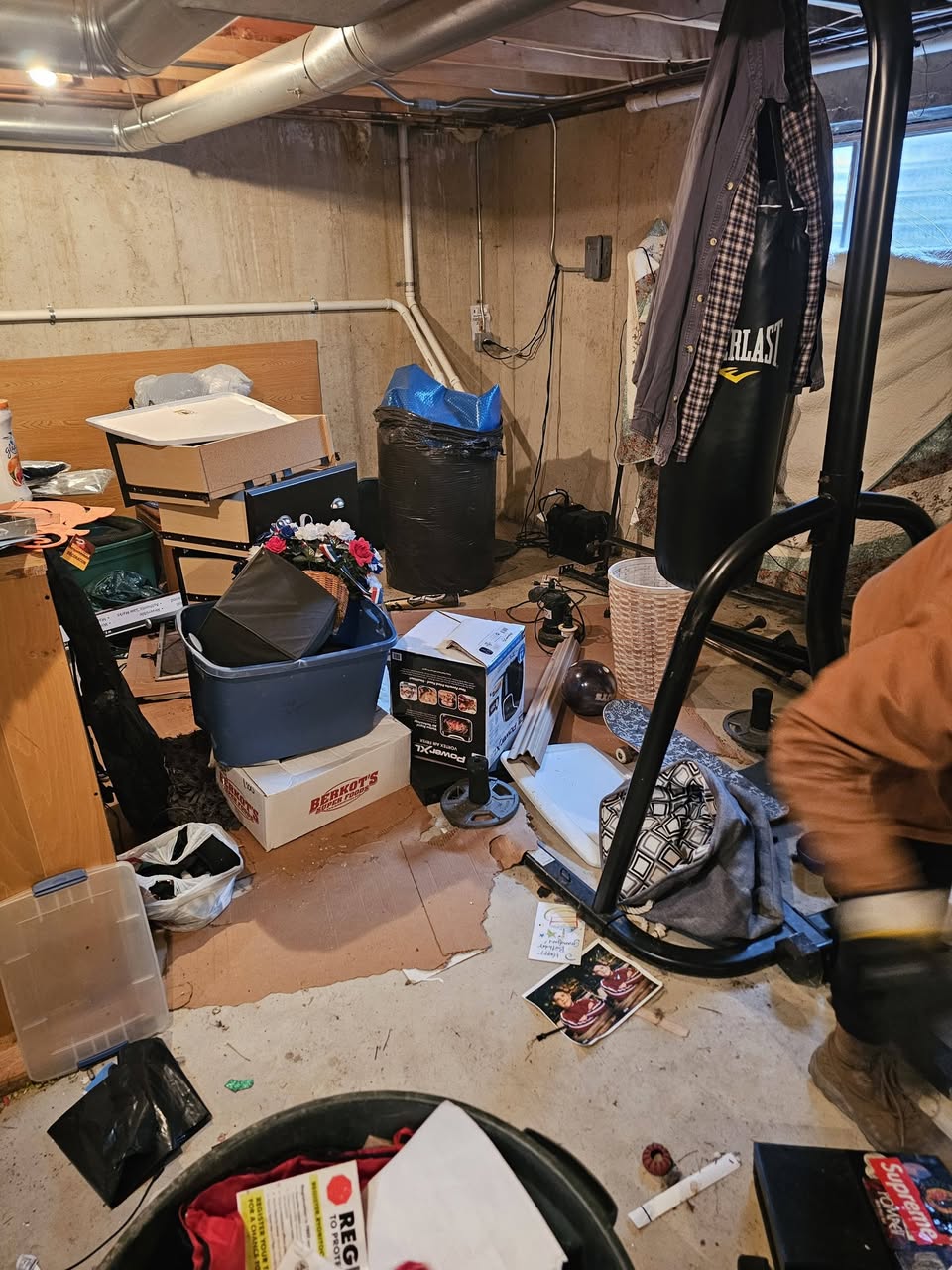
You probably walked into your basement looking for one thing and found boxes you have not opened in years. Old paint cans, broken holiday lights, duplicate tools, and random household items tend to collect there because they are out of sight.
Before organizing anything, reduce what you own. Set up four groups: keep, donate, recycle, and trash. Move through one section at a time so the process stays manageable.
Many people try to organize everything first. That usually creates more work because you end up finding storage for items you do not need. The goal is not to make clutter look neat.
Pay attention to duplicates and “just in case” items. Those categories take up more basement space than most people realize.
You’ll know it worked when you can see empty shelves, open floor space, and fewer containers than when you started. Carry only the items you actively use or genuinely need into the next step.
Find More Storage Solutions Around the House
• Garage Wall Storage Ideas
• DIY Garage Organization Ideas
• Apartment Organization Ideas
• Hallway Organization Tips
2. Divide The Basement Into Functional Zones
A common problem appears after decluttering. The basement looks cleaner for a few weeks, then items slowly start drifting into random corners again.
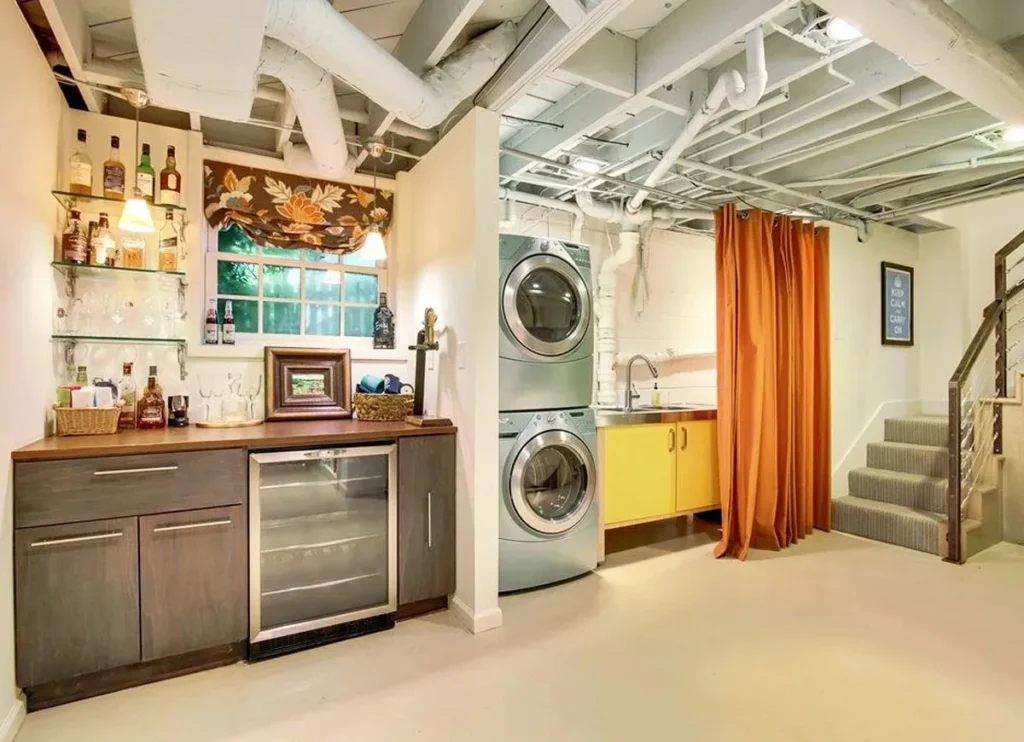
The fix is creating zones before anything goes back. Give each area a clear purpose. One section might hold seasonal decorations, another tools, another laundry supplies, and another family storage.
Think about how you use the space now instead of how you wish you used it. A basement that serves as storage and a workshop needs different zones than one that also functions as a home gym.
What gets missed most is leaving enough space between zones. When categories overlap, clutter returns quickly because people stop knowing where things belong.
You’ll know it worked when every item can be assigned to one specific area without hesitation. That clarity is what keeps the system working long term.
3. Store Frequently Used Items In Accessible Areas
You should not have to move six boxes to reach something you use every week. Yet that is exactly how many basements end up functioning.
Place frequently used items at eye level or on easy-to-reach shelves. Cleaning supplies, replacement light bulbs, household tools, and regularly used equipment should stay near the front.
Store occasional-use items farther back and seasonal items on higher shelves. This approach organizes by frequency instead of category alone.
Many people make the mistake of giving every item equal access. In practice, some things deserve prime storage space while others do not.
You’ll know it worked when you can grab commonly used items in seconds without moving anything else first.
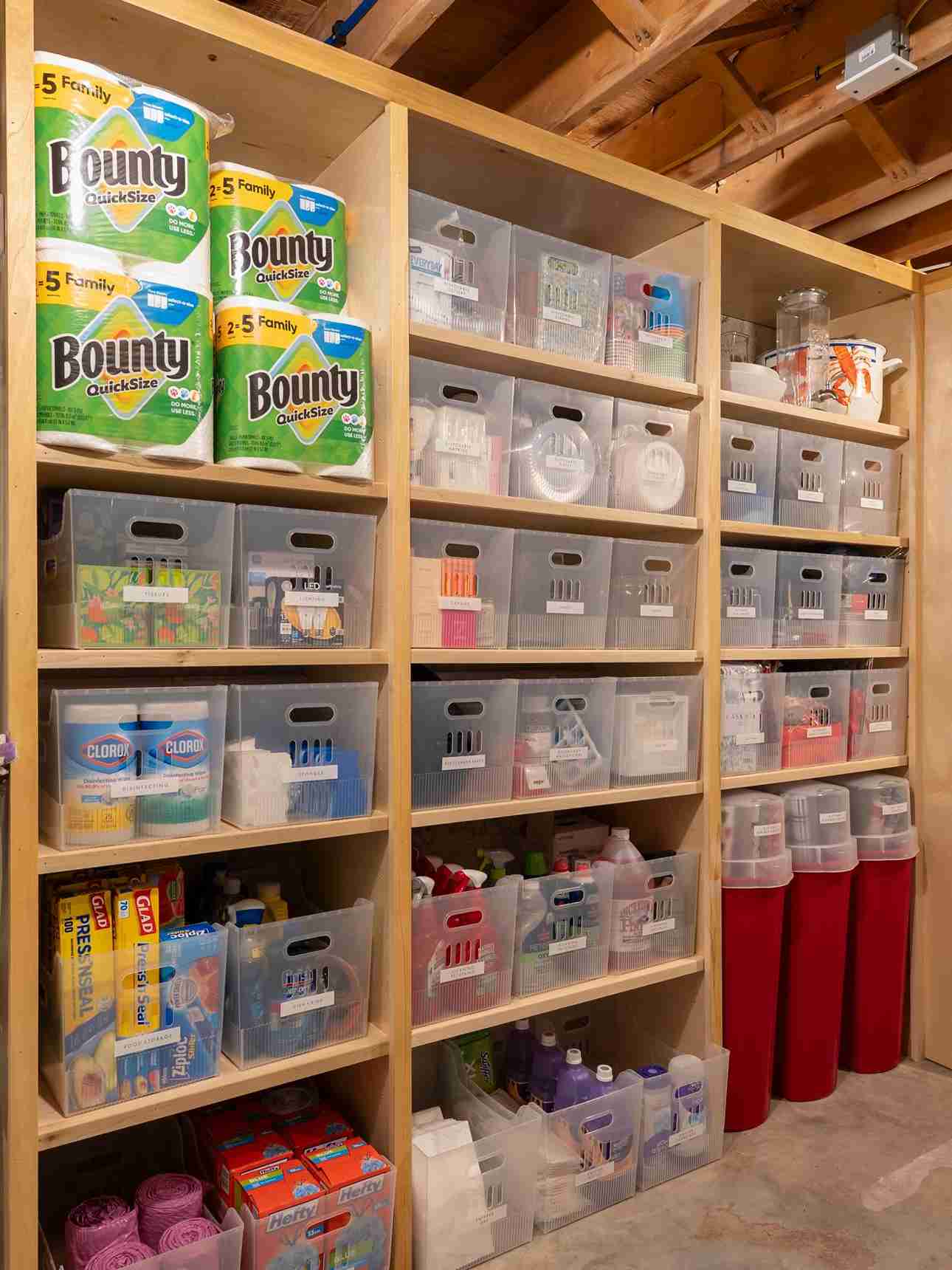
4. Use Clear Storage Bins Instead Of Cardboard Boxes
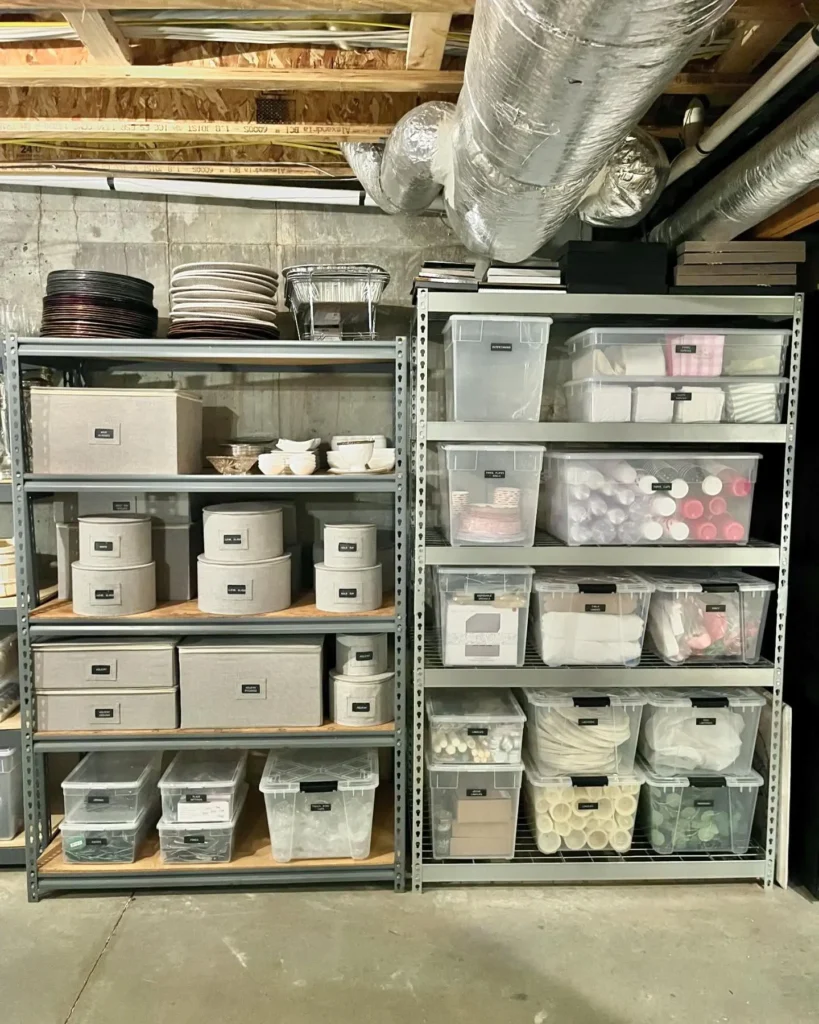
Most basements contain mystery boxes. The label fell off years ago, and now nobody knows what is inside without opening it.
Clear plastic bins remove that problem. You can see contents immediately, stack them safely, and protect belongings from moisture better than cardboard.
Container choice affects maintenance more than appearance. When you can identify contents quickly, you spend less time searching and less time making a mess.
Cardboard still works for some dry environments, but many basements deal with humidity changes throughout the year. Plastic bins hold up better over time.
Ask yourself one question: will you remember what is inside this container a year from now? If the answer is no, visibility matters.
5. Label Everything Before It Goes Back Into Storage
You have probably opened three containers looking for one item that turned out to be somewhere else entirely. That frustration usually comes from missing labels.
Add labels before putting anything back on shelves. Label the front and the top whenever possible so bins remain identifiable from different angles.
Keep labels broad enough to be useful. “Christmas Decor” works better than a list of twenty individual contents that may change later.
What gets missed most is consistency. Mixed labeling systems create confusion because nobody follows the same rules.
You’ll know it worked when another family member can find an item without asking where it is stored.
Make the Most of Large Storage Areas
• Tool Storage DIY Ideas
• Yard Tool Storage Ideas
• Linen Closet Organization Ideas
• Small Appliance Storage Ideas
6. Take Advantage Of Vertical Storage Space
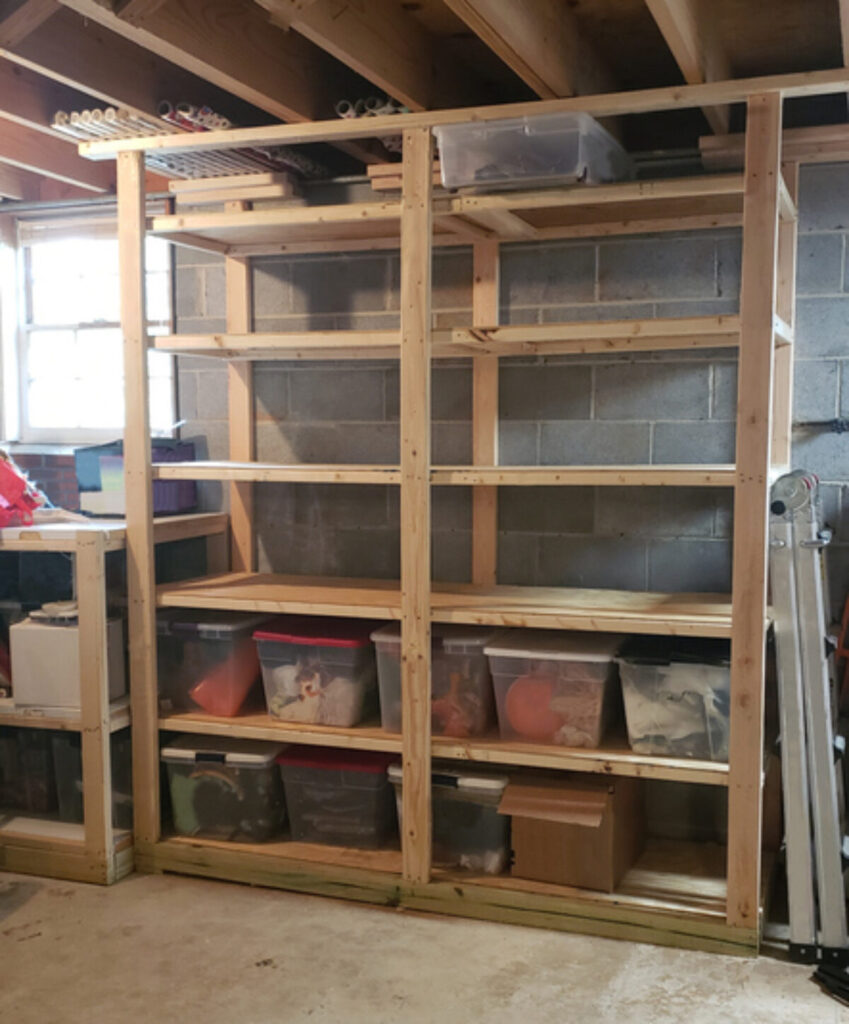
Floor space disappears fast. Large bins, equipment, and storage containers can make even a large basement feel crowded.
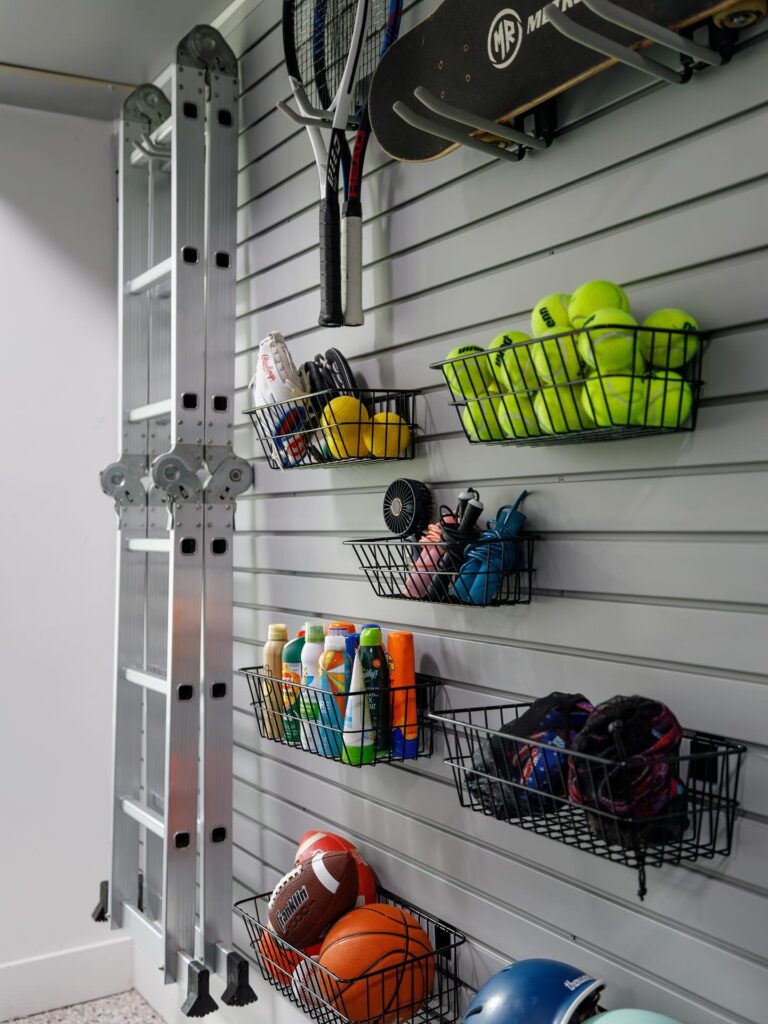
Look up instead of out. Shelving units, wall-mounted racks, pegboards, and ceiling storage systems help you use unused vertical space.
The goal is not to stack everything as high as possible. Accessibility still matters. Items used often should remain within comfortable reach.
A common mistake is storing heavy items overhead. That creates safety issues and makes retrieval harder than necessary.
If your floor feels crowded but your walls remain empty, vertical storage will usually create more usable space than buying additional containers.
7. Keep Items Off The Basement Floor
Many homeowners discover water problems after the damage has already happened. A minor leak or unexpected moisture issue can ruin boxes stored directly on the floor.
Raise stored items whenever possible. Shelving units, pallets, risers, and elevated storage systems provide extra protection.
Organization is not only about finding things faster. It is also about protecting the things you choose to keep.
Some basements stay dry year-round while others deal with seasonal moisture. Your storage approach should reflect those conditions.
You’ll know it worked when nothing valuable sits directly on concrete, even in areas that seem dry most of the time.
Storage Method Comparison
| Storage Method | Best For | Main Benefit |
|---|---|---|
| Open Shelving | Frequently used items | Fast access |
| Clear Bins | Seasonal storage | Easy visibility |
| Pegboards | Tools and equipment | Uses wall space |
| Ceiling Racks | Rarely used items | Frees floor space |
| Cabinets | Household supplies | Cleaner appearance |
8. Create Dedicated Seasonal Storage Areas
You probably pull out holiday decorations and suddenly half the basement is covered with bins. Then everything gets packed away again without a clear plan for next year.
Keep seasonal items together in dedicated areas. Store holiday decor, camping gear, winter supplies, and summer equipment in separate groups so they move in and out as complete categories.
The mistake many people make is scattering seasonal items throughout the basement wherever space happens to be available. That turns every season change into a scavenger hunt.
You’ll know it worked when you can find everything for a season from one shelf, one corner, or one group of bins.
9. Organize Tools And Household Supplies Separately
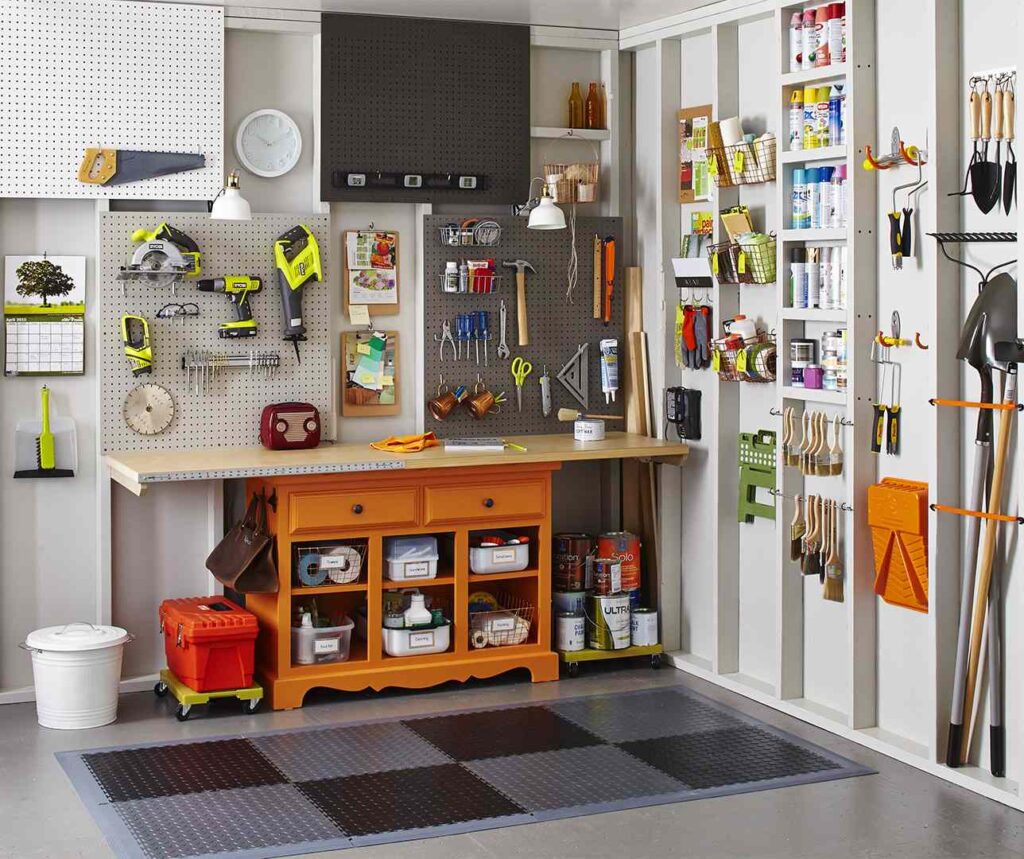
Few things create clutter faster than mixing unrelated categories. A screwdriver ends up in a cleaning bin, batteries get tossed near paint supplies, and suddenly nothing has a clear home.
Create separate storage areas for tools, hardware, cleaning products, paint supplies, and home maintenance items. Each category should have its own shelf, cabinet, or container.
This is also a safety issue. Chemicals, paints, and sharp tools should not be stored together with household supplies that family members access regularly.
What gets missed most is small hardware like nails, screws, anchors, and spare parts. Those items tend to spread everywhere unless they have dedicated organizers.
Recommended Basement Zones
| Zone | Items To Store |
|---|---|
| Seasonal Storage | Holiday decorations, outdoor gear |
| Workshop Area | Tools, hardware, paint supplies |
| Utility Zone | Cleaning products, maintenance items |
| Family Storage | Keepsakes, archives, household extras |
| Recreation Area | Sports equipment, hobby supplies |
10. Plan Around Moisture And Humidity Risks
You may have a basement that feels dry most days, but basement conditions can change throughout the year. Humidity, condensation, and small water issues often show up before people notice them.
Walk through the space and look for signs of moisture, including musty smells, water stains, or damp corners. Those clues should influence where and how you store belongings.
Some items should never sit in high-humidity areas. Important documents, photographs, electronics, fabric items, and valuable keepsakes need extra protection.
A dehumidifier may be helpful if moisture is a recurring issue. The right storage system depends on the conditions in your basement, not someone else’s.
Ask yourself this question: if this area became damp tomorrow, which belongings would be at risk first? Start protecting those items now.
11. Create A Simple Inventory System
You probably own things that you forgot existed. Many people buy duplicates because they cannot remember what is already stored in the basement.
Create a basic inventory as you organize. Number storage bins and keep a matching list on paper or in your phone showing what belongs in each container.
The inventory does not need to be complicated. A short list such as “Bin 4: Christmas Lights” or “Shelf B: Camping Supplies” is enough for most homes.
What gets missed most is updating the inventory when items move. The system only works if the list matches reality.
You’ll know it worked when you can locate an item without opening multiple containers first.
12. Organize A Multi-Purpose Basement Without Overlap
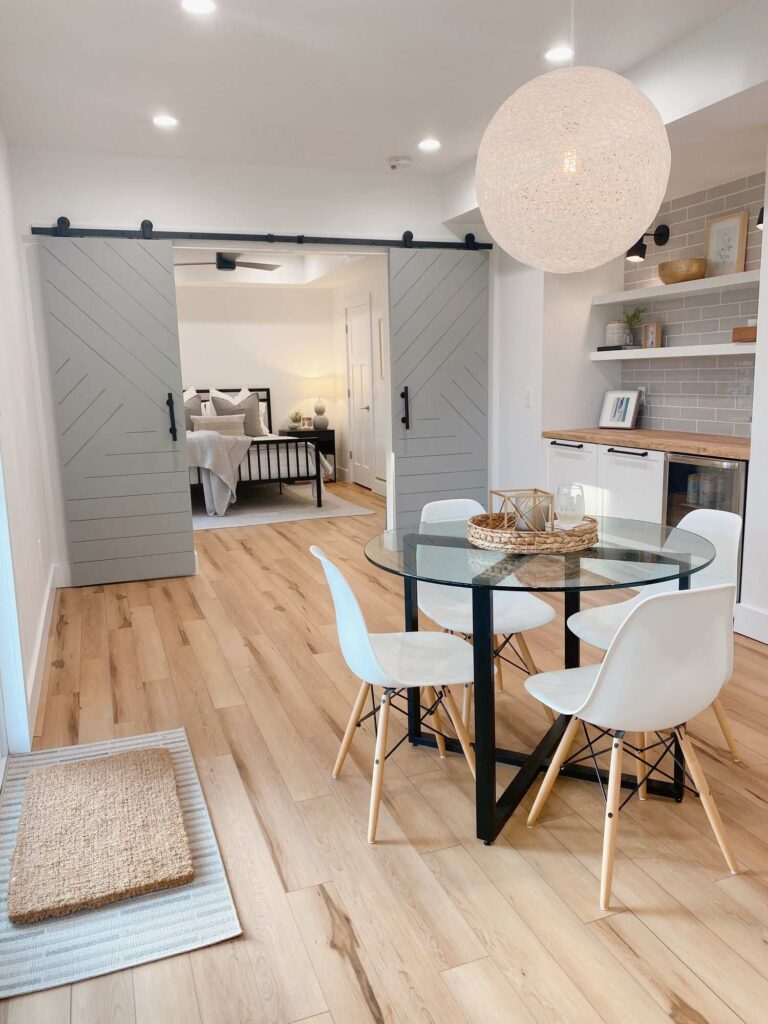
Many basements do not serve one purpose. Storage shares space with laundry, hobbies, workouts, workshops, utilities, or family activities.
The key is creating clear boundaries between functions. Use shelving, cabinets, rugs, or furniture placement to define where one zone ends and another begins.
People often assume clutter comes from owning too much. In multi-purpose basements, the bigger problem is unclear boundaries. When activities overlap, storage spreads into every available space.
Think about what happens in the room each week. Give each activity enough space to function without borrowing space from another area.
You’ll know it worked when you can use one section of the basement without disturbing another section.
13. Schedule Monthly Maintenance Sessions
Most organization systems fail for one reason. Nobody checks them after the initial cleanup.
Set aside a short maintenance session once each month. Return misplaced items, review crowded shelves, and remove anything that no longer belongs in the basement.
Small corrections prevent large cleanup projects later. Fifteen minutes each month often saves hours of work at the end of the year.
The common mistake is waiting until clutter becomes visible. By then, the system has already started breaking down.
You’ll know it worked when maintenance feels routine instead of feeling like another major organizing project.
Basement Organization Quick Reference
| Task | Recommended Frequency |
|---|---|
| Return misplaced items | Weekly |
| Check storage zones | Monthly |
| Review seasonal bins | Quarterly |
| Donate unused items | Twice yearly |
| Full basement reset | Yearly |
Summary
A well-organized basement is not about fitting more things into storage. It is about creating a system that makes items easier to find, easier to protect, and easier to maintain.
Start with one section instead of tackling the entire basement at once. As zones take shape and clutter leaves the space, the process becomes easier to manage. The small decisions you make today will save time, frustration, and wasted space for years to come.
Take On Your Next Organization Project
• Kitchen Organization Ideas
• Under Sink Bathroom Organization Ideas
• Desk Organization Ideas
• Camper Storage Ideas