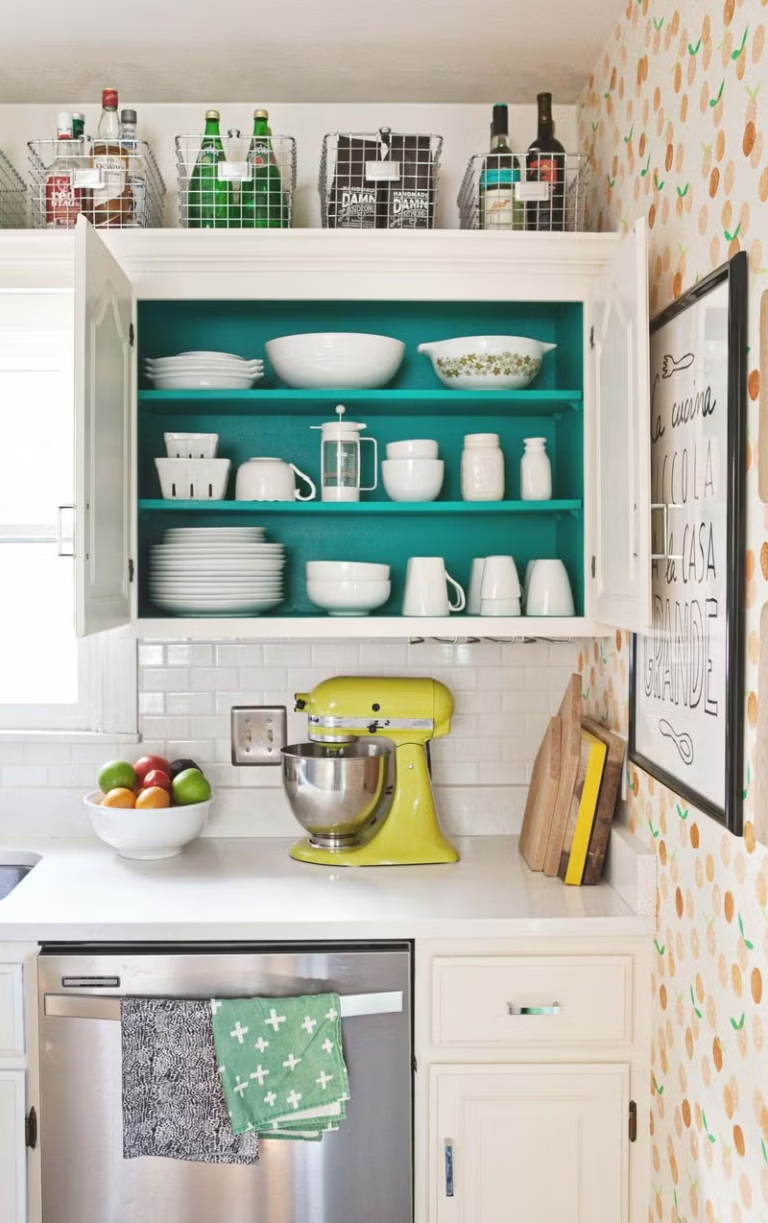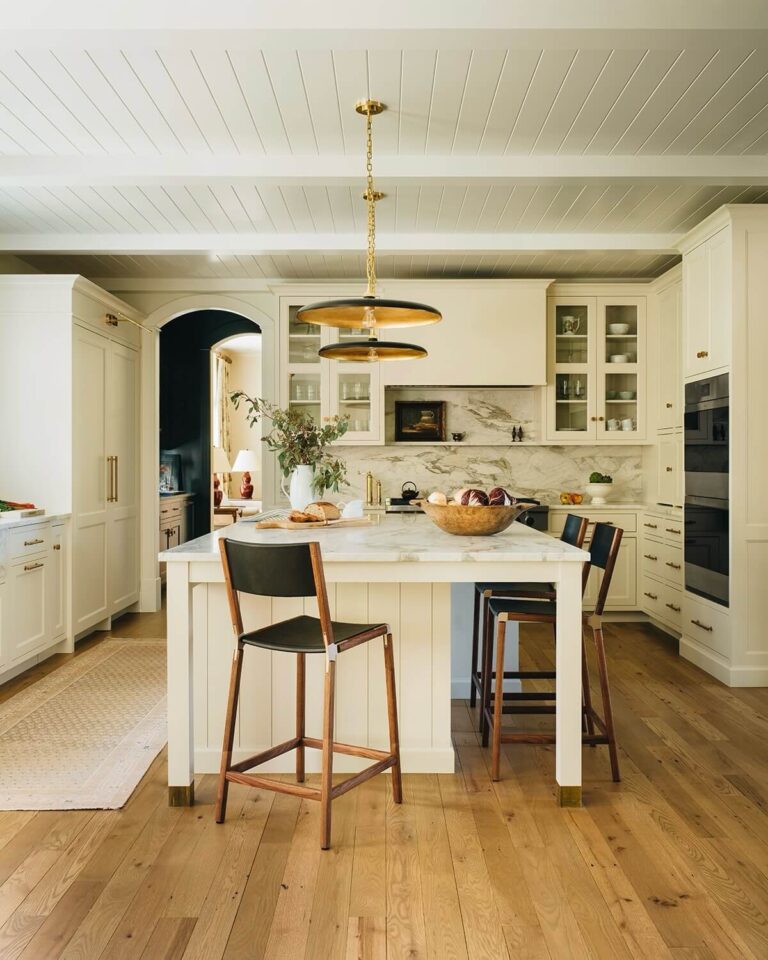
How to Organize Kitchen Cabinets for a Cleaner and Easier Kitchen

This post contains affiliate links, and we will be compensated if you buy after clicking on our links. Read our disclaimer.
Read our editorial process
Ever open a kitchen cabinet and have lids, containers, or spice jars come falling out? You’re not alone. A lot of people feel stressed every time they cook because their cabinets are packed, messy, or hard to use.
The truth is, most kitchens do not have a storage problem. They have an organizational problem. Many professional organizers say clutter often comes from keeping too many duplicates or storing things in the wrong place. Buying more bins usually does not fix the issue if the cabinets are already overcrowded.
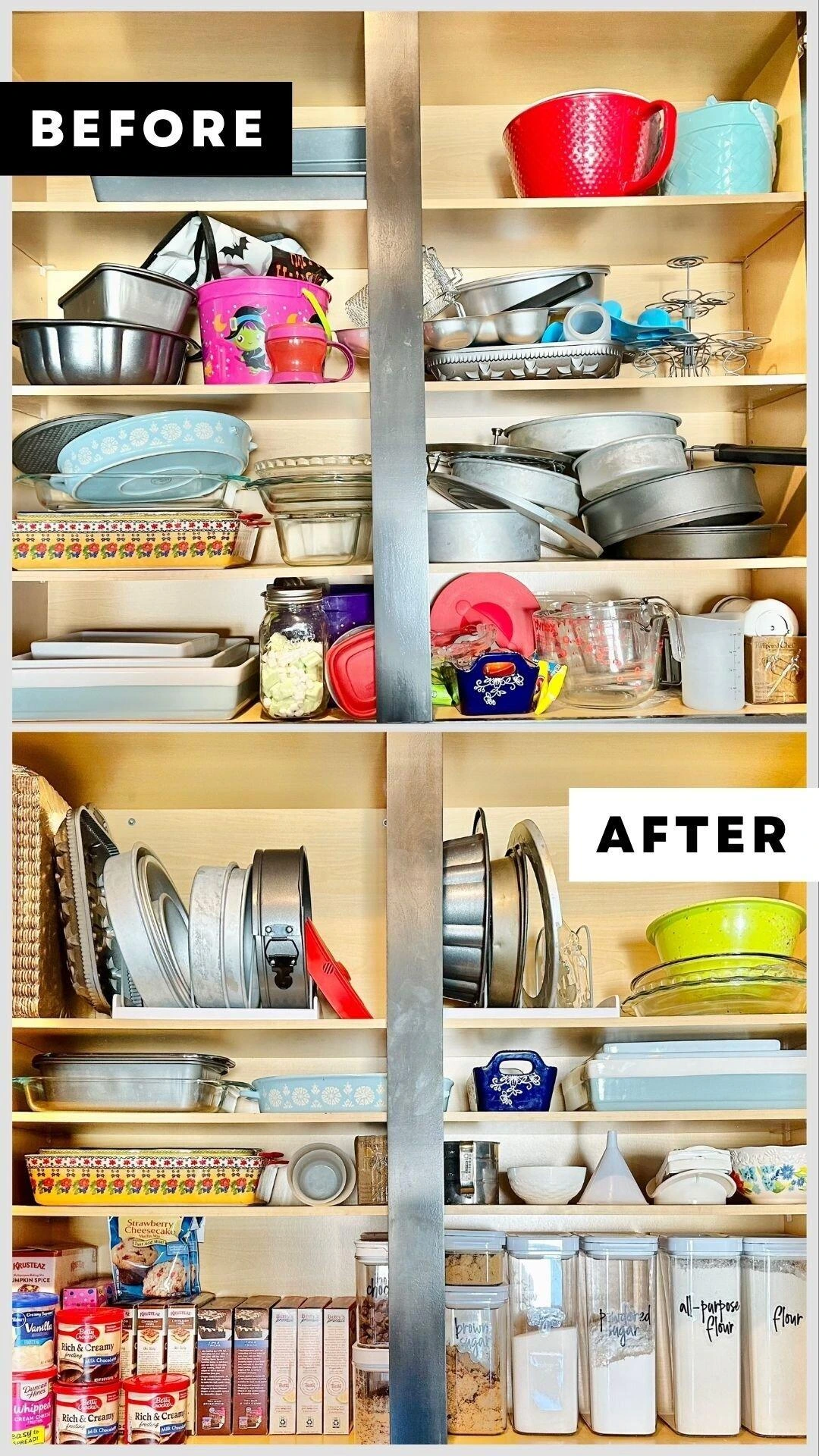
If you’ve been wondering how to organize kitchen cabinets, this guide will help. You’ll learn how to declutter your space, create useful cabinet zones, choose smart storage tools, improve food safety, and keep your kitchen organized for the long run.
Whether you have a large kitchen or a tiny apartment, these kitchen cabinet organization ideas and kitchen storage solutions can make cooking easier every day.
Start by Emptying and Decluttering Your Cabinets
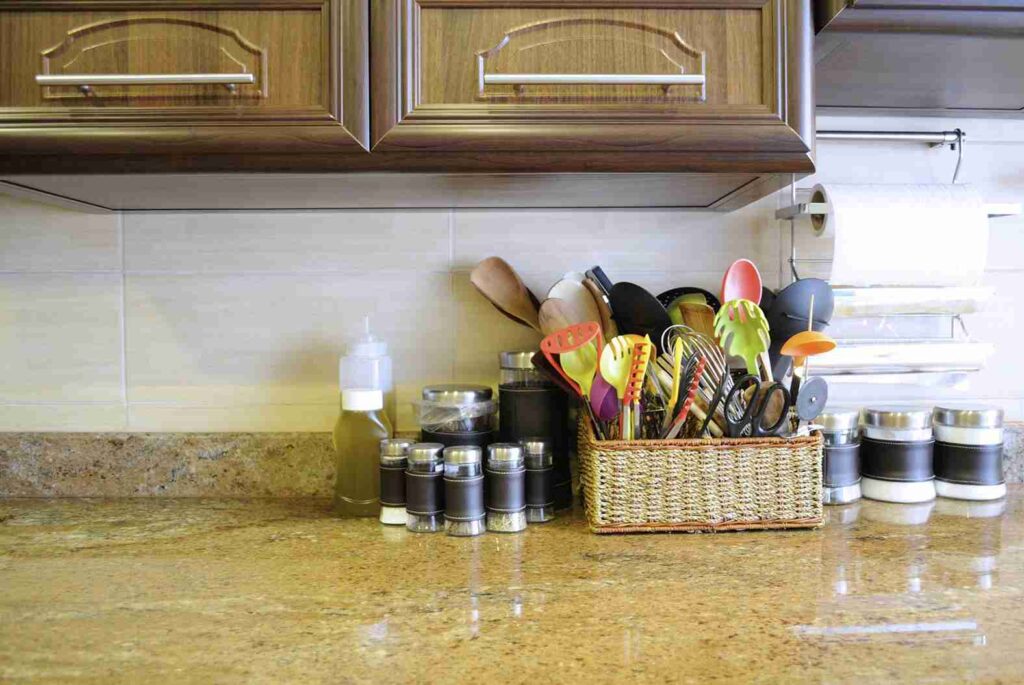
The first step in how to organize kitchen cabinets is simple. Take everything out. Yes, everything.
It may seem like extra work, but you cannot organize what you cannot see. Empty cabinets help you spot expired food, duplicate tools, and items you forgot you even owned.
Place similar items together on the counter. Keep all baking supplies in one group. Put the mugs together. Gather spices, food containers, and cooking tools into separate piles. This makes it easier to organize kitchen cabinets by category.
Next, check expiration dates. Throw away expired food, stale spices, and damaged containers. If you own three can openers or ten travel mugs you never use, consider donating extras.
Professional organizers often point to duplicate items as one of the biggest reasons kitchens become cluttered. More items do not always mean more convenience. Sometimes they create more stress.
Try asking yourself one question: “Have I used this in the last year?” If the answer is no, it may not deserve cabinet space.
Avoid buying storage bins right away. Many experts recommend decluttering first because organizers cannot fix clutter. They only organize the things you decide to keep.
Once you’ve removed what you no longer need, you’ll have a much clearer picture of the kitchen storage solutions that actually fit your space.
Discover More Kitchen Organization Tips
• How to Organize Kitchen Cabinets Layout
• Corner Pantry Ideas
• How to Organize Corner Cabinet
• Coffee Station Ideas
Create Kitchen Zones Based on How You Cook
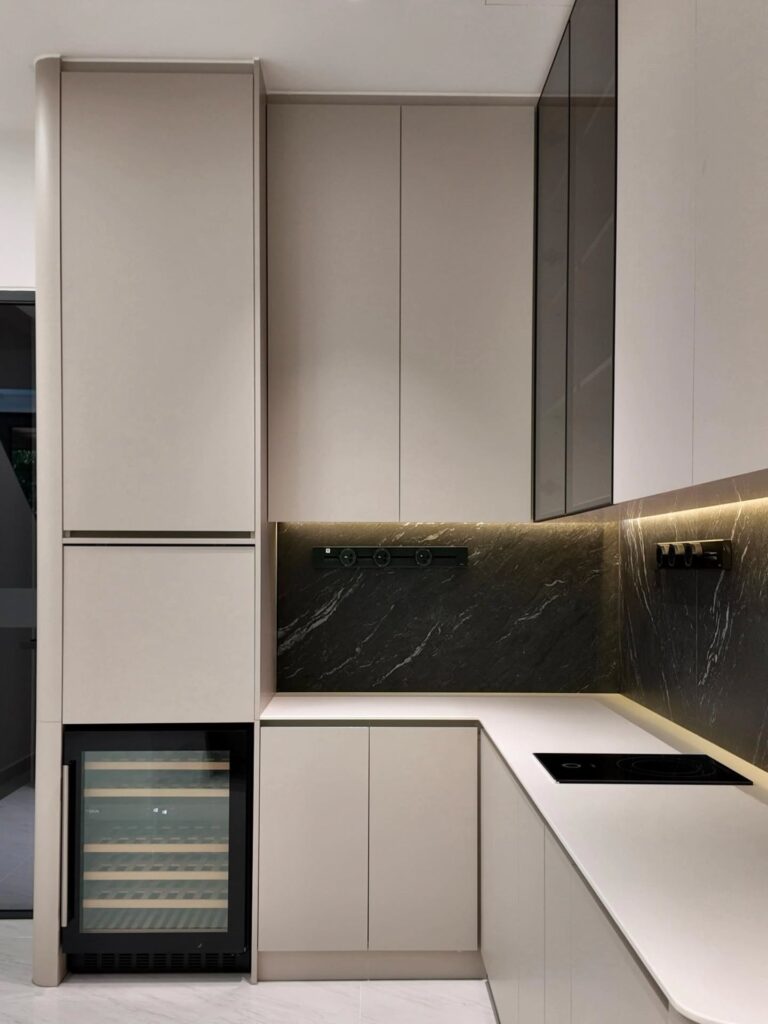
A well-organized kitchen is built around habits, not appearance. Think about how you use your kitchen every day.
Do you make coffee every morning? Bake every weekend? Cook dinner every night? Your cabinets should support those routines.
One of the best ways to organize kitchen cabinets by category is to create zones.
Here are common kitchen zones:
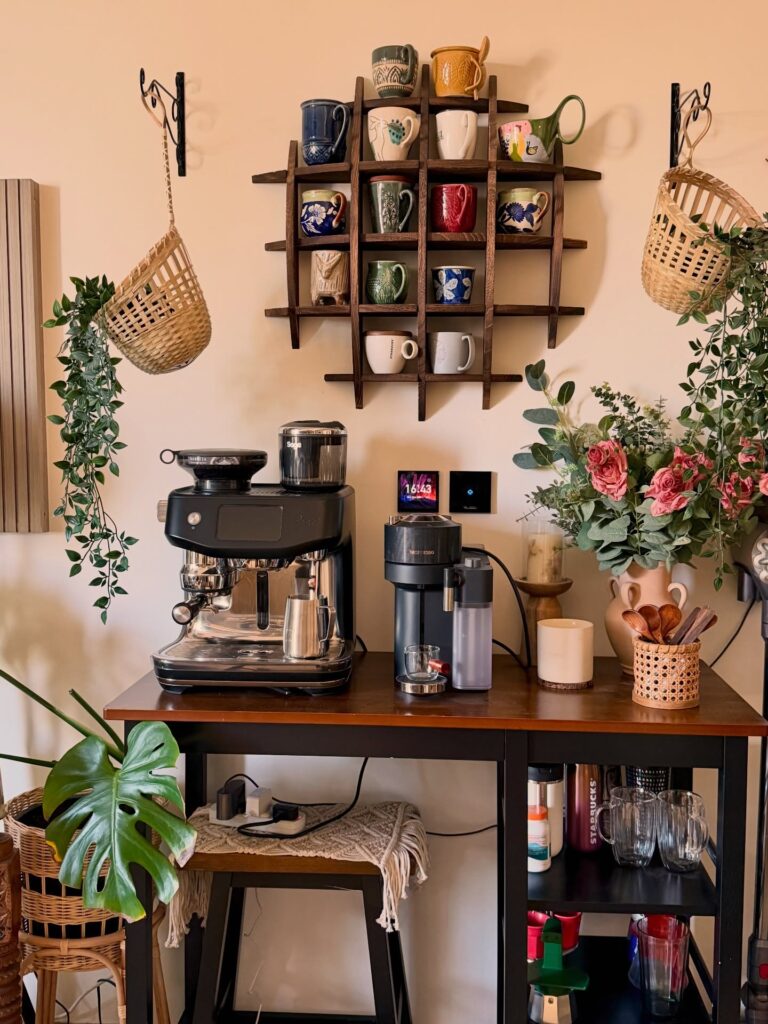
Keep items close to where you use them. Store pots and pans near the stove. Place cutting boards near prep areas. Keep coffee mugs close to the coffee machine.
Professional organizers often recommend organizing by function instead of appearance. A beautiful kitchen means very little if you waste time searching for tools every day.
Try to keep each cabinet focused on one purpose. This reduces clutter and makes cleanup faster.
These kitchen cabinet organization ideas work because they match how real people cook. And when your kitchen works with your habits, staying organized becomes much easier.
Store Everyday Items at Eye Level
The easiest items to reach should be the items you use the most.
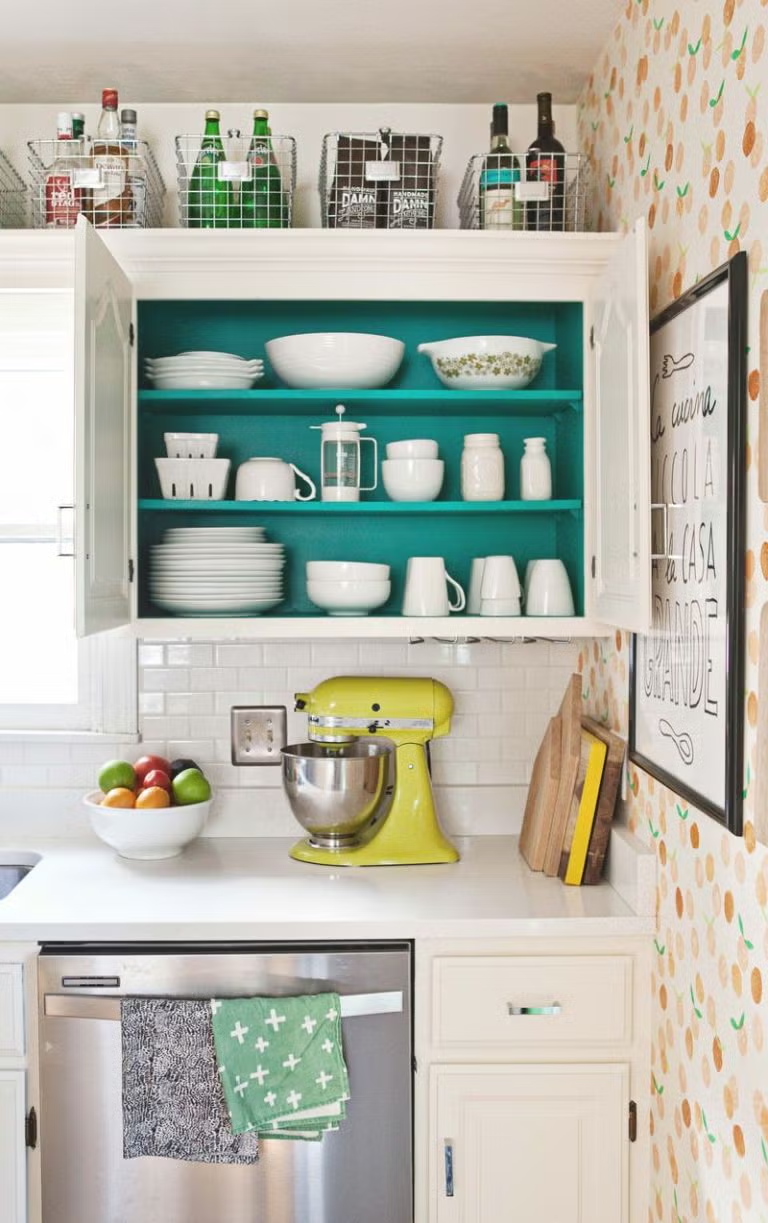
Store everyday dishes, glasses, and favorite cookware between waist and eye level. This area is often called prime storage space because it requires less bending and stretching.
For example:
- Daily plates: middle shelf
- Frequently used bowls: eye level
- Holiday platters: top shelf
- Stand mixer: lower cabinet
Heavy appliances should always go in lower cabinets. Lifting a heavy appliance from above shoulder height can be unsafe.
Kitchen design experts often stress that accessibility plays a big role in an efficient kitchen. Good storage is not only about fitting more items into a cabinet. It is about making daily tasks easier.
Look at what you use every day. Those items deserve the easiest spots to reach.
Small changes like this can help you organize kitchen cabinets efficiently while saving time every time you cook.
Use Cabinet Organizers That Actually Save Space
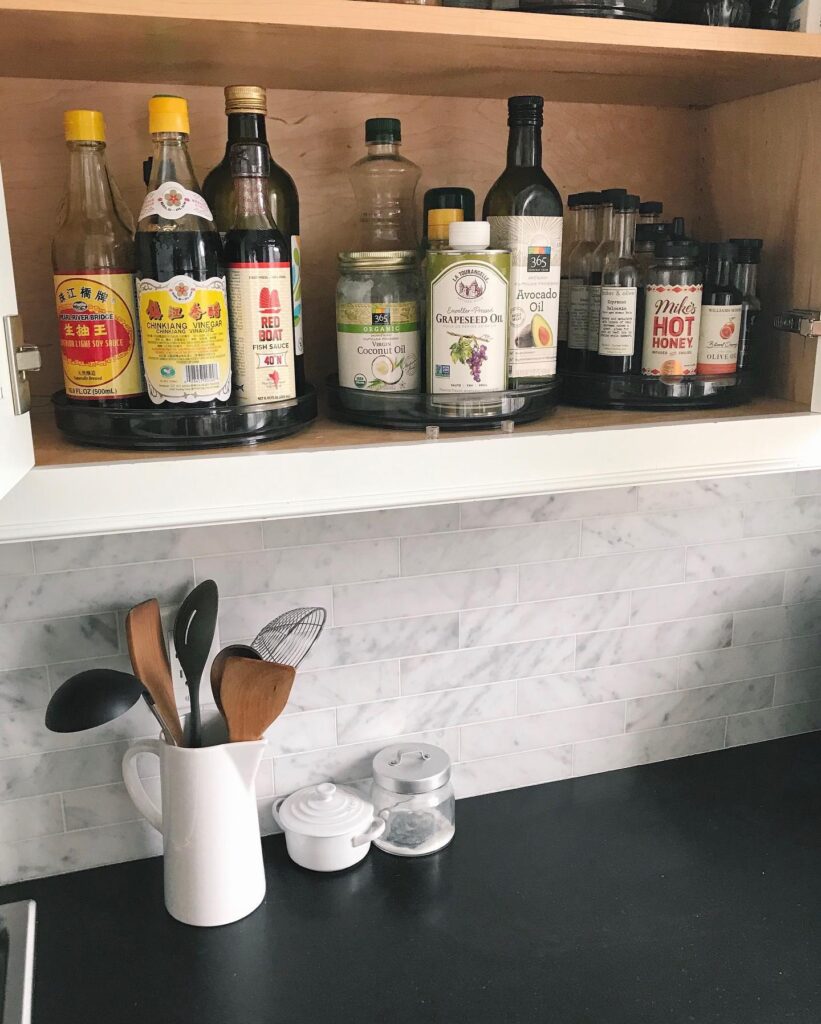
Storage tools can help, but only if you choose the right ones. Many people buy organizers before decluttering. Then they end up storing clutter in prettier containers.
Start with the problem you’re trying to solve. Deep cabinets? Hard to reach corners? Stacked dishes? The right tool depends on the space.
Here are some cabinet organizers that work well in most kitchens:
Lazy Susans are especially useful in deep cabinets. Instead of reaching to the back, you can simply spin the tray and grab what you need. Many professional organizers recommend turntables because they reduce wasted space.
Vertical storage is becoming more popular because it makes items easier to see and reach. Baking sheets stacked on top of each other often create clutter. Vertical dividers solve that problem.
Clear bins are also helpful because you can see what is inside without opening lids. Add labels to make things even easier to find.
Remember this: organizers should support your habits. They should not create extra work. If a storage system feels hard to maintain, you probably will not use it for long.
The best kitchen storage solutions are often simple. The goal is to make your kitchen easier to use every day.
Organize Corner Cabinets Without Wasting Space
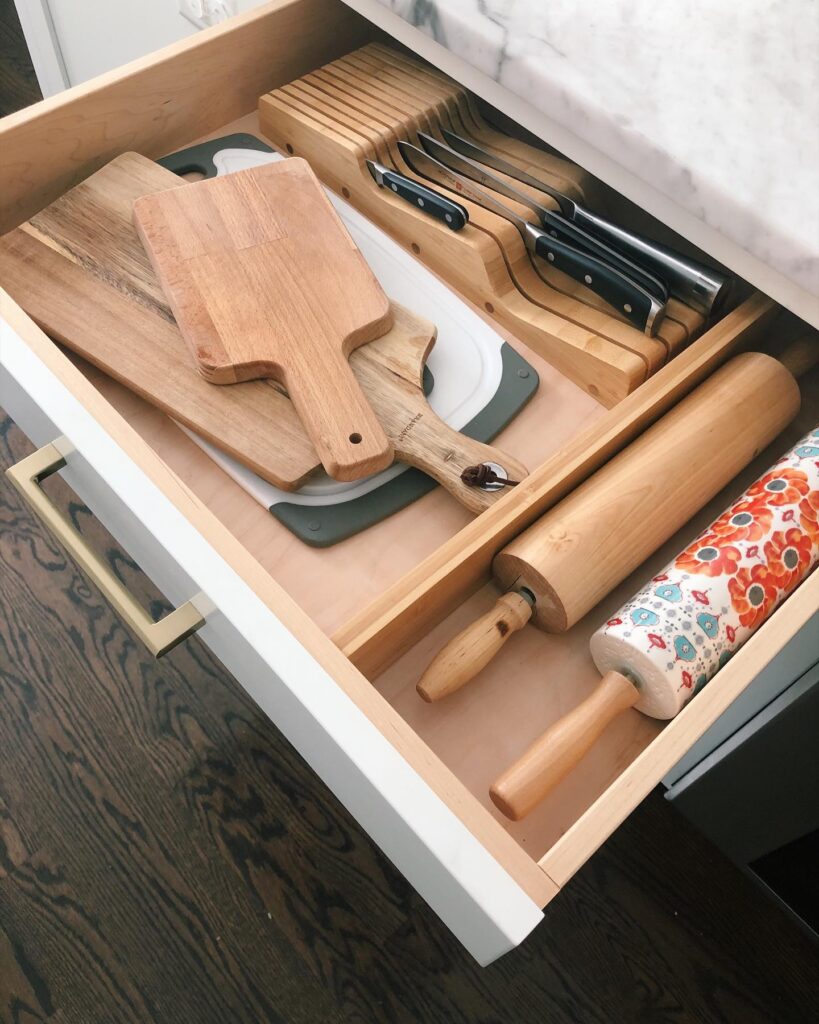
Corner cabinets can be one of the hardest areas to organize. Items disappear into the back and are often forgotten for months.
If you’re trying to organize corner cabinet space, start by choosing the right storage system.
Lazy Susans work well because they rotate and bring items forward. Pull-out corner shelves are another great option if your budget allows.
These cabinets are perfect for storing items you use occasionally, such as:
- Mixing bowls
- Slow cookers
- Serving trays
- Specialty cookware
Try to avoid stacking too many items deep inside the cabinet. Once things are hidden behind other things, they become difficult to use.
A good rule is simple: if you cannot easily reach it, you probably will not use it.
Corner spaces do not have to become black holes for kitchen tools. With a few smart kitchen storage solutions, they can become some of the most useful cabinets in your kitchen.
Organize Food Safely to Prevent Cross Contamination
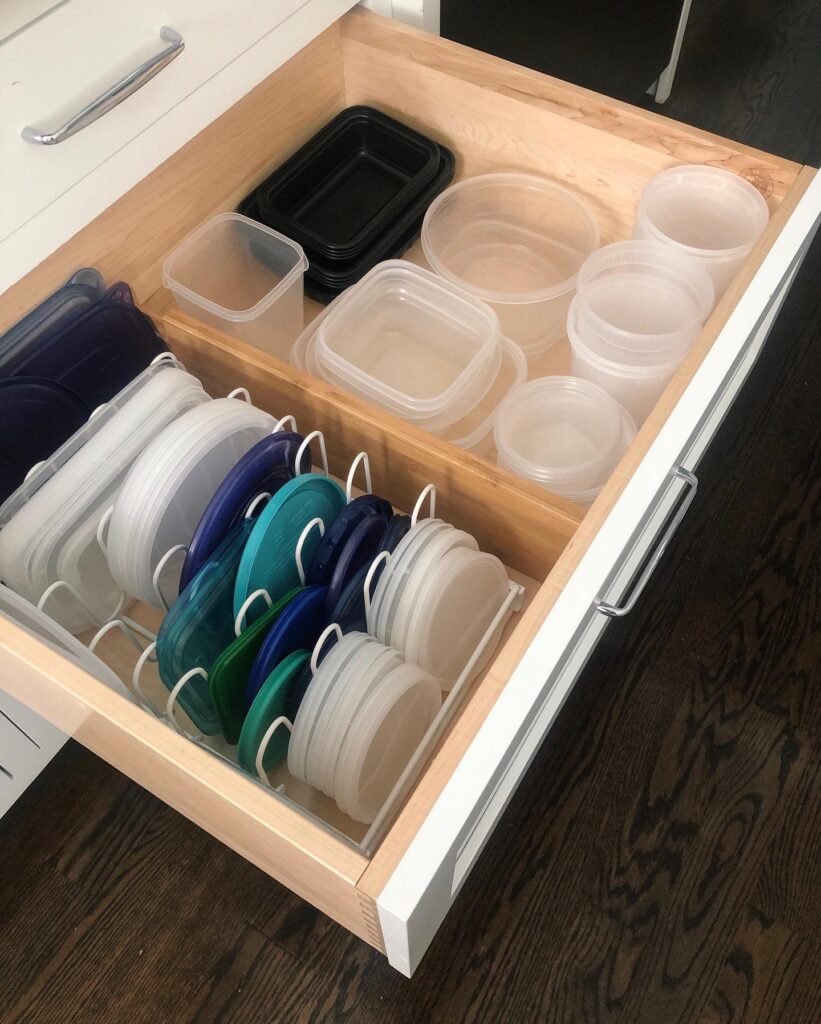
An organized kitchen should also be a safe kitchen.
Many people focus on appearance but forget about food safety. Small changes in storage habits can help prevent contamination and food waste.
Keep raw foods separate from ready-to-eat foods whenever possible. Cleaning products should always be kept away from food items. Even small leaks from cleaning supplies can create problems.
Label pantry containers with purchase dates when possible. This makes it easier to track freshness and use older products first.
A helpful method is called FIFO, which stands for First In, First Out. Place older items at the front and newer items behind them. This simple habit reduces waste and helps prevent expired food from hiding in the back of cabinets.
Food safety organizations such as the USDA and NSF recommend separating raw foods and cleaning food contact areas regularly.
Check pantry shelves every month. Wipe spills, remove expired products, and restock items neatly.
Good pantry organization is about more than looks. It protects your food, saves money, and keeps your kitchen healthier.
These small kitchen organization tips can make a big difference over time.
Organize Small Kitchen Cabinets in Apartments
Small kitchens can feel frustrating. But limited space does not mean you cannot stay organized.
The secret is using vertical space and hidden areas that often go unused.
Door-mounted racks can hold spices, wraps, or cleaning supplies. Stackable shelves create extra levels inside cabinets. Under-shelf baskets add storage without taking up more room.
Try these space-saving ideas:
- Use tension rods under the sink for spray bottles
- Install magnetic spice racks
- Add under-shelf baskets for snacks or towels
- Store seasonal items outside the kitchen
If you only use holiday serving dishes once a year, move them to another storage area. Save valuable kitchen space for items you use regularly.
Many recent kitchen trends focus on maximizing storage instead of building larger kitchens. Smart organization often matters more than square footage.
When every inch counts, simple systems help maximize cabinet space and make cooking less stressful.
Even the smallest kitchens can work well with the right setup.
Label Everything and Build a Maintenance Routine
A good system only works if you can maintain it.
Labels help everyone in the household know where things belong. They also reduce duplicate purchases because you can quickly see what you already have.
Use labels on:
- Pantry bins
- Snack containers
- Spice jars
- Food storage areas
You do not need fancy equipment. A simple label maker or even handwritten labels can work.
Set aside five minutes each week for a quick cabinet reset. Return items to their proper place. Throw away expired food. Wipe shelves when needed.
Once a month, do a deeper check of your cabinets. This habit prevents clutter from building up again.
Another useful rule is one in, one out. When you buy a new mug, donate an old one. When you replace containers, remove damaged ones.
Professional organizers often recommend labels because they make organization easier to maintain over time.
The goal is not perfection. The goal is to create organized kitchen cabinets that stay organized.
Common Kitchen Cabinet Organization Mistakes to Avoid
Even good intentions can lead to clutter if the system is not practical.
One common mistake is organizing before decluttering. If you keep too many items, no organizer can fix the problem.
Another mistake is buying too many storage containers. Containers should support your system, not become the system.
Here are mistakes to avoid:
- Organizing before removing clutter
- Buying organizers too early
- Hiding everyday items in hard-to-reach places
- Overstuffing cabinets
- Choosing looks over function
A beautiful kitchen is great. But if you cannot quickly find your favorite pan while cooking dinner, the system is not working.
Experts often warn that storage systems fail when they look good but do not fit daily habits.
Keep things simple. Store items where you naturally use them. Leave a little empty space in cabinets whenever possible.
An organized kitchen should make life easier, not create more work.
Conclusion
Organizing kitchen cabinets does not have to happen in one day. Start small and focus on one cabinet at a time.
First, declutter what you no longer use. Then create zones based on how you cook. Add smart organizers where they make sense. Keep food safe and build simple habits that are easy to maintain.
Remember, the goal is not a picture-perfect kitchen. The goal is a kitchen that works for your everyday life.
Challenge yourself to organize just one cabinet today. Small changes can make cooking faster, cleaning easier, and mornings less stressful.
Complete Your Kitchen Upgrade
• How to Paint Kitchen Cabinets
• Open Kitchen Shelves Kitchen Remodel
• Luxury Kitchen Design Ideas
• Tiny Kitchen Remodel With Breakfast Nook