How to Organize Kitchen Cabinets Layout for a Clutter-Free Kitchen

This post contains affiliate links, and we will be compensated if you buy after clicking on our links. Read our disclaimer.
Read our editorial process
Does cooking sometimes feel harder than it should? You open one cabinet, then another, searching for spices, measuring cups, or the right lid, only to find them buried in the back.
The truth is, most kitchens do not have a storage problem. They have an organizational problem. When cabinets are arranged poorly, cooking takes longer, and clutter builds up quickly. Even a large kitchen can feel cramped when items are stored in the wrong place.
If you’re wondering how to organize kitchen cabinets in a way that actually works, you’re in the right place. This guide will show you how to create a layout that matches your daily routine.
You’ll learn where dishes, cookware, and pantry items belong. You’ll also discover practical kitchen cabinet organization ideas, smart kitchen storage solutions, and simple habits that keep cabinets neat for the long term.
A well-organized kitchen saves time, reduces stress, and makes everyday cooking easier. Best of all, you do not need a full kitchen remodel to make it happen.
How to Empty and Categorize Kitchen Cabinets the Right Way
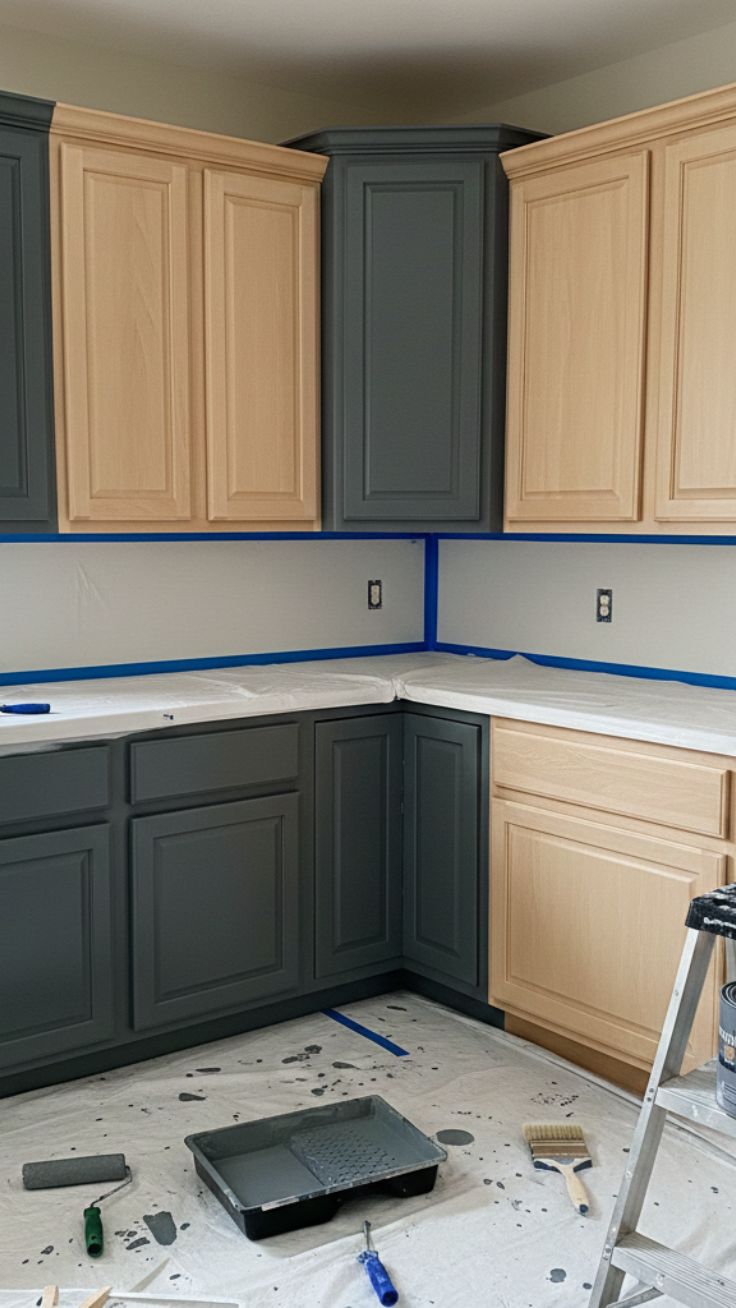
The first step in learning how to organize kitchen cabinets layout is simple: take everything out. Yes, everything. It may look messy at first, but this step helps you see what you actually own.
Place similar items together on a table or counter. Put plates with plates. Store baking tools together. Group spices, food containers, and cookware into separate piles. When you organize kitchen cabinets by category, it becomes much easier to decide where things belong.
Now check expiration dates. Many people discover old spices, expired snacks, or canned foods that should have been thrown away years ago. Removing expired food creates space right away.
Next, look for duplicates. Professional organizers often say duplicate items are one of the biggest causes of kitchen clutter. Many households own several measuring cups, spatulas, or water bottles that they rarely use. Decluttering before buying organizers is also a common tip from organization experts because storage products cannot fix clutter.
Ask yourself one question: “Do I actually use this?”
If the answer is no, donate it or recycle it when possible. Fewer items mean less mess and easier cleaning.
Once you declutter kitchen cabinets, you can build a layout that fits your daily routine instead of working around unnecessary stuff. This step creates the foundation for better kitchen storage solutions throughout your kitchen.
Create Kitchen Zones Based on Your Workflow
The easiest kitchens to use are organized around daily habits. Instead of storing items wherever there is space, keep them close to where you use them most.
This method is called organizing kitchen cabinets by zone, and it can make cooking much faster.
Start with a prep zone. Store cutting boards, knives, mixing bowls, and measuring tools near your main counter space. Everything you need for food prep should be easy to reach.
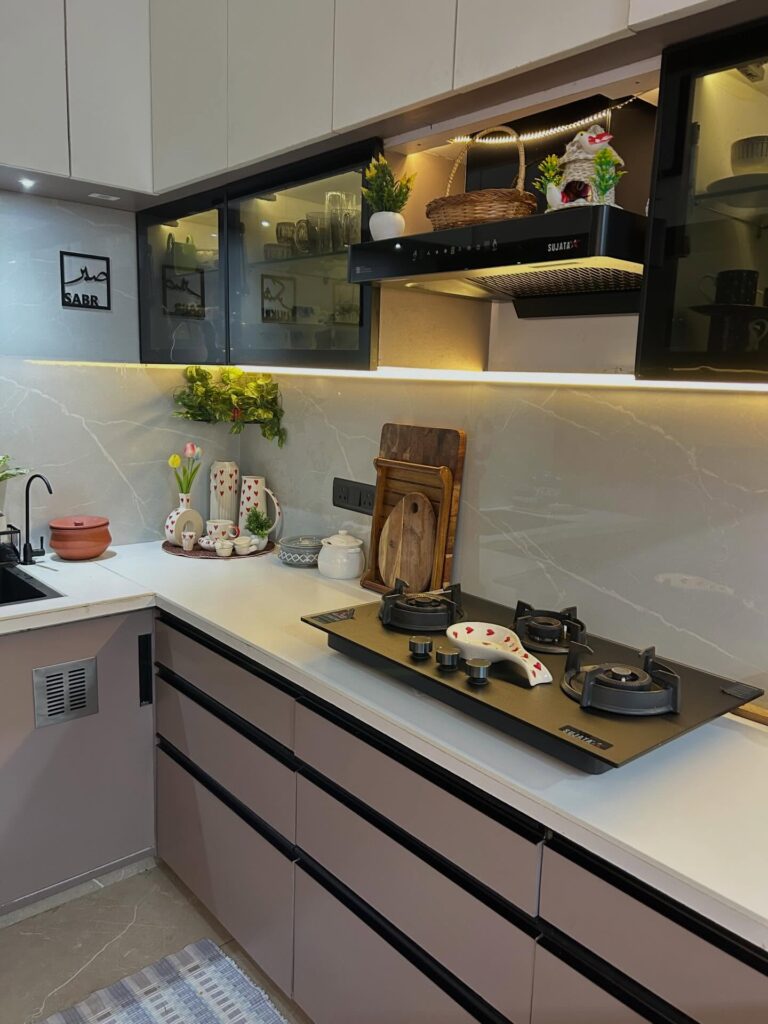
Next comes the cooking zone. Keep pots, pans, cooking oils, and spices close to the stove. You should not have to walk across the kitchen while cooking.
Create a baking zone if you bake often. Store baking sheets, mixers, flour, sugar, and cake tools together. This saves time and keeps ingredients organized.
Set up a cleaning zone near the sink or dishwasher. Store dish soap, cleaning supplies, trash bags, and towels nearby.
Finally, create a food storage zone. Pantry items, snacks, and dry goods should stay in one area for easy access.
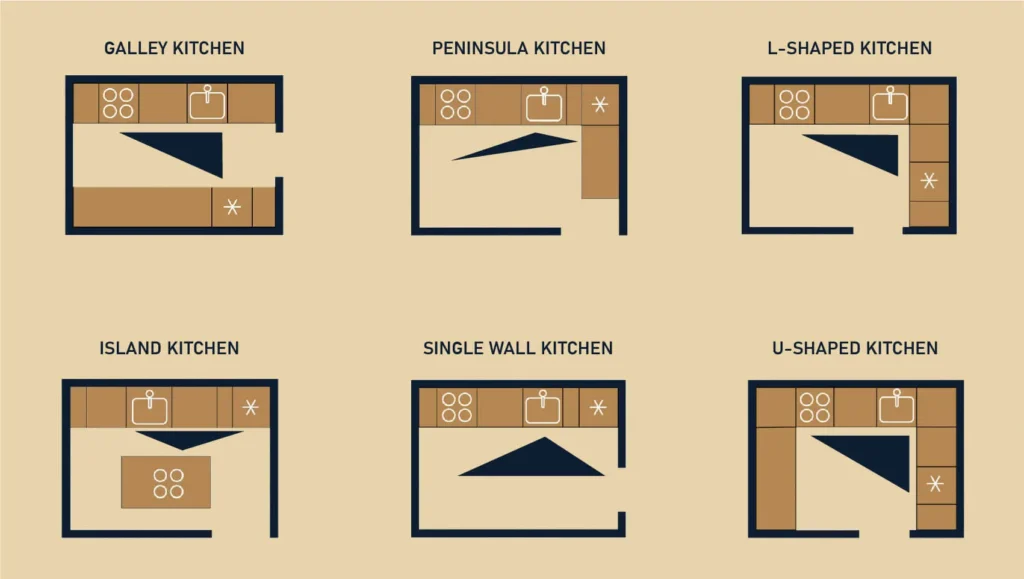
A popular kitchen design idea called the “work triangle” places the sink, stove, and refrigerator within easy reach. This reduces unnecessary movement and makes cooking more efficient.
Small changes can make a big difference. Store plates near the dishwasher to speed up unloading. Keep coffee supplies together if you make coffee every morning. Place frequently used spices beside your cooking area.
These simple kitchen layout ideas help your kitchen work with you instead of against you. Many of the best kitchen cabinet organization ideas are based on convenience, not perfection.
Use Prime Cabinet Space Wisely
Not all cabinet space is equal. Some areas are easy to reach, while others are harder to access. A smart kitchen cabinet layout puts the right items in the right place.
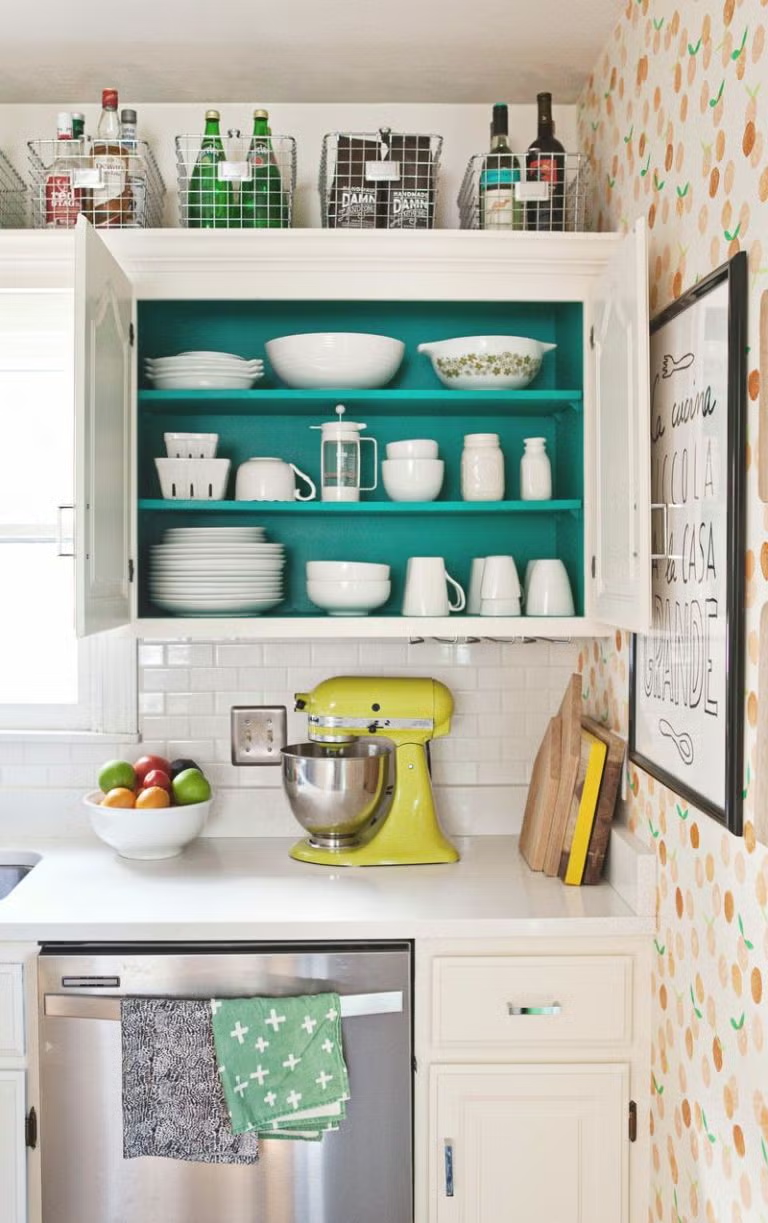
Start with eye-level cabinets. These are the easiest shelves to reach, so keep everyday items here. Store plates, bowls, glasses, and frequently used spices in these spaces. If you use something daily, it should be easy to grab.
Lower cabinets work best for heavy items. Store pots, pans, mixing bowls, and small appliances like blenders or slow cookers here. Heavy items are safer when stored lower because you do not have to lift them above your head.
Upper cabinets are better for items you use less often. Holiday dishes, serving trays, and specialty cookware can stay there until needed.
Hard-to-reach spaces should hold things you rarely use. Bulk supplies or seasonal items are good choices for these areas.
A simple rule can help you organize kitchen cabinets efficiently:
- Daily use = eye level
- Weekly use = middle shelves
- Rarely used = top cabinets
This method keeps your kitchen practical and easy to use. Many great cabinet storage ideas focus on accessibility instead of adding more storage.
When planning your kitchen cabinet layout, think about how often you use each item. The goal is not to fit more things inside your cabinets. The goal is to make everyday cooking easier.
Organize Corner Cabinets Without Wasting Space
Corner cabinets can become the most frustrating part of any kitchen. Items often get pushed to the back and forgotten for months.
The easiest way to organize corner cabinet spaces is to improve visibility and access.
Lazy Susans are one of the best solutions. A quick spin lets you reach oils, spices, or canned goods without digging through clutter.
Pull-out shelves are another smart option. They bring hidden items forward so nothing disappears in the back.
Corner cabinets also work well for bulky appliances like air fryers, stand mixers, or rice cookers that are used occasionally.
Avoid stacking deep containers on top of each other. When items are hidden, they are often forgotten.
Professional organizers often point out that deep cabinets create clutter because people cannot easily see what they own.
Good corner cabinet ideas focus on visibility. If you can see it, you are more likely to use it.
Simple changes can turn difficult spaces into useful storage areas while improving your kitchen storage solutions.
Add Smart Organizers That Actually Work
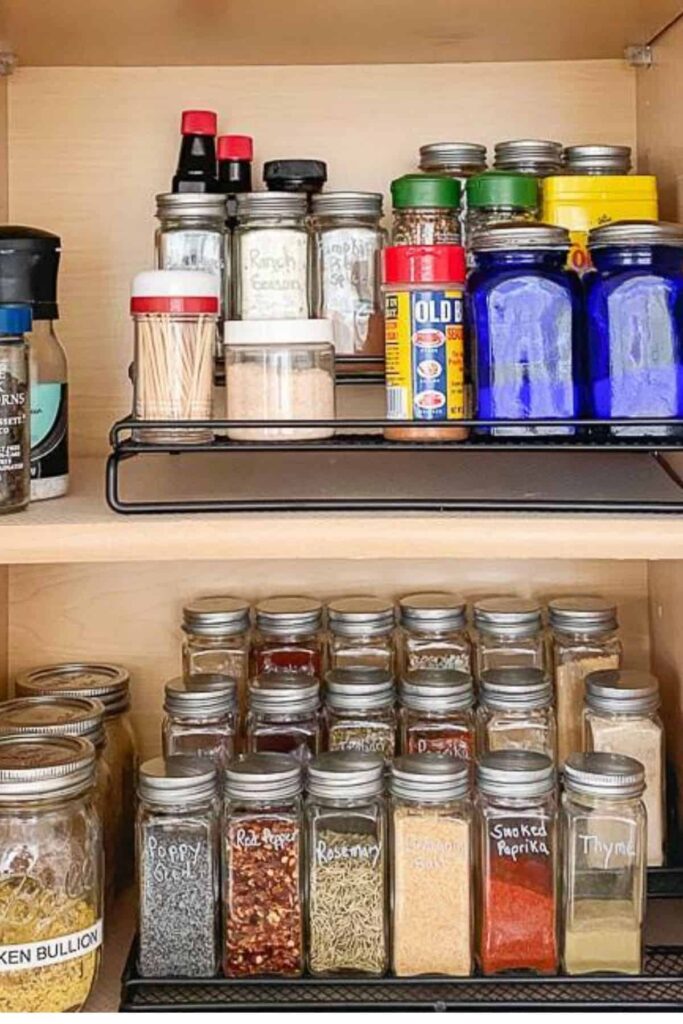
Storage products can be helpful, but only when used correctly. Buying organizers before decluttering usually creates more problems.
Choose organizers that solve a specific problem in your kitchen.
Lazy Susans work well for spices, condiments, and oils.
Drawer dividers keep utensils from becoming messy piles.
Tiered shelves help you see canned goods and spices more easily.
Pull-out baskets make deep cabinets easier to access.
Clear bins help group snacks, baking supplies, or pantry items together.
Vertical pan organizers keep baking sheets and cutting boards standing upright, making them easier to grab.
Many organization experts continue to recommend clear containers because visibility reduces forgotten items and food waste.
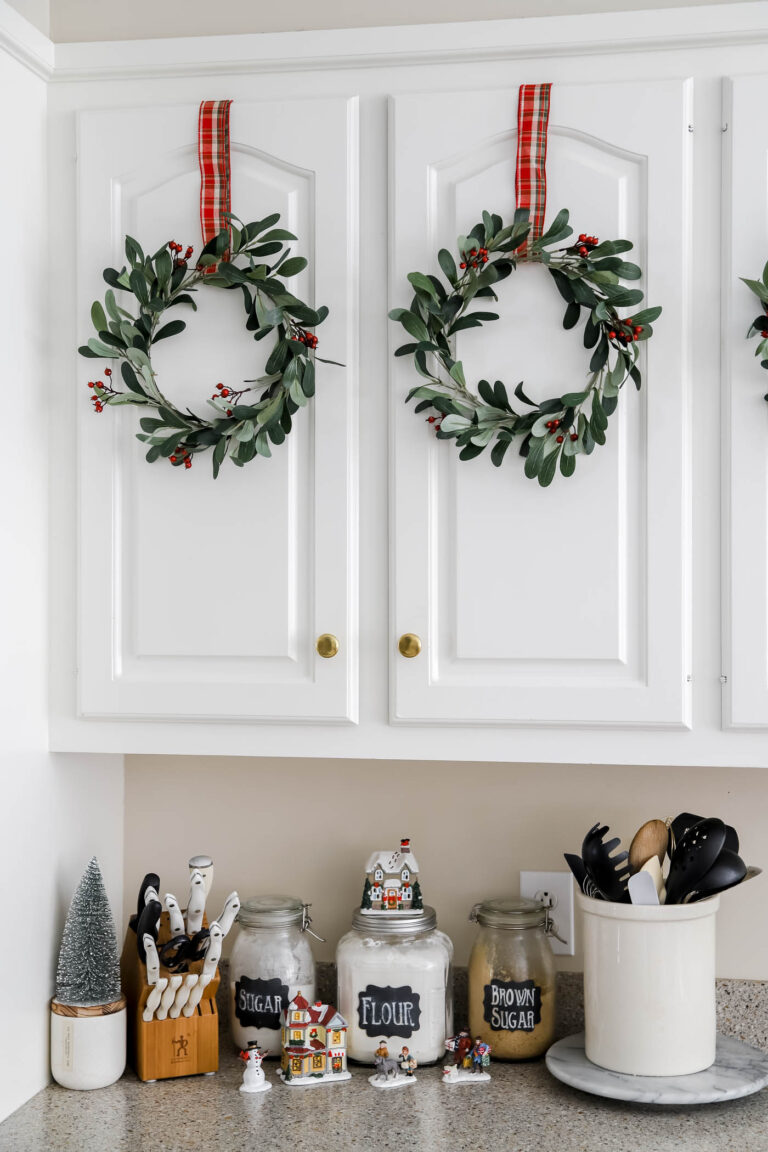
Labels can also help. When every item has a home, it becomes easier to keep the kitchen organized.
The best kitchen storage solutions are often simple. You do not need expensive systems to create an organized kitchen.
Focus on cabinet organizers that match your habits. A perfect system that nobody follows will not last.
Good kitchen organization ideas make daily life easier, faster, and less stressful.
Follow Food Safety Rules When Organizing Cabinets
Organization is not just about appearance. It also helps keep food safe.
Store dry goods in cool and dry areas away from heat sources. Cabinets near ovens or dishwashers may become warmer than you expect.
Food safety experts warn that bacteria grow quickly between 40°F and 140°F. This range is often called the danger zone.
The USDA recommends proper food storage practices to reduce foodborne illness.
Most dry storage areas work best between 50°F and 70°F. A cool pantry helps foods stay fresh longer.
Use clear containers for flour, rice, and cereal when possible. Label each container with its contents and purchase date.
Follow the FIFO method, which means “First In, First Out.” Place older products at the front and newer products behind them. This helps reduce waste.
Check expiration dates regularly. A quick monthly review can prevent spoiled food from taking up space.
Good pantry organization supports food safety and makes meal preparation easier.
These food storage tips help create a cleaner and safer kitchen cabinet organization system.
Create a Maintenance System That Lasts
A clean kitchen can become messy again very quickly. The secret is having a simple system that is easy to maintain.
Set aside five minutes each week to reset your cabinets. Return items to their proper places and throw away expired foods.
Once a month, take a quick look through your cabinets. Remove anything you no longer use.
Try the “one in, one out” rule. When you buy a new kitchen tool, donate or remove an old one. This prevents clutter from building over time.
Labels can also help family members know where things belong. Even simple labels make a big difference.
Involve everyone who uses the kitchen. An organizational system works best when the whole household follows it.
Professional organizers often say that successful systems are simple systems. Every item should have a designated home.
These habits help maintain organized cabinets without requiring hours of work.
The best kitchen organization system is one you can realistically keep using every day.
Small routines today can prevent major clutter tomorrow.
Conclusion
An organized kitchen does not happen by accident. It starts with removing what you do not need and creating a system that fits your daily routine.
Begin by decluttering. Create cooking zones that match the way you use your kitchen. Store frequently used items in easy-to-reach spaces. Add smart organizers where they truly help. Follow food safety guidelines and build simple habits that keep clutter away.
You do not need to reorganize your entire kitchen in one day. Start with one cabinet this week and build from there.
Explore More Kitchen Organization Guides
• How to Organize Kitchen Cabinets
• How to Organize Corner Cabinet
• Corner Pantry Ideas
• Coffee Station Ideas