How to Start a DIY Hydroponic System at Home (23 Smart Setups)

This post contains affiliate links, and we will be compensated if you buy after clicking on our links. Read our disclaimer.
Read our editorial process
Growing plants without soil might sound complicated, but it’s becoming more popular for small spaces and home setups. Many people want fresh herbs or vegetables but struggle with limited space, poor soil, or inconsistent results.
Traditional gardening can take time, effort, and the right conditions. Without that, plants often fail to grow properly, which can be frustrating for beginners.
The good news is you don’t need a backyard or perfect soil to grow healthy plants. With simple DIY hydroponic systems, you can grow efficiently using water-based setups right at home.
This article brings you 23 DIY hydroponic system ideas to help you grow smarter. Practical solutions for beginners and small-space gardening.
Let’s jump in!
Quick Note
A lot of DIY hydroponic setups fail for simple reasons, not complicated ones. People often add too much nutrient solution, place lights too far away, or choose a system that is harder to manage than their space allows. Start with one easy setup first, watch how the plants respond, and make small adjustments instead of changing everything at once. That usually leads to healthier growth and far fewer problems.
Mason Jar Hydroponics
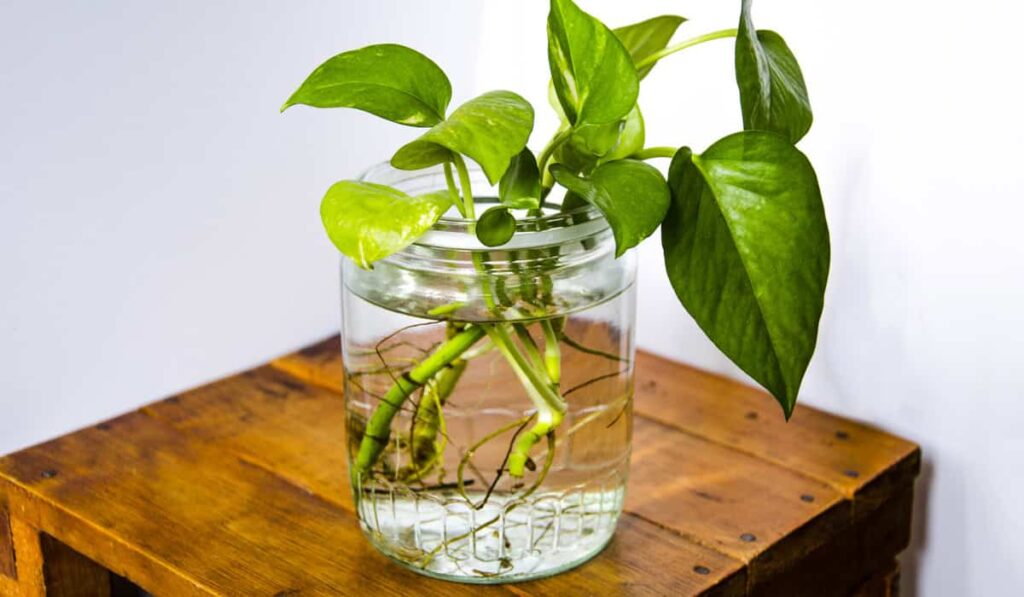
A mason jar setup works well for growing herbs in small spaces where natural light is limited to a windowsill or countertop area. The clear container paired with clay pebbles holding the plant in place keeps everything stable while roots stay submerged.
In daily use, this setup stays clean and compact, but direct sunlight can warm the water faster than expected. That often leads to faster algae buildup and weaker root clarity over time.
One thing I’ve noticed is that covering the lower half of the jar makes a big difference. It helps keep the water cooler and reduces algae without changing the setup itself.
PVC Pipe Hydroponics
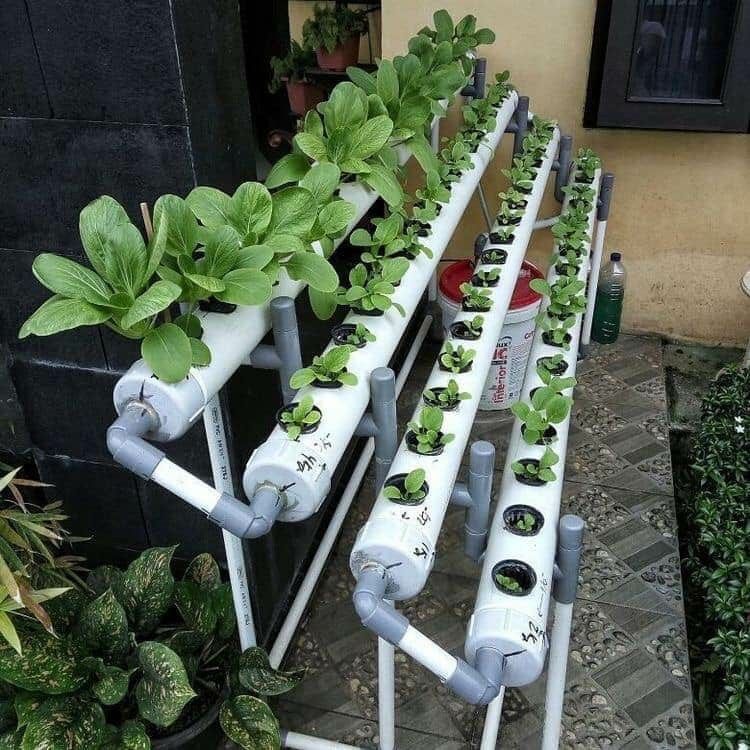
Using stacked PVC pipes is a smart way to grow more plants without taking up much room. The evenly spaced openings create a clean layout, making it easier to manage herbs, lettuce, and other compact crops in a limited area.
One thing that often gets overlooked is pipe alignment. If the pipes are not completely level, water can favor one side and leave certain plants with fewer nutrients. Keeping the structure balanced helps maintain even growth across every row.
Aquaponics Integration
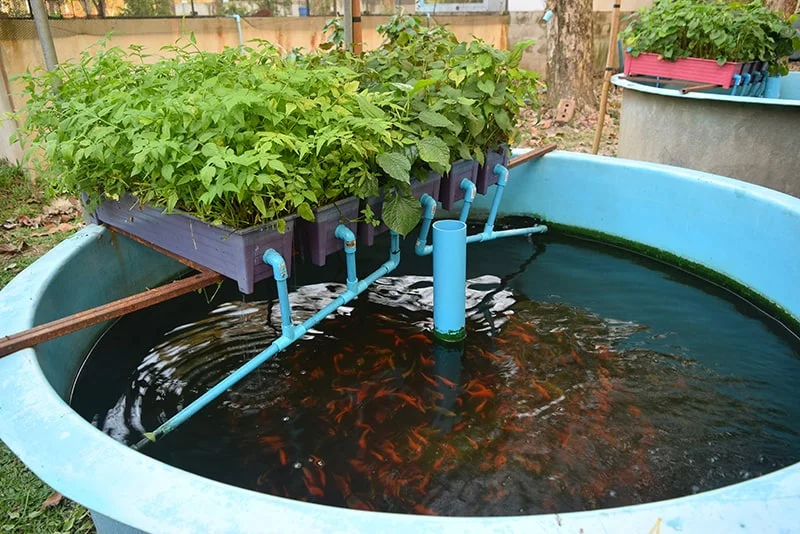
Combining fish and plants in one setup creates a self-supporting growing system that feels efficient and rewarding. A fish tank sits below while plants grow above, allowing nutrients to circulate naturally through the system.
The key to long-term success is maintaining balance. Too much fish food can quickly affect water quality and plant performance. Paying attention to feeding amounts and water clarity helps keep both sides of the system healthy.
Basic Kratky Method Setup
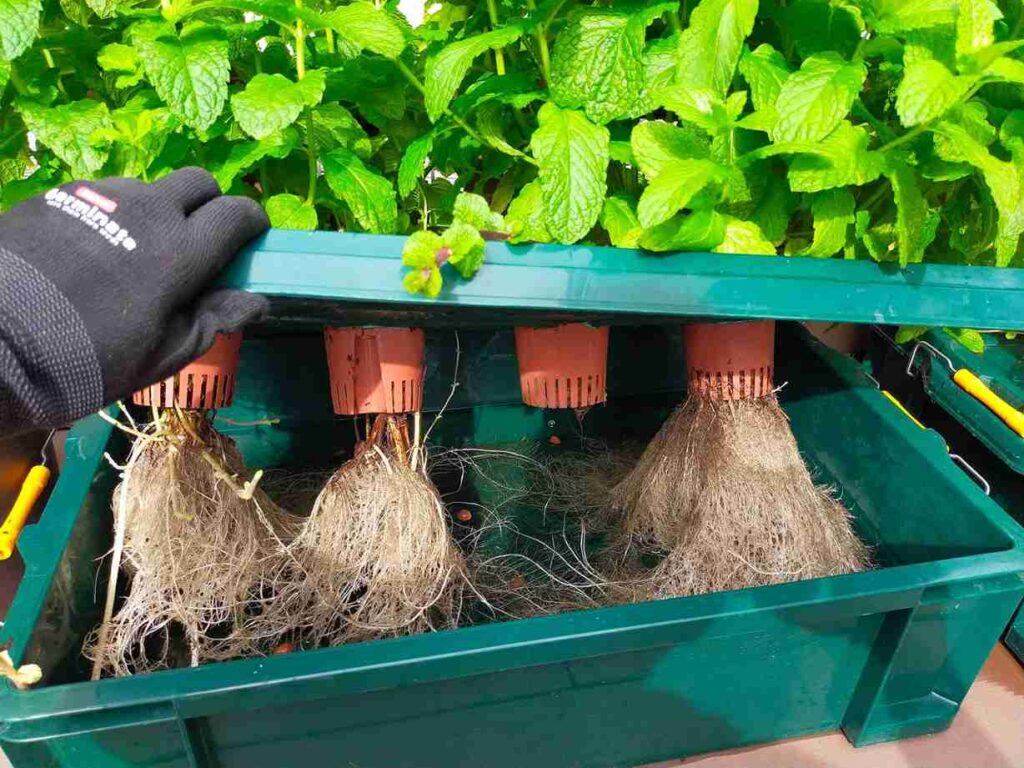
For growers looking for a simple approach, the Kratky method removes the need for pumps or moving parts. Plants sit in net pots above a nutrient solution and gradually extend their roots as the water level drops.
What makes this method work is the air gap that develops over time. That space allows roots to access oxygen while still reaching moisture below. Without enough room for airflow, plants can struggle to develop strong and healthy root systems.
Ebb and Flow System
This design relies on scheduled flooding and draining cycles to deliver nutrients directly to plant roots. The repeated movement of water encourages vigorous growth while also exposing roots to fresh air between cycles.
Success often comes down to proper timing. Flooding too often can leave young plants sitting in excess moisture, while longer intervals encourage better root development. A well-adjusted cycle creates steady growth and healthier plants.
Wicking Bed Hydroponics
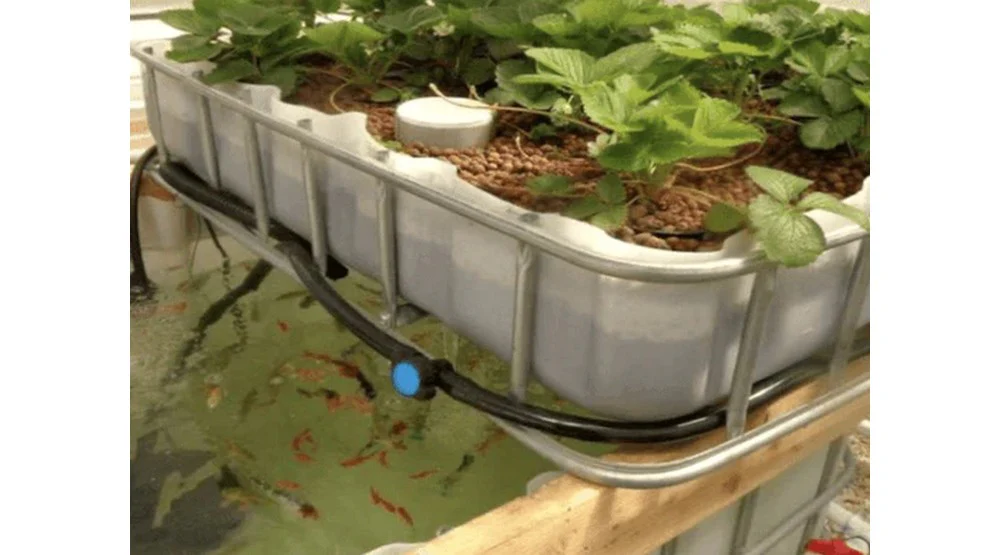
A wicking bed provides moisture from below, making it useful for gardeners who cannot monitor their system every day. Water stored in the reservoir gradually travels upward through the growing medium as plants need it.
The performance of this setup depends heavily on the wicking material used at the base. Materials that are too dense can hold excess moisture and reduce airflow around the roots. Choosing the right medium helps create consistent moisture without waterlogging.
Tower Garden Design
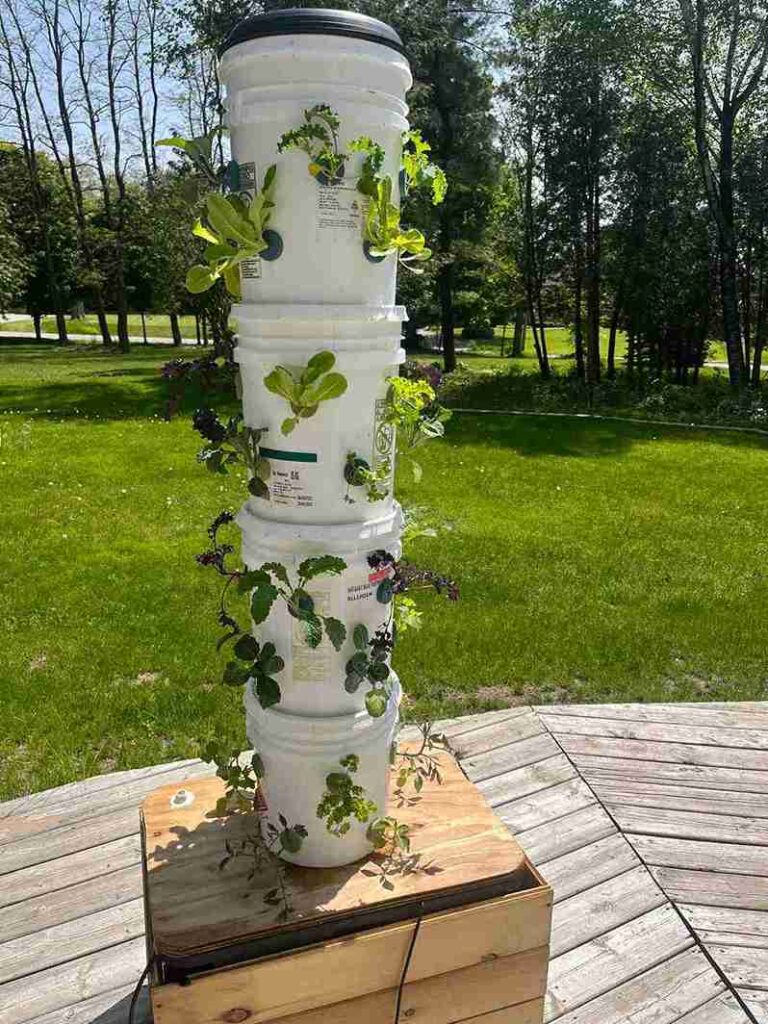
A vertical tower setup is useful when space is limited, especially in compact areas like small patios or tight balcony corners. The stacked structure with multiple planting slots around the tower allows more plants to grow without spreading outward.
Each level gets light from different angles, which helps maintain even growth. Over time, this setup maximizes yield in a small footprint, though lower tiers can receive less light in shaded spots.
One thing that improves results is rotating the tower occasionally. Without that, some plants may develop unevenly due to light exposure differences across sides.
Nutrient Film Technique (NFT)
NFT systems perform best in setups where you can maintain a consistent flow and stable surface for the channels. The design uses a slightly sloped pipe or tray where a thin layer of nutrient solution flows across roots.
Roots stay partially exposed, allowing them to take in both nutrients and oxygen. In real use, this method supports fast growth, though interruptions in flow can affect plants quickly.
From what I’ve seen, even a short pause in water movement can stress roots. Keeping the flow steady ensures plants continue growing without sudden slowdowns.
Deep Water Culture (DWC) System
This method suits indoor setups where you can manage constant water levels and controlled lighting conditions. Plants sit in net pots while roots hang directly into a nutrient-rich solution below.
With continuous access to nutrients, plants tend to grow faster and look fuller. However, without proper oxygenation, the system can feel heavy on roots, which may lead to slower development over time.
A small adjustment that helps is adding consistent aeration. Without enough oxygen, roots can struggle, and this affects overall plant strength more than most people expect.
Window Farm Project
A window farm fits naturally into homes where sunlight is limited to window areas rather than open outdoor space. The setup uses stacked containers or bottles aligned vertically along the window frame.
Plants receive light directly, while water circulates through each level. In daily use, this setup makes use of unused vertical space, though uneven sunlight can affect plant growth.
I’ve found that positioning matters more than expected. Even a slight shift away from direct light can cause some plants to grow more slowly compared to others in the same system.
Gutter Garden Hydroponics
Using gutters for plant growth works well in narrow outdoor spaces like fences or balcony walls, where ground space is limited. The long channel design with mounted brackets and a shallow growing layer keeps everything aligned and easy to manage.
Water and nutrients move across the gutter, allowing roots to spread evenly along the length. In practice, this setup makes plant care more organized, though shallow depth can restrict larger root systems.
One thing that often gets overlooked is drainage spacing. If water collects at one end, it can cause uneven moisture levels and affect plant consistency across the gutter.
Quick Checklist
– Pick a system that fits your space and daily routine, not the most advanced one.
– Check light distance regularly, too far reduces growth more than most expect.
– Keep water levels stable instead of topping up randomly throughout the week.
– Use simple plants first, like lettuce or herbs, before trying fruiting plants.
– Watch root condition closely; it usually shows problems before the leaves do.
Hydroponic Greenhouse
A greenhouse setup is useful when you want more control, especially in areas with changing weather or inconsistent outdoor conditions. The enclosed structure with rows of evenly spaced plants under filtered light helps maintain stable growth.
Inside, temperature and humidity stay more balanced, which supports continuous production. Over time, this leads to more reliable plant output, though poor airflow can cause buildup of excess moisture.
From what I’ve seen, adding proper ventilation early makes a difference. Without it, humidity can rise quickly and affect plant health even when everything else looks correct.
Self-Watering Hydroponic Pots
These pots work best in setups where daily watering is not practical, such as busy indoor spaces or work areas. Each container uses a lower reservoir that feeds moisture upward into the growing medium.
Plants pull water as needed, which keeps the environment stable without constant input. In real use, this reduces maintenance effort, though overfilled reservoirs can lead to overly damp conditions.
A small adjustment that helps is checking water levels instead of topping up too often. Excess water can keep roots too saturated and slow down healthy growth over time.
Hydroponic Fish Tank Garden
A hydroponic fish tank garden brings food production and aquatic life together in one compact setup. Plants grow above the tank while nutrient rich water circulates through the system, creating a functional display that works well indoors.
The biggest advantage is natural nutrient recycling. Fish waste supports plant growth, and the plants help filter the water. Regular attention to feeding schedules and water quality keeps both the fish and crops thriving.
Hanging Hydroponic Planters
Not every hydroponic system needs shelves or large containers. Hanging planters make use of unused overhead space, turning balconies, patios, or sunny corners into productive growing areas.
Accessibility matters more than many people expect. Keeping containers at a similar height and within easy reach simplifies maintenance and watering. This leads to more consistent plant growth and healthier roots over time.
Homemade Aeroponic System
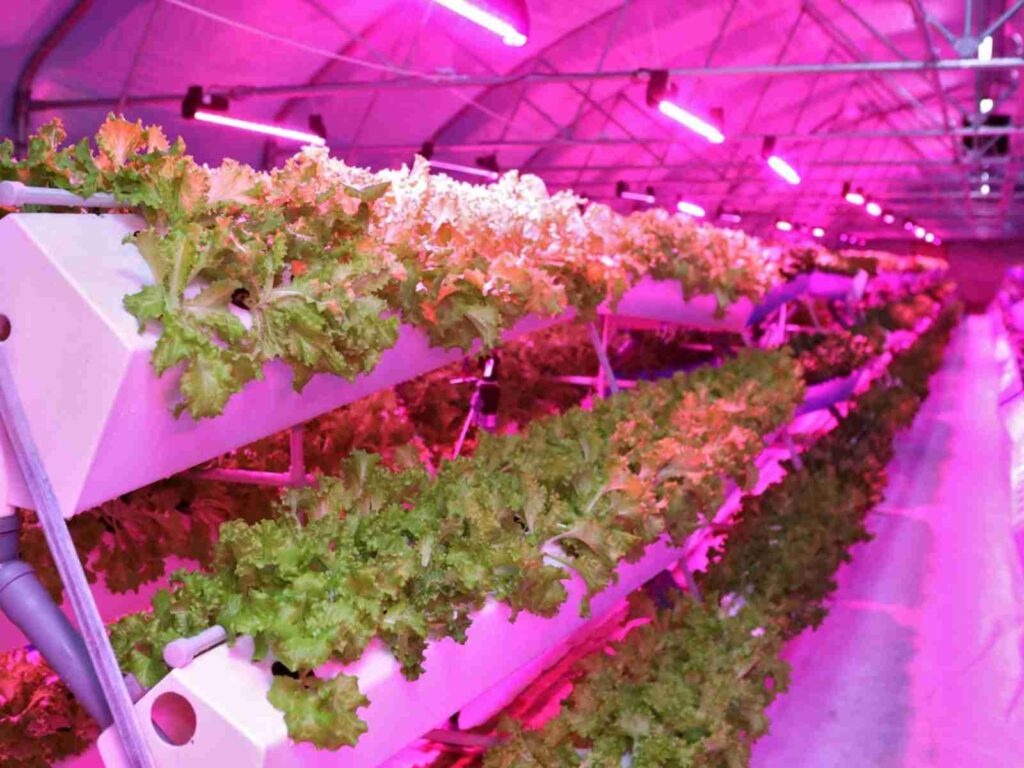
Instead of sitting in water, plant roots hang freely while a fine nutrient mist surrounds them. This approach increases oxygen exposure and often encourages faster development than many traditional hydroponic designs.
Reliable misting is the foundation of success. Even a minor issue with clogged spray nozzles can reduce nutrient delivery. Routine cleaning helps maintain uniform mist coverage and steady growth throughout the system.
Floating Hydroponic Raft
A floating raft system keeps plants suspended above a nutrient reservoir using a lightweight platform. Roots remain submerged below, allowing crops to access water and nutrients around the clock.
Water conditions play a major role here. Monitoring reservoir temperature helps prevent oxygen loss and root stress. Cooler water generally supports stronger root development and stable plant performance.
Vertical Hydroponic Wall
Turning a wall into a growing space is an efficient way to maximize production in a small footprint. Rows of plants are stacked vertically, creating a living display that also saves valuable floor space.
Light distribution becomes more important as the structure grows taller. Adding supplemental lighting near lower levels helps ensure every section receives enough exposure. This promotes balanced growth from top to bottom.
Strawberry Hydroponic System
Growing strawberries this way works well in controlled indoor setups or covered outdoor areas with steady light exposure. Plants are placed in dedicated slots that keep fruit elevated and roots fed through nutrient solution.
This setup keeps the fruit clean and easier to harvest compared to soil methods. In daily use, it produces consistent yields, though strawberries require more attention than leafy greens.
One thing I’ve seen is that airflow matters more than expected. Without enough circulation, moisture can build up around the fruit and affect overall quality over time.
Hydroponic Salad Bar
A salad bar system fits naturally in kitchens or indoor spaces where you can maintain consistent lighting throughout the day. The setup uses grow trays under artificial lights with a shared nutrient reservoir below.
Leafy greens grow quickly in this environment, making it easy to harvest regularly. In real use, this keeps a steady supply of fresh greens, though nutrient balance needs attention.
I’ve found that checking nutrient levels regularly makes a clear difference. When levels drop slightly, plants can lose color and slow down sooner than expected.
Recycled Hydroponic Systems
Using recycled containers works well in setups where budget is limited or materials need to be sourced from everyday items at home. The system uses items like jars, cans, or plastic bottles converted into plant holders with basic modifications.
Plants grow just as effectively when containers are cleaned and prepared properly. In real use, this reduces cost while still supporting healthy growth, though improper drainage can affect results.
I’ve noticed that skipping small steps like cleaning or adding drainage holes causes issues later. Even simple containers can hold excess moisture and impact root health if not prepared carefully.
Mesh Net Pot Design
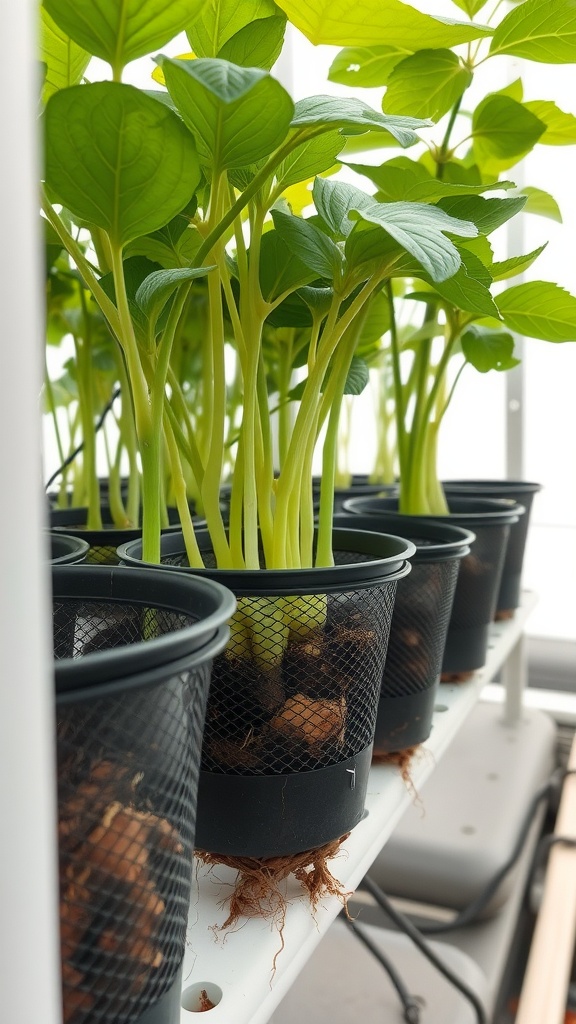
Mesh net pots are commonly used in setups where root exposure and airflow are important for plant development. The design features open slots that hold the growing medium while allowing roots to extend outward freely.
This structure improves oxygen access, which supports stronger root systems over time. In practice, it encourages faster development, though using the wrong medium can limit effectiveness.
From experience, pairing these pots with a loose medium works best. Dense materials can block airflow, which reduces the benefit of the open design and slows root expansion.
LED Hydroponic Grow Lights
LED lighting is essential in setups where natural sunlight is not consistent or completely unavailable indoors. These lights provide controlled spectrum output placed directly above plant rows to support growth stages.
Plants receive steady light without excessive heat, which helps maintain stable conditions. Over time, this supports consistent indoor growth, though incorrect placement can reduce effectiveness.
One thing I’ve seen often is lights placed too far from plants. Even strong LEDs lose intensity with distance, which can lead to slower growth despite proper nutrient supply.
Final Advice
With DIY hydroponic system ideas, progress comes from small, steady improvements rather than big changes. It’s better to understand one setup well than to try multiple systems at once. Pay attention to how your plants respond, adjust light, water, or nutrients gradually, and give each change time to show results. Over time, these small adjustments lead to a setup that feels stable, manageable, and consistently productive.
Frequently Asked Questions
1. Is a DIY hydroponic system good for beginners?
Yes, many setups are beginner-friendly if you start simple. Systems like mason jars, Kratky, or self-watering pots require minimal equipment and are easier to manage. The key is not overcomplicating the setup early on. Once you understand how water levels, light, and nutrients work together, it becomes much easier to scale or try more advanced systems.
2. What plants grow best in hydroponic systems?
Leafy greens and herbs tend to perform the best. Lettuce, basil, mint, and spinach grow quickly and adapt well to different setups. Fruiting plants like strawberries can also grow well but need more attention. If you are just starting, it helps to choose plants that grow fast and respond clearly to changes in light or nutrients.
3. Do hydroponic systems need a lot of maintenance?
Not always, but it depends on the type of system you choose. Passive setups like Kratky or wicking beds need less attention, while systems with pumps or misting require regular checks. Most issues come from ignoring small details like water levels or nutrient balance, which can affect plant growth faster than expected.
4. How often should you change the water or nutrients?
In most small setups, changing the solution every one to two weeks works well. However, this can vary based on plant size and system type. If you notice slower growth or changes in leaf color, it usually means the nutrient balance needs adjustment. Regular checks help prevent problems before they affect the entire system.
5. Can hydroponics work without sunlight?
Yes, hydroponics can work fully indoors using LED grow lights. These lights provide the spectrum plants need for growth. The placement and duration of lighting matter more than intensity alone. Keeping lights at the right distance and running them on a consistent schedule helps maintain stable and healthy plant development.
Conclusion
Setting up a hydroponic system at home often feels more complicated than it actually is. Most challenges come from trying to do too much too early or overlooking small details like light placement or water balance. Once you start with a simple setup and understand how plants respond, the process becomes much easier to manage.
These DIY hydroponic system ideas show that you do not need a large space or expensive equipment to grow successfully. With the right adjustments and a bit of consistency, you can build a system that fits your space and keeps producing fresh, healthy plants over time.
Grow a More Productive Garden
• DIY Duck Pond Ideas
• DIY Scarecrow For Garden
• DIY Bird House Ideas
• Modern DIY Mailbox Ideas