19 Brick Garden Edging Ideas That Instantly Make Gardens Look Polished

Maintaining a clear boundary between garden beds and lawn areas is a fundamental requirement for a well-kept landscape. Without a physical barrier, soil migration and encroaching grass can quickly blur the lines of an outdoor design, leading to increased maintenance and a cluttered appearance.
The perimeter of a garden is frequently undervalued, yet it is one of the most challenging areas to keep tidy over time. Real-world issues, such as heavy rain washing mulch onto walkways or invasive roots creeping into flower beds, make a durable edging material like brick a practical necessity rather than just a decorative choice.
A thoughtful approach to edging improves both the functional accessibility of a garden and its visual symmetry. When planned correctly, these borders provide a crisp frame for seasonal plantings while offering a stable surface for lawn equipment to run alongside.
There are numerous methods to implement these borders, ranging from simple flush-mount installations to more elaborate vertical stacks and patterned masonry. Each technique offers a different level of permanence and visual weight depending on the specific needs of the property.
1. Classic Straight Brick Edging

Have you ever just wanted your garden to look like it has its life together? That’s what this classic straight line does for me. I remember helping my uncle lay these down one summer, and the way it instantly made the yard look “finished” was wild. It’s perfect for those of us who like things neat but not fussy. If you’ve got a modern house or just a simple rectangular flower bed, this is your best friend.
Pro tip: lay them flat if you want to run your mower right over the edge without needing a weed whacker later!
2. Curved Brick Edging
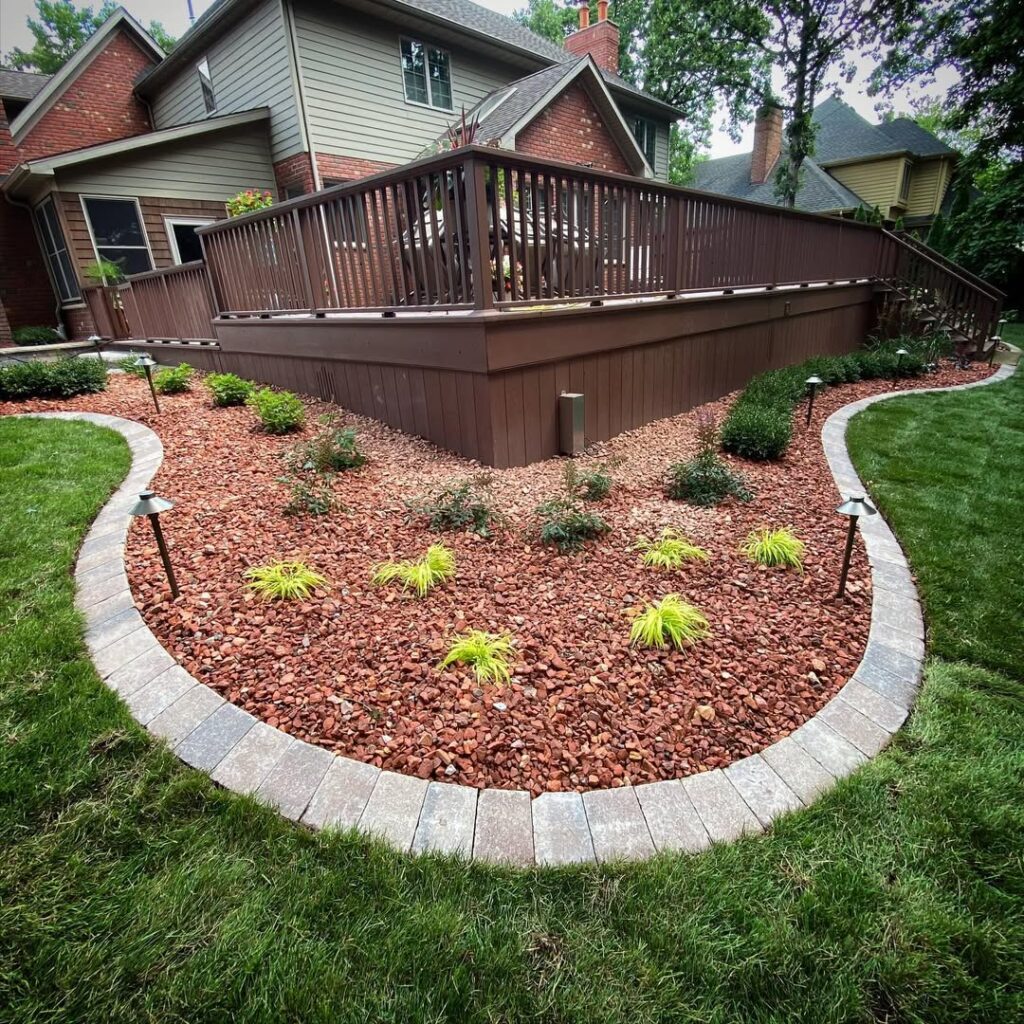
Doesn’t this just feel like a deep breath? I’m lowkey obsessed with how a curve can make a backyard feel like a hidden path in the woods. If your garden has a personality that’s a bit more “go with the flow,” you have to try this. It mimics the way water moves or how a trail winds through the brush.
I’d pair this with some tall, flowing grasses—letting them lean over the brick a little makes the whole vibe feel soft and dreamy.
3. Raised Brick Edging
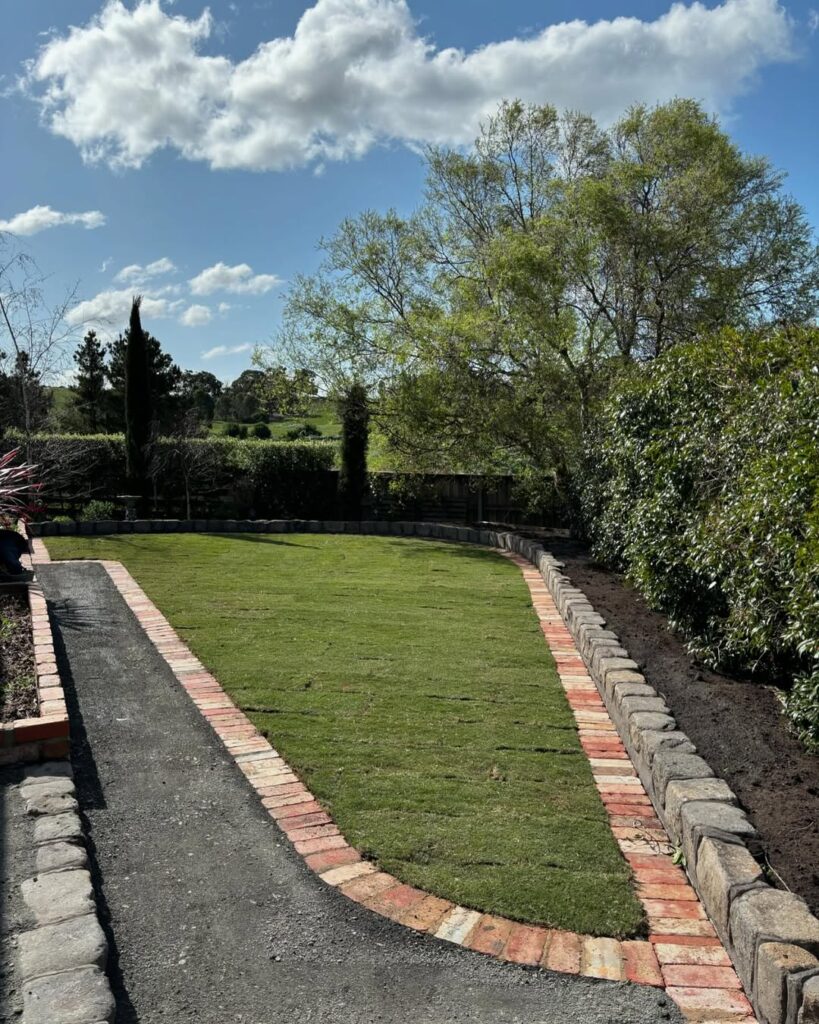
Okay, let’s talk about drama! If you want your prize-winning peonies to actually get the attention they deserve, you need to lift them up. I love this for preventing that annoying “mulch slide” after a big storm. It’s like a little fortress for your plants.
If you’re like me and your back isn’t what it used to be, having that extra bit of height also makes weeding just a tiny bit easier. Try stacking them two or three high for a look that feels really solid and intentional.
4. Brick and Gravel Combination
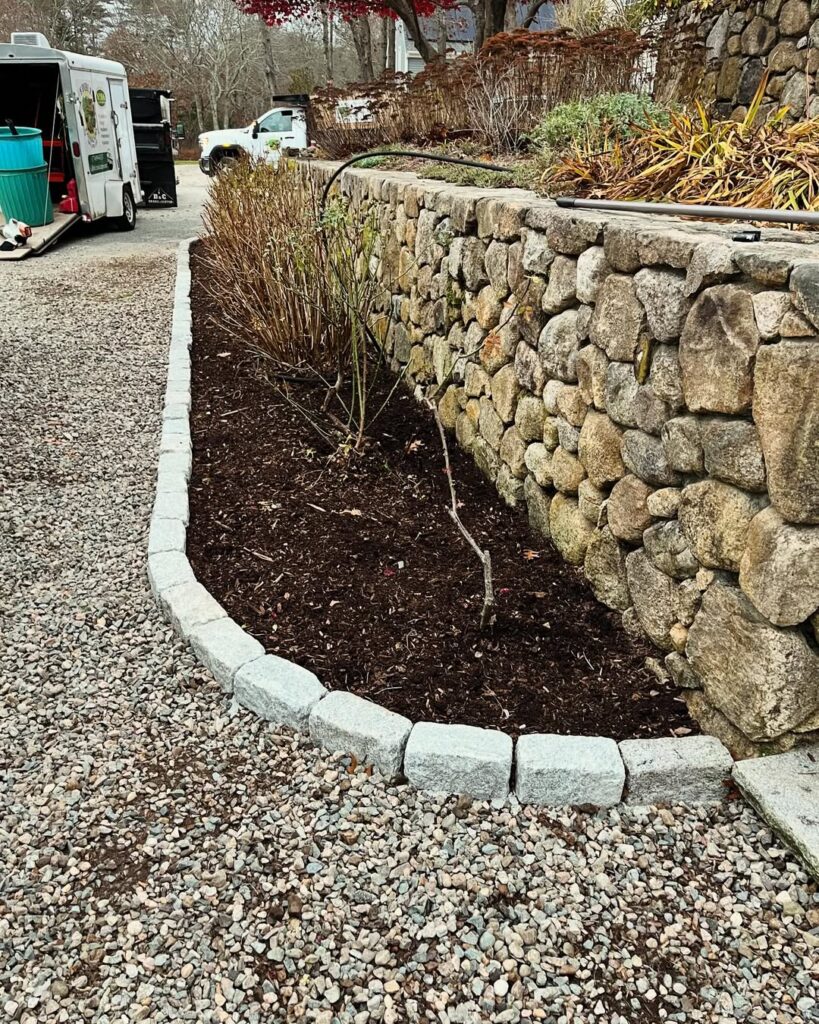
This gives me major “modern desert” vibes, and I am here for it. Why settle for one texture when you can have two? I’d use this in a spot that stays a bit damp, because that gravel helps so much with drainage.
It’s a very “cool neighbor” look—super clean but still feels grounded. I’d throw some succulents in there or maybe some lavender. The way the red of the brick pops against grey river stones? Chef’s kiss.
5. Basketweave Brick Edging
Can we just appreciate the craftsmanship here? My grandmother had a patio like this, and I used to trace the patterns with my toes. It feels a bit vintage, like a cozy cottage garden that’s been there for a hundred years. It takes a second longer to lay out, but the texture is so satisfying.
If you’ve got an older home or you just love that “shabby chic” energy, this is the one. It’s a conversation starter for sure.
6. Angled Brick Edging
This is for the bold souls out there. Setting bricks on their side at an angle—some people call it “sawtooth”—gives your garden a literal edge. It’s cheeky and high-energy. I think it looks amazing when the sun hits it and creates all those little triangular shadows. Just a heads-up: it’s a bit trickier to mow around, so maybe save this for a spot where you’re okay with a little hand-trimming on a lazy Sunday afternoon.
7. Stacked Brick Pillars
If you’re looking for a way to make your entrance feel a bit more “grand,” these pillars are the move. It’s such a boss way to mark the end of a garden bed or the start of a path. You don’t have to build them huge—even just a foot tall makes a massive difference. I love the idea of putting a little solar lantern or a potted trailing vine right on top. It adds that architectural “oomph” without needing a whole construction crew.
8. Zigzag Brick Edging
This is just pure fun. It breaks up the boring straight lines and makes the yard feel like it has some rhythm. If you have a small space, the diagonal lines actually trick your eyes into thinking the garden is bigger than it is. I’m a fan of using slightly different shades of brick here to really make that “zig” and “zag” stand out. It’s playful, and honestly, gardening should be fun, right?
9. Brick Garden Edging with Turf
For my “keep it simple” crew, this is the winner. By setting the bricks flush with the grass, you get this super sleek, high-end look that’s also incredibly practical. It’s like a frame for a picture. I love how the green of a healthy lawn looks right up against the deep red or orange of the brick. It’s low-profile but high-impact, and your mower will thank you.
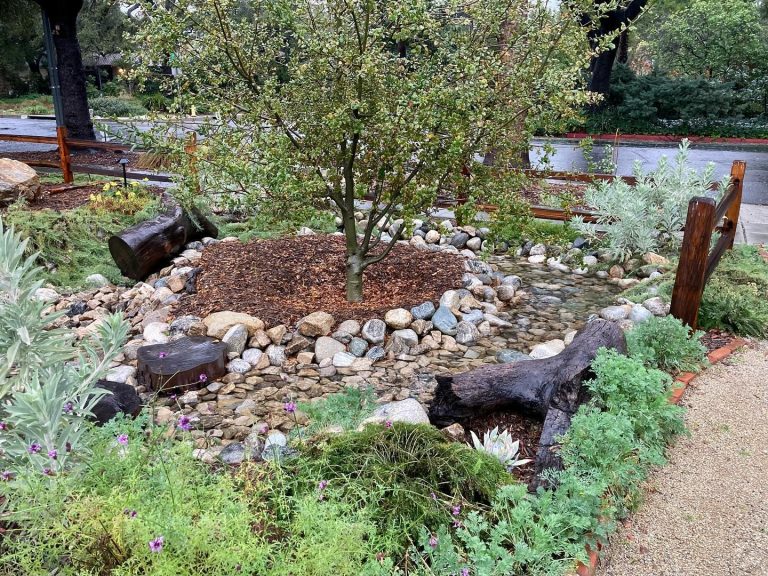
10. Semi-Circular Brick Edging
Ever have a tree that looks a bit lonely in the middle of the yard? Wrap a semi-circle of bricks around it! It creates this beautiful little island of calm. I’ve seen people do this around birdbaths or fire pits too, and it just makes the whole area feel “meant to be.” It’s soft, it’s inviting, and it’s a great way to use up those extra bricks you might have laying around from another project.
11. Vertical Brick Edging
This feels very “big city loft” but in a garden. Standing the bricks up on their ends creates these tall, slim lines that feel really sophisticated. It’s a great way to gain some height without the bulk of a full wall. I’d use this to border a path where you’ve got some “spillers”—you know, those plants that like to flop over the edge. The vertical bricks hold them back just enough.
12. Brick Edging with Stone Inlays
I’m all about that “found in nature” look. Mixing bricks with raw stones feels very grounded and earthy. It reminds me of the riverbeds back home where the smooth rocks meet the red earth. It’s not about being perfect; it’s about the contrast. This is a “no-stress” design—if a stone is a little crooked, it just adds to the charm.
13. Brick Edging with Cement Grouting
If you’re the type who likes everything “just so,” you’ll love the finished look of grouted bricks. It’s permanent, it’s sturdy, and it looks like a professional did it. No weeds are popping through those cracks! It gives a very clean, “estate” vibe to the garden. I’d do this around a front walkway to really boost that curb appeal—it tells the neighbors you really care about the details.
14. Brick Edging with Wood Accents
This is such a warm, cozy combo. The “sturdiness” of the brick meets the “softness” of the wood. It feels very Pacific Northwest or mountain cabin. I’d use some cedar or reclaimed wood to keep it eco-friendly. It’s the kind of look that makes you want to grab a coffee and sit on the porch just to stare at your yard for a while.
15. DIY Brick Garden Path Edging
Is there anything better than a clear path? Using bricks to line a walkway makes your garden feel like a destination. It guides your feet and keeps the dirt where it belongs. I did this for a little herb garden path once, and it made the whole space feel like a professional botanical garden. Plus, it’s a great weekend project you can totally knock out with a friend and a couple of cold drinks.
16. Recycled Brick Edging
I love a good story, don’t you? Using old, chipped, or “distressed” bricks from a demolition site or a backyard bin is so soulful. Each brick has a history. It gives your garden that “lived-in” feel immediately—no waiting ten years for it to look established. It’s eco-conscious, it’s affordable, and it looks incredibly cool.
17. Stepping Stone Brick Edging
This is for the explorers. Integrating bigger flat stones into your brick line means you can hop right into the bed to prune a rose or check on a tomato without squishing your soil. It’s functional art. I’m lowkey obsessed with how it breaks up the visual weight of a long brick line. It feels very intentional and thoughtful.
18. Decorative Mosaic Designs
Alright, let’s get creative! If you’ve got some broken pottery or colorful pebbles, you can turn your brick edging into a literal masterpiece. It’s a way to put your own heartbeat into the landscape. It doesn’t have to be a whole mural—even just a little pattern every few feet is enough to make people stop and say, “Wow, did you do that?”
19. Brick Edging with Gravel Trenches
This is the ultimate “clean girl” aesthetic for gardens. A row of bricks, a little channel of gravel, and then another row of bricks. It’s so architectural and sharp. It’s also a secret weapon for drainage. If you live somewhere where it rains a ton, this trench helps move water away from your plant roots. Form and function at its best!
FAQ
How Do I Choose The Right Brick For My Climate?
When you’re picking out your bricks, you really have to think about where you live. If you’re in a spot where the ground freezes and thaws a lot, you’ll want “severe weather” grade bricks. Regular interior bricks might look cute, but they’ll crumble like a dry cracker after one hard winter. Look for something labeled for outdoor use or “paver” grade. These are fired at higher temperatures and can handle the moisture and the cold without falling apart on you.
Should I Use Mortar Or Just Dry-Lay The Bricks?
This really depends on how much of a commitment you’re ready for! Dry-laying (just setting them in a trench of sand or dirt) is awesome because it’s easy to change later if you decide to expand your garden. Plus, it’s a lot cheaper. But, if you want that “set it and forget it” stability where the bricks don’t budge even when you step on them, go for mortar or a specialized landscape adhesive. Just remember, once you mortar, those bricks are staying put!
How Do I Keep My Brick Edging From Sinking?
The secret isn’t actually the bricks—it’s what’s underneath them. If you just toss bricks on top of the grass, they’re going to disappear into the mud within a season. You’ve gotta dig a shallow trench and fill it with a couple of inches of leveled-out crushed stone or coarse sand. Think of it like a foundation for a house, just smaller. This keeps the water draining away so the soil stays firm, and your beautiful edge stays nice and level for years.
Conclusion
Brick edging is honestly such a timeless way to give your outdoor space some soul and structure. Whether you go for those sharp, modern lines or something a bit more weathered and “lived-in,” it’s one of those projects that pays off every single time you look out the window. It defines your hard work and keeps your garden looking like a sanctuary instead of a chore.
If any of these ideas sparked a “hey, I could do that!” moment, I’d love for you to share this with your friends and family! Maybe you’ll even find a buddy to help you haul some bricks this weekend. Happy gardening!
Would you like me to create a step-by-step guide on how to install one of these specific styles?