Simple Tips for Mixing Vintage and Modern Decor (Without Making It Look Confused)

I’ll be honest. The first time I tried mixing vintage and modern decor, it looked like two different apartments collided and refused to speak to each other.
A sleek modern sofa. A super ornate antique mirror. A random brass lamp. It wasn’t layered. It was… chaotic.
But once I figured out how to balance old and new properly, everything changed. My space started feeling warmer, more personal, and way less “catalog showroom.”
If you’re trying to mix vintage and modern decor without second-guessing every piece, here’s what’s actually worked for me.
1. Understand the Vibe of Each Style (So You’re Not Guessing)
Before you mix them, you need to know what you’re mixing.
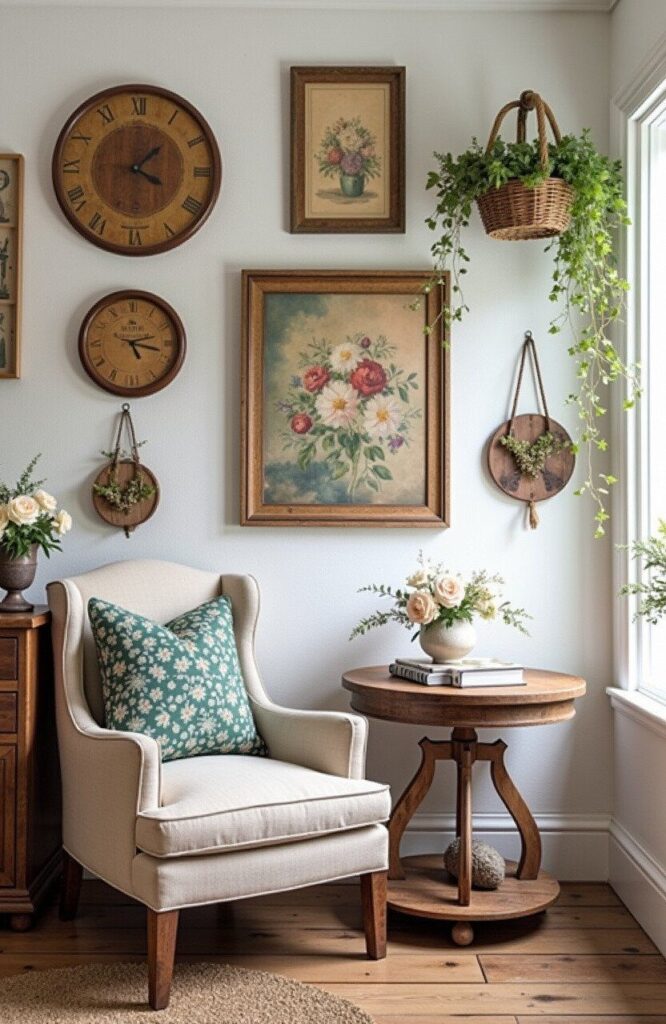
Vintage decor usually brings:
- Warm wood tones
- Curves and detailed craftsmanship
- Patterned fabrics
- Brass, aged metals, texture
Modern decor leans toward:
- Clean lines
- Neutral palettes
- Smooth surfaces
- Glass, metal, minimal shapes
The magic happens when one style leads and the other supports.
In my living room, modern is the base. Neutral sofa, simple coffee table, clean walls. Then I layer vintage accents over it. That contrast feels intentional instead of accidental.
If you try to make both styles scream at the same volume, the room gets confused fast.
2. Start With One Statement Piece (Don’t Do Everything at Once)
You do not need to redo your whole house.
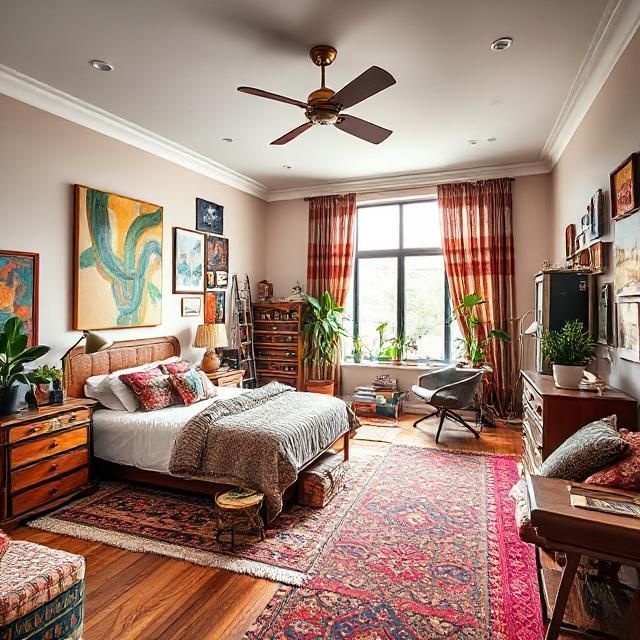
When I started, I added one vintage piece to my mostly modern room: a slightly dramatic gold-framed mirror. It instantly changed the energy without overwhelming anything.
Try:
- A vintage rug under a modern sectional
- An antique side table next to a sleek sofa
- A funky old lamp beside a minimalist console
Let one piece shine. Live with it for a bit. Then layer slowly.
This isn’t speed decorating. It’s personality building.
3. Watch the Scale (This Is Where Most People Mess Up)
I learned this the hard way.
A tiny antique side table next to a massive modern sectional? It looked like the table lost a fight.
Scale matters.
If your modern furniture is bulky, your vintage pieces should hold their own. Chunky vintage dressers, substantial mirrors, bold lamps. They balance better.
And if you find a smaller vintage piece you love, pair it with larger artwork or a taller lamp so it doesn’t feel swallowed.
Think visual balance, not matching sets.
4. Mix Shapes to Keep It Interesting
This is honestly the fun part.
Modern furniture often has sharp lines and clean silhouettes. Vintage pieces usually bring curves and softer shapes.
Put them together and suddenly the room has rhythm.
One of my favorite combos:
- Curvy vintage armchair
- Sleek glass coffee table
It feels playful without trying too hard.
If everything in your space has straight edges, add something rounded. If everything feels ornate, bring in one simple, clean-lined piece to calm it down.
Contrast creates interest.
5. Let Texture Do Some of the Work
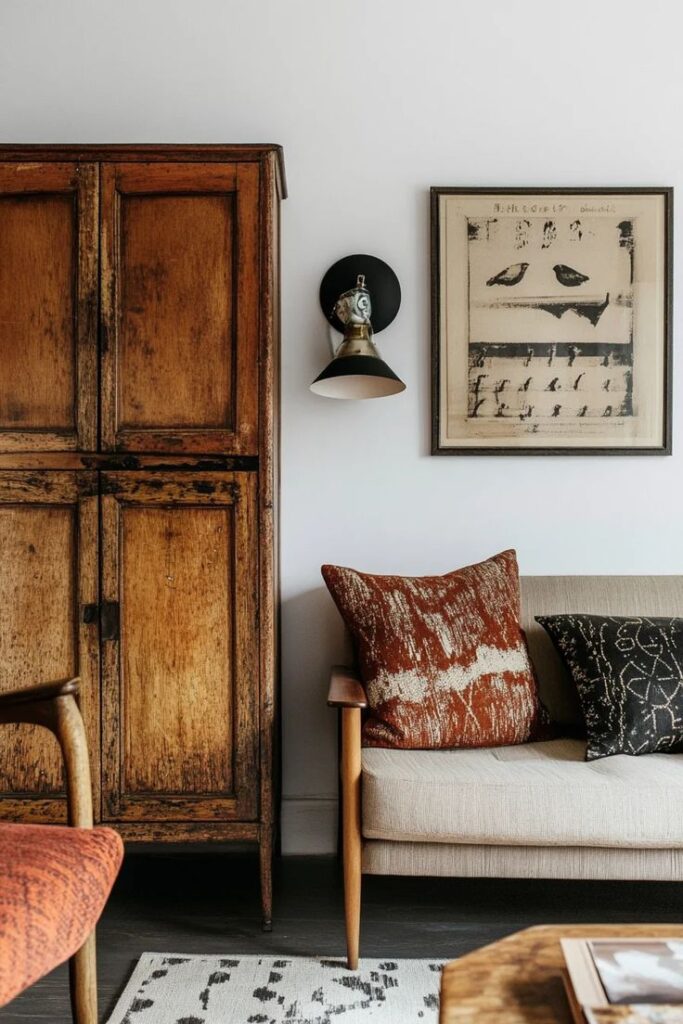
If you’re nervous about mixing styles, focus on texture first.
Layer:
- A chunky knit throw on a smooth modern sofa
- A vintage Persian-style rug under a minimalist dining table
- Velvet pillows against a clean leather chair
Texture softens modern spaces and keeps vintage pieces from feeling heavy.
When I added a vintage wool rug to my neutral living room, it didn’t just look better. It felt better. Cozier. Warmer. Less flat.
Sometimes texture matters more than color.
6. Keep Your Color Palette Tight
This is huge.
If you’re mixing vintage and modern decor, too many colors can make it feel chaotic fast.
I stick to about three core tones in a room. For example:
- Warm wood
- Soft cream
- Muted green
Even if the styles are different, repeating colors ties everything together.
So if your vintage lamp has brass details, maybe echo that brass in a modern tray or picture frame.
Small repetitions make the mix feel deliberate.
7. Update Vintage Pieces (Without Erasing Their Soul)
You don’t have to leave vintage finds exactly as they are.
I once reupholstered an old chair in a modern neutral fabric and it became my favorite piece in the room. Still vintage, but refreshed.
You can:
- Change hardware on a vintage dresser
- Swap lampshades for cleaner silhouettes
- Refinish wood lightly if it’s too orange or too dark
The goal isn’t to strip the character. It’s to help it live comfortably next to modern pieces.
8. Mix Lighting for Instant Balance
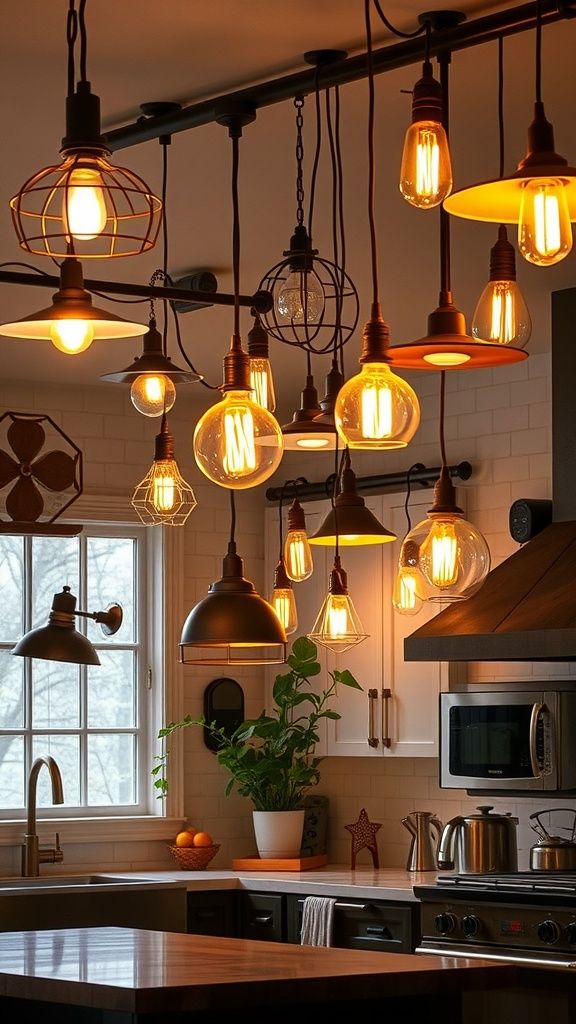
Lighting is such an underrated trick.
A vintage chandelier in a modern dining room? Gorgeous.
A minimalist pendant over an antique table? So good.
One of my favorite moves is pairing a modern floor lamp with an ornate side table. It feels curated instead of predictable.
Also, if you want an easy upgrade: swap old, fussy lamp shades for simple, crisp ones. Instant update.
9. Add Small Vintage Touches If You’re Nervous
You don’t have to commit to a giant antique cabinet on day one.
Start small:
- Brass candlesticks
- Old books
- Vintage ceramics
- A weathered picture frame
Cluster a few together on a modern shelf. That layered look feels effortless and collected.
I’m lowkey obsessed with mixing vintage pottery on top of a super clean console table. It feels like the space has history instead of just a shipping label.
10. Make It Personal (Not Themed)
This is where it gets good.
Maybe you have:
- Your grandmother’s mirror
- An old clock from a flea market
- A stack of retro art prints
Use them.
The whole point of mixing vintage and modern decor is personality. It should feel like your story, not a perfectly curated mood board.
If a piece means something to you, it belongs. Just give it breathing room.
A Quick Reality Check
If something feels “off,” it probably is.
Step back. Take a photo of the room. You’ll see immediately if one piece is too loud or too tiny.
And remember: you don’t have to get it right in one weekend. Layering takes time.
Some of my favorite corners came together slowly. A thrift find here. A modern lamp there. A swap of pillows. A rug upgrade.
It’s way more satisfying than buying everything at once.
FAQ
How Can I Seamlessly Integrate Antique Pieces Into a Modern Living Room?
Start with one or two antiques as statement pieces. Pair ornate or detailed items with simple, clean-lined furniture so each one stands out instead of competing.
What’s the Easiest Way to Balance Old and New in a Bedroom?
Keep bedding neutral and modern, then layer in vintage touches like a thrifted nightstand or antique lamp. Repeating colors and mixing textures makes everything feel cohesive.
What Should I Avoid When Mixing Vintage and Modern?
Avoid overcrowding. Too many antiques can feel heavy, and too many sleek modern pieces can feel cold. Balance is everything. Also, limit bold patterns unless they share a color palette.
How Can I Add Vintage Flair Without Fully Redecorating?
Add small accessories: brass hardware, retro art, vintage rugs, or old ceramics. Even swapping in a single vintage mirror can shift the entire vibe.
Final Words
At the end of the day, mixing vintage and modern decor isn’t about perfection. It’s about contrast. Character. A little tension that makes the room interesting.
And honestly? It’s way more fun than matching everything.
If your space feels layered, warm, and slightly unexpected, you’re doing it right.