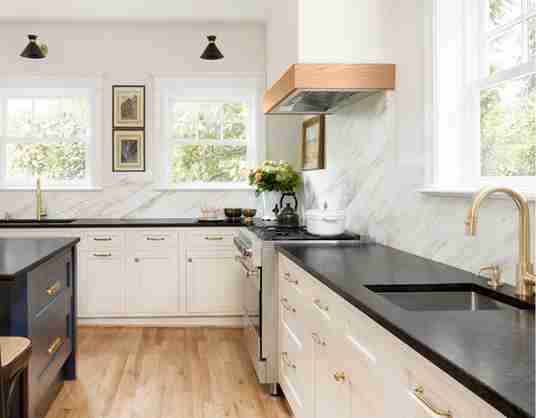
21+ Open Kitchen Ideas That Make Your Home Feel Bigger and Brighter

An open kitchen can completely change how a home feels, but getting the design right takes more than removing a wall. Without thoughtful planning, the space can feel disjointed, noisy, or visually cluttered rather than open and inviting.
Because open kitchens connect directly to living and dining areas, they must work harder than traditional layouts. Storage, layout, finishes, and lighting all remain visible at once, which makes balance especially important. A kitchen that functions well but lacks cohesion can disrupt the flow of the entire home.
Smart design choices help create clarity within an open plan. Defined zones, consistent materials, and intentional focal points allow the kitchen to feel integrated rather than exposed. When function and style support each other, the space feels calm, practical, and welcoming.
Open kitchens can be approached in many ways, depending on lifestyle, layout, and personal taste.
These 21+ Open Kitchen Ideas to Elevate Your Home explore design solutions that enhance flow, improve everyday usability, and create a kitchen that feels connected, refined, and comfortable to live in.
Integrating Natural Light with Open Spaces
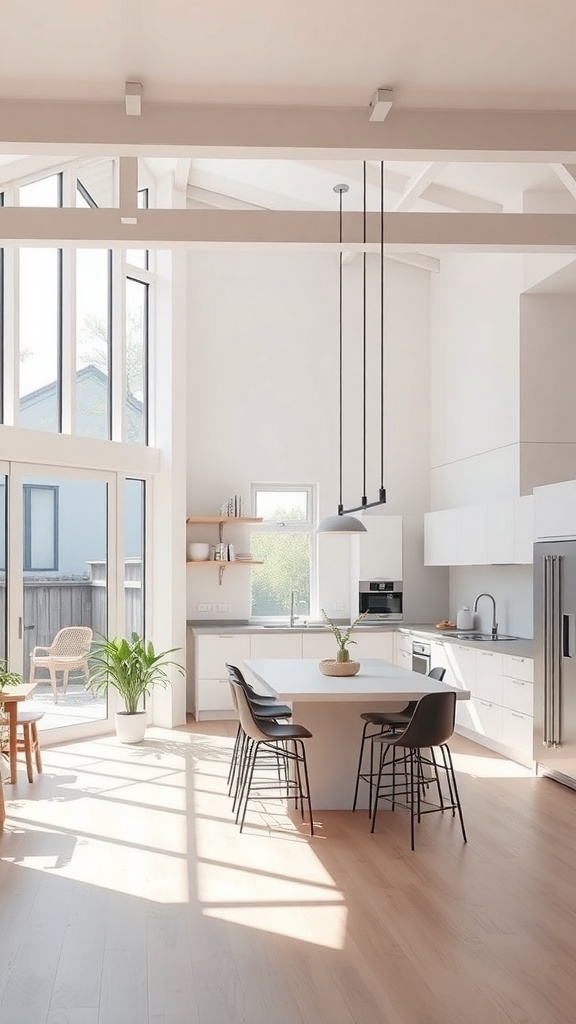
Natural light can completely change the feel of an open kitchen, especially when the layout is designed to let the sunlight travel as far as possible. In this image, the large windows create a bright, airy space that immediately feels warmer and more comfortable. Even simple finishes look more elevated when the room is flooded with daylight, which is why open kitchens often feel so inviting.
The high ceilings and minimalist styling help the light bounce around instead of being trapped in corners. You can see how the sunlight reflects off the light flooring, making the room feel bigger and more open. This is one of the best tricks for smaller homes too, because bright surfaces and fewer visual barriers can make the kitchen feel less boxed-in.
That small table and chairs placed near the windows is a smart choice because it turns the brightest spot into a usable moment, a simple breakfast nook, a coffee corner, or a place to sit while someone cooks. If you are planning something similar, consider sheer window treatments or light-filtering shades so you can keep privacy without losing that bright, open feeling.
Adding plants, like the ones in the corner, brings a touch of nature indoors and helps soften the clean lines. Plants also work like natural decor in open spaces, giving the room more life without adding clutter. If your kitchen gets strong direct sun, pick hardy options like pothos, snake plant, or herbs that enjoy bright light.
Creating Seamless Indoor-Outdoor Transitions
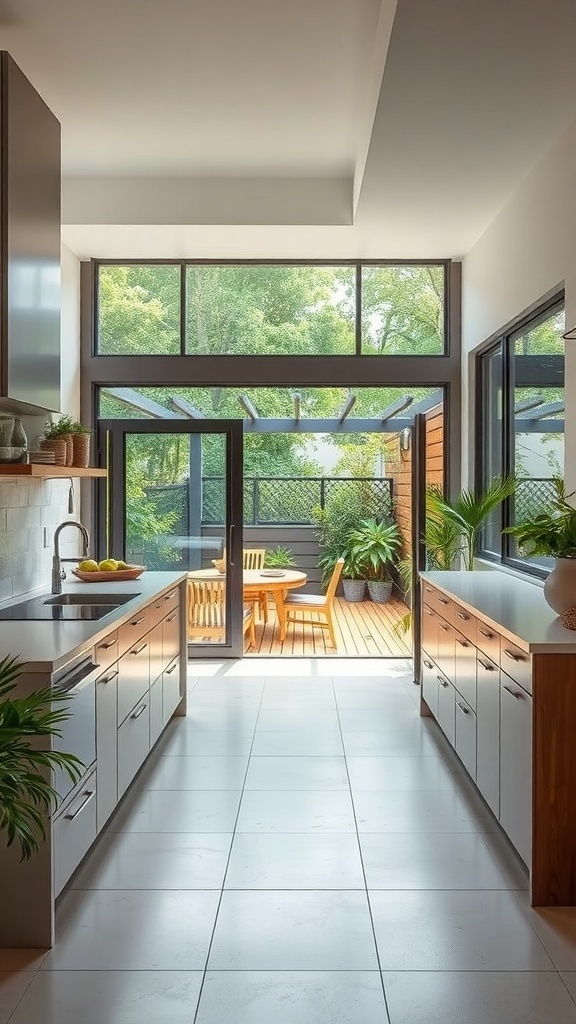
One of the biggest advantages of an open kitchen is how easily it can connect to outdoor living. This image shows a bright kitchen that opens directly to a deck, which instantly makes the whole home feel larger. The large windows and sliding doors pull in natural light and fresh air, making the kitchen feel less like a separate room and more like part of a bigger lifestyle space.
This kind of indoor-outdoor transition is also practical for entertaining. You can move from prep and cooking to cooking to dining outdoors without walking through hallways or tight doorways. The outdoor seating area feels like a second living room, which is perfect for casual meals, weekend gatherings, or relaxing evenings with friends.
To make this flow feel even smoother, match materials where you can. Similar wood tones, neutral flooring, or coordinating furniture finishes help the inside and outside feel connected rather than separate. Adding plants in both spaces also strengthens the link and makes the kitchen feel more natural and inviting.
If you want this look in your own home, focus on the opening itself. Wide sliding doors, folding doors, or even a large glass door can create that seamless feel. Even a small patio can have a big effect if the kitchen layout is designed to face it. A transition like this can transform your home experience by making everyday routines feel more open and relaxed.
Utilizing Multi-Functional Kitchen Islands
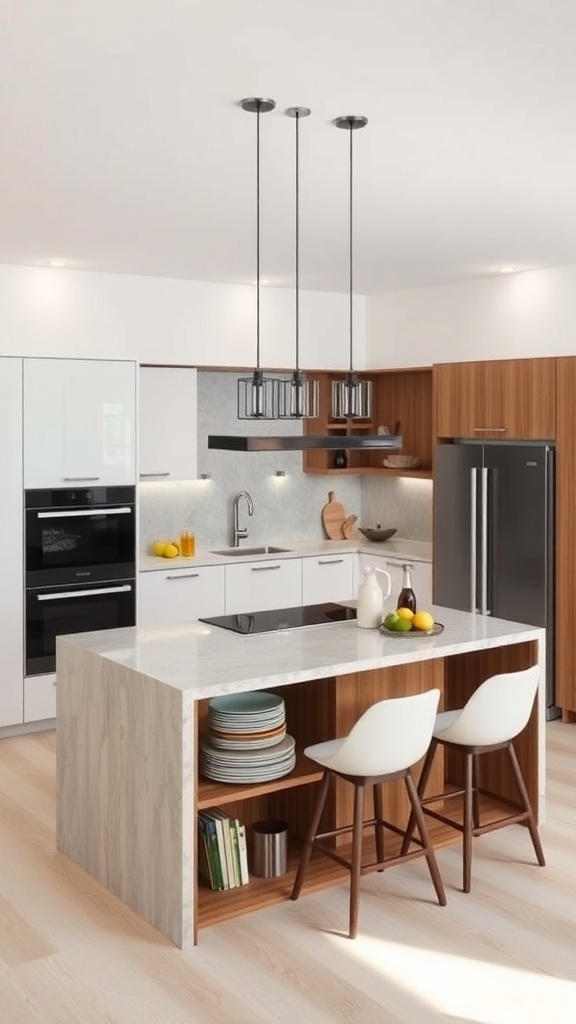
Kitchen islands are more than just an extra counter, they often become the main hub of an open kitchen. This image shows a sleek island that blends function and style with a clean marble surface that works for meal prep, serving, and casual dining. In open layouts, an island helps define the kitchen zone without putting up walls, so the space still feels connected.
One of the best parts about an island is how it supports real day-to-day life. It creates a spot where kids can do homework while dinner is being made, where guests can sit and chat, or where you can lay out snacks during gatherings. This is why many people consider the island the heart of their cooking space.
The storage underneath is also a big win. Open kitchens can get cluttered fast because everything is visible, so having drawers or cabinets in the island helps keep counters clean. It is a smart way to store small appliances, extra dishes, or pantry items without needing additional wall cabinetry. This kind of built-in storage space makes the kitchen feel more organized and easier to use.
Bar stools positioned around the island naturally encourage conversation and connection. It creates a casual hangout zone that works for quick breakfasts, coffee breaks, or hosting. The pendant lights above also play an important role, they visually anchor the island and add a finished, intentional look while improving task lighting for food prep.
Incorporating Bold Color Palettes
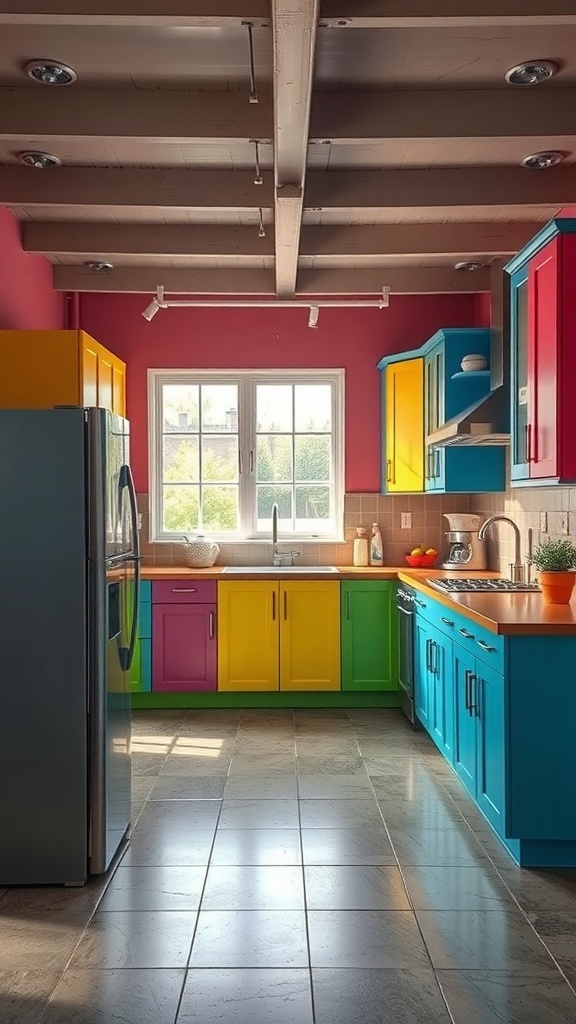
Bold color palettes can completely change the personality of an open kitchen. Because open layouts are visible from multiple angles, color choices have a bigger impact than they do in closed kitchens. In this image, the vibrant cabinets in bright blue, yellow, pink, and green turn the kitchen into a statement space, while the warm pink wall keeps the overall mood playful and inviting.
This approach works well if you want your kitchen to feel creative and energetic instead of neutral and quiet. Bold color palettes also help make a kitchen feel more personal, like it is designed around the homeowner rather than a generic template. The color mix can even influence the vibe of gatherings, it feels lively, warm, and a little unexpected in the best way.
To keep bright colors from feeling overwhelming, balance matters. This kitchen uses simple countertops and flooring so the cabinets stay as the main focus. If you want to try a bold kitchen but feel nervous, start with lower cabinets in color and keep uppers neutral. You can also add color through a backsplash, painted island, or statement lighting.
Bold kitchens also benefit from consistent accents. Repeating a metal finish, matching hardware style, and keeping decor minimal helps everything feel intentional. If you are planning a refresh, consider how the colors can inspire a space you actually enjoy spending time in.
If you are thinking about a makeover, going bold can be worth it. A colorful kitchen can reflect your personality and make everyday routines feel more fun and memorable.
Utilizing Open Shelving for Display and Storage
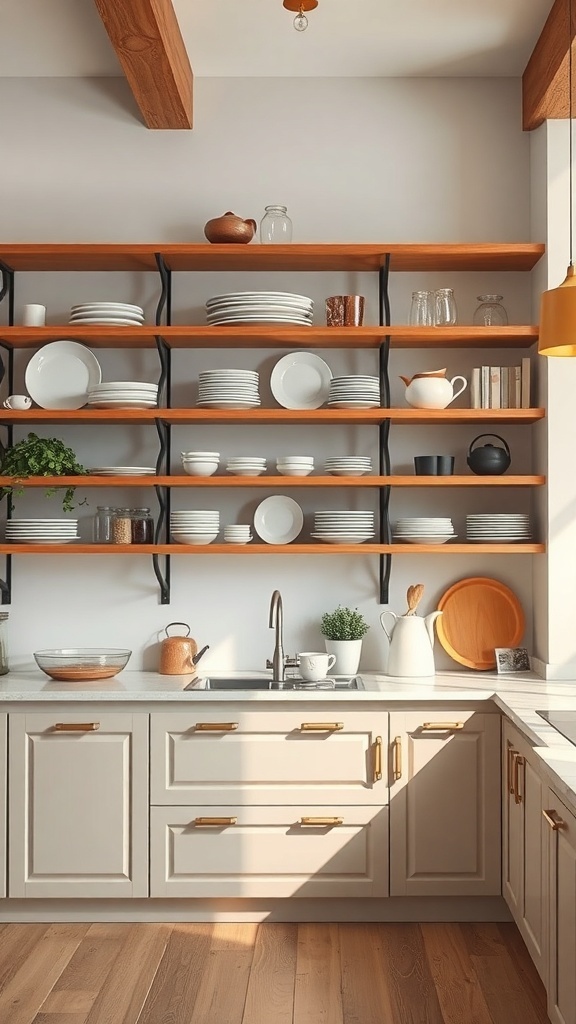
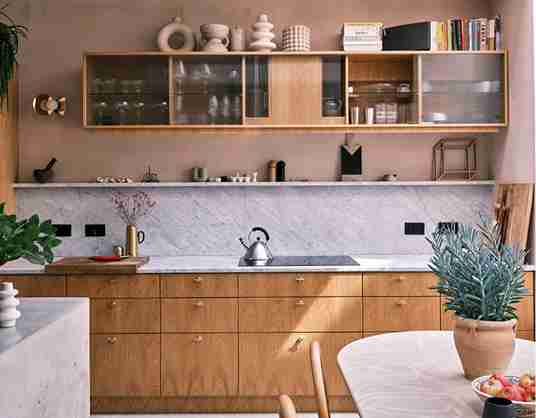
Open shelving is a practical way to keep everyday items accessible while also adding personality to an open kitchen. Since open layouts are meant to feel airy and connected, removing some upper cabinets and replacing them with shelves can make the space feel lighter and less crowded. The shelves here are styled with dishes, glasses, and decor, creating a functional display that still feels tidy.
One advantage of open shelves is that they encourage thoughtful organization. You naturally keep items grouped and visually clean because everything is in view. This is why open shelving can make a kitchen feel more curated, and it makes it easy to grab what you need while adding a personal touch to your space.
The variety of items on display also adds visual interest. Stacking plates, mixing glassware, and adding one or two decorative pieces keeps shelves from looking flat. If you want a more cohesive look, stick to a simple color palette for dishes and repeat textures like wood, ceramic, or glass for consistency.
Open shelving also highlights your habits. If you tend to collect random items, shelves can look cluttered quickly, so it helps to keep only the essentials and rotate seasonal decor. The bonus is that it nudges you to keep things tidy and more organized.
For styling, mix heights and materials, and add greenery for warmth. A small plant or two, paired with small decorative accents, can make open shelves feel intentional while still being easy to use.
Designing with Minimalist Aesthetics
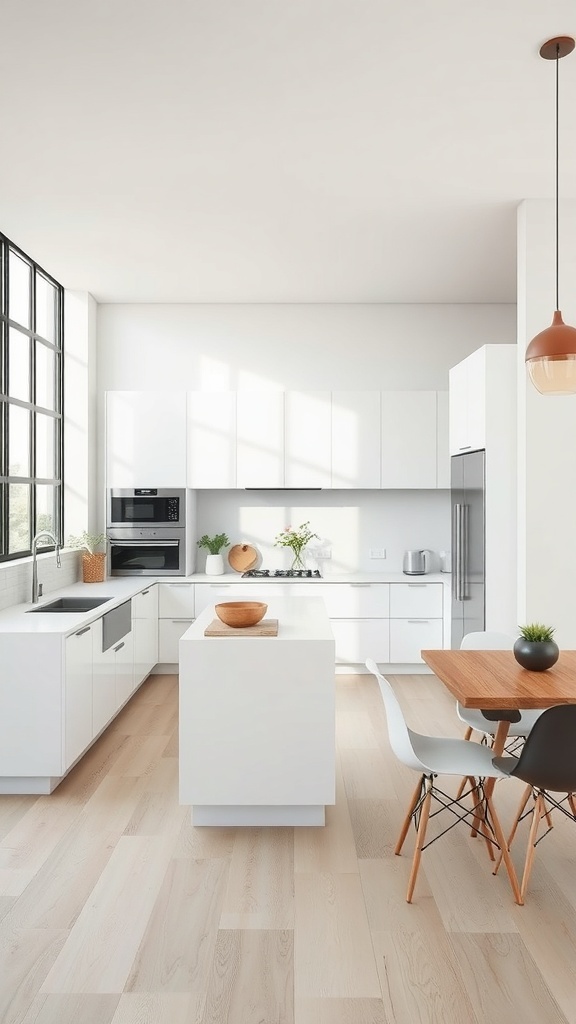
Minimalist kitchen design focuses on clean lines, simple materials, and a clutter-free layout. In open kitchens, minimalist aesthetics work especially well because the kitchen is part of the larger living space. A simple, neutral palette like this keeps the kitchen feeling calm and cohesive, rather than visually competing with the dining or living area nearby.
The bright white cabinetry and countertops reflect light, which enhances the sense of space. The large windows allow natural light to flood the room, making everything feel airy and open. This visual connection to the outdoors adds to the overall tranquility of the space and helps the kitchen feel less enclosed even when you are spending time there for long periods.
The island plays a key role here too. It provides prep space and also works as a casual dining area, which supports how people actually use open kitchens. The furniture choices, like the warm wooden table and sleek chairs, add softness so the room does not feel sterile. This balance between modern simplicity and natural warmth is what makes minimalist spaces feel livable.
Plants are a smart finishing touch in minimalist kitchens because they add life without clutter. One or two well-placed plants can soften hard surfaces and make the room feel more welcoming. With minimalism, every item matters, so keeping countertops clear and choosing purposeful decor helps maintain the clean, peaceful look.
Crafting Cozy Dining Spaces within Open Kitchens
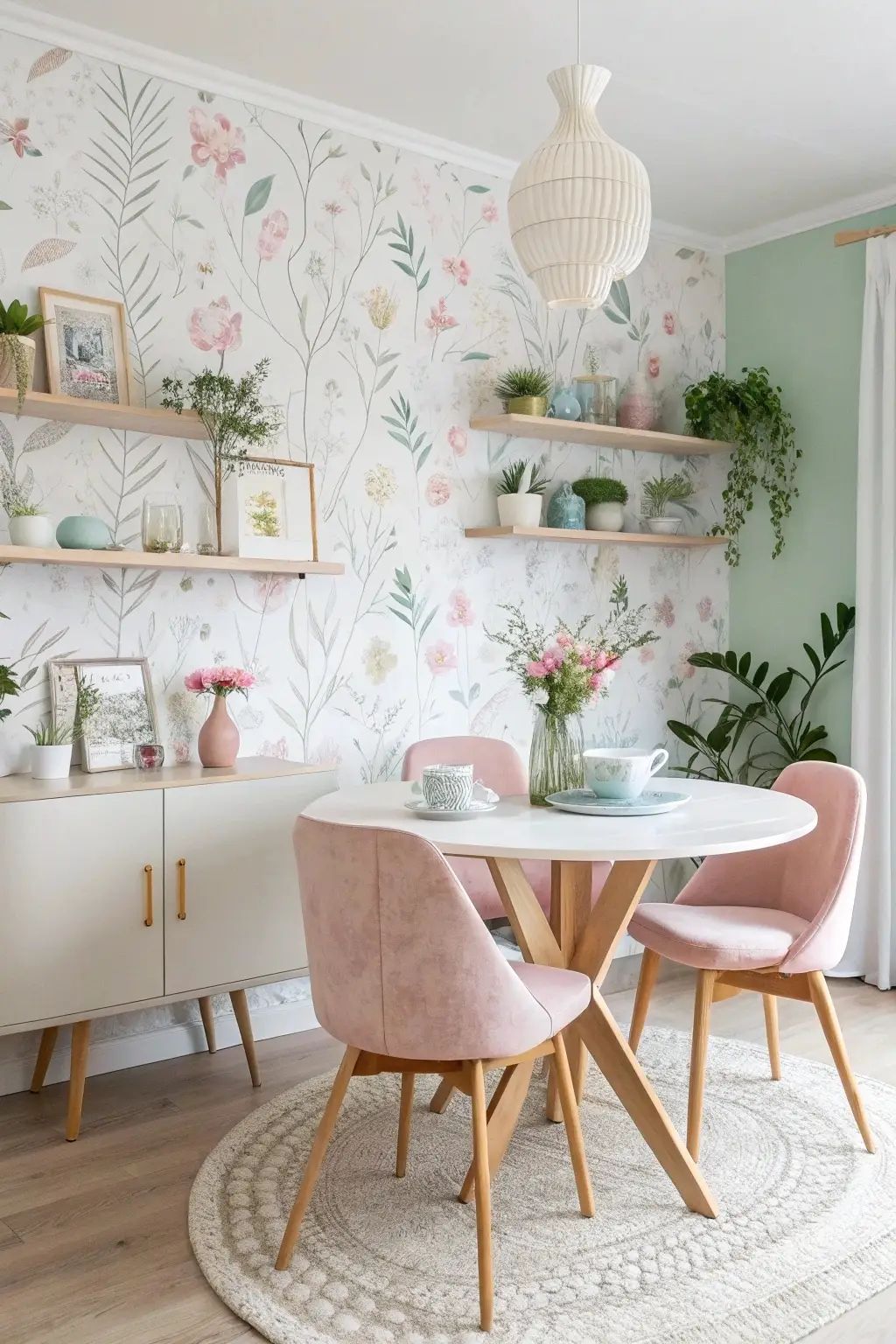
Open kitchens feel most inviting when the dining area is treated like a real destination, not an afterthought. This image shows how a cozy dining space can live comfortably inside an open layout without feeling crowded. The design allows people to cook, eat, and talk in one connected zone, which is exactly what many homeowners want from open living.
The round table is a great choice because it encourages conversation and makes the space feel softer. The rich wood tone adds warmth, and the comfortable chairs ensure everyone feels at home. Details like the patterned rug and chair upholstery add personality without taking over the room, which is ideal in open kitchens where everything is visible.
Natural light from the window helps the dining area feel bright and comfortable, while the greenery adds freshness and keeps the space from feeling too formal. The chandelier above the table is the finishing touch that defines the dining zone. In open layouts, lighting is one of the easiest ways to create a sense of separation without walls.
If you want a dining space like this, focus on comfort first. Choose chairs you can actually sit in for long meals, add a rug to ground the area, and include small decor like a centerpiece or simple plant. This is how you mix comfort with function while keeping the open kitchen feeling welcoming and easy to live in.
Incorporating Smart Technology in Kitchen Design
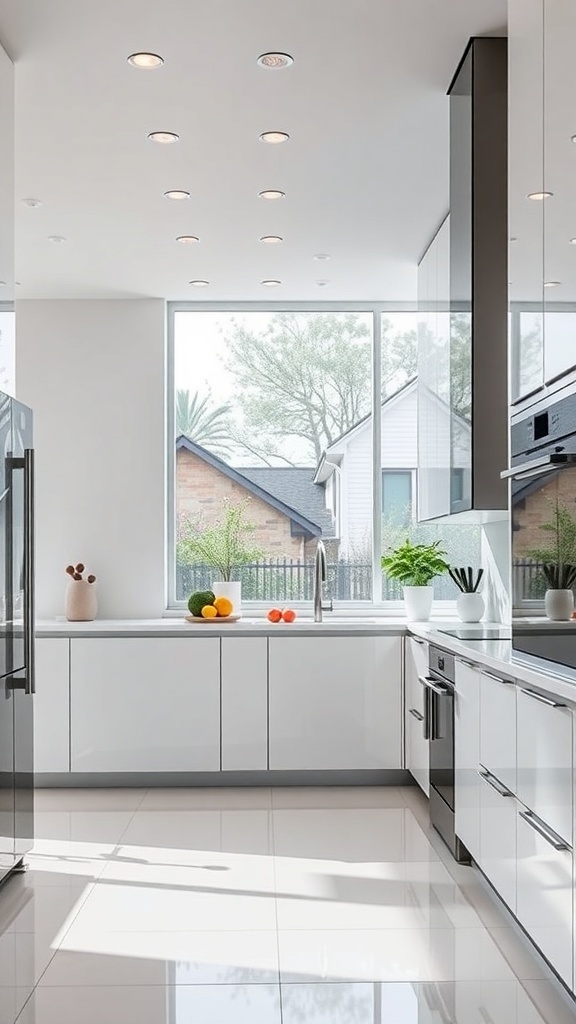
Smart technology fits naturally into open kitchens because these spaces are designed for efficiency and easy daily living. The clean lines, bright finishes, and open layout in this image create a modern backdrop where smart devices can blend in without looking out of place. The best smart upgrades are the ones that quietly make life easier, especially when you cook often or host guests.
A smart refrigerator can help track groceries, reduce food waste, and suggest recipes based on what you already have. Smart ovens and ranges can be controlled through apps, which makes preheating and timing meals more convenient. If you are multitasking, being able to check cook time from your phone can reduce stress and help keep everything on schedule.
The big window not only brightens the space, it also highlights how smart tech can support comfort. Smart blinds can adjust light and privacy automatically. Plants on the counter add a touch of nature, and you can even add simple sensors or reminders to help keep up with watering if you like having greenery around.
Smart faucets are another upgrade that works well in open kitchens, especially touchless options that help reduce mess while cooking. Combined with energy-efficient appliances, these features make the kitchen more comfortable to use every day while keeping the clean, modern look intact.
Highlighting Unique Lighting Fixtures
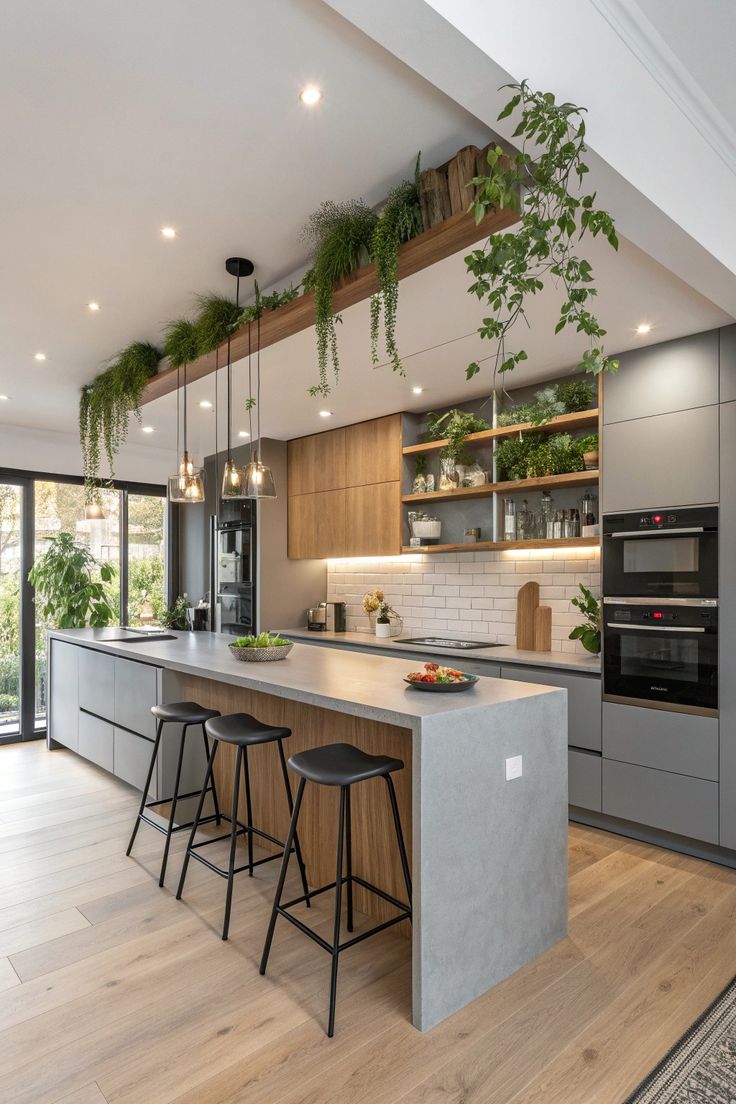
Lighting is one of the fastest ways to make an open kitchen feel designed instead of basic. In this image, the pendant lights act like functional decor. They draw attention to the island and help define the kitchen zone within an open floor plan. Because open kitchens are visible from so many angles, statement lighting can become the detail that ties the whole space together.
These fixtures bring warmth through their woven texture, which complements the clean cabinetry and wood floors. The glow helps the kitchen feel cozy rather than stark, and it adds a stylish touch to the space without adding extra clutter.
For the best results, layer your lighting. Pendant lights work as visual anchors, but you can add under-cabinet lighting for task work and softer ambient lighting for evenings. This gives you flexibility for cooking, hosting, or relaxed nights when you just want the kitchen to feel calm and welcoming.
Focusing on Sustainable Kitchen Practices
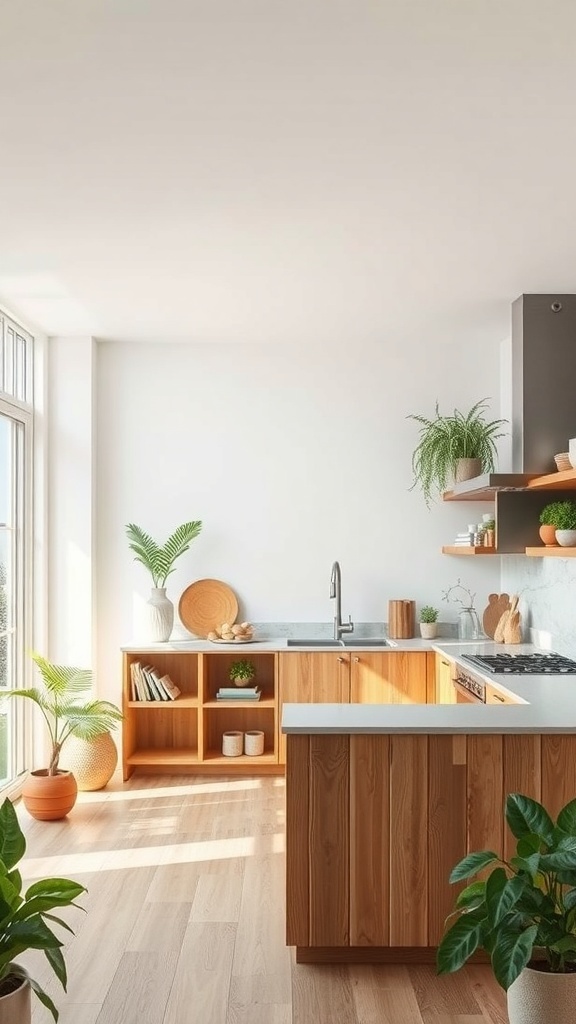
Sustainability in an open kitchen is not only about materials, it is about creating a space that reduces waste and supports better habits. This kitchen uses natural wood and greenery, which creates a calm, fresh atmosphere while also leaning into eco-friendly design choices.
Using responsibly sourced wood cabinetry can reduce environmental impact, and the warm tone adds timeless style. Plants improve air quality and make the space feel healthier and more inviting, especially in kitchens where you spend a lot of time cooking and gathering.
Energy-efficient appliances are one of the simplest sustainable upgrades because they reduce electricity use while keeping the kitchen high-performing. The modern look of the appliances in this image fits the clean aesthetic, and choosing efficient models can help lower utility bills over time.
Small choices matter too. Reusable kitchenware, refillable containers, and open shelving that encourages mindful organization can all support a lower-waste routine. Sustainable kitchens feel best when they are practical, easy to maintain, and designed for long-term everyday use.
Personalizing Open Kitchens with Decor
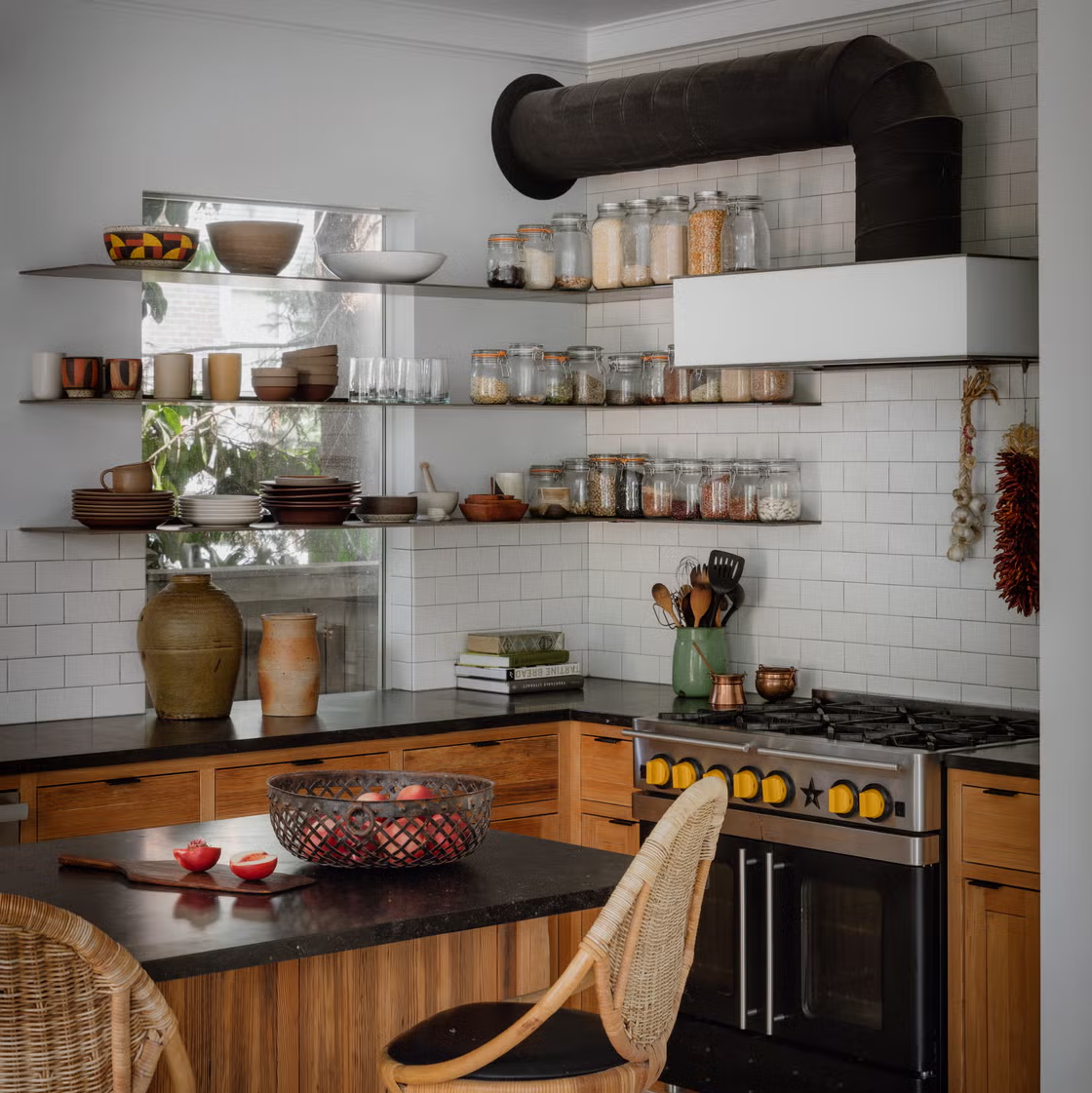
Because open kitchens are always on display, decor plays a bigger role than it does in closed layouts. The best personalized open kitchens do not rely on lots of objects, they use a few meaningful details that add warmth while still keeping the space functional. This helps the kitchen feel lived-in rather than staged.
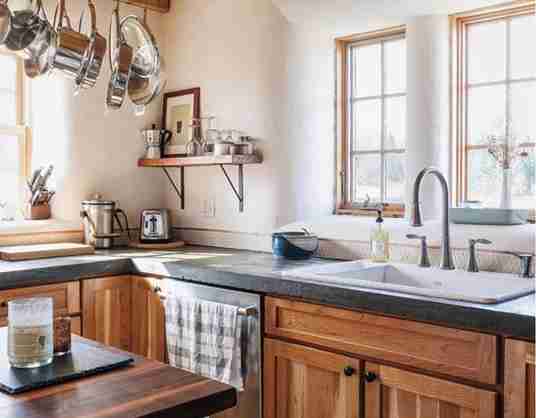
This image shows wooden shelves styled with framed photos and curated decorative pieces, which adds personality without clutter. Family photos, vintage finds, or unique kitchenware can make the kitchen feel like an extension of the people who live there. These touches also soften modern materials and keep an open layout from feeling too cold.
The mix of textures matters too. The smooth countertop paired with warm wooden stools creates balance and makes the space feel comfortable. Natural light boosts the effect by highlighting the wood grain and making the decor feel more welcoming throughout the day.
If you want to personalize your own kitchen, choose decor that fits your daily life. A small stack of cookbooks, a framed print, or a few display bowls can be enough. The goal is to create a space that feels like home while still being functional for cooking and entertaining.
Maximizing Storage Solutions in Open Designs
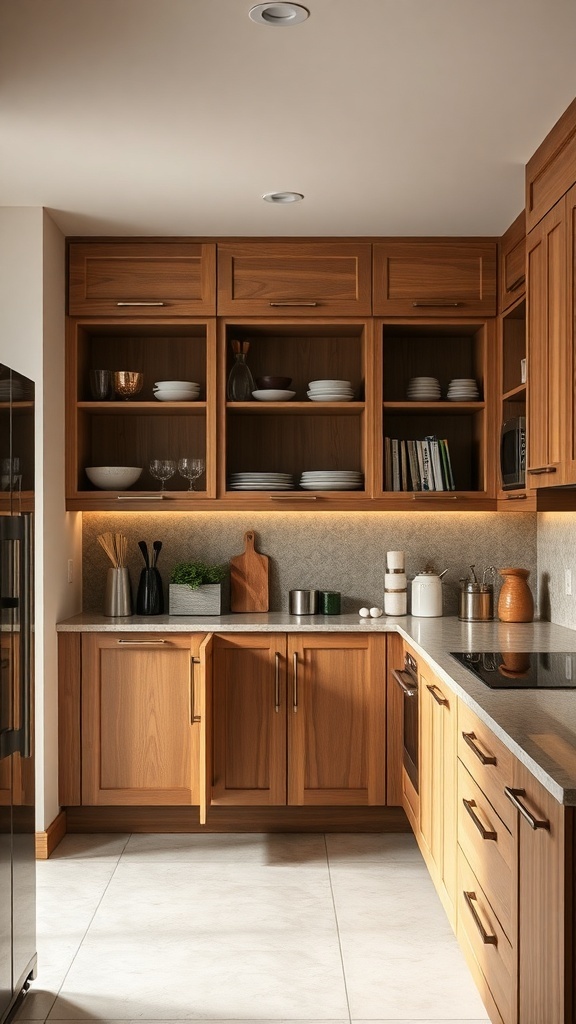
Storage is one of the biggest challenges in open kitchens because clutter is always visible. This image shows a smart balance of open and closed storage, which keeps the kitchen feeling airy while still giving you places to hide the everyday mess. The warm wood cabinets also add character and keep the space from feeling too sterile.
The upper shelves display plates and glasses for easy access, and they also work as decor. This is a great approach if you have matching dishware or items you use daily. The lower cabinets handle the less-pretty essentials, like small appliances, bulk pantry items, and cleaning supplies, which helps keep countertops clear.
Lighting plays a big role here. It highlights the wood grain and makes storage areas easier to use, especially in the evening. If you want to level up your storage, add drawer dividers, pull-out shelves, and labeled bins inside cabinets so everything has a place and stays organized long term.
Plants and visible kitchen tools add a personal touch without making the space messy. This setup shows how thoughtful storage can make an open kitchen feel warm, practical, and easy to maintain day after day.
Emphasizing Textures and Materials
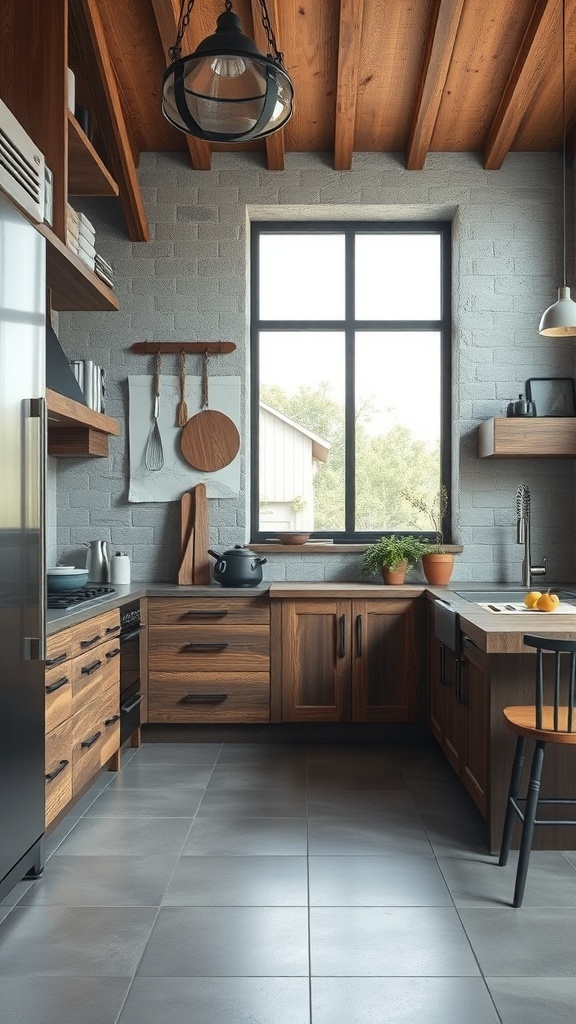
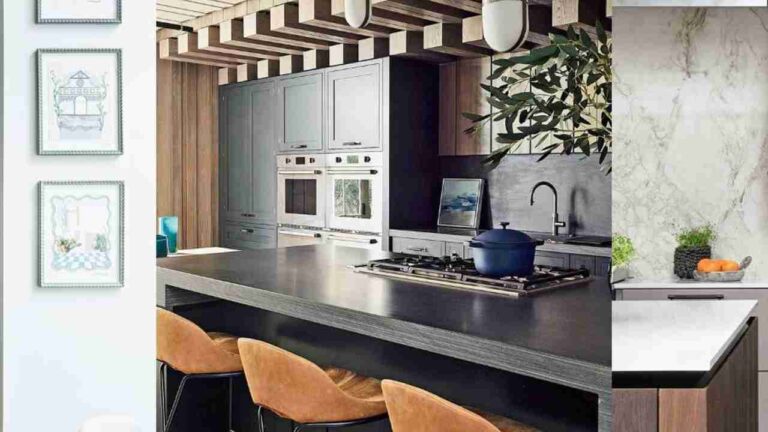
In open kitchens, textures and materials matter because the kitchen is part of the larger living space. This image shows a strong mix of wood and stone that creates a cozy, grounded look while still feeling modern. The wooden cabinets and open shelves add warmth, and the gray tile adds a clean contrast that keeps the design balanced.
The exposed ceiling beams add architectural character and make the kitchen feel more spacious. They also add a rustic element that helps the room feel less flat. With open kitchens, details like beams, wood grain, and textured tiles become part of the overall decor, not just background materials.
Mixing materials works best when you repeat tones. Warm wood, neutral stone, and subtle metal finishes give the eye a place to rest while still feeling layered. This kitchen shows how thoughtful material choices can transform an open layout into a stylish and functional hub that still feels inviting.
Creating Zones for Cooking and Socializing
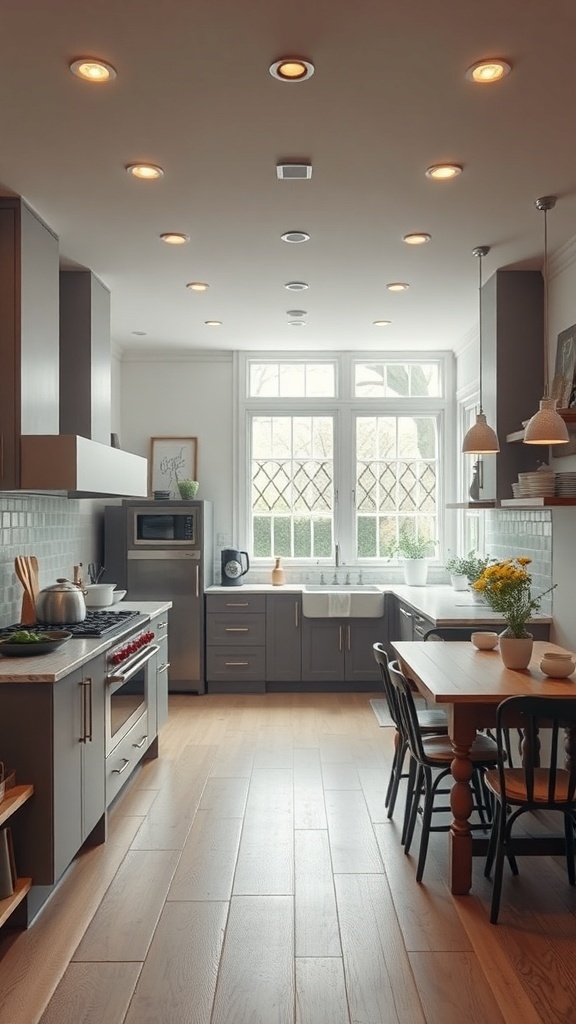
Open kitchens work best when the layout clearly supports both cooking and hanging out. This image shows a balanced setup where the kitchen zone has ample counter space and modern appliances, while the dining area sits close enough to keep everyone connected. That is the goal in open layouts, togetherness without chaos.
The dining table placement is intentional. It keeps guests close so conversation stays easy, but it is far enough from the cooktop that people are not in the way. This makes meal prep feel less stressful because you can cook while everyone else relaxes, eats snacks, or chats nearby.
Natural light helps make both zones feel equally important, and it keeps the space from feeling split. If you want to create clear zones in your own open kitchen, use area rugs, pendant lighting, or different ceiling treatments to visually separate areas without closing anything off. This approach maximizes space and makes the kitchen feel like a true social hub.
Incorporating Greenery and Indoor Plants
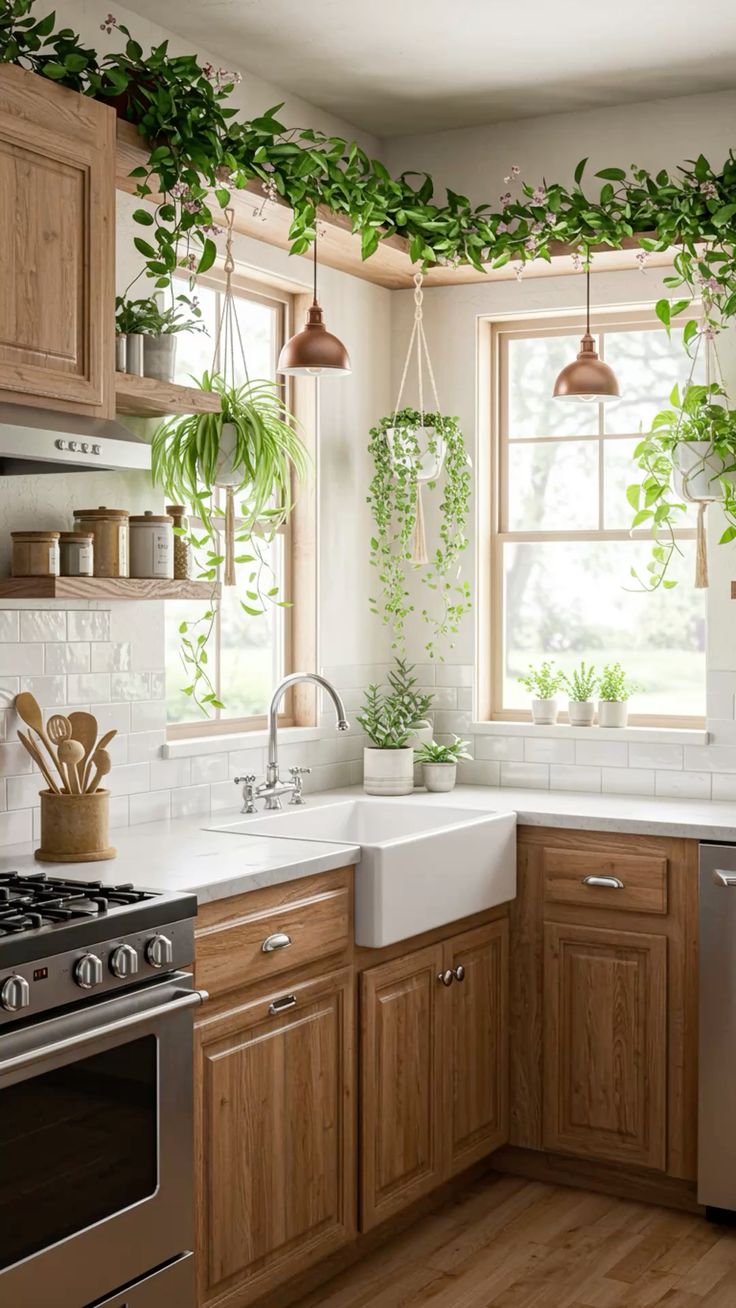
Greenery is one of the easiest ways to make an open kitchen feel softer and more alive. This image shows an airy kitchen filled with plants placed on shelves and the floor, which adds freshness without changing the layout. Against white cabinets and wood floors, the green tones stand out and create a warm, welcoming vibe.
Plants are not just decorative. They can improve air quality and make the kitchen feel calmer. Herbs like basil, mint, and rosemary work especially well in kitchens because they look good and give you fresh ingredients. If you have good sunlight, a small herb cluster near the window can become both decor and a practical cooking tool.
Hanging plants add style while saving space. They draw the eye upward and utilize vertical space, which is helpful in open kitchens where counters are often kept minimal. Macramé hangers and stylish pots can help plants feel like part of the design instead of an afterthought.
Pot choice matters too. Textured, ceramic, or colorful planters can add another layer of design, especially if your kitchen is neutral. Mixing pot sizes creates visual depth, but keeping the palette consistent helps the arrangement feel tidy. Overall, greenery is a simple upgrade that makes an open kitchen feel more comfortable, lived-in, and inviting.