The Art of Layering: How to Mix Wood, Stone & Soft Textures in Organic Modern Decor

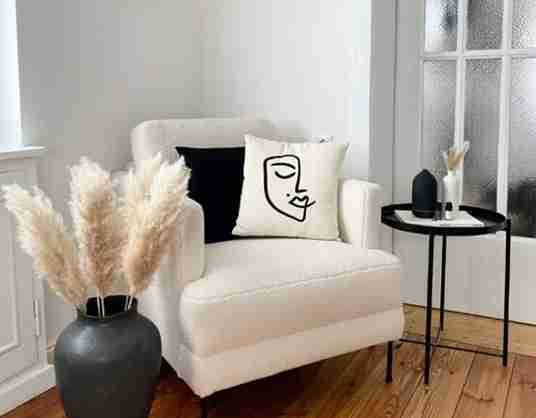
Organic modern decor really comes alive when wood, stone, and soft textures are layered with intention instead of just lined up next to each other. When you get how each material pulls its weight, rooms stop feeling flat and start feeling like somewhere you actually want to land after a long day.
Let’s be real for a second. “Organic modern decor” can sound like one of those phrases people toss around while pointing at beige walls and a ceramic vase like it’s groundbreaking.
But when it’s done right? It feels like the design version of a deep exhale. Warm without being cluttered. Simple without feeling sterile. Calm, but still alive.
For me, the magic has always been in the mix. Wood, stone, and soft textures layered just enough so your eyes and hands have something to settle into. Nothing screaming for attention. Nothing trying too hard.
And yes, I learned some of this the hard way. There was a regretted marble tray phase. We’ve grown since then.
What Organic Modern Decor Actually Means (In Real Life)
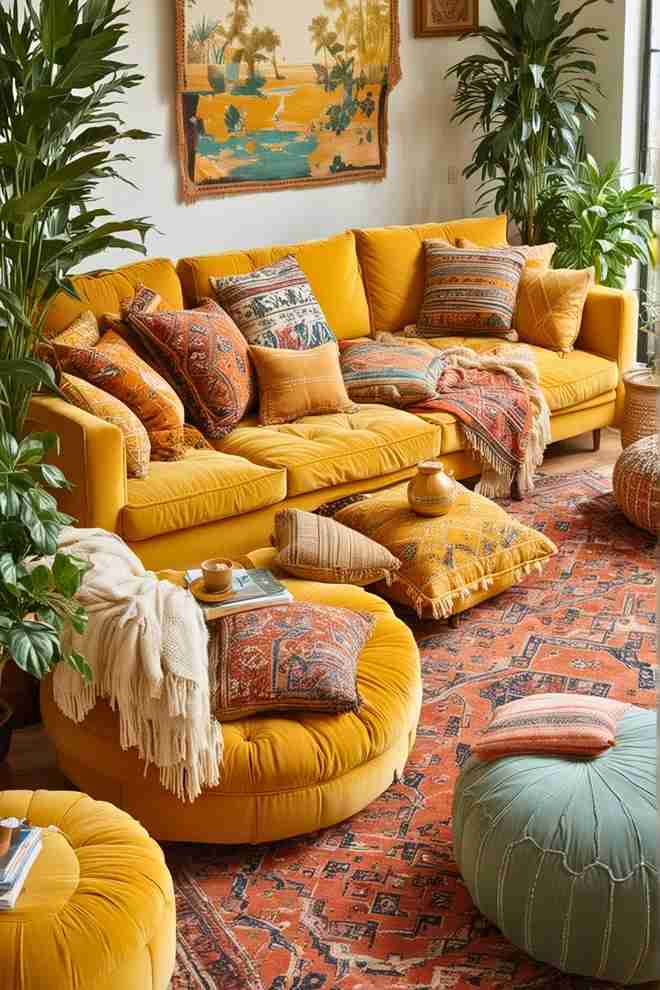
Organic modern is basically modern design with a pulse.
You’ve got clean lines and simple silhouettes, but they’re softened by materials that feel like they came from the earth instead of a factory trying to imitate it.
- Wood brings warmth fast.
- Stone brings weight and stability.
- Textiles absorb the sharp edges and make everything feel touchable.
It’s honestly kind of logical when you think about it.
- Put rough next to soft.
- Warm next to cool.
- Smooth next to nubby.
That contrast is what makes it feel balanced instead of boring. Once you start noticing it, you can’t unsee it.
Natural Material Combinations That Actually Work
If you take one thing from this, let it be this: contrast is everything.
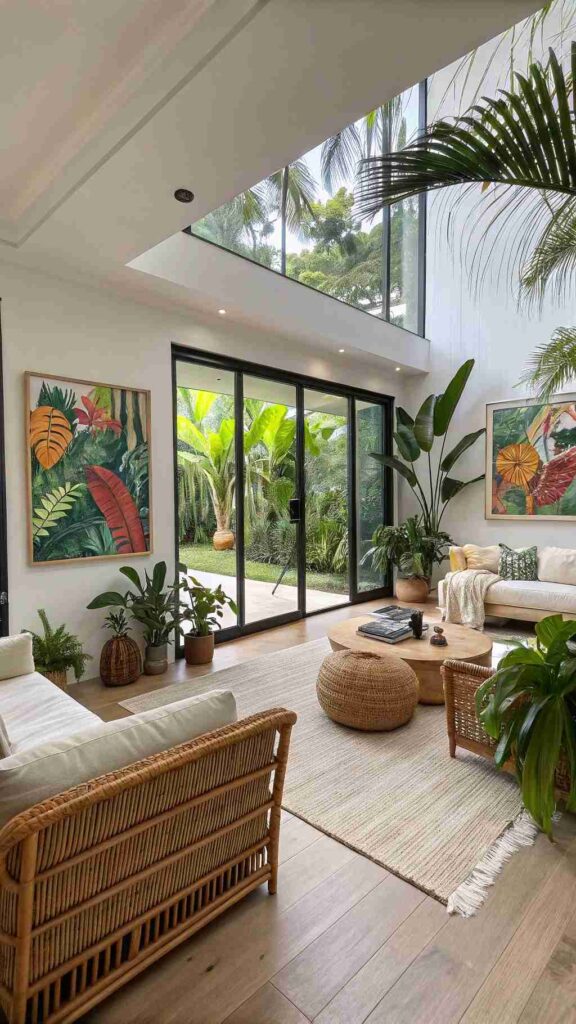
Wood, stone, and textiles are all technically neutral. But they each carry a temperature. Wood leans warm. Stone leans cool. Fabric softens the whole situation.
Start with one dominant wood tone. Medium oak is my comfort zone. Think honey or almond butter, warm but not orange. If your floors are wood, that’s your base. Don’t fight it.
Then bring in stone to ground things. A limestone coffee table. A marble side slab. Even a rough slate tray on a console shifts the energy instantly. Stone cools down the warmth and adds visual weight.
Now layer softness.
Bouclé. Linen. Nubby cotton. Mohair. Each one hits differently. I have a linen throw that somehow always lands in that perfectly casual drape over the armchair. It wasn’t even expensive, but it makes the whole corner feel intentional.
If you’re mixing wood species, keep them in the same undertone family. Oak with maple. Walnut with mahogany. It’s less about matching and more about whether they feel like they belong in the same conversation.
And rugs? Wool if you want plush and cozy. Jute if you want that earthy texture under your feet. I love the slight crunch of jute under a smooth stone table. That contrast feels so good.
Earthy Palettes and Calming Tones
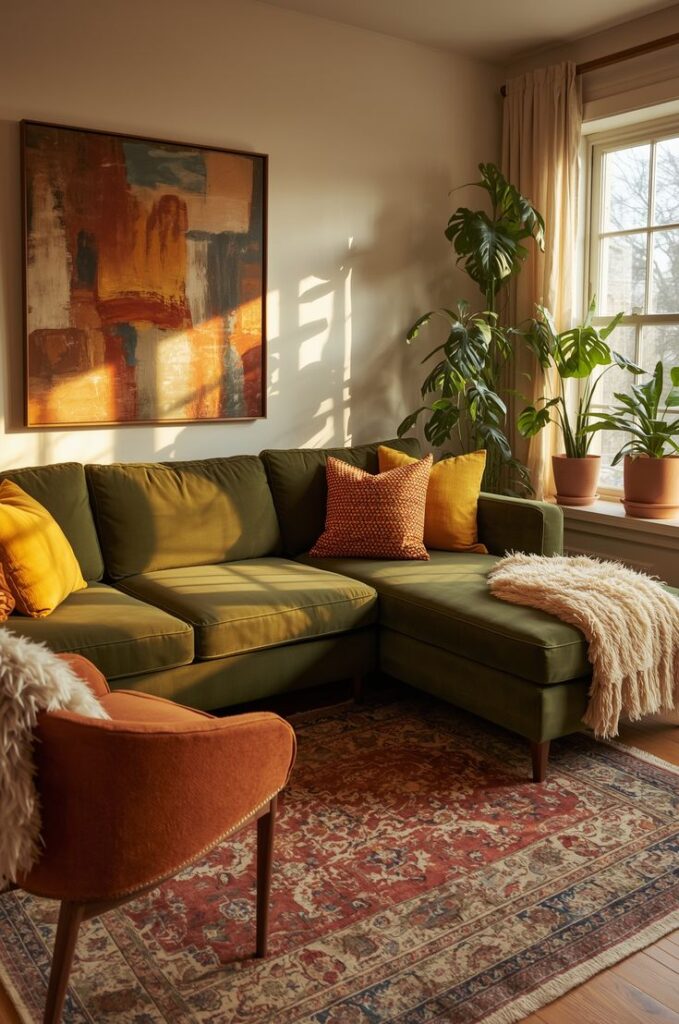
Every good organic modern space starts with restraint. Not cold minimalism. Just thoughtful editing.
Picture your palette like a foggy beach. Muted. Layered. Soft edges.
- Warm whites.
- Greige.
- Putty tones.
Then layer in sand, camel, olive gray, and muted terracotta.
I once paired a sandstone linen duvet with a walnut nightstand and thought it was almost too warm. Then I added a pale gray ceramic lamp, and everything balanced out instantly. That cool note made the warmth feel intentional instead of heavy.
That’s the part people miss. It’s not all warm. It’s the dance between warm and cool that makes it feel grounded.
Metals belong her,e too, just don’t go wild. Matte black or brushed brass works beautifully. A black curtain rod, a brass pull, maybe one bronze sconce. Tiny punctuation marks.
If everything starts feeling too matte, add glass. A clear vase or glass lamp brings lightness back without breaking the vibe.
And please add real plants. Not the dramatic, high-maintenance kind. Try something a little wild and sculptural. A wispy olive tree or a loose monstera. Real greenery brings life that no styling trick can fake.
Layering Textures for Real Warmth
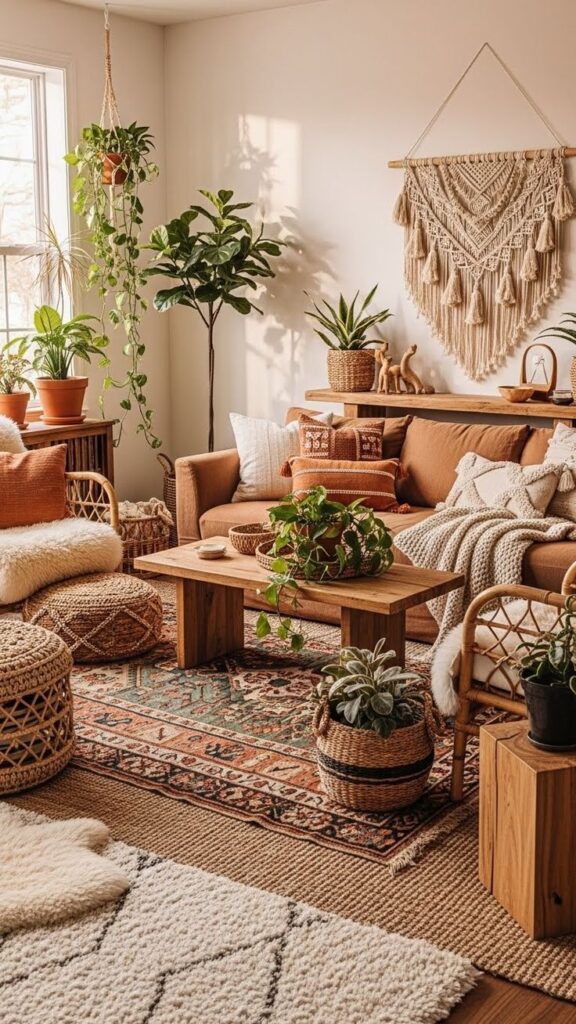
You can’t buy cozy in one object. It’s layers. Always layers.
Here are the three quiet rules I learned after making the same mistakes more than once.
First, contrast. Rough stone next to a plush sofa feels incredible. Hard and soft. Smooth and nubby.
Second, balance. If you add one heavy, grounding piece, like a chunky stone table, give it something airy nearby. Linen curtains. A light-toned rug. Otherwise, the room feels weighed down.
Third, scale. Tiny decor on a huge coffee table just looks awkward. Oversized pieces on a petite console feel chaotic. When the scale is right, everything looks intentional without trying.
Here’s the rhythm I always follow:
- Smooth + Rough + Soft.
- Shine + Matte.
- Light + Heavy.
One of my favorite combos is a travertine side table next to a reclaimed wood stool. Luxe meets humble. Add a slightly wrinkled linen throw and it suddenly looks styled without looking staged.
Your bed is a texture playground, by the way. Gauzy cotton sheets. Velvet lumbar pillow. Bouclé throw. Keep the tones quiet so the textures do the talking.
And if something feels off, it’s usually missing weight. Add a stone bowl, a wood tray, or a ceramic lamp base. It anchors everything instantly.
Bringing Balance Without Creating a Beige Desert
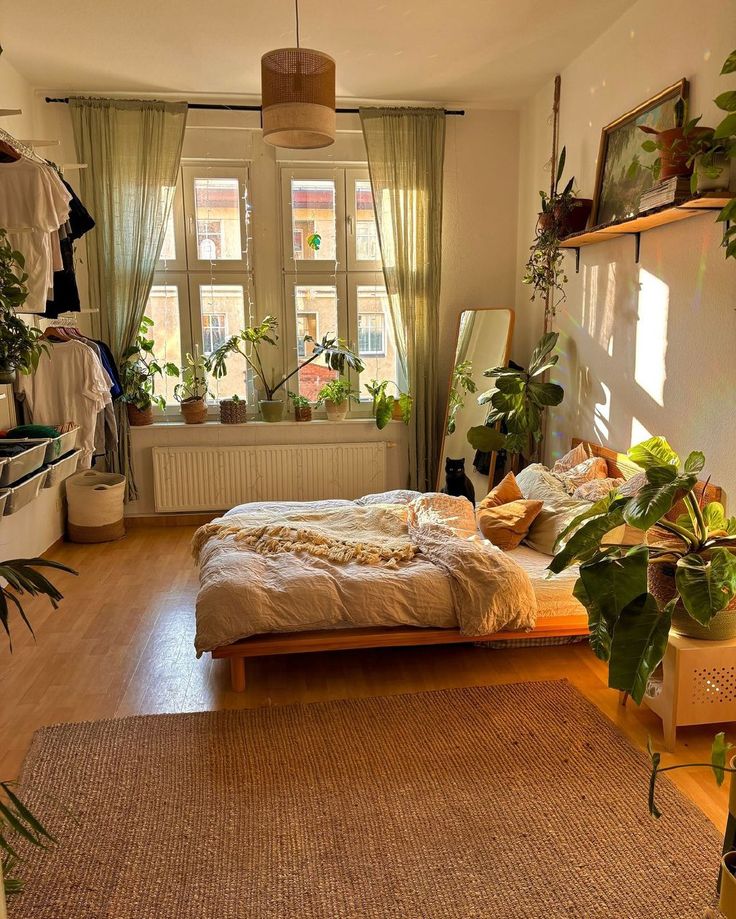
This is where things can go wrong.
It’s so easy to cross from peaceful minimalism into a lifeless beige void.
The fix? Visual anchors and breathing room.
Let some pieces fade into the background. Not everything needs to be interesting. A plain oak side table next to a bold travertine console works because one supports the other.
And don’t be afraid of space. A blank wall can be powerful. Negative space lets your eyes rest.
When I edit a room, I remove one item and see how it feels. If the space feels calmer, it stays gone. If it feels empty, it comes back. It’s a dramatic little experiment, but it works.
Organic modern isn’t about hiding personality either. Display the handmade mug. The wood bowl your kid made. The artisan candle you refuse to burn because it smells too good. That mix of refined and sentimental is what makes it human.
A Quick Organic Modern Living Room Formula
If you just want the cheat sheet, here you go.
- Base: warm white walls
- Rug: wool or jute
- Sofa: linen or bouclé in a warm neutral
- Coffee table: stone or solid wood
- Accents: ceramic pieces, linen throw, matte black or brass details
- Lighting: warm 2700K bulbs with fabric shades
Stick to sand, taupe, warm wood, soft gray, muted olive. If each piece plays a role in that mix, you’re good.
How It Looks in Real Spaces
The Living Room
Start grounded. Neutral rug. Low-profile sofa. Stone coffee table anchoring everything.
Layer in wood through side tables or frames. Keep metals consistent. Add textured pillows and handmade ceramics.
Switch to warm lighting and watch the room soften. It’s especially noticeable in the evening when everything glows instead of glares.
The Kitchen
Skip ultra-gloss finishes. Lean into tactile surfaces. Wood stools. Matte hardware. Soapstone or honed quartzite if you’re updating counters.
Swap microfiber towels for linen ones. It sounds small, but the vibe shift is immediate.
If things feel heavy, bring in glass. A clear pendant or simple vase adds air without disrupting the earthy mood.
The Bedroom
Soft edges are the goal here.
Linen bedding in muted tones. One accent texture like velvet or wool. Rounded wood furniture instead of sharp glossy lines.
Dim lighting changes everything at night. Try it when you’re winding down with a book and you’ll see what I mean.
The Bathroom
Even a basic bathroom can lean organic.
Swap chrome for brushed brass or matte black. Add a wood stool. Use textured towels. Place everyday items on a stone tray.
Candles in ceramic or concrete holders bring warmth in a subtle way. It’s small, but it shifts the energy.
A Note on Sustainability
Organic modern isn’t just a look. It’s about thoughtful choices.
Solid wood over MDF when possible. Linen over polyester. Stone over resin. Thrifted pieces with real character instead of mass-produced imitations.
The best spaces feel collected over time. They evolve. They aren’t assembled in one shopping sprint.
The Imperfect Side
Let’s be honest. Maintaining that effortless calm? Not effortless.
Linen wrinkles. Bouclé collects pet hair. That one shiny faucet might stay longer than planned.
But when afternoon light hits a stone table just right? Or when you curl up under a textured throw that still smells faintly like clean laundry?
That’s the win.
Conclusion
Mixing wood, stone, and soft textures in organic modern decor isn’t a rigid formula. It’s a rhythm.
Contrast keeps it alive.
Restraint keeps it timeless.
Imperfection keeps it human.
You’ll know you’ve hit the balance when your space feels warm, calm, and quietly confident.
And honestly? You’ll probably rearrange something next week.
That’s part of the fun.