How to Make a Room Look Bigger: 7 Easy Ways That Actually Work

If you’ve ever stood in your room and thought, “Why does this feel… tight?” — same.
I live in a smaller space too, and I’ve tried everything. Rearranging furniture at 10 p.m. Moving a lamp three inches like it’s going to change my life. Blaming the rug. Blaming the sofa. Blaming myself.
Over time, though, I figured out a few simple shifts that genuinely make a room look bigger without knocking down walls or buying all new furniture. These are the ones I actually use. The ones that made my living room feel calmer, lighter, and weirdly more expensive.
Let’s get into it.
1. Paint and Colors: Start With the Walls (But Don’t Overthink It)
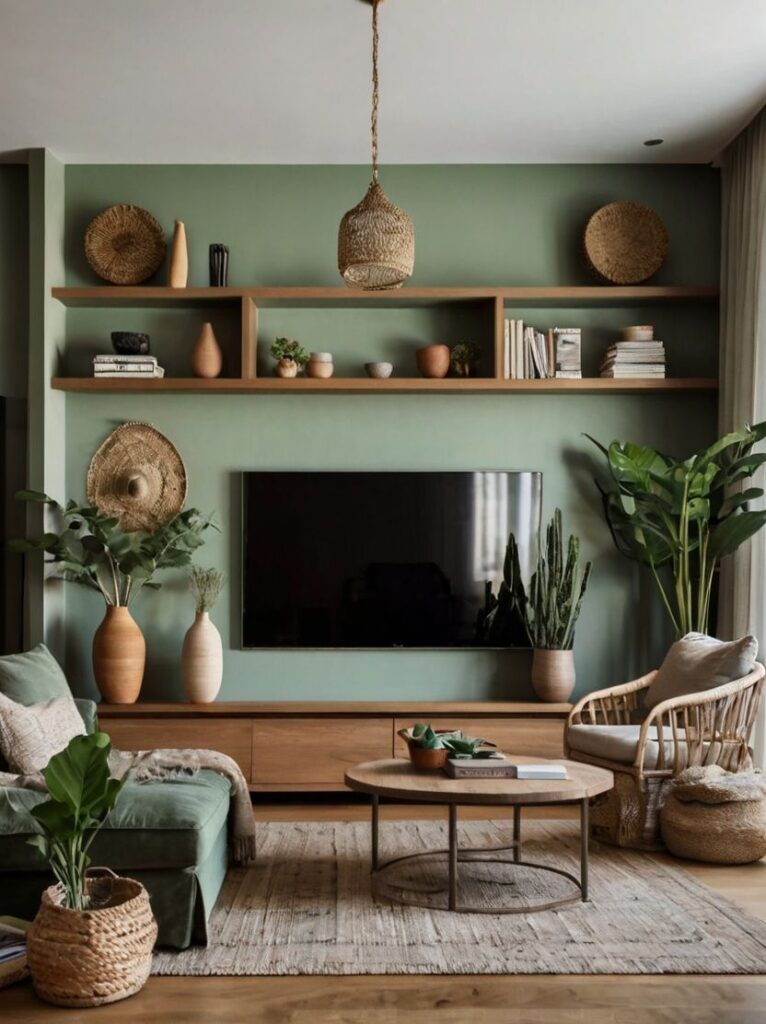
This is the first thing I changed when my space felt boxed in.
Light walls really do open things up. I didn’t expect the difference to be that noticeable, but the second I switched to a soft warm white, my room felt like it exhaled.
Here’s what I’ve learned:
- Light walls + light ceiling = instant airy vibe.
- Light walls + slightly darker floor = grounded but open.
- Too many accent walls in a small room? It starts to feel chopped up.
The biggest mistake I made once was using two different bold colors in one small room. It looked fun in theory. In reality, it visually “cut” the space into pieces.
Now I stick to one main wall color. If I want contrast, I bring it in through pillows, artwork, or a throw. It keeps the eye moving instead of stopping at every corner.
If you’re unsure, go for a warm white, soft beige, or very light greige. Not stark hospital white. Something cozy.
2. Choose Furniture That Lets the Floor Breathe
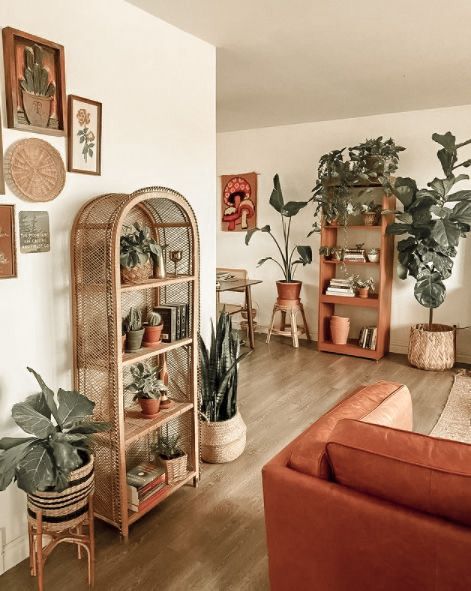
This one changed everything for me.
Furniture with legs? Game changer.
A sofa that sits directly on the floor visually eats space. But when there’s a little air underneath, your eye sees more floor. And more visible floor equals “bigger room” in your brain.
You don’t have to replace everything. Even swapping out one bulky piece makes a difference.
A few things I personally follow now:
- Keep larger furniture against walls when possible.
- Don’t block walkways, even if it means shifting things slightly.
- Avoid too many chunky, heavy shapes in one small room.
If you’ve got a tiny living room, try this tonight: pull one piece away from the center and give the middle more open space. It feels awkward at first, but then you realize how much freer the room feels.
3. Hang Curtains Higher Than You Think You Should
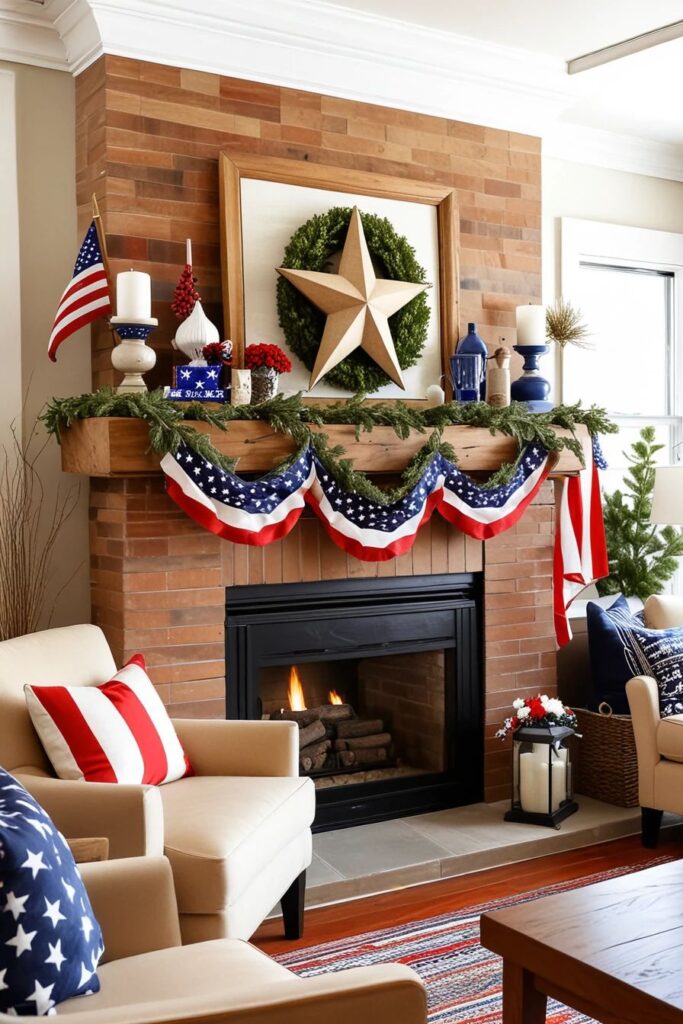
Okay. This is my favorite trick.
Floor-to-ceiling drapery makes a room look taller. Instantly.
When I first did this, I couldn’t believe I’d been hanging curtains right at the window frame like a rookie.
Mount your curtain rod closer to the ceiling, not just above the window. Let the curtains fall all the way down to the floor.
It draws the eye upward and creates height. Even if your ceilings aren’t super tall.
And please — go lighter with the fabric if your space is small. Sheer or soft linen curtains feel breezy. If you need blackout, layer them behind lighter panels.
It looks intentional instead of heavy.
4. Use Mirrors Like a Secret Weapon
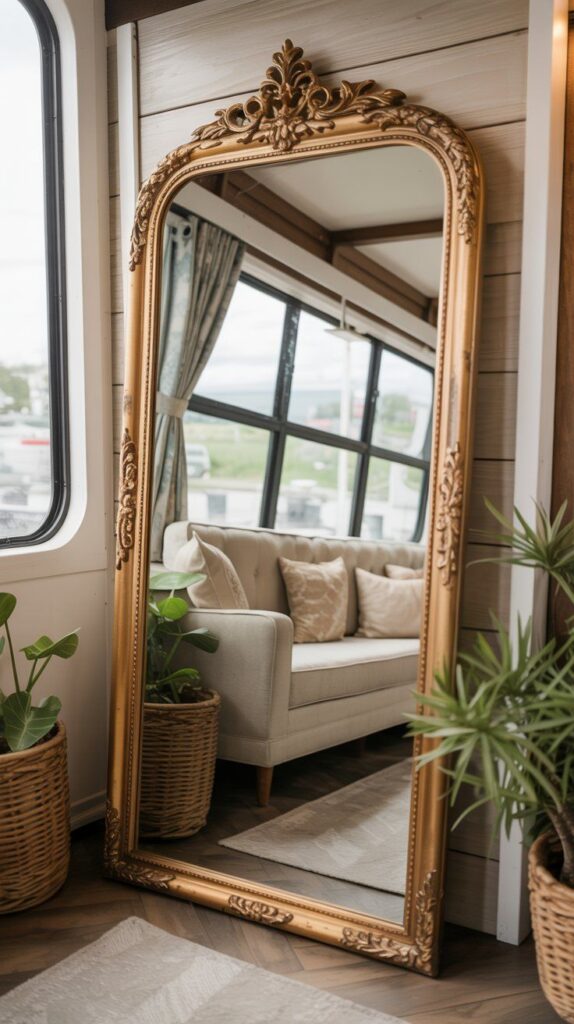
You already know mirrors make rooms look bigger. But here’s the trick that made the biggest difference for me:
Place a large mirror opposite a window.
It reflects light and doubles the brightness in the room. I didn’t expect it to work so well, but it’s like adding another window without construction.
Mirrors also bounce artificial light around at night, which keeps the room from feeling flat.
One larger mirror works better than several small ones. Small mirrors can start to feel cluttered if you’re not careful.
If you’re nervous about it looking too glam, go for a simple frame. Black, wood, or thin brass. Clean lines keep it calm.
5. Let the Natural Light Do Its Thing
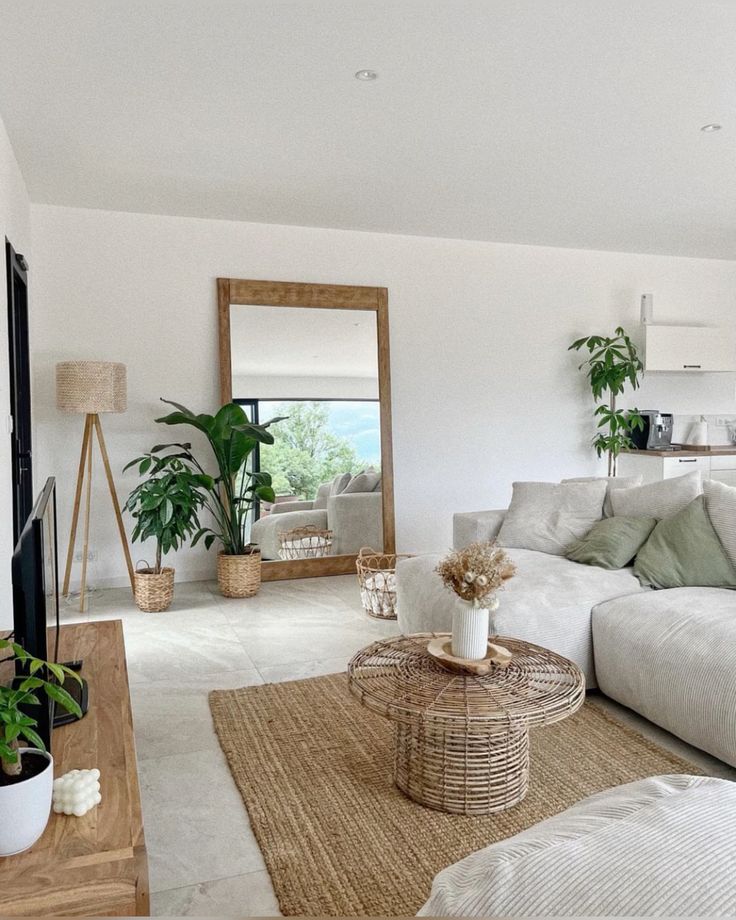
Light is everything.
If you have windows, don’t block them with heavy furniture. I once had a bookshelf half-covering a window and wondered why the room felt dull. Mystery solved.
Keep window areas clear.
If you can’t change your windows, focus on layering lighting inside:
- One overhead light isn’t enough.
- Add a floor lamp.
- Add a table lamp.
- Even a small wall sconce helps.
Multiple light sources create dimension, and dimension creates space.
And here’s something I noticed: warm lighting makes a small room feel cozy. Bright but soft lighting makes it feel open. Cold, harsh lighting just feels… sad.
6. Edit Your Decor (This One Hurts a Little)
I love decor. You probably do too.
But too many small decorative pieces? That’s clutter energy.
Instead of lots of tiny things everywhere, try fewer, larger pieces.
- One big artwork instead of five small frames.
- One statement plant instead of three mini ones.
- One solid vase instead of a shelf of trinkets.
When I swapped my gallery wall for one larger piece, the wall instantly looked bigger. Cleaner. Calmer.
It’s not about being minimalist in a cold way. It’s about giving your eye space to rest.
If your shelves feel busy, remove one-third of what’s there and see how it feels. You can always add something back.
7. Rearrange Before You Buy Anything New
Sometimes the room doesn’t need more stuff. It needs a better layout.
I’ve rearranged my living room more times than I can count, and almost every time I find a layout that feels more open.
A few layout rules I stick to now:
- Keep pathways clear.
- Push bigger pieces closer to walls if possible.
- Don’t crowd corners with bulky items.
- Leave some empty space intentionally.
Empty space isn’t wasted space. It’s breathing room.
If your room feels cramped, try removing one piece entirely for a few days. Not moving it. Removing it. See how it feels. You might not miss it.
The Real Secret
Making a room look bigger isn’t about tricking anyone.
It’s about:
- Light.
- Flow.
- Breathing space.
- And editing with intention.
I used to think I needed a bigger apartment. Now I realize I just needed smarter styling.
And if your space still feels slightly imperfect? That’s okay. Rooms that feel lived-in are always better than rooms that feel staged.
Try one of these this weekend. Just one.
You might be surprised how different your space feels without spending a single extra dollar.
FAQ
What color makes a room look bigger?
Light, neutral tones tend to reflect more light and create an airy feel. Warm whites, soft beiges, and light greiges are especially effective because they brighten the room without feeling cold.
Do mirrors really make a room look bigger?
Yes. Especially when placed opposite a window. Mirrors reflect light and create depth, which visually expands the space.
Does furniture placement matter in a small room?
Absolutely. Clear pathways, visible floor space, and avoiding blocked windows all help a room feel more open and comfortable.
Should I use dark colors in a small room?
You can, but use them carefully. Dark walls can feel cozy, but too many dark surfaces in a small space can make it feel enclosed. Balance is key.