23 Front Porch Railing Ideas That Instantly Upgrade Curb Appeal

You probably don’t think much about your porch railing until it starts looking outdated or out of place. It’s one of those details that quietly affects the whole look of your home, but upgrading it can feel more complicated than expected.
Between choosing the right style, materials, and making sure it actually fits your space, it’s easy to put it off. Most people end up sticking with something basic just to get it done.
This article shares 23 front porch railing ideas that help you upgrade the look without overcomplicating the process. Simple, practical options that actually work.
Let’s jump in!
What Are the Best Front Porch Railing Ideas for Your Home?
It can be hard to find a railing style that feels right. Some designs look great online but don’t match your home once installed.
You also have to think about durability, maintenance, and how it blends with your porch layout. A railing is not just decorative; it needs to hold up over time.
The good part is you don’t need a full renovation to make a noticeable change. With the right design, materials, and small upgrades, your porch can feel more finished and inviting without going over budget.
1. Classic White Wood Railing: Timeless Elegance
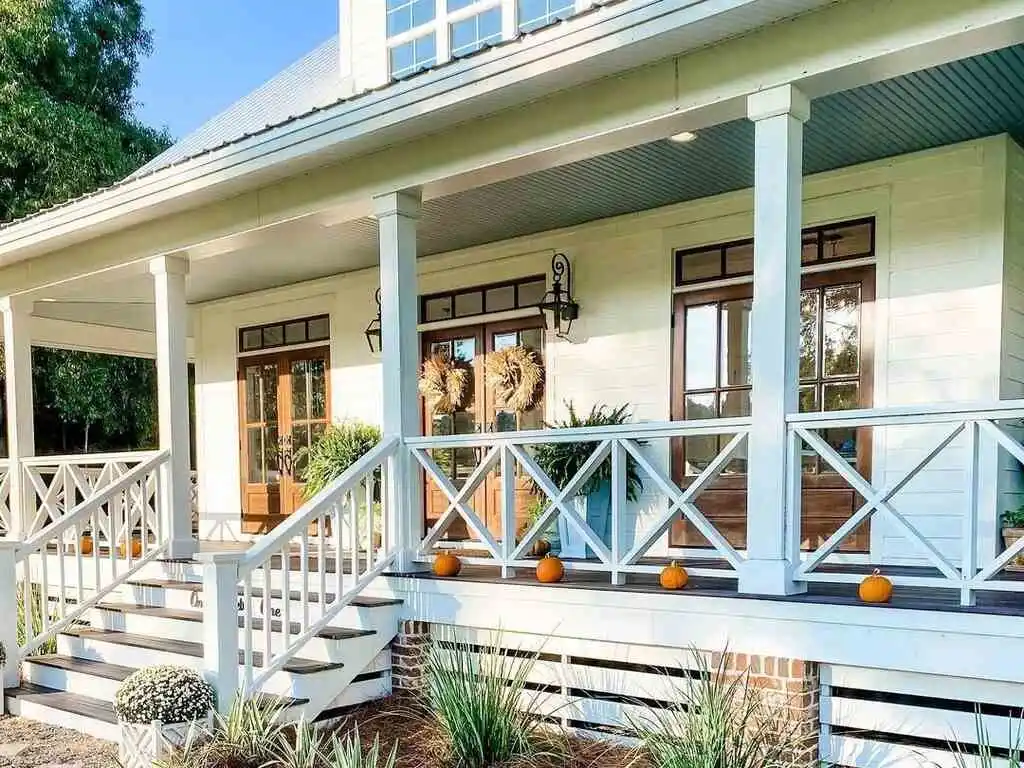
A white wood railing gives the porch a clean, finished look that fits both older and newer homes. It stays visually light, so the entry feels open instead of crowded.
With heavy exposure to the sun or rain, paint can wear out faster. A semi-gloss finish helps it last longer and keeps the surface easier to clean.
It tends to highlight greenery and entry details without overpowering them. Adding darker spindles or posts creates contrast, but skipping primer often leads to uneven fading sooner than expected.
2. Wrought Iron Railing: For a Touch of Old-World Charm
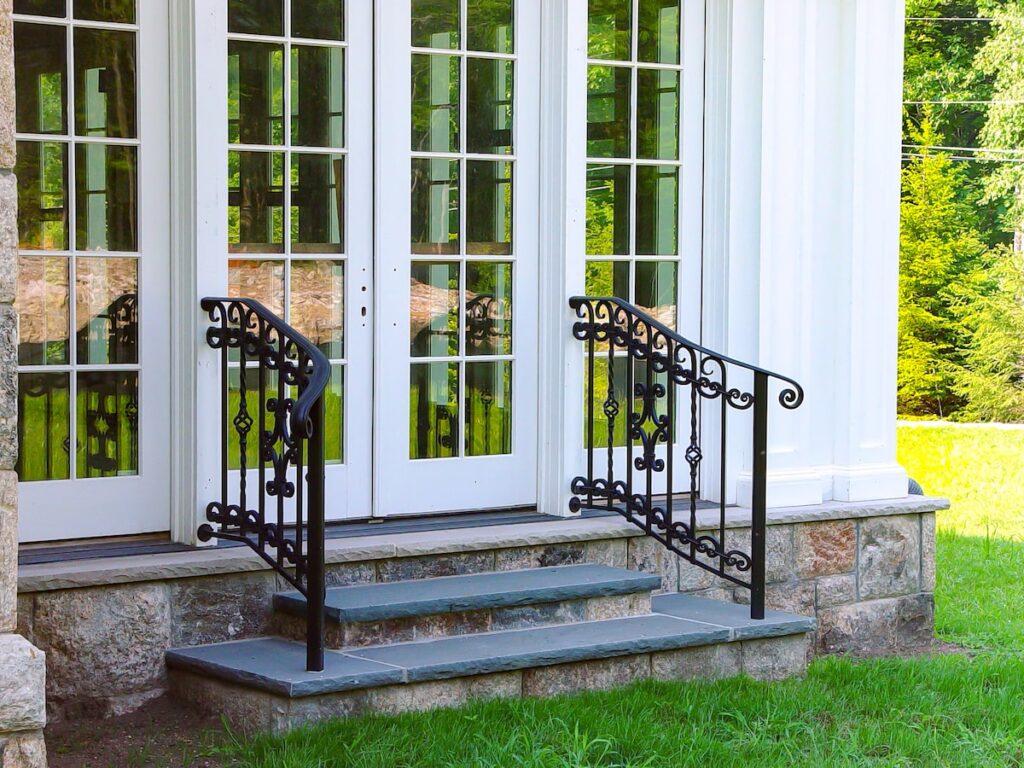
Wrought iron works well on homes with a historic or classic feel, adding detail without needing extra decor. The scrollwork naturally draws attention, so the space feels styled even with minimal pieces.
In windy or high-traffic areas, it holds up better than wood. A matte black or slightly textured finish hides wear and keeps the look consistent over time.
It tends to anchor the porch visually, especially when paired with simple furniture. Small paint chips matter more than they seem, since ignoring them often leads to rust spreading faster than expected.
3. Cable Railing: Sleek and Modern
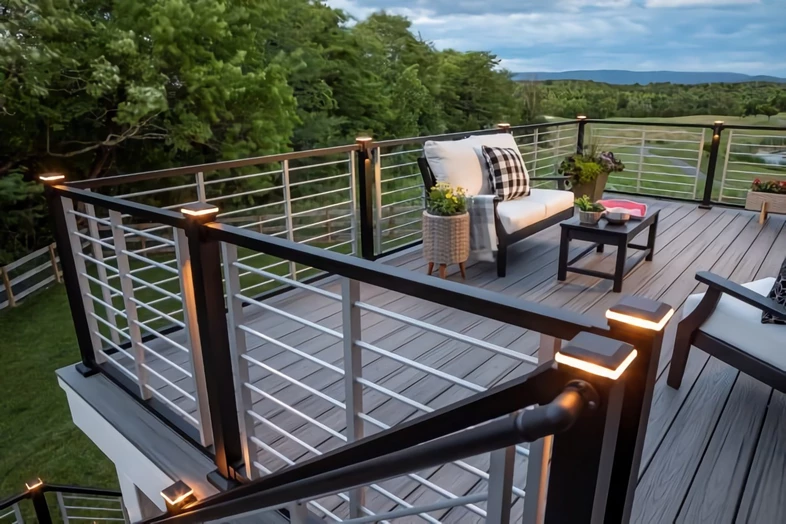
Cable railing keeps the porch visually open, which helps when you have a view or a smaller layout. It fits clean-lined homes and modern farmhouse exteriors without adding visual clutter.
On compact porches or narrow entries, the thin stainless cables reduce that boxed-in feeling. A brushed or matte finish also hides fingerprints better, which matters with regular use.
It tends to make the space feel lighter and more spacious, especially with simple lighting and minimal decor. One thing to watch is cable tension, since loose lines quickly make the whole setup look off.
4. Rustic Farmhouse Wooden Railing: Cozy and Inviting
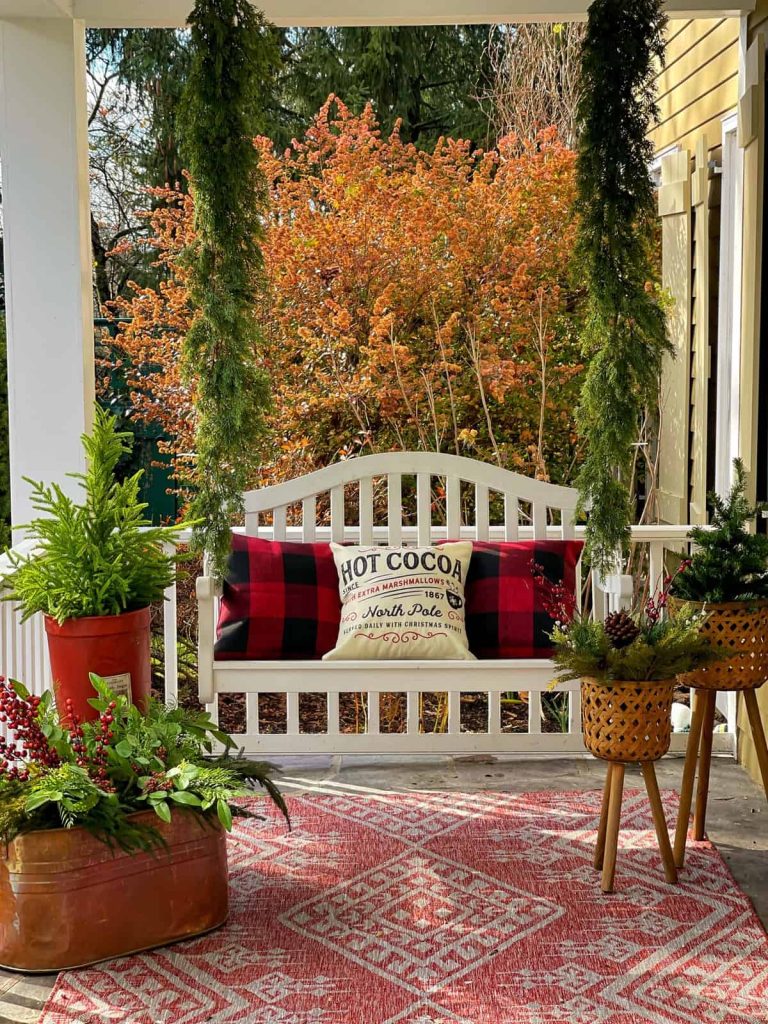
A rustic wood railing brings warmth and texture that instantly softens the porch. The natural grain and slight imperfections make the space feel lived-in without much styling.
In covered porches or shaded areas, a light stain keeps the wood from looking too dark. Mixing painted posts with natural rails adds contrast while still keeping that relaxed farmhouse feel.
It tends to make the entry feel more welcoming and layered, especially with simple seating and soft lighting. One thing to watch is sealing, since untreated wood can fade unevenly faster than expected.
5. Glass Railing: A Modern, Minimalist Look
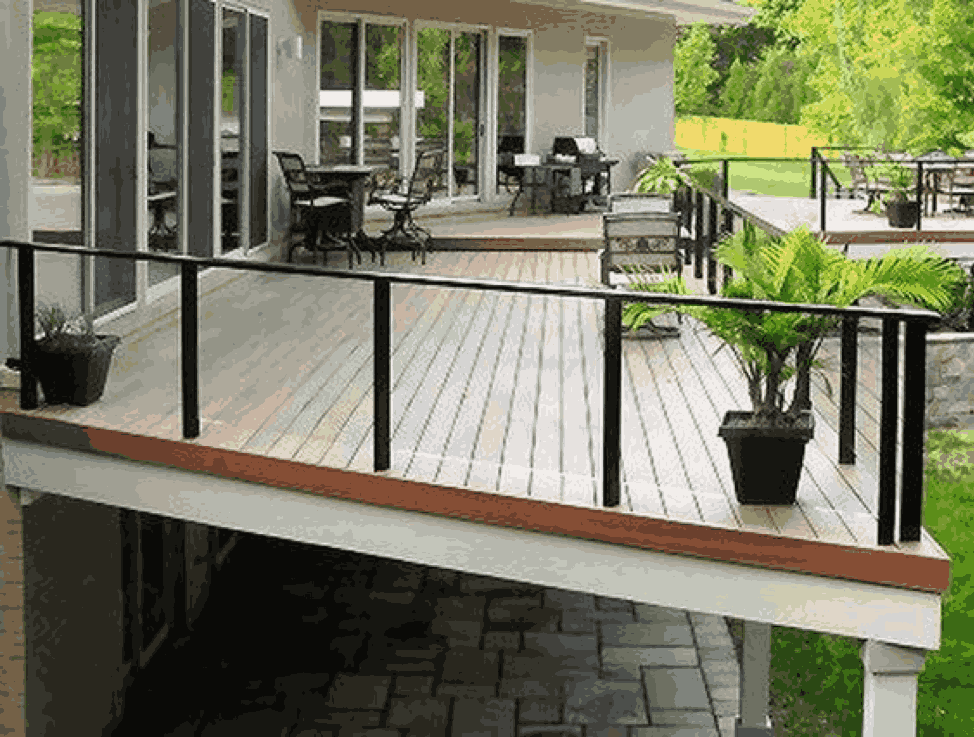
Glass railing keeps the view clear and the porch visually uncluttered, which works well when landscaping or surroundings are the focus. It blends into modern exteriors without adding extra detail.
In high pollen or dusty areas, panels need regular wiping to stay clear. Tempered glass with a slight tint or matte posts helps reduce visible smudges during daily use.
It tends to make the space feel more open and refined, especially with metal accents. One small detail is edge alignment, since uneven panels stand out quickly against such a clean surface.
6. Vertical Spindle Railing: Classic Americana Style
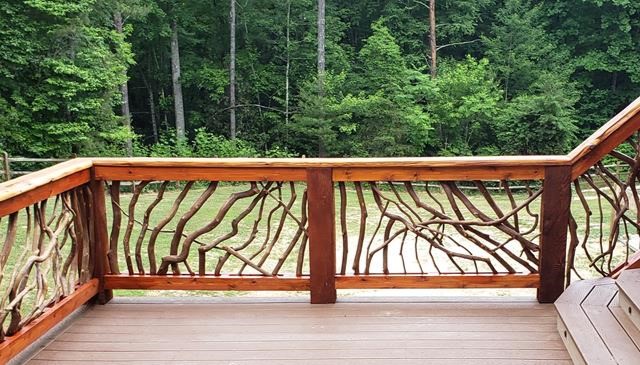
Vertical spindles create a clean, structured look that fits traditional and cottage style homes. The evenly spaced lines keep the porch feeling organized without extra detail.
On shorter or low ceiling entries, the vertical pattern draws the eye upward. Using a darker tone like charcoal for spindles with lighter rails adds contrast without making it feel heavy.
It tends to make the space feel taller and more balanced, which helps simple decor stand out. One thing I have noticed is spacing matters, since uneven gaps quickly disrupt the whole look.
7. Lattice Railing: Charming and Cozy
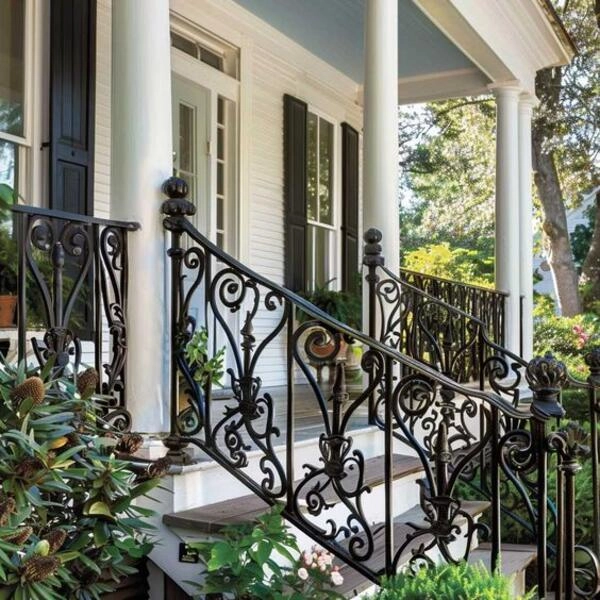
Lattice railing adds a soft pattern and texture that makes the porch feel more enclosed without closing it off. It works well on homes that lean traditional or cottage in style.
In closely spaced homes or street-facing porches, it offers light privacy while still allowing airflow. Vinyl lattice is easier to maintain, while painted wood gives a slightly richer finish.
It tends to create a more tucked-in, relaxed feel, especially with plants nearby. One thing to watch is spacing behind the lattice, since poor backing can make it look flimsy from certain angles.
8. Vinyl Railing: Low Maintenance and Durable
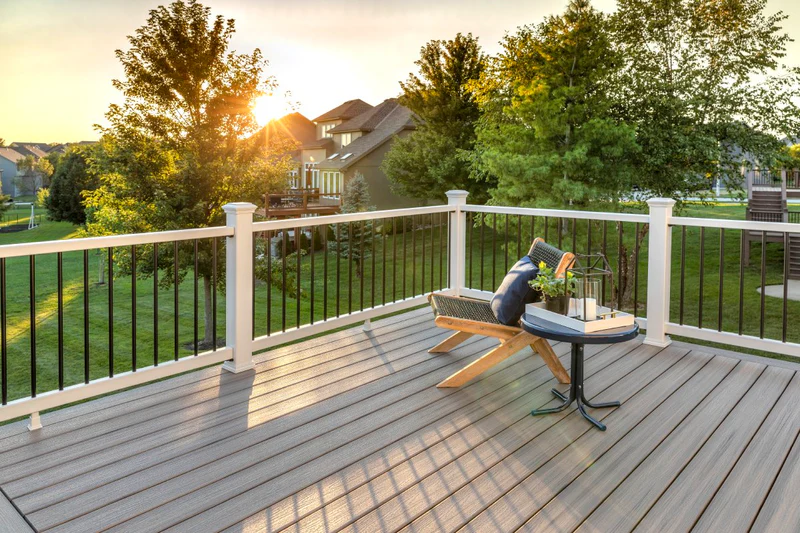
Vinyl railing is a solid choice if you want a consistent look without ongoing upkeep. It resists rot and does not need repainting, so the porch stays tidy with minimal effort.
In humid or rainy climates, it holds up better than wood. A slightly textured or matte finish helps hide dirt and keeps the surface from looking too shiny in bright light.
It tends to stay clean and uniform over time, which makes the whole entry feel maintained. One thing to watch is color fading, since cheaper vinyl can dull unevenly after long sun exposure.
9. Aluminum Railing: Lightweight Yet Sturdy
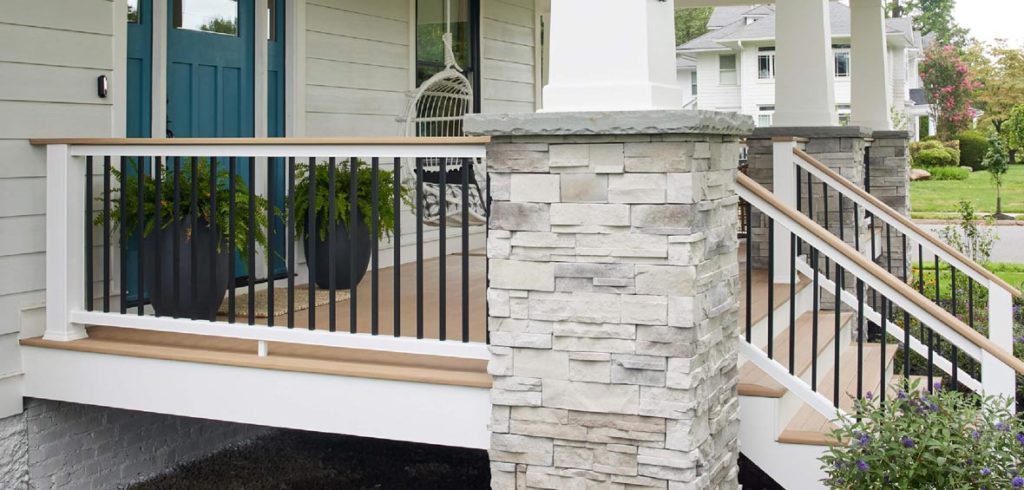
Aluminum railing offers strong support without heavy visual weight, making it a practical fit for many porch styles. It handles changing weather well and keeps its structure over time.
In coastal or humid areas, it resists corrosion better than many metals. Powder-coated finishes, especially matte black, help reduce glare and keep the look consistent.
It tends to keep the porch feeling clean and structured without needing much upkeep. One detail to watch is hollow sections, since lower-quality builds can feel less solid when touched.
10. Farmhouse Wire Railing: Modern Meets Country
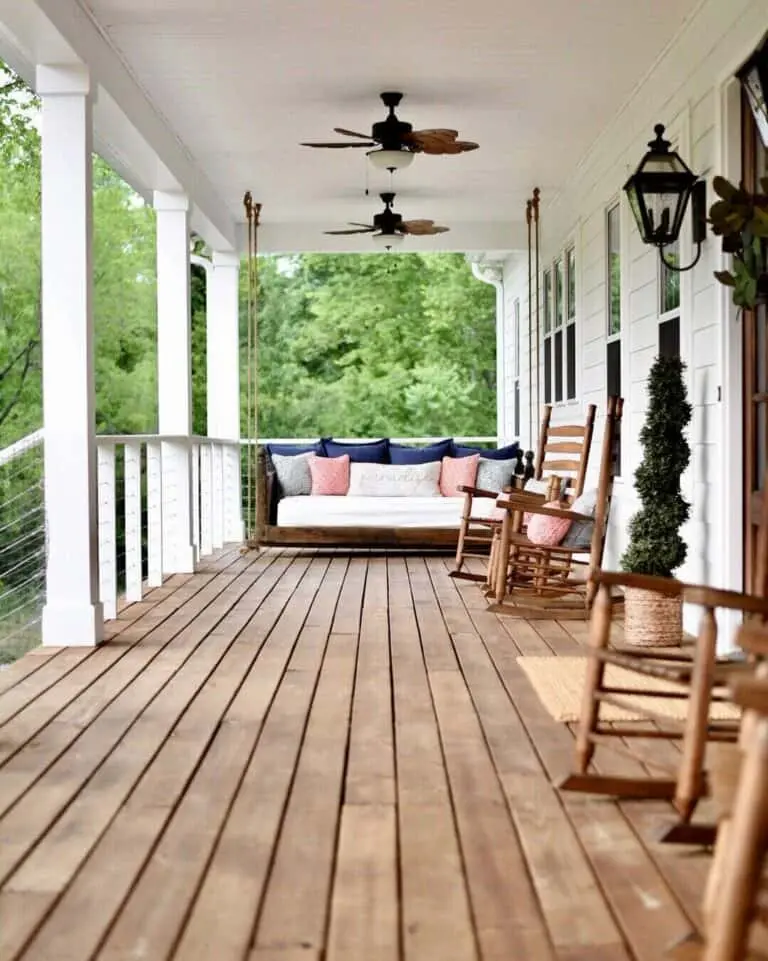
Wire railing keeps the porch open and airy while wood posts add warmth. It blends farmhouse texture with a lighter, more modern feel.
On small or view facing porches, the mesh reduces visual weight without losing structure. Black hardware with natural wood tones adds contrast without making it feel busy.
It tends to balance cozy and clean in one setup, especially with simple decor and plants. One detail to watch is wire spacing, since wider gaps can feel less secure around kids or pets.
11. Victorian-style Railing: Ornate and Beautiful
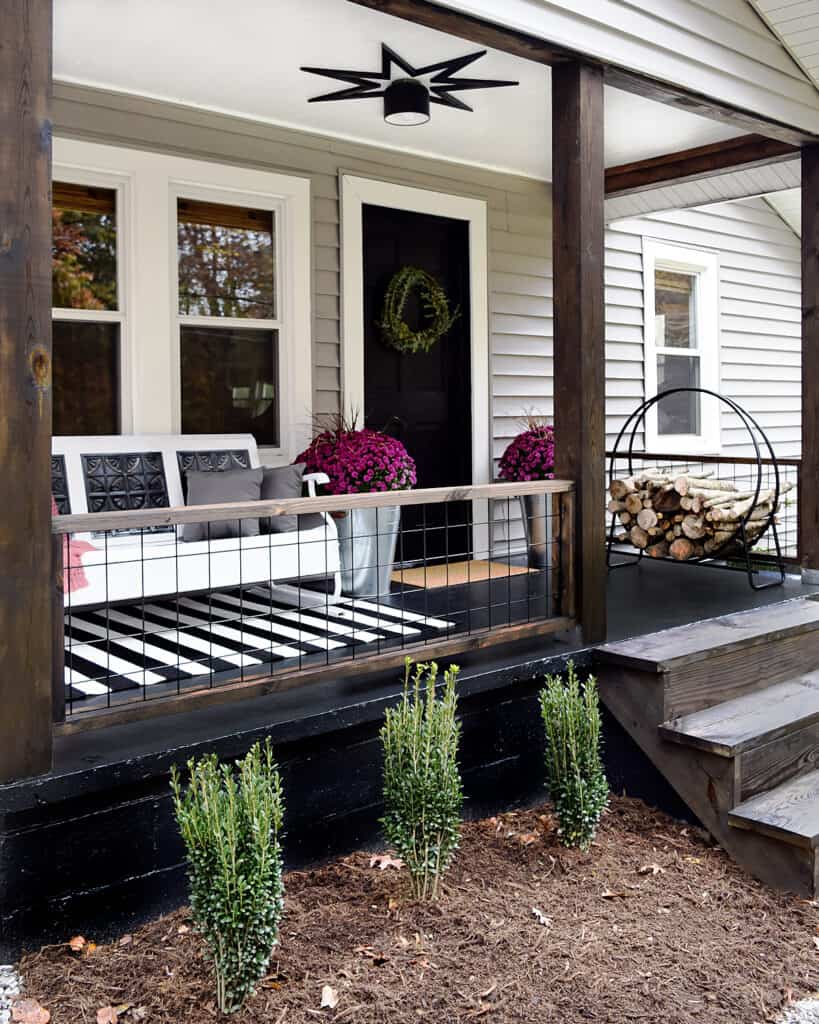
Ornate railings suit homes with vintage architecture, adding detail that feels built into the design. The scrollwork draws attention, so the porch looks styled without extra pieces.
On smaller porches, too much decor can compete with the detailing. A glossy black or deep green finish pairs well with lighter trim and keeps the pattern easy to read.
It tends to make the entry feel more refined and complete, even with minimal styling. One thing to watch is the buildup in corners, since dust and paint layers can soften the detail over time.
12. Painted Railing with Bold Color: Make a Statement
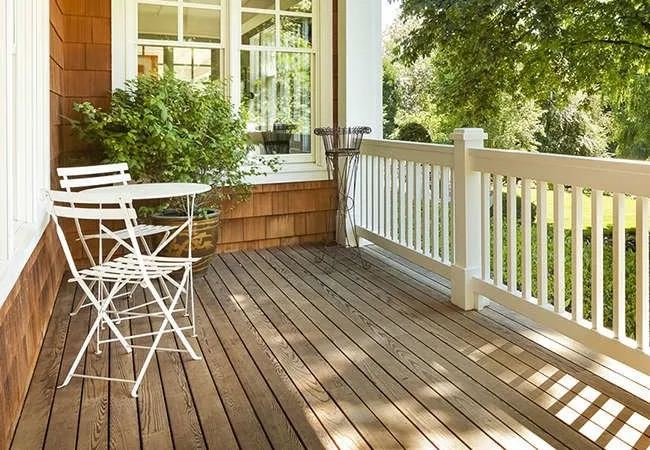
A bold painted railing adds instant personality, especially on neutral exteriors. Colors like navy, deep red, or muted sage create a clear focal point without changing the whole facade.
On sun-exposed porches, darker shades can fade unevenly. A satin or semi-gloss finish holds color better and makes cleaning easier after daily use.
It tends to pull the whole entry together when matched with doors or planters. One thing to watch is overmatching, since repeating the color too much can make the space feel flat instead of intentional.
13. Curved Railing: Soft and Elegant Lines
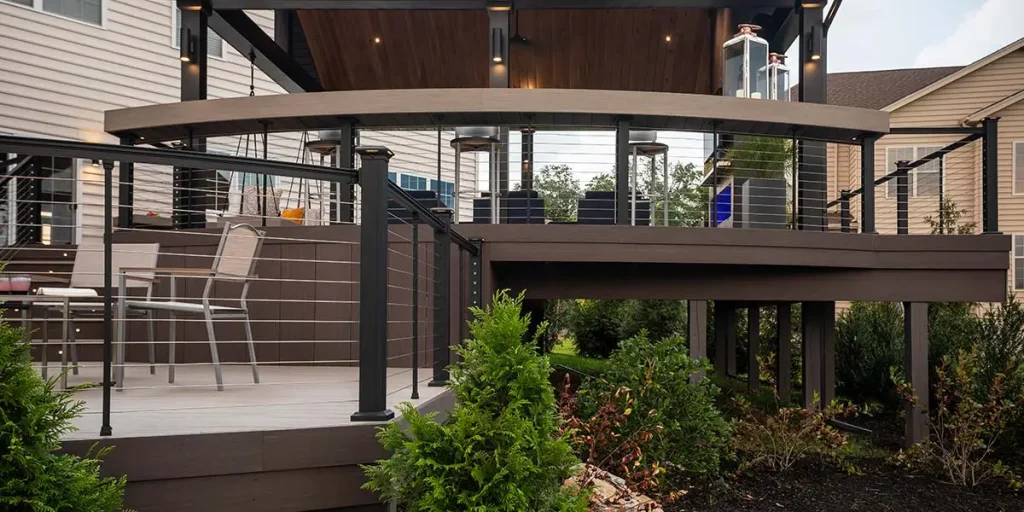
Curved railings introduce softer lines that make the entry feel more inviting. They work especially well when steps or pathways already have rounded shapes.
On narrow porches, the curve can feel compressed and lose its effect. Wider layouts allow the shape to read clearly, especially when paired with warm lighting and rounded planters.
It tends to create a smoother visual flow toward the entrance, making the space feel more intentional. One thing to watch is alignment, since uneven curves are noticeable right away.
14. Painted Wood with Accent Detail: Subtle but Stylish
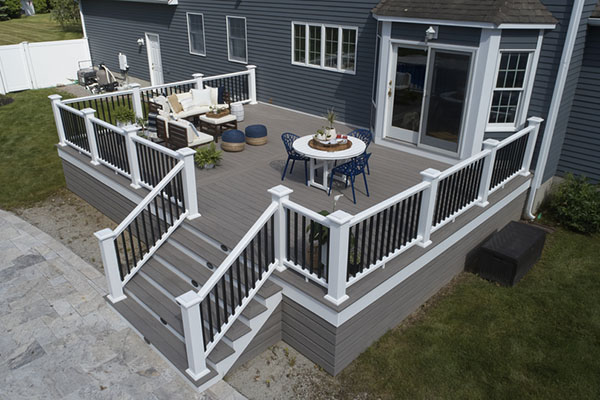
Painted wood with accents adds quiet detail that feels refined without being heavy. Small contrasts on caps or spindles give the railing a more finished look.
On smaller porches, subtle contrast works better than bold color changes. Using a soft neutral base with slightly darker accents keeps everything balanced.
It tends to make the entry feel more polished and intentional, even with minimal decor. One thing to watch is paint edges, since uneven lines stand out quickly in this style.
15. Industrial Railing: Bold and Modern
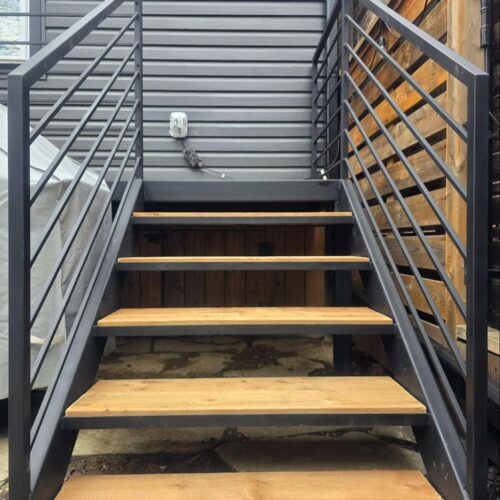
Industrial railing brings clean lines and visible hardware that add a strong, modern edge. It works well with brick, concrete, or darker exterior finishes.
On porches with limited space, keeping decor minimal helps the materials stand out. Matte black or brushed metal reduces glare and keeps the look grounded.
It tends to make the entry feel structured and intentional without extra detail. One thing to watch is exposed hardware, since loose fittings can become noticeable over time.
16. Reclaimed Wood Railing: Eco-Friendly and Unique
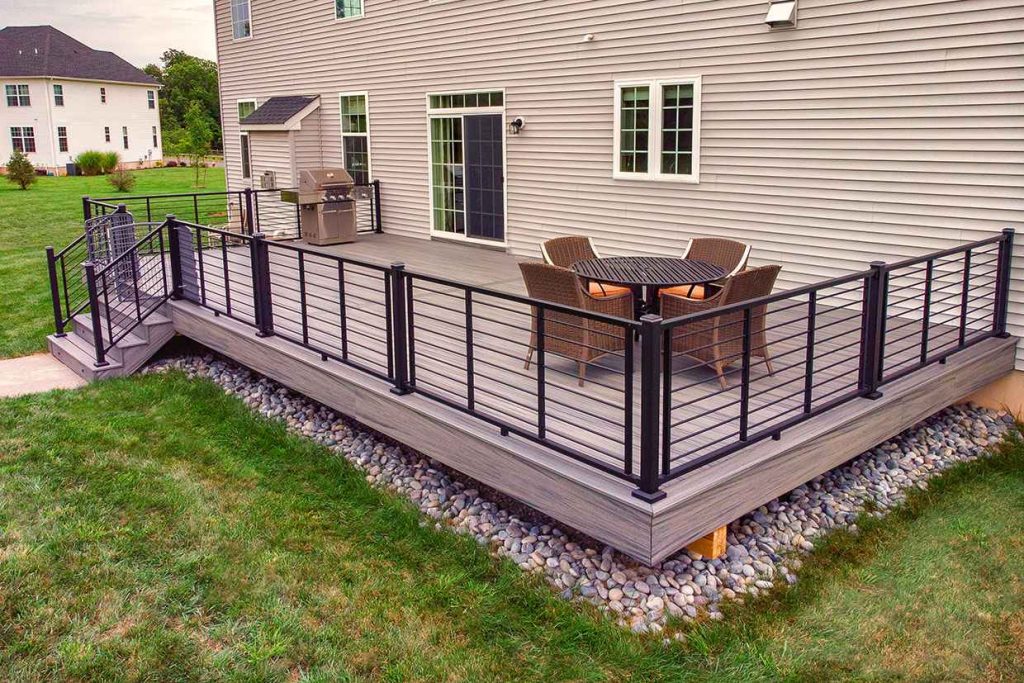
Reclaimed wood brings natural variation and texture that new materials cannot replicate. The marks and tone shifts make the railing feel lived in from the start.
On exposed porches with rain or humidity, sealing is essential to prevent rough surfaces. A matte outdoor sealant keeps the texture visible without making it look overly polished.
It tends to add warmth and character that softens the whole entry. One thing to watch is hidden weak spots, since older wood can have soft areas that are not obvious at first glance.
17. Decorative Metal Railing: Chic and Artistic
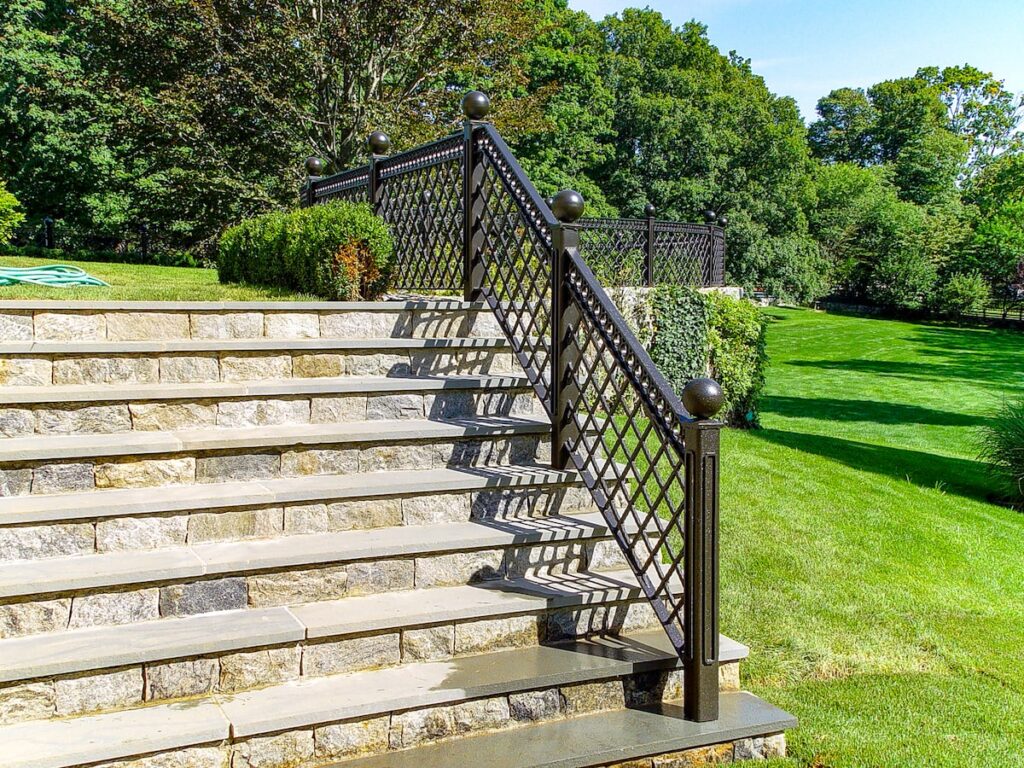
Decorative metal railings add pattern and personality that can define the whole porch. Designs range from geometric to vintage-inspired, depending on the look you want.
On simple or plain porches, this becomes the main visual feature. A darker finish, like matte black, works well, especially when paired with lighter planters for contrast.
It tends to make the entry feel more custom and intentional without extra decor. One thing to watch is pattern density, since overly detailed designs can feel busy from a distance.
18. Coastal Rope Railing: Nautical Vibes
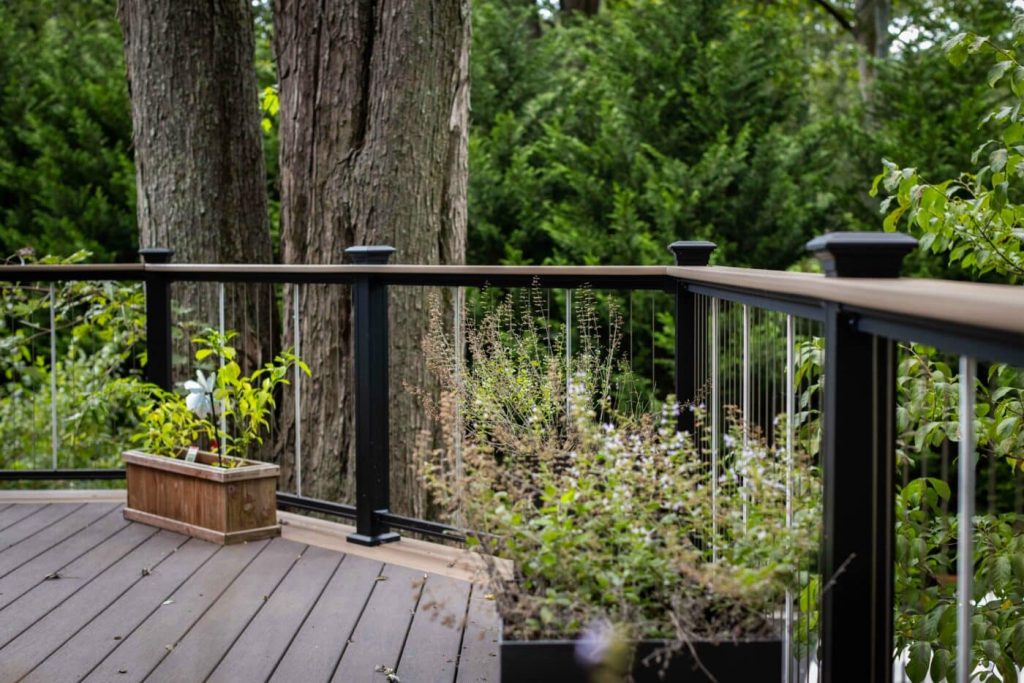
Rope railing brings a relaxed, casual feel that suits coastal or lake-style homes. It pairs naturally with wood decking and lighter seating tones.
On porches exposed to strong sun or rain, marine-grade rope holds its shape better. A thicker weave also keeps the lines looking more defined over time.
It tends to soften the overall look and feel more laid back, especially with simple decor. One thing to watch is sagging, since loose rope quickly makes the setup look untidy.
19. Farmhouse Split Rail Railing: Simple Yet Elegant
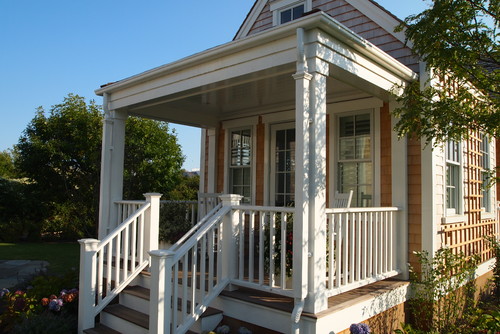
Rope railing gives a light, relaxed feel that suits coastal or lake-style porches. It pairs easily with natural wood and simple, light-toned seating.
On sun-exposed or rainy porches, marine-grade rope holds up better and keeps its texture. A thicker rope diameter also helps the lines look more structured.
It tends to soften the space and feel more casual, especially with minimal decor. One thing to watch is tension, since loose rope can sag and make the railing look uneven.
20. Modern Steel Railing: Clean and Sophisticated
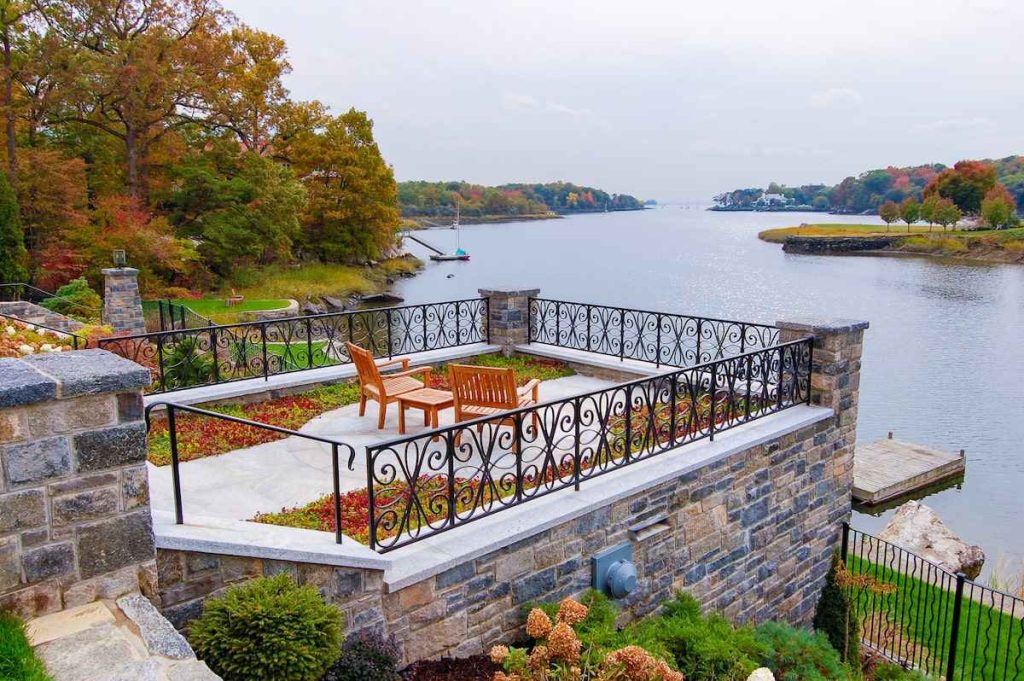
Modern steel railing brings sharp lines and a streamlined look that suits contemporary homes. It works well with large windows and minimal exterior details.
In areas with heavy rain or humidity, a powder-coated finish protects the surface and reduces maintenance. Brushed or matte steel also helps limit visible marks.
It tends to make the entry feel structured and cohesive, especially when finishes match lighting or hardware. One thing to watch is heat buildup, since dark steel can feel warm under direct sunlight.
21. Iron & Wood Combo Railing: The Best of Both Worlds
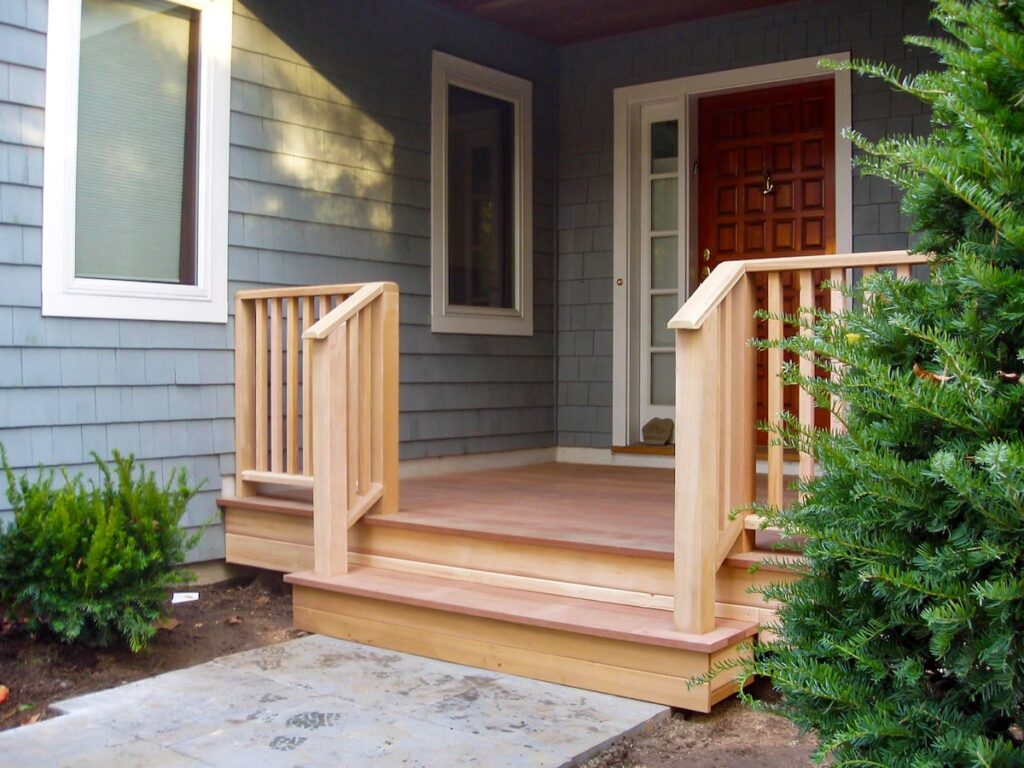
This mix brings contrast between warmth and structure, with wood softening the look while iron adds definition. It fits farmhouse, modern, and slightly industrial homes without feeling out of place.
On porches with mixed materials like brick or concrete, this combo helps tie everything together. Keeping the wood tone close to the door or flooring creates a more unified look.
It tends to feel balanced and more designed, even with simple decor. One thing to watch is finish mismatch, since different tones can make the railing feel disconnected.
22. Sculptural Railing: A Work of Art
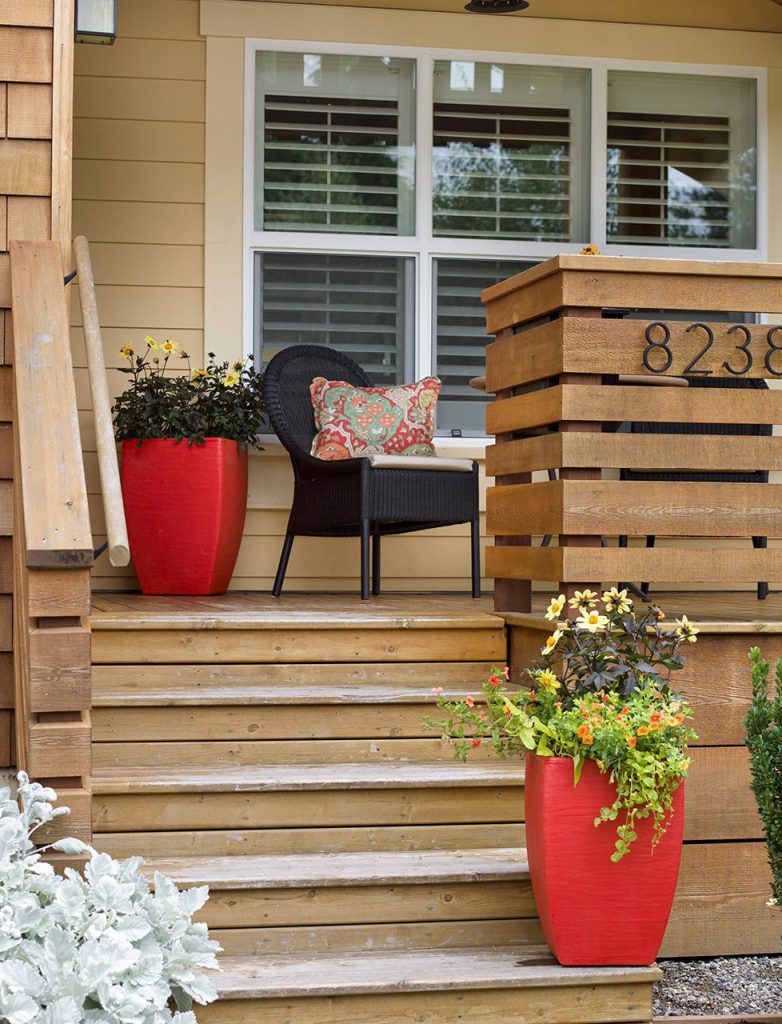
Sculptural railings bring artistic shapes and bold lines that turn the porch into a focal point. The design itself carries the visual weight, so it stands out immediately.
On smaller porches, complex forms can feel overwhelming if paired with too many decor elements. Keeping seating and lighting simple lets the structure remain the highlight.
It tends to create a strong, intentional first impression from the curb. One thing to watch is proportion, since oversized designs can overpower the entry more than expected.
23. Natural Stone Pillar Railing: Rustic Luxury
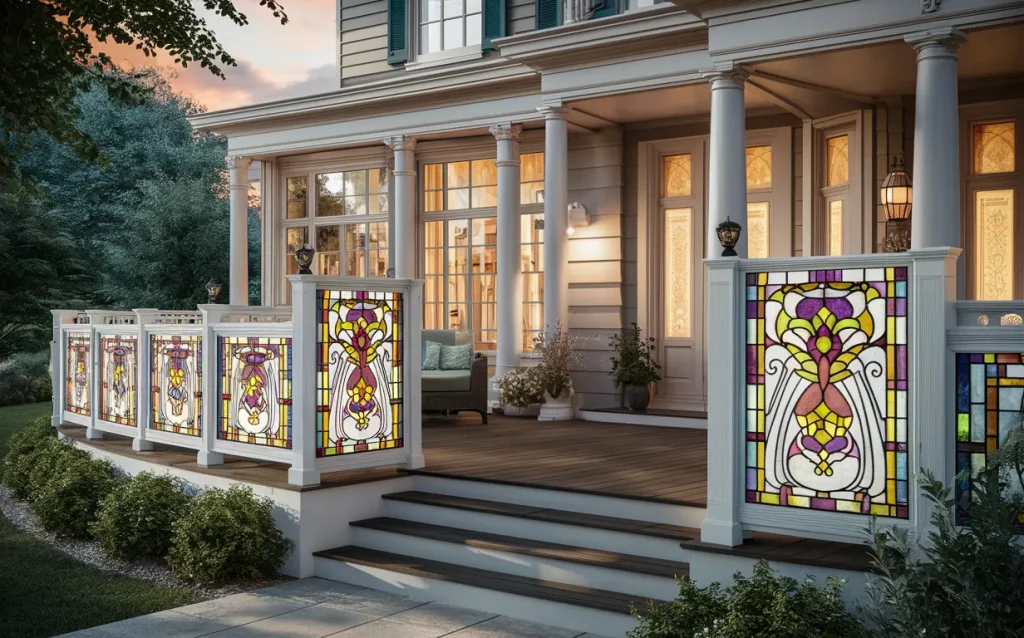
Stone pillars add visual weight and texture that make the porch feel grounded. Paired with wood or metal rails, the mix creates a more layered look without extra decor.
On larger porches or homes with landscaping, the stone detail reads better and feels balanced. Rough cut or lightly textured stone helps blend with plants and natural surroundings.
It tends to make the entry feel more established and long-lasting, especially over time. One thing to watch is color variation, since mismatched stone tones can feel less cohesive.
Frequently Asked Questions
What Is The Best Material For Front Porch Railings?
The best material depends on your climate and maintenance preference. Wood offers warmth but needs upkeep in wet or sunny areas. Vinyl and aluminum are low-maintenance and handle moisture well.
Steel or wrought iron adds strength and structure but may need protective finishes. Choosing based on weather exposure helps the railing last longer and look consistent over time.
How Do I Choose The Right Railing Style For My Porch?
Start with your home’s exterior style and porch size. Classic homes suit wood or spindle designs, while modern spaces work better with cable or metal.
On smaller porches, lighter designs prevent a crowded feel. Matching railing tones with doors or flooring creates a more cohesive look, which makes the entry feel more intentional.
Are Front Porch Railings Required By Code?
In most cases, railings are required if the porch is raised above a certain height, often around 30 inches. Local building codes also define spacing and height rules.
Checking regulations before installing ensures safety and avoids costly changes later, especially for custom or decorative designs.