I Didn’t Expect DIY Macrame Wall Hangings to Look This Good

Blank walls can make a room feel cold and unfinished, no matter how much furniture or décor you add.
Many DIY enthusiasts want to add texture and warmth without spending a fortune or buying mass-produced art. Macrame wall hangings are perfect for this; they’re stylish, tactile, and customizable for any space.
The good news is you don’t have to be an expert to create a stunning piece. With a few materials and some creativity, you can transform your walls into a cozy, modern showcase.
This article shares 19+ DIY macrame wall hanging ideas that are easy to make, visually appealing, and perfect for any room in your home.
Let’s jump in!
Why Macrame Still Works in Modern Homes?
Texture is often what makes a room feel finished. Macrame introduces movement and shadow, which helps flat walls feel more dynamic. Even in minimalist spaces, a simple neutral hanging can add warmth without overwhelming the design.
Because it is handmade, each piece carries a subtle uniqueness. That handcrafted quality creates a sense of intention that mass-produced decor sometimes lacks.
Is DIY Macrame beginner-friendly?
Yes. Many of the most impactful designs are built from basic square knots, lark’s head knots, and simple fringe finishes.
Smaller projects are perfect for beginners and require only cord, scissors, and a dowel. As you gain confidence, you can experiment with layered patterns, larger scales, or mixed materials.
19+ DIY Macrame Wall Hanging Ideas to Inspire Your Space
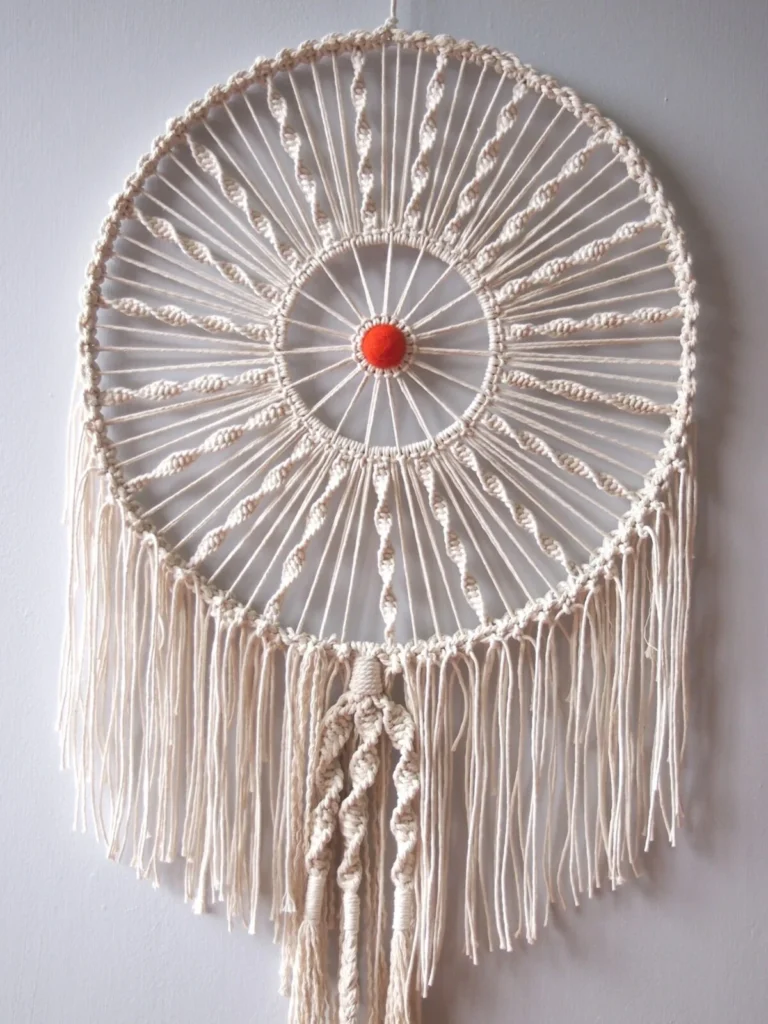
Below, you will find a curated collection of ideas that range from minimal and modern to textured and statement-making.
Whether you are refreshing a bedroom, softening a living room wall, or adding interest to a hallway, these macrame wall hanging ideas offer creative ways to transform your home with texture and warmth.
1. Boho Chic Wall Hanging
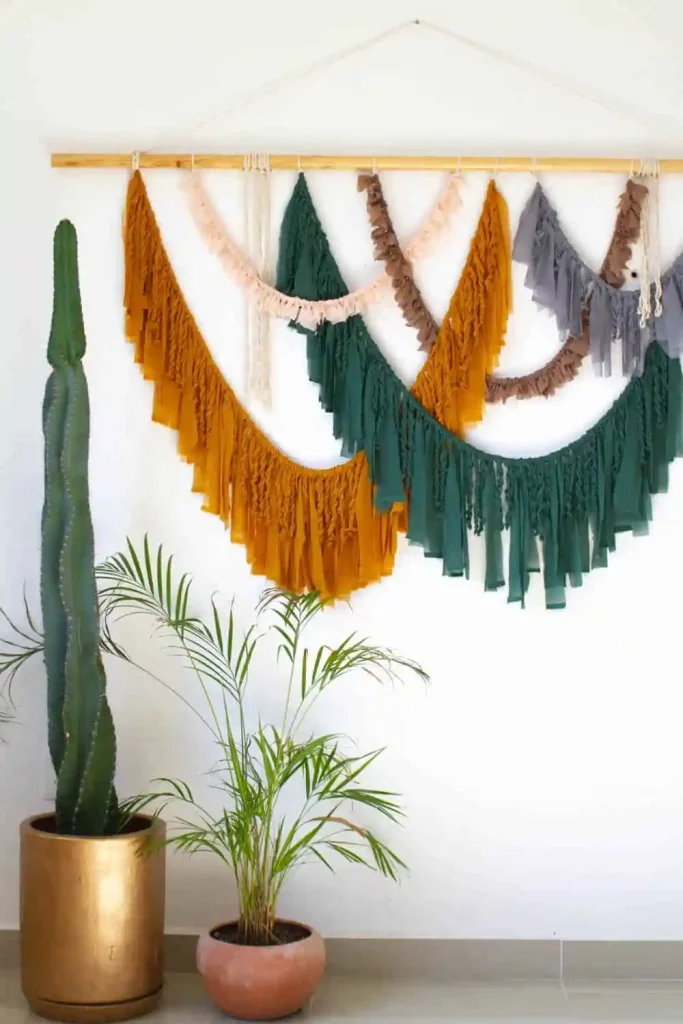
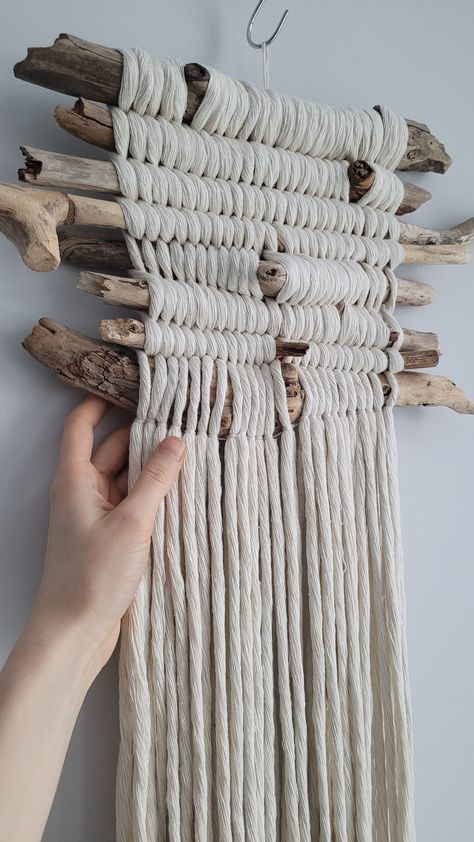
Boho chic macrame works well with natural fibers and relaxed knots. In rooms with low ceilings, large hangings can feel cramped, so moderate the length.
Using a driftwood top bar adds an organic, tactile element that complements cotton fibers. This makes the wall feel warmer and textured without crowding the space.
A subtle tip: avoid tightening knots too much at edges, as they may distort over time and change the piece’s balance.
2. Geometric Shapes and Patterns
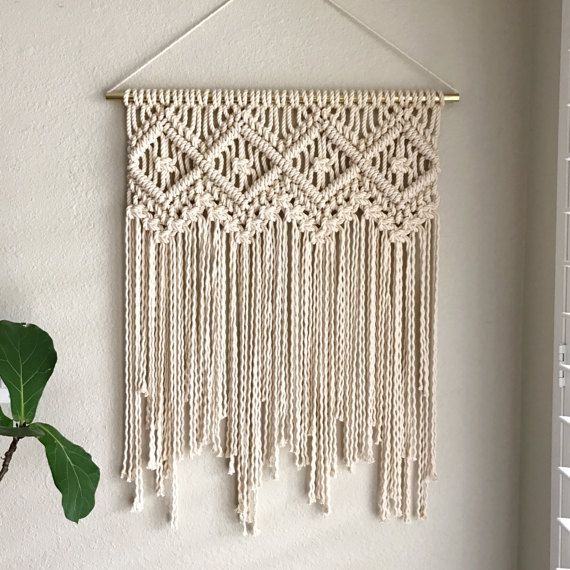
Geometric macrame pairs sharp lines with intricate knots. In spaces with limited natural light, darker cords may make the piece look heavier than intended.
Contrasting triangles and square knots in neutral cotton create a clean focal point that draws the eye upward. The design defines a wall without overwhelming the room.
Most people overlook symmetry; small misalignments can make the design feel off, so mark your layout before knotting.
3. Tasseled Wall Hanging
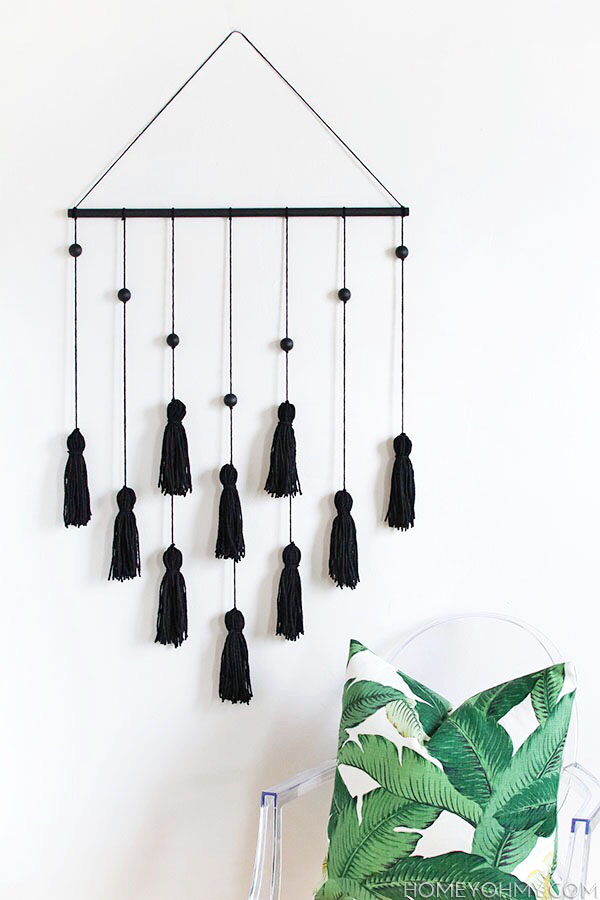
Tassels add texture and playful movement to walls. In narrow entryways, long tassels can dominate the space, so shorter tassels maintain balance.
Evenly spaced tassels along the bottom or between sections produce a rhythmic look. The result lightens the room and softens hard edges.
A common oversight: tassels twist together while hanging; gently comb them after assembly to keep strands separated.
4. Macrame Plant Hanger Wall Art
Combining macrame with plants brings greenery and texture to a wall. In sunny kitchens, untreated cotton cords may fade faster, so opt for slightly thicker fibers.
Adding multiple plant holders allows variety in pot size and arrangement. The wall art enlivens the room while providing functional storage.
A quiet caution: heavier pots can shift knots over time, so periodically check tension to maintain alignment.
5. Feathered Macrame Design
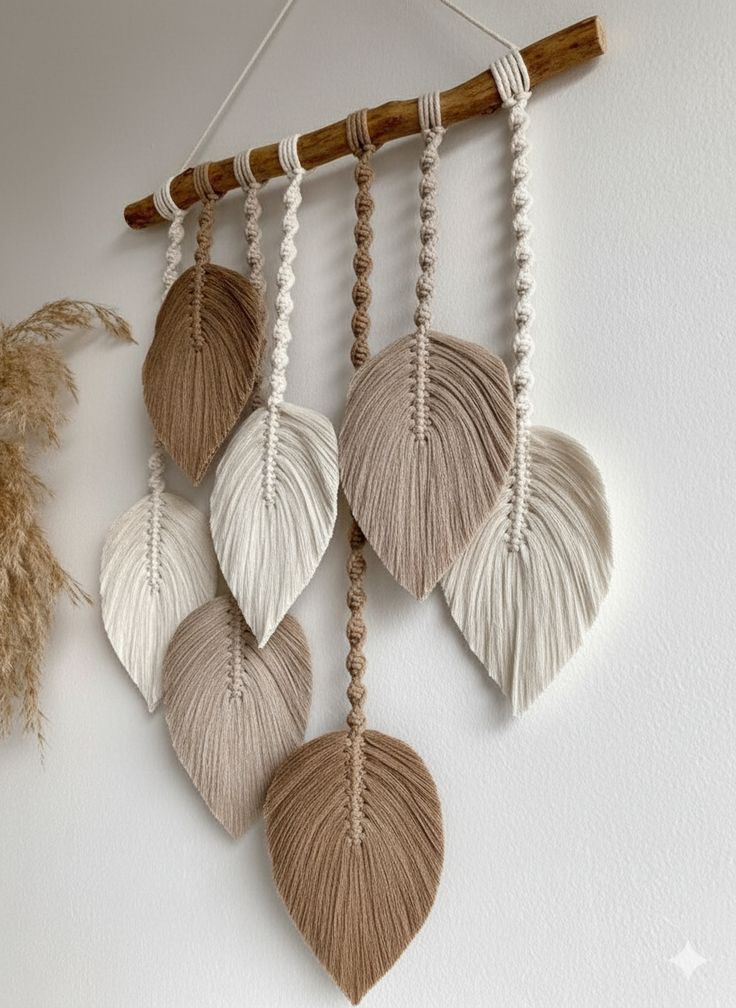
Feathered macrame creates soft, delicate shapes for natural or rustic spaces. On high-traffic walls, thin strands may snag, so consider location carefully.
Tapered feather-like knots produce a lightweight, airy texture that adds dimension. Hanging above a fireplace or bed introduces gentle movement.
One small tip: lightly brushing fibers after knotting separates strands and enhances the soft, refined effect.
6. Circular Macrame Wall Hanging
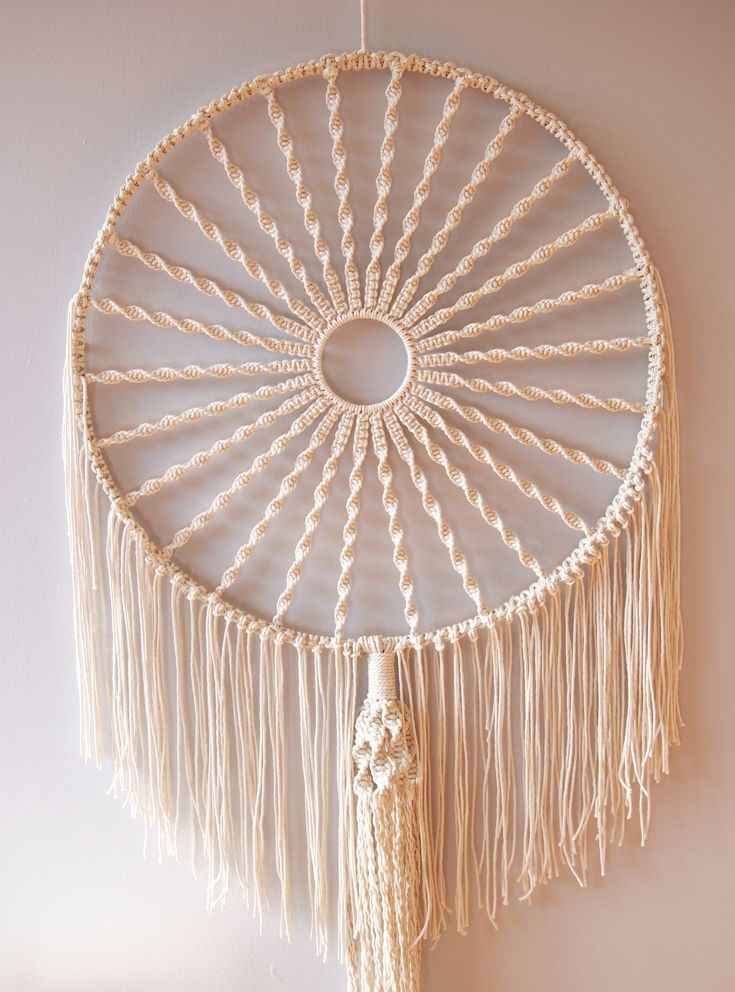
Circular macrame creates a calm, symmetrical focal point. In small entryways, oversized circles can dominate, so a medium-sized ring works best.
Using a wooden or metal ring as a base, knots can radiate outward with soft fringes at the edges. This brings subtle texture and flow to the wall.
Tip: spiraling knots can shift slightly over time, so adjust tension as you go to keep the design evenly rounded.
7. Macrame Heart Design
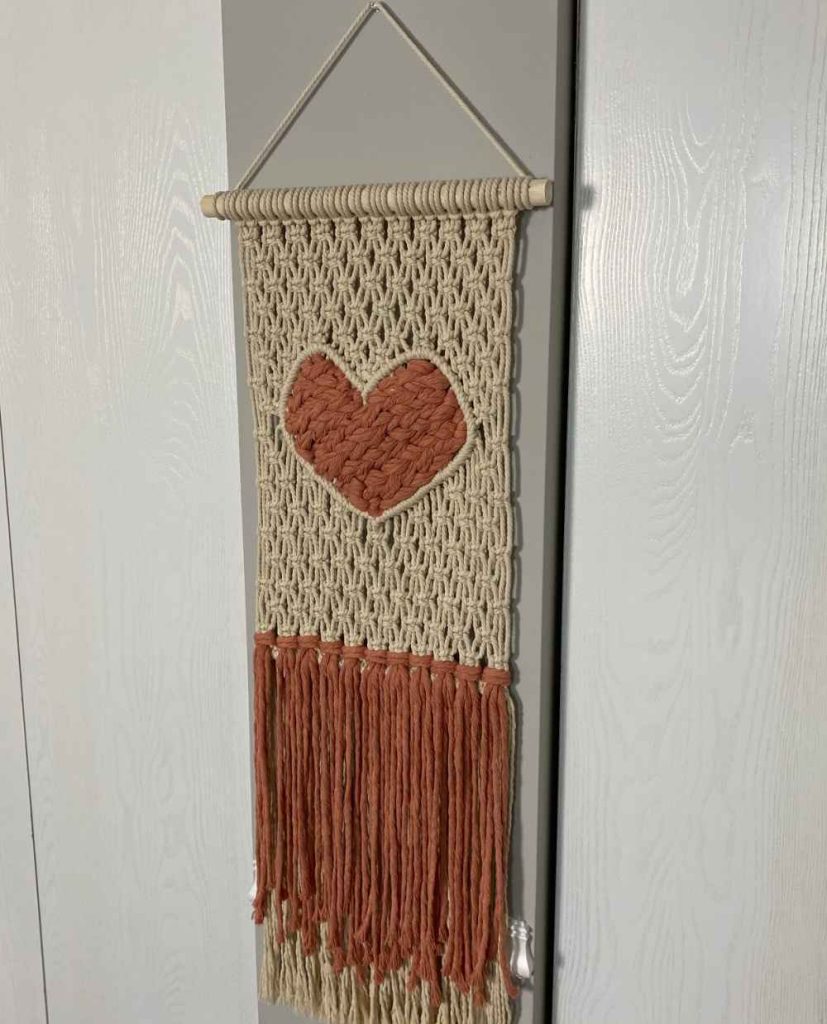
Heart-shaped macrame adds warmth and personality to a wall. In nurseries or compact rooms, smaller hearts prevent the design from feeling crowded.
Fringes or tassels along the curves accentuate the shape and add dimension. The finished piece creates a cozy, handcrafted touch.
A quiet insight: uneven tassels can distort the heart, so trim and adjust each side carefully for balance.
8. Minimalist Macrame Wall Hanging
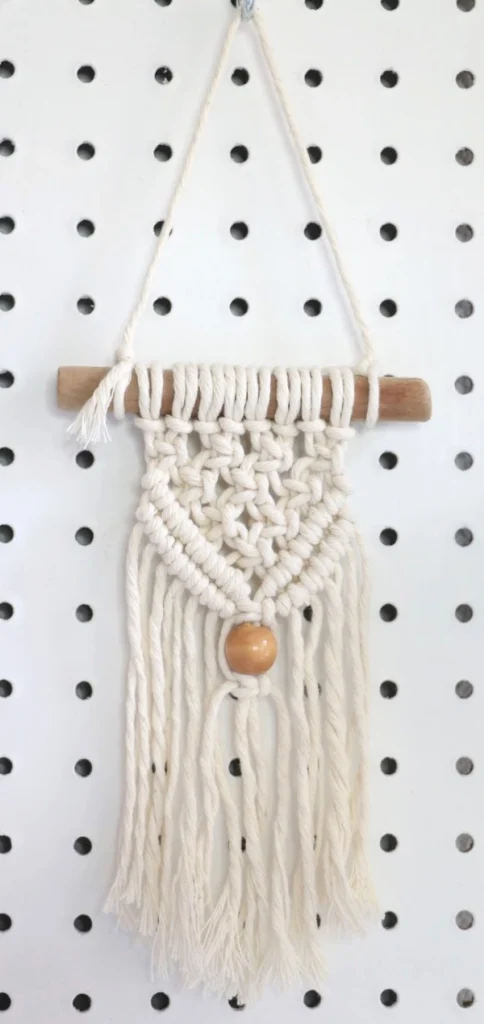
Minimalist macrame emphasizes clean lines and simplicity. On bright, busy walls, intricate knots may feel lost, so limit the design to a few well-placed knots.
Choosing neutral-toned cotton and sparse fringes maintains a subtle texture while keeping the look refined. The result adds calm structure without clutter.
Most beginners overlook proportion; small adjustments to spacing keep the design harmonious with surrounding furniture.
9. Fringe Accent Wall Hanging

Fringe accent macrame introduces movement and tactile interest. In narrow dining rooms, long fringes can overwhelm, so shorten the strands accordingly.
Adding draping fringes along the bottom or between sections produces rhythm and depth. The wall gains a bold, textured dimension.
One subtle tip: comb fringes gently after hanging to prevent tangling and maintain a polished appearance.
10. Macrame Dreamcatcher
Macrame dreamcatchers combine knots, feathers, and beads for symbolic charm. In sunlit bedrooms, thin fibers can fade, so consider a slightly thicker cord.
A circular ring with feather and bead accents creates a flowing, airy design that softens the wall and introduces positive energy.
Small insight: adding too many heavy beads can shift the knots, so balance embellishments to maintain shape over time.
11. Horizontal Macrame Panel

Horizontal macrame panels suit wide walls above couches or hallways. In narrow rooms, a very long piece can feel overwhelming, so keep proportions moderate.
A wooden dowel with lark’s head and half knots allows balanced patterns, with fringe on the sides to soften the edges. This adds calm structure without dominating the space.
Subtle insight: uneven tension along the rod can warp the panel, so adjust knots gradually as you progress.
12. Macrame Sunburst
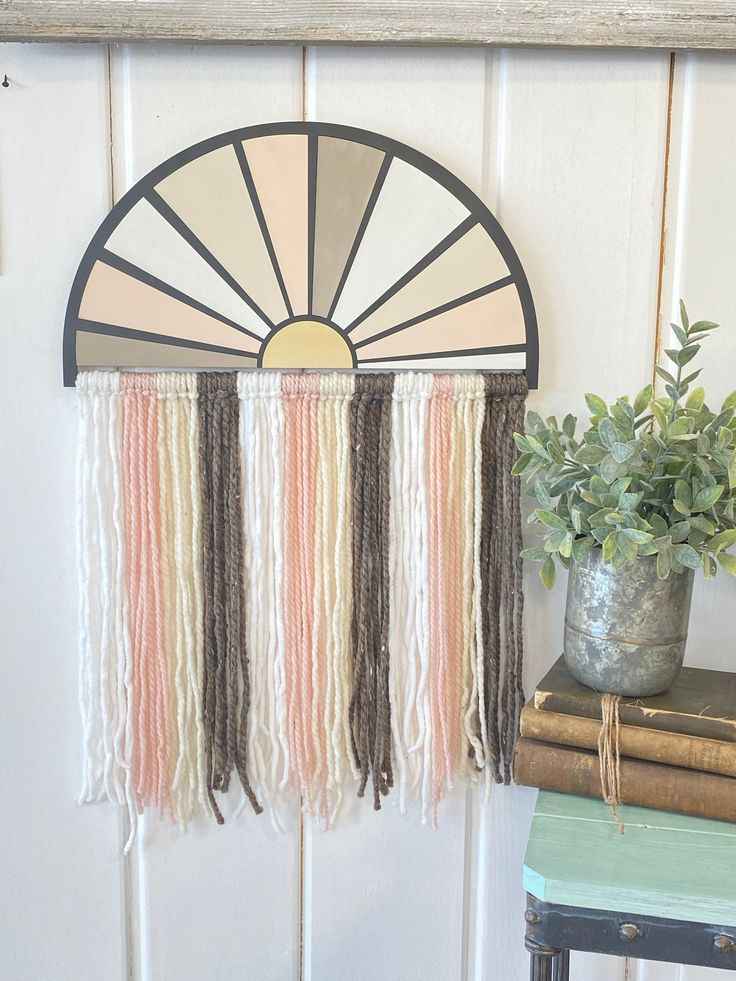
Sunburst macrame radiates warmth with outward-flowing knots. In rooms with dim lighting, shorter rays prevent the piece from appearing heavy.
Using a circular ring and spiral knots, varying ray lengths, plus fringes at the ends, adds texture and dimension. The design introduces a lively, inviting energy.
Tip: mismatched ray lengths can feel chaotic; check spacing frequently to maintain harmony.
13. Textured Macrame Wall Hanging
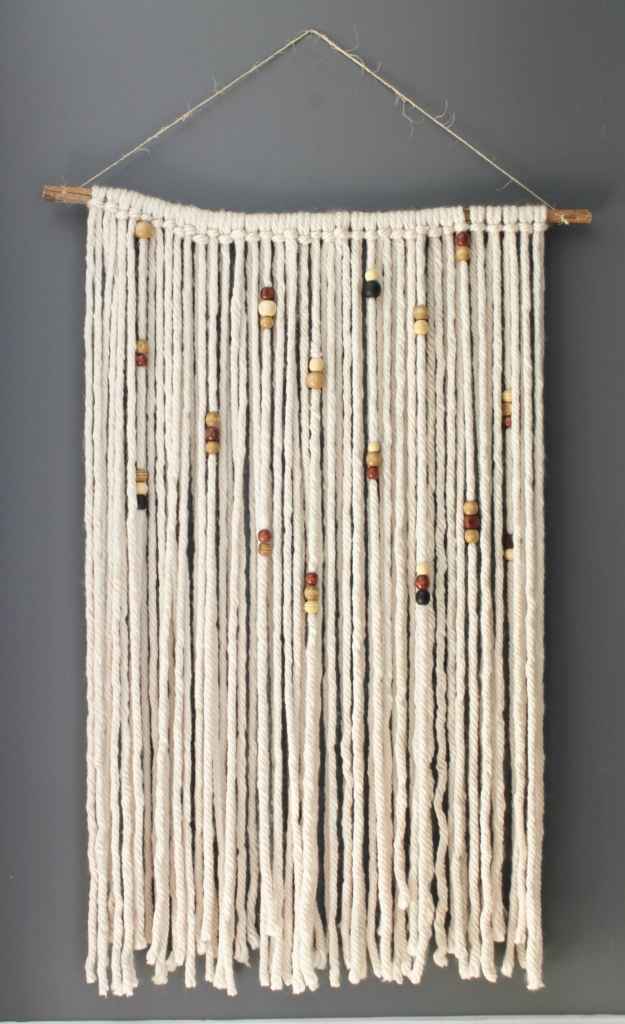
Textured macrame builds depth through layered knots. On small walls, dense textures can look cluttered, so focus on partial layering.
Combining square knots, twisted knots, and half hitches with materials like cotton and wool creates tactile contrast. The wall gains richness that can be both seen and felt.
Subtle insight: differing fiber thicknesses can pull unevenly; keeping consistent tension ensures smooth layers.
14. Macrame Tassel and Wooden Hoop Wall Art
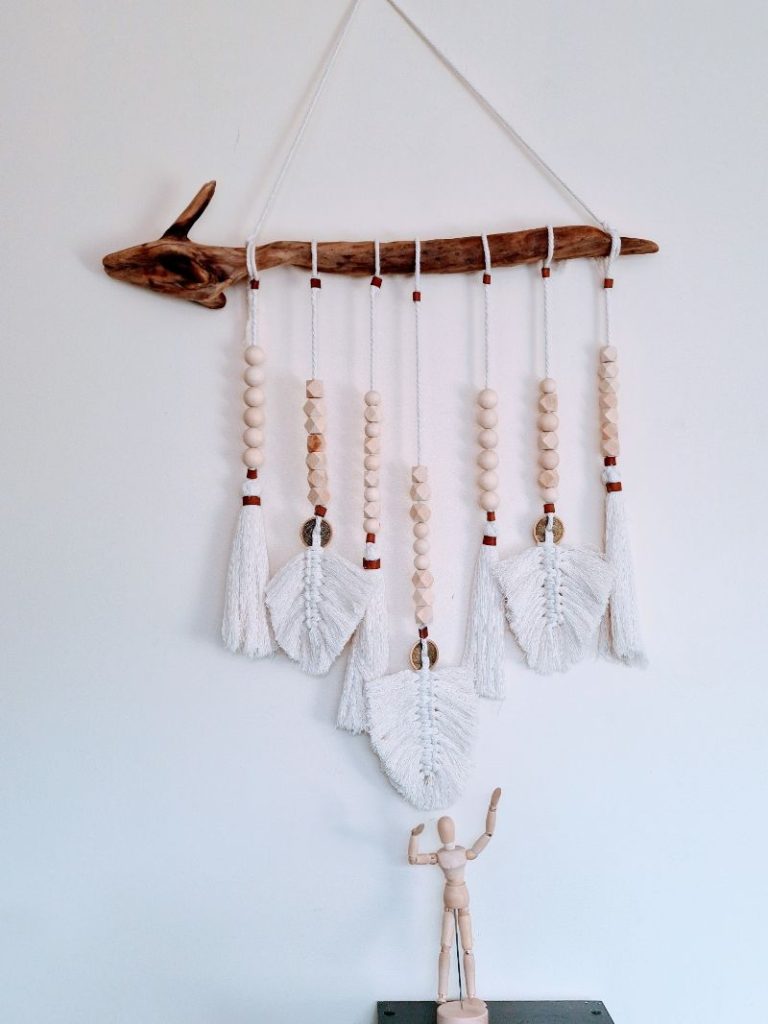
Tassels with a wooden hoop bring rustic elegance to walls. In brightly lit spaces, untreated wood may discolor, so lightly seal or choose a natural finish.
Rows of simple knots on a wooden hoop with tassels at the edges add movement and subtle texture. The piece feels airy yet grounded.
A quiet tip: spacing knots unevenly can make the hoop look lopsided; check alignment frequently during assembly.
15. Layered Macrame Wall Hanging
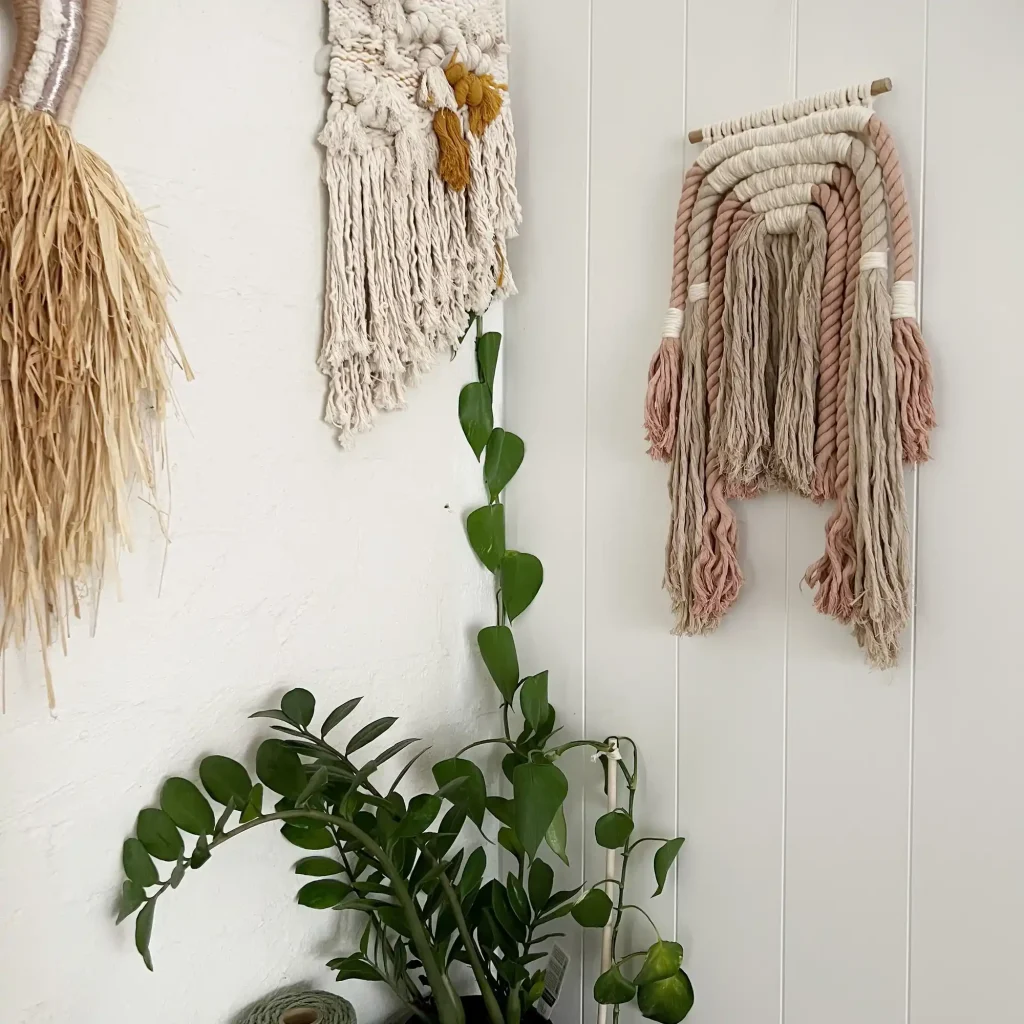
Layered macrame enhances visual complexity and depth. On short walls, too many layers can feel heavy, so scale according to space.
Working in sections with different knots, adding fringe or beads between layers, produces a sophisticated, dimensional effect. It draws attention as a focal point above a fireplace or dining area.
Subtle insight: heavier layers can stretch the top cord; reinforce the anchor knots to keep alignment intact.
16. Monogrammed Macrame Wall Art
Monogrammed macrame adds a personal touch to any wall. In small bedrooms, large initials can overwhelm, so keep the letters moderate in size.
Using a circular or rectangular base with simple knots to outline letters, plus fringe along the edges, creates a fuller yet balanced look. The wall feels customized and elegant.
Subtle tip: uneven letter spacing can distort readability; check alignment before tightening knots fully.
17. Macrame Mandala Design

Mandala macrame draws the eye with symmetrical, hypnotic patterns. On walls with limited space, overly intricate designs can feel busy, so scale the mandala appropriately.
Incorporate square knots, half hitches, and spiral knots, adding beads or colored threads for highlights. This produces a calming focal point that blends artistry with tactile texture.
Quiet insight: small variations in knot tension can warp symmetry; adjust consistently as you work outward from the center.
18. Macrame Banner
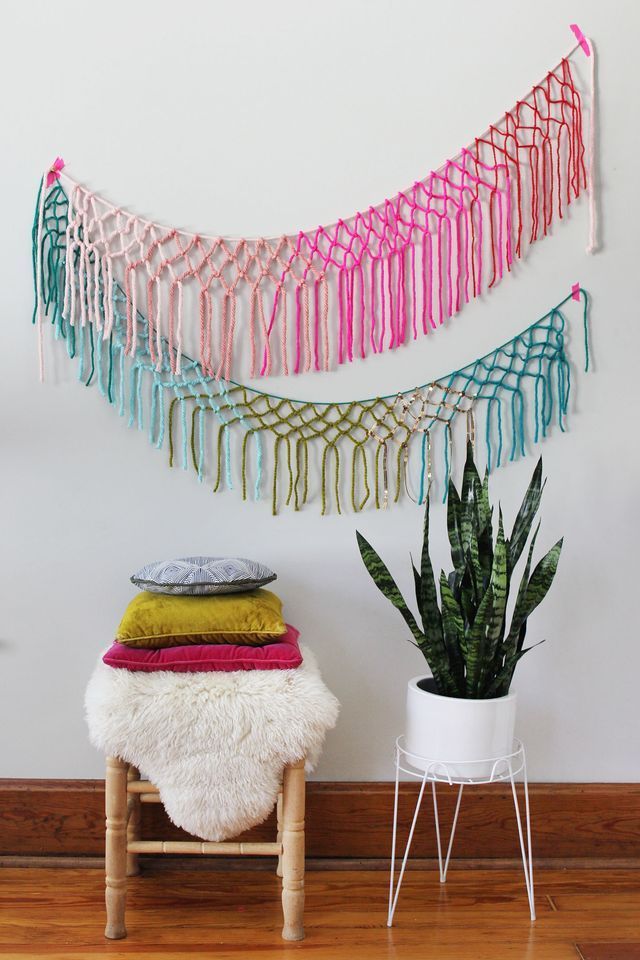
Macrame banners are festive and highly customizable. In outdoor setups, cotton cords can fray, so choose treated fibers for durability.
Colorful tassels or fringe along the edges enhance the message or design, whether geometric shapes or text. The piece adds cheer and personality to living or dining spaces.
Subtle caution: heavy embellishments can pull the banner unevenly; balance decorations to maintain straight hanging.
19. Macrame Wall Tapestry
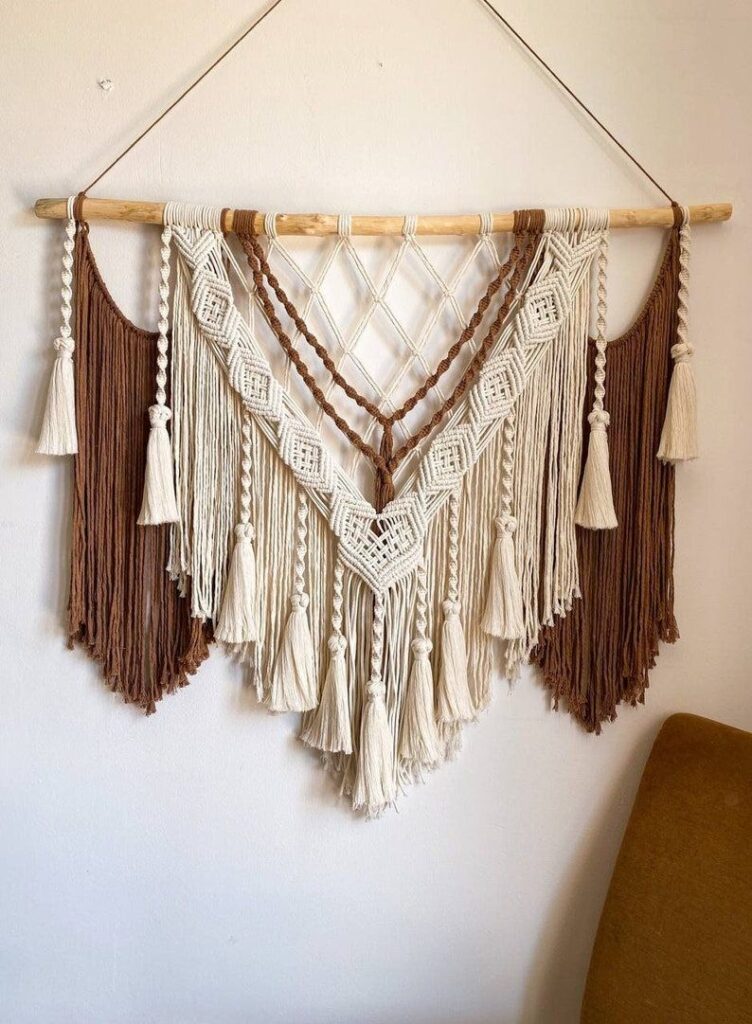
Large macrame tapestries create a bold, textured focal point. On short walls, very tall pieces can overwhelm, so measure proportionally to the space.
Using a combination of thick cords and fine threads flowing from a dowel, with varied knots, adds dimension and richness. The wall becomes visually dynamic and tactile.
Small insight: heavier cords at the bottom can pull the top forward; reinforce the anchor knots to maintain alignment over time.
More Designs
FAQs
Q1: Can beginners make these macrame wall hangings?
Yes. Many designs, such as tasseled pieces or hoop-based wall art, use simple knots that are easy to learn. Start small and practice knot tension to maintain even spacing and shape.
Q2: What materials are best for durable macrame wall hangings?
Cotton cord is popular for its softness and flexibility. For added durability, consider jute, wool, or treated cords, especially in sunny or high-traffic areas.
Q3: How do I maintain macrame wall hangings?
Dust gently with a soft brush or use a handheld vacuum on low. Avoid overexposure to direct sunlight, which can fade fibers, and keep heavy embellishments balanced to prevent warping.
Q4: Where should I hang macrame pieces?
Living rooms, bedrooms, or entryways work well. For layered or large tapestries, choose a wall with enough space to let the design breathe and remain proportionate.
Q5: Can macrame wall hangings be personalized?
Absolutely. You can create initials, symbols, or banners for events. Adjust knot styles, fringe length, or color schemes to match your space or intended theme.
Conclusion
DIY macrame wall hangings combine texture, movement, and personal style to enhance any space. From small tassel projects to large layered tapestries, these pieces bring warmth and visual interest without clutter.
By choosing the right materials, scaling designs to your wall, and paying attention to knot tension, you can create unique, lasting decor.
Share your favorite designs or try a personalized project to add a subtle, handcrafted touch to your home walls.