I Didn’t Expect Dark Kitchens to Feel This Stylish and Inviting

Dark kitchens can look incredibly stylish, but they often feel intimidating to get right. Without the right balance, the space can quickly feel too heavy, cramped, or lacking light.
Many homeowners want that bold, modern look, but worry about making the room feel smaller or harder to use every day. Choosing the wrong finishes or lighting can easily throw off the entire design.
The good news is you don’t have to avoid dark tones to keep your kitchen functional and inviting. With the right combinations, you can create a space that feels both dramatic and comfortable.
This article brings you 27 dark kitchen ideas to help you design a bold and balanced space. Practical inspiration that works for real homes and everyday use.
Let’s jump in!
Why Dark Kitchens Feel So Elevated?
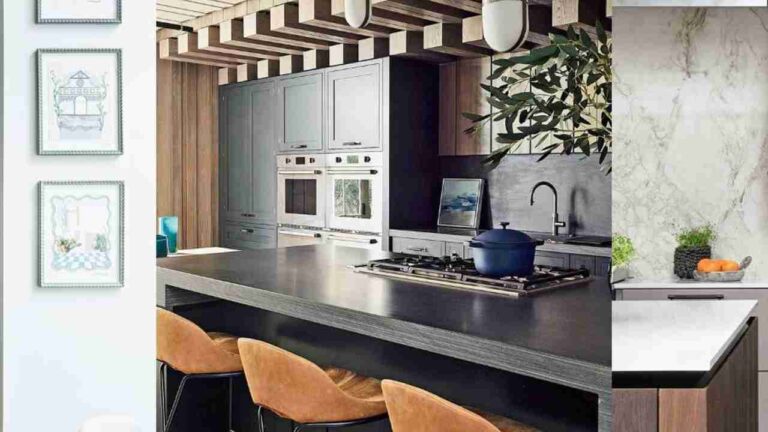
Depth creates sophistication. When cabinets, walls, and fixtures sit within a darker palette, the room feels layered and cohesive.
Lighting plays a major role here. Warm under-cabinet lighting, pendant fixtures over the island, and subtle reflective surfaces prevent the space from feeling dim. Instead of relying solely on brightness, dark kitchens focus on atmosphere.
Materials matter too. Wood grain, stone veining, textured tile, and brushed metal finishes all add dimension so the room does not feel flat.
Can a Dark Kitchen Work in a Smaller Space?
Yes, with thoughtful balance.
Maintaining visual flow is essential. Glass-front cabinets, open shelving, reflective backsplashes, and strategic lighting can prevent the room from feeling boxed in. Keeping ceilings and trim lighter can also help maintain height perception.
It is less about square footage and more about proportion and contrast.
27 Dark Kitchen Ideas to Inspire Your Design
Below, you will find a curated mix of dark kitchen concepts ranging from modern black cabinetry to deep green tones and charcoal finishes.
Whether you are planning a full renovation or exploring subtle ways to introduce mood and depth, these ideas highlight how dark kitchens can feel bold, refined, and completely livable.
Bold Color Accents
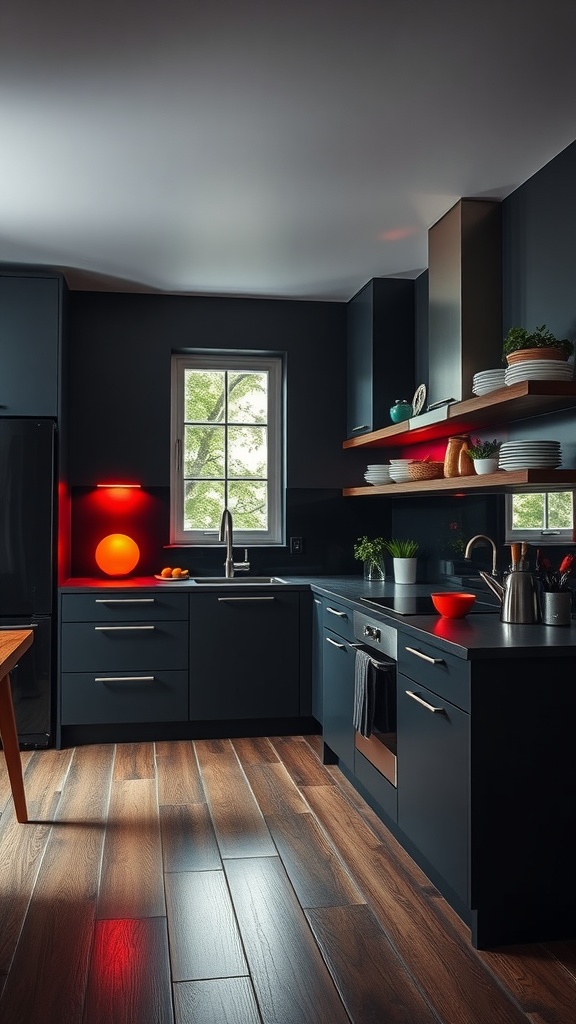
Dark kitchens can feel flat in low natural light spaces, especially when everything leans into black or charcoal. Adding controlled color accents like a matte red bowl or a warm-toned pendant shifts the focus without breaking the mood.
Placing color near work zones, such as the counter or sink, makes it feel intentional instead of decorative clutter. Even a small orange element on a dark surface becomes more noticeable under warm lighting.
What changes in daily use is that the space feels more active and less closed. One thing that helps is limiting accents to two or three items, because too many bright pieces start competing instead of highlighting the design.
Understated Elegance
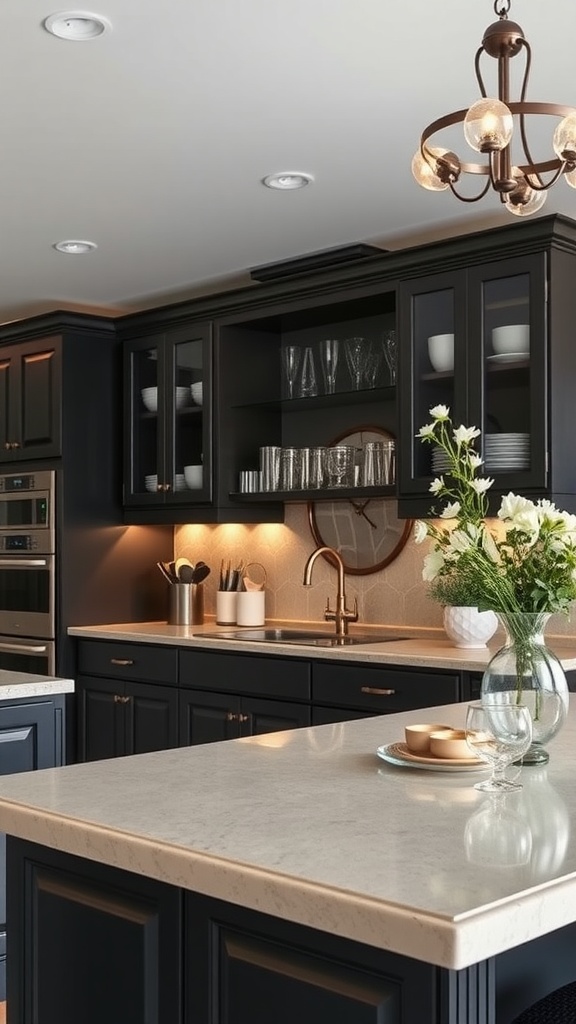
In medium-sized kitchens with limited wall space, dark cabinetry can quickly feel dominant. Pairing it with a light quartz or marble countertop softens that effect and keeps the room visually balanced.
Glass front cabinets and a brushed brass faucet or handle introduce contrast without adding noise. These details quietly catch light, which helps break up large dark surfaces.
Over time, the kitchen stays easier on the eyes and feels more structured. A small adjustment that works well is keeping visible shelves minimal, since overcrowding removes that clean and refined look.
Moody Black Cabinets
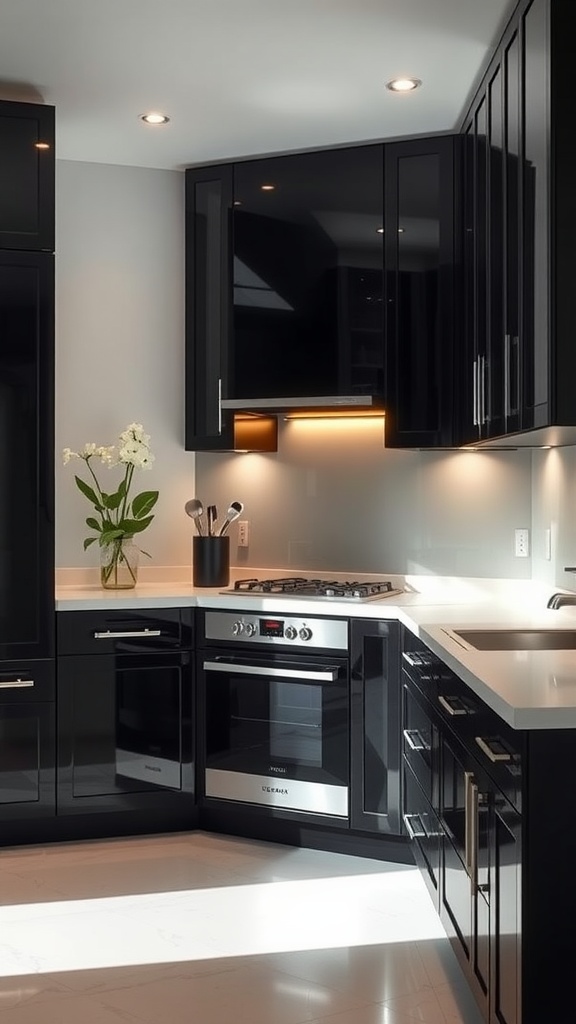
In narrow layouts or galley kitchens, black cabinets can either feel sharp or overly heavy, depending on the finish. A glossy or satin surface reflects light, which helps prevent the space from looking boxed in.
Pairing them with light countertops and under-cabinet LED strips improves visibility during cooking hours. This also adds depth at night when overhead lighting alone feels harsh.
In real use, the kitchen feels more layered instead of dark for the sake of it. One thing people often notice later is maintenance, since glossy finishes show smudges faster, so choosing the right finish matters long term.
Sleek Minimalist Design
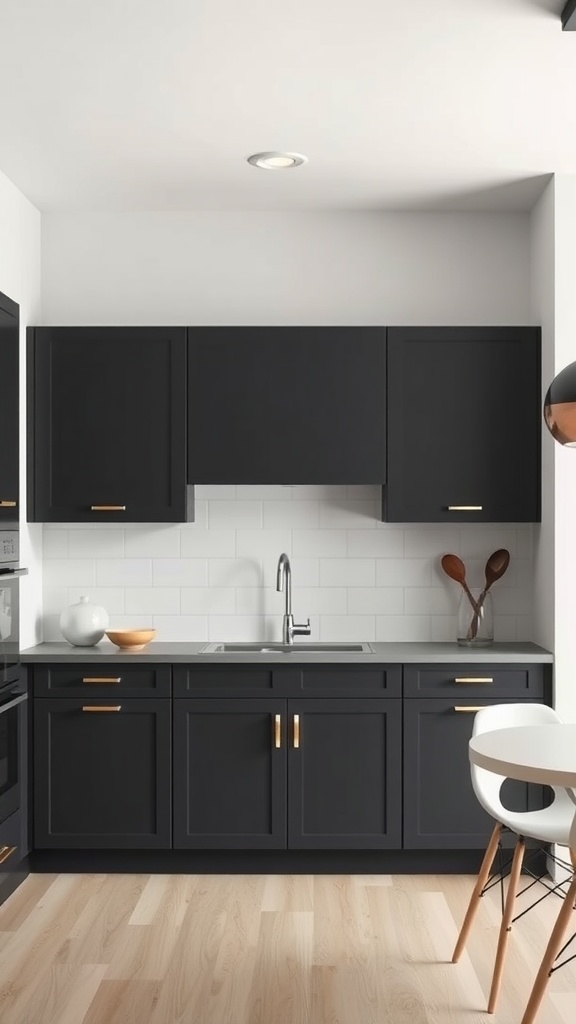
Minimalist layouts can feel too bare in open kitchens with strong artificial lighting. Using light wood flooring and subtle gold hardware softens the contrast without adding visual noise.
A single bowl sink and flat panel cabinets keep the design consistent and easy to manage daily. Fewer elements reduce cleaning effort and visual distraction.
The result is a calm and controlled space that supports routine use. A small detail that improves this setup is avoiding extra decor, since even one unnecessary item can disrupt the balance quickly.
Gothic-Inspired Elements
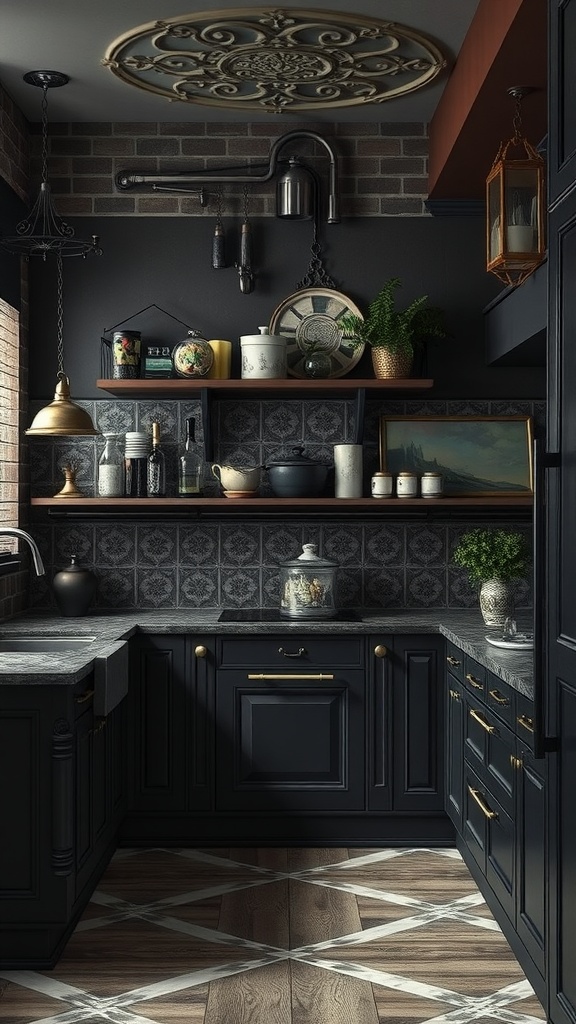
In kitchens with lower ceilings or limited airflow, fully dark surfaces can feel dense if there is no variation. Mixing in textured backsplashes like patterned tiles or marble adds depth without changing the color palette.
Vintage-style brass lighting and layered materials across cabinets and counters create contrast through texture instead of brightness. This keeps the theme consistent while avoiding a flat look.
Over time, the space feels more dimensional and less enclosed. One useful adjustment is sticking to warm lighting, because cooler tones tend to reduce the richness that makes this style work.
Dark Marble Countertops
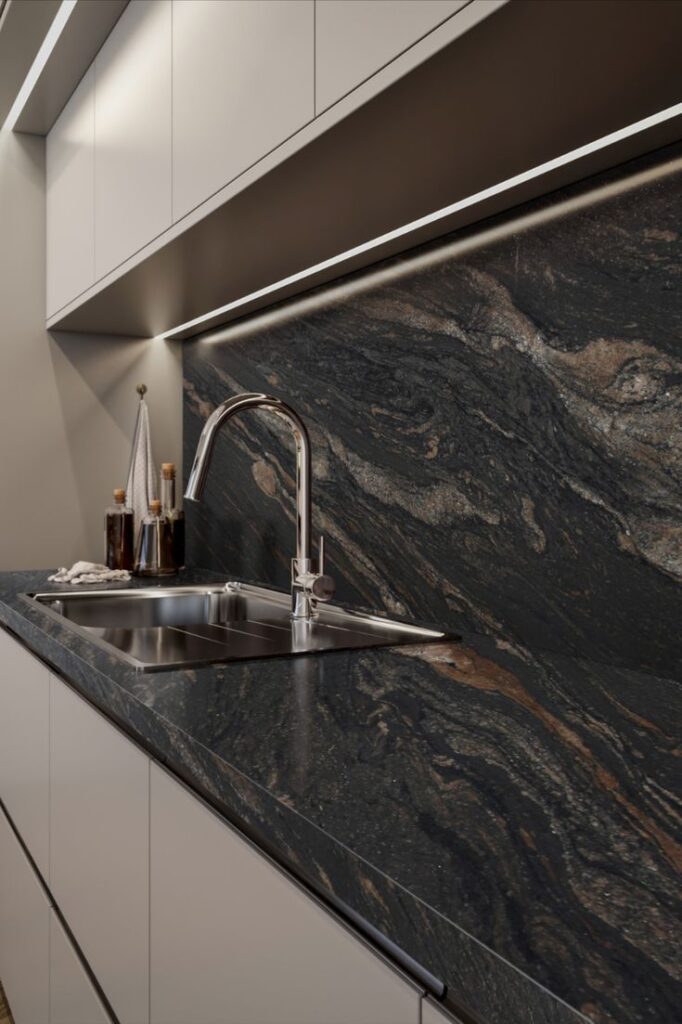
Dark marble can feel heavy in small kitchens with limited overhead lighting, especially if paired with equally dark cabinets. Using black marble with visible white veining and a polished finish helps reflect light and prevent the surface from looking flat.
Pairing it with slightly lighter cabinetry or backsplash creates separation, so the countertop does not blend into everything else. The reflective surface also improves visibility during prep work.
In daily use, the kitchen feels more refined without losing function. One thing that helps long-term is regular sealing, since marble can absorb stains faster than people expect.
Industrial Chic with Exposed Brick
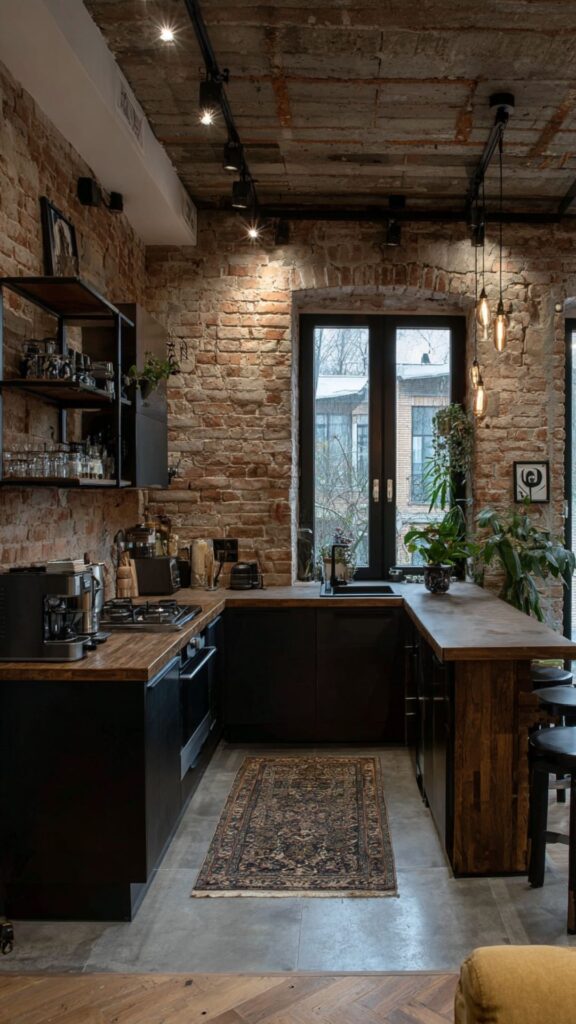
Exposed brick behaves differently in humid or poorly ventilated kitchens, where darker tones can trap visual weight. Keeping the brick paired with lighter cabinets or open shelving helps balance that density.
Adding metal fixtures and wooden shelves introduces contrast through material, not color. This keeps the design layered without making it feel crowded.
Over time, the space feels textured and functional rather than rough. A small adjustment that works well is limiting shelf items, since too many objects can make the kitchen feel cluttered instead of styled.
Rustic Wood Accents
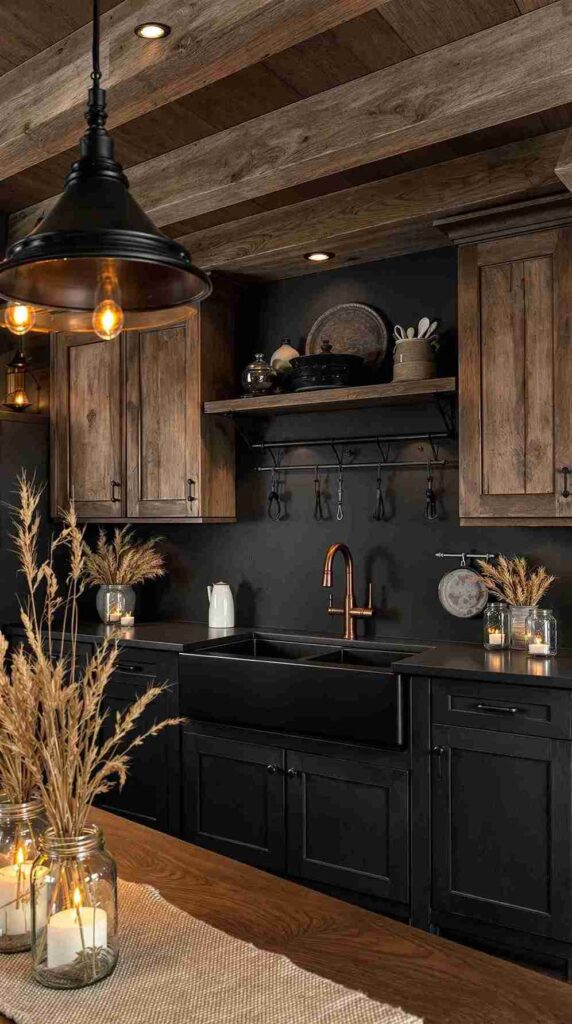
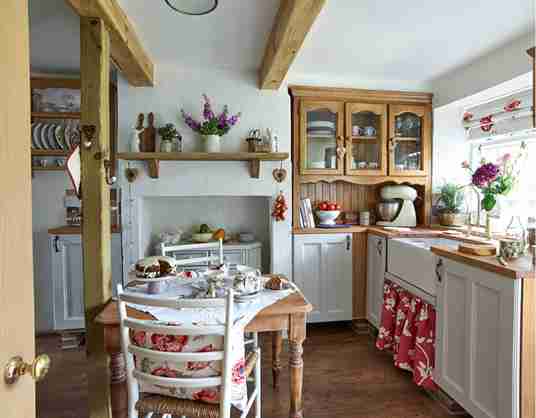
Dark kitchens can feel cold in modern apartments with artificial lighting, so adding wood brings warmth back into the space. Elements like ceiling beams, open wood shelves, or natural finish flooring soften the darker tones.
The contrast between dark cabinetry and warm wood creates a more balanced look without needing extra color. Even small items like cutting boards can reinforce this effect.
In real use, the kitchen feels more comfortable and less sharp. One detail that improves the outcome is sticking to similar wood tones, since mixing too many finishes can break the visual flow.
Elegant Lighting Fixtures
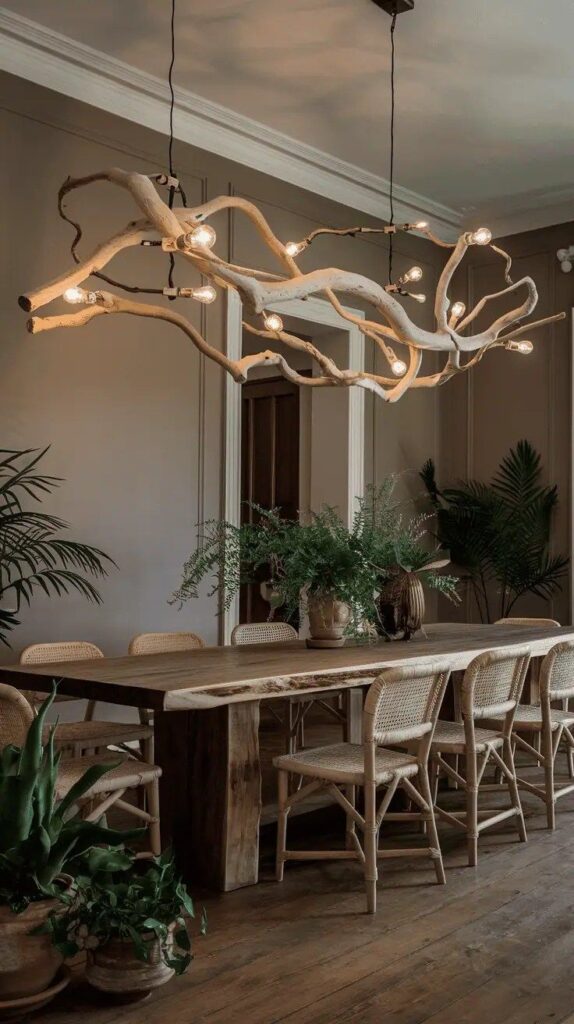
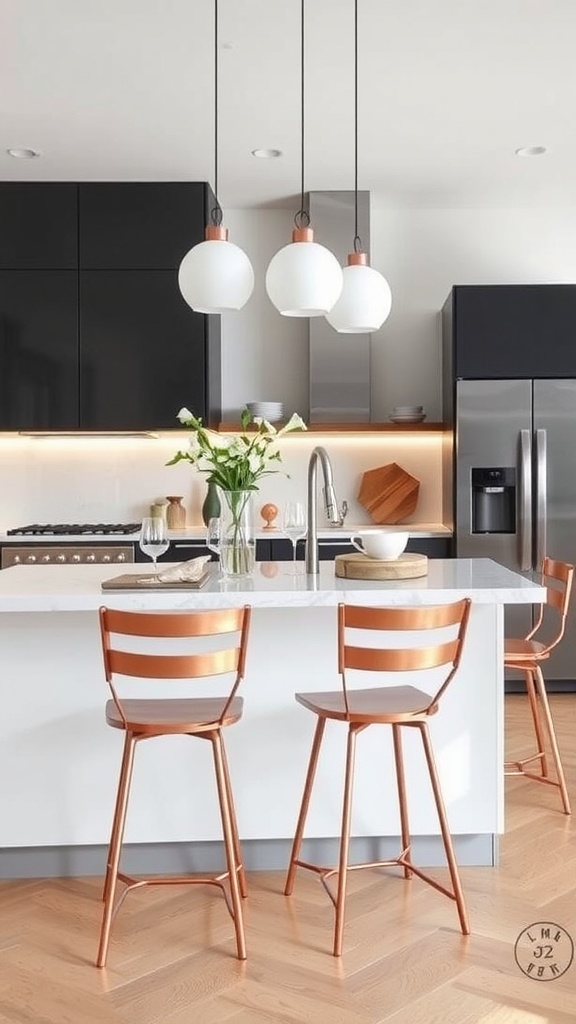
Lighting becomes critical in dark kitchens with limited windows, where poor placement can create shadows on work surfaces. Using pendant lights with warm bulbs above islands or counters helps distribute light more evenly.
Choosing fixtures with soft diffused glass or warm metallic finishes adds both function and subtle decoration. This keeps the lighting from feeling too harsh against dark surfaces.
The result is a space that feels more usable throughout the day. One thing many overlook is bulb temperature, since cooler light can make dark kitchens feel dull instead of inviting.
High-Contrast Color Schemes
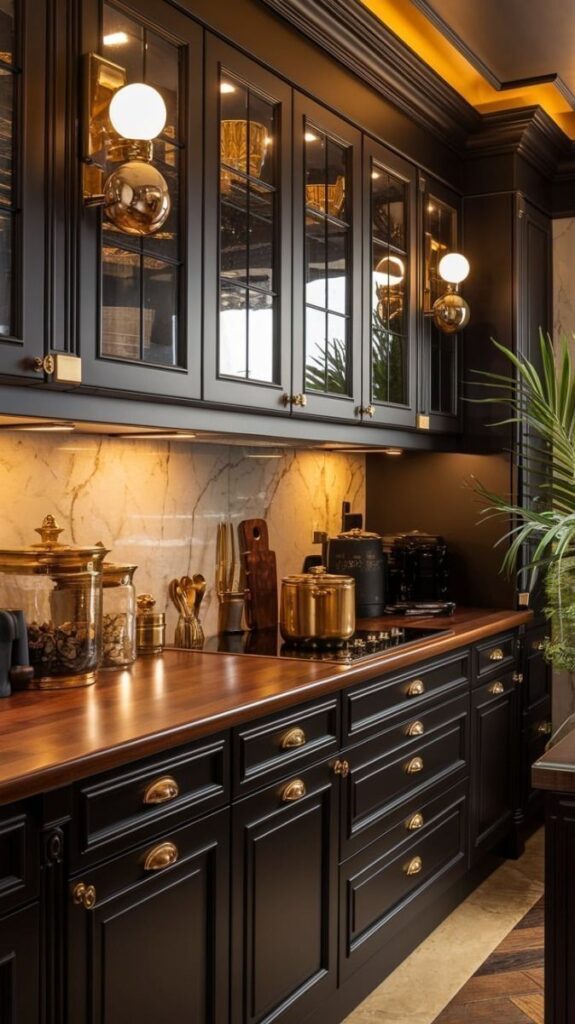
High contrast designs can feel too sharp in compact kitchens, especially when black and white are used without variation. Adding warm elements like copper lighting or natural textures softens that contrast.
Using a light countertop against dark cabinetry creates a clear separation, which improves both visual clarity and daily usability. Small additions like herbs or fruit bring in subtle color without changing the base palette.
In everyday use, the kitchen feels more dynamic and easier to navigate visually. A useful adjustment is avoiding pure white surfaces everywhere, since slightly toned materials create a more balanced look.
Artistic Wall Murals
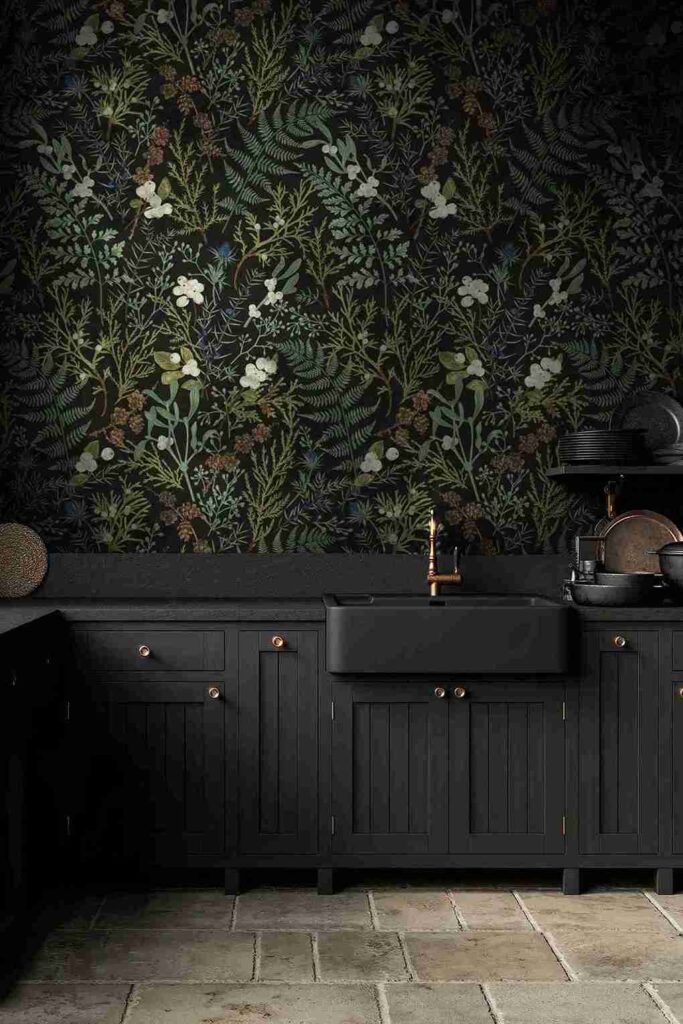
Murals can feel overwhelming in small kitchens with limited wall space, especially when paired with dark cabinetry. Choosing a controlled color palette with defined shapes or patterns keeps the design from feeling chaotic.
Positioning the mural on one main wall allows it to stand out without competing with cabinets or appliances. A mix of bold tones like red or orange works best when balanced with darker surroundings.
In daily use, the space feels more expressive without losing structure. One small detail that helps is avoiding overly glossy finishes, since reflections can distort the artwork under kitchen lighting.
Vintage Charm with Dark Tones
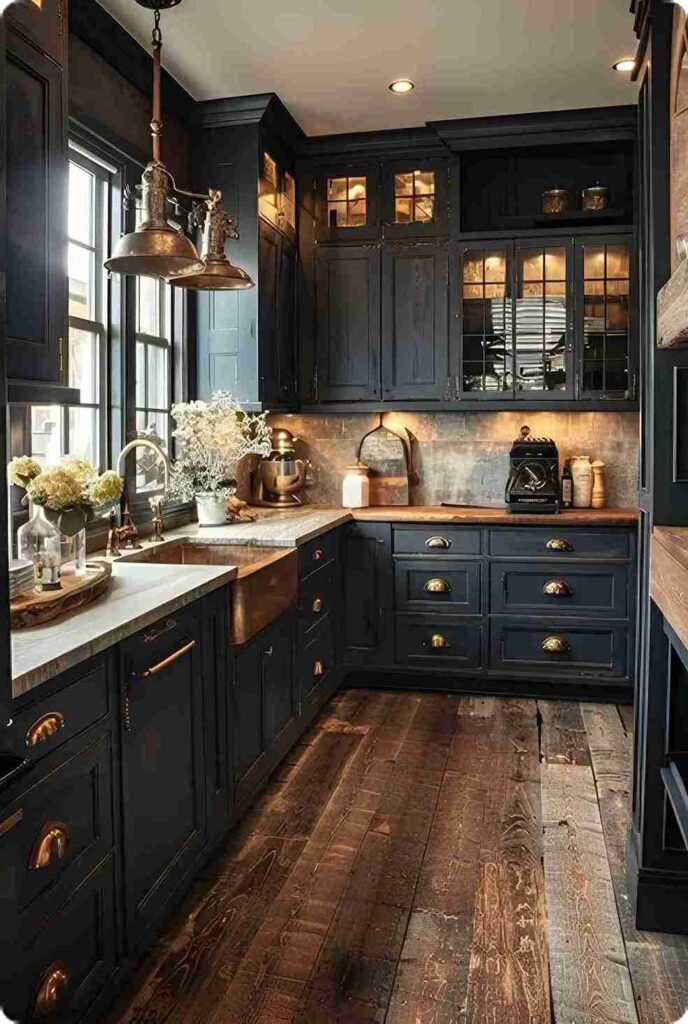
Dark vintage kitchens behave differently in low-light homes, where deep colors can feel muted if not paired correctly. Using rich blue or deep-toned cabinets with warm wood surfaces keeps the space grounded but not dull.
Adding elements like retro appliances, soft warm bulbs, and textured fabrics builds character without needing extra color. These details create contrast through style rather than brightness.
Over time, the kitchen feels more lived in and comfortable. A small adjustment that improves this setup is keeping the lighting warm, since cooler tones tend to flatten the vintage feel.
Modern Farmhouse Vibes
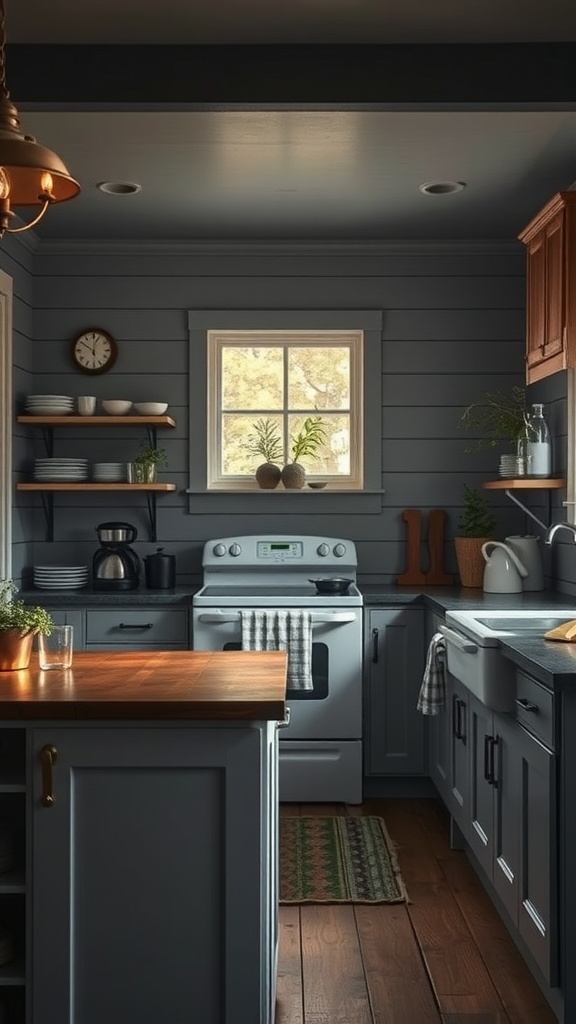
In open kitchens with natural light, dark farmhouse tones can feel balanced when paired with softer finishes. Using muted gray cabinetry with natural wood accents creates warmth without making the space feel heavy.
Open shelves with simple dishware and small plants add variation while keeping the look relaxed. This helps break up darker areas without introducing strong contrast.
In real use, the kitchen feels both practical and welcoming. One useful detail is limiting decor on shelves, since too many items can quickly shift the space from calm to cluttered.
Contemporary Open Shelving
Open shelving can feel messy in busy kitchens with daily use, especially when paired with dark cabinetry. Using neutral-toned dishes and spaced arrangements keeps the shelves visually clean.
Combining materials like ceramic plates, glass jars, and a few plants adds warmth without overcrowding the display. The dark background helps lighter items stand out more clearly.
Over time, the kitchen feels more open and less boxed in. A small thing that improves this setup is rotating items occasionally, since static displays can start to look cluttered even when organized.
Cohesive Color Palettes
Dark kitchens can feel disjointed in mixed material layouts, where too many tones compete for attention. Sticking to a tight palette like black, warm metallics, and soft neutrals creates a more unified look.
Using gold hardware with dark cabinets and lighter countertops introduces contrast while keeping everything connected. Each element supports the overall tone instead of standing out alone.
In everyday use, the space feels more intentional and easier to style. One subtle adjustment is avoiding random accent colors, since they can break the flow and make the design feel less cohesive.
Smart Storage Solutions
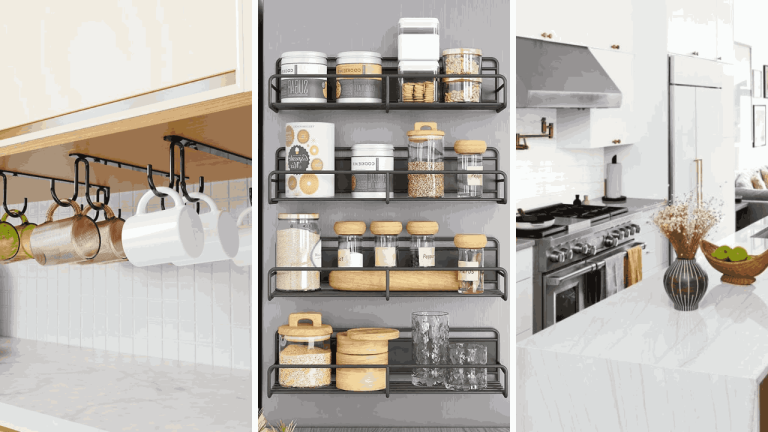
Storage becomes more important in compact dark kitchens, where clutter stands out faster against deep tones. Using pull-out drawers and tall vertical cabinets helps keep everything organized without crowding the space.
Open shelving can be used selectively to display a few items, while closed cabinets hide the rest. This mix keeps the kitchen functional without making it feel busy.
In daily use, the space feels easier to manage and less overwhelming. One small improvement is adding internal organizers inside drawers, since space inside cabinets often leads to hidden clutter.
Stylish Bar Areas
Bar setups can feel cramped in smaller kitchens with limited seating space, especially when darker tones dominate. Using slim countertops with contrasting bar stools like warm wood or muted colors keeps the area visually open.
Pendant lighting placed directly above the bar helps define the space without adding walls or partitions. Keeping bottles and glassware neatly arranged avoids visual noise.
Over time, the area feels more inviting for both quick meals and casual use. A helpful detail is limiting the number of items on display, since too many bottles can make the space feel cluttered instead of styled.
Nature-Inspired Designs
Dark kitchens can feel enclosed in spaces with limited airflow or natural light, so adding natural elements helps soften that effect. Using wooden surfaces, terracotta accents, and greenery introduces warmth without changing the base color.
Plants placed at different heights create variation and break up darker walls. Even small potted herbs can make the space feel more active.
In real use, the kitchen feels calmer and more balanced. One subtle adjustment is choosing low-maintenance plants, since high-maintenance greenery can quickly lose its appeal if not maintained regularly.
Culinary Arts Display
In busy kitchens where everything is used daily, visible storage can either feel inspiring or messy. Organizing utensils on wall hooks and keeping herbs in small pots near the counter creates a functional display.
A clean countertop with a dedicated prep area, like a wooden board, helps maintain structure while still looking stylish. Keeping only frequently used items visible makes the setup practical.
Over time, the kitchen feels more engaging to use without losing order. One detail that helps is rotating herbs or tools occasionally, since static displays can start to feel cluttered even when organized.
Smart Kitchen Technology
Technology can feel overwhelming in dark kitchens with minimal space, especially if appliances add visual bulk. Choosing integrated or built-in smart appliances with dark finishes keeps the design consistent.
Features like smart ovens or connected refrigerators improve daily use without needing extra space. Keeping controls simple and accessible makes the setup more practical.
In everyday use, the kitchen feels more efficient and easier to manage. One useful adjustment is avoiding too many connected devices, since overcomplication can reduce the convenience these tools are meant to provide.
Textured Wall Finishes
Textured walls can feel overwhelming in small kitchens with limited lighting, especially when dark tones absorb most of the light. Using a matte textured finish or subtle patterned surface helps create depth without making the space feel crowded.
Light hitting uneven surfaces naturally creates variation, which prevents flat-looking walls. Pairing this with small elements like wood utensils or plants softens the overall look.
In daily use, the kitchen feels more layered instead of heavy. One useful adjustment is avoiding overly complex patterns, since too much detail can make the wall feel busy rather than refined.
Mid-Century Modern Influences
Dark kitchens with mid-century elements work best in spaces that get moderate natural light, where wood tones can stand out properly. Using warm wood cabinetry with clean lines and minimal hardware keeps the design balanced.
Open shelving allows a few items, like dishes or plants to remain visible without cluttering the layout. The combination of natural materials and simple lighting creates a relaxed atmosphere.
Over time, the kitchen feels comfortable and easy to use. A small detail that helps is sticking to consistent materials, since mixing too many finishes can reduce the clean look this style relies on.
Floor-to-Ceiling Cabinets
Tall cabinets can feel imposing in tight kitchens with low ceilings, especially when finished in darker shades. Keeping the design simple with flat panels and minimal hardware prevents them from overwhelming the space.
Using vertical storage helps keep everything organized while reducing visible clutter. Pairing them with lighter countertops creates contrast that makes the kitchen feel more balanced.
In everyday use, the space feels cleaner and more structured. One small improvement is leaving a bit of breathing space around appliances, since fully packed cabinetry can feel too dense.
Sculptural Kitchen Islands
Large islands can dominate open kitchens with limited floor space, especially when designed in dark tones. Choosing a streamlined shape with a smooth or slightly reflective surface keeps it from feeling too heavy.
Adding soft lighting underneath or around the base helps define the island without adding bulk. This also improves visibility during evening use.
In real use, the island becomes both functional and visually central. A small detail that works well is limiting decor on the surface, since too many items reduce its clean and sculptural look.
Eclectic Decor Elements
Eclectic designs can quickly feel chaotic in smaller kitchens, especially when dark colors are already dominant. Using a controlled mix of textures like wood, woven pieces, and a few art elements keeps the look intentional.
Balancing decorative items with functional pieces helps maintain usability. A few standout items work better than filling every surface.
Over time, the kitchen feels more personal without becoming cluttered. One subtle adjustment is rotating decor occasionally, since too many permanent pieces can make the space feel visually heavy.
Cozy Nook Spaces
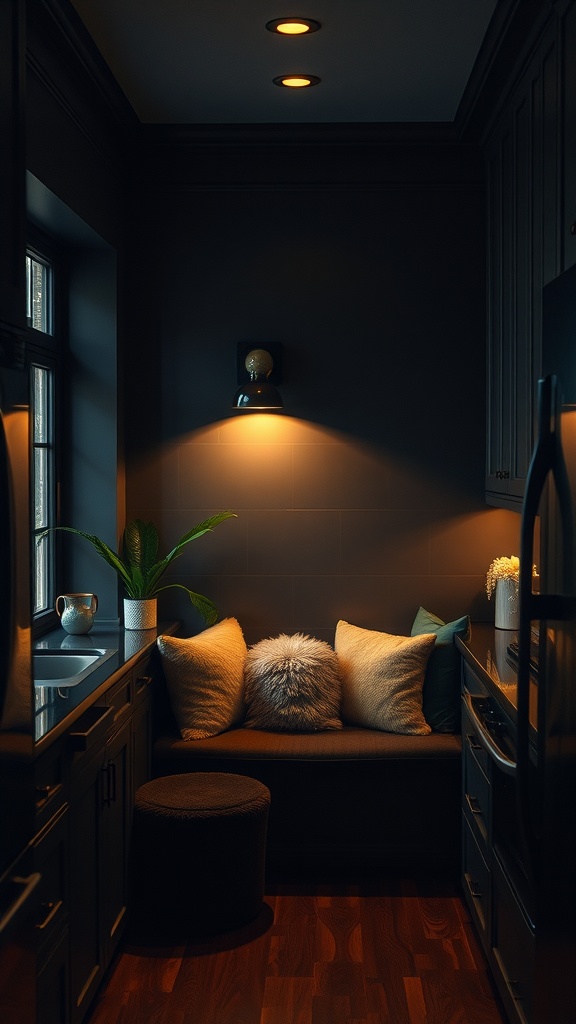
Cozy nooks can feel cramped in small kitchens with limited floor space, especially when darker tones are already dominant. Using compact seating like a slim bench with soft cushions and warm lighting helps keep the space inviting without overcrowding it.
Placing the nook near a corner or window allows it to feel separate from the main cooking area. Adding textures like fabric pillows or a soft ottoman brings contrast against darker surfaces.
In daily use, the space becomes a quiet spot for quick meals or short breaks. One small detail that improves this setup is keeping seating low profile, since bulky furniture can make the area feel tighter than it actually is.
Gourmet Coffee Stations
Coffee stations can feel cluttered in busy kitchens with limited counter space, especially when multiple tools are left out. Using a defined section with an espresso machine, a few essential tools, and organized containers keeps everything controlled.
Dark cabinetry works well as a backdrop, making lighter elements like mugs or jars stand out more clearly. Keeping items grouped in trays or small zones improves both function and appearance.
Over time, the setup feels easier to use and maintain. One practical adjustment is limiting the number of accessories on display, since too many items can quickly turn the station into a cluttered corner instead of a focused space.
Frequently Asked Questions
1. Do dark kitchens make a space look smaller?
Dark kitchens can feel smaller in tight layouts with limited natural light, but this depends on how you balance materials. Using light countertops, reflective finishes, or warm lighting helps maintain visual depth.
When done correctly, darker tones can actually make the space feel more structured. The key is avoiding fully dark surfaces across every element, since that removes contrast and makes the room feel compressed.
2. What lighting works best in a dark kitchen?
Lighting becomes more important in dark kitchens without large windows, where shadows can build up quickly. Using a mix of under-cabinet lighting, pendant lights, and warm ceiling lights helps distribute brightness evenly.
Warm light tends to work better with darker tones because it keeps the space from feeling flat. Placing lights closer to work areas instead of relying only on overhead fixtures improves daily usability.
3. Are dark cabinets hard to maintain?
Dark cabinets behave differently depending on the finish, especially in high-use kitchens. Glossy surfaces show fingerprints more easily, while matte or satin finishes hide marks better.
In daily use, maintenance becomes manageable if you choose the right finish based on your routine. Wiping high-touch areas regularly keeps them looking clean without much effort.
4. How do you add warmth to a dark kitchen?
Dark kitchens can feel cold in modern interiors with artificial lighting, so adding natural elements helps balance the space. Materials like wood, brass, or soft fabrics introduce warmth without changing the base color.
Even small additions like cutting boards, shelves, or plants can shift the overall feel. The focus should be on layering textures instead of adding too many bright colors.
5. Can dark kitchens work in small apartments?
They can work well in compact kitchens, but the setup needs to be controlled. Using vertical storage, lighter accents, and proper lighting placement prevents the space from feeling too dense.
Keeping surfaces clean and avoiding too many decorative elements helps maintain openness. A focused layout performs better than trying to include too many features.