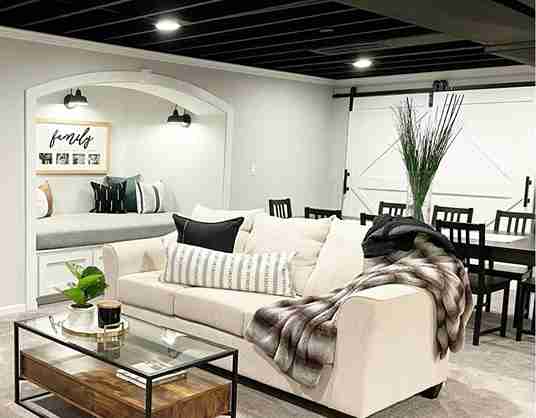
These Teen Bedroom DIY Ideas Made Budget Rooms Look Surprisingly Stylish

This post shows you 19 DIY teen room ideas to create a space that feels stylish, personal, and full of creativity.
Teen rooms should reflect personality and interests. Instead of relying on store-bought decor, adding DIY elements makes the space feel unique and meaningful.
You do not need a full room makeover to transform the look. Simple projects like wall art, shelving, lighting upgrades, or custom desk decor can instantly refresh the space.
DIY projects are also budget-friendly. With a little creativity and planning, you can design a room that feels trendy and customized without overspending.
How to Style a DIY Teen Room?
Start with a color palette that reflects personality, whether it is soft pastels, bold brights, or calming neutrals. Then layer in DIY wall art, photo displays, painted furniture, or handmade accessories.
Keep larger furniture pieces simple so DIY elements stand out without overwhelming the room. Coordinated lighting, textiles, and small decor details will tie everything together.
19 DIY Teen Room Ideas to Inspire You
We have gathered 19 creative DIY teen room ideas to help you design a space that feels cozy, expressive, and thoughtfully styled.
Use these ideas as a starting point and adapt them to fit your layout, interests, and budget. With the right mix of creativity and planning, DIY projects can make any teen room feel personalized and elevated.
Rustic Pallet Jewelry Display
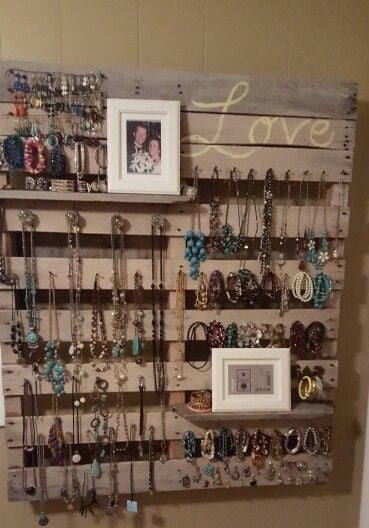
This idea turns a worn wooden pallet into a wall-mounted organizer for jewelry and small keepsakes. Adding metal hooks and slim shelves creates space for necklaces while holding framed photos or small decor pieces.
In a room with limited wall space or low lighting, the gray-washed wood can feel heavier, especially on darker walls. Using a slightly matte finish and spacing hooks evenly helps reduce visual clutter and keeps everything easy to access.
The mix of raw wood and reflective jewelry makes the display feel more structured while still creative. One small detail that helps is keeping hook height consistent, since uneven placement often leads to tangled chains over time.
Minimalist White Crate Nightstand
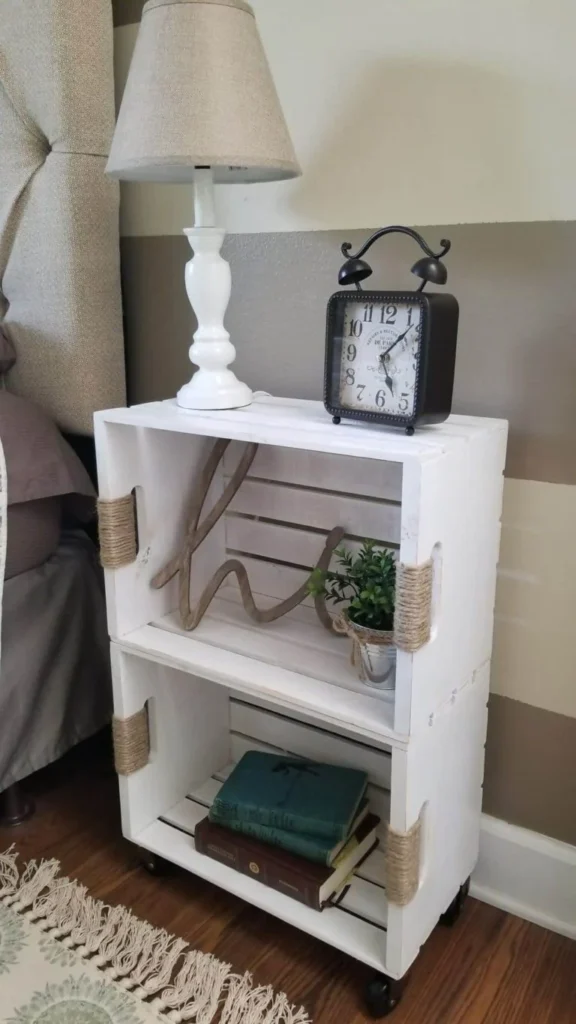
Stacking two wooden crates and painting them clean white creates a simple bedside setup with open storage. Wrapping jute rope around the handles and adding small wheels makes it easier to move without losing that natural texture.
In a tight room or low light corner, the white finish helps reflect light and keeps the space from feeling boxed in. Using a soft matte paint instead of glossy prevents glare from lamps and keeps the surface looking calm.
The open shelves keep essentials visible and reduce clutter buildup over time. Securing the crates with brackets is worth it, since stacked pieces can shift slightly with daily use.
Dreamy Pink Gallery Wall
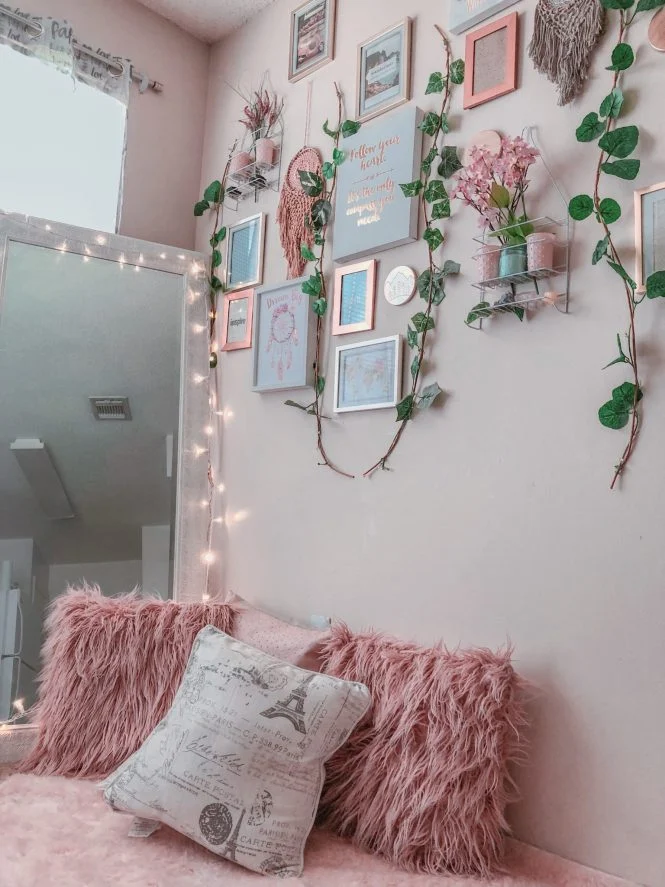
A soft pink wall paired with rose gold frames, faux ivy, and macramé creates a layered display that feels personal and expressive. Adding a floor mirror with globe lights builds a strong vertical focal point beside the bed.
In rooms with limited wall height or narrow layouts, too many elements can feel crowded if spacing is tight. Keeping frame sizes varied but aligned at eye level helps the arrangement feel intentional instead of scattered.
The mix of textures brings depth while the greenery softens the structure of the wall. Letting the vines fall naturally works better than fixing them too neatly, since rigid placement often breaks the relaxed look.
Handmade Macramé Pendant Light
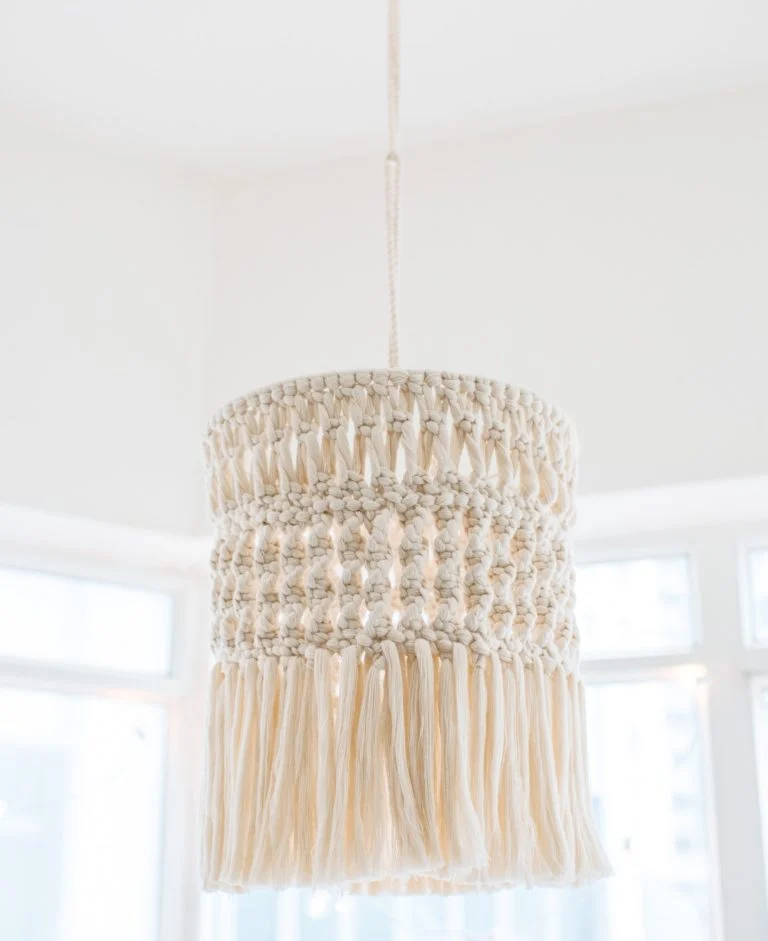
A woven macramé shade adds texture focused lighting that hangs softly from the ceiling. The neutral tone keeps it subtle while the fringe adds movement without needing bold color.
In spaces with low ceilings or strong artificial lighting, the pattern can cast heavier shadows if the bulb is too bright. Using a warm, low watt bulb helps control contrast and keeps the light comfortable.
The filtered glow makes the room feel warmer and more relaxed at night. One small adjustment that helps is keeping the cord length balanced, since hanging it too low can make the space feel tighter than it is.
Bold Chalkboard Accent Wall
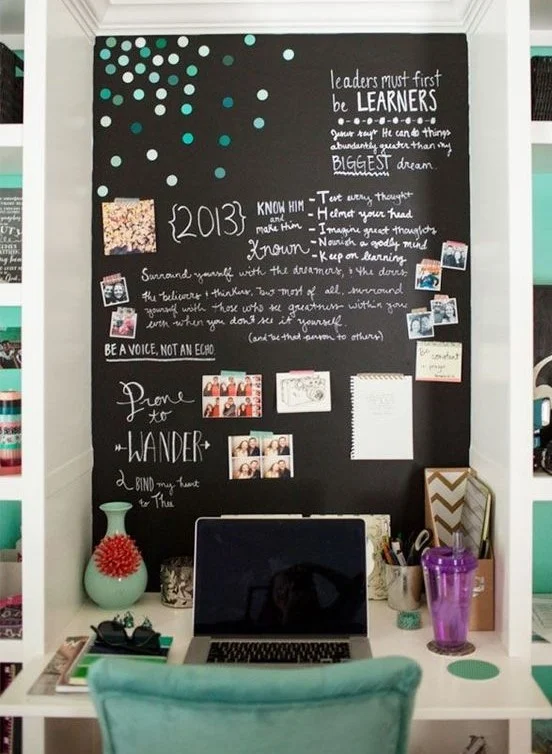
A desk nook painted with black chalkboard paint turns into a space for notes, quotes, and photos. The dark surface makes white writing and small color accents stand out clearly.
In a low-light corner or compact study area, the black tone can feel heavy if it spreads too far. Keeping it limited to the desk zone and using clean edges helps define the space without closing it in.
The wall acts as both a planner and a visual anchor, making the setup feel more focused. Using liquid chalk instead of regular chalk keeps lines sharper and avoids dusty buildup over time.
Floating Mirror Vanity Shelves
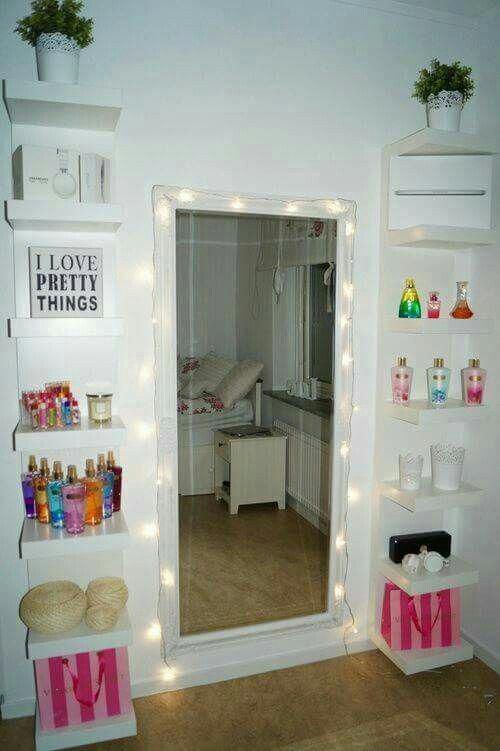
A tall mirror framed with soft lights paired with floating shelves creates a clean vanity setup. Displaying skincare and perfumes on open shelves turns everyday items into part of the decor.
In a narrow bedroom corner, too many items can quickly make shelves feel crowded. Keeping spacing consistent and using similar bottle sizes helps maintain a balanced look.
The symmetry makes the area feel more organized while improving daily routines. Placing frequently used items at eye level reduces movement and keeps the setup practical.
Distressed Wood Photo Blocks
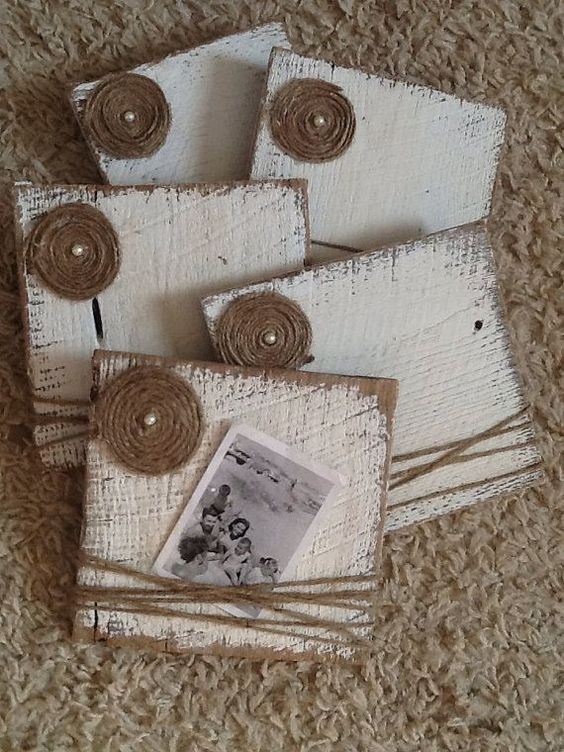
Small wooden blocks with a distressed white finish and twine hold simple photo prints in place. The rough texture and muted tones give a soft, aged feel without needing bulky frames.
In rooms with limited surface space, grouping too many blocks can look cluttered instead of styled. Leaving small gaps between each piece keeps the display breathable.
The design adds a quiet, personal touch that feels less formal than standard frames. Light sanding on edges helps the finish look natural instead of overly painted.
Rustic Pallet Mirror Shelf
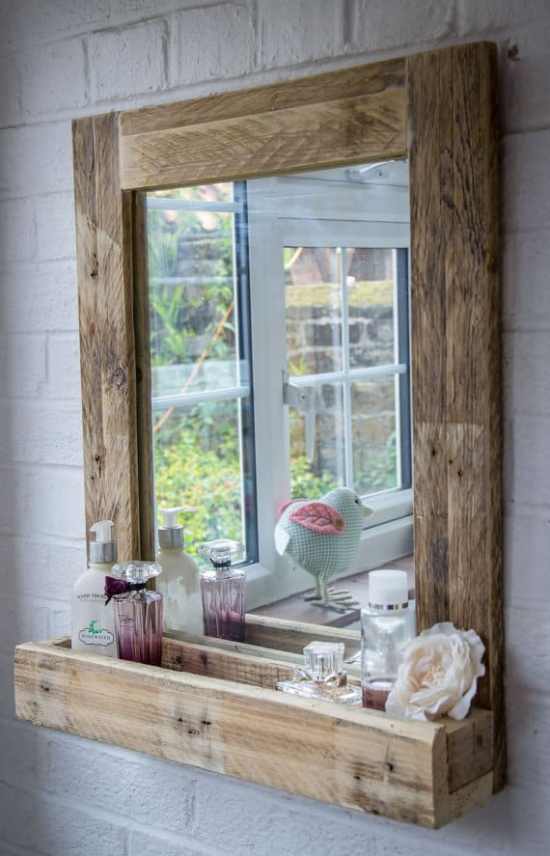
A mirror framed with reclaimed wood and a built in ledge combines reflection with storage. The visible grain and knots bring warmth, especially against lighter walls.
In areas with higher humidity or limited ventilation, untreated wood can absorb moisture over time. Applying a matte seal protects the surface without adding shine.
The shelf keeps essentials within reach while grounding the wall visually. Keeping the ledge lightly styled prevents it from turning into a clutter spot quickly.
Cozy Patterned Hammock Chair
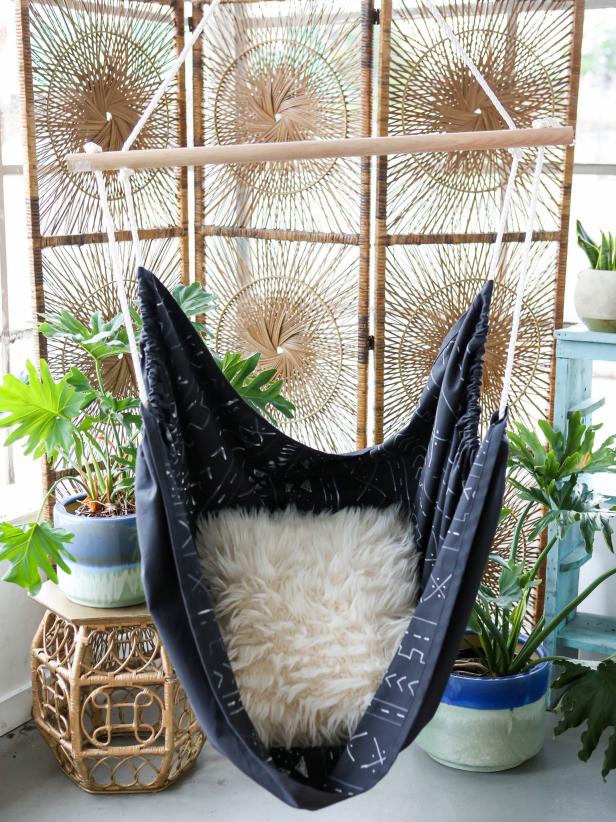
A hanging chair made from patterned fabric and soft cushions creates a relaxed corner for reading or resting. The curved shape naturally softens the straight lines of walls and furniture.
In rooms with low ceilings or weak support beams, installation needs extra care to avoid safety issues. Using a strong ceiling hook anchored into a joist keeps the swing stable during daily use.
The suspended design adds movement and makes the space feel less rigid. Keeping the seat height slightly above the floor prevents strain and makes it easier to get in and out.
Mobile Crate Storage Unit
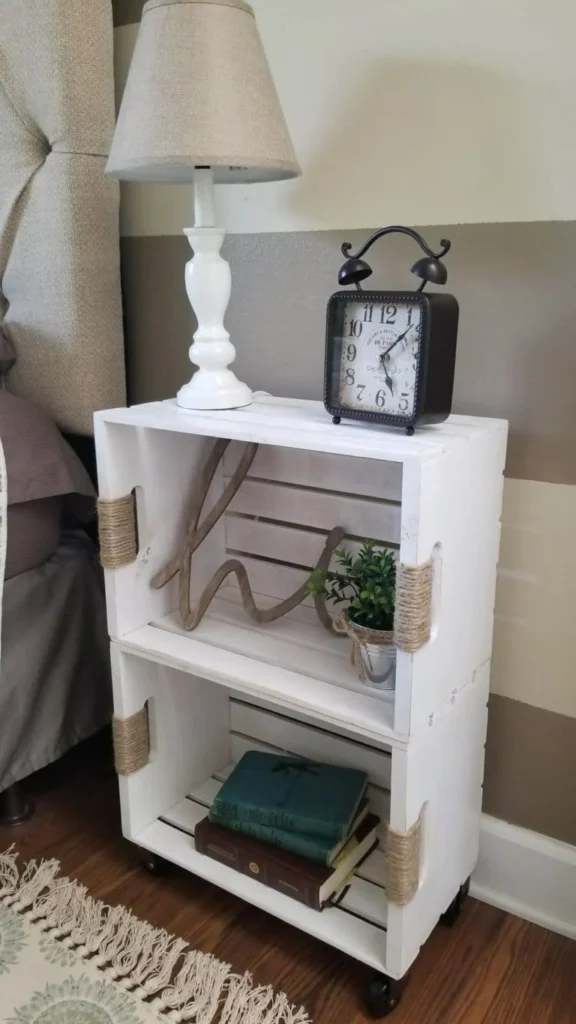
Stacked crates with white paint and caster wheels turn into a flexible storage piece for books and decor. The rope-wrapped handles keep the look consistent with other crate-based furniture.
In smaller rooms where floor space is limited, bulky items inside can make the unit feel heavier than it looks. Using lighter objects on top and heavier ones below helps maintain balance when moving it.
The mobility makes it easy to adjust layouts without effort. Lining the inside panels with subtle patterns adds depth without changing the overall clean appearance.
Whimsical Cloud Ceiling Hangings
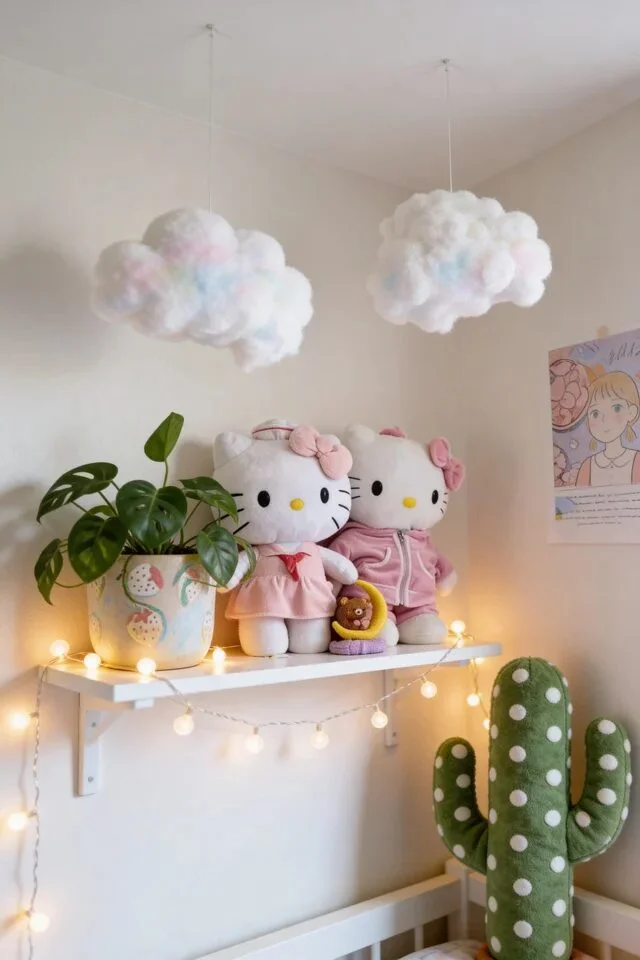
Soft, oversized clouds made from fiberfill and internal lighting bring attention to the ceiling. The glowing effect adds a gentle layer of light that feels calm and diffused.
In rooms with low ceiling height, hanging them too low can make the space feel compressed. Keeping them closer to the ceiling surface helps maintain openness.
The floating shapes add softness and make the room feel more playful. Using battery-powered lights avoids visible cords, which can otherwise distract from the effect.
Pastel Butterfly Wall Art
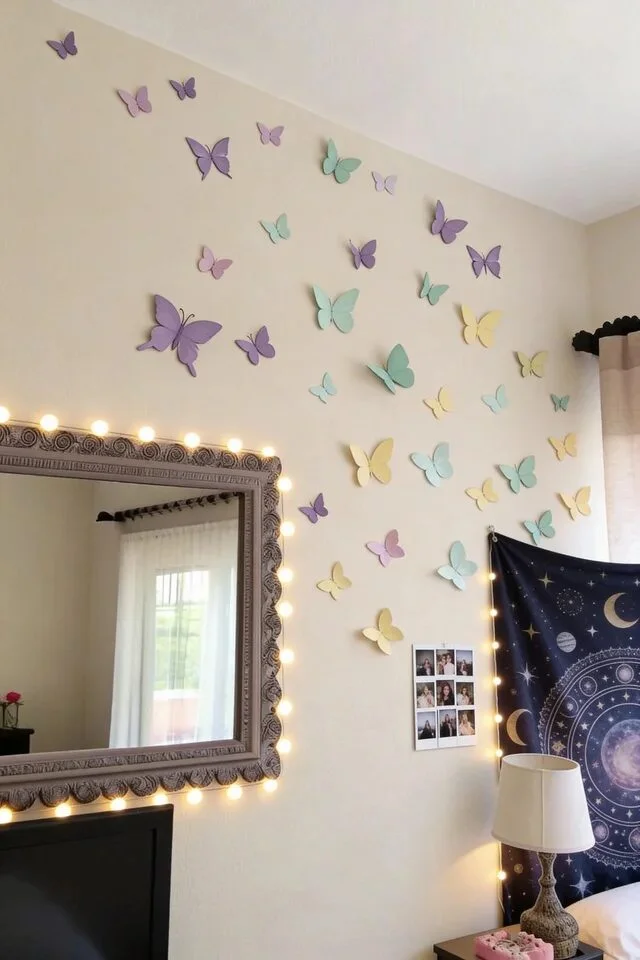
Paper butterflies in soft pastel shades arranged in a flowing pattern add movement to a plain wall. Placing them near a mirror with bright bulbs helps reflect light and enhance the layered effect.
In rooms with limited wall width or uneven lighting, spacing becomes important to avoid a crowded look. Keeping wider gaps between clusters allows each butterfly to stand out without blending into one shape.
The raised wings create depth that makes the wall feel more active and open. Using removable putty at the center makes it easier to adjust alignment when the pattern starts to feel off.
Modern Patterned Swing Seat
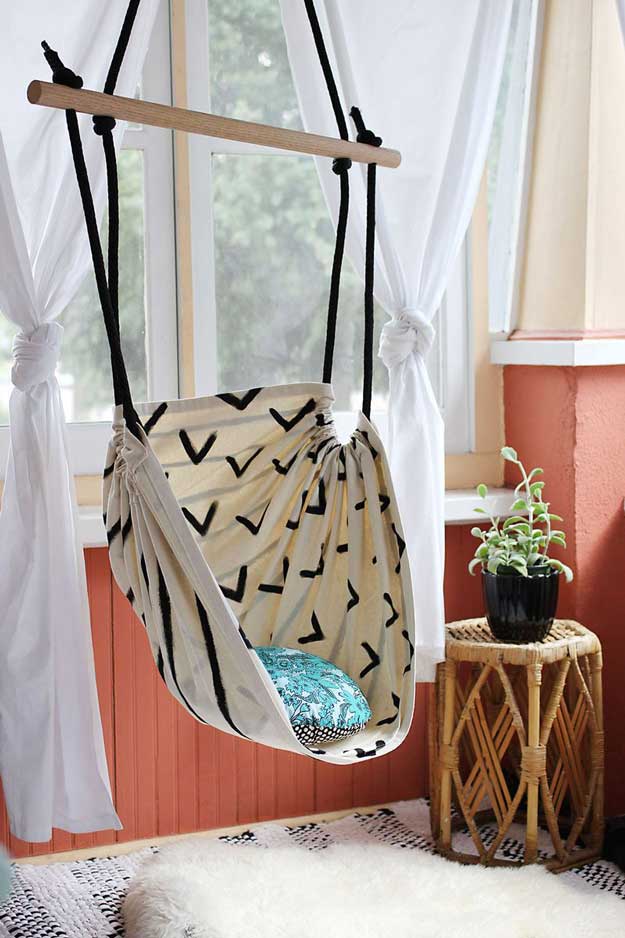
A hammock chair with bold geometric patterns paired with soft textures builds a balanced seating corner. Adding a bright cushion and placing it near a window keeps the setup visually fresh.
In areas with strong sunlight or narrow corners, high contrast patterns can feel sharper than expected. Positioning the chair slightly away from direct light softens the visual impact.
The mix of fabric, wood, and soft flooring adds variation without cluttering the space. Keeping the rug slightly larger than the chair base helps ground the setup and prevent it from looking isolated.
Glam White Vanity Station
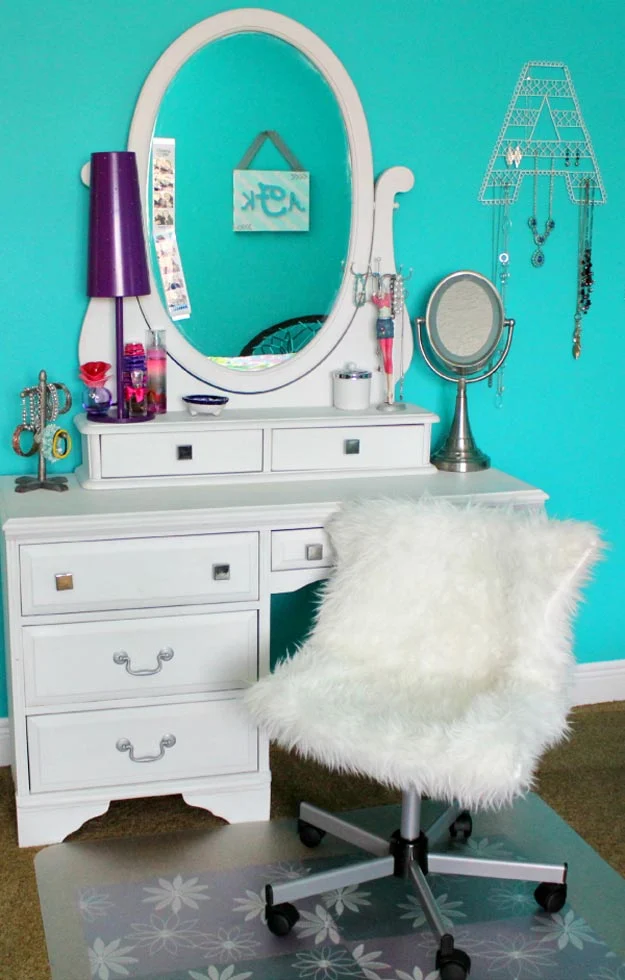
A white vanity with clean surfaces and soft textures creates a focused area for daily routines. Pairing it with a bold wall color adds contrast without overpowering the setup.
In rooms with limited natural light, reflective white surfaces help bounce light and keep the area brighter. Choosing a matte finish instead of glossy reduces glare from mirrors and lamps.
The combination feels structured while still personal through small decor accents. Upgrading drawer handles to metallic finishes adds detail without changing the overall layout.
Framed Pebble Bird Art
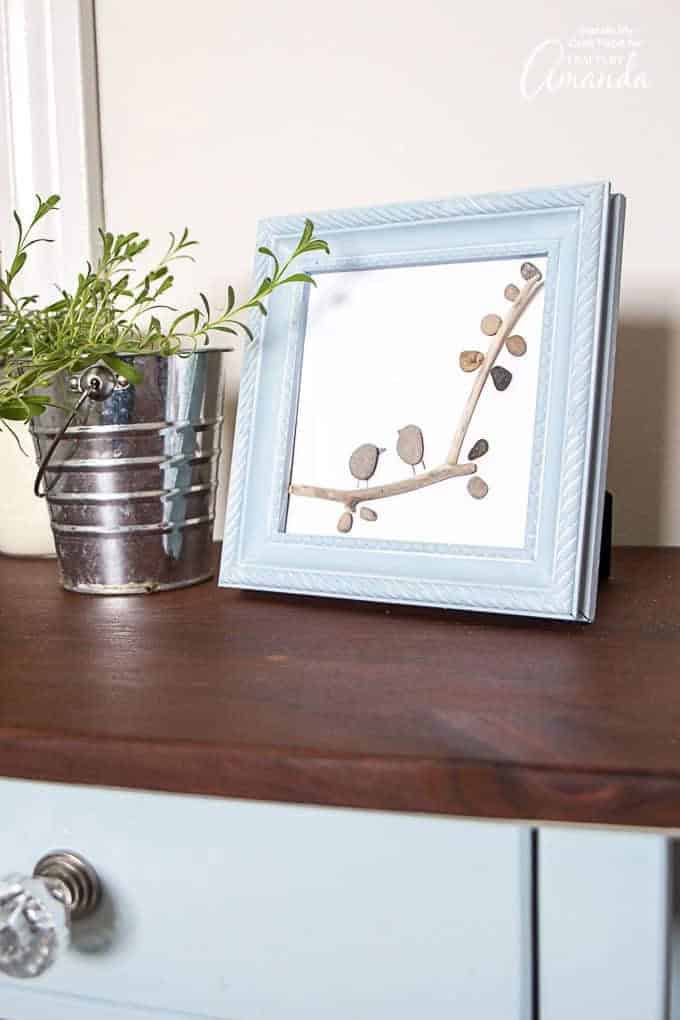
Small pebbles arranged into simple bird shapes inside a light frame create a calm, nature-inspired wall piece. The neutral tones and clean background keep the focus on texture rather than color.
In rooms with cool lighting or pale walls, the soft colors can fade if contrast is too low. Choosing a slightly tinted background or textured paper helps the shapes stand out more clearly.
The result feels quiet and personal, especially when using collected stones. Applying clear drying glue evenly prevents uneven lifting, which can shift the design over time.
Boho Rope Ottoman
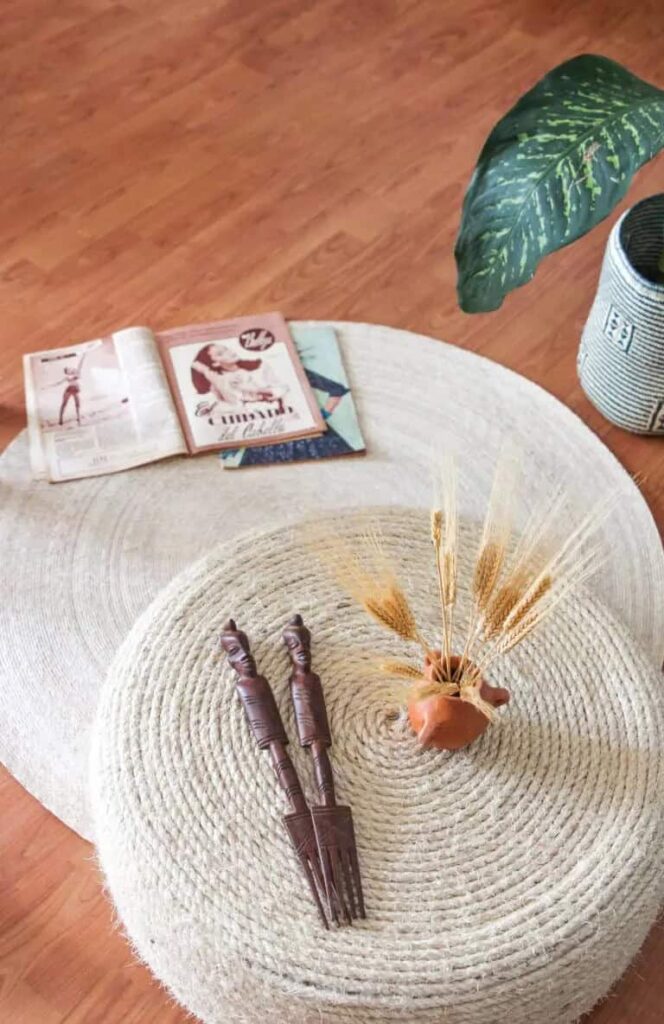
A circular ottoman made by coiling thick jute rope adds texture and a grounded feel to the floor. Placing it on a matching rug builds a cohesive, relaxed seating area.
In spaces with hard flooring or limited cushioning, the firmness of rope can feel less comfortable for longer use. Adding a soft cushion layer on top helps balance comfort without changing the look.
The spiral pattern brings visual rhythm while warming up the space. Wrapping the rope tightly and consistently keeps the shape stable and prevents gaps from forming later.
Hexagon Honeycomb Shelving
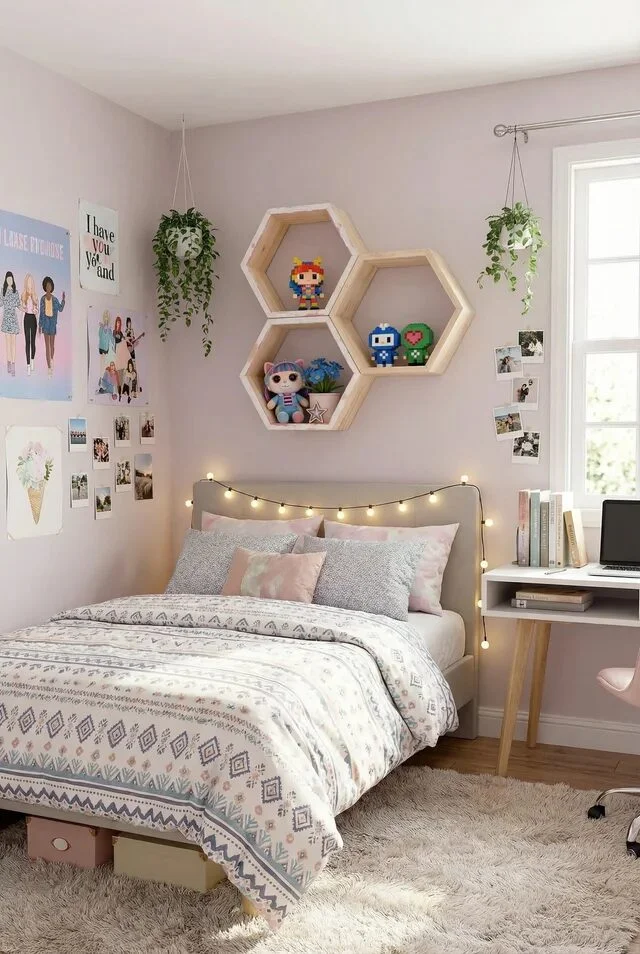
Clustered hexagon shelves create a structured wall display that breaks away from standard rectangular layouts. Filling them with small items and plants adds personality without taking up floor space.
In rooms with narrow walls or limited height, placing too many shapes too close can feel busy. Leaving small gaps between each hexagon keeps the arrangement clean and easy to follow.
The geometric pattern adds variation while keeping everything organized. Painting the inner panels in subtle tones helps highlight objects without overwhelming the overall setup.
Interactive Chalkboard Desk Space
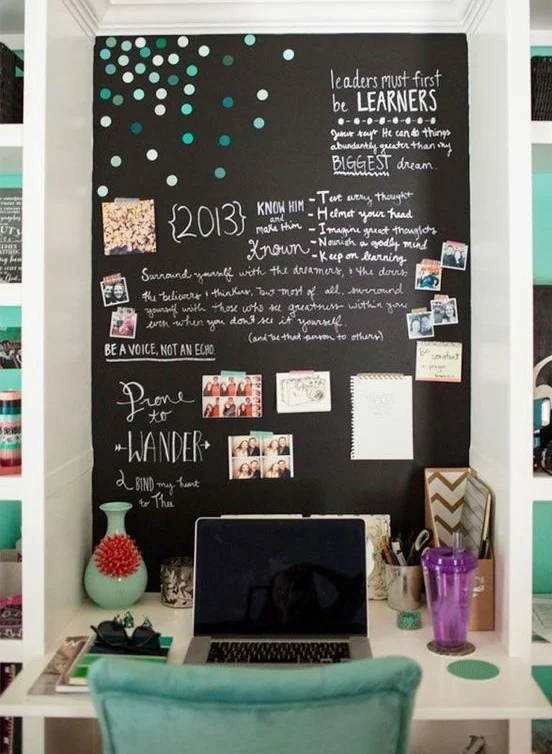
A floor to ceiling chalkboard wall turns a desk area into a space for goals, notes, and photos. Pairing it with a light desk and a bold chair keeps the setup visually balanced.
In rooms with limited natural light or darker corners, a full black wall can feel heavy if not broken up. Keeping the desk and surrounding elements bright helps offset the depth of the surface.
The wall becomes a living workspace that changes daily without adding clutter. Using washi tape for photos prevents marks and keeps the surface clean after adjustments.
Vintage Framed Makeup Board
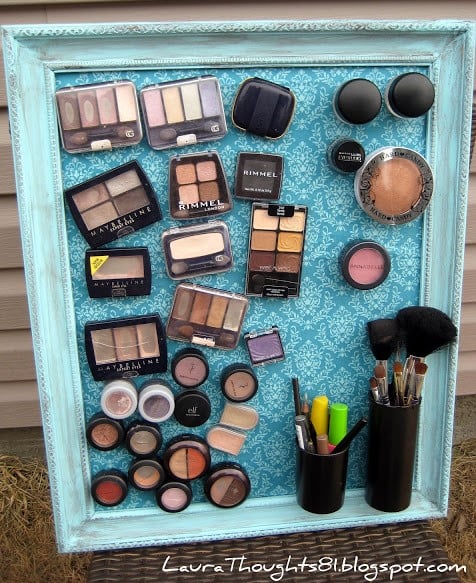
A vintage frame with magnetic backing turns makeup storage into a visible display. Adding a side holder for brushes keeps daily items within reach without crowding surfaces.
In smaller setups where vanity space is tight, placing too many items can make the board feel cluttered quickly. Spacing products by size and type keeps the layout easy to scan.
The framed design adds character while freeing up drawer space. Attaching magnets securely to each item prevents slipping, which can happen if the adhesive is applied unevenly.
FAQ
What are the easiest DIY teen room ideas to start with?
Start with projects that need minimal tools and setup, like wall art, crate storage, or photo displays. These work well in small rooms and can be adjusted later without redoing the whole space.
How can I decorate a teen room on a low budget?
Focus on repurposing materials like crates, pallets, or old frames instead of buying new furniture. Small changes, such as paint, lighting, or fabric updates, can shift the look without high cost.
How do I keep a DIY room from looking messy?
Stick to a consistent color palette and spacing when arranging items. Even simple pieces can feel organized if they are placed evenly and not overcrowded.
Which DIY ideas work best for small rooms?
Use vertical space like floating shelves, wall art, or hanging elements to avoid taking up floor area. Keeping furniture light in color also helps the room feel more open.
How do I make the room feel more personal without overdoing it?
Choose a few items that reflect your style, like photos, textures, or colors, and repeat them subtly. Too many different elements can make the space feel scattered instead of intentional.
Conclusion
Updating a teen room does not require a full redesign or expensive upgrades. Most of the impact comes from how elements are layered and arranged, not how much you add.
These ideas show that simple materials can create structure, improve function, and reflect personality when used thoughtfully. Paying attention to spacing, lighting, and texture makes each change feel more intentional.
Start with one or two updates, observe how the space feels, and build from there. Over time, the room naturally becomes more balanced, practical, and personal without feeling forced.