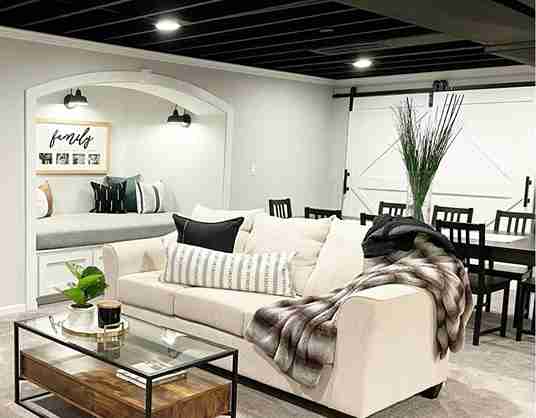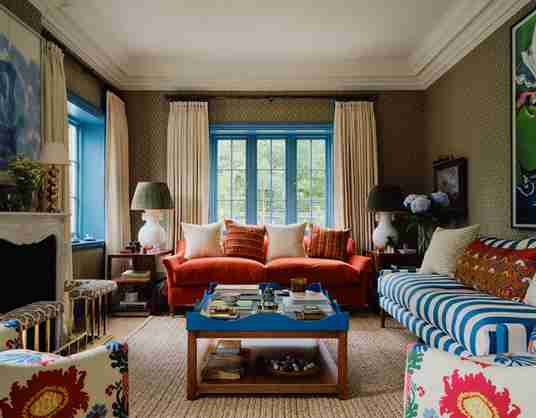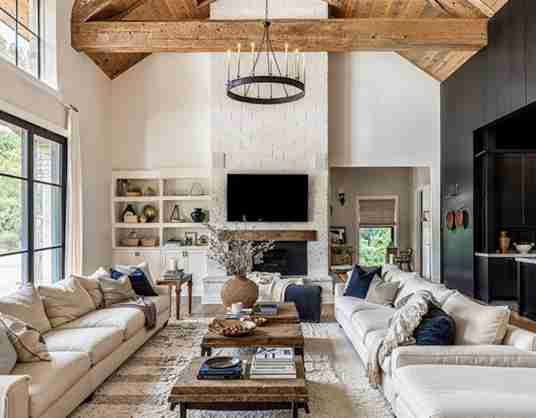
How to Find Your Decorating Style in 2026 (Without Getting Stuck in Inspiration Limbo)

If your home feels like a mix of things you truly love and a few things you bought at night because the algorithm made them look cute, welcome. You’re normal. This is how most real homes happen.
Here’s the thing, though: “finding your decorating style” is not a one time personality quiz moment. It’s more like a trail of clues. Your style shows up in what you save, what you rewatch, what you can’t stop staring at in a hotel lobby, and what makes you feel calmer the second you walk into a room.
This guide is built for HandyCraftsHub readers, meaning it’s practical, lived-in, and not pretending you have unlimited money, unlimited daylight, or unlimited patience. I’m going to walk you through how I actually do this in real life, with a method that works whether you’re starting from scratch or you’ve already collected a “random but lovable” pile of furniture over the years.
No design jargon homework. No pressure to pick a label and marry it forever. Just a clear way to figure out what you like, why you like it, and how to translate that into choices that don’t clash the minute you bring them home.
Why “Finding Your Style” Feels Harder in 2026
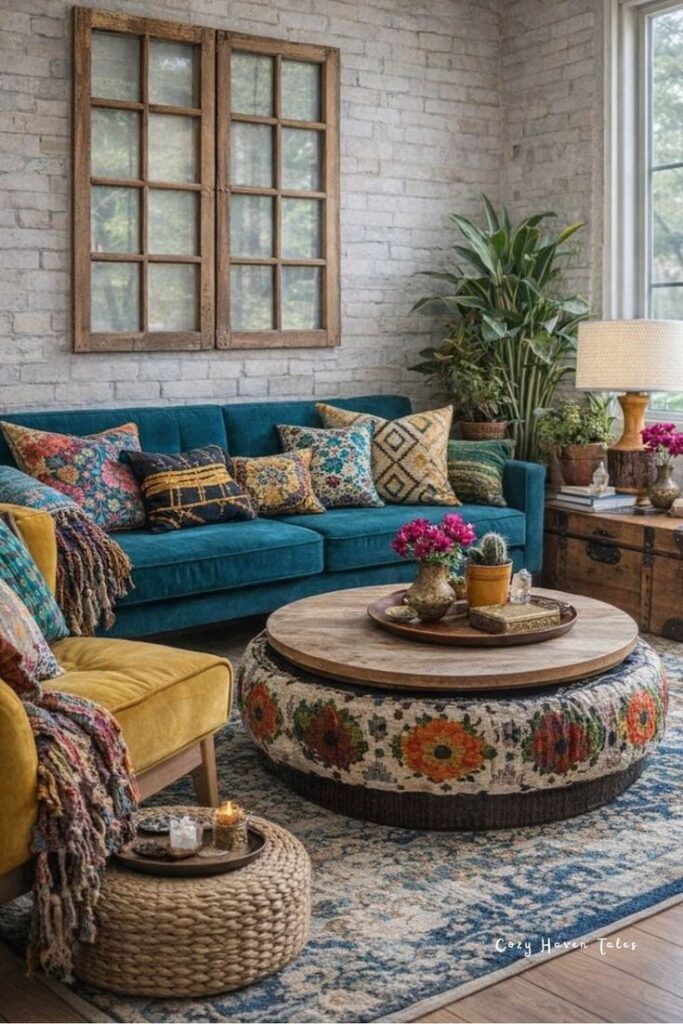
Because inspiration is loud right now.
It’s not just Pinterest anymore. It’s reels, micro trends, product drops, “designer dupes,” and people styling rooms that are basically content studios. Your brain sees 47 beautiful rooms and starts thinking you need to choose between them like you’re picking a major in college.
But your home does not need to be a trend report. It needs to feel good on a random Tuesday when the laundry basket is judging you and the overhead light is making everything look like a hospital hallway.
The real goal is simple:
- You walk into your space, and it feels like you
- It works with how you live
- You stop second-guessing every purchase
That’s it. That’s the win.
Quick Start Box: Do This First So You Don’t Spiral
The 10-minute version (do it today)
If you do nothing else, do this. It’s fast, and it changes everything.
- Save 12 room photos you would actually live in.
Not “wow.” Not “rich influencer.” More like: “I could sit here and feel normal.” - Look for 3 repeats across those images.
Don’t overthink. Just spot patterns. Examples:- Warm wood shows up again and again
- soft lighting, lots of lamps
- neutral walls with one bold color
- vintage rugs
- curved furniture
- black accents
- Write one sentence that describes the vibe.
Examples:- “Calm, warm, textured, not cluttered.”
- “Crisp modern shapes with one weird vintage thing.”
- “Light and airy, but grounded with wood and cozy rugs.”
- Make a tiny “no list.”
One thing you’re not doing again. Examples:- white rugs if you drink coffee like I do
- glass coffee table with kids
- open shelves you have to style weekly
- cold gray paint in a dim room
- furniture that looks cute but feels like a rock
- Pick 2 materials to repeat this month.
Example: warm oak + black metal, or brass + creamy linen.
That’s enough to stop the “I like everything” panic.
The 1-hour version (weekend reset)
This one gives you a real direction.
- Make a folder called My Decorating Style.
- Drop in 25 to 40 images.
- Sort into 3 piles:
- Always yes
- Maybe
- Pretty but not me
- Build a mood board with 9 to 12 images max.
- Label it with 5 feeling words, not a style name.
Like: cozy, airy, grounded, tailored, playful. - Pick one micro upgrade to do first.
Lighting, paint samples, art, a rug swap, hardware. Something small but noticeable.
Step 1: Collect Inspiration Like a Normal Person
A mistake people make is only saving the “hero” rooms. The ones styled for magazine photos. Those rooms are fun, but they can trick you into buying decor you would hate in real life.
So here’s how I collect inspiration when I want it to actually help:
Save the whole room, but also save the boring corners
The “boring” photos are where you see how a style lives day to day.
Save:
- entryways (they reveal real life function)
- bedside setups (lighting and clutter tolerance)
- living room corners (how they layer texture)
- dining spaces that look usable, not staged
Skip:
- product flat lays
- rooms with no storage
- rooms where nothing looks touched
- anything that makes you think “this would stress me out to maintain”
Inspiration sources that don’t mess with your head
- Pinterest boards, yes
- hotel lobbies and cafes you loved
- screenshots from movies or shows where you liked the vibe
- home tours where you can actually see the layout
- thrift store finds you keep thinking about later
I’ve learned my brain lies to me when I only look at ultra bright, empty rooms online. In real life, I want warmth, texture, and corners that feel lived in. Your brain probably does this too.
Step 2: Find Your “Repeats” (This Is Your Style, Quietly Revealed)
This part is the design detective moment. It’s also the most satisfying, because suddenly you’re not guessing anymore.
When you look at your saved images, ask:
What does the light feel like?
This matters more than most people admit.
Are you drawn to:
- warm lamps, soft glow, cozy evenings
or - bright daylight, crisp whites, clean shadows
A lot of people think they love “modern minimal.” But what they really love is bright natural light. Then they go home to a darker space and wonder why it feels sad. It’s the lighting mismatch, not your taste.
What wood tone keeps showing up?
Wood tone is like the background music of your room. It sets the mood.
Common directions:
- light oak: airy and fresh
- walnut: warm and grounded
- espresso: moody and dramatic
- painted woods: clean and cottage-y
Pick one main direction. You can mix woods, but you need a “dominant” one or it starts feeling chaotic.
What furniture shapes do you keep saving?
This is one of the fastest ways to find your style.
Do you keep choosing:
- curvy shapes (rounded sofas, arched mirrors, organic tables)
- straight lines (clean frames, boxy sofas, sleek shelving)
- a balanced mix, but with one clearly dominant
If your saves are full of soft curves and you keep buying sharp modern pieces, that’s why your space feels “off.”
How “busy” is the room?
This is your clutter tolerance in style form.
Do you like:
- calm surfaces, fewer objects, closed storage
or - layered shelves, collected art, visible personality everywhere
Neither is better. But you need to be honest with yourself. If you love maximalist rooms online but you hate visual noise in your own home, you can still do “collected” in a calmer way.
Step 3: Lifestyle Check (Because Style You Can’t Live With Will Annoy You)
This is the step where you protect your peace.
Ask yourself: what annoys me daily?
If you have kids
- avoid sharp corners in main traffic zones
- choose washable fabrics
- make storage easy, not aspirational
- pick rugs that forgive crumbs and mystery smudges
If you have pets
- skip boucle if your cat thinks it’s a scratching post
- avoid dark velvet if you hate lint rolling
- choose rugs that hide fur and footprints
If you rent
You can still have style. You just do it in reversible ways:
- lighting upgrades (lamps, plug-in sconces)
- peel and stick wallpaper or tiles
- art and textiles
- hardware swaps you can reverse
If your room is low light
This is huge. Low light rooms don’t behave like Pinterest rooms.
In low light spaces, I avoid:
- cold grays
- icy whites
- dark blues that turn gloomy
- anything that looks “cool toned” in store lighting
Instead I lean into:
- creamy whites
- warm neutrals
- earthy greens
- warm wood tones
- layered lighting
I’ve painted a room “the perfect gray” and then watched it look purple and depressing at night. Never again.
Step 4: Turn Your Inspiration Into a Simple Style Sentence
This is my favorite part because it makes decisions so much easier.
Your style sentence should describe:
- the feeling
- the color direction
- the vibe of shapes
- how layered or calm you want it
Examples:
- “Warm, calm, textured, with vintage touches and soft lighting.”
- “Crisp, clean-lined, neutral base with one bold art moment.”
- “Collected and cozy, earthy colors, mixed woods, nothing too precious.”
When you’re shopping, this sentence becomes your filter. If an item doesn’t fit it, you can admire it and move on without buying it like a raccoon.
Step 5: Build a Mood Board That Actually Helps (Not Just Pretty)
A mood board is not a scrapbook. It’s a referee.
It should answer: does this belong with my stuff?
My simple mood board rules
- 9 to 12 images max
- 1 color direction
- 1 main wood tone
- 1 main metal finish
- 2 textures
- 1 layout image similar to your room
- 1 anchor item you already own
Then add 5 vibe words at the top:
cozy, airy, grounded, tailored, playful, etc.
One real-life tip I swear by
Make sure at least 3 images show a room at night with lamps on.
Daylight photos are cute, but night is where you actually live.
Step 6: Use the 70 20 10 Rule to Mix Styles Without Chaos
If you love more than one style, good. Most people do.
This is how you mix without your room looking confused.
- 70 percent base style: big furniture, main rug, main finishes
- 20 percent secondary style: a vintage chair, a rustic table, a texture layer
- 10 percent accent style: the fun swap stuff, art, decor, pillows
This keeps your room from feeling like five different Pinterest boards arguing.
Examples that work in real homes
- Transitional base (70) + boho texture (20) + playful modern art (10)
- Modern base (70) + vintage finds (20) + cozy cottage touches (10)
- California casual (70) + modern farmhouse grit (20) + brass accents (10)
Step 7: The “No More Regret” Shopping Filter
This is the filter I wish I had earlier. It saves money and returns.
Before you buy anything, ask:
- Does it match my mood board repeats?
wood tone, metal, color direction, shapes - Would I still like it on a messy Tuesday?
not just when everything is staged - Does it solve a problem or add one?
storage, comfort, lighting, function - Does it need high maintenance to look good?
be honest about your energy level - Can I test it small first?
pillows, art, lamp, paint sample before huge purchases
If you can’t answer yes to at least 3 of these, pause.
Step 8: The Starter Trio That Makes Any Room Feel More “You”
If you’re overwhelmed, don’t start with 27 small decor items. Start with these.
1) Lighting (the fastest vibe changer)
Get at least two lamps in the main space. Warm bulbs. Soft glow.
When people say “my room feels off,” it’s often the lighting.
2) One anchor item
Pick one:
- rug
- big art piece
- sofa color direction
- curtains that set the tone
Anchors stop the room from feeling random.
3) A repeat finish
Pick one metal finish and repeat it three times:
- black
- brass
- chrome
- mixed, but with a clear dominant
Three repeats makes a room feel intentional fast.
Step 9: Fix It Flow (When Your Room Starts Feeling “Off”)
This is the no shopping rescue plan.
- Clear surfaces for 3 minutes.
Put small stuff in a basket temporarily. - Remove one random color that appears only once.
If it’s lonely, it’s usually causing the noise. - Add one solid “exhale” item.
plain throw, solid pillow, simple blanket - Make two zones.
- display zone: your favorite things
- contain zone: tray, basket, bowl for the small stuff
- Repeat check.
If a color shows up once, either repeat it twice or remove it.
This fixes most “why do I hate this room today” feelings.
Conclusion: Your Style Is Not a Label, It’s a Pattern of Choices
Your decorating style is just a set of decisions you repeat because they make you feel good in your own space.
Collect what you love. Find the repeats. Pressure test it against your real life. Build a small mood board. Use a simple shopping filter. Start with lighting, an anchor, and one repeat finish.
Then live with it for a week. Let the room settle. Let your brain stop panicking.
Some nights, you’ll look around and think “wow, this feels like me.” That’s the point.
FAQ
How do I find my decorating style if I like everything?
You don’t need to like less. You need to notice what repeats. Save 12 rooms you’d live in, then pick 3 repeats and write a style sentence. That becomes your filter.
What if my style changes all the time?
That’s fine. Keep big choices calm and flexible, then use the 10 percent accent zone for trends and personality swaps. Pillows, art, decor, lamps.
What is the easiest way to make my home feel cohesive?
Repeat one wood tone, one metal finish, and one accent color in three places. Cohesion is repetition, not matching sets.
Do I need to pick one style name?
No. Style names are optional. Feeling words and repeats are more useful in real life.
What is the best first purchase if I’m starting over?
Lighting. Two good lamps and warm bulbs can make a room feel finished even before anything else changes.