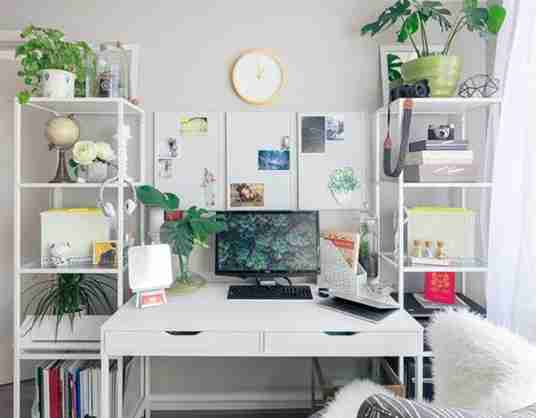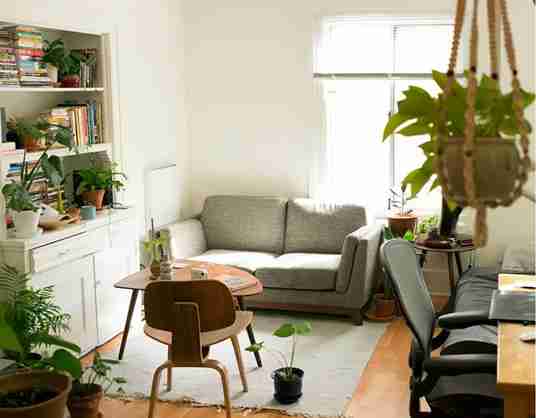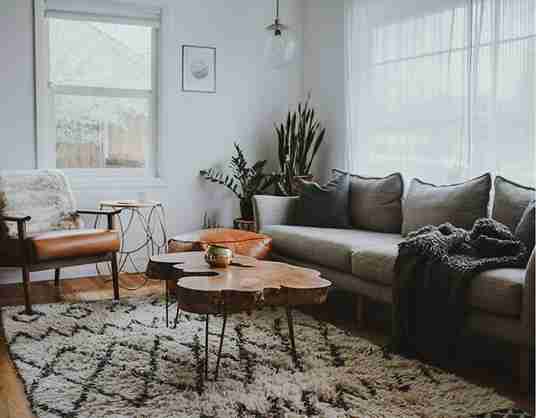
How to Decorate an Office That Has No Windows: Brighten Up Your Space

A windowless office can feel flat before you even sit down. The air feels heavier. The lighting feels harsher. And no matter how organized the desk is, something always feels slightly off.
The good news?
A room without windows is not a design curse. It is simply a room that depends entirely on what you choose to put inside it. When there is no natural light, you are in full control of the atmosphere. That means you can design it intentionally instead of relying on whatever sunlight happens to show up.
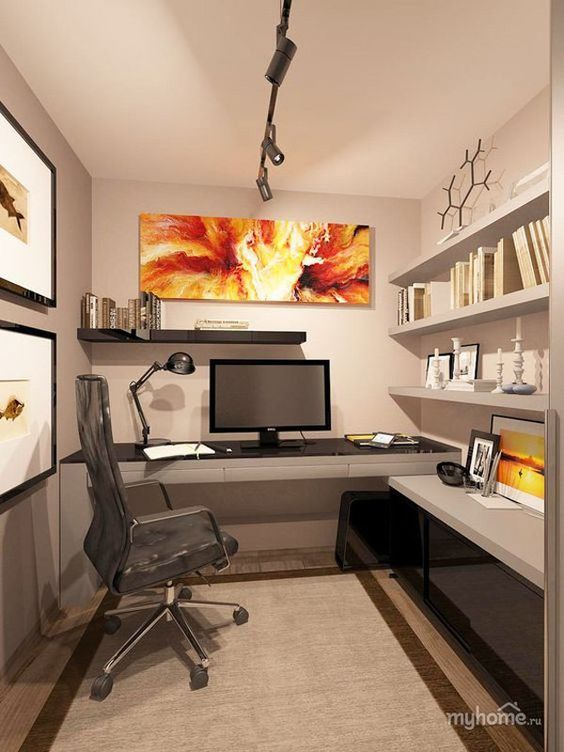
Here is how to make a windowless office feel bright, open, comfortable, and surprisingly energizing.
1. Build Light in Layers, Not Just From the Ceiling
The biggest mistake people make in a windowless office is relying on a single overhead light. That kind of lighting creates shadows under your eyes, glare on your screen, and a flat, lifeless atmosphere.
Instead of thinking “add a brighter bulb,” think in layers.
Start with ambient lighting. This is your main source of light, usually from the ceiling. Choose LED bulbs in a neutral to daylight tone. Something in the 4000K to 5000K range mimics natural daylight best. Avoid overly warm yellow bulbs, which can make a small office feel dim and tired.
Next, add task lighting. A desk lamp with adjustable brightness gives you control over exactly where light falls. Place it so it reduces shadows on your workspace without shining directly into your eyes or screen. If you do detailed work, this layer is essential for reducing eye strain.
Then add accent lighting. This is what softens the room and prevents that “interrogation room” feeling. A small table lamp in a corner, LED strips behind shelves, or a wall sconce can gently brighten dark edges of the room. When corners are lit, the room feels larger.
The goal is to eliminate harsh contrasts. Even, balanced lighting makes the space feel natural instead of artificially bright.
2. Use Mirrors to Create Depth and Reflect Light
Without windows, a room can feel visually shallow. Mirrors solve that problem instantly.
A large mirror placed across from your main light source will bounce light around the room. This does not just make the office brighter, it creates the illusion of depth.
If you want to go a step further, use a mirror designed to resemble a window frame. Grid-style mirrors give the psychological effect of architectural detail, which tricks the brain into reading the room as more open.
Even smaller mirrors grouped thoughtfully can create visual expansion. The key is placement. Reflect light, not clutter. If the mirror faces a blank wall or a light source, it works beautifully. If it faces piles of paperwork, it doubles the chaos.
3. Choose Wall Colors That Reflect Light
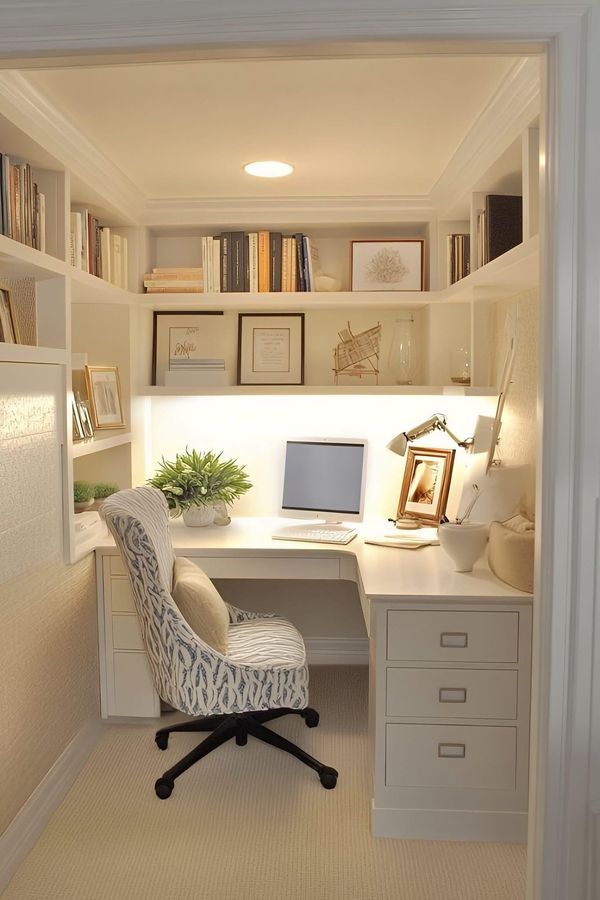
Color matters more in a windowless room than almost anywhere else in your home.
Dark paint absorbs light. In a room without windows, that can make walls feel closer than they are. Instead, choose light-reflective tones.
Soft white, warm ivory, pale greige, muted sage, light blue, or even soft blush can brighten the room without feeling sterile. Cool whites can feel crisp, but make sure they are not overly blue, which can feel clinical.
If you love darker colors, use them strategically. An accent wall behind a desk can add depth, but keeping the remaining walls light preserves openness.
The right paint color works together with your lighting to simulate daylight.
4. Incorporate Reflective Materials
Beyond mirrors, you can enhance brightness with reflective finishes.
Glass desks or acrylic chairs keep visual lines open. Metallic accessories in brass, chrome, or gold subtly bounce light. Glossy cabinet finishes reflect brightness instead of swallowing it.
Even a simple glass desk lamp or mirrored tray can contribute to the overall effect. These elements are not flashy, but they prevent the room from feeling visually heavy.
Think of reflective materials as light multipliers.
5. Add Plants to Soften the Space
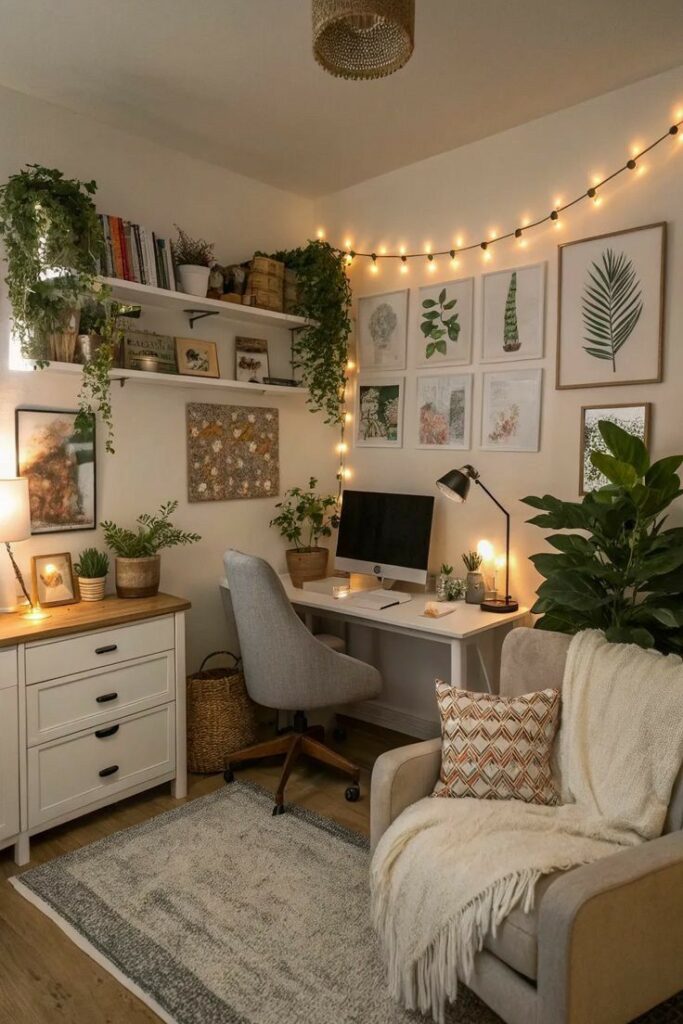
Even without natural light, you can add greenery. Plants introduce texture, color, and life into a windowless office.
Choose low-light-tolerant varieties like snake plants, pothos, ZZ plants, or peace lilies. These plants adapt well to indirect or artificial light conditions.
If your office truly has zero natural light, you can install a small grow light. Modern grow lights are subtle and blend into existing fixtures.
Plants make the space feel less mechanical and more organic. That alone can improve mood and productivity.
6. Simulate Natural Views With Art
When there is no window, your walls become your view.
Large-scale art depicting landscapes, skies, forests, or abstract natural textures can open up the room psychologically. A framed photograph of an ocean horizon or a sunlit forest creates depth where there is none.
Some people even install LED backlit panels designed to mimic skylights. These panels diffuse light in a way that feels remarkably close to daylight.
Nature imagery reduces stress and makes enclosed spaces feel less confining.
7. Upgrade Your Furniture for Visual Openness
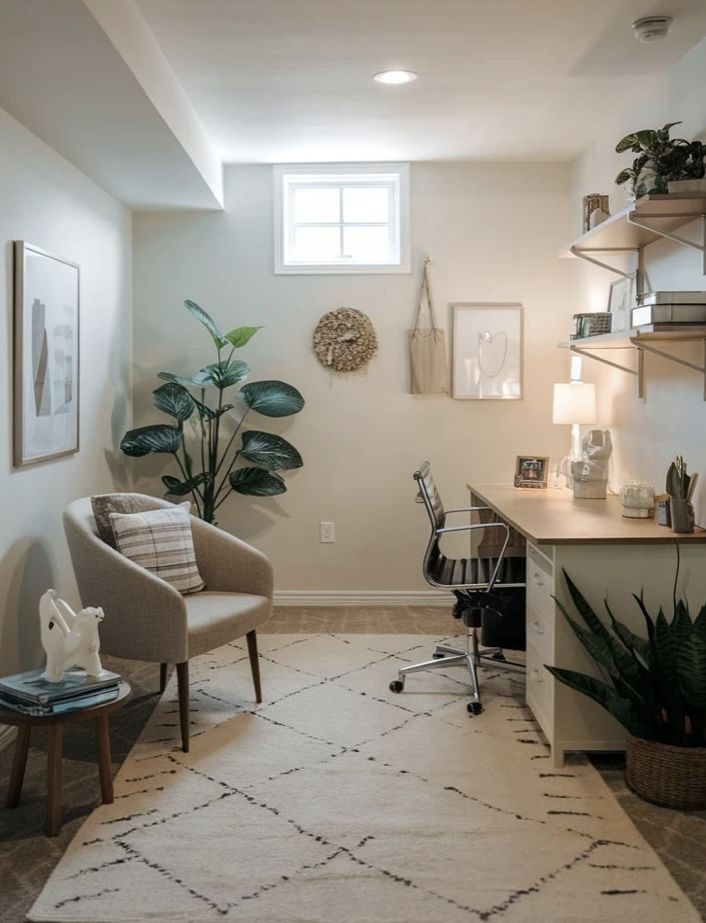
Bulky furniture can make a windowless office feel cramped.
Choose pieces with legs rather than heavy bases. When you can see more floor space, the room feels larger.
A desk with open space underneath creates airiness. Floating shelves keep the floor clear. Slim-profile storage cabinets prevent visual overload.
Even your chair matters. A lighter-colored ergonomic chair brightens the space and improves comfort. Since you spend hours sitting there, comfort becomes even more important in an enclosed room.
8. Use Vertical Space Wisely
In small, windowless offices, the eye needs somewhere to travel.
Vertical shelving draws attention upward and makes ceilings feel higher. Wall-mounted organizers reduce desk clutter. Tall bookcases add dimension.
However, avoid overcrowding vertical surfaces. Too many items can create visual noise. Keep styling intentional and balanced.
A clean vertical layout makes the room feel structured rather than boxed in.
9. Add Texture to Prevent a Sterile Feel
Artificial lighting combined with light-colored walls can sometimes feel too clinical.
To counter this, layer in texture.
A soft area rug warms the floor. Fabric bulletin boards add softness to walls. Woven baskets introduce natural texture. Cushioned seating or a throw blanket on a chair adds comfort.
Texture breaks up hard surfaces and makes the room feel lived-in.
10. Control Glare and Eye Strain
Windowless offices rely entirely on artificial lighting, which makes glare management essential.
Avoid placing overhead lights directly above your head without diffusion. Choose fixtures with covers or shades to soften brightness.
Position your monitor so that lights do not reflect directly off the screen. If needed, add an anti-glare screen protector.
Reducing eye strain makes the room more comfortable over long work sessions.
11. Keep the Space Organized and Minimal
Clutter feels heavier in enclosed spaces.
Use drawer organizers, file holders, and cable management solutions to keep surfaces clean. The clearer your desk, the more light reflects across it.
Minimalism does not mean empty. It means intentional.
A tidy space feels more breathable, especially without natural airflow.
12. Improve Air Quality
Windowless rooms can feel stuffy. An air purifier can improve air circulation and reduce that closed-in feeling.
Even a small desk fan helps move air gently. Plants also contribute to freshness.
Comfort is not only visual. It is sensory.
13. Add a Focal Point
Every room needs a visual anchor.
This could be a statement art piece, a stylish bookshelf, or a unique light fixture. A focal point gives your eyes somewhere to land, preventing the room from feeling bland.
Choose one element that feels intentional and cohesive with the rest of your decor.
14. Consider Smart Lighting Adjustments
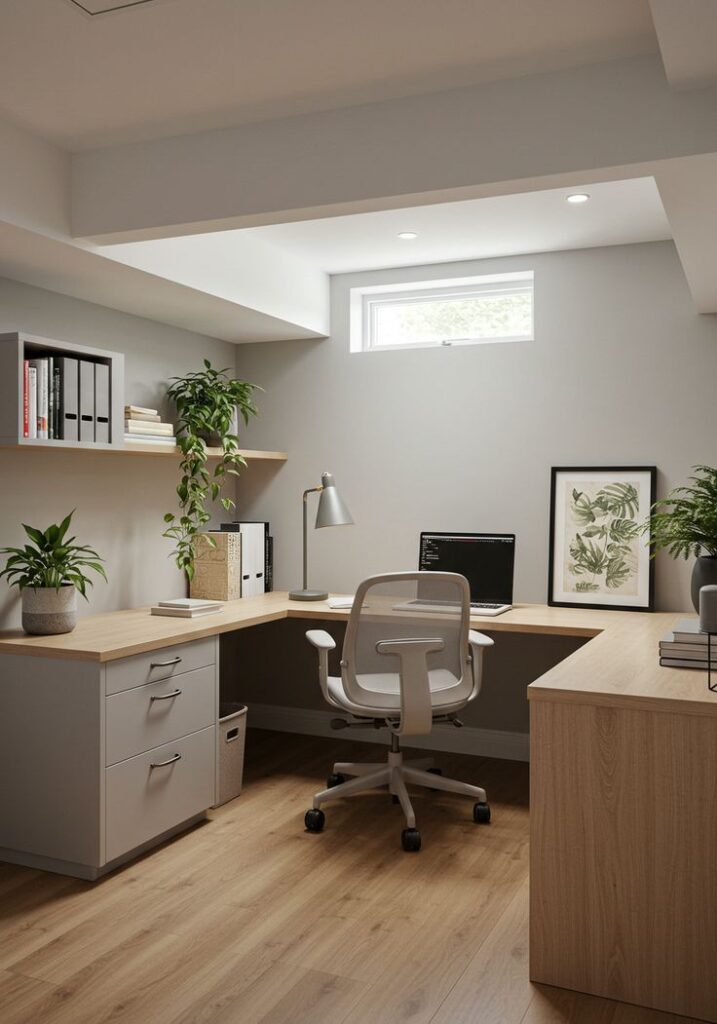
If you work long hours, smart bulbs allow you to adjust brightness and color temperature throughout the day.
Cooler light in the morning supports focus. Slightly warmer light in the evening reduces harshness.
Mimicking natural light cycles can help regulate your energy levels even without windows.
Final Thoughts
A windowless office is not a limitation. It is a design opportunity.
When you layer lighting properly, choose reflective surfaces, keep the layout open, introduce greenery, and maintain organization, the space becomes bright and functional.
The key is intentional design.
Artificial light becomes your sun.
Mirrors become your depth.
Color becomes your brightness.
Plants become your connection to nature.
With the right adjustments, your office can feel open, energizing, and comfortable — even without a single window.