13 Two-Level Garden Ideas to Transform Your Outdoor Space

Outdoor spaces with changes in elevation often come with both challenges and opportunities. When designed thoughtfully, a two level garden can turn uneven ground into a visually interesting and highly functional landscape.
Two level gardens allow you to define separate areas within the same outdoor space, creating natural zones for planting, seating, or entertaining. They also help improve flow and structure, especially in yards where flat layouts are not possible.
With the right combination of materials, planting choices, and layout, elevation changes can add depth and character rather than feeling like a limitation. Subtle transitions and well planned levels can make a garden feel larger and more intentional.
From modern terraces to softer, plant filled designs, there are many ways to approach a two level garden depending on your space and style.
Here are 13 two level garden ideas to transform your outdoor space and help you make the most of your landscape’s natural layout.
1. Terraced Planters and a Lower Lounge Zone
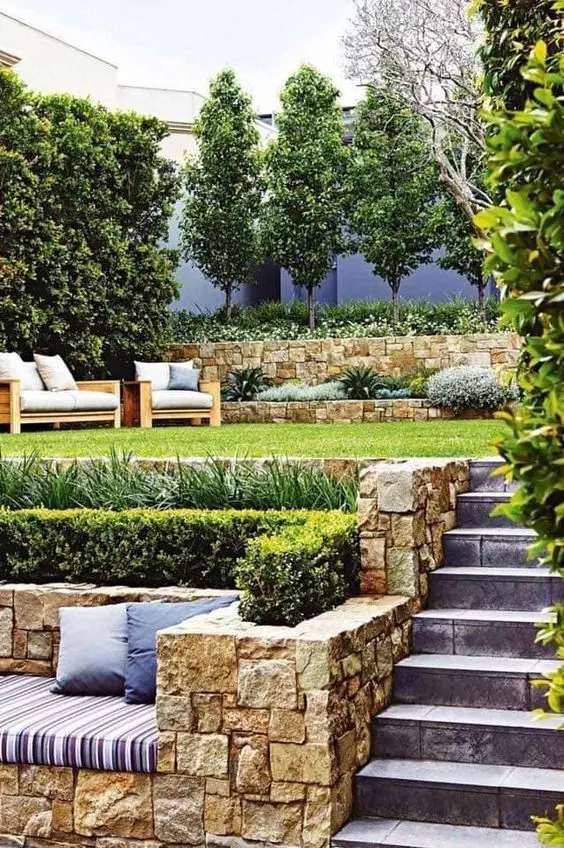
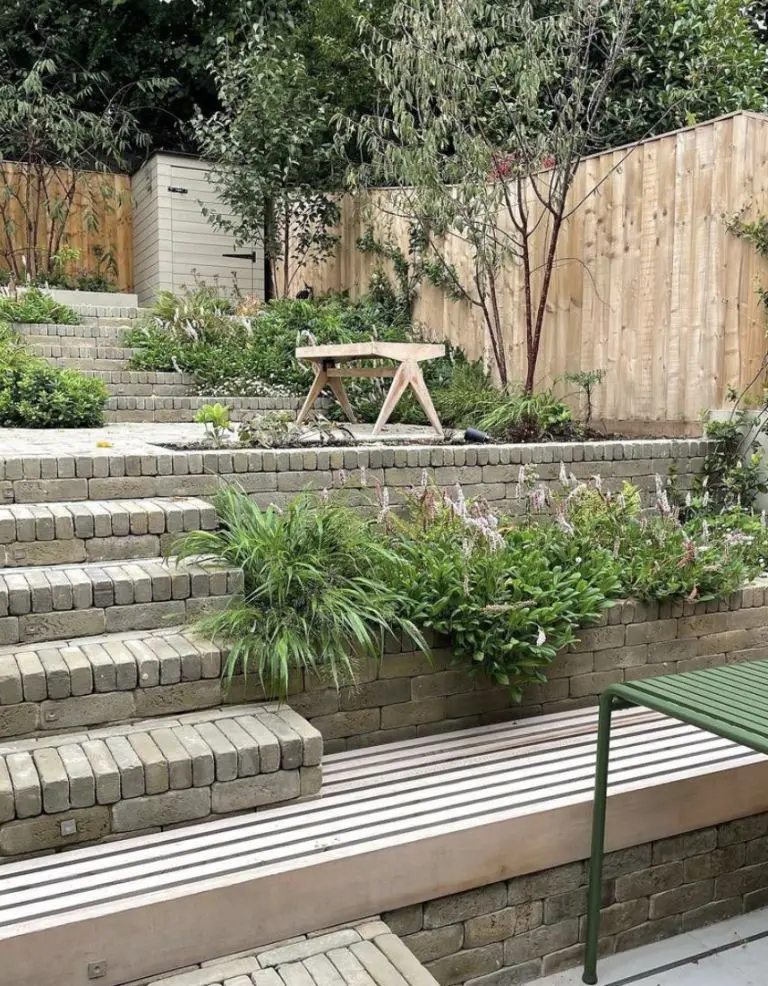
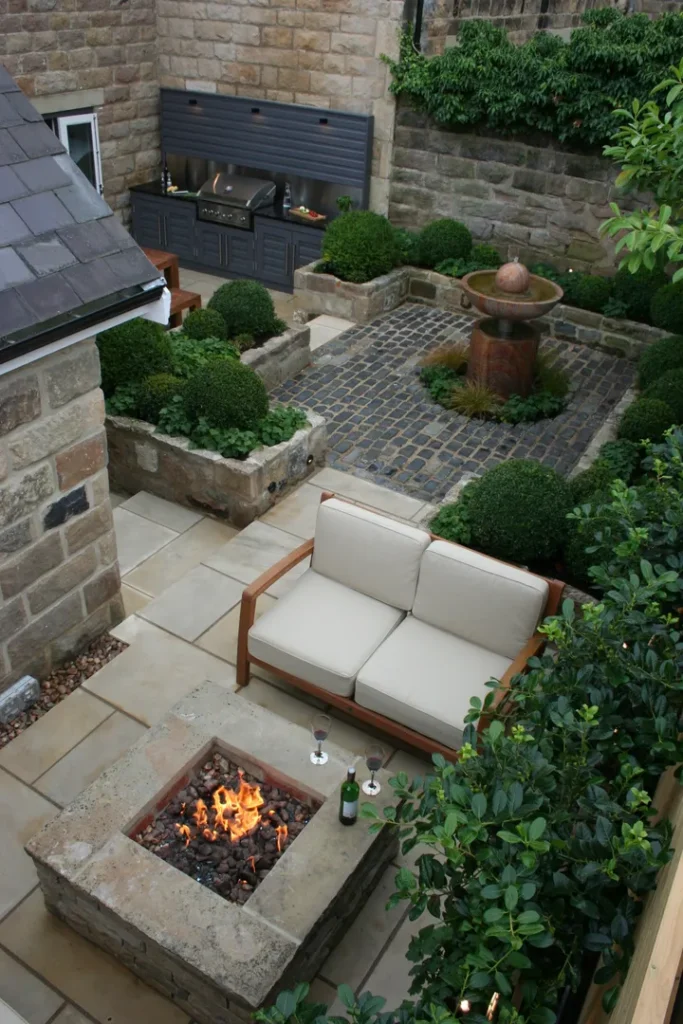
One of the most elegant ways to design a two-level garden is by combining terraced planters with a cozy lower-level lounge zone. This approach maximizes vertical space and creates clear distinctions between zones. Picture the upper terrace layered with stone planters overflowing with lavender and ornamental grasses. These act as a natural privacy wall, enclosing the lower space in a lush, green embrace.
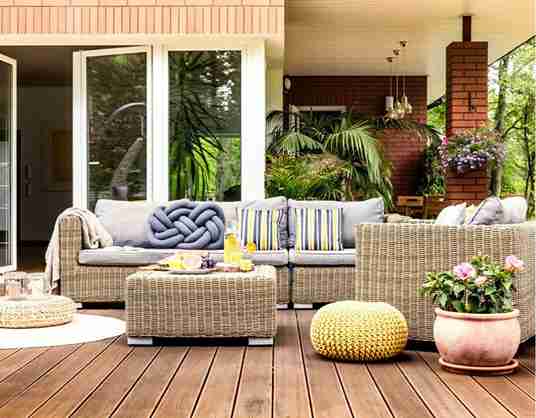
Below, add modern patio furniture—think a sectional and a fire pit table—to form a gathering spot. This layout is perfect for sloped yards, using gravel or natural stone steps between levels to encourage flow while creating a polished visual break.
2. Two-Level Deck with Integrated Garden Beds
A two-level deck expands your living space, blending lounging and gardening. Start with an upper-level deck accessible from your home—perfect for dining. Below that, create a slightly sunken secondary deck for lounge furniture and perhaps a small water feature.
To bring greenery into the mix, frame each level with integrated garden beds. Whether you choose sleek wooden planters or built-in stone, these beds can house low-maintenance succulents or vibrant perennials. Vertical trellises on the upper deck can support climbing roses, adding a whimsical touch to the structural lines.
3. Sunken Fire Pit Patio with Surrounding Garden Wall
Creating a sunken fire pit area surrounded by raised beds is a stunning way to introduce a two-level design that feels both intimate and open. Begin with a lower-level patio centered around a fire pit. Use built-in bench seating for a modern, cohesive look.
The surrounding upper level can feature cascading greenery or dwarf trees to create height. The contrast between the lower seating and elevated greenery makes the fire pit feel like a destination. Incorporate ambient lighting under the benches to make the space beckon guests after dusk.
4. Multi-Level Stone Steps with Flowering Borders
For a cottage-style garden, multi-level stone steps flanked by flowering borders provide a graceful transition. Imagine natural stone steps curving through your garden, bordered by lavender, hydrangeas, and salvia. The height variation spotlights different blooms at each level, creating an immersive, layered effect.
This layout is especially charming for uneven yards. It adds structure without harsh angles and encourages slow, mindful movement. Nestled benches give you a place to pause and enjoy the scenery, reflecting a relaxed, romantic vibe.
5. Raised Patio with Lower Dining Area
A raised patio connected to a lower-level dining space offers a seamless flow for entertaining. The level directly outside your back door serves as a lounging area with outdoor sofas. Wide platform steps then lead to a lower dining area set on gravel or flagstone for visual contrast.
This lower level feels more grounded and intimate, ideal for long dinners. Surround it with privacy hedges for added coziness. This separation of functions—lounging above, dining below—keeps the space organized while still feeling unified.
6. Tiered Retaining Walls with Built-In Seating
Tiered retaining walls are a smart solution for sloped backyards. Construct layered walls using brick or poured concrete. Use each tier to add different textures, from ground cover to tall ornamental grasses. Between tiers, carve out flat seating zones with stone benches.
You can add lighting under the seats for a soft glow. This setup maximizes planting space and adds layers of beauty to your landscape, perfectly blending form and function.
7. Two-Level Courtyard Garden with Water Feature
Integrating a water feature into a two-level courtyard design is absolutely magical. Design an upper-level patio for dining with an elevated view. Just below, create a small courtyard centered around a bubbling fountain or koi pond.
Flank the water feature with lush ferns and hostas. Add stepping stones to guide visitors through the space. This layout turns your outdoor area into a tranquil retreat that invites calm and contemplation.
8. Elevated Garden Pergola with a Lower Zen Space
Start with a pergola-covered upper level for a shaded seating area. Incorporate climbing vines like jasmine to create a green canopy. Below, create a Zen-inspired space using gravel, stepping stones, and minimalistic features like a bamboo fountain.
This design is excellent for separating daily life from moments of reflection. The distinct visual contrast between the levels creates an immersive experience that feels both tranquil and transformative.
9. Two-Tiered Container Garden with Dining Deck
Short on space? A two-tiered container garden with a dining deck is perfect for urban yards. Use a raised deck for gathering, and on the lower level, create a container garden with varied pot sizes.
This setup is fantastic for anyone who wants to garden without committing to in-ground planting. It makes seasonal changes a breeze and adds dimension while keeping everything accessible.
10. Split-Level Patio with Outdoor Kitchen
For those who love to entertain, house a full-service outdoor kitchen on the upper level. Down a few steps, the lower patio becomes the social hub with modular sofas and a central fire pit.
Using different flooring materials—like smooth concrete above and natural stone below—subtly defines the spaces. This boosts functionality, ensuring that cooking and dining areas are distinct yet connected.
11. Hillside Garden with Cascading Flower Beds
Lean into a natural slope by creating tiered flower beds. Use retaining walls to break the hill into multiple levels, then plant each tier with different varieties to create a cascading color effect. Add gravel pathways and tuck in benches along the way for quiet reading nooks.
12. Modern Two-Level Garden with Symmetrical Layout
If you favor clean lines, a symmetrical layout offers elegance. Start with a central staircase flanked by identical planters. The upper level can feature a structured lawn, while the lower level serves as a lounging area with streamlined furniture in neutral tones. This creates a sense of order and calm.
13. Two-Level Garden Path with Secret Seating Area
Design a path that ascends through your garden using hedges to create mystery. Tuck a bench behind a tall shrub on the upper level, creating a private “secret garden.” Surround it with shade-loving plants like foxgloves to complete the storybook escape.
FAQ
1. Are two-level gardens more expensive to build?
Typically, yes, because they often require retaining walls, extra steps, and structural planning to handle soil weight and drainage. However, they significantly increase the usable square footage of a sloped lot, which can add more value to your home in the long run.
2. How do I handle drainage in a multi-level garden?
Drainage is highkey the most important part. You need to ensure that water doesn’t pool against the retaining walls or flow directly into your home’s foundation. This often involves installing French drains, weep holes in walls, or using permeable materials like gravel for the lower levels.
3. What materials are best for garden retaining walls?
For a modern look, poured concrete or large smooth blocks work well. For a more rustic or country vibe, natural stone, timber sleepers (ensure they are treated for ground contact), or weathered brick are excellent choices.
Conclusion
Creating a two-level garden isn’t just about adding vertical interest—it’s about building a space that fits your lifestyle. These designs naturally break your yard into distinct areas for dining, relaxing, and planting. With a bit of creativity and some thoughtful planning, you can transform a challenging landscape into a layered oasis full of purpose.