19 Spring Porch Ideas to Refresh Your Outdoor Space

After a long winter, your porch can start to feel dull and forgotten. The space that once felt welcoming may now look empty or out of sync with the season.
Many people want to refresh their porch for spring but are not sure where to start. Adding too much décor can feel cluttered, while doing too little makes no real impact.
The good news is you don’t need a full makeover to bring it back to life. A few thoughtful updates can instantly make your porch feel fresh, bright, and inviting again.
This article brings you 19 spring porch ideas to help you refresh your outdoor space. Simple, practical ideas that work for everyday living.
Let’s jump in!
How Do You Refresh Your Porch for Spring Without Overdoing It?
Even a nice porch can feel off when seasonal touches are missing. People notice it right away because the space no longer matches the mood outside.
The key is to focus on balance. Light colors, fresh flowers, and natural textures can update the space without making it feel crowded.
You can also layer small details like cushions, planters, or a simple welcome sign. With the right mix, your porch feels bright, welcoming, and ready for the season.
1. Add a Pop of Color with Floral Wreaths
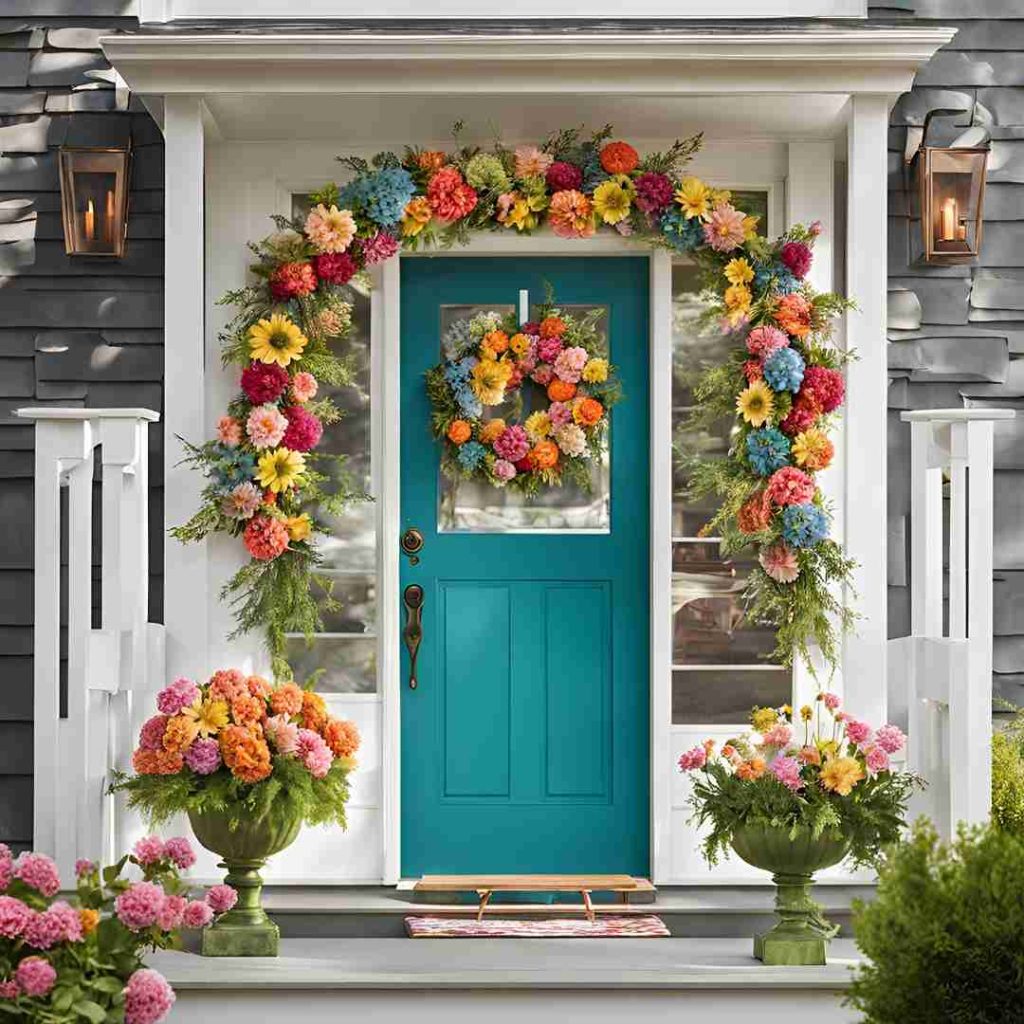
The front door is usually the last thing people update, which is why it often still feels dull even after cleaning the porch.
Strong sun exposure changes everything here. Faux tulips or eucalyptus on a grapevine base with a soft ribbon hold their color far better than delicate fresh blooms.
It immediately lifts the entry without extra decor. A wreath that is too small tends to disappear against darker doors.
2. Brighten Your Space with String Lights
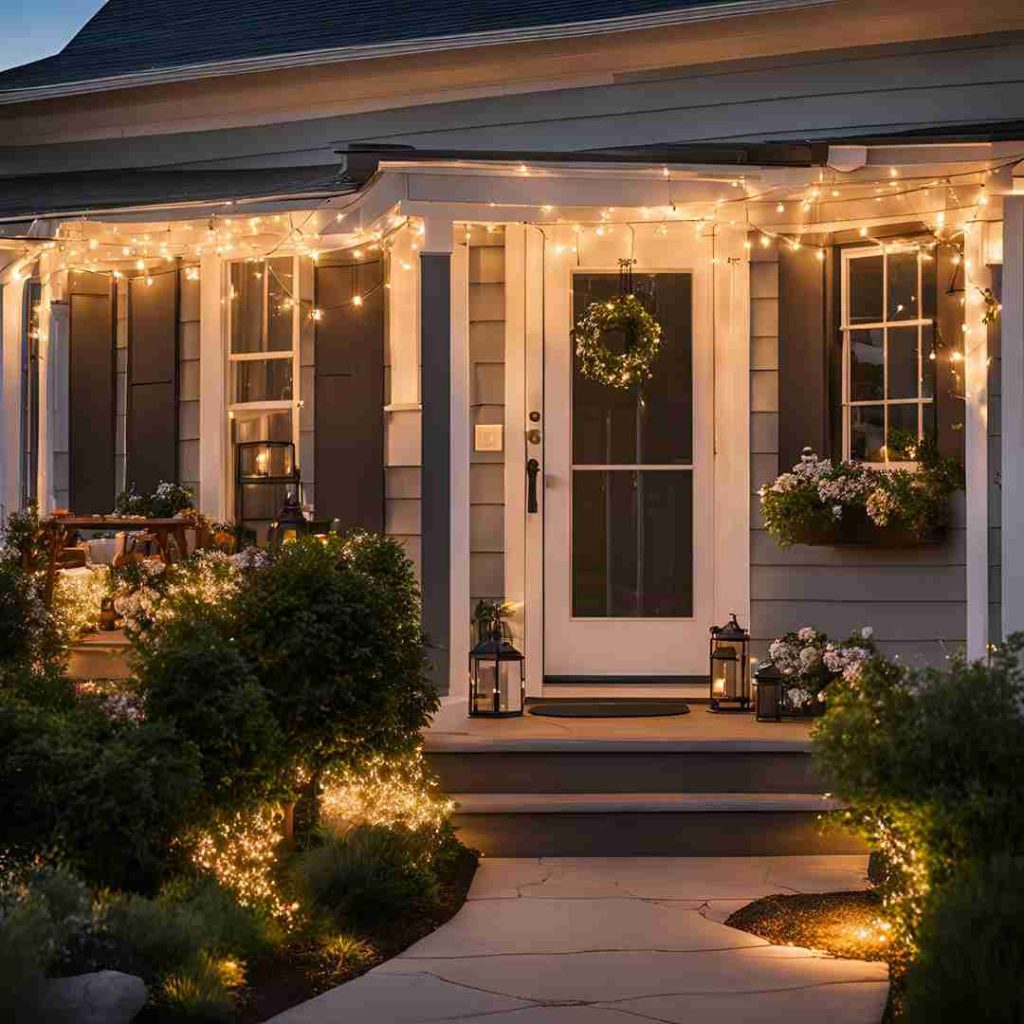
Lighting decides how long your porch actually gets used. Without it, the space fades out once daylight drops.
In tighter setups, thin fairy lights wrapped along railings or beams feel lighter than bulky bulbs. Wider porches can handle looser hanging strands for better spread.
The glow feels softer and more usable at night. Hanging them too low can get in the way more than expected.
3. Incorporate Fresh Flowers in Unique Planters
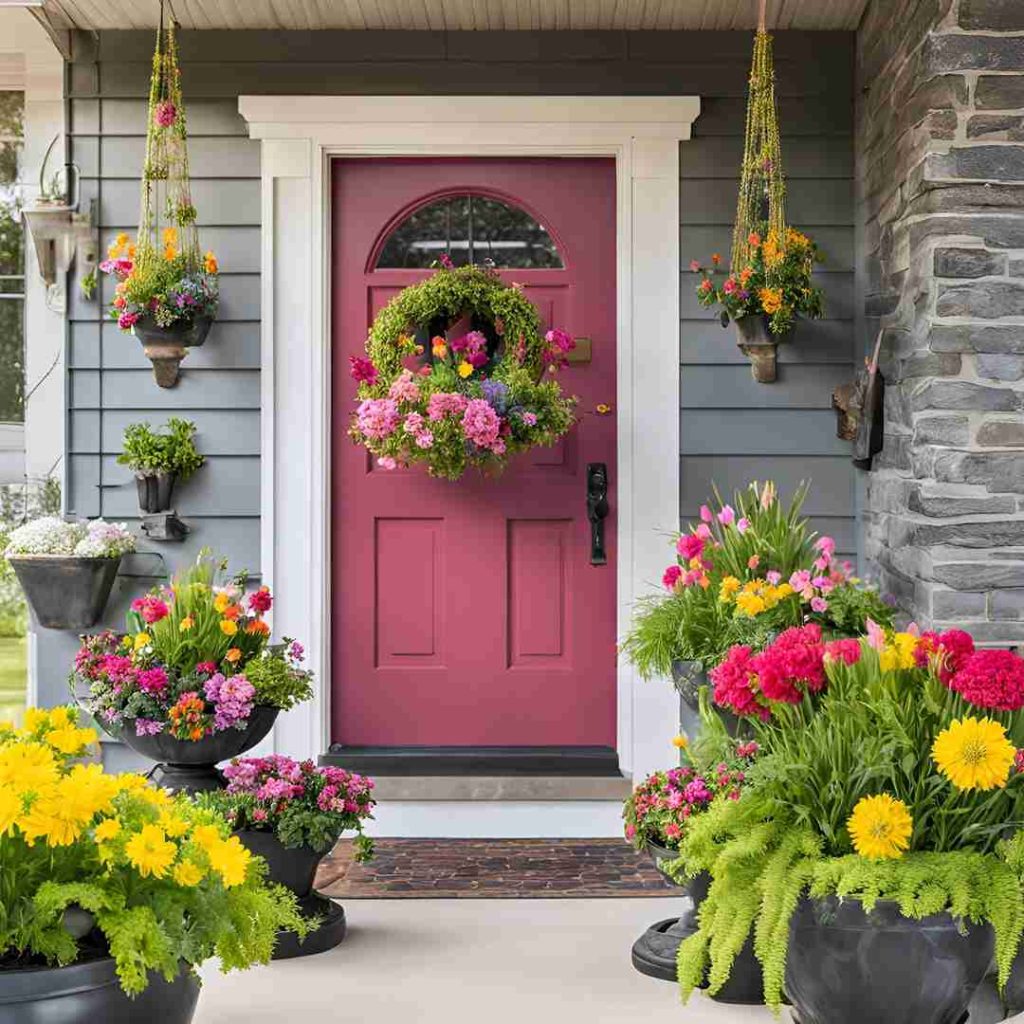
One of the best ways to bring the spirit of spring to your porch is by filling it with vibrant flowers. However, you can take your flower game to the next level by using unique, creative
4. Add Comfortable Seating with a Spring Touch
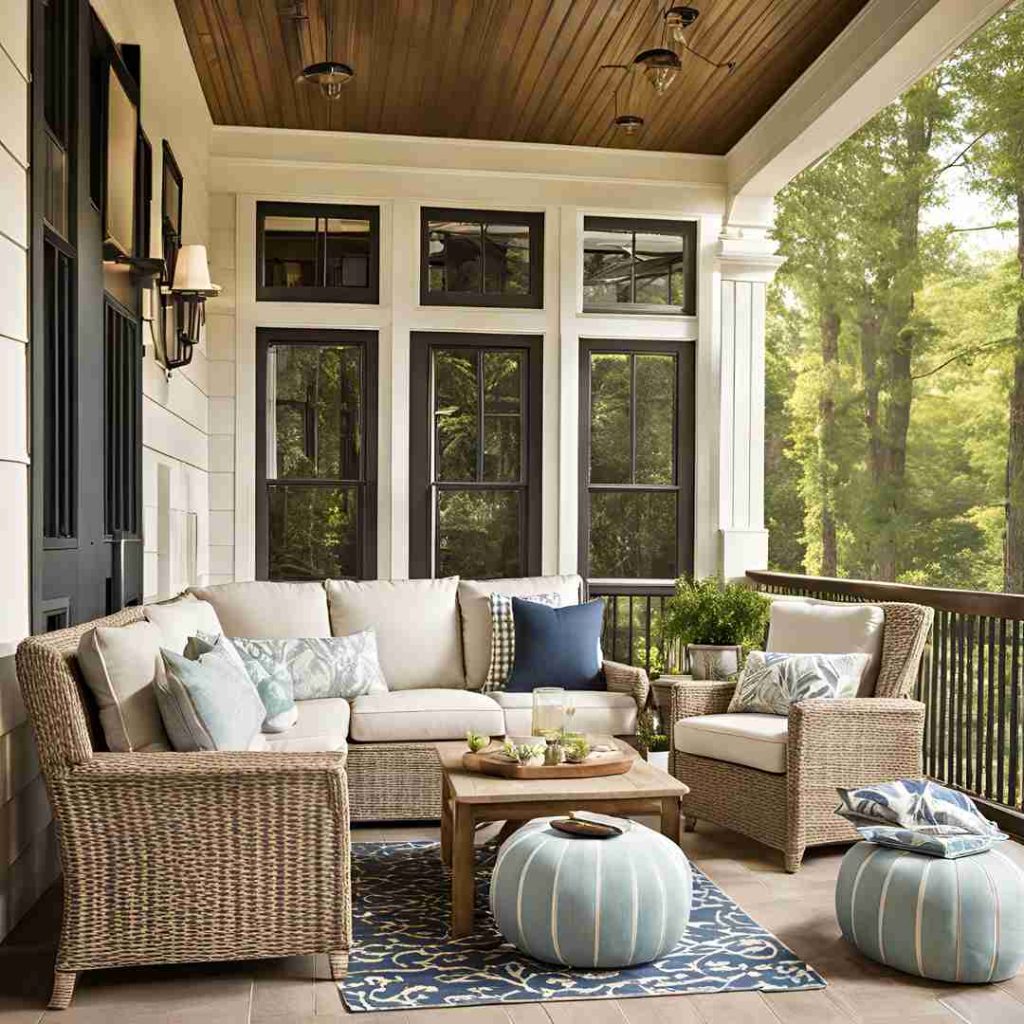
Some porches look good but never get used. That usually comes down to seating that feels more decorative than comfortable.
In a narrow layout, a slim bench with breathable cushions in lighter fabrics works better than oversized chairs. It keeps movement easy.
The space becomes something you actually sit in. Thick winter cushions hold heat and make the area less inviting.
5. Embrace a Pastel Color Palette
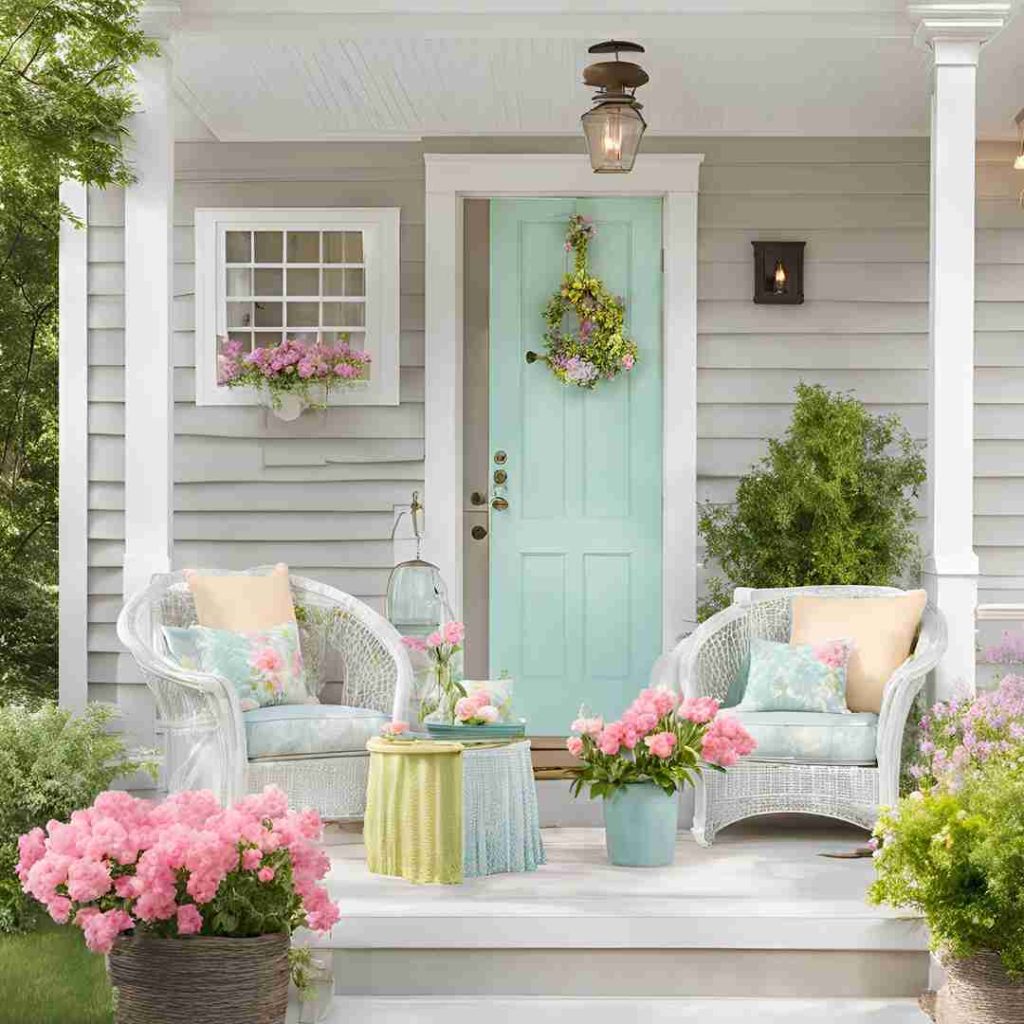
Color refreshes the space quickly, but too many soft tones together can feel scattered instead of calm.
If your base is darker, adding just a few pastel accents like cushions or a small planter keeps things controlled. Limiting shades makes a difference.
The porch looks lighter without losing balance. Mixing too many similar tones often breaks the visual flow.
6. Create a Cozy Corner with an Outdoor Rug
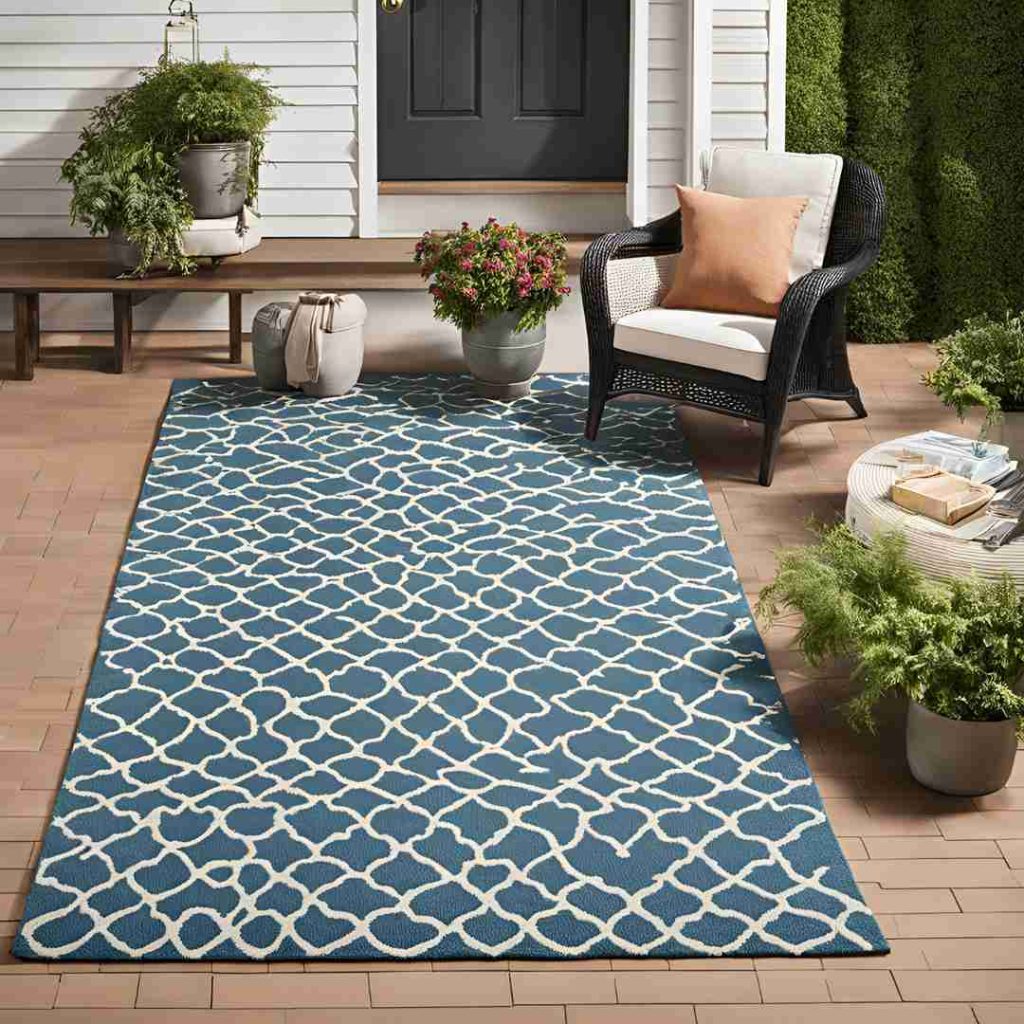
An empty floor can make even good furniture feel disconnected. A rug quietly fixes that without adding clutter.
On larger setups, a woven or jute rug that sits under the front legs of seating anchors everything better than a small centered rug.
The space starts to feel defined. Indoor rugs may look nice at first but wear out quickly outside.
7. Add a Spring-Themed Doormat
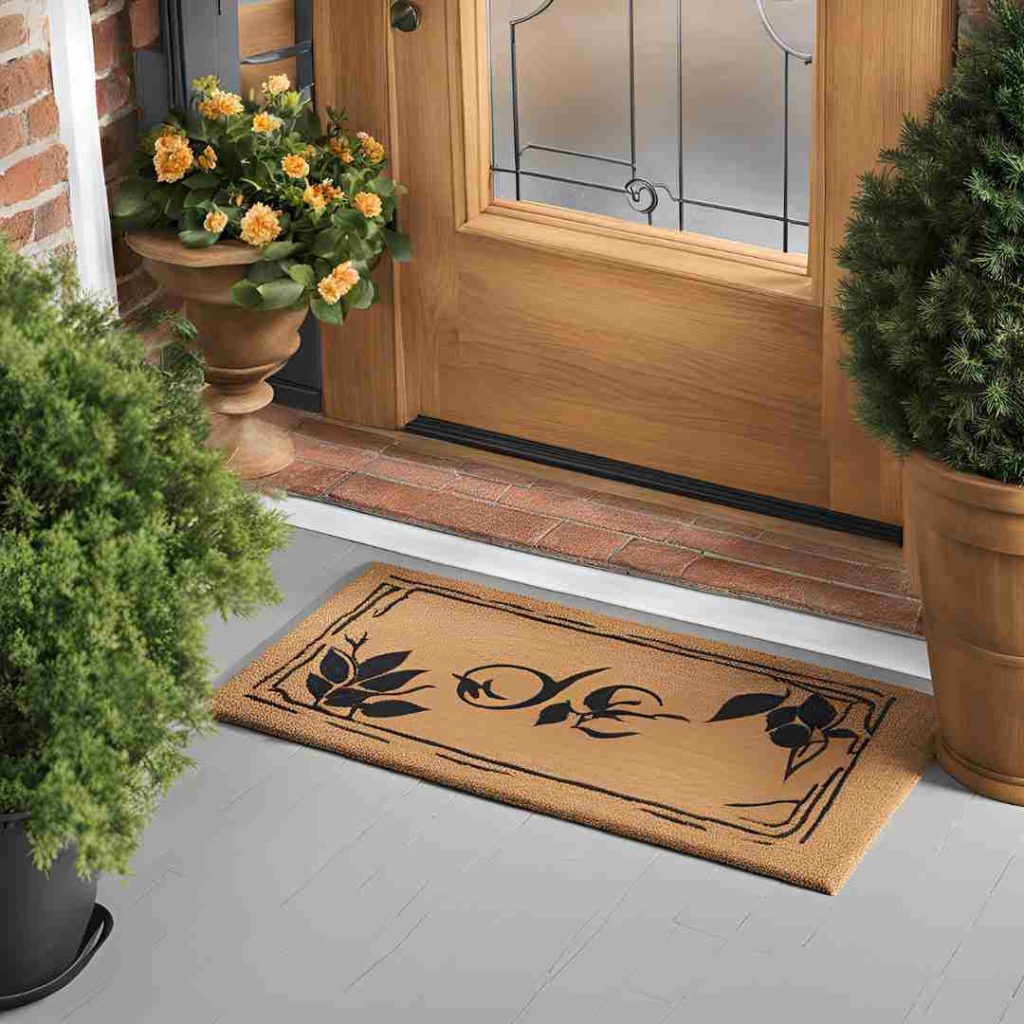
That first step onto the porch sets the tone, but it is often overlooked.
For high traffic areas, layering a durable base mat with a lighter seasonal mat on top works better than using one piece. Botanical designs tend to age better than bold text.
It creates a more intentional entry. Lighter mats stain faster than most people expect.
8. Decorate with Potted Trees and Shrubs
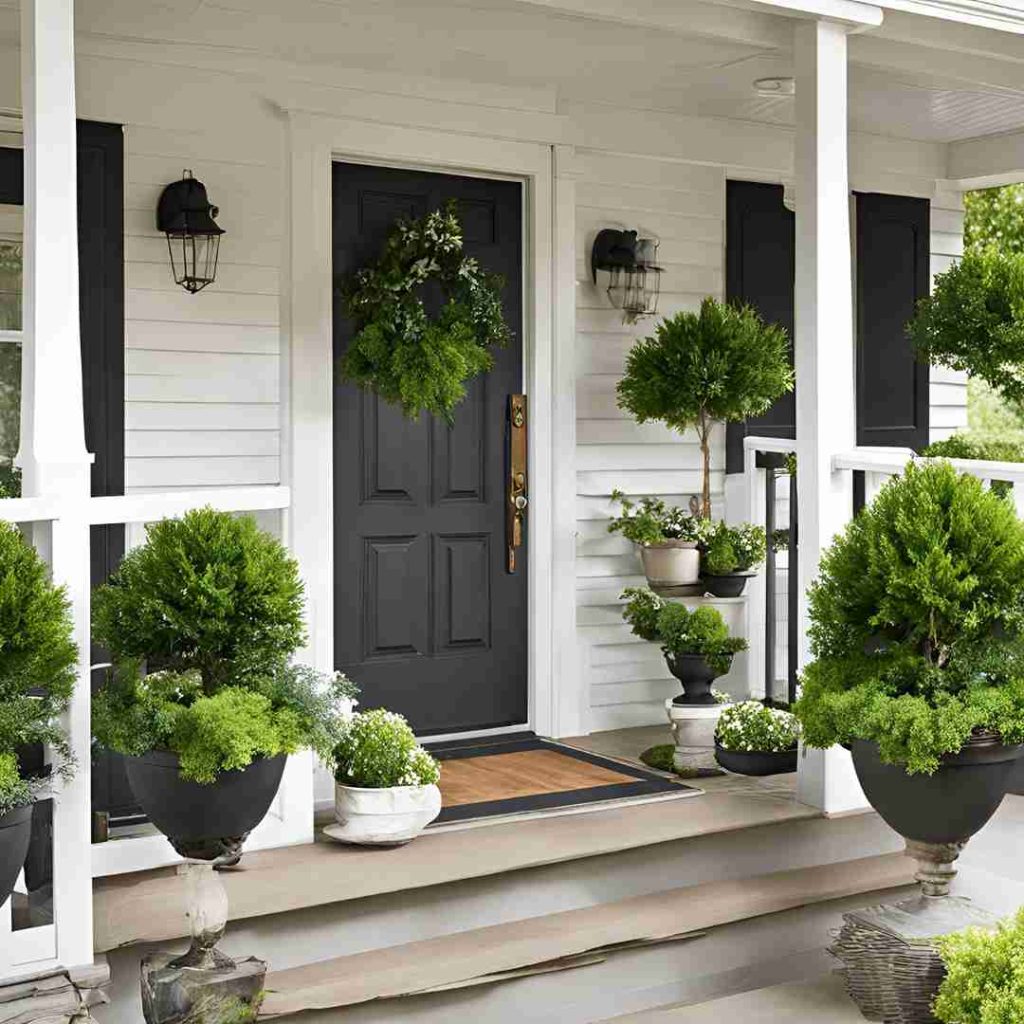
Flat arrangements can make a porch feel unfinished, even with plenty of plants.
A mix works best. Taller planters with small trees like olive or boxwood paired with lower shrubs create structure without clutter.
The space feels calmer and more balanced. Lightweight pots can shift or tip in wind if not placed carefully.
9. Install a Vertical Garden for Limited Space
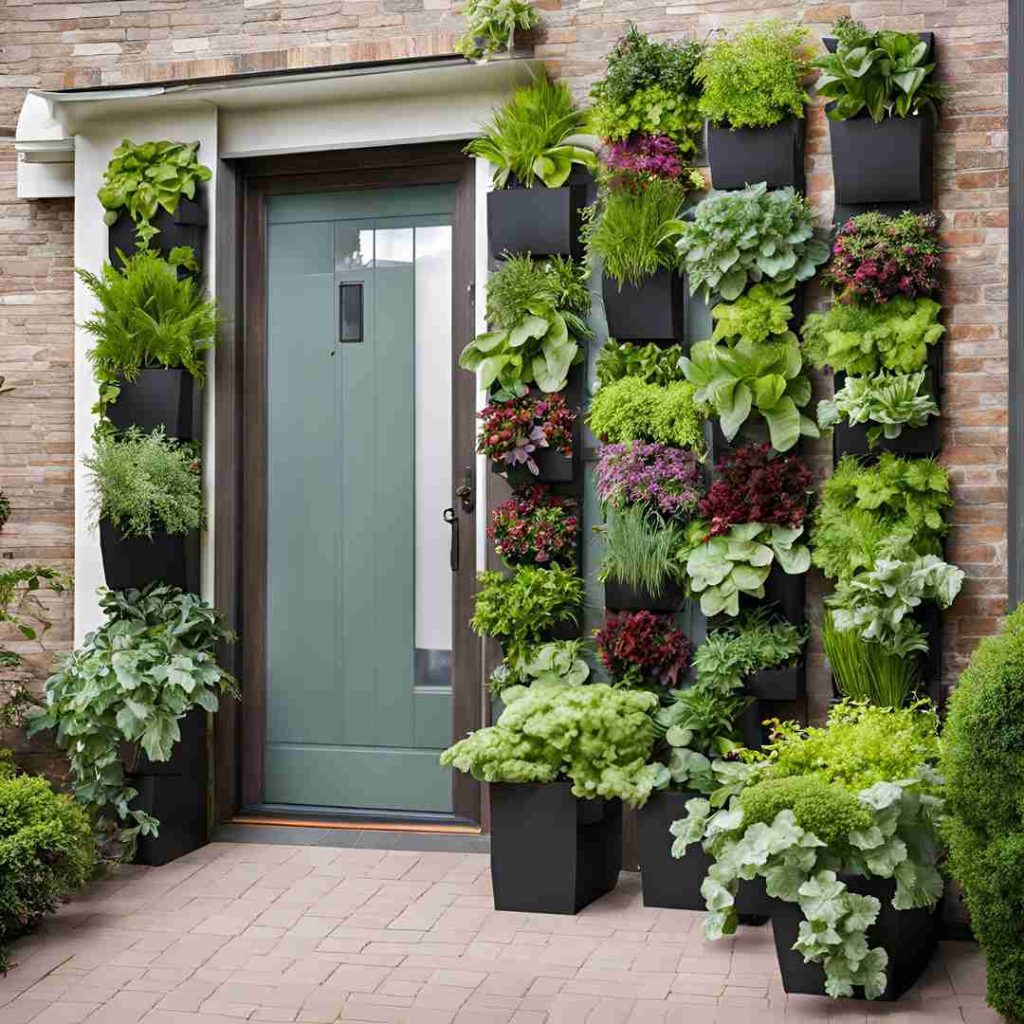
Running out of floor space does not mean cutting back on greenery.
In smaller layouts, wall mounted planters or stacked wooden crates allow plants to grow upward. Trailing greenery softens the edges.
It fills the space without blocking movement. Overcrowding plants in tight setups limits airflow and affects growth.
10. Incorporate Seasonal Signage
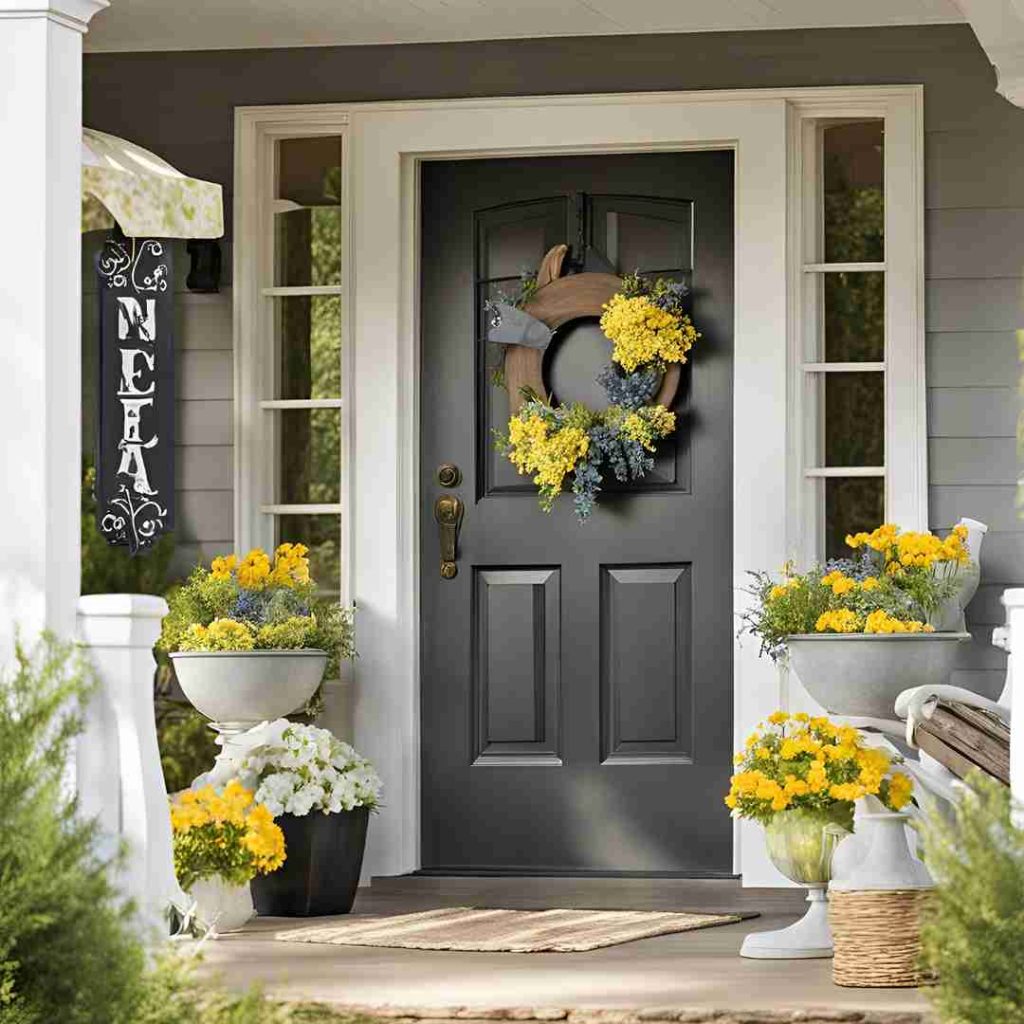
Sometimes everything is in place, but the porch still feels slightly unfinished. A small detail often fixes that.
A simple wooden sign or chalkboard placed near the door blends in easily without drawing too much attention.
It adds a personal touch without effort. Going too large with signage can overpower smaller entryways.
11. Add Layers of Throw Pillows
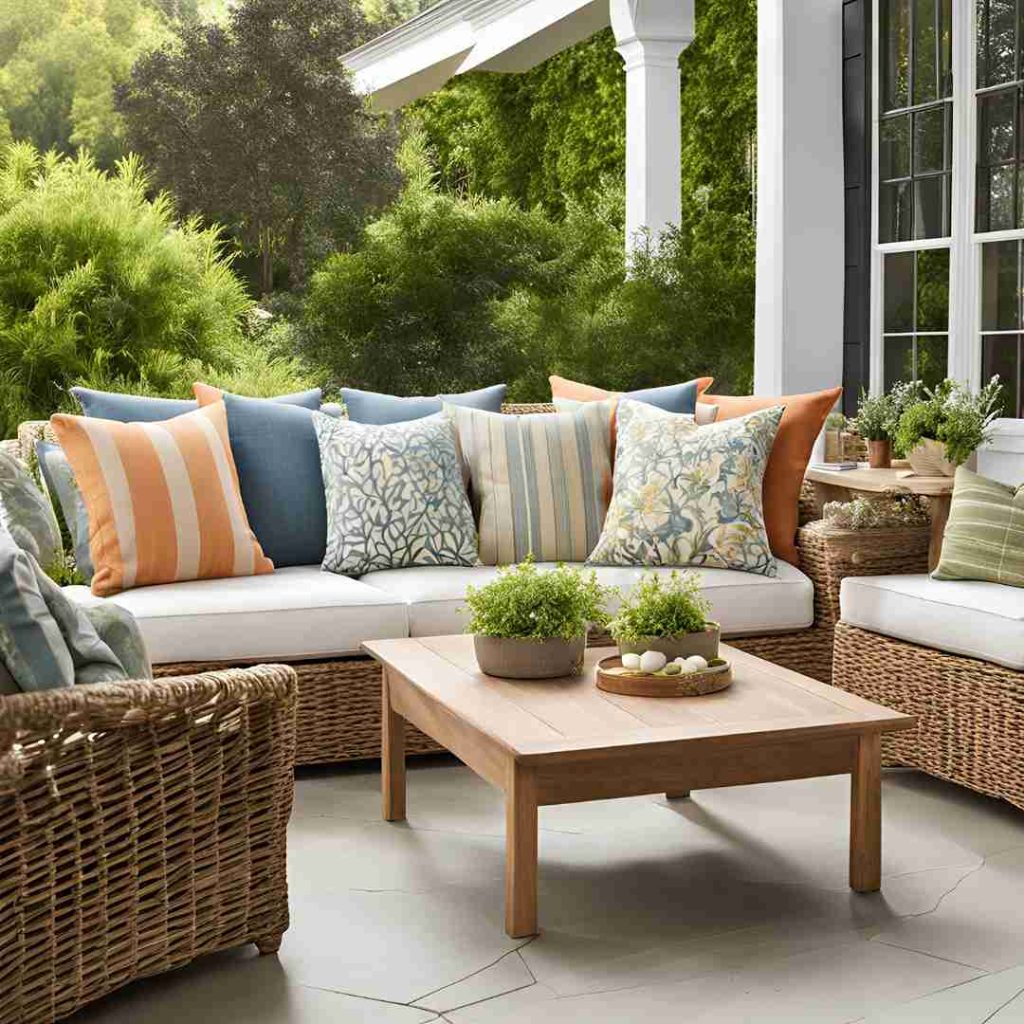
Seating without pillows can feel stiff, but too many can quickly make it unusable.
Outdoor conditions matter here. Linen or weather resistant covers in soft tones last longer than thicker fabrics. Mixing sizes keeps it relaxed.
The seating feels more inviting. Adding too many layers reduces actual sitting space more than expected.
12. Use Lanterns and Candles for a Romantic Touch
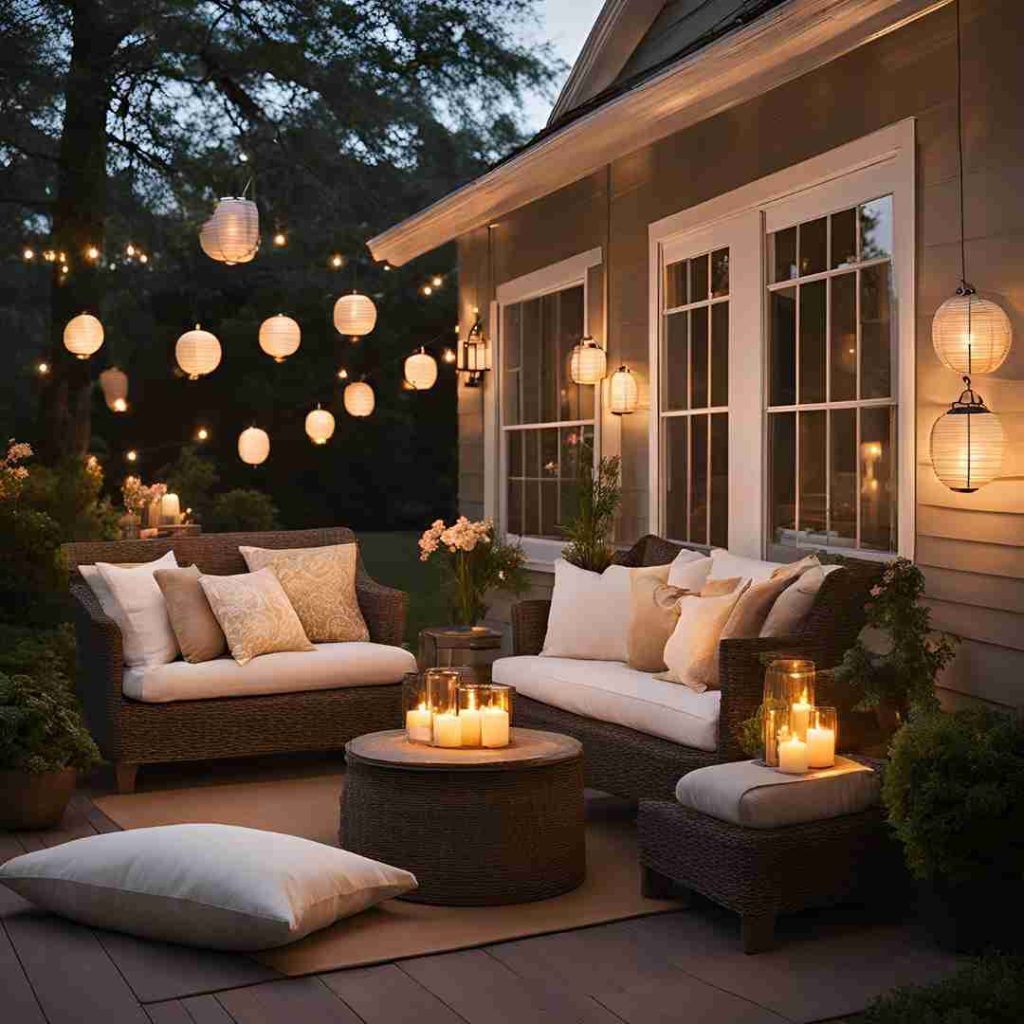
Even with overhead lighting, certain spots stay dim. Smaller light sources help balance that.
In windy areas, closed lanterns or LED candles hold up better than open flames. Varying heights keeps the setup from looking flat.
The lighting feels warmer and more settled. Clustering everything too tightly creates uneven brightness.
13. Hang Sheer Curtains for Elegance
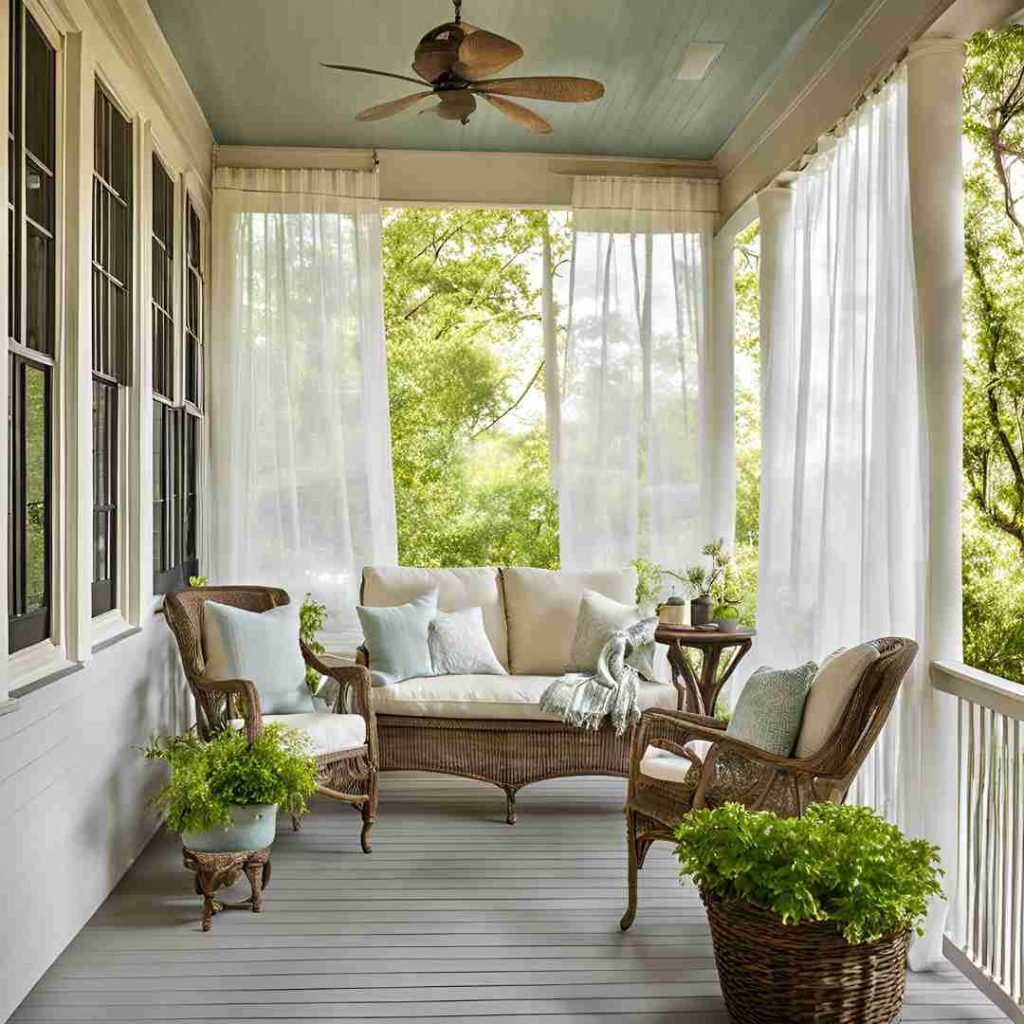
Hard edges and open sides can make a porch feel exposed.
Light fabrics work best. Voile or soft cotton curtains tied loosely to posts move gently without becoming distracting.
The space feels softer and more relaxed. Curtains that drag too much collect dust and moisture quickly.
14. Include Birdhouses or Feeders
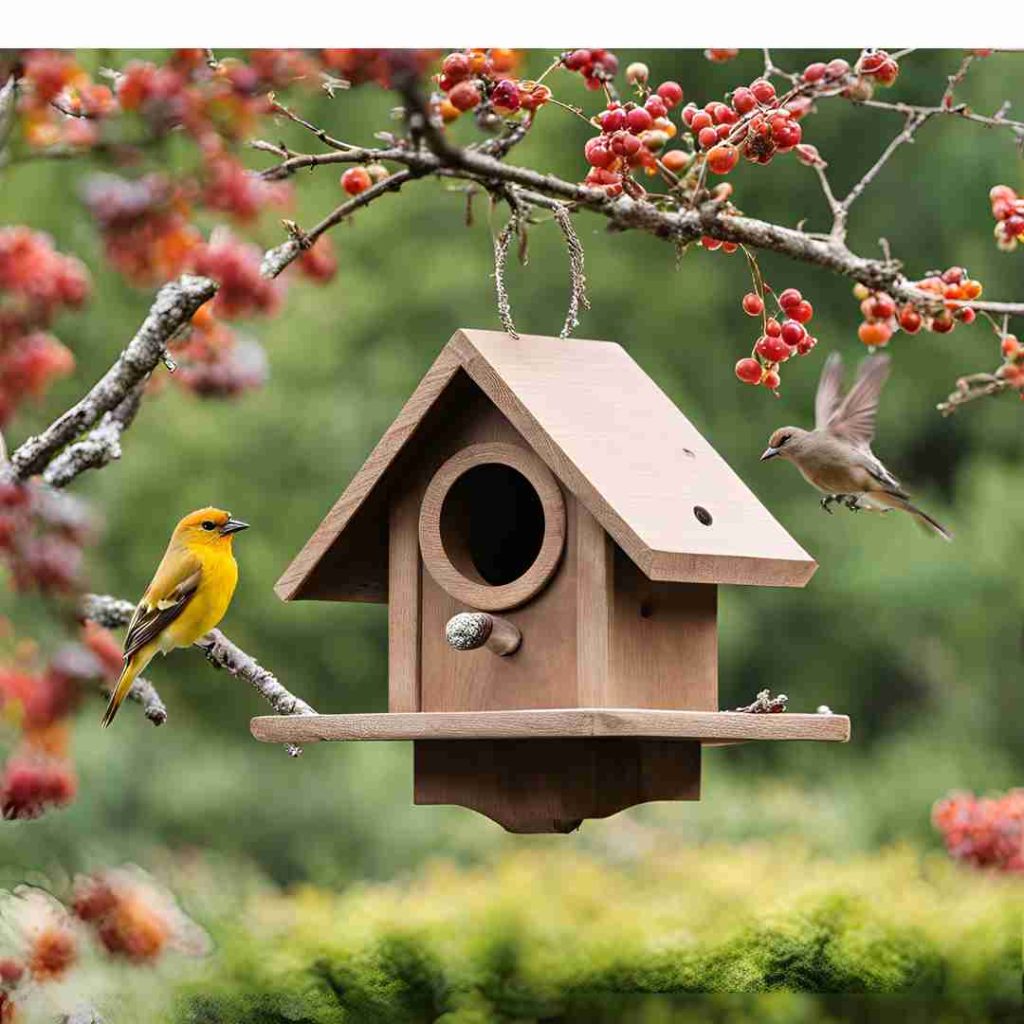
A porch can look complete but still feel quiet. Adding small natural elements changes that.
Placement matters more than design. Positioning feeders slightly away from seating areas helps birds settle more easily.
The space feels more active during the day. Skipping regular cleaning can attract unwanted pests.
15. Upgrade with a Fresh Coat of Paint
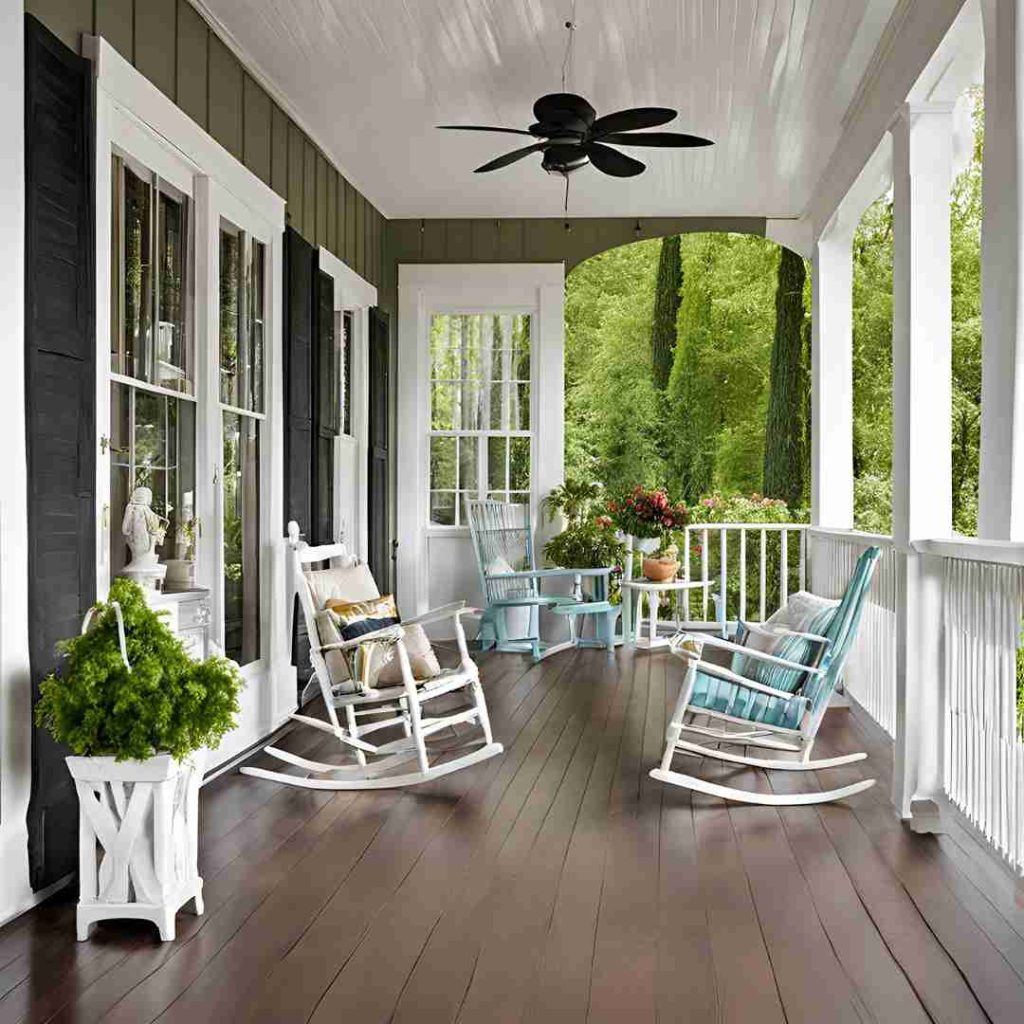
Worn surfaces stand out more in daylight, even if everything else is styled well.
In high traffic areas, matte or slip-resistant paint in neutral tones lasts longer than glossy finishes. Clean railings sharpen the look.
Everything feels more updated right away. Skipping surface prep leads to uneven results later.
16. Use Decorative Baskets for Storage
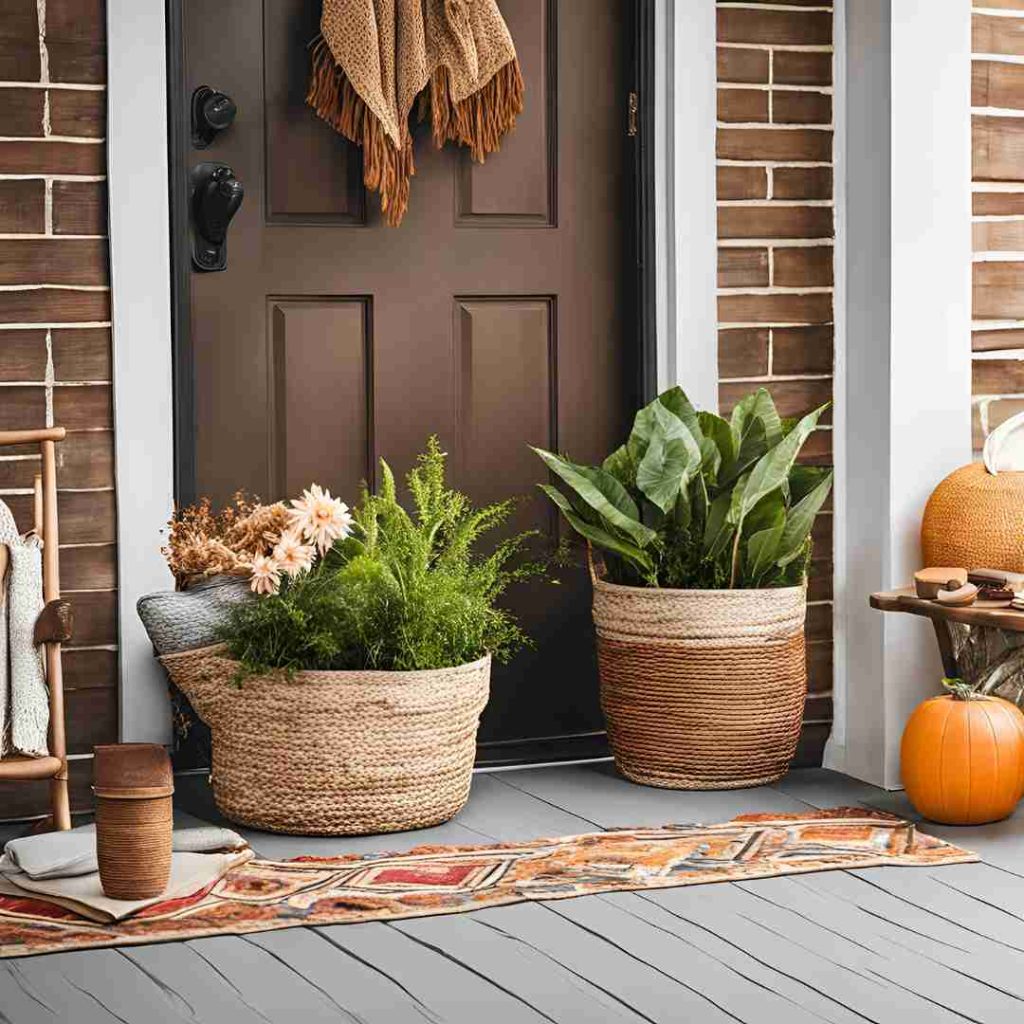
Clutter builds slowly, which is why it often goes unnoticed until the space feels off.
In humid conditions, structured wicker or seagrass baskets keep their shape better than soft materials. One large basket works better than several small ones.
It keeps things organized without adding bulk. Handles make a bigger difference than people expect when moving items around.
17. Set Up a Mini Beverage Station
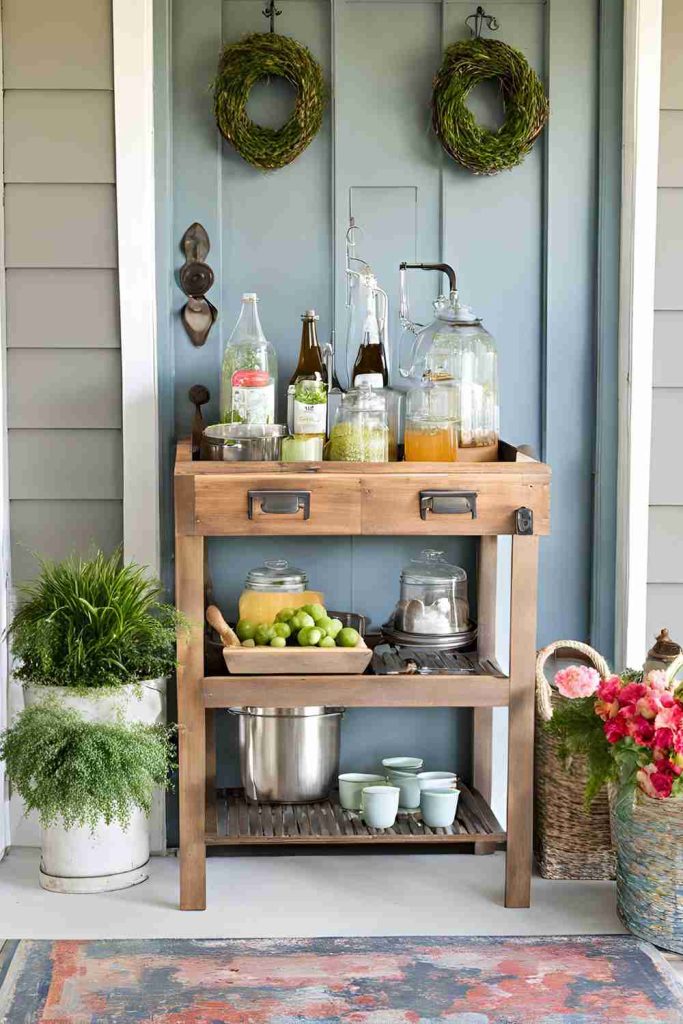
Going inside for drinks breaks the flow of being outside more than expected.
On compact porches, a slim cart or small table with simple glassware and bottles keeps things practical without taking over the space.
It makes the porch easier to use for longer periods. Direct sun can warm drinks faster than you might notice.
18. Include Seasonal Artwork or Wall Decor
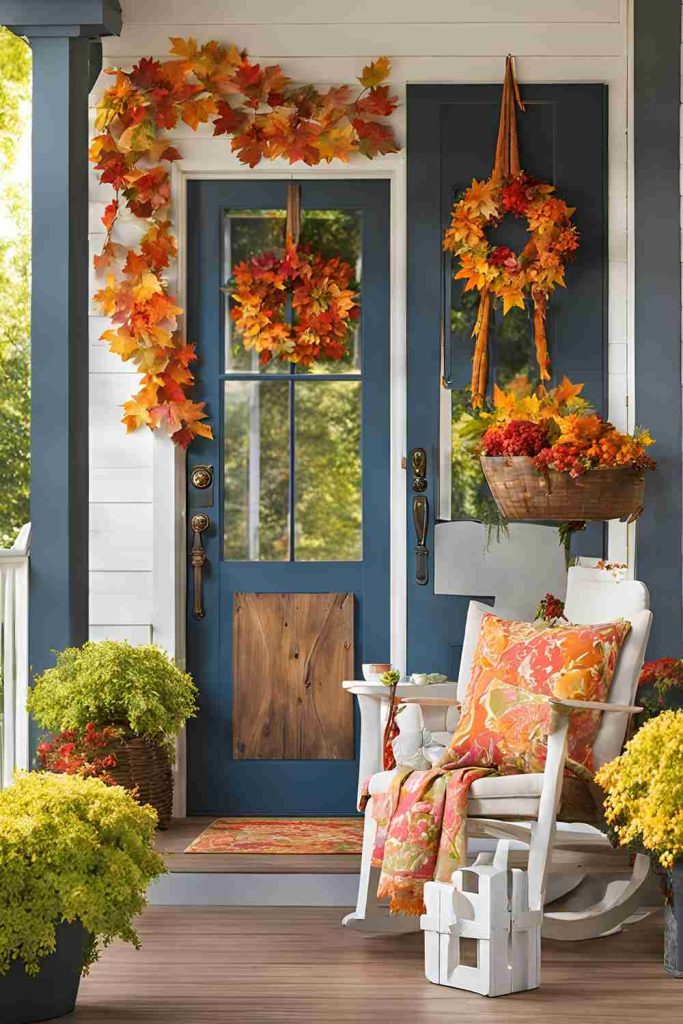
Vertical space often gets ignored, which leaves the setup feeling incomplete.
For bright areas, matte frames or wooden panels with soft-toned prints reduce glare and blend better with natural light.
The porch feels more connected to the home. Too many pieces close together create visual noise instead of interest.
19. Keep It Simple with Minimalist Decor
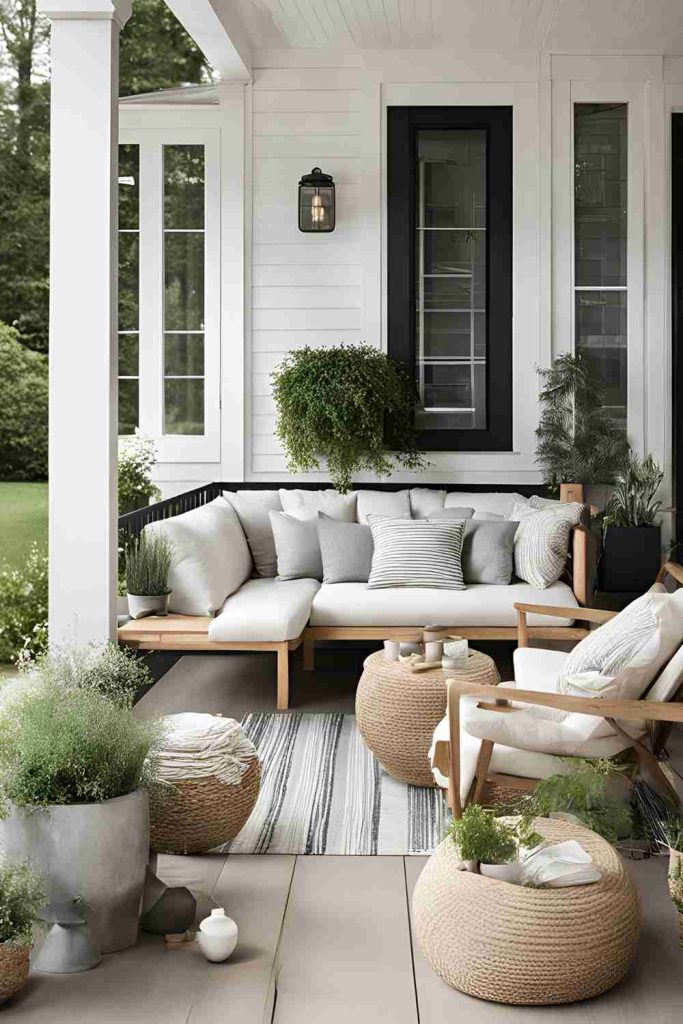
Not every porch needs more items. Sometimes removing things improves it faster.
In smaller layouts, clean-lined seating with neutral tones and very few accents keeps movement open and easy.
The result feels calmer and easier to maintain. Adding just one extra item can shift the balance more than expected.
Frequently Asked Questions
1. How can I refresh my porch for spring without spending much?
Start with small updates that create visible change. Swap out old cushions for lighter fabrics, add a simple wreath, or bring in a few fresh plants. Even rearranging what you already have can improve the layout. Focus on one or two key areas, like the entry or seating, instead of changing everything at once. Small upgrades tend to feel more natural and are easier to maintain.
2. What colors work best for a spring porch?
Lighter tones usually work well because they reflect natural light and make the space feel open. Soft pastels like mint, pale blue, or warm yellow pair nicely with neutral bases such as white, beige, or wood textures. If your porch already has darker elements, adding just a few lighter accents creates balance without making the space feel mismatched.
3. How do I decorate a small porch without making it feel crowded?
The key is to use vertical space and limit bulky items. Wall planters, hanging baskets, and slim furniture help keep the floor clear. Stick to a simple layout and avoid adding too many decorative pieces. Leaving some open space actually improves how the porch feels and makes it easier to move around comfortably.
4. What materials hold up best for outdoor spring decor?
Look for materials that handle moisture and sunlight well. Wicker, treated wood, metal, and outdoor fabrics like polyester or coated cotton last longer than indoor materials. Rugs made from polypropylene or similar fibers are easier to clean. Choosing durable materials reduces maintenance and keeps everything looking fresh throughout the season.
5. How do I make my porch feel more inviting in the evening?
Lighting plays a big role here. String lights, lanterns, or candles create a softer atmosphere compared to overhead lighting. Layering different light sources helps avoid dark corners. Keeping the lighting warm instead of bright makes the space feel more relaxed and encourages longer use in the evening.
Conclusion
Refreshing your porch for spring does not require a full makeover. Most of the impact comes from small, thoughtful changes that improve how the space feels and functions.
Paying attention to layout, materials, and balance helps avoid common mistakes like overcrowding or mismatched decor.
A few well-placed updates, such as better lighting, lighter textures, or simple greenery, can shift the entire look. The goal is not to add more, but to make each element work better together.
When done right, the porch becomes a space you naturally want to spend time in, not just something you pass through.