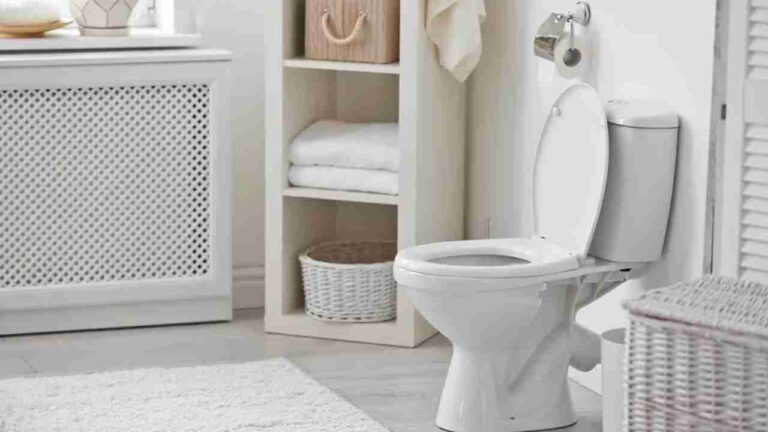
29 Small Space Bathroom Design Ideas to Maximize Style and Functionality

Small bathrooms can feel hard to work with when space is tight, and every detail matters. You might struggle to fit storage, keep things organized, and still make the room look good.
Many designs you see online focus on large layouts, which makes it harder to apply those ideas in smaller spaces. Limited room means every choice has to be more thoughtful and practical.
With the right approach, even a small bathroom can feel open, functional, and well put together. Smart layout choices, simple design updates, and careful use of color can make a big difference.
This guide brings together 29 Small Space Bathroom Design Ideas to help you make the most of every inch.
Why Small Bathrooms Deserve Smart Design?
In a small bathroom, everything is visible at once. That means proportion, scale, and organization matter more than ever.
Thoughtful design can make a compact room feel cohesive instead of cramped. Wall-mounted fixtures create breathing room. Glass shower panels maintain sightlines. Consistent finishes keep the eye moving instead of stopping at visual clutter.
When style choices align with practical needs, the room stops feeling like a compromise and starts feeling intentional.
What Makes a Small Bathroom Feel Bigger?
A few principles consistently make a difference:
- Keeping the floor as visible as possible
- Using vertical space for storage
- Choosing mirrors that reflect light
- Maintaining a tight, cohesive color palette
- Incorporating layered lighting instead of relying on one overhead fixture
It is less about square footage and more about how the space is organized and visually structured.
29 Small Space Bathroom Design Ideas to Inspire Your Refresh
Below, you will find a curated collection of smart layouts, clever storage solutions, and style-forward updates designed specifically for compact bathrooms.
Whether you are working with a narrow powder room or a small primary bath, these ideas show how to maximize both style and functionality without overwhelming the space.
Use Light Colors to Open Up the Space
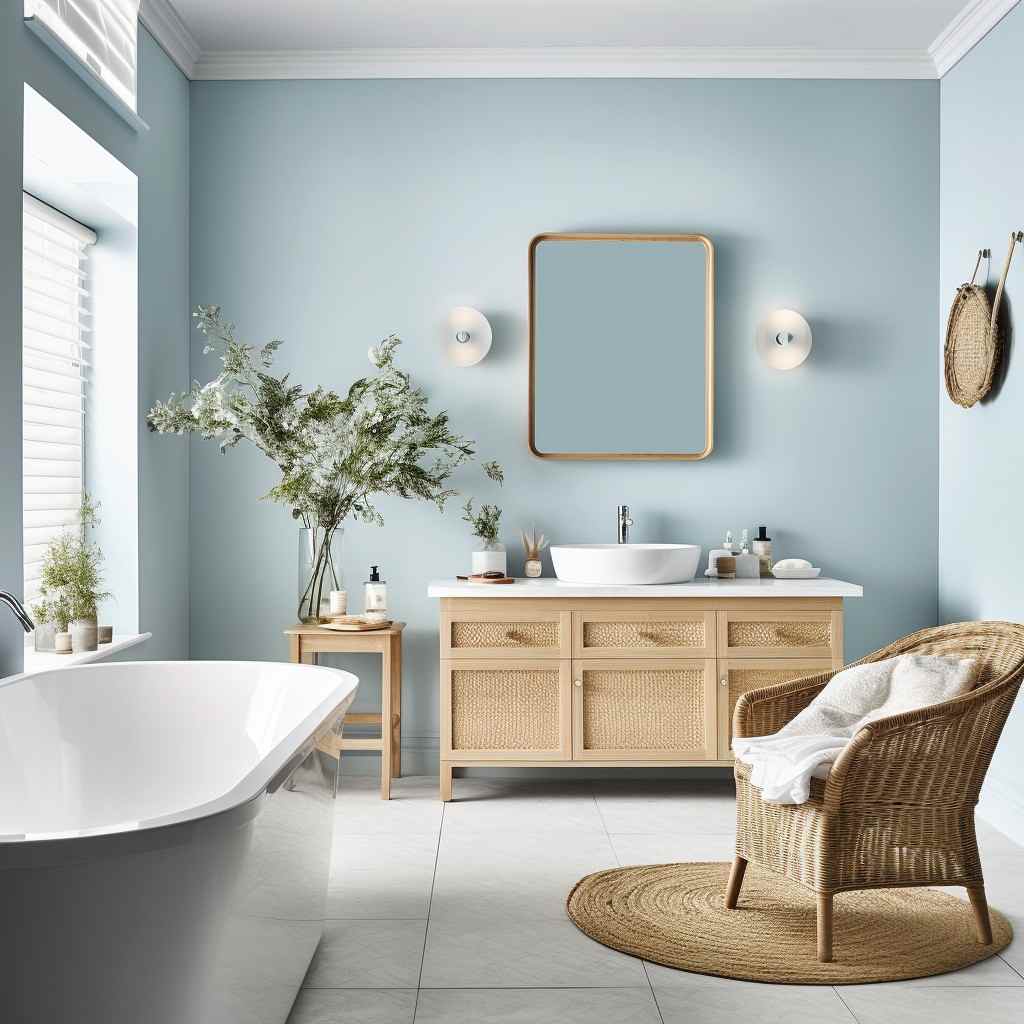
Light colors can make a small bathroom feel less confined, especially in spaces with limited natural light. Shades like white, cream, and soft pastels reflect available light, which helps reduce that closed-in feeling.
Applying these tones across walls, tiles, and cabinets keeps the room visually consistent. A soft white wall paired with light gray or beige tiles creates a smoother flow, while a lighter ceiling subtly lifts the height.
One thing that often gets missed is the finish choice. Matte surfaces soften glare under artificial lighting, while overly glossy walls can feel harsh at night. Done right, the space feels calmer and easier to move through daily.
Opt for a Floating Vanity
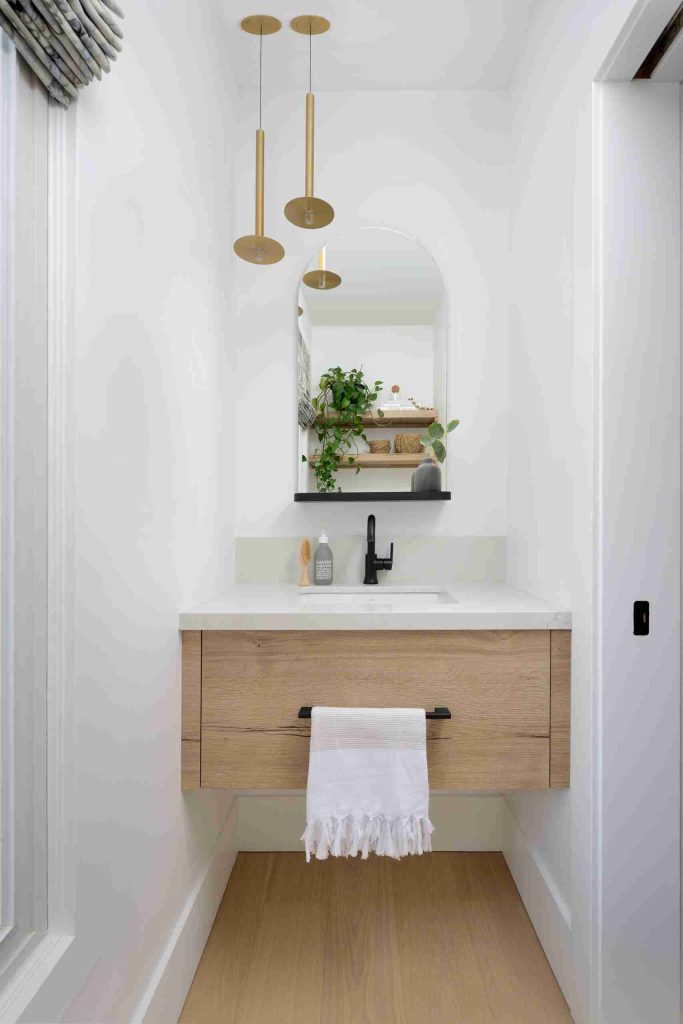
A floating vanity changes how the floor is seen, which matters a lot in a narrow bathroom layout. With the unit lifted, more floor stays visible, making the room feel less packed.
The open space underneath can still be used. Low baskets or folded towels placed neatly below keep storage practical without blocking the view.
One small detail makes a difference here. If the vanity sits too low, the gap feels tight instead of open. Keeping a slightly higher clearance helps the space read cleaner.
Go Vertical with Storage
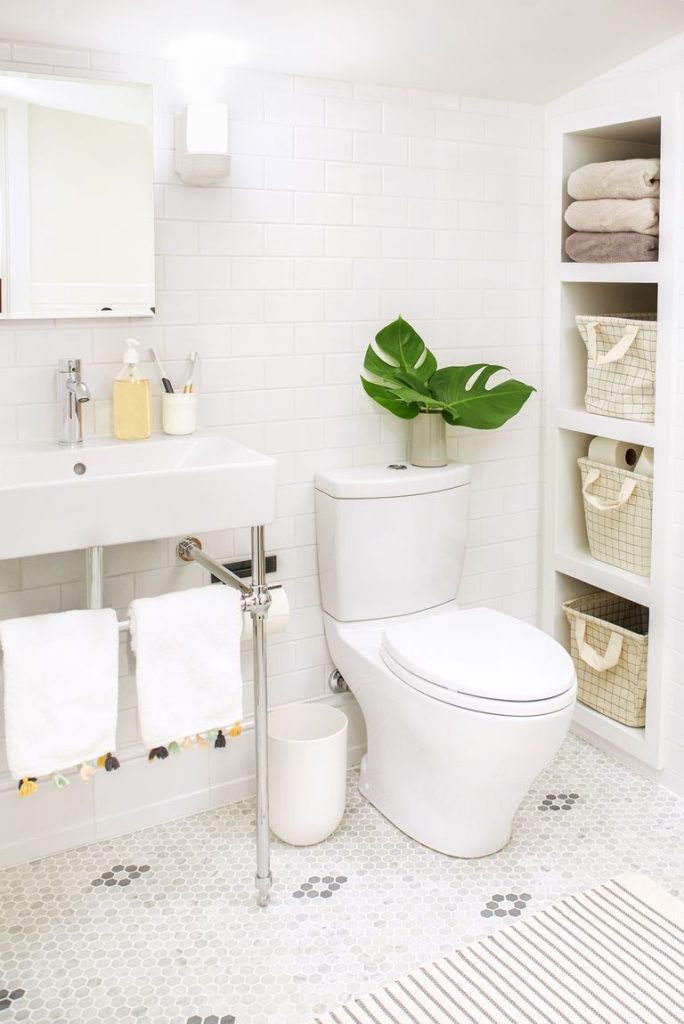
When floor space is limited, the walls become more important, especially in compact bathrooms with tight movement space. Using vertical storage keeps essentials off the ground.
Shelves above the toilet or near the ceiling work well. Slim wall-mounted shelves or tall, narrow cabinets keep items within reach without crowding the room.
A common mistake is placing shelves too low. This can make the space feel boxed in. Keeping upper storage higher preserves headroom and flow.
Maximize Natural Light
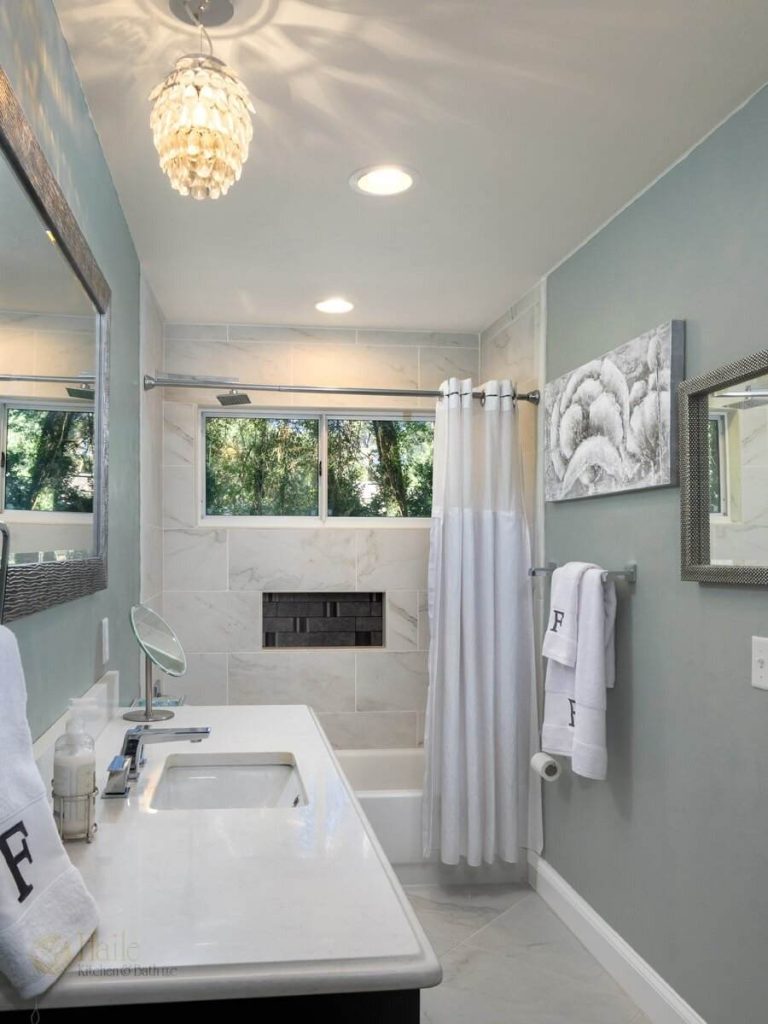
Natural light can shift how a small bathroom feels, especially in spaces that lack strong artificial lighting during the day. More light reduces shadows and makes surfaces look softer.
Larger windows, frosted glass, or skylights help bring light in. Frosted panels balance privacy while still letting light pass through.
Mirrors also play a role here. Placing one across from a window can double the light. If placed too high or off angle, the reflection feels uneven, so alignment matters more than size.
Use Oversized Mirrors
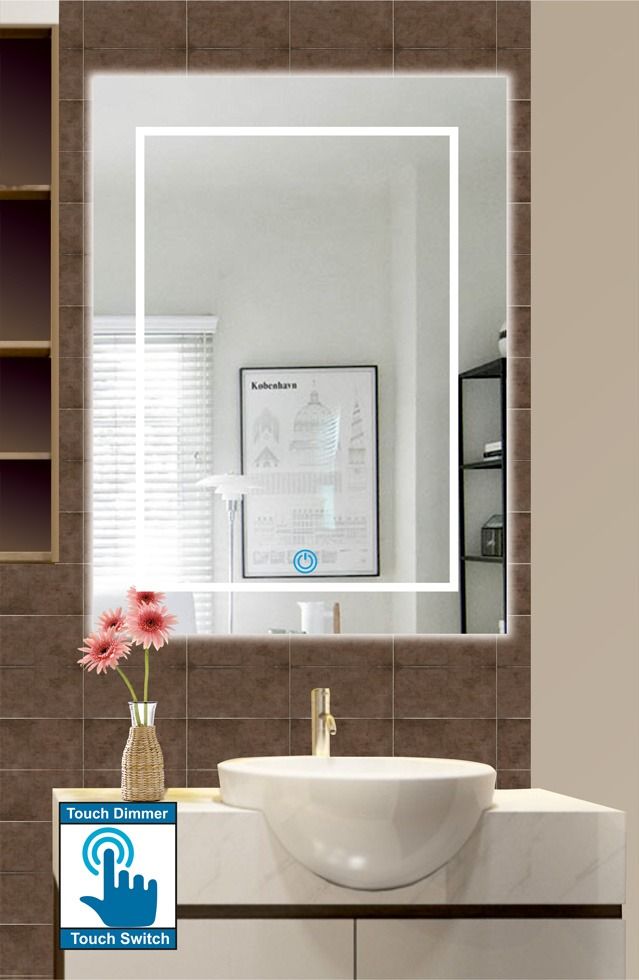
Oversized mirrors expand how the room is perceived, which is useful in tight bathrooms with limited wall space. Covering more surface reflects both light and layout.
A large rectangular mirror above the vanity can stretch the visual width, while vertical mirrors help with height.
One thing to watch is placement height. If the mirror starts too high, it loses impact. Keeping it closer to the vanity line makes the space feel more connected and open.
Install Sliding Doors
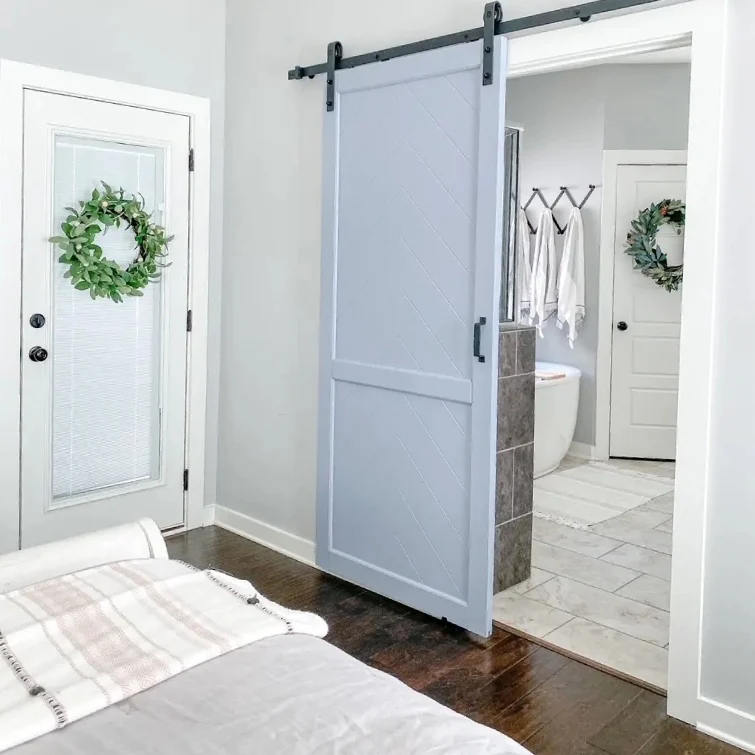
Traditional doors take up more room than expected, especially in small bathrooms with restricted entry space. Sliding doors remove the need for swing clearance.
They run along a track, keeping the layout more usable. Glass sliding panels or slim framed designs help maintain a lighter visual feel.
Track quality matters more than people think. A poorly aligned track can feel noisy and stiff. A smooth glide keeps the space feeling clean and easy to use daily.
Choose a Compact Sink
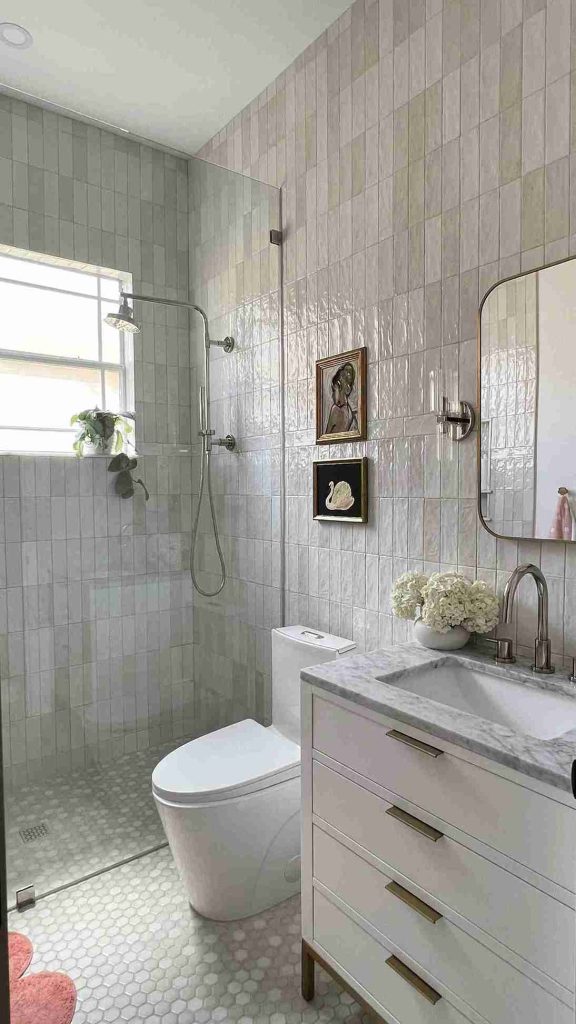
In a small bathroom, the sink can take up more space than expected, especially in a tight layout near the entry or toilet. Compact options like pedestal or wall-mounted sinks help free up movement.
A wall-mounted sink with a shallow basin keeps the footprint minimal while still working for daily use. The open space underneath can hold baskets or essentials.
One detail people overlook is depth. If the sink is too shallow, water can splash easily. A slightly deeper bowl keeps things cleaner without adding bulk.
Embrace Glass Shower Enclosures
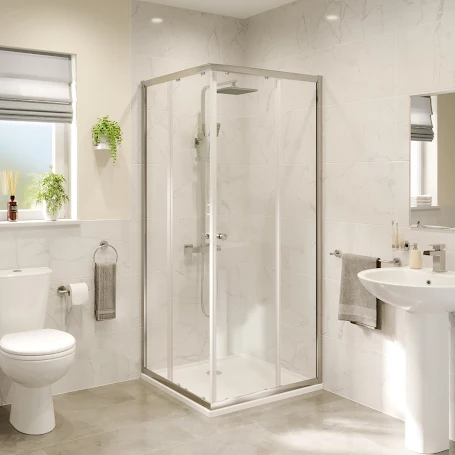
Visual barriers can make a small bathroom feel even tighter, particularly in spaces with limited width or no natural light. Clear glass keeps the full layout visible.
A frameless glass panel or simple enclosure allows light to move through the entire room, making it feel more connected.
Watermarks are something to consider. Without regular wiping, glass can look dull quickly. A quick daily wipe keeps it clear and maintains that open effect.
Add Built-In Niches for Storage
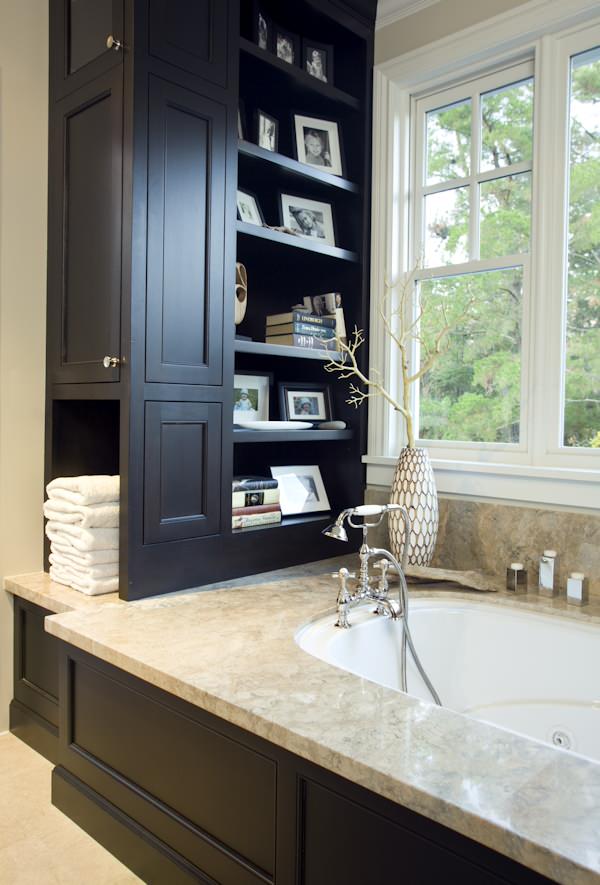
Storage can easily crowd a small bathroom, especially in shower areas where space is already limited. Built-in niches solve this by using the wall itself.
A recessed niche aligned with tile patterns keeps everything looking clean while holding daily items like shampoo or soap.
Placement matters more than expected. If the niche sits too low, it feels awkward to use. Positioning it at arm height makes it more practical and balanced.
Incorporate Multipurpose Furniture
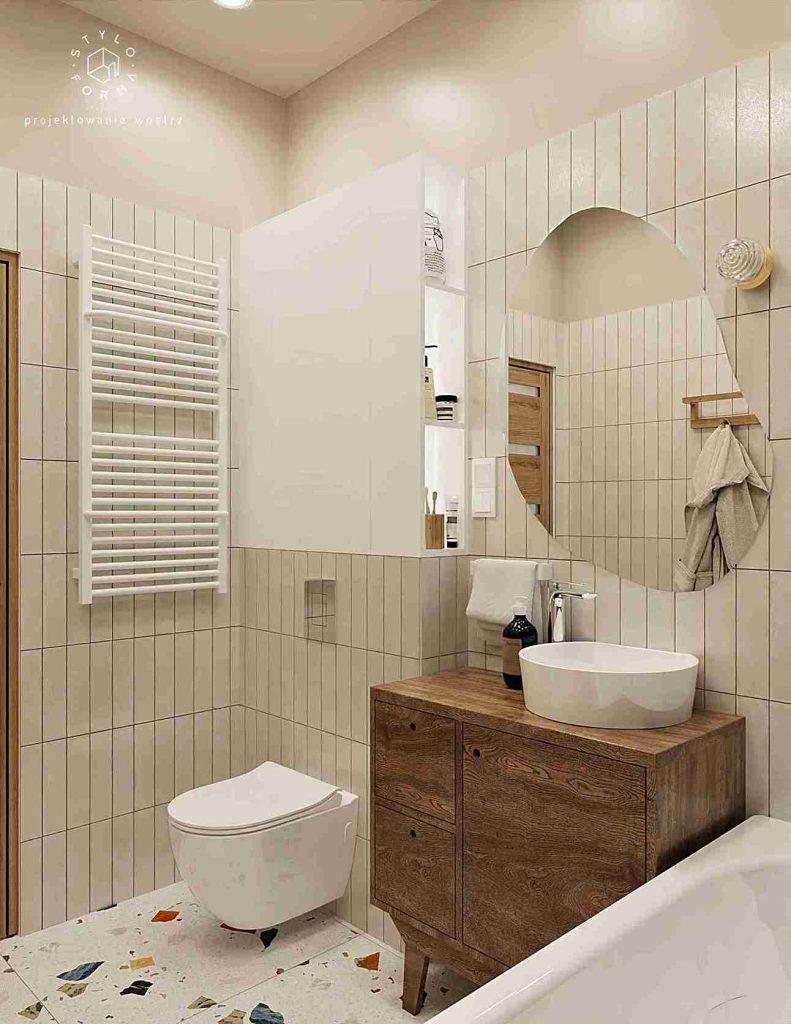
Adding too many pieces can quickly overwhelm a small bathroom, especially in shared spaces with daily-use items. Multipurpose furniture keeps things simpler.
A vanity with built-in storage or a mirrored cabinet combines function without adding extra visual weight.
One small adjustment improves usability. If the storage is too deep, items get lost in the back. Shallower compartments make everything easier to access and keep organized.
Install Hooks Instead of Towel Bars
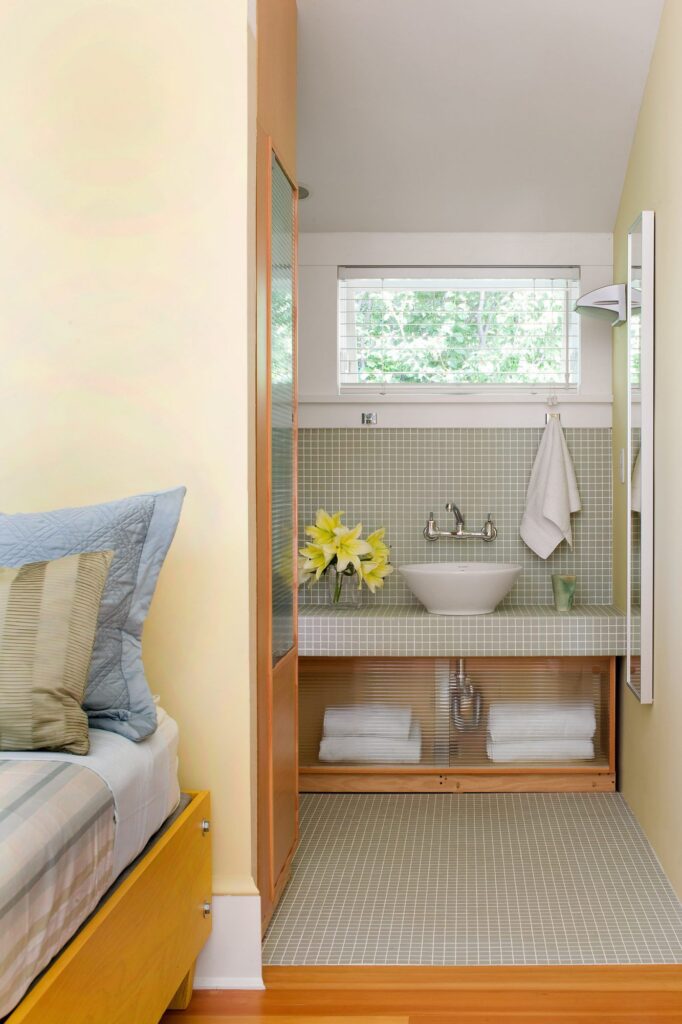
Towel bars need horizontal space, which is often limited in a narrow bathroom with tight wall areas. Hooks take up less room and can be placed more flexibly.
Using individual wall hooks at staggered heights keeps towels accessible without crowding a single spot. This works well behind doors or near the shower.
One small issue people notice later is airflow. Towels on hooks can dry more slowly if packed too close. Leaving a bit of spacing helps prevent damp buildup.
Opt for Large-Format Tiles
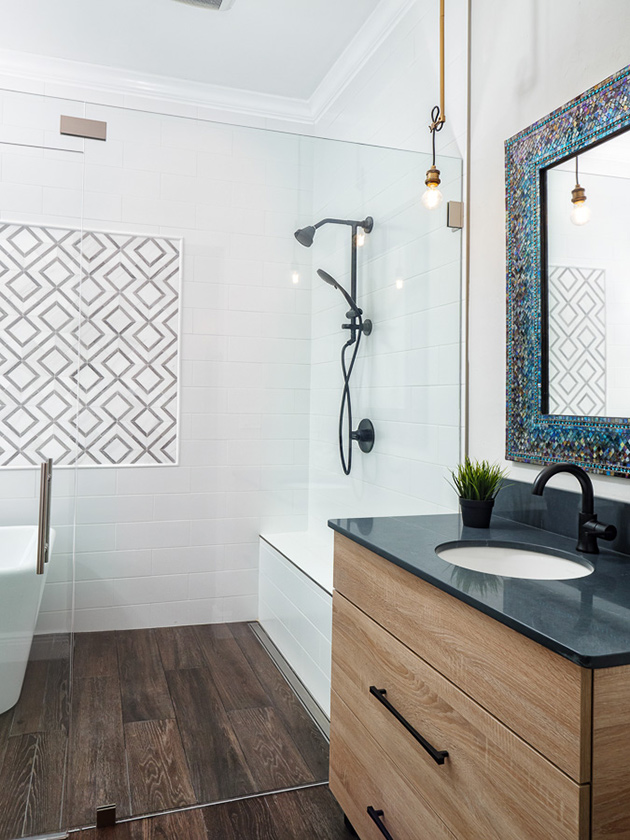
Too many grout lines can make a small bathroom feel visually busy, especially in compact spaces with strong artificial lighting. Large-format tiles reduce those breaks.
A light gray or soft white large tile across walls or floors creates a smoother surface that feels less interrupted.
Installation matters more here. Poor alignment becomes more visible with larger tiles. Clean spacing keeps the finish looking sharp instead of uneven.
Use Plants to Add Life
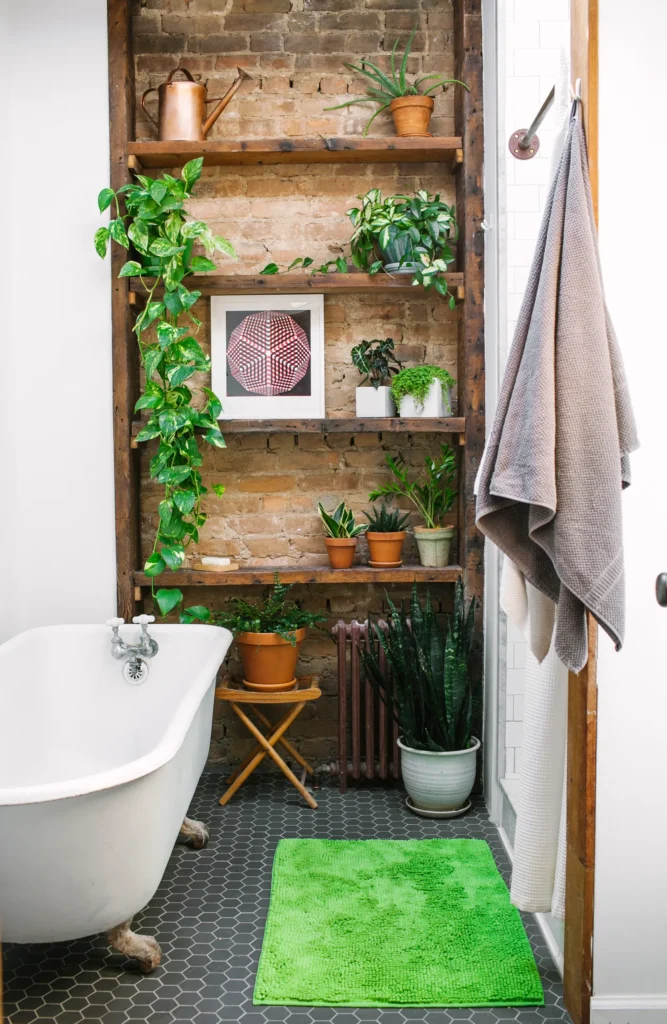
Bathrooms often feel cold due to hard materials, especially in spaces with lots of tile and minimal decor. Adding greenery softens that look.
Small humidity-friendly plants like ferns or pothos work well on shelves or in hanging planters without taking up floor space.
Light conditions can affect growth. In low-light bathrooms, some plants struggle quietly. Choosing low-light-tolerant options avoids constant replacement.
Add Layers of Lighting
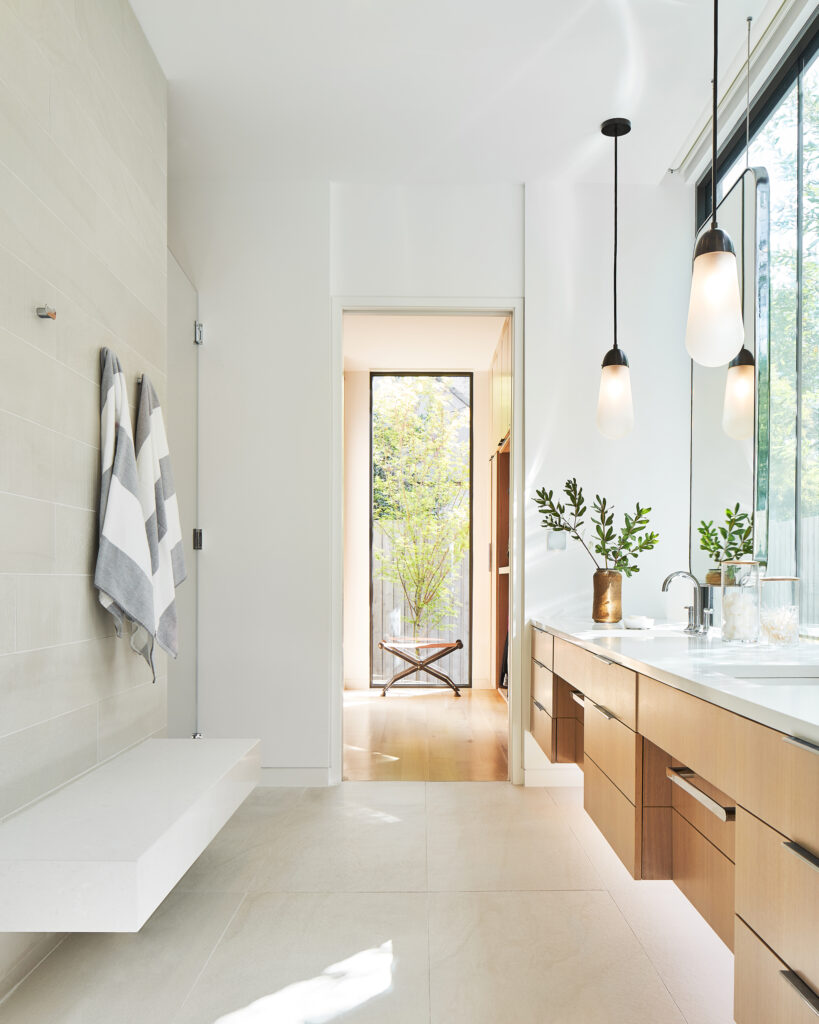
Relying on a single light source can leave shadows, especially in bathrooms with no windows or darker wall colors. Layered lighting improves visibility.
Combining overhead lighting with mirror side lights or soft accent lighting creates a more balanced setup for daily use.
Color temperature often gets overlooked. Mixing cool and warm tones can feel off. Keeping lighting tones consistent makes the space feel more natural.
Go Bold with Wallpaper
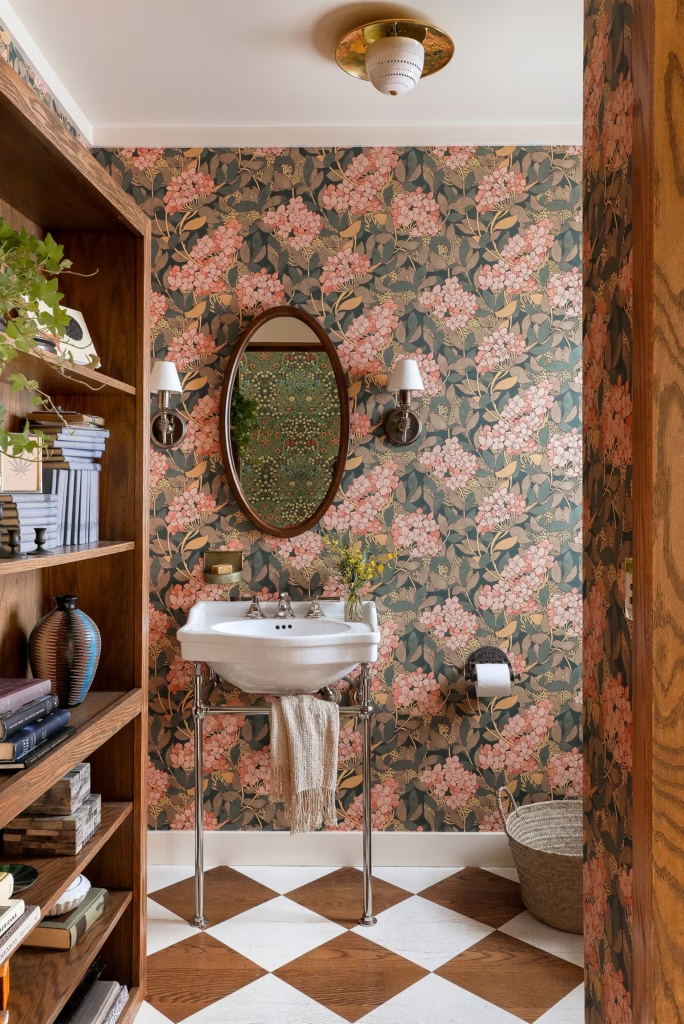
A small bathroom can feel plain when everything stays neutral, especially in spaces with simple layouts and limited decor options. Wallpaper adds visual interest without using space.
Using a patterned wallpaper on one wall creates a focal point while keeping the rest of the room calm.
Pattern scale matters more than expected. Very small prints can feel busy up close. Medium-scale patterns tend to balance detail without overwhelming the space.
Frequently Asked Questions
How Do You Make A Small Bathroom Look Bigger?
Using light colors, large mirrors, and good lighting can help a small bathroom feel more open. Keeping the design simple and reducing clutter also makes a big difference. When more floor space is visible, the room feels less tight and easier to move around in.
What Type Of Sink Is Best For Small Bathrooms?
Compact sinks like wall-mounted or pedestal styles, work well in small spaces. They take up less room and help keep the layout open. Some options also leave space underneath, which can be used for storage or kept clear for a cleaner look.
Are Glass Shower Enclosures Good For Small Bathrooms?
Yes, glass enclosures help create a more open feel. Clear glass allows you to see across the room without interruption, which makes the space look larger. They also reduce visual clutter compared to curtains or solid panels.
How Can I Add Storage Without Making The Bathroom Feel Crowded?
Using vertical storage like shelves or built-in niches helps keep items organized without using floor space. Hooks and wall-mounted units are also useful. These options keep essentials within reach while maintaining a clean layout.
What Colors Work Best In Small Bathrooms?
Light shades like white, cream, and soft gray reflect light and make the space feel larger. These colors also create a calm and simple look. You can add contrast through small accents without making the room feel busy.
Conclusion
Designing a small bathroom comes down to making smart choices with the space you have. Simple updates like better lighting, smart storage, and clean layouts can change how the room feels and functions.
Each idea focuses on improving both use and appearance without making the space feel crowded. Small changes, when done thoughtfully, can make a noticeable difference.
If you found these ideas helpful, share them with your friends and family so they can improve their space too.