21+ Pea Gravel Patio Ideas That Actually Work for Real Backyards

A patio should feel like a place you actually want to spend time in, but building one can get expensive fast. Many homeowners look for affordable options and end up stuck between cost and design.
Pea gravel is a simple solution, but without the right setup, it can feel messy, uneven, or unfinished. That’s why planning the layout and details matters more than you think.
The good news is you don’t need a big budget to create a beautiful outdoor space. With the right ideas, pea gravel can look clean, stylish, and surprisingly high-end.
This article brings you 21+ pea gravel patio ideas to help you upgrade your outdoor area. Practical inspiration that works for real homes and everyday use.
Let’s jump in!
1. Modern Minimalist Pea Gravel Patio
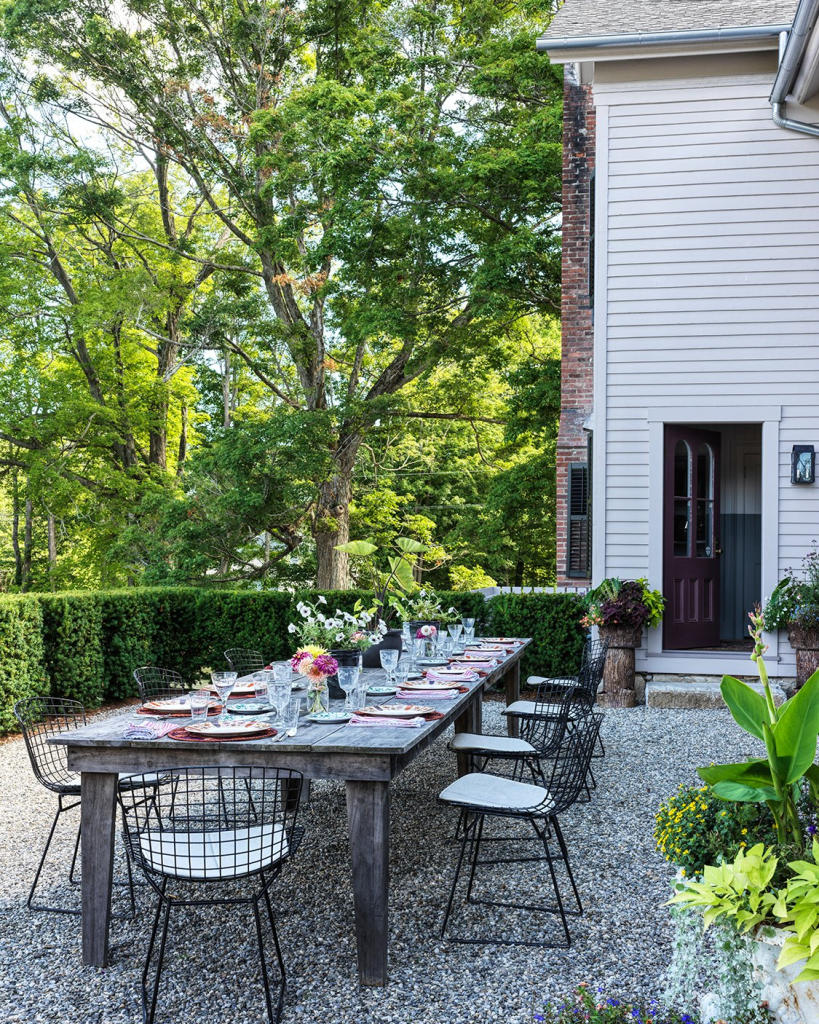
Works well in small or narrow layouts where clutter shows quickly. Using fine gray gravel on a compacted base keeps the surface stable and clean. The space feels more open with fewer elements.
Simple furniture like matte metal chairs and low tables keeps the look controlled. The gravel texture stands out without competing details. It stays visually calm.
Tight spacing is a common mistake. Leaving small gaps improves movement and keeps the layout from feeling cramped.
2. Rustic Farmhouse Charm
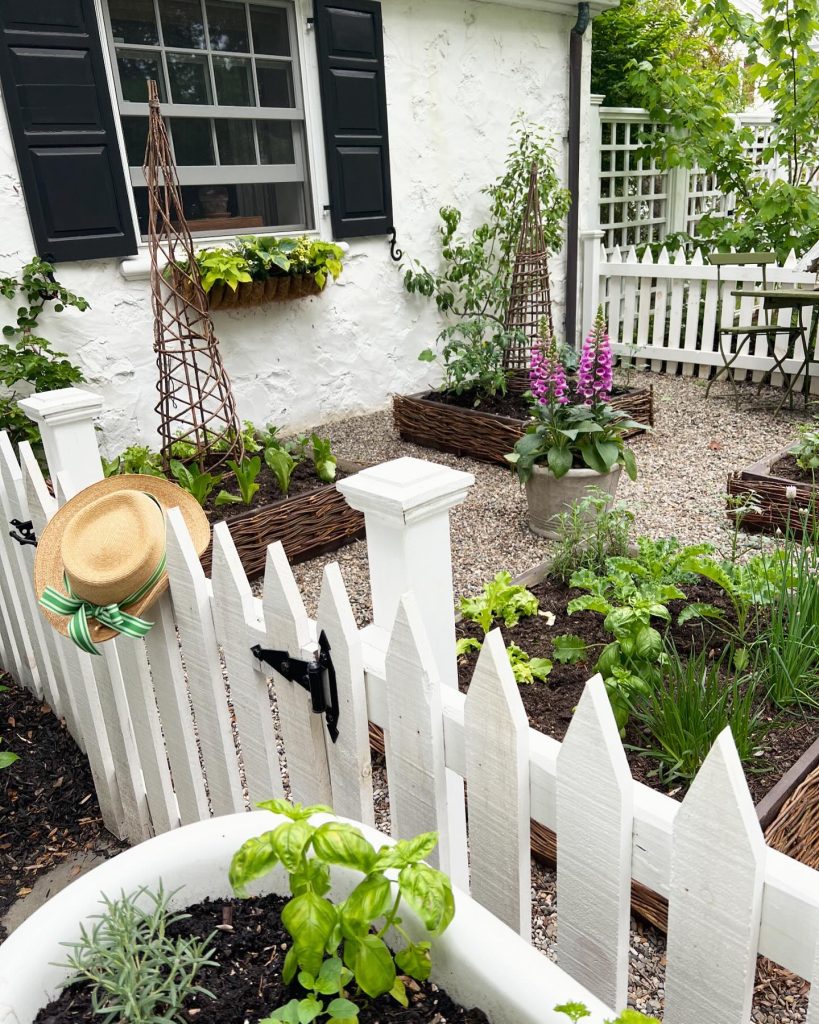
Best suited for uneven yards or older outdoor settings where a polished finish feels off. Pairing weathered wood with slightly larger gravel creates a relaxed but grounded surface. It blends naturally over time.
A few strong pieces like a wood table and ceramic planters add warmth without crowding. The gravel softens heavier textures. The space feels lived in, not busy.
Adding too many vintage items can backfire. Keeping it simple usually creates a more comfortable setup.
3. Zen Garden Vibes
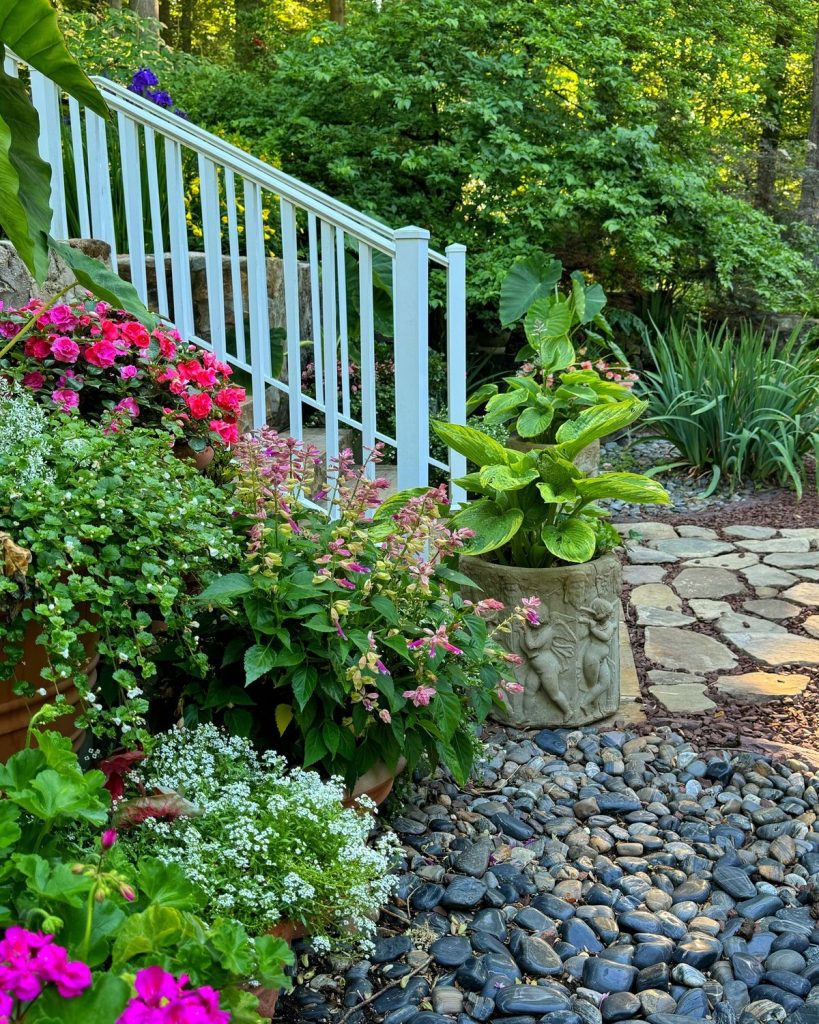
Useful in busy or noisy areas where visual calm matters more. Using light gravel with raked patterns helps create a quiet feel. The texture becomes part of the experience.
Elements like a small water feature and spaced stones bring balance. The gravel softens sound slightly and feels calmer in the evening.
Patterns fade quickly if ignored. Light raking keeps the space looking intentional.
4. Pea Gravel with Edging for a Defined Look
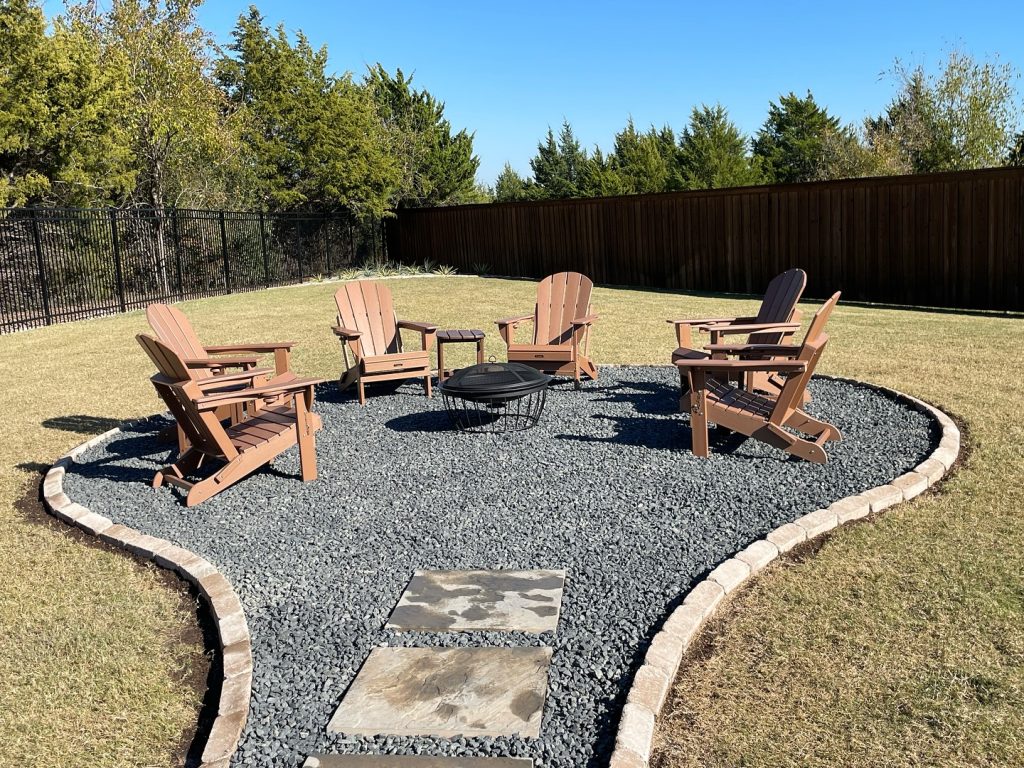
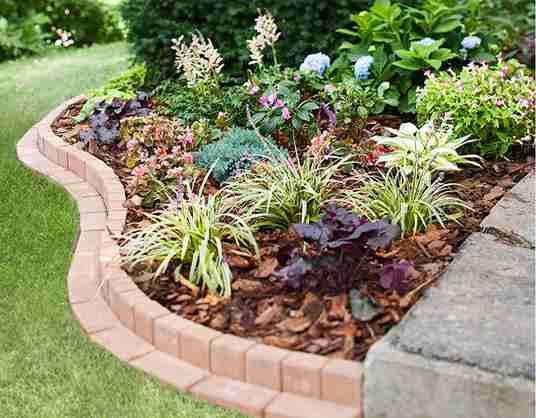
Important in open or sloped areas where gravel spreads easily. Using metal or brick edging set low keeps everything contained. The layout stays clean over time.
The contrast between edges and gravel sharpens the overall look. It also makes cleaning and mowing easier. The space feels more finished.
If edging sits too high, it interrupts movement. Keeping it flush improves both function and comfort.
5. Pea Gravel Fire Pit Area
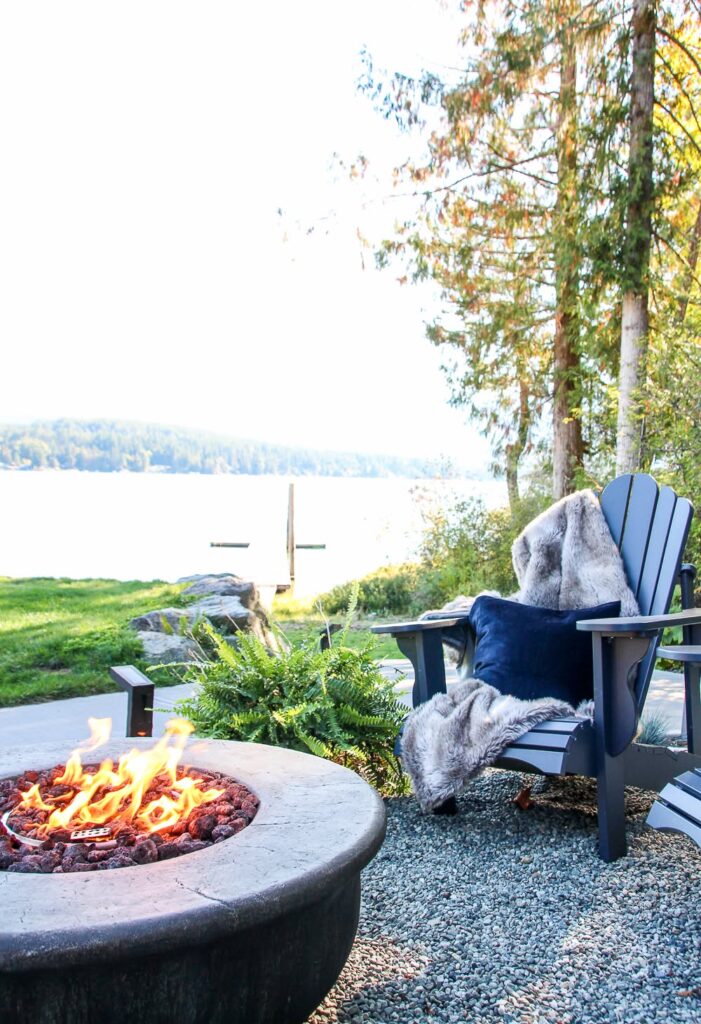
Works best in wind-exposed or cooler spaces where loose gravel shifts. Using larger gravel with a compact base keeps the area stable. It holds up better with regular use.
Circular seating with even spacing improves comfort and heat flow. The surface drains well, so it stays usable after rain.
Heat can dry out gravel over time. Light moisture or mixing denser stones helps reduce dust.
6. Pea Gravel Walkway Integration
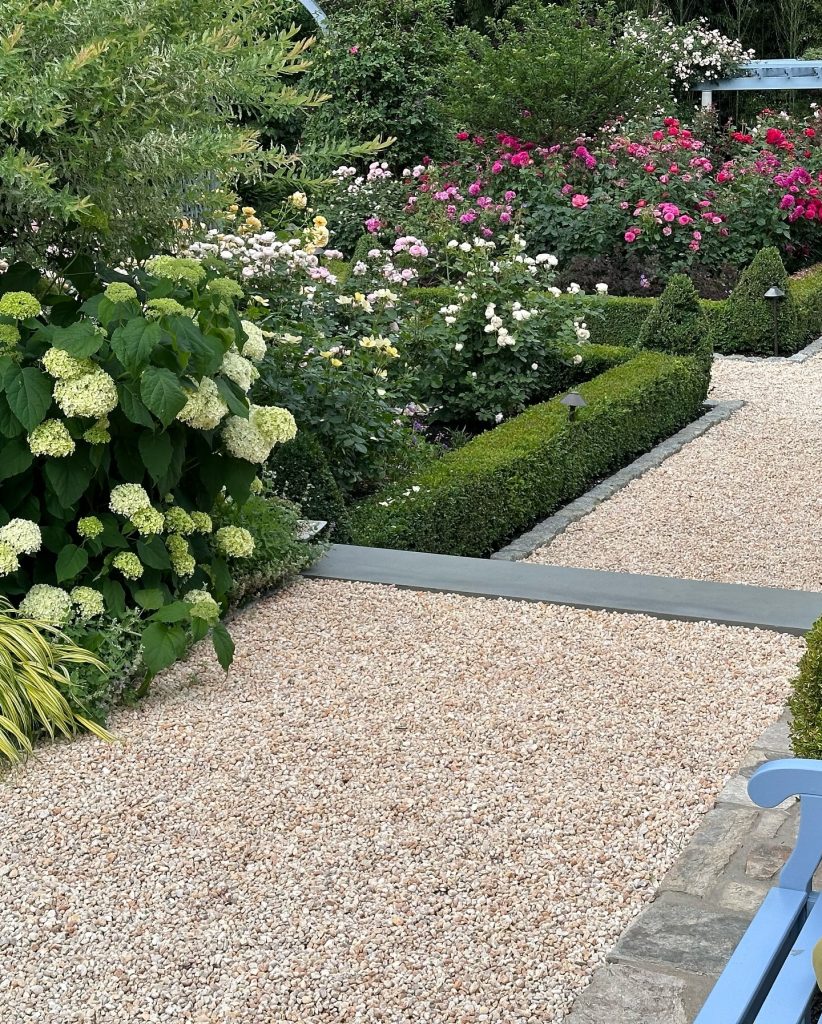
This setup works well in long or narrow yards where movement needs direction. Combining pea gravel with stepping stones or brick pavers keeps the path stable while still feeling natural. The transition between spaces becomes smoother and easier to follow.
Mixing textures adds structure without making the space feel rigid. A few plants along the edges soften the look and guide the eye. The walkway starts to feel like part of the patio, not separate from it.
If stones are placed too far apart, walking feels awkward. Keeping consistent spacing improves comfort and flow.
7. Tropical Oasis with Pea Gravel
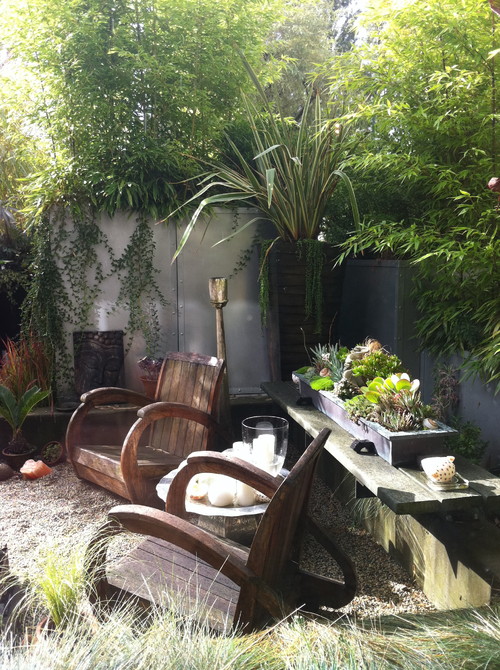
This style performs best in warm climates with strong sunlight where plants can thrive. Using light gravel with bold green plants like palms and ferns creates contrast that feels fresh and lively. The space feels brighter without adding hard surfaces.
Color plays a big role here. Bright cushions and natural bamboo elements add depth without overwhelming the base. The gravel keeps everything grounded while the plants carry the visual weight.
Overwatering is easy to overlook. Too much moisture can shift gravel and affect drainage, so controlled watering keeps the setup stable.
8. Pea Gravel with Raised Garden Beds

Useful in gardens with poor soil or limited space where planting directly is harder. Pairing gravel paths with cedar or brick raised beds keeps everything organized and easier to access. The layout feels structured without losing a natural look.
Raised beds add height variation, which breaks up flat surfaces. It also makes maintenance simpler since plants are more accessible. The gravel helps keep the area clean and well drained.
Placing beds too close can restrict movement. Leaving enough walking space improves both usability and comfort.
9. Bohemian Style Pea Gravel Patio
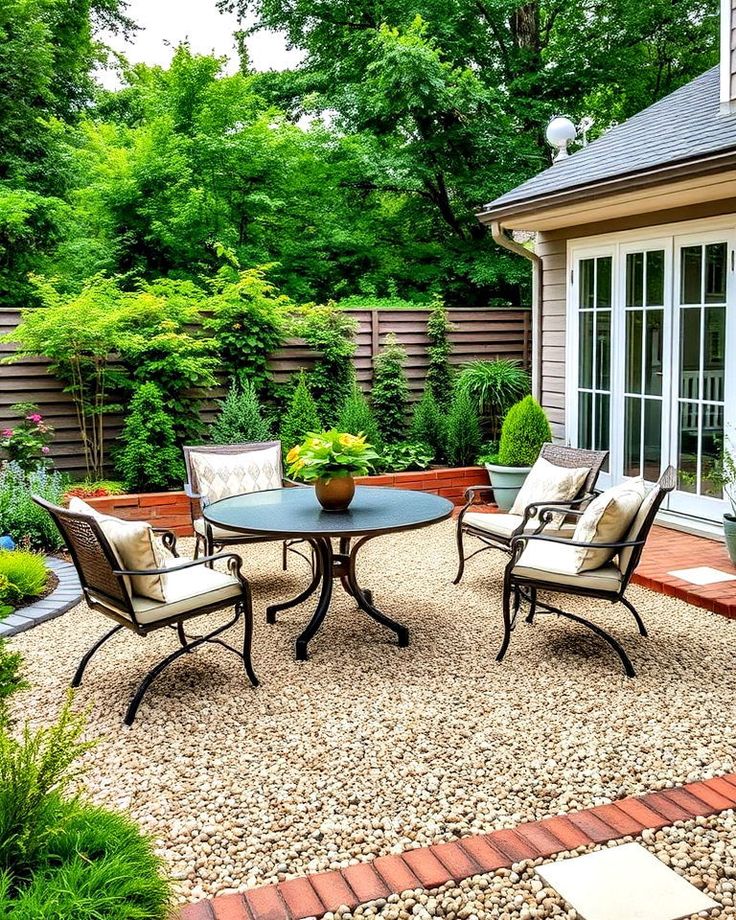
Works better in informal outdoor spaces where symmetry is not the goal. Using layered rugs, mixed textiles, and low seating creates a relaxed setup over the gravel base. The uneven styling feels intentional rather than messy.
Decor like lanterns, terracotta pots, and woven baskets adds depth without needing structure. The gravel keeps everything grounded so the mix of colors does not feel chaotic.
Too many small items can clutter the space quickly. Keeping a few larger pieces usually creates a more balanced look.
10. Pea Gravel Patio with Pergola for Shade

Best suited for areas with strong sun exposure where shade is necessary for comfort. Adding a wood or metal pergola over compacted gravel creates structure and makes the space usable during hot hours. The area feels more defined and functional.
Climbing plants like ivy or wisteria soften the structure and add natural coverage over time. Furniture placed underneath stays cooler, making the space more comfortable for longer use.
One detail to watch is anchoring. If the pergola is not secured properly, shifting gravel can affect stability. A solid base under posts helps prevent movement.
11. Pea Gravel Patio with Water Feature
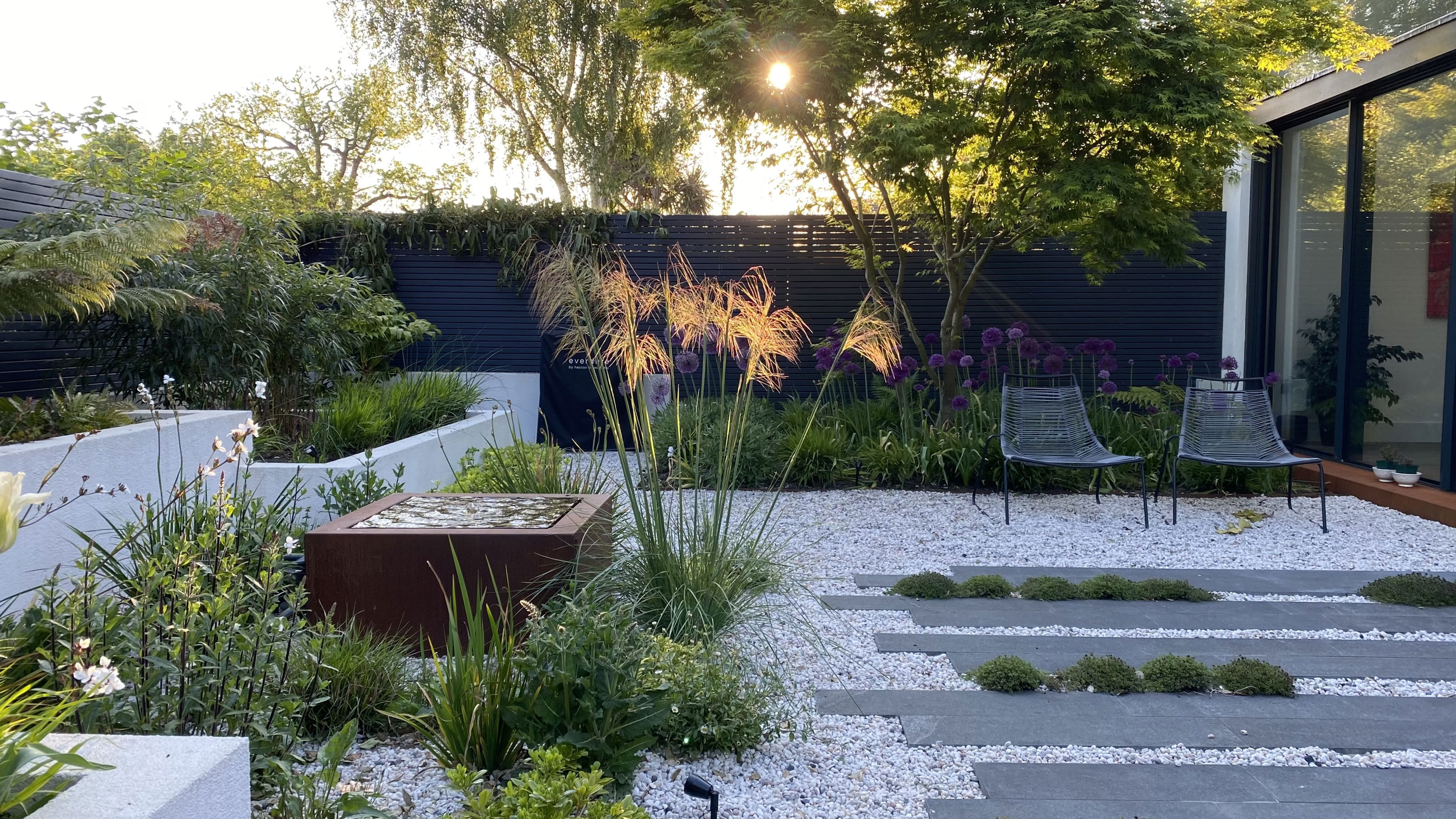
Works best in quiet corners or enclosed yards where sound can settle. Adding a small fountain or pond with surrounding stones creates a steady, calming effect. The gravel helps with drainage, so splashes do not turn the area muddy.
The sound of water softens the space and makes it feel more private. It also attracts birds, which adds subtle movement during the day. The setup feels more alive without extra decor.
Water flow needs to be balanced. Too strong can feel distracting, while too weak loses the effect. Adjusting the flow keeps it comfortable over time.
12. Pea Gravel Patio with Outdoor Kitchen
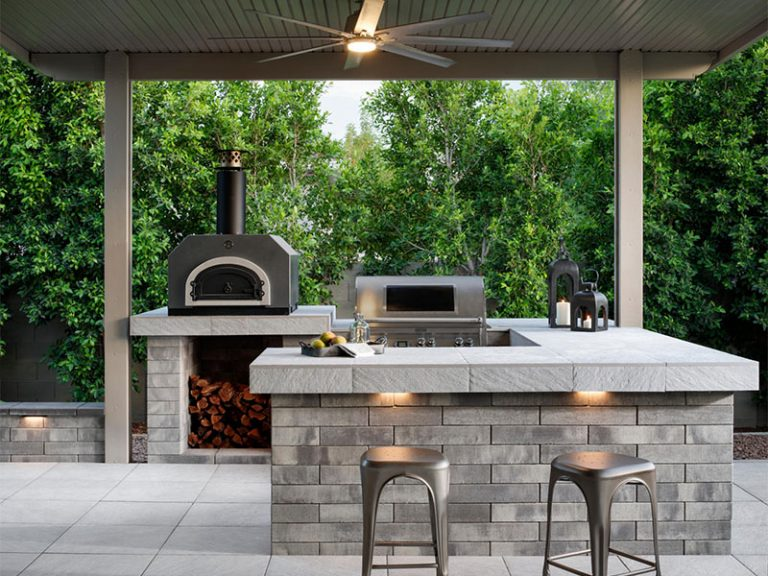
This setup fits well in larger patios with proper ventilation where cooking space can expand. Using stone countertops with metal appliances on a compact base keeps the structure stable over gravel. The space becomes more functional for daily use.
Seating near the cooking area improves interaction. Bar stools or a built in counter make the layout feel connected. The gravel keeps the space casual while the kitchen adds structure.
Grease and spills can stain gravel if ignored. Placing a small mat or defined prep zone helps keep maintenance easier.
13. Pea Gravel Patio with Swing or Hammock
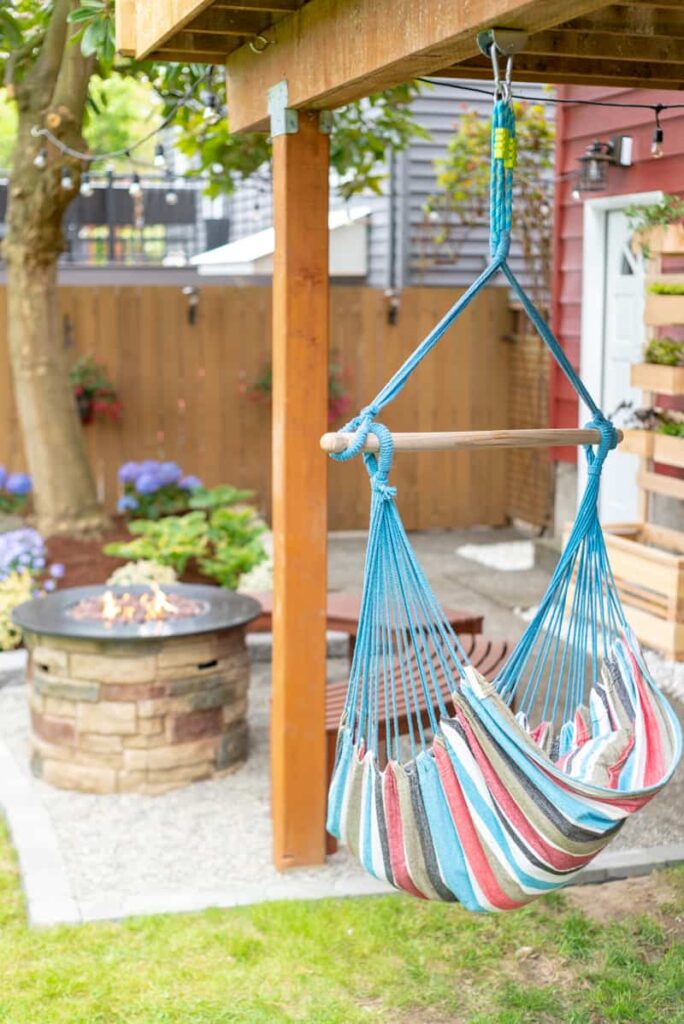
Best suited for shaded areas or spots with strong sun exposure control, where comfort matters. Adding a fabric hammock or wooden swing with soft cushions creates a relaxed corner. The gravel base keeps the area clean and dry.
Light movement adds a calming feel without changing the layout. Surrounding it with plants makes the space feel more enclosed and private. It becomes a natural retreat for quiet use.
Anchor points matter more than expected. If not secured properly, movement can feel unstable. A strong support setup improves safety and comfort.
14. Pea Gravel Patio with Built-in Seating
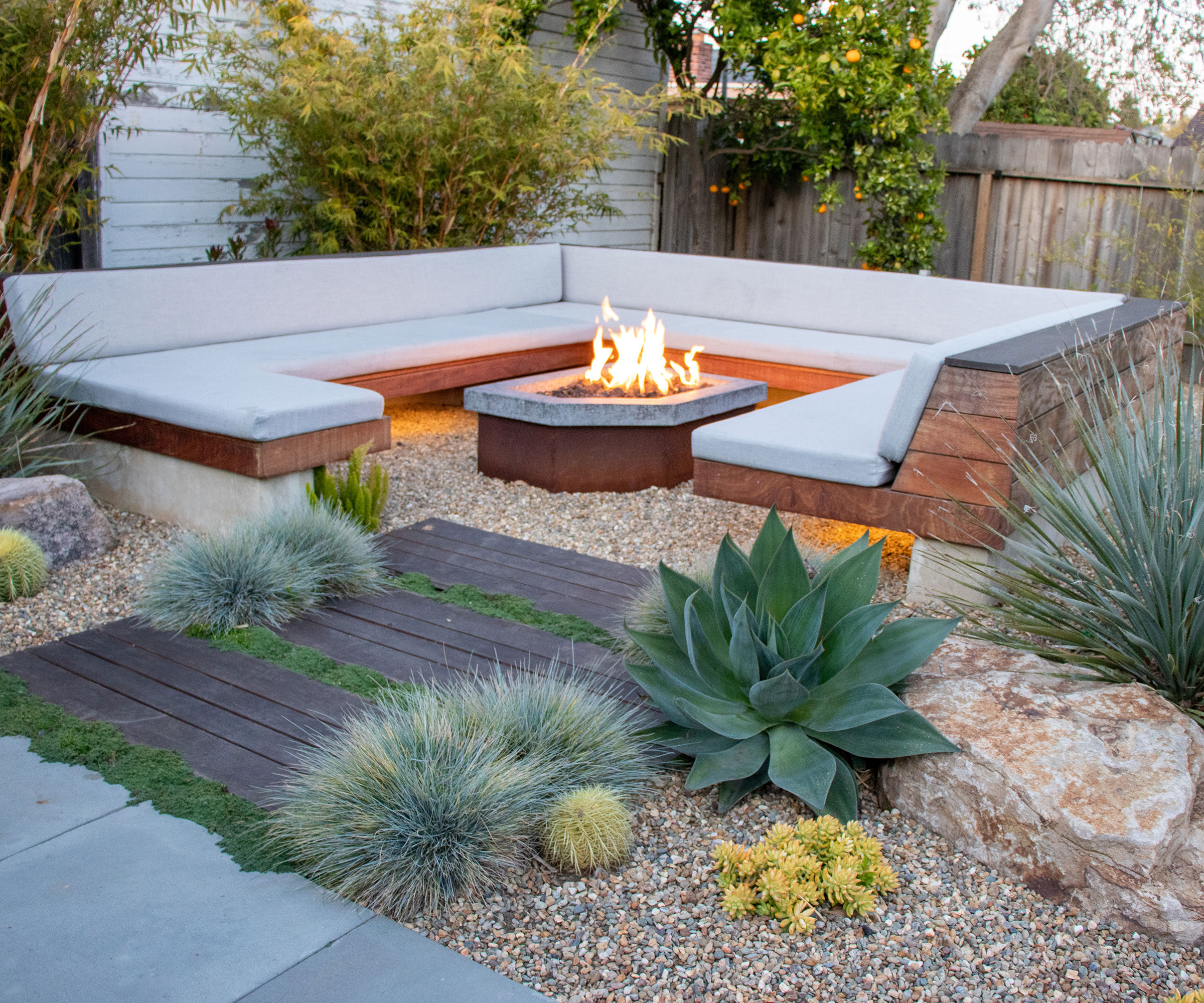
Useful in small patios where extra furniture feels crowded. Building stone or brick seating along the edges saves space and keeps the layout structured. The gravel fills the center without making it feel tight.
Cushions and simple plants soften the harder materials. The setup feels more permanent and organized compared to movable chairs. It also reduces clutter.
Seat height often gets overlooked. If too low or too high, comfort drops quickly. Keeping a standard sitting height improves daily use.
15. Pea Gravel Patio with Pergola and Drapes
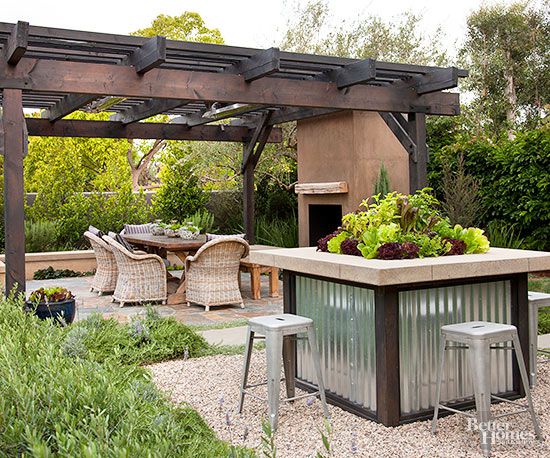
Works well in sun exposed areas that need both shade and privacy. Adding a pergola with light outdoor fabric drapes creates a layered look over the gravel base. The space feels more enclosed and comfortable.
Drapes help control light during the day and add softness to the structure. With seating underneath, the area becomes more usable for longer periods. It feels balanced between open and covered.
Wind can shift fabric easily. Choosing slightly heavier material or securing the sides keeps the setup stable and practical.
16. Pea Gravel Patio with Decorative Stones
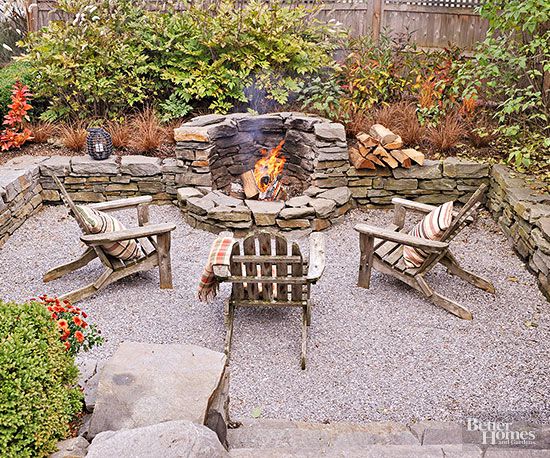
Works well in flat patios that feel too plain and need structure. Adding contrasting stones like black against light gravel creates clear visual breaks. Patterns or borders help organize the layout without adding bulk.
Decorative stones guide movement and highlight key areas. Low shrubs around them soften the edges and keep the look balanced. The space feels more intentional without losing its natural feel.
Too many patterns can make it look busy. Keeping one main design usually gives a cleaner result.
17. Pea Gravel Patio with Tiled Accents
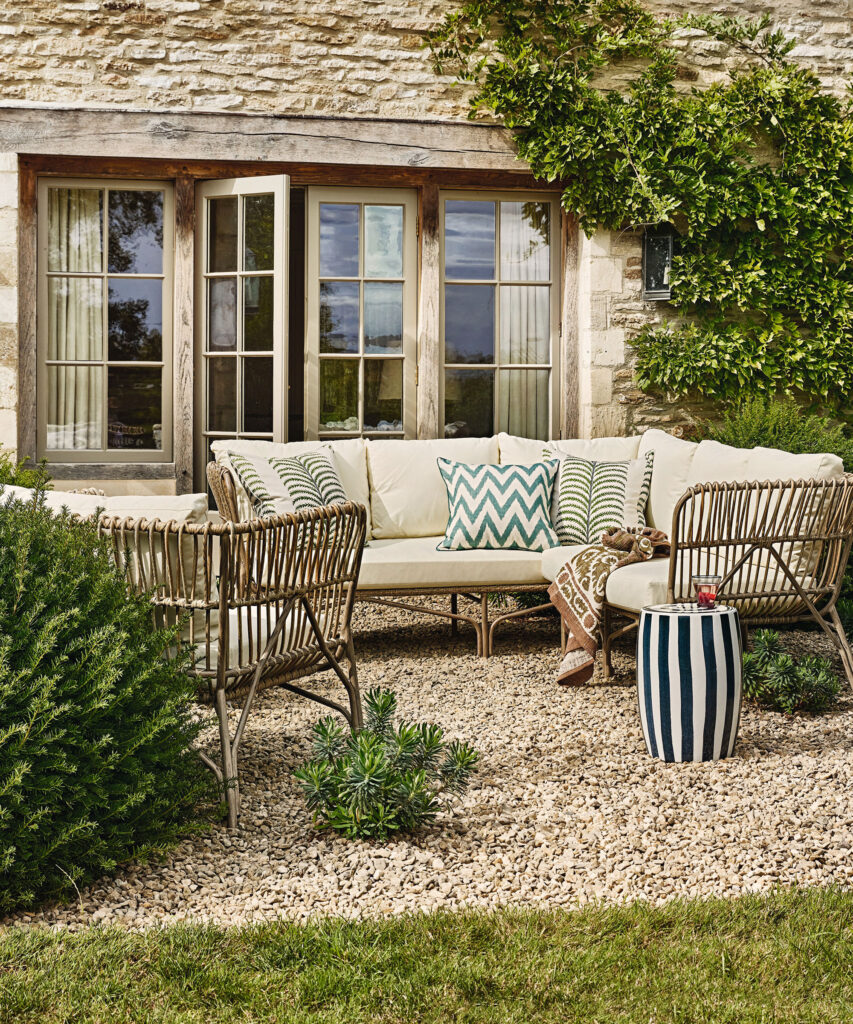
Useful in patios where you want a focal point without covering the whole surface. Combining smooth ceramic tiles with rough gravel creates contrast that adds depth. A small tiled zone can anchor the entire space.
Tiles around a fire pit or along borders make the layout feel structured. The mix of textures keeps the patio from looking flat. It adds visual interest without complexity.
Slippery tiles can be an issue outdoors. Choosing textured or matte finishes improves safety and usability.
18. Pea Gravel Patio with a Small Garden Nook
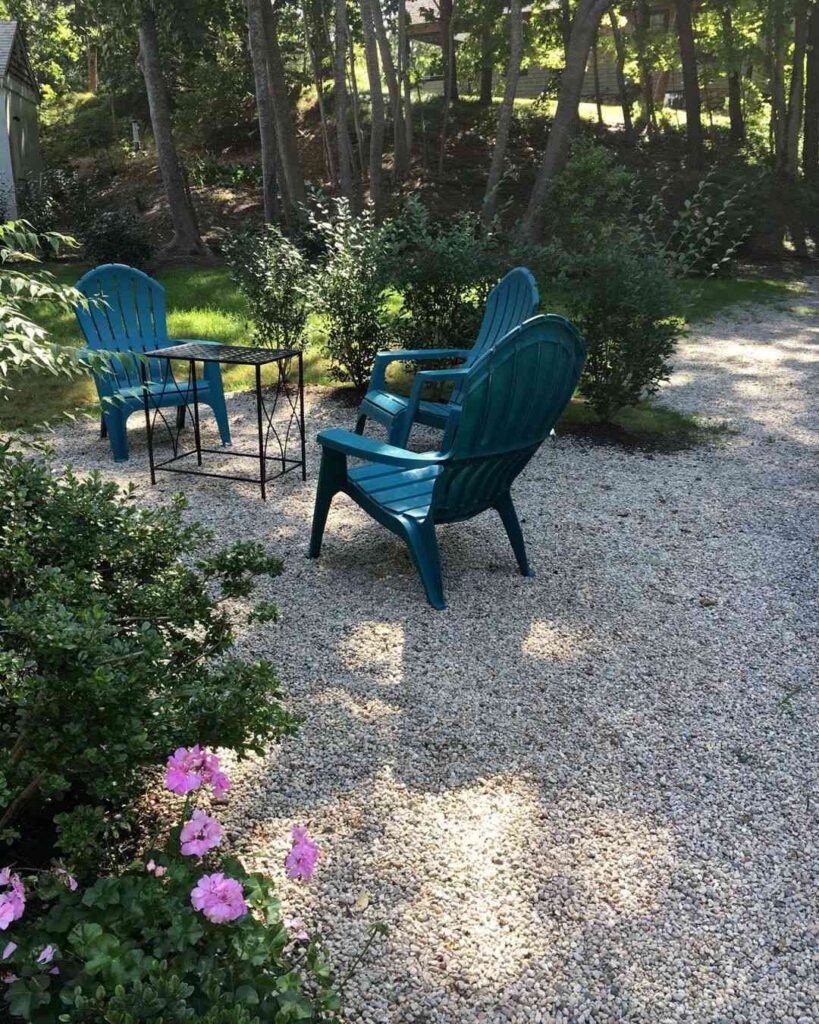
Works best in compact patios where space needs to serve multiple purposes. Creating a small nook with raised beds or hanging planters adds greenery without taking over the layout. The gravel helps with drainage around plants.
Adding a bench or trellis gives the nook a defined feel. Vertical elements break up the flat surface and make the space feel layered. It becomes a quiet corner within the patio.
Crowding plants too closely can limit airflow. Leaving small gaps keeps maintenance easier and plants healthier.
19. Pea Gravel Patio with a Fire Bowl
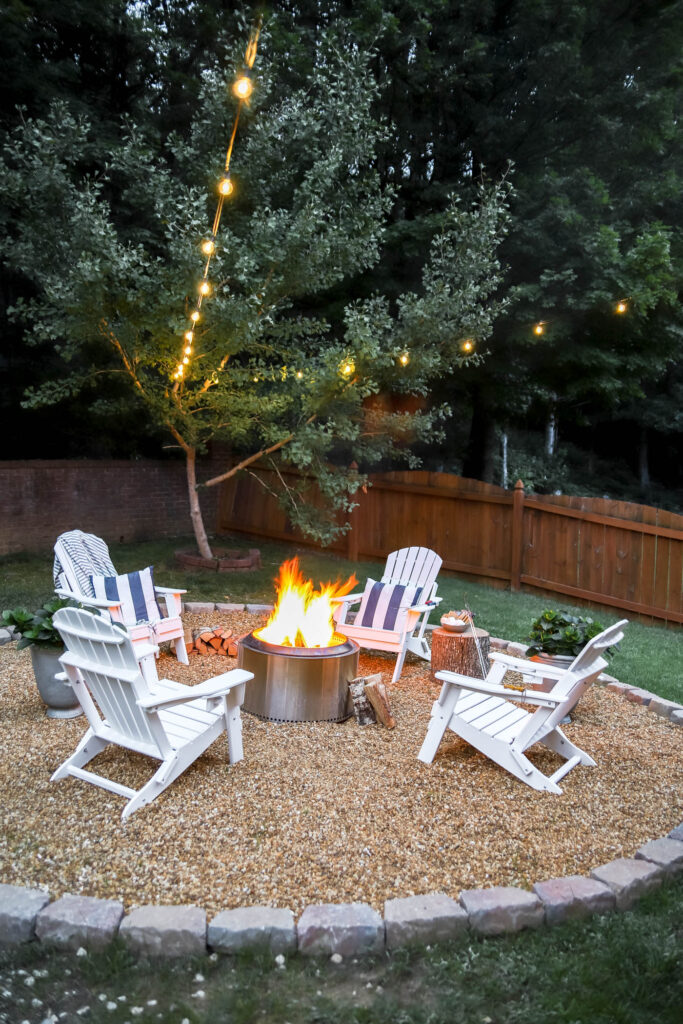
Fits well in smaller patios where a full fire pit feels too heavy. Using a compact fire bowl with surrounding gravel keeps the setup simple and controlled. It provides warmth without dominating the space.
Low seating around the bowl keeps the area open and usable. Adding stones or glass beads at the base gives a cleaner finish. The space feels modern and easy to manage.
Placing the bowl too close to the seating can feel uncomfortable. A bit of distance improves both safety and comfort.
20. Pea Gravel Patio with Pergola and Greenery
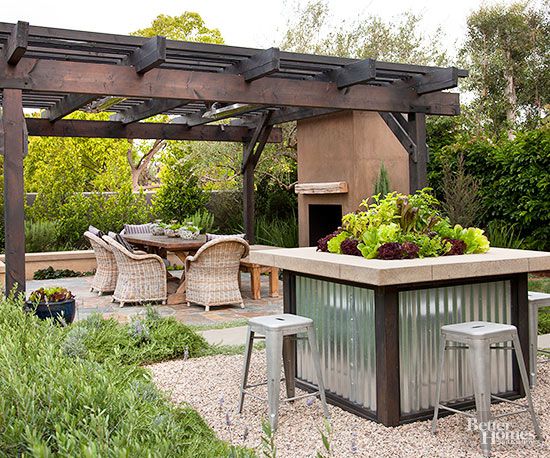
Works well in sun-exposed patios that need softer shade. A pergola covered with climbing plants like ivy creates natural coverage over time. The gravel base keeps the focus on greenery.
The mix of structure and plants adds depth without extra decor. Seating underneath feels more private and cooler during the day. The space becomes more usable for longer periods.
Plant growth needs control. Without trimming, it can block too much light and make the area feel closed in.
21. Pea Gravel Patio with Reclaimed Materials
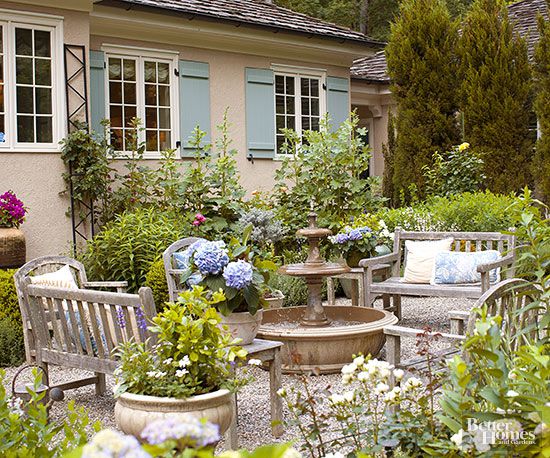
Best suited for homes with existing old materials or rustic surroundings. Using reclaimed wood, brick, or metal adds character while keeping costs lower. The gravel ties everything together naturally.
The mix of worn textures creates a relaxed, grounded feel. Furniture and borders look more personal instead of uniform. The patio feels lived in from the start.
Some reclaimed materials may be uneven. Light sanding or sealing helps improve durability without losing the aged look.
22. Pea Gravel Patio with Outdoor Bar
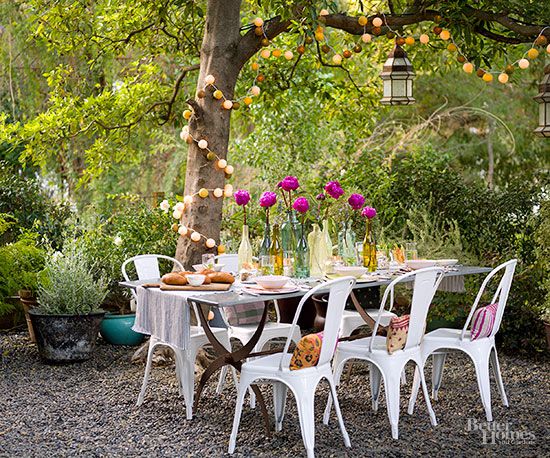
Works best in entertainment focused patios with enough open space. Adding a bar counter with stools over a compact gravel base creates a social zone. The setup feels casual but functional.
Lighting and simple storage, like a wine rack, improve usability. The gravel keeps the area easy to maintain during gatherings. It stays practical even with frequent use.
Spills are common in this setup. Defining a small bar zone with mats or pavers helps keep cleanup manageable.
Conclusion
Pea gravel patios provide endless possibilities for creating a beautiful, functional outdoor space. Whether you’re looking for a modern minimalist design, a cozy rustic retreat, or an entertainment-ready patio, pea gravel is an affordable and adaptable material that can bring your vision to life. From fire pits and water features to outdoor kitchens and garden nooks, the versatility of pea gravel allows you to create a custom outdoor oasis tailored to your style and needs.
As you begin planning your perfect pea gravel patio, think about how you can integrate natural elements, comfortable furniture, and stylish accessories to bring your space to life. No matter your design preferences, pea gravel can help you craft