How To Decorate An Industrial Loft (In A Way That Actually Feels Like Home)

How to decorate an industrial loft is mostly about getting the order right: zone first, scale second, comfort third, style last. With an open floor plan and high ceilings, warmth comes from big rugs, layered lighting, and soft textiles that make the space feel livable at night, not just photogenic during the day.
Living in a Real Industrial Loft Comes With Real-Life Quirks
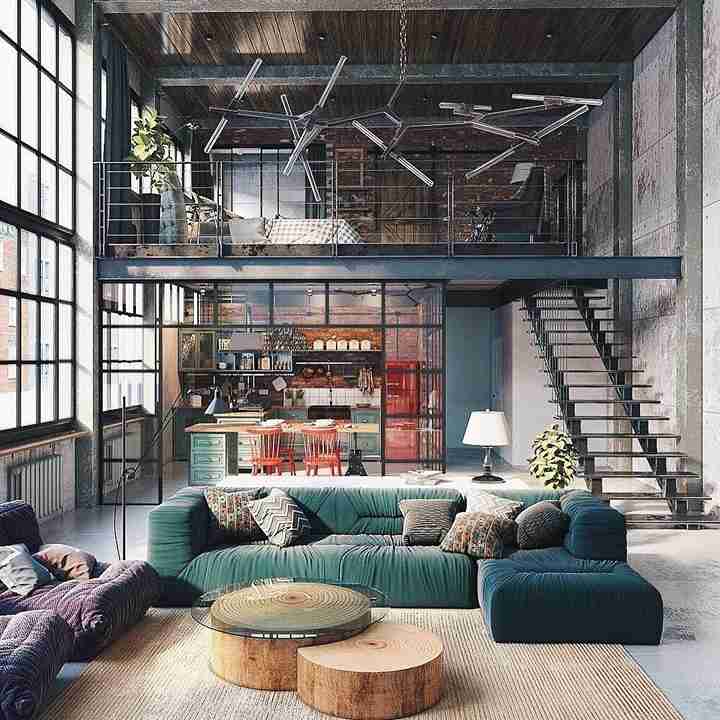
Industrial lofts photograph like a dream and then surprise you in person. You get the open floor plan loft layout, the true high ceilings loft situation where sound bounces, a lot of brick and concrete, and that bright, relentless natural light loft glow that feels amazing at 2 pm.
Then evening hits and suddenly your space feels a little emotionally chilly.
Here is what matters most: decorating an industrial loft is not about buying “industrial” things. The architecture already did that. You do not need more pipes, steel, or distressing. You need a home that functions.
This order makes everything easier, every time:
Zoning first. Scale second. Comfort third. Aesthetics last.
Industrial Loft Style Checklist
The Actual System That Keeps You Grounded
This framework keeps the space functional and keeps impulse-buy chaos in check:
- Define functional zones loft-style before decorating
- Go bigger than you think with anchor pieces
- Decide what stays raw and what gets softened
- Use layered lighting instead of one ceiling light
- Add textured layers to reduce echo and sharpness
- Finish with art, plants, and personal items that make it yours
A Few Sizing Rules That Make Decisions Easier
These are not rigid, but they are incredibly grounding in big spaces:
- Living area rugs usually land at 9×12 or larger
- Dining rugs should extend at least 24 inches past the table on all sides
- Curtains look best mounted close to the ceiling and wide enough to stack off the window
- Main walkways need about 36 inches of clearance
- Coffee tables feel best at 14 to 18 inches from the sofa
Step 1: Zone the Open Space Before Buying Anything Cute
Layout Before Decor Is the Whole Secret
Open spaces promise freedom, but without structure they often feel unfinished. In a loft, zoning creates comfort. It is also the foundation of good loft interior design.
Ask practical questions first:
- Where does sitting happen at night
- Where does the TV actually make sense
- Where do people naturally walk
- Where do keys and bags land
Because they will land somewhere.
The Workhorse Moves That Create Zones
Rugs go first. In an industrial space, rugs are basically soft walls you can vacuum. A living rug needs to be big enough that the seating does not hover awkwardly around it. In most lofts, that means 9×12 or 10×14.
A realistic budget for those sizes is often around $200 to $600 if durability matters more than delicate fibers. Low-pile and flatweave rugs usually behave best on concrete.
Then the sofa. Scale sets the tone. Smaller sofas can look temporary in big spaces. Pieces around 90 to 110 inches tend to hold their own and help the living zone feel intentional.
Then soft dividers. Open shelving, a wide console, a bookcase behind the sofa, or a cluster of plants. These define edges without blocking light, and they make the loft feel less like “everything in one room.”
Lighting starts here too. A pendant over dining, lamps around seating. It is mood, yes, but it is also structure.
A Simple Layout Example
A Realistic Plan for a Long, Rectangular Loft
In a long loft, placing the living zone near the windows usually makes sense because you get the best light where you actually spend time.
The dining area often works well between the living zone and kitchen, acting like a connector.
A console behind the sofa creates a natural drop zone so clutter does not take over the dining table. Not glamorous, but it makes the whole place feel calmer.
One important note: avoid pushing everything against the walls.
Lofts look bigger when you do that, but they feel worse. The center ends up empty and disconnected, and the furniture never fully settles.
Step 2: Decide What to Do With Brick and Concrete
Keep the Character, Lose the Harshness
This is where industrial spaces either stay beautifully raw or start feeling cold.
Exposed brick can be stunning, especially in daylight. Concrete can look sculptural. Not everything needs softening.
But some areas benefit from a little help.
- Limewash is a great “soften without erasing” move for brick
- Warm paint on adjacent drywall can reduce starkness
- Curtains add softness even when they are mostly decorative
- Upholstered pieces near hard surfaces help reduce echo
- A textile wall hanging can do more for warmth than another framed print
If an industrial loft feels harsh, it is rarely because it is too industrial. It is usually because nothing is counterbalancing the hard surfaces.
Pick Your Industrial Lane
Choose a Direction So Purchases Stop Competing
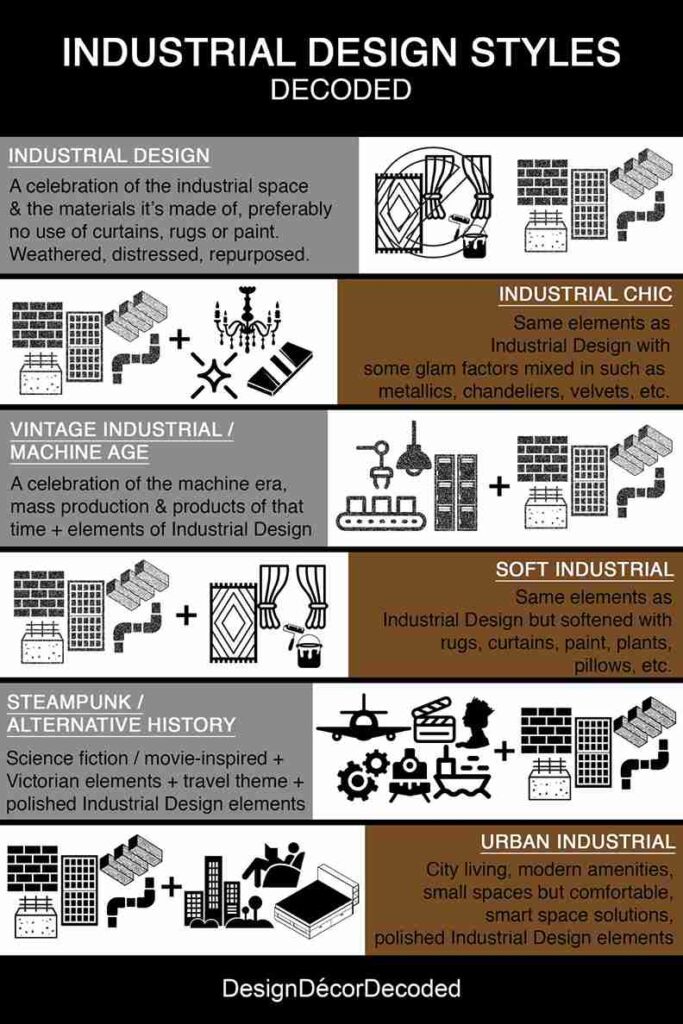
Industrial can mean different things depending on the person. Choosing a main lane makes decisions simpler.
Modern Industrial
Clean, restrained, simple shapes, black and white with warm wood. Works well with minimal furniture as long as the scale is right.
Vintage Industrial
Patina, factory-inspired finds, warmer metals. Feels collected, but needs restraint so it does not turn themed.
Industrial Plus Cozy
Raw architecture stays, but warmth comes through textiles, wood, plants, and softer tones. Still urban, but it feels like a place to exhale.
Most homes blend all three. Just pick a main lane so the space does not feel like a design debate.
Step 3: Choose Furniture With Scale in Mind
Loft Rooms Eat Mid-Sized Furniture
Industrial spaces tend to dwarf mid-sized pieces. Things that feel substantial in a normal living room can look temporary in a loft.
Go for oversized anchors:
- Larger sectionals
- Chunky wood dining tables
- Wide media consoles
Material choices that hold their own:
- Aged wood
- Blackened steel
- Leather
- Linen
- Wool
This is also where industrial can drift toward cold if everything is hard-edged. Warm woods help. Softer upholstery helps. A little cushion in the silhouettes goes a long way.
Multi-use pieces are especially helpful in lofts. Storage ottomans, benches, consoles that double as work surfaces. You get function without visual clutter.
Step 4: Layer Lighting Like You Mean It
One Overhead Light Is the Enemy
Lighting is the most common pain point in industrial spaces. One ceiling fixture usually creates a room that feels flat and cold at night.
Layered lighting fixes it:
- Pendant over dining
- Floor lamp near seating
- Table lamps on consoles and shelves
- Sconces where possible
A rough rule: each main living zone needs three to five light sources beyond any overhead fixture. If you only have one lamp, it almost always still feels unfinished.
Bulb Temperature Matters More Than You Think
Warm bulbs around 2700K to 3000K soften concrete and brick dramatically. Cooler bulbs exaggerate harshness, especially at night.
Sometimes a loft feels “off” and it is literally just the bulbs. One swap can make the whole space feel warmer.
Materials and Finishes That Consistently Work
The Mix That Feels Intentional, Not Restaurant
- Rugs: low-pile, wool blends, or performance fibers over concrete
- Metals: matte or blackened, with brass used sparingly
- Woods: warmer tones like oak and walnut balance concrete better than gray-washed finishes
- Textiles: linen curtains, wool, chunky knits, occasional boucle soften edges
A simple cohesion rule:
Pick one main metal, like matte black or gunmetal, and repeat it two to three times. Then add one accent metal, like aged brass, once or twice. Too many shiny metals is what makes a loft feel like a trendy bar.
Step 5: Comfort Is the Thing That Makes It Home
The Soft Stuff Is Not Extra, It Is the Point
This is the step people rush. It is also the step that makes the loft livable.
- Rugs where you actually walk and sit
- Curtains softening windows
- Plants adding life
- Textured pillows and throws that make you want to sit down
- A balance of leather and wool, wood and linen, metal and warmth
There is usually at least one unresolved element in a real loft. Echo can linger. Rugs can creep. A corner can stay unfinished longer than expected. That is normal.
Lofts evolve in layers. They rarely snap into perfection overnight.
Where It Makes Sense to Spend and Save
Spend Where the Loft Feels It Every Day
Spending pays off most with:
- Sofa
- Large rugs
- Lighting
These define zones, improve comfort, and shape how the space feels daily.
You can usually save on:
- Side tables
- Accessories
- Art by mixing affordable pieces with meaningful ones
A loft stays practical when you have a few strong anchors and the rest is comfort and personality.
A Quick Note on Kitchens and Bathrooms
Same Bones, Same Rules
Industrial kitchens feel warmer with wood tones, softer lighting, and avoiding too many cold finishes at once.
Industrial bathrooms get cozy with warm bulbs, tactile towels, and one or two softer finishes that balance concrete and tile.
It does not need to be complicated. It just needs to feel human.
The Takeaway
Decorating an industrial loft is not about adding more industrial elements. It is about shaping a large, raw space into something that supports real life.
When zoning comes first, scale is respected, comfort is prioritized, and style comes last, the space finally feels settled.
Not staged.
Not themed.
Just lived in.
FAQs
How Do You Make an Industrial Loft Cozy
Use big rugs, layered lighting, warm bulbs, textured textiles, and wood tones. Add plants for life and softness. Keep the architecture raw, but make the feeling warm and comfortable, especially at night.
Is Industrial Style Still Relevant in 2026
Yes. When the industrial look comes from the architecture rather than trend-driven decor, it stays timeless. The most current version is less harsh and more livable, with warmer woods, softer textiles, and better lighting.
What Defines Industrial Loft Style
Raw materials like exposed brick, concrete, and metal, paired with functional layouts and simple, substantial furniture. The best industrial lofts keep the edges of the space but layer in warmth so it feels like home.
How Can Modern and Industrial Styles Be Mixed
Use clean-lined modern furniture against brick and steel, but respect scale and keep lighting warm. Add texture through rugs, curtains, and textiles so the modern pieces do not feel cold in a hard-surface space.
What Is the Best Loft Decor Style
The one that supports how you actually live. Your loft can lean modern, vintage, or cozy, but the best version is the one that feels settled, functional, and comfortable when the sun goes down.