How Comfortable Are Waterbeds? The Honest Scoop on Sleeping on Water

I have always been curious about waterbeds. They had this almost legendary status for a while, like the ultimate cool bedroom upgrade. Floating on water? Temperature controlled sleep? It sounded dreamy.
But comfort is personal, and hype does not always equal good sleep. So if you are wondering whether a waterbed is actually comfortable or just nostalgic, here is the honest breakdown of what sleeping on water really feels like, plus the pros and cons you should consider.
What Sleeping on a Waterbed Actually Feels Like
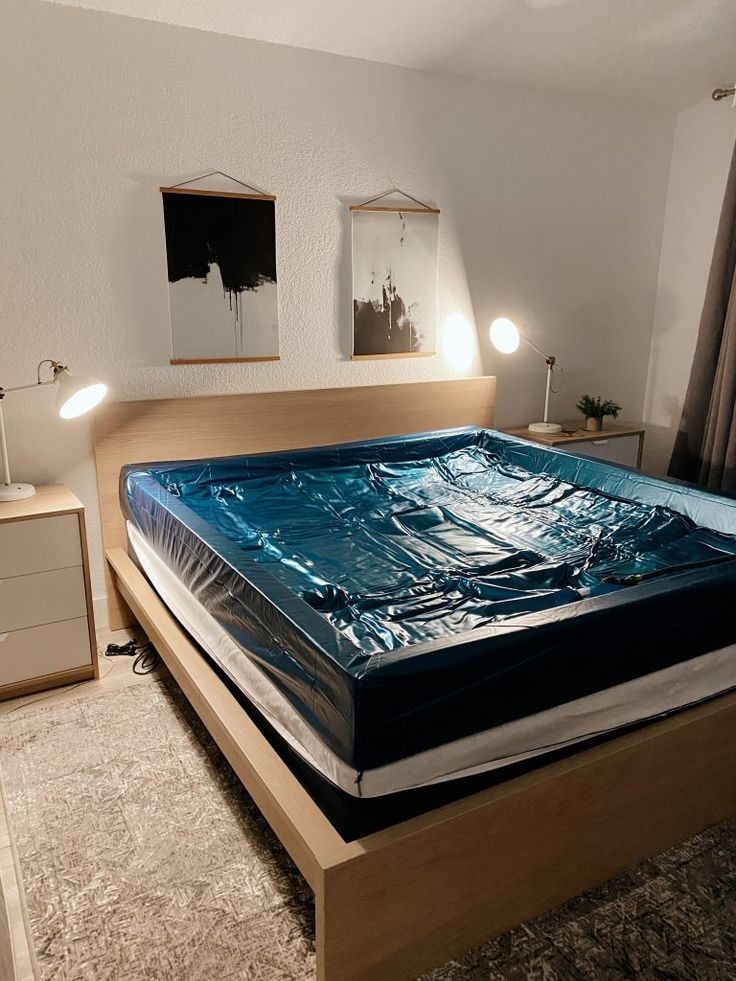
The first thing people notice is the floating sensation.
Instead of springs pushing back or foam slowly contouring, the water shifts and distributes your weight evenly. Your hips, shoulders, and back sink in just enough to reduce pressure points. For many people, that feels incredibly comfortable.
It is not “soft” in the same way a plush mattress is soft. It is more buoyant. Your body feels supported from all angles because the water moves to match your shape.
If you choose a full wave model, you will feel movement when you shift positions. Some people love that gentle rocking sensation. Others need a few nights to adjust.
Waveless or semi waveless versions reduce that motion with fiber layers inside the mattress. They still conform to your body but feel more stable.
The Pressure Point Advantage
One of the biggest comfort benefits is pressure relief.
Traditional mattresses can create tension at your shoulders and hips, especially if they are too firm or too soft. Waterbeds distribute weight more evenly across the entire surface.
This can reduce stress on joints and muscles. Many people with mild back discomfort say they feel less stiffness in the morning.
Because the surface adjusts instantly when you move, your spine tends to stay more aligned compared to some foam mattresses that take longer to respond.
For side sleepers especially, that even distribution can feel surprisingly supportive.
Temperature Control Is a Game Changer
Most waterbeds come with built in heaters.
You can set the temperature to your preference, usually somewhere between 80 and 90 degrees. In winter, climbing into a pre warmed bed feels incredibly cozy.
In warmer months, the water does not retain body heat the same way foam does, so it often feels cooler and more breathable.
If you struggle with sleeping too hot or too cold, this feature alone can make a waterbed feel more comfortable than many traditional options.
Motion: Soothing or Disruptive?
This is where comfort becomes personal.
Full wave waterbeds allow the water to move freely. When you roll over, the surface shifts with you. Some people describe it as calming, almost like sleeping on a gently rocking boat.
Others find it distracting, especially if they share the bed. A partner’s movement can create noticeable waves.
Waveless and semi waveless models reduce that motion significantly. These are often better for couples or anyone sensitive to movement during sleep.
If you are easily bothered by motion transfer, you will want a stabilized version.
Support and Back Comfort
Waterbeds naturally distribute weight, which can help maintain spinal alignment.
Unlike overly firm mattresses that push against your lower back or overly soft ones that let your hips sink too far, water adapts evenly.
Many people with mild back pain report feeling more supported. The buoyancy reduces pressure on joints and allows muscles to relax more fully.
That said, if you prefer a very firm, rigid surface, a waterbed may feel too flexible for your taste.
Comfort depends on whether you like adaptive support or stable firmness.
Allergy Friendly Benefits
Waterbeds are made with vinyl surfaces that do not harbor dust mites the way traditional mattresses can.
For allergy sufferers, this can be a major advantage. There is no fabric core for mites to live in, and the surface can be wiped clean easily.
If you struggle with dust allergies, this makes waterbeds surprisingly practical.
The Weight Factor
Comfort aside, waterbeds are heavy.
A queen-size waterbed can weigh over 1,200 pounds when filled. That is a serious structural consideration.
Some apartments or upper-level homes may have restrictions. Before choosing a waterbed, you need to confirm your floor can handle the load.
This does not impact nightly comfort directly, but it is a major practical consideration.
Maintenance: The Tradeoff
Here is where waterbeds lose some appeal.
They require maintenance. You need to add water conditioner every 6 to 12 months to prevent algae growth inside.
You also need to clean and condition the vinyl exterior to prevent cracking.
If you ever move, you must fully drain the bed. That process takes time and effort.
Modern waterbeds are far more leak-resistant than older versions, and they include safety liners, but the risk of puncture still exists.
Compared to simply rotating a foam mattress twice a year, waterbeds demand more involvement.
Durability and Longevity
With proper care, waterbeds can last 15 years or more.
The vinyl bladder itself can be durable, and because there are no springs to wear out, the internal structure does not sag the same way traditional mattresses might.
However, heaters can fail over time, and seams can weaken if not maintained properly.
Longevity depends heavily on upkeep.
Comparing Waterbeds to Modern Mattresses
Memory foam mattresses also conform to your body and relieve pressure points. They require far less maintenance and are easier to move.
Hybrid mattresses combine foam and coils for a balanced feel. They offer stability without the motion sensation of water.
Waterbeds stand out mainly for their floating support and adjustable temperature.
But they come with higher maintenance demands and structural considerations.
If you want low effort comfort, foam or hybrid models are simpler. If you love the idea of buoyant support and warmth control, waterbeds still offer something unique.
Who Might Love a Waterbed?
You might genuinely enjoy a waterbed if:
- You like a floating, enveloping sensation
- You struggle with pressure points
- You enjoy adjustable warmth while sleeping
- You do not move frequently
- You do not mind light maintenance
You might not enjoy one if:
- You prefer firm, stable surfaces
- You are sensitive to motion
- You move homes often
- You want zero maintenance
- Your building has weight restrictions
The Honest Verdict
Waterbeds can absolutely be comfortable. For some people, they are incredibly comfortable.
The way water distributes weight eliminates pressure points in a way traditional mattresses cannot fully replicate. The adjustable warmth adds another layer of comfort, especially in colder climates.
However, they are not universally ideal. The movement takes adjustment. The maintenance requires commitment. The weight demands planning.
Comfort is not just about how something feels when you lie down for five minutes. It is about how it fits into your lifestyle long term.
If the idea of floating support and temperature control excites you, a modern waveless waterbed could be worth trying.
If you want convenience and simplicity, newer foam or hybrid mattresses may be a better fit.
At the end of the day, the most comfortable bed is the one that helps you fall asleep easily and wake up without aches. For some, that still means sleeping on water.