Do Nightstands Have to Match the Dresser? Bedroom Style Guide

When I decorated my first bedroom, I was convinced everything had to match. Same wood tone. Same handles. Same shape. I thought if my nightstands didn’t perfectly coordinate with my dresser, the whole room would look unfinished.
Now? I honestly laugh at how stressed I was.
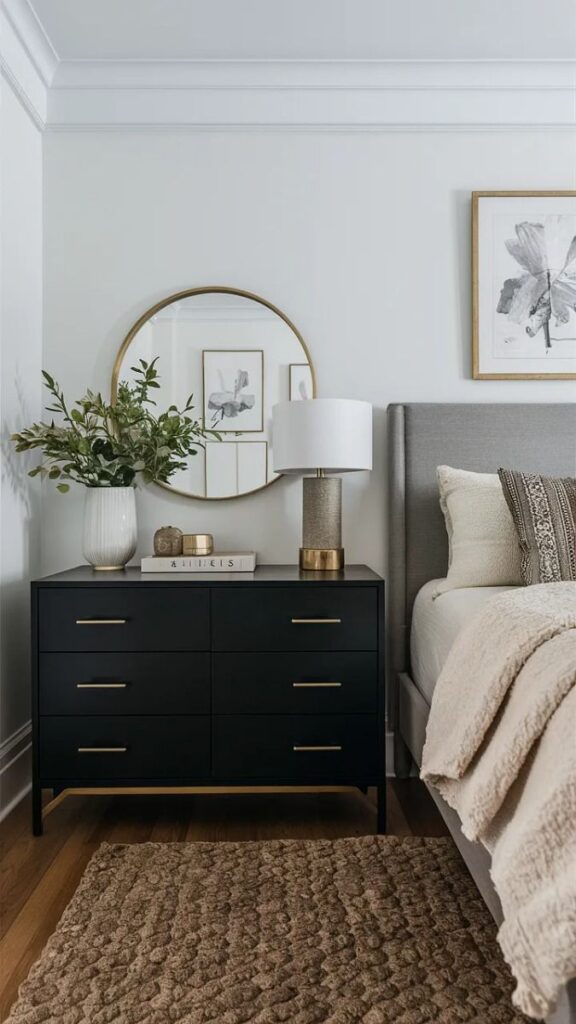
Here’s the truth: No, your nightstands do not have to match your dresser.
Matching is one option. Mixing is another. Both can look amazing — it just depends on how you style it. Over the years (and after rearranging my own bedroom more times than I’ll admit), I’ve learned how to make both approaches work.
Let’s break it down in a practical way so you can decide what feels right for your space.
The Short Answer: Matching Is Optional
Matching nightstands and dressers used to be the default because furniture was sold in sets. You’d walk into a store, buy the whole bedroom collection, and boom — instant coordination.
That approach still works. But it’s not required anymore.
Now, some of the most beautiful bedrooms I’ve seen — and styled — mix finishes, shapes, and even eras. The key isn’t matching. It’s cohesion.
Matching Bedroom Furniture: When It Works Best
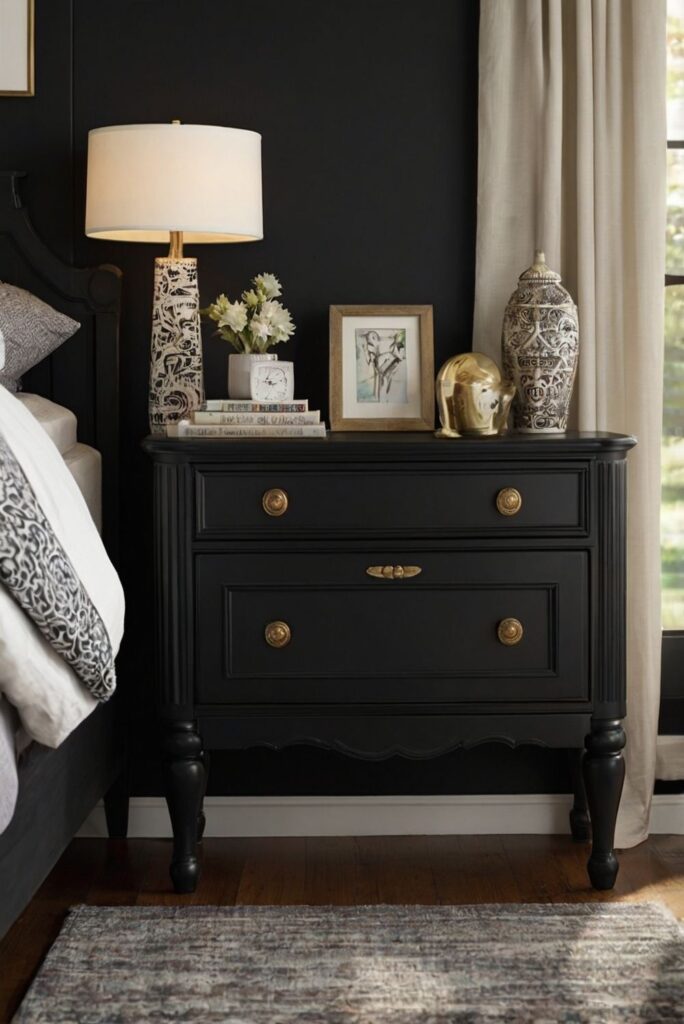
I’ll be honest — matching furniture can look incredibly polished.
Why Matching Works
When nightstands and dressers match:
- The room feels calm and symmetrical
- Shopping is easier (buy once, done)
- Styling becomes simpler
- Small spaces feel less cluttered
In my guest bedroom, I used a matching set because I wanted a clean, hotel-like feel. The symmetry instantly made the space look intentional.
Matching furniture is especially helpful if:
- You prefer minimal decision-making
- You like clean, structured spaces
- Your room is small and needs visual simplicity
- You want a cohesive, classic look
There’s something visually soothing about pieces that speak the same design language.
The Downside of Matching
Here’s where matching can fall flat:
- It can feel predictable
- It may lack personality
- It limits creativity
- It can look overly staged
In my first apartment, my bedroom set matched perfectly. And while it looked “put together,” it didn’t really feel like me.
It felt safe. But also… boring.
Mixing Nightstands and Dressers: Why I Love It
Once I started mixing pieces, my bedroom felt layered and interesting.
Why Mixing Works
Mixing furniture:
- Adds character
- Feels collected over time
- Gives you flexibility
- Allows personal storytelling
In my current bedroom, I have a walnut dresser and lighter oak nightstands. They don’t match. But they share warm undertones, so they feel related.
That small connection is enough.
The Secret to Making It Work
Here’s what I’ve learned:
Your nightstands and dresser don’t need to match — but they should share at least one common element.
That could be:
- Similar wood undertone (warm vs cool)
- Matching hardware (brass, black, chrome)
- Similar style era (modern, rustic, mid-century)
- Coordinating color family
- Similar scale or proportions
Without a shared element, the room can look random instead of intentional.
Traditional Sets vs Curated Look
Both approaches can work beautifully. The difference is how much personality and flexibility you want in the space.
Traditional matching set
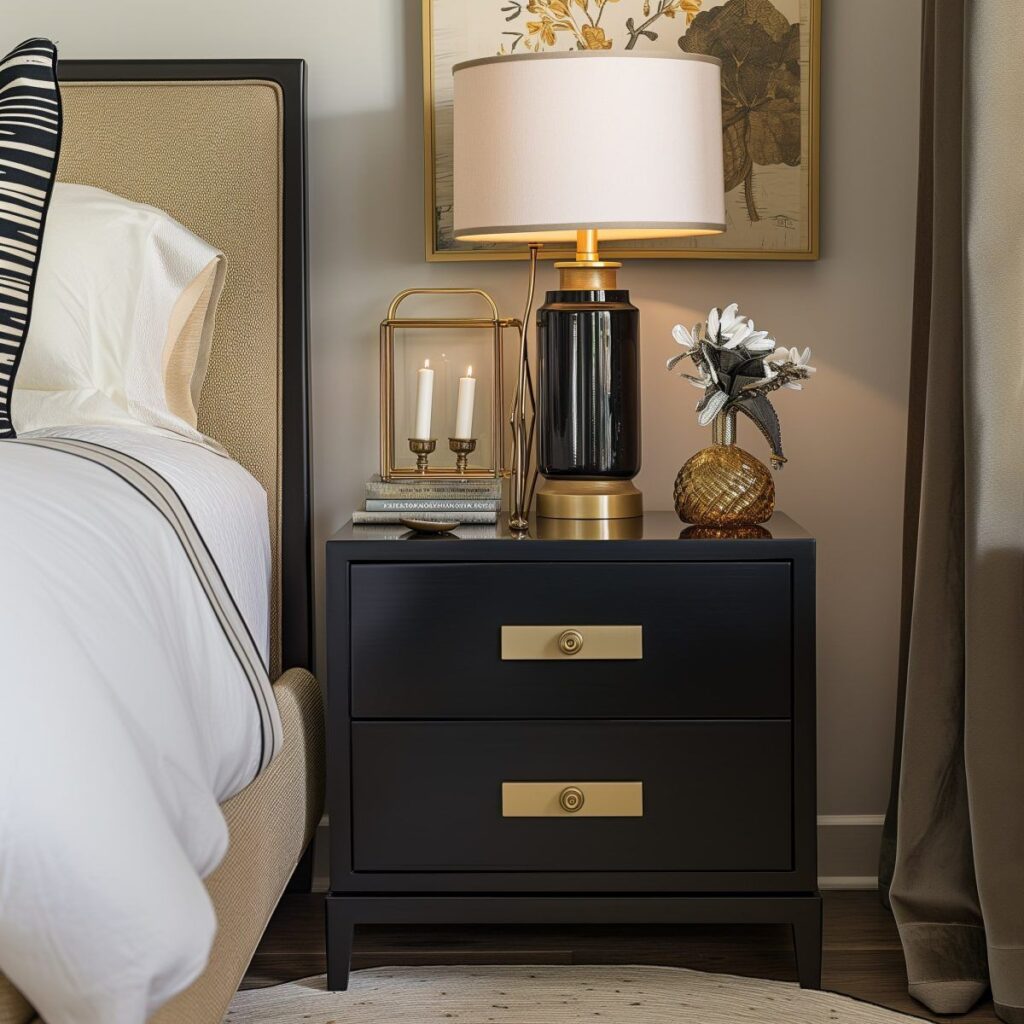
This usually means the bed, dresser, and nightstands all come from the same collection.
The upside is ease. Everything already matches, the room feels cohesive, and the look tends to be timeless. It is a low-effort way to get a pulled-together bedroom without many decisions.
The downside is that it can feel a little flat. Because everything is designed to match perfectly, the room may lack depth or personal character.
Curated mix and match
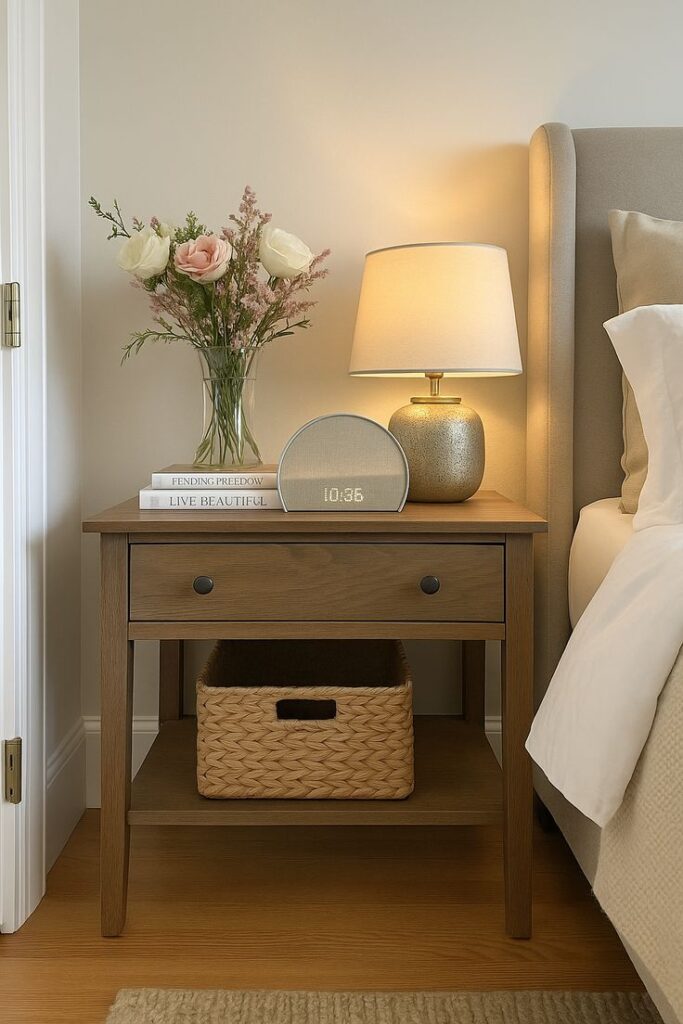
This approach mixes different pieces that share a common tone, style, or scale rather than an exact match.
It feels more layered and personal, and it gives you flexibility to swap pieces over time. Visually, it is usually more interesting because the room has contrast and variation.
The tradeoff is that it requires more thought. Without restraint, it is easy to overdo it or end up with pieces that compete instead of complementing each other.
When I help friends style bedrooms, I usually suggest a hybrid approach. Start with one anchor piece, often the dresser, and build around it. That single grounding element makes it much easier to mix other pieces without the room feeling scattered.
Practical Tips for Mixing Like a Pro
Let’s get into the part that actually matters: how to make it look good.
1. Keep the Heights Balanced
Even if your nightstands don’t match each other — or your dresser — their height should still make sense next to your bed.
Ideal rule: The nightstand surface should be within 2–3 inches of your mattress height.
- Too low feels awkward.
- Too high looks bulky.
In my room, I once had one nightstand slightly taller than the other. It looked off immediately. I swapped it for a similar height piece, and everything felt balanced again.
2. Coordinate Hardware
Hardware is underrated.
Brass knobs on both dressers and nightstands instantly create cohesion — even if the wood tones differ.
You can:
- Swap drawer pulls
- Paint hardware
- Use similar finishes
Small details make a big impact.
3. Bridge with Decor
This is my favorite trick.
If my dresser is darker and my nightstands are lighter, I bridge them using:
- Lamps in a matching color
- Matching picture frames
- Similar trays or decor pieces
- Textiles that echo both tones
For example:
Dark walnut dresser + light oak nightstands
→ Add warm-toned throw pillows
→ Use brass lamps on both nightstands
Suddenly, everything connects.
4. Limit Your Materials
When mixing furniture styles, don’t go wild with materials.
I stick to:
- 2–3 wood tones max
- 1–2 metal finishes
- Repeating color accents
Too many finishes can create chaos.
Controlled variation feels curated.
Mixing Different Wood Tones Without It Looking Off
This is the part that makes most people nervous, but it is easier than it seems once you know what to look for.
Start by checking undertones. Warm woods tend to mix well with other warm woods, and cool woods usually mix best with cool woods. Problems happen when a very cool, gray-toned wood is paired with something deeply warm and orange without any transition.
Next, vary contrast intentionally. Pair light wood with medium wood, or medium with dark. Avoid using several woods that are almost the same shade but not quite. That is when things start to feel accidental instead of layered.
Finally, repeat wood tones elsewhere in the room. Echo them in picture frames, shelving, or small decor accents. Repetition helps the eye connect the pieces so they feel related rather than random.
When wood tones share undertones and are repeated thoughtfully, they rarely clash. Instead, they make a room feel richer and more collected.
What About Mismatched Nightstands?
This is where things can actually get fun.
Nightstands do not have to match each other to look intentional. In fact, mismatched nightstands often make a bedroom feel more modern and relaxed when done thoughtfully.
I once styled a room using one slim drawer nightstand on one side of the bed and a small round accent table on the other. It worked because both pieces were a similar height, used warm wood tones, and included black metal accents. Those shared elements created cohesion even though the shapes were different.
If you want mismatched nightstands to work, focus on a few simple principles. Keep the heights close so one side does not feel awkward or unbalanced. Pay attention to visual weight so neither piece overwhelms the other. And most importantly, use matching lamps.
Matching lamps are honestly a lifesaver when nightstands differ. They create symmetry at eye level, which helps the whole setup feel intentional rather than mismatched by accident.
When You Should Probably Match
There are situations where matching makes more sense:
- Very small bedrooms
- Very traditional design styles
- Highly symmetrical layouts
- Formal guest bedrooms
In those cases, matching reduces visual noise.
Styling Lamps on Mismatched Nightstands
People always ask this.
Do lamps need to match?
No. But they should feel balanced.
Options:
- Same lamp on both sides (easy fix)
- Different lamps, same height
- Same color shades
- Same material base
If your nightstands are very different, matching lamps instantly tie them together.
Mixing Eras And Styles
Modern design actually thrives on contrast.
I have seen rustic dressers paired with sleek modern nightstands, vintage nightstands next to minimalist dressers, and even glam mirrored pieces sitting comfortably beside matte wood furniture. When it works, the room feels layered and interesting instead of themed.
The trick is having one clear connecting element.
That connection might be a similar color palette, a shared hardware finish, a comparable scale, or complementary textures. You only need one strong link for the pieces to feel like they belong in the same space.
When nothing connects the furniture, the room feels confused. When even one element ties it together, the mix feels intentional and thoughtfully designed.
Budget-Friendly Mixing
One thing I love about mixing furniture: you don’t need to buy a full set.
You can:
- Keep a hand-me-down dresser
- Thrift nightstands
- Paint pieces to coordinate
- Swap hardware
- Add cohesive styling elements
It saves money and adds character.
Questions I Get All the Time
Do Nightstands Need to Match the Bed Frame?
No.
But they should feel cohesive with it.
I focus more on height alignment than matching finishes.
Should Everything in a Bedroom Match?
Absolutely not.
Too much matching can flatten a room.
Variation creates interest.
What If I Already Have a Matching Set?
Easy fix:
- Swap hardware
- Add contrasting lamps
- Introduce different textures
- Add layered textiles
You can break up uniformity without replacing furniture.
My Honest Take
After years of trying both, here’s where I stand:
Matching is safe.
Mixing is interesting.
If you love order and calm symmetry, matching nightstands and dressers will make you happy.
If you love personality and layered spaces, mixing will feel more authentic.
There is no design rule that says they must match. The real rule?
Make sure your room feels intentional — not accidental.
Final Thoughts
Do nightstands have to match the dresser?
No. Not even close.
They just need to feel like they belong in the same room.
Focus on:
- Height balance
- Shared elements
- Hardware coordination
- Color cohesion
- Styling bridges
Whether you go full matching set or perfectly imperfect mix, the goal is the same:
A bedroom that feels calm, comfortable, and completely yours.