If you’re raising goats, a sturdy shelter quickly becomes one of your top priorities. Protection from rain, wind, and harsh sun is essential, especially when weather shifts unexpectedly. Even a small herd needs a dry, well planned space to rest and stay comfortable.
Goat shelters are often built for function first, which makes sense. But thoughtful design can improve airflow, simplify cleaning, and extend the life of your structure. A well positioned shelter with proper drainage and durable materials can make daily chores easier while keeping your animals healthier.
The good news is that building a goat shelter does not have to be complicated or expensive. With basic tools and accessible materials, many designs can be completed over a weekend. From simple three sided run ins to more enclosed barns with storage space, there are plenty of practical options to explore.
Some projects are ideal for beginners looking for a straightforward build, while others offer more advanced features like raised flooring or attached feed rooms.
Are DIY Goat Shelters Beginner Friendly to Build?
Yes. Many goat shelter plans rely on simple framing techniques and open front designs that require minimal materials. Starting with a basic structure and expanding later is a practical approach for new builders.
Beginner friendly ideas often include:
- Pallet based shelters
- Lean to style run ins
- Small hoop house structures
- Repurposed shed conversions
With careful measurements and proper ventilation, you can create a safe and durable shelter that supports your herd year round.
19 DIY Goat Shelter Ideas
Explore this collection of practical, cost effective goat shelter designs to help you build a reliable and comfortable space for your animals.
The Ultimate Pallet Palace
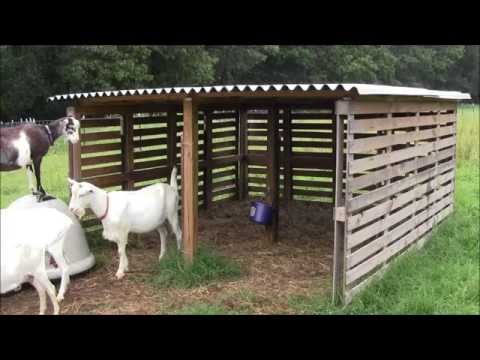
This one uses upright pallets to make a breezy but protected three sided shelter, then tops it off with corrugated metal so rain slides right off. I love that the natural gaps in the wood keep air moving, so it never feels stale during those sticky afternoons. The whole thing has that rugged, hardworking vibe that just fits in a pasture.
If you’ve got leftover exterior stain, give the pallets a quick coat. It’s an easy upgrade that helps the wood hold up longer when the weather gets moody.
Cozy Pallet A Frame
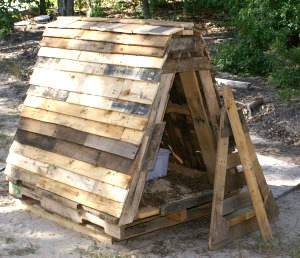
Can we just appreciate how cute this little A frame looks tucked into the shade? Leaning pallets together gives you a strong triangle shape that sheds rain fast and creates a private nook for goats that want a break from the herd. It feels like a tiny woodland cabin, and I’m not mad about it.
Goats love rubbing on walls, so sand the rough spots first. It keeps coats from snagging and makes the shelter feel smoother and safer.
The Play And Stay Station
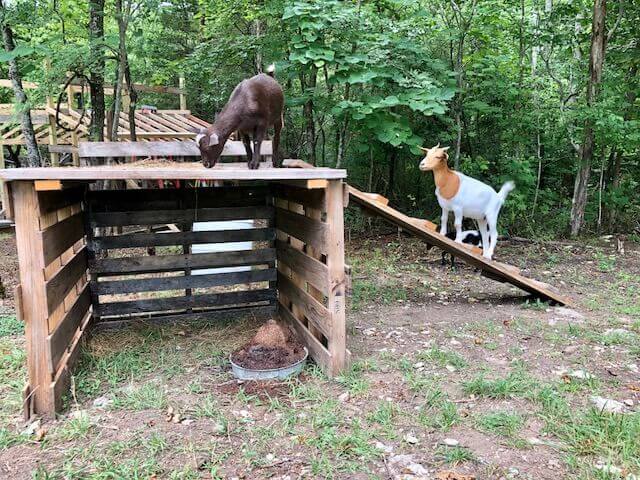
I’m lowkey obsessed with this design because it’s half shelter, half goat entertainment. They can duck into the darker interior when they want downtime, then climb the ramp and sit up top like they’re supervising the whole farm. It’s playful, active, and honestly keeps boredom from turning into chaos.
Add grip strips or rough tread to the ramp so it stays safe when it’s wet. Goats are brave, but slippery ramps are not the vibe.
Modern Farmhouse Goat Suite
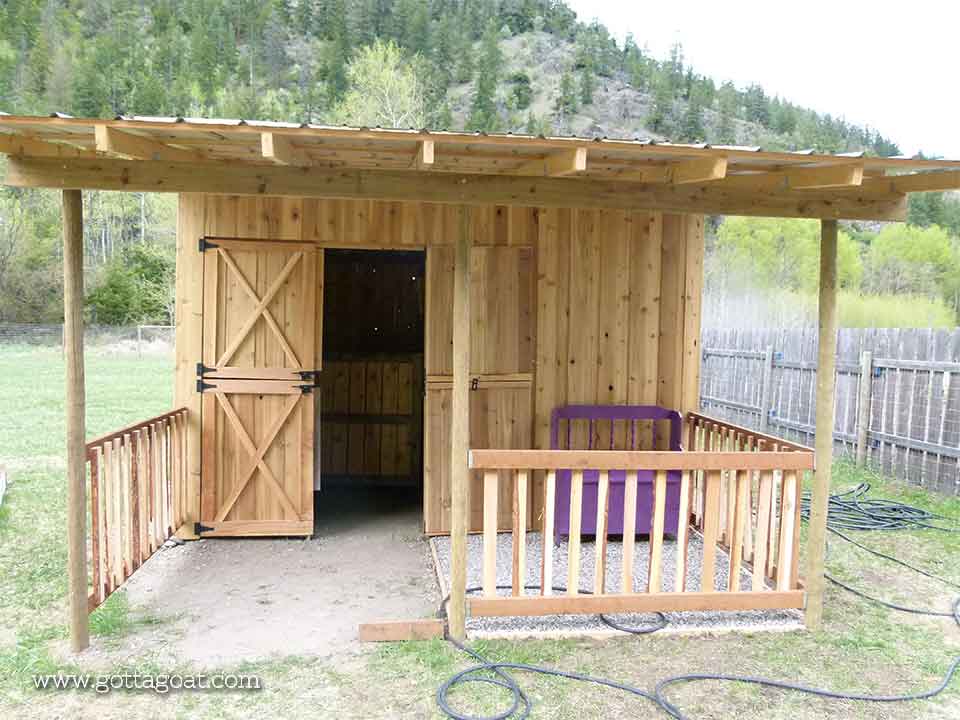
If you want your barnyard to match your home aesthetic, this clean timber setup is the one. The tall ceiling and wide opening make mucking out bedding way easier, and you won’t feel like you’re crouching the whole time. It has a calm, established energy, like a boutique stay for livestock.
I’d hang a few herb bundles inside. It’s simple, it smells good, and it adds that extra “this place is cared for” feeling.
The Minimalist Lean To
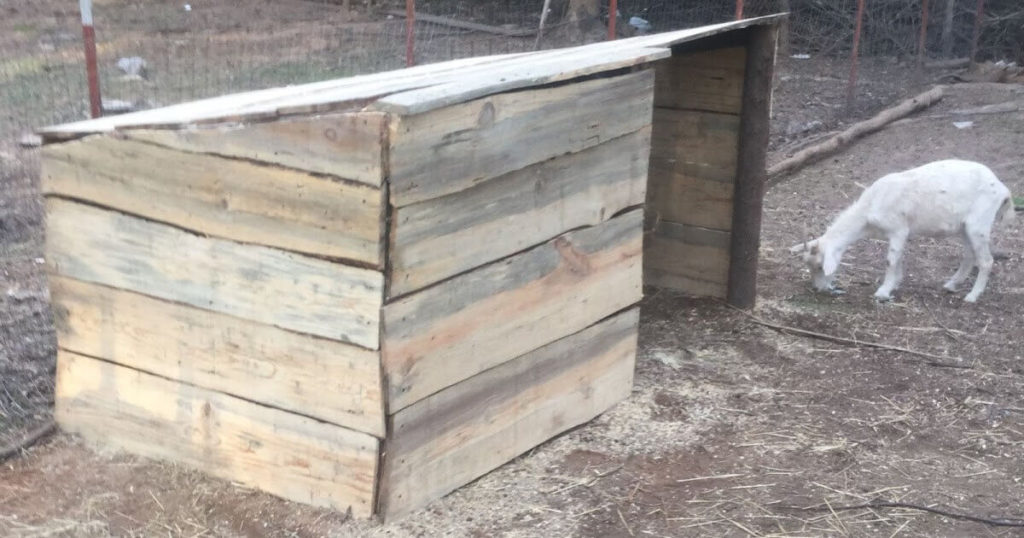
Sometimes you just need quick and functional, and this lean to does exactly that without being complicated. Long raw planks give it an organic look that blends right into the fence line, and the sheltered pocket feels like a calm spot for a goat that wants quiet. It’s straightforward and still looks intentional.
This is a great Saturday morning build when weather is coming in and you just want to get a roof up fast.
Multi Level Pallet Fortress
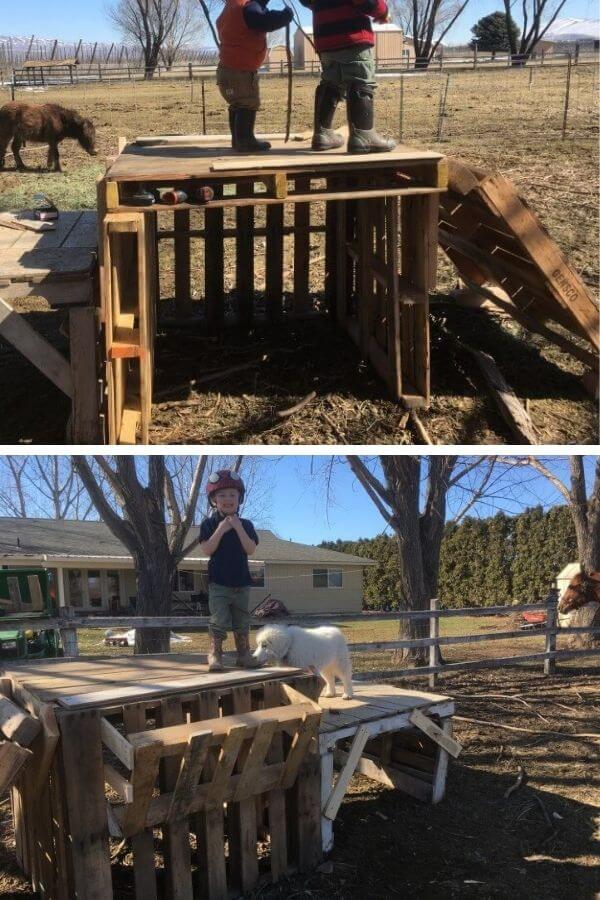
I didn’t expect to love a multi-part build this much, but watching goats climb and nap in different zones is ridiculously satisfying. It’s like a pallet village with platforms for jumping, shadows for lounging, and enough options that everyone finds their favorite spot. The vibe is high energy and a little chaotic in the best way.
Use heavy duty screws on the upper platforms. Goats hit those jumps with more force than you’d think.
Rugged Metal Shield
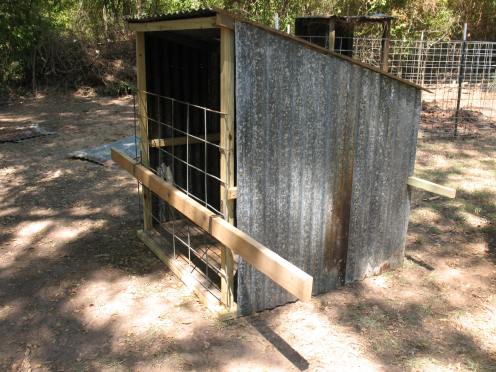
This one is for the practical people who want something that won’t rot and won’t quit. A wood frame with corrugated metal siding feels like a true fortress against wind and snow, and the whole structure gives off that no-nonsense, dependable mood. If your weather is wild, this is the kind of shelter you’ll be grateful for.
If summer sun makes the metal too hot, paint the roof white to reflect heat and help keep the interior cooler.
The Winter Pallet Bunker
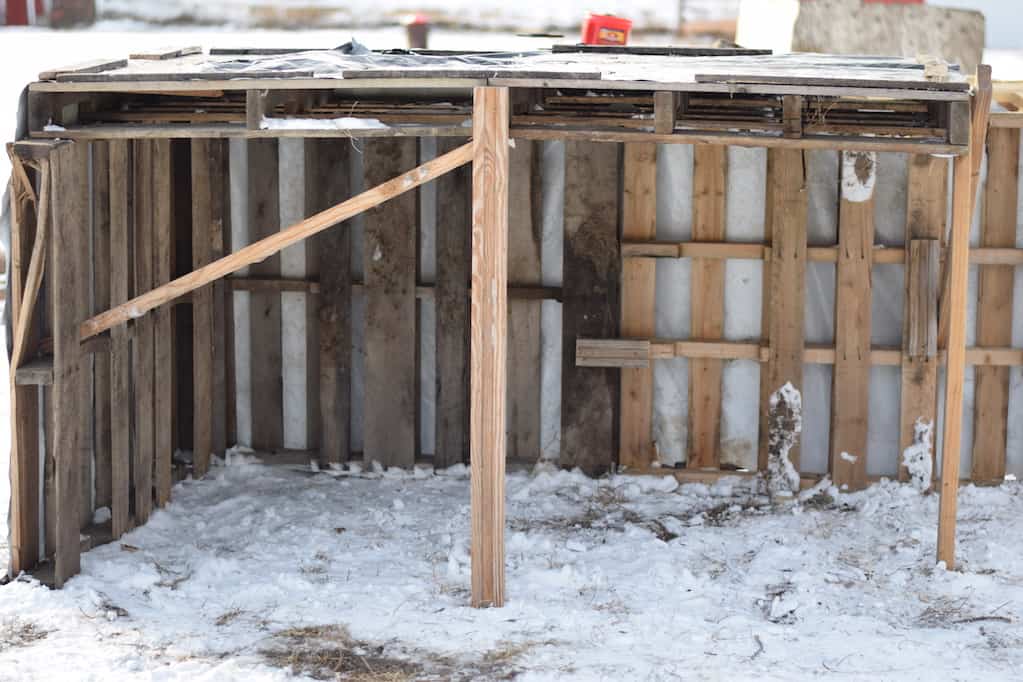
When snow hits, a deeper shelter like this starts feeling less like a nice-to-have and more like a lifesaver. The reinforced back wall blocks that biting wind, while the open front still lets goats watch the pasture. It gives off a grounded, protective feeling that makes you breathe easier.
Lay down an extra thick layer of straw or pine shavings so the bedding can build warmth over time, especially during long cold stretches.
Giant Cattle Panel Arch

This is such a smart homestead style hack: arch cattle panels over a pallet base and you’ve got a huge tunnel shelter for a surprisingly low cost. Cover it with a heavy tarp or even repurposed liners to keep it waterproof, and you’ve got tons of usable square footage. It feels like a central hub kind of shelter, roomy and practical.
I’d use this as a feeding hub since it’s tall enough to walk into without crouching, which makes chores so much less annoying.
The Tiny Cottage Pen
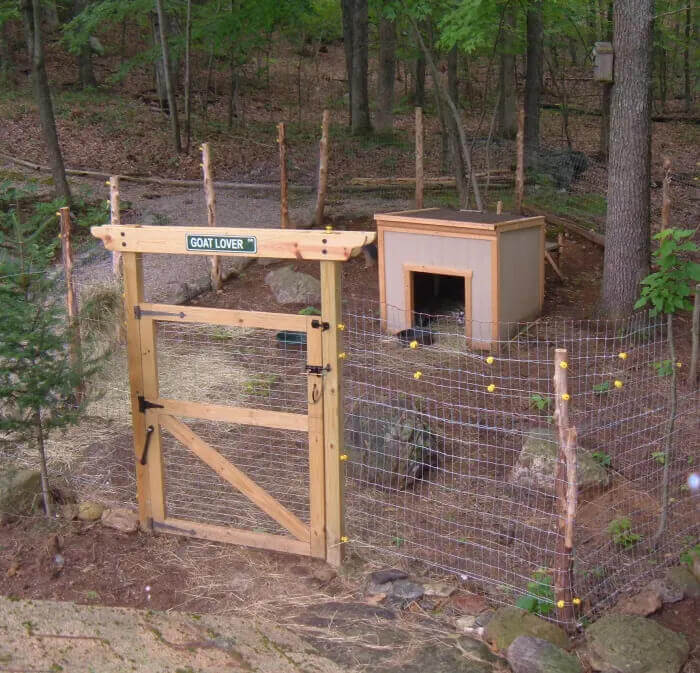
This is the goat lover dream: a mini house tucked inside a secure gated pen, like a tiny neighborhood just for pygmy goats. The flat roof and sturdy siding make it feel intentional and cared for, and the whole setup gives off a calm, orderly vibe even in the woods. It’s cute, but also really practical.
Those yellow fence insulators are a smart detail for curious jumpers who like to test boundaries.
All Weather Tarp Tunnel
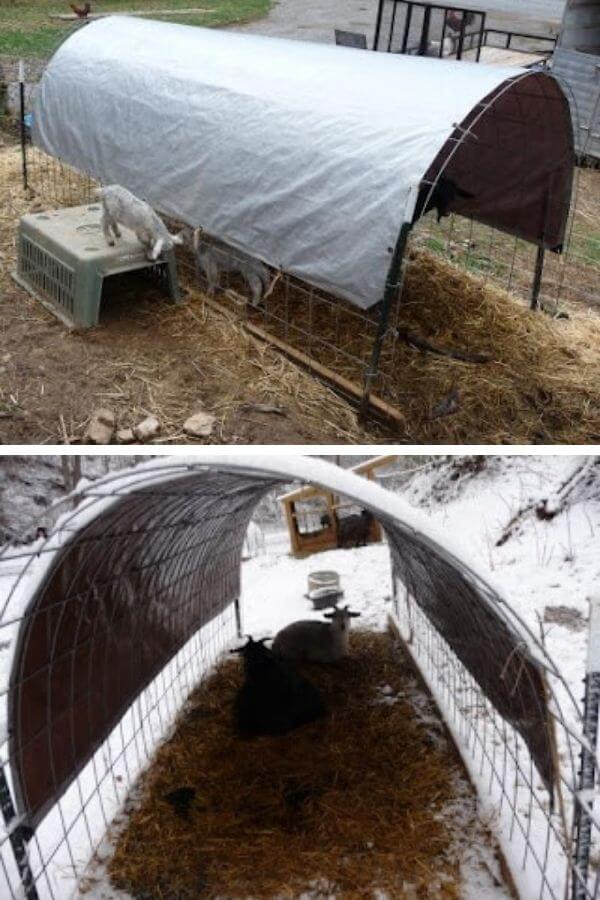
I love that this arch setup can be moved around the pasture so one patch of ground doesn’t turn into a mud pit. It’s a cattle panel frame with a reflective tarp, and it creates a surprisingly large dry zone. The vibe feels airy and bright, like the kind of spot goats choose when they just want to chew and lounge.
On a slow Sunday, you could even shift it closer to the porch so you can watch them hang out without trekking across the yard.
Heavy Timber Log Cabin
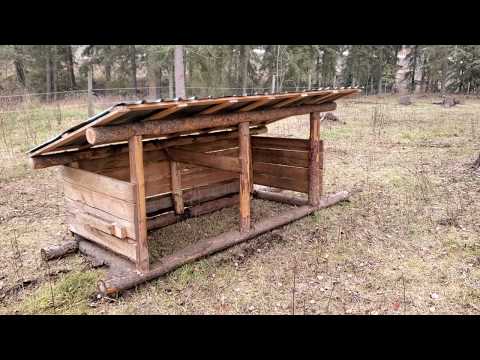
This looks like something you’d stumble on deep in the woods, built with thick log supports and a solid slanted roof. It feels sturdy in a forever kind of way, like it’s going to hold up for decades without much drama. It also blends into tree-heavy landscapes really naturally, which makes it feel like it belongs there.
If you want a long-term shelter for a small pair of goats, this is the kind of build that earns its keep year after year.
The Plywood Powerhouse
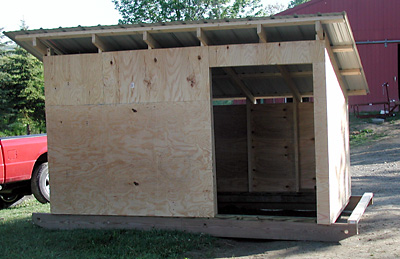
Got plywood sheets and a few 2x4s? You can build this clean, roomy shelter without overthinking it. The roof pitch keeps water from pooling, and that side opening helps hold warmth in when temperatures drop. It feels neat and professional, like something you’d see on a well-run farm.
Painting it barn red would be such a fun finishing touch if you want that classic farm look without changing the whole setup.
The Shady Pallet Pavilion
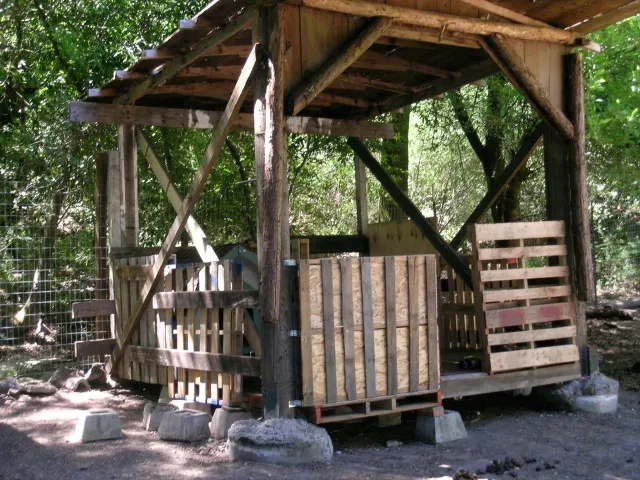
This is basically a covered porch for goats. Pallets create that open siding feel, the roof overhang throws serious shade, and the elevation keeps the floor drier which matters a lot for hoof health. It feels breezy and relaxed, like a summer retreat for the whole herd.
Toss a few large rocks around the entrance so they naturally file their hooves as they walk in and out.
Simple Slant Roof Pallet Box
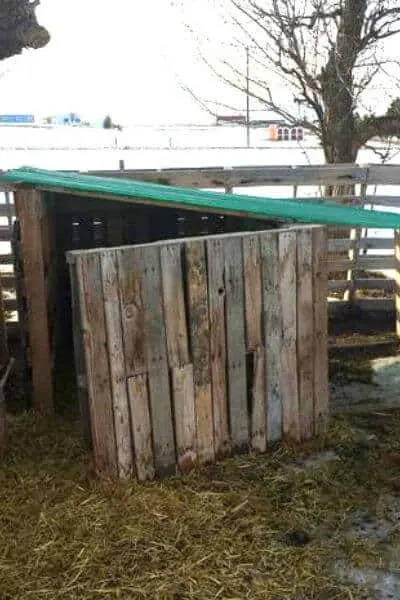
You really can’t beat the simplicity of three pallets and a piece of plastic roofing. It’s a fast build that gives goats a dry spot during quick rain or surprise wind. The mood is very “use what you’ve got,” and honestly that’s the heart of DIY homesteading.
Even a basic shelter like this is a huge upgrade from none, and it’s doable in under an hour if you’ve got materials ready.
The Homestead Workbench
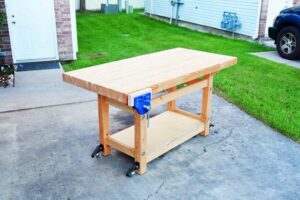
Every goat setup needs a solid human station too. A workbench like this gives you a place for meds, grooming tools, and snack prep without balancing everything on a fence rail. It feels productive and keeps your pen area from turning into a clutter pile.
Add hooks on the side for lead ropes and brushes so you’re not hunting for them when a goat decides it’s “nope” time.
The Classic Hay Buffet
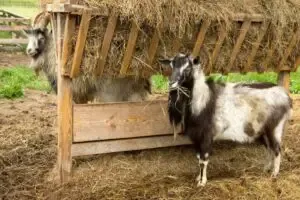
This elevated hay feeder is the goat version of a clean dining room. Keeping hay off the ground cuts down waste and keeps it dry, and that little roof is such a clutch detail in wet seasons. The setup creates a social spot where goats can eat together without stomping everything into the mud.
Place it near the shelter entrance so they can snack without trudging through the messiest parts of the pen.
The Straw Lined Hideaway
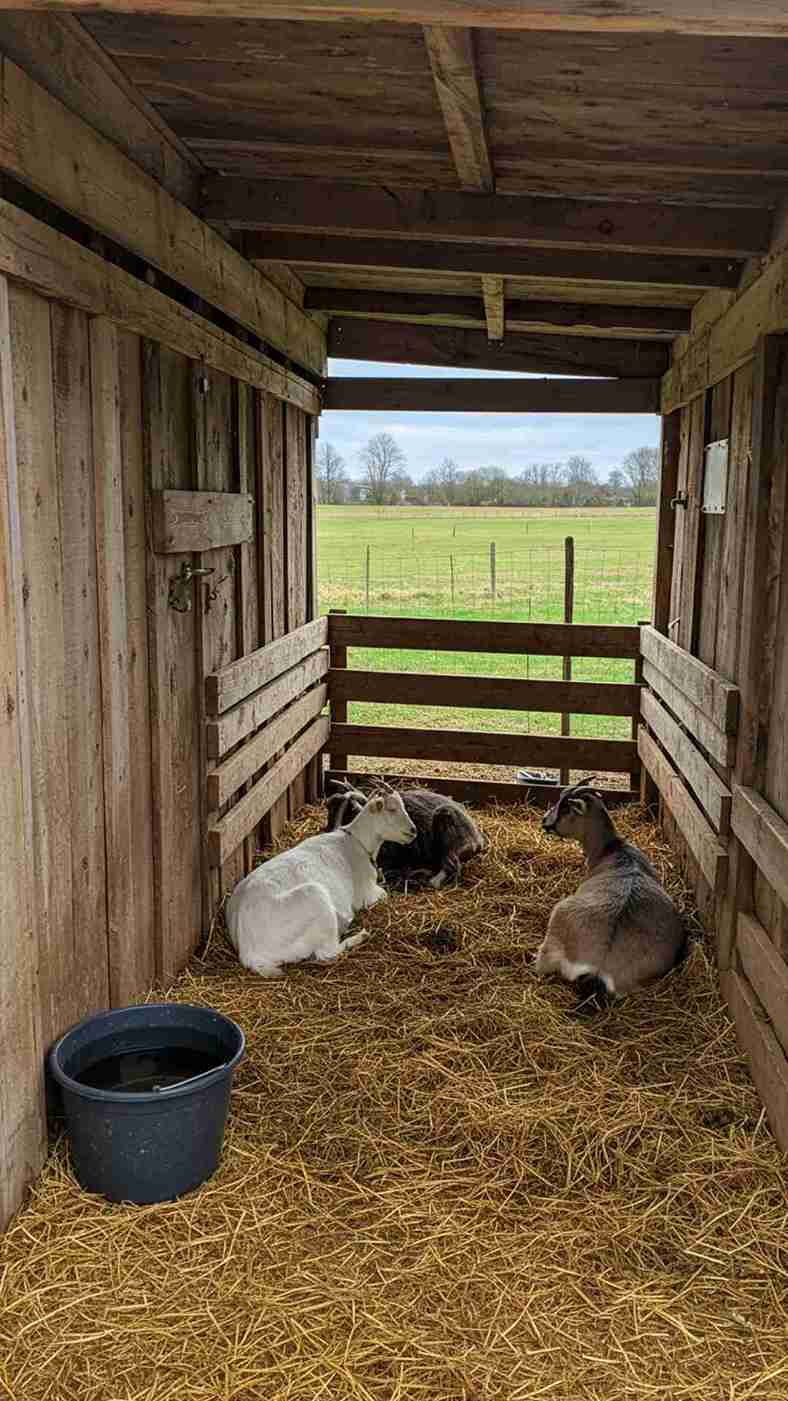
Look at those happy faces tucked into deep straw. High walls block wind, the open end keeps airflow and visibility, and the whole place feels like one big cozy bed. This is the kind of shelter goats choose when they want serious rest.
Keep the floor slightly sloped so any moisture drains away from the sleeping area. Dry bedding changes everything.
The Goat Treehouse Mansion
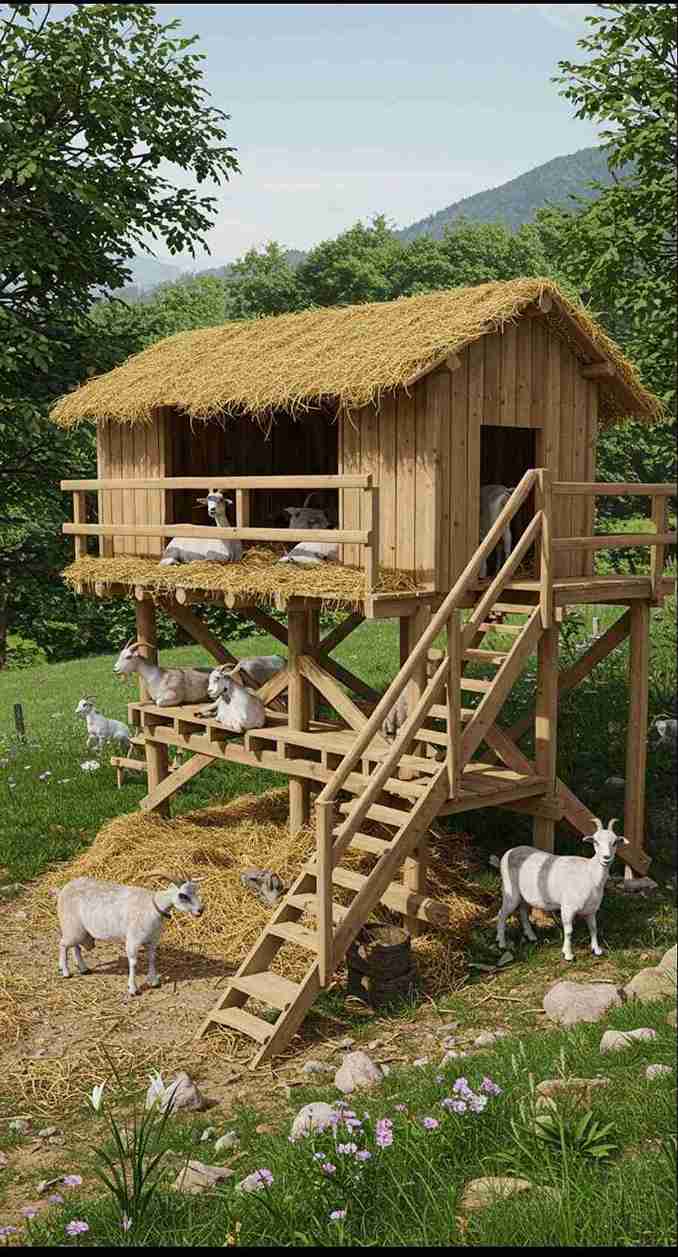
If you’re feeling extra, this two story setup with a thatched roof is peak goat luxury. They can hang out on the balcony, retreat into the upper room, and basically choose their own vibe all day. It feels straight out of a fairytale, and you know the goats are going to act like they own it.
It’s a bigger build, but the joy you’ll get from watching them climb those stairs makes it feel worth the effort.

Ethan Walker is the founder and editor of HandyCraftsHub. He oversees the editorial direction of the site and contributes in-depth home decor and DIY guides focused on practical, real-world application.
With experience in hands-on home projects and everyday design decisions, Ethan emphasizes livable spaces over short-term trends. His work prioritizes clarity, functionality, and long-term value, helping readers make informed choices with confidence.
As editor, Ethan reviews published content to ensure it meets HandyCraftsHub’s standards for accuracy, usefulness, and practicality.