19 Country Farmhouse Kitchen Ideas I Would Copy Instantly

A country farmhouse kitchen should feel warm and inviting, but getting that balance right is not always easy. Without the right mix of elements, the space can feel either too plain or overly styled.
Many people try to recreate the look but end up with mismatched pieces or décor that doesn’t feel natural. It can quickly lose that cozy, lived-in charm that farmhouse kitchens are known for.
The good news is you don’t need a full renovation to achieve the look. With a few thoughtful details, you can create a kitchen that feels both functional and full of character.
This article brings you 19 country farmhouse kitchen ideas to help you design a cozy and timeless space. Practical inspiration that works for real homes and everyday use.
Let’s jump in!
Easy Ways to Create a Cozy Farmhouse Kitchen Look
A farmhouse kitchen works best when comfort and simplicity come together. Start with natural materials like wood, stone, or neutral finishes that feel warm without being overwhelming.
Think about how the space looks and functions. Open shelves, soft lighting, and simple décor can make the kitchen feel relaxed while still being practical for daily use.
You can also add small touches like vintage accents or woven textures to bring in character. With the right balance, your kitchen feels welcoming, timeless, and easy to live in.
1. Shiplap Walls for a Rustic Touch
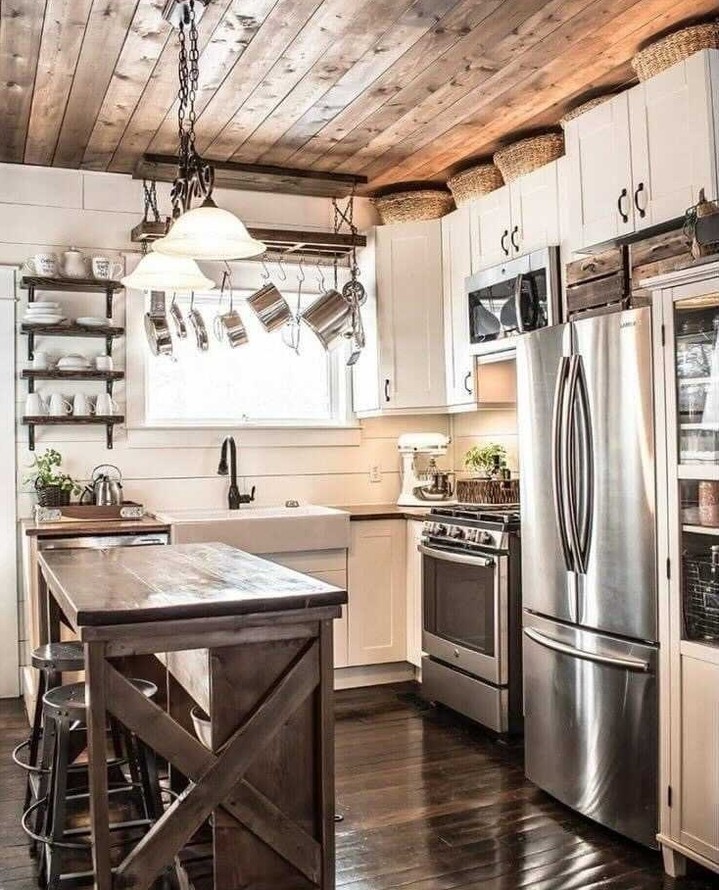
Shiplap instantly adds texture, but in kitchens with low natural light, darker wood tones can make the space feel closed in. White painted panels reflect light better and keep the room feeling open. The horizontal lines also subtly widen narrow layouts.
Choosing between matte-painted shiplap and a natural wood finish changes the overall mood. Matte white feels cleaner, while raw wood leans warmer but heavier. Placement matters too; a full wall works differently than a small accent section.
One thing people miss is sealing. In cooking zones, unsealed wood absorbs grease over time. A simple protective coat keeps the surface easier to maintain without losing that soft, aged look.
2. Farmhouse Sink for Practical Elegance
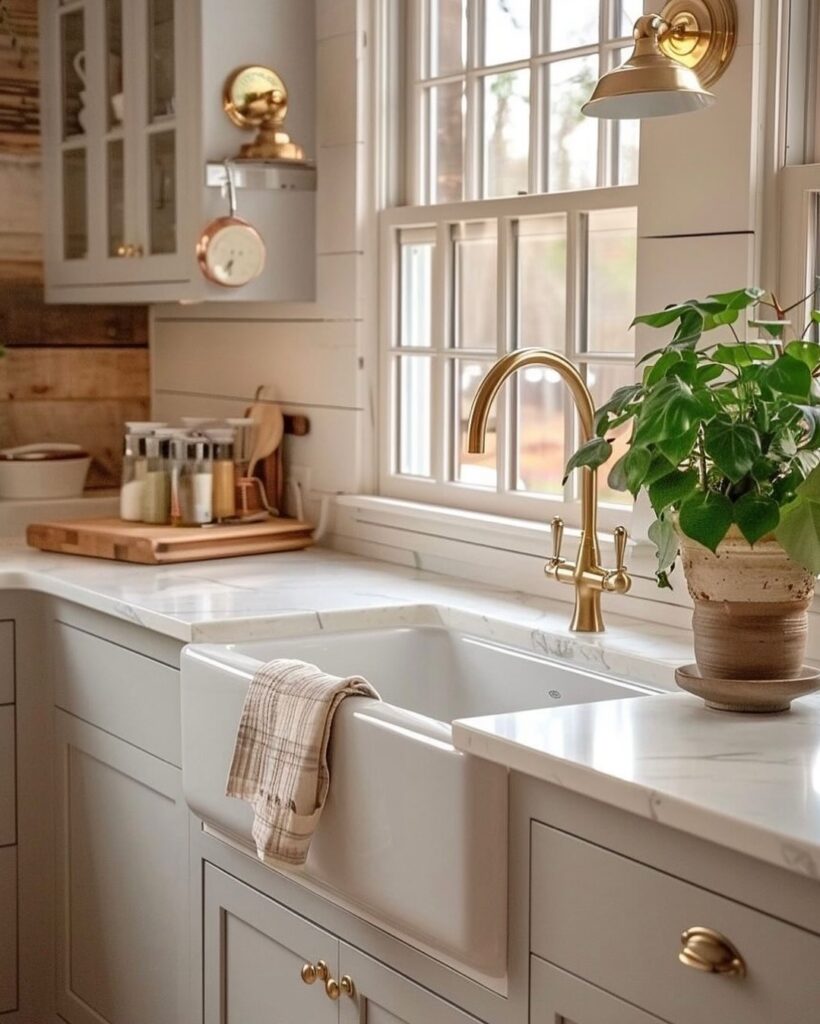
A farmhouse sink looks great, but in compact kitchens, the deep basin can take up more cabinet space than expected. This affects storage below, especially if plumbing limits how much you can adjust.
Material choice changes daily use. Porcelain feels classic but shows scratches, while stainless steel handles heavy use better but looks more modern. The front apron also becomes a visual focal point, so proportions matter with cabinet height.
Water splashes more than people expect with deeper basins. Slightly pulling the faucet forward or choosing a higher arc reduces mess around the edges and keeps the surrounding counter dry.
3. Vintage-Inspired Light Fixtures
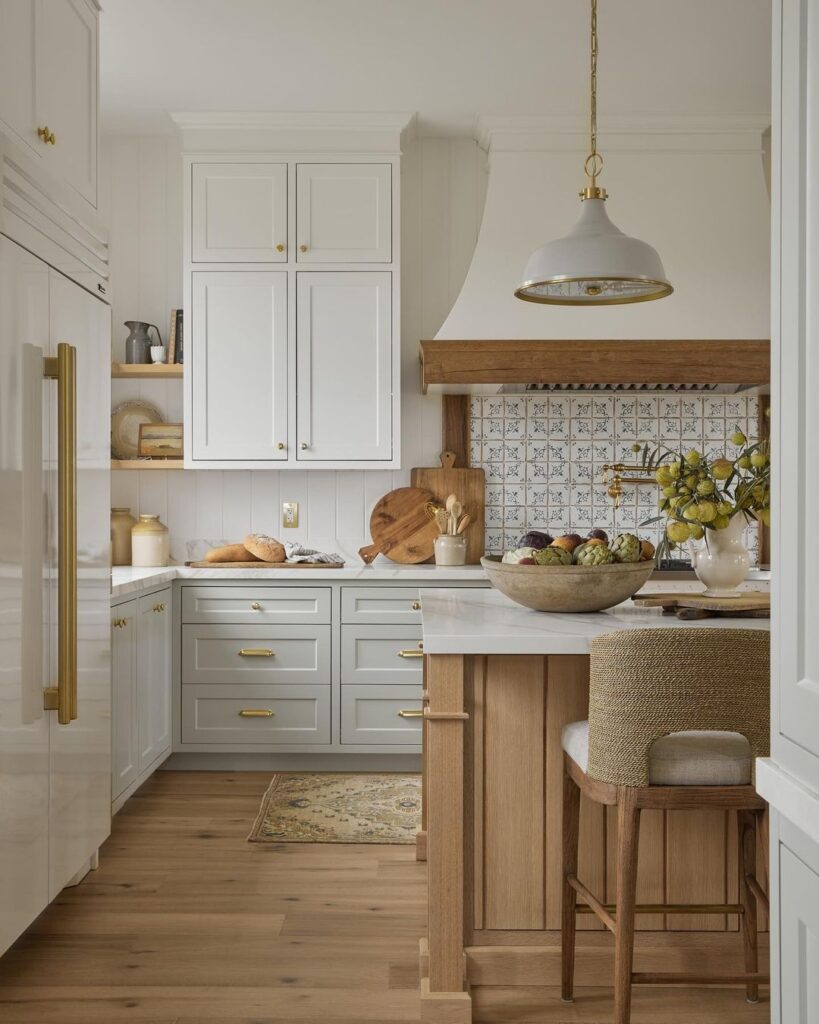
Lighting shapes how the kitchen feels, especially in spaces with limited ceiling height or uneven lighting zones. Oversized pendants can feel crowded, while smaller fixtures might not provide enough coverage over prep areas.
Finishes like matte black, aged brass, or bronze influence the warmth of the room. Warmer metals soften the look at night, while darker finishes create contrast against lighter cabinets and walls.
One small detail that often gets overlooked is bulb tone. Warm LED lighting enhances the farmhouse feel, while cooler light can make wood and textures look flat and less inviting.
4. Open Shelving for a Country Charm
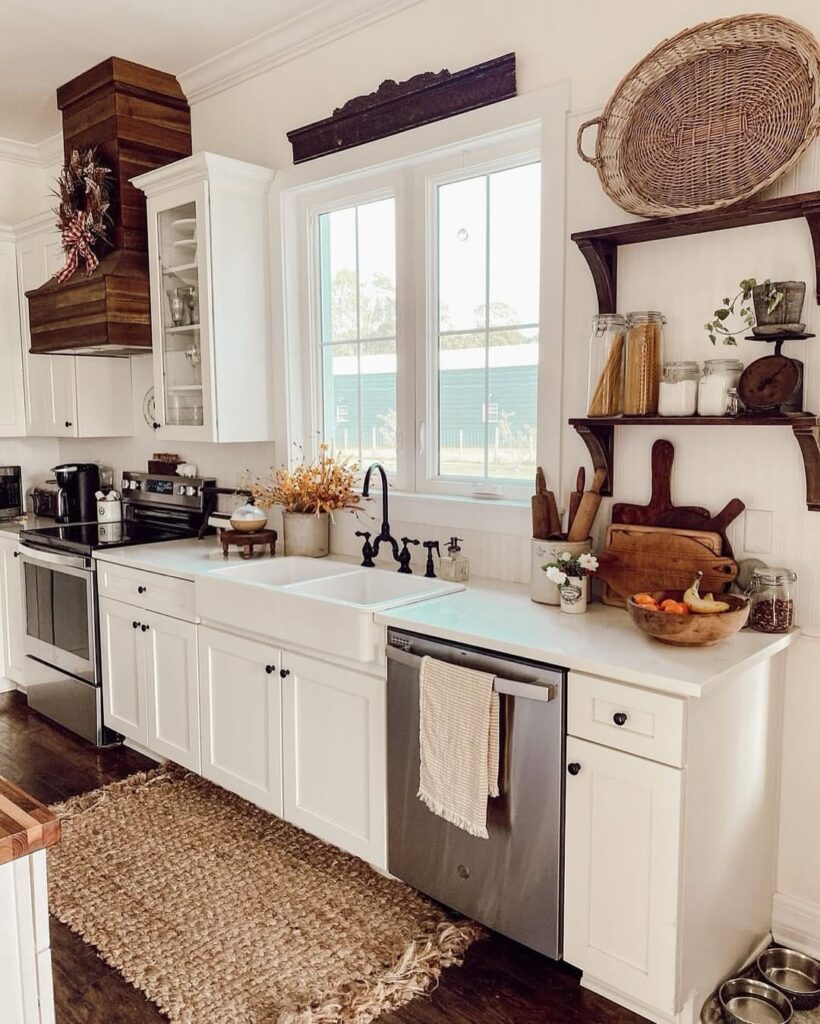
Open shelving works well in kitchens that already feel tight, but in busy or high-use spaces, it can quickly look cluttered. Without a system, everyday items start to pile up and lose that clean visual appeal.
Using thicker wood shelves or slightly distressed finishes adds character, while spacing between shelves affects usability. Too close and larger items do not fit, too wide, and it feels empty.
Dust and grease build up faster than expected. Keeping frequently used items on lower shelves and decorative pieces higher up makes cleaning more manageable over time.
5. Butcher Block Countertops for Natural Beauty
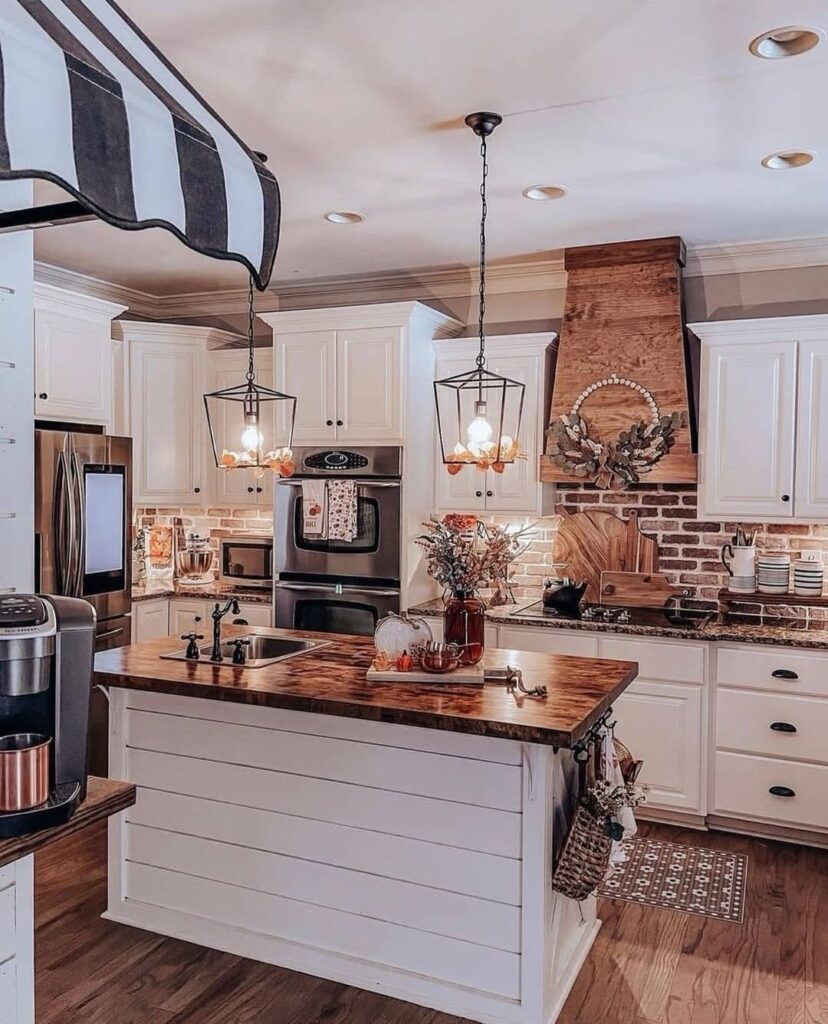
Butcher block adds warmth, though in kitchens with heavy cooking or high humidity, it requires more care than stone surfaces. Water exposure around sinks can lead to swelling if not properly sealed.
The finish plays a big role. Oiled surfaces feel softer and more natural, while sealed finishes offer better protection but slightly reduce that raw texture. Pairing with lighter cabinets helps balance the visual weight.
Many people overlook how it ages. Small knife marks and color changes develop over time, but instead of looking worn, they create a lived-in surface that actually enhances the farmhouse feel.
6. Distressed Cabinetry for Rustic Appeal
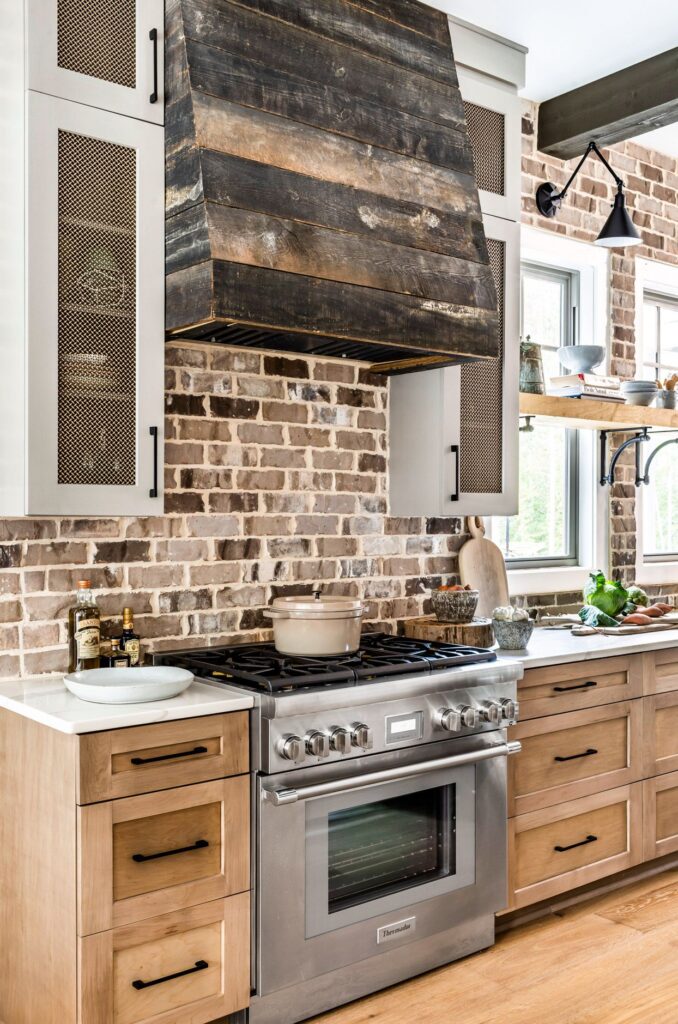
Distressed cabinets bring character, but in smaller kitchens or low-light spaces, heavy distressing can feel visually busy. Lighter finishes or subtle wear patterns keep the look balanced without overwhelming the room.
The finish matters more than expected. Layered paint with soft sanding creates depth, while overly chipped surfaces can look forced. Hardware like wrought iron or aged brass adds contrast without competing with the cabinet texture.
One detail people miss is consistency. Mixing too many distressed styles in one space can feel unplanned. Keeping the wear pattern similar across cabinets helps everything feel intentional.
7. Farmhouse-Style Dining Table for Family Meals
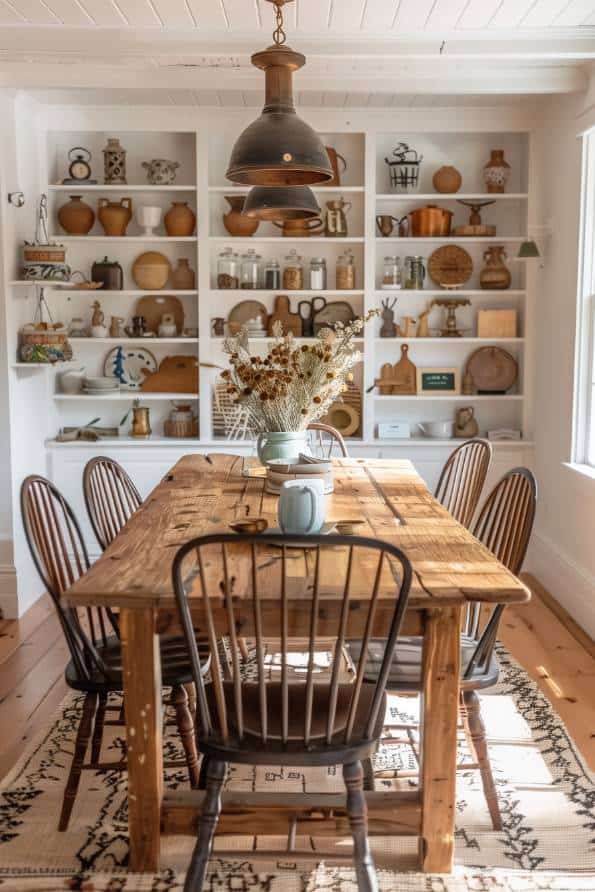
A farmhouse table anchors the space, though in narrow kitchens or open layouts, oversized tables can restrict movement. Measuring walking space around it makes a noticeable difference in daily use.
Material choice changes the feel. Reclaimed wood shows grain and imperfections, while smoother finishes feel slightly more refined. Pairing with mismatched chairs adds personality without making the setup look chaotic.
Edges and corners matter more than expected. Softer, rounded edges make the table easier to move around, especially in busy households where the table gets used throughout the day.
8. Antique and Vintage Accessories

Vintage pieces add depth, but in already decorated kitchens, too many small items can create visual clutter. Spacing them out keeps each piece noticeable rather than blending into the noise.
Materials like aged metal, ceramic pitchers, or wooden crates introduce contrast against smoother surfaces. Placement matters; grouping similar tones or textures creates a more cohesive look.
A common mistake is displaying everything at once. Rotating a few items seasonally keeps the space feeling fresh without constantly adding more decor.
9. Farm Fresh Herb Garden

An indoor herb setup works well, but in kitchens with limited sunlight, herbs can struggle to grow properly. Positioning near a bright window or adding a small grow light improves consistency.
Container choice affects both function and style. Clay pots absorb moisture, while glazed containers retain it longer. This small difference changes how often you need to water.
Water drainage is often overlooked. Without proper holes or trays, excess water builds up and damages surfaces. A simple liner or tray keeps the setup clean and easier to manage.
10. Subway Tile Backsplash for Classic Appeal
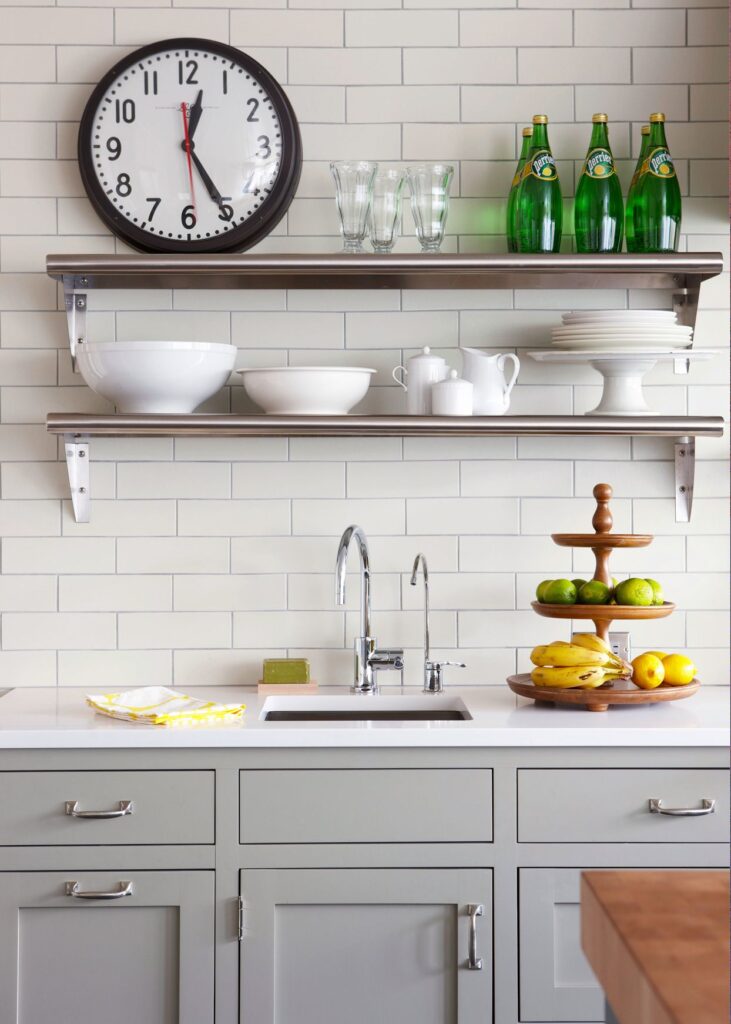
Subway tile keeps things clean, though in larger kitchens, plain white layouts can feel too flat without contrast. Adding a slightly darker grout line helps define the pattern without overpowering it.
Finish selection changes the result. Glossy tiles reflect more light, making the space brighter, while matte finishes reduce glare and feel softer. Tile size and layout also influence how modern or traditional it looks.
Grout maintenance is often underestimated. Lighter grout shows stains over time, especially near cooking zones. Choosing a slightly darker shade helps keep the backsplash looking cleaner with less effort.
11. White and Neutral Color Scheme
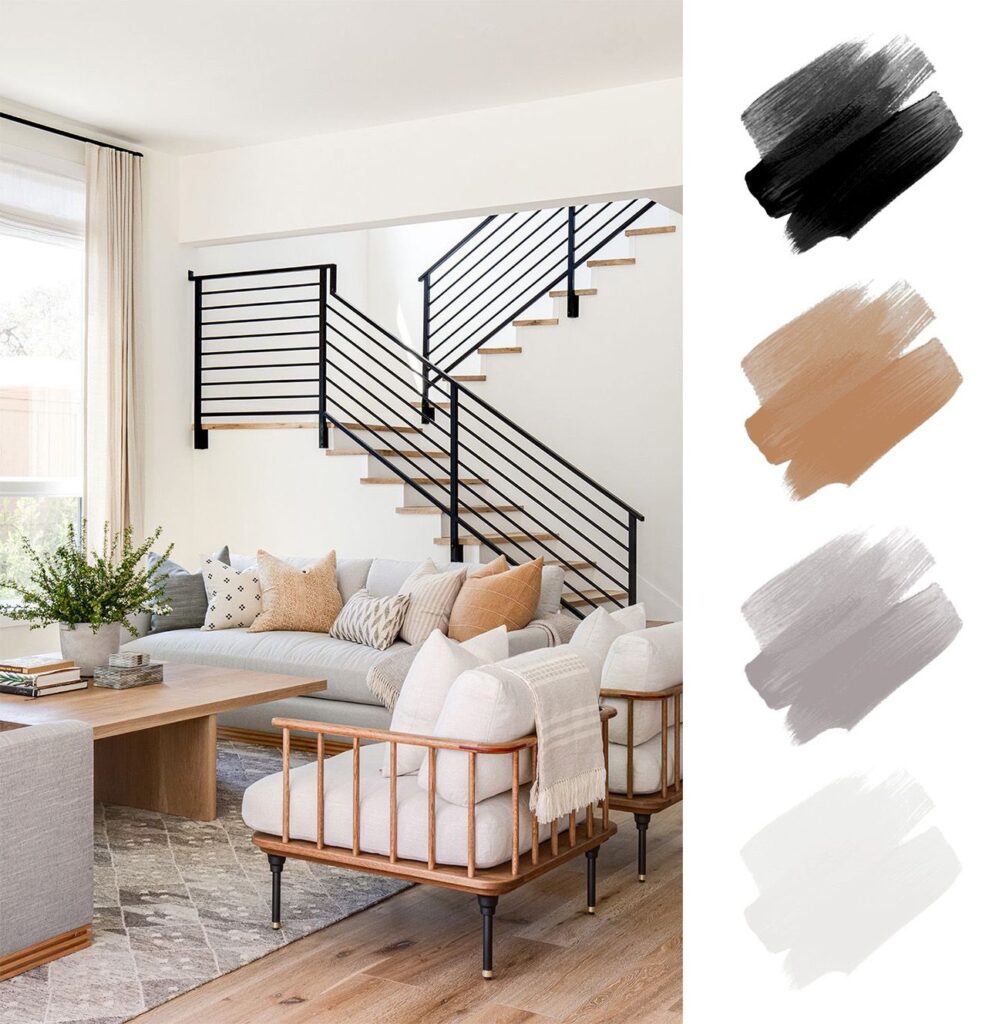
A neutral palette opens up the space, but in kitchens with limited natural light, overly cool whites can feel flat. Warmer tones like cream or soft gray keep the space bright without making it feel sterile.
Combining textures is what makes it work. Matte cabinets, natural wood, and light stone surfaces create depth without adding color. Small accents like linens or ceramics introduce variation without breaking the calm look.
One detail that often gets missed is lighting temperature. Cooler bulbs can make whites feel harsh, while warm lighting softens everything and keeps the space feeling comfortable throughout the day.
12. Vintage Stove for Classic Cooking
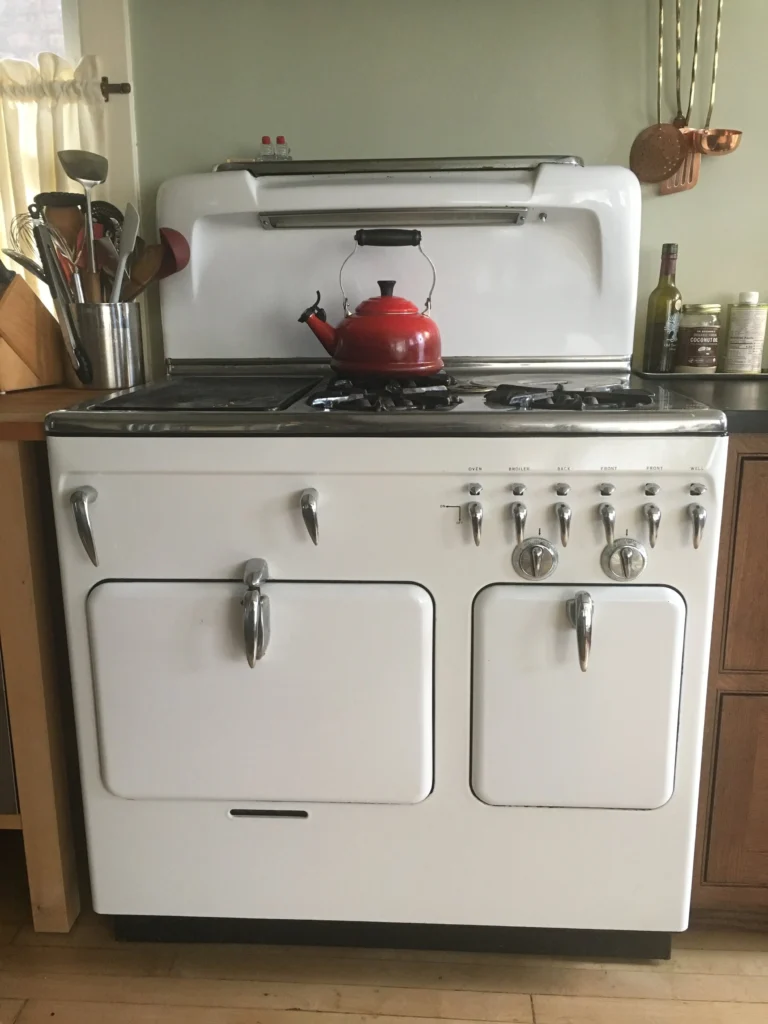
A vintage-style stove stands out, though in smaller kitchens, its bulk can dominate the layout. Proper spacing around it helps maintain flow, especially near prep zones.
Design details matter here. Enamel finishes or cast iron elements bring that classic look, while modern internal features keep it practical. Pairing it with simple cabinetry prevents the space from feeling too heavy.
Heat output is something people often overlook. Some vintage-style ranges run hotter than expected, so proper ventilation becomes important to keep the kitchen comfortable during longer cooking sessions.
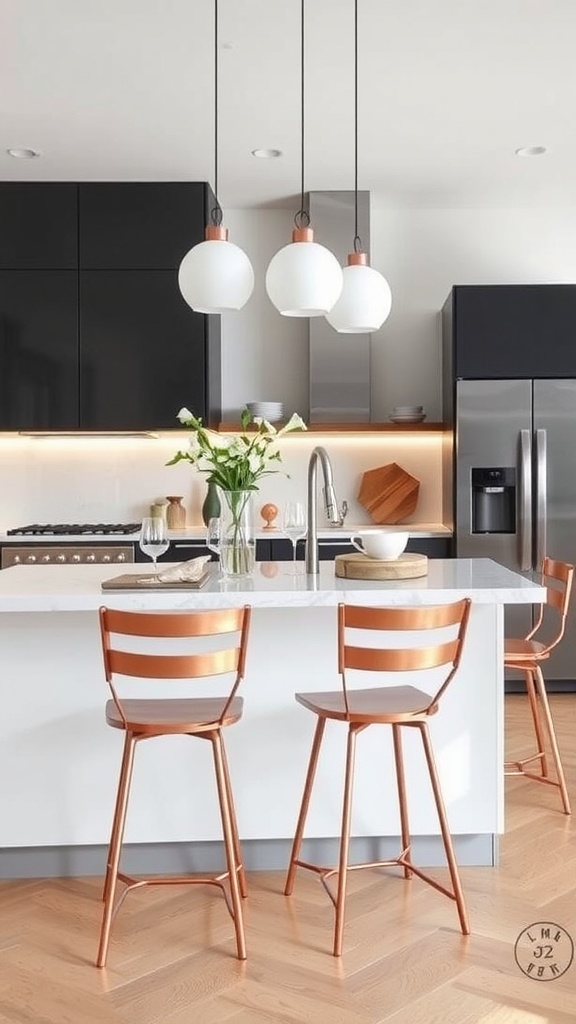
13. Copper Accents for Warmth
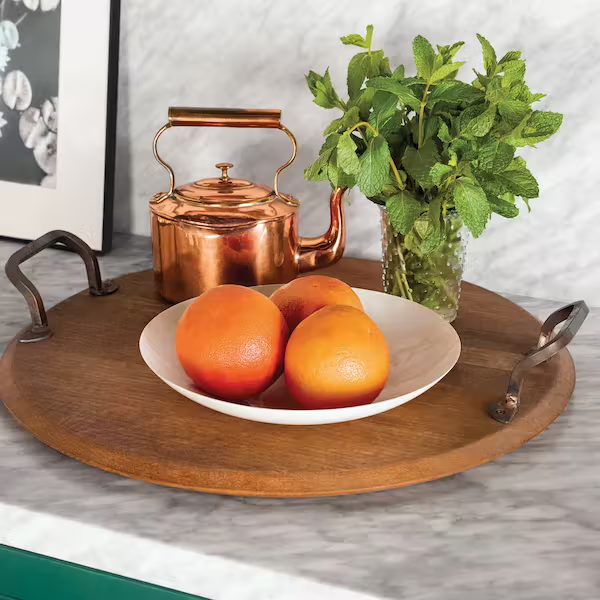
Copper adds warmth quickly, but in spaces with darker cabinets or low light, too much of it can feel heavy. Using it in smaller touches keeps the balance right without overwhelming the room.
The finish changes everything. Polished copper feels brighter, while aged or brushed finishes blend more naturally with wood and neutral tones. Mixing a few copper pieces across the space helps tie everything together.
Patina development is often underestimated. Over time, copper darkens and changes tone, which adds character, but uneven exposure can create inconsistent spots if not cleaned occasionally.
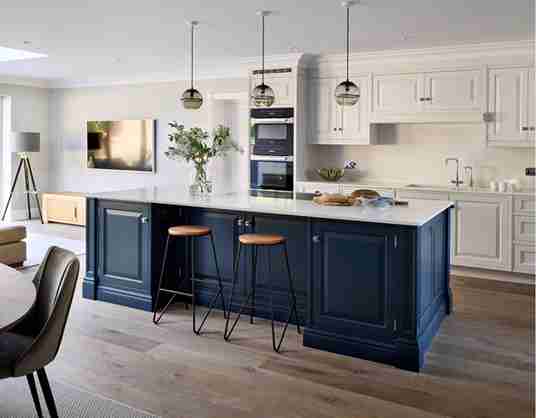
14. Farmhouse Island for Extra Counter Space
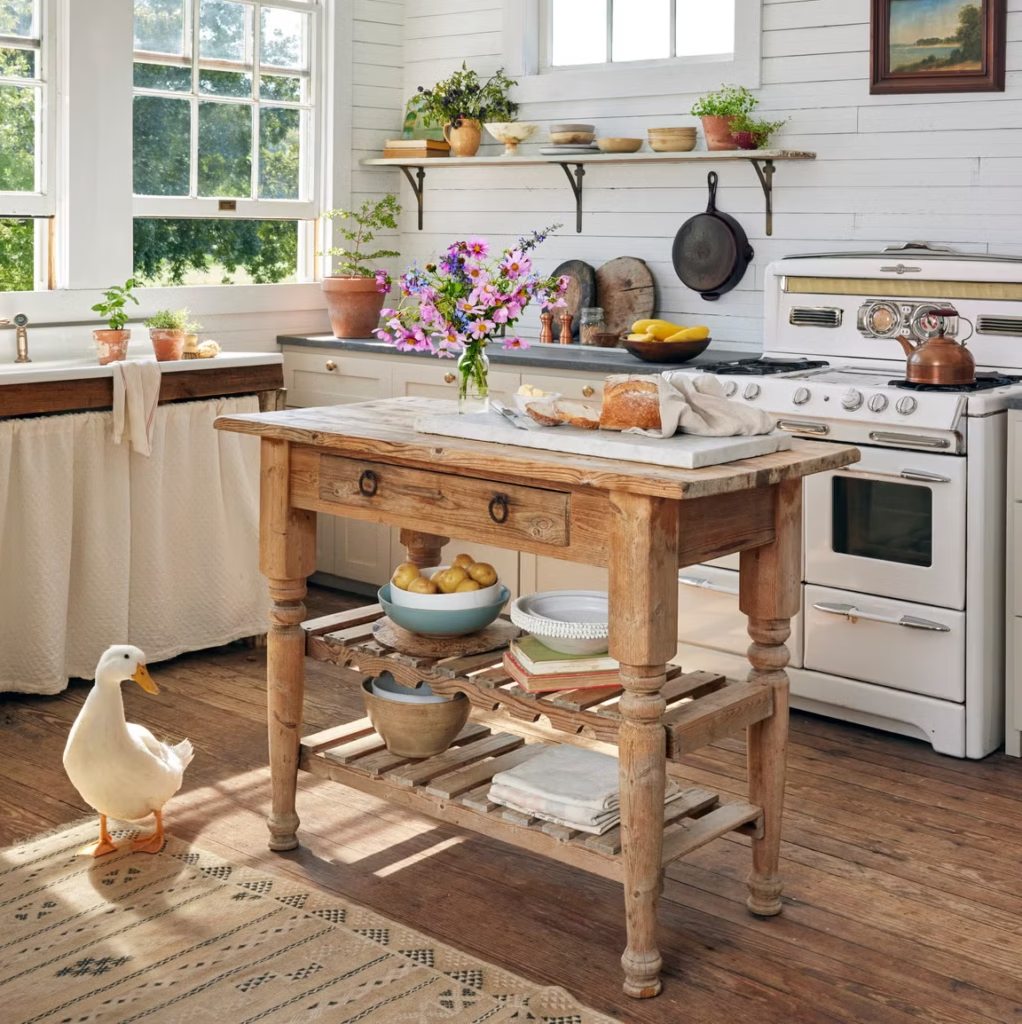
An island adds function, though in tight layouts, it can interrupt movement between key areas. Keeping enough clearance around all sides makes the kitchen easier to navigate daily.
Material choice sets the tone. Reclaimed wood bases bring texture, while stone or marble tops add contrast and durability. Storage options like open shelves or drawers improve how the space is used.
Height alignment matters more than expected. If the island sits slightly higher or lower than the surrounding counters, it becomes uncomfortable for prep work over time. Matching heights keeps it practical.
15. Vintage Rugs for Color and Comfort
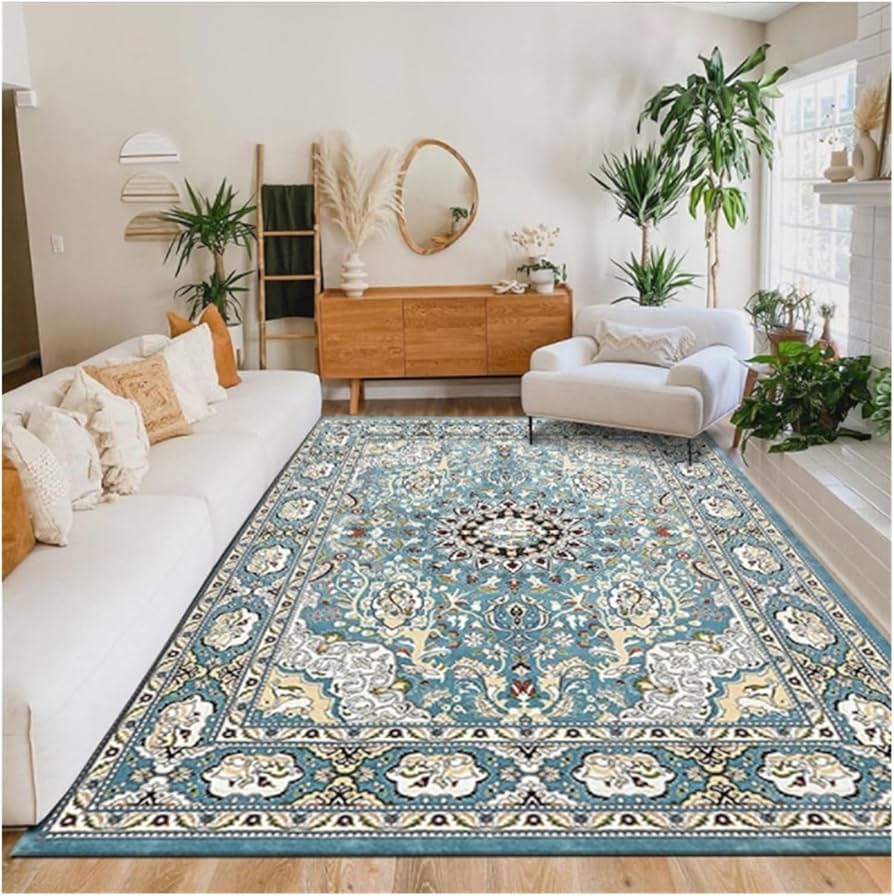
Rugs add softness, but in high-traffic kitchen areas, lighter fabrics can wear out quickly or show stains. Choosing slightly darker tones or patterns helps maintain the look longer.
Material makes a difference. Flat weave or low-pile rugs are easier to clean and stay in place better than thicker options. Placement near sinks or prep zones adds comfort where you stand most.
One small issue people notice later is slipping. Without a proper rug pad, even heavier rugs can shift over time, especially on smooth flooring, which makes them less safe during daily use.
16. Rustic Wooden Beams for Architectural Charm
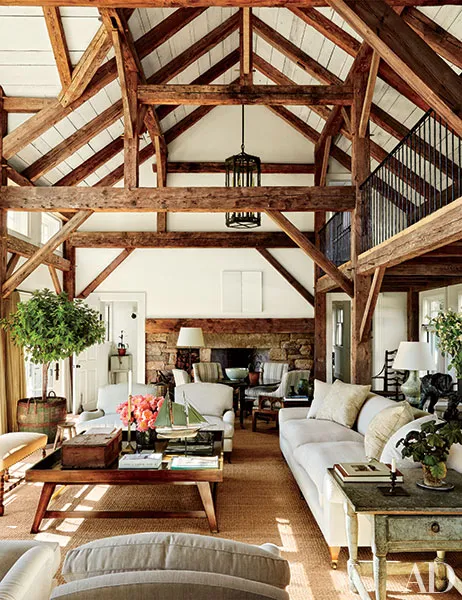
Wooden beams add structure visually, but in low-ceiling kitchens, thick beams can make the space feel compressed. Slimmer beams or lighter wood tones help maintain height without losing that farmhouse character.
Material choice changes the effect. Rough-cut wood feels more traditional, while smoother finishes lean slightly modern. Even faux beams can work well if the color and grain match other wood elements in the room.
Alignment matters more than expected. Beams that do not follow the room’s layout can feel off balance, so keeping them parallel to the longest wall usually creates a more natural flow.
17. Pantry with Barn Doors for Functionality and Style
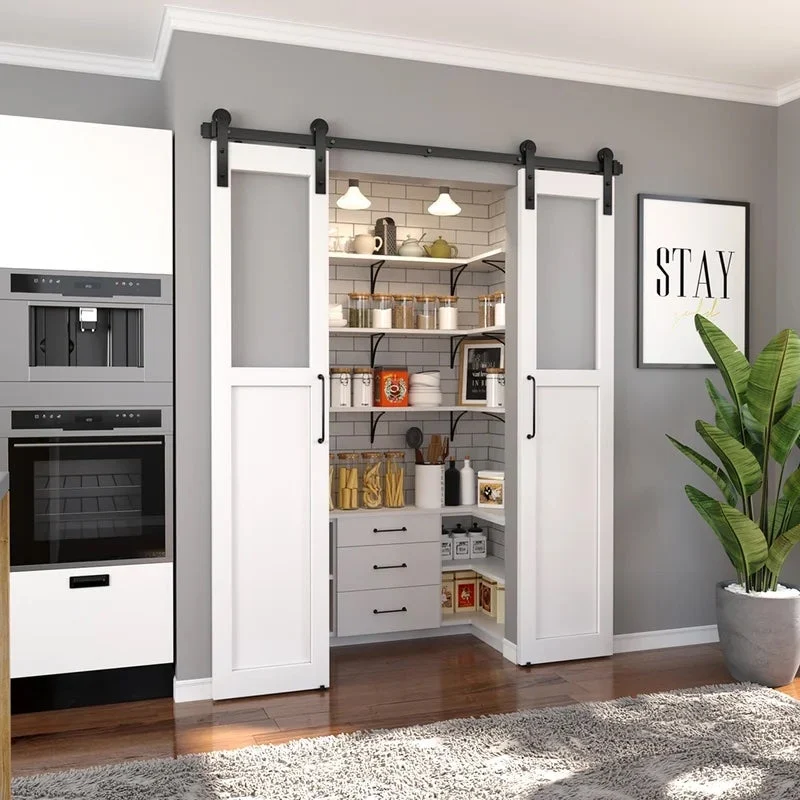
Barn doors save space, though in tight wall layouts, the sliding track needs clear room to operate. If nearby cabinets or switches block the path, it becomes inconvenient over time.
The finish sets the tone. Reclaimed wood adds texture, while painted doors feel cleaner and lighter. Inside, using glass jars or baskets keeps items visible and reduces daily searching.
One small issue people notice later is noise. Sliding doors can feel heavy or loud without proper track installation, so soft-close hardware makes a noticeable difference in daily use.
18. Farmhouse-Style Window Treatments
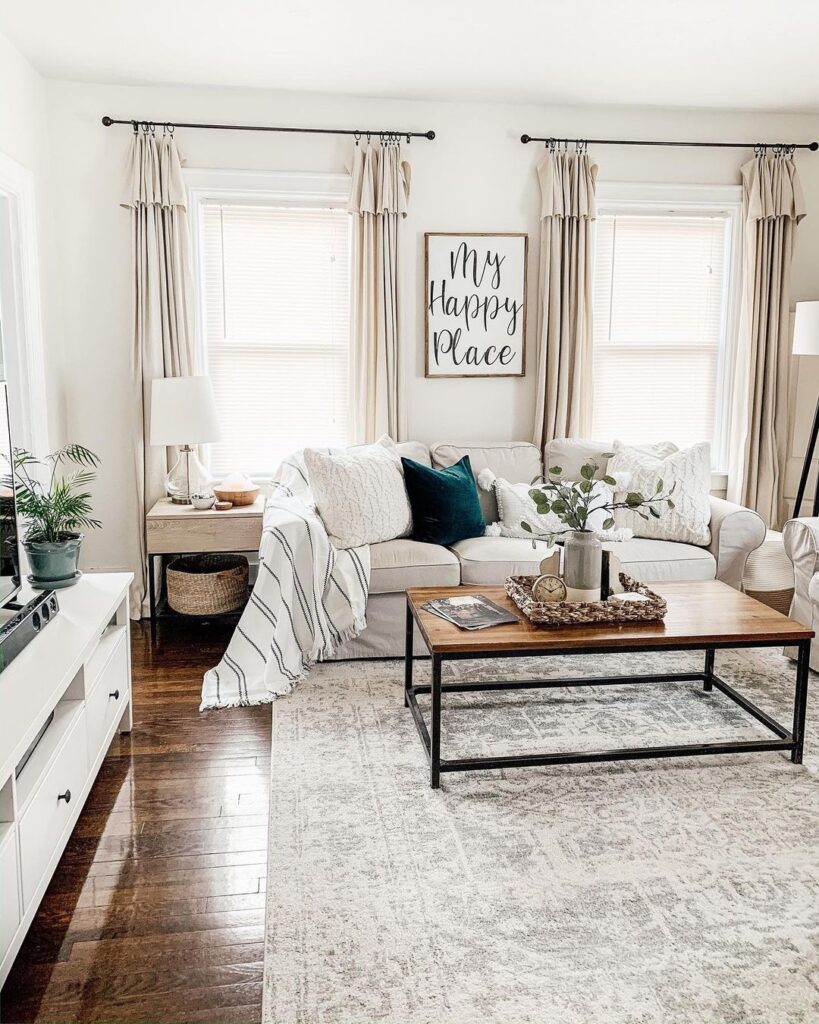
Window coverings shape the light, but in kitchens with strong sunlight, thin fabrics can cause glare during the day. Slightly thicker linen or layered treatments help control brightness without darkening the space.
Fabric and style matter. Soft cotton curtains create movement, while woven shades add texture and structure. Patterns like gingham or subtle florals introduce detail without overpowering neutral kitchens.
Length is often overlooked. Curtains that sit just above the sill feel cleaner in kitchens, especially near sinks, where longer fabric can pick up moisture or stains over time.
19. Built-In Seating for a Cozy Nook
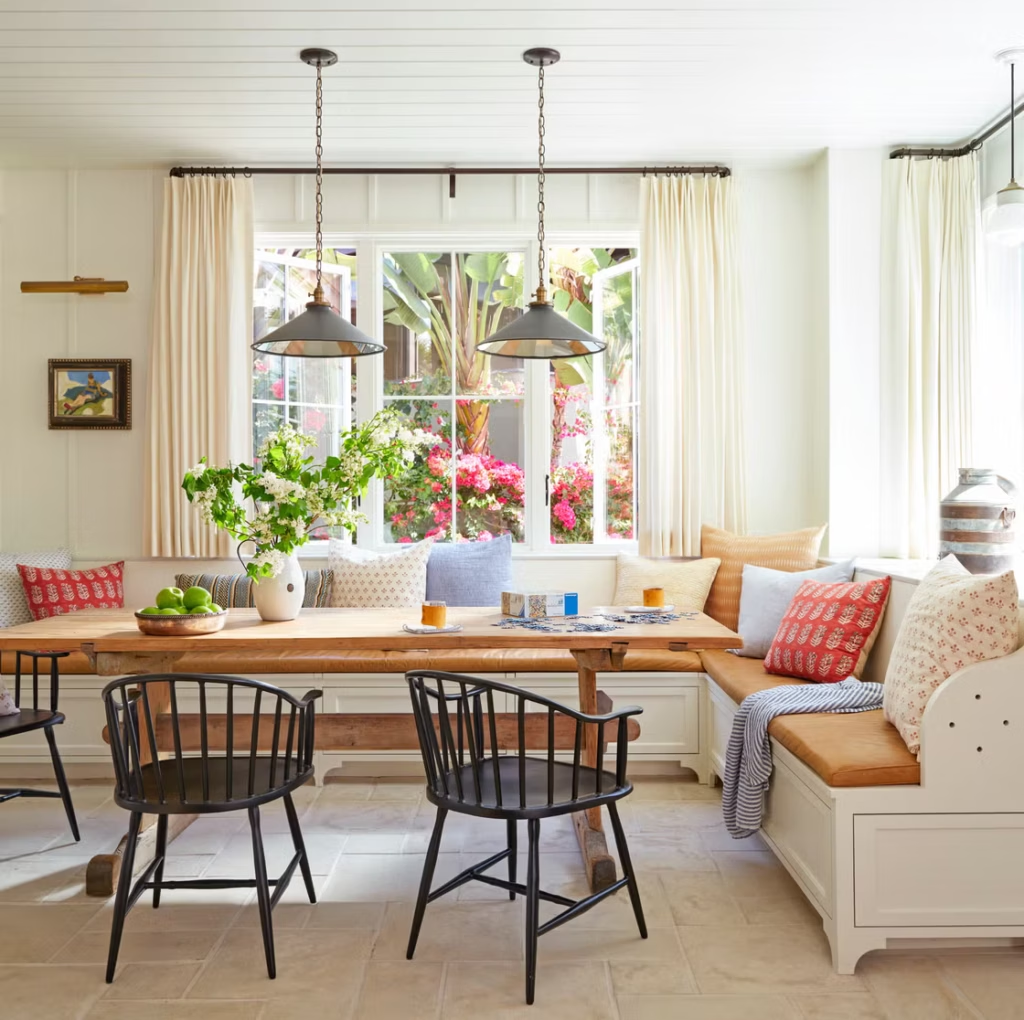
Built-in seating creates a relaxed corner, but in compact kitchens, it can reduce flexibility if placed too close to main walkways. Careful positioning keeps it functional without blocking movement.
Design details improve usability. Firm cushions with removable covers are easier to maintain, while hidden storage under the bench adds practical value. A simple wood base keeps the look consistent with farmhouse elements.
Comfort depends on depth. Benches that are too shallow feel stiff, while deeper seating allows you to sit longer without discomfort. This small adjustment changes how often the space actually gets used.
Conclusion
Creating a farmhouse kitchen often becomes harder when too many elements are added without thinking about how they work together. What looks good in photos can quickly feel crowded or impractical in everyday use.
A more thoughtful approach focuses on balance. Materials, layout, and small functional details shape how the space feels over time, not just how it looks on day one. Choosing fewer, well-placed features often creates a stronger result.
When each element supports daily use, the kitchen starts to feel natural and easy to live in. That is what gives a country farmhouse kitchen its lasting appeal, not just the style, but how comfortably it fits into real life.