Are Concrete Countertops Practical or Just a Trend? Let’s Break It Down for Your Kitchen

Concrete countertops have been showing up in kitchens for years now. You see them in modern homes, farmhouse remodels, and even luxury spaces. They look strong. They look custom. They definitely make a statement.
But here’s the real question: Are concrete countertops actually practical, or are they just a design trend that looks better in photos than in real life?
The honest answer is this: concrete countertops can be very practical in the right kitchen, but they are not low-maintenance, and they are not for everyone.
Let’s break it down clearly so you can decide if they make sense for your home.
What Makes Concrete Countertops So Popular?
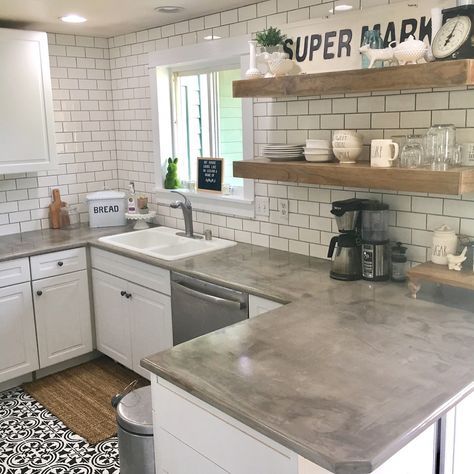
Concrete started as an industrial material. It was used in warehouses, sidewalks, and modern lofts. Over time, designers realized it could also work beautifully in kitchens.
Today’s concrete countertops are not the same as sidewalk concrete. They are specially mixed, reinforced, polished, and sealed for home use.
People are drawn to concrete because:
- It looks modern and bold
- Every countertop is unique
- It can be customized in almost any color
- It works in many design styles
You can tint concrete light gray, dark charcoal, soft beige, or even white. You can add texture. You can make it smooth and polished or slightly rough for a natural look.
That level of customization is something many other materials cannot match.
How Durable Are Concrete Countertops?
Concrete is strong. That part is true.
It can handle heavy pots and pans. It does not melt if you set a warm dish on it. It does not dent like softer materials.
But durability is not just about strength. It is also about how the surface reacts to daily use.
Concrete is porous. That means it can absorb liquids if it is not sealed properly. Without sealing, spills like coffee, oil, or red sauce can stain the surface.
That is why sealing is required.
With proper sealing, concrete becomes much more resistant to stains and moisture. However, sealing is not permanent. It must be redone every one to three years, depending on use.
So yes, concrete is strong. But it does require protection to stay looking good.
Will Concrete Countertops Crack?
This is one of the biggest concerns people have.
Concrete can develop small hairline cracks. These are often caused by natural movement in the home or temperature changes. Most of the time, these cracks are cosmetic, meaning they do not affect strength.
Some homeowners actually like this look because it gives character. Others find it frustrating.
Professional installers reduce cracking by adding reinforcement materials like fiber mesh or steel supports. Proper installation makes a big difference.
If you want a perfectly smooth surface that never changes, concrete may not be the best choice. It is a material that develops character over time.
How Much Maintenance Do Concrete Countertops Need?
Concrete is not a “set it and forget it” material.
Here is what regular care looks like:
- Wipe up spills quickly
- Clean with mild soap and water
- Avoid harsh cleaners
- Reseal every one to three years
Compared to quartz, which requires almost no maintenance, concrete needs more attention.
However, it is not difficult to care for. It just requires consistency. If you are already careful with your kitchen surfaces, it may not feel like extra work.
Are Concrete Countertops Heat Resistant?
Concrete handles heat better than many materials.
You can place warm pots on it without immediate damage. However, extreme heat can weaken the sealer.
That means using trivets is still a smart habit. The concrete itself can handle heat, but protecting the surface finish is important.
Compared to laminate or some solid surfaces, concrete performs well with heat. It is similar to granite in this area.
What About Stains?
This is where sealing matters most.
Unsealed concrete stains easily. Even sealed concrete can stain if liquids sit too long.
Common problem spills include:
- Wine
- Coffee
- Oil
- Lemon juice
- Vinegar
Acidic foods can damage the sealer over time. That is why quick cleanup is important.
If you have a busy household with frequent spills and less time for quick cleaning, quartz might be more forgiving.
How Much Do Concrete Countertops Cost?
Many people assume concrete is cheap because it is made from simple materials. In reality, custom concrete countertops are not budget-friendly surfaces.
Installed concrete countertops typically cost between $65 and $135 per square foot.
That puts them in the same price range as high-end granite or quartz.
The cost depends on:
- Custom coloring
- Edge design
- Thickness
- Embedded materials
- Installation complexity
Precast concrete, made in a workshop and installed later, often costs more but provides better quality control.
DIY kits are available and cost less, but they require skill and patience. Mistakes are hard to fix once concrete sets.
How Heavy Are Concrete Countertops?
Concrete is heavy. Very heavy.
Cabinets must be strong enough to support the weight. In some cases, reinforcement is needed.
This adds to installation planning and cost.
Quartz and granite are also heavy, but concrete can be even heavier depending on thickness.
If your kitchen cabinets are older or not built solidly, this is something to consider.
How Do Concrete Countertops Compare to Quartz?
Quartz and concrete are often compared because they are both modern choices.
Quartz:
- Low maintenance
- No sealing required
- Uniform appearance
- Highly stain-resistant
Concrete:
- Fully customizable
- Unique surface patterns
- Industrial or artistic look
- Requires sealing
If you want easy care and consistent color, quartz is usually more practical.
If you want a one-of-a-kind surface that feels handcrafted, concrete offers more personality.
Can Concrete Countertops Be Eco-Friendly?
Concrete can be made more sustainable by using recycled materials. Crushed glass, recycled stone, or other materials can be mixed into the surface.
Also, because concrete can last decades, it reduces replacement waste.
However, cement production does create carbon emissions. Some manufacturers now use lower-carbon cement blends to reduce environmental impact.
If sustainability is important to you, ask about the specific mix being used.
Do Concrete Countertops Fit Every Kitchen Style?
Concrete works best in:
- Modern kitchens
- Industrial spaces
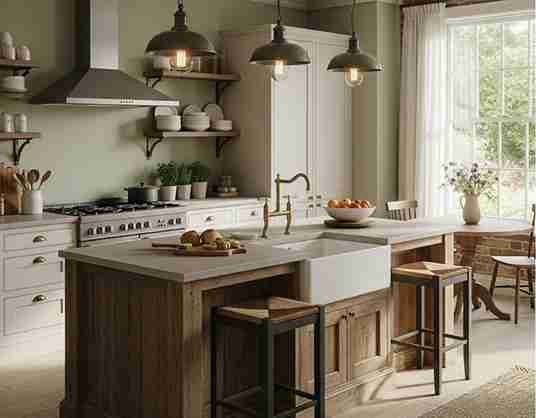
- Farmhouse kitchens
- Minimalist designs
It pairs well with:
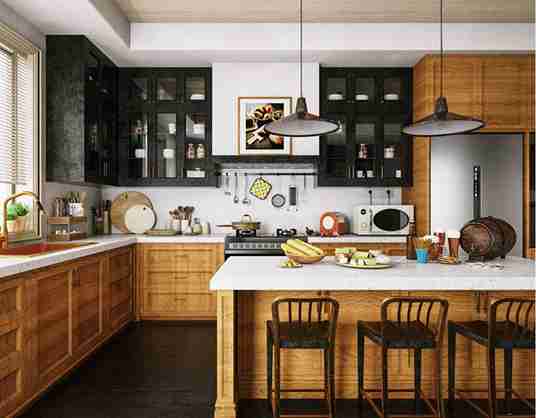
- Wood cabinets
- Matte black fixtures
- Stainless steel appliances
- Simple tile backsplashes
It may not suit very traditional or ornate kitchens unless carefully balanced.
When Concrete Countertops Make Sense
Concrete is practical when:
- You want a custom look
- You are okay with some maintenance
- You appreciate natural imperfections
- You want something different from standard stone
It is also a strong choice for homeowners who value durability and artistic design over perfectly uniform surfaces.
When Concrete May Not Be the Best Choice
Concrete may not be ideal if:
- You want zero maintenance
- You dislike visible cracks or texture
- You frequently leave spills unattended
- You prefer a glossy, polished look
In those cases, quartz or granite may feel more practical.
So, Trend or Practical Choice?
Concrete countertops are not just a trend. They have been popular for more than a decade and continue to show up in high-end kitchens.
However, they are not universally practical.
They are practical for the right homeowner.
If you enjoy materials that age naturally and do not mind occasional resealing, concrete can be a durable and beautiful option.
If you want something that always looks brand new with little effort, another material may suit you better.
Final Thoughts
Concrete countertops sit somewhere between art and function.
They are strong. They are customizable. They can last for decades.
But they require care. They can develop cracks. They need sealing.
The key question is not whether concrete is trendy. The key question is whether it fits your lifestyle.
If you like character, texture, and a handcrafted look, concrete might be perfect.
If you want simple, clean, and maintenance-free, you may want to consider other options.