I Stumbled On 27 DIY Duck Pond Ideas That Could Transform Your Backyard

This post contains affiliate links, and we will be compensated if you buy after clicking on our links. Read our disclaimer.
Read our editorial process
You don’t really notice what your backyard is missing until you see water in it. Even a small pond changes the whole mood, like everything suddenly feels more alive.
I used to think duck ponds were only for big spaces or people who knew what they were doing. Digging, filtering, cleaning, it all sounded like too much. But once you look into it, a lot of these setups are surprisingly simple and kind of fun to put together.
What makes the difference isn’t how big or fancy the pond is. It’s how it sits in your space. A well-placed pond adds movement, reflects light, and gives your backyard a natural rhythm that plants alone can’t quite pull off.
Some people keep things super low effort with tubs and liners, while others build out something that blends into the landscape. Both feel completely different, and honestly, that’s part of the appeal.
In this article, you’ll find 27 DIY Duck Pond Ideas.
Is It Beginner Friendly?
Many DIY duck pond projects are absolutely beginner friendly, especially smaller, liner-based designs. A basic pond using a preformed shell or heavy-duty pond liner can be installed with simple tools and clear measurements.
The key is starting small and understanding drainage and cleaning needs before expanding. If you are comfortable with basic digging, leveling ground, and setting materials securely, a starter pond is very manageable.
More advanced builds that include pumps, filtration systems, or stone masonry may require additional research or assistance. Starting with a simple design allows beginners to learn what works best for their yard and ducks.
Find More Backyard DIY Inspiration
• DIY Garden Ideas
• DIY Fountain Ideas
• DIY Outdoor Fairy Garden Ideas
• DIY Insect Hotel Made From Recycled Can
Is It Cheap?
Costs vary depending on size and materials. A small DIY duck pond can cost as little as a few hundred dollars if using a liner, basic edging stones, and minimal landscaping. Repurposed materials, such as reclaimed bricks or gravel, can significantly reduce expenses.
Larger ponds with filtration systems, decorative rock features, or reinforced edges can range into the higher hundreds or more. Planning ahead and choosing the right scale for your space is the most effective way to stay within budget.
How Much Time Does It Take to Build?
A small, straightforward duck pond can often be completed over a weekend, especially if the design is simple and materials are ready in advance. This includes digging, installing the liner, filling, and basic edging.
More detailed projects with pumps, drainage systems, or extensive landscaping may take several days to a couple of weeks, depending on complexity and weather conditions. Factoring in drying times, leveling adjustments, and testing the water setup is important for long-term success.
With realistic expectations and careful preparation, a DIY duck pond can be a rewarding project that transforms your backyard into a lively, functional retreat.
Best DIY Duck Pond Ideas
Here are 27 DIY duck pond ideas to help you find a style that fits your space, your budget, and your ducks’ daily routine.
1. Miniature Duck Pond in a Raised Garden Bed
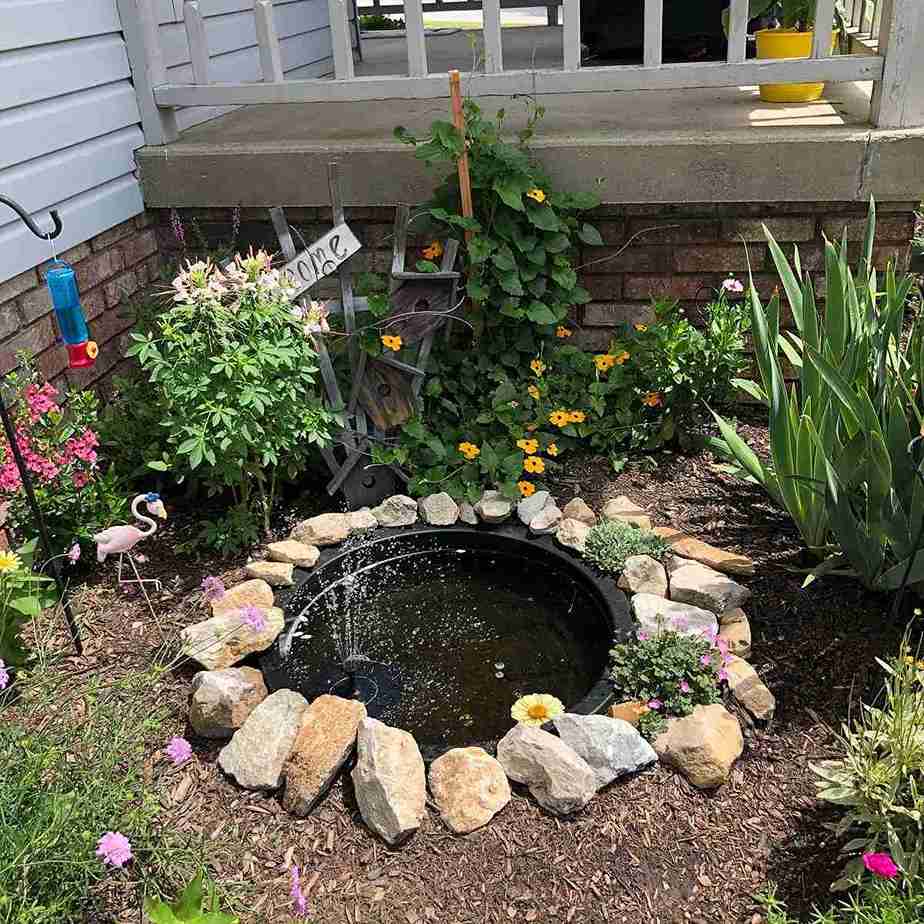
In a tight backyard or narrow corner, a raised bed keeps the pond controlled and easier to reach for cleaning. It also helps limit muddy overflow, which tends to spread fast in small spaces.
Using a shallow liner with wood or stone edges holds the shape while giving ducks enough water to splash. Adding damp soil plants like grasses or ferns around the edge makes it feel more like part of the garden.
Over time, this setup stays manageable and keeps the surrounding area cleaner. One small fix that matters is adding a step or ramp; ducks often struggle without it and may avoid the pond.
2. Reclaimed Materials for a Rustic Duck Pond
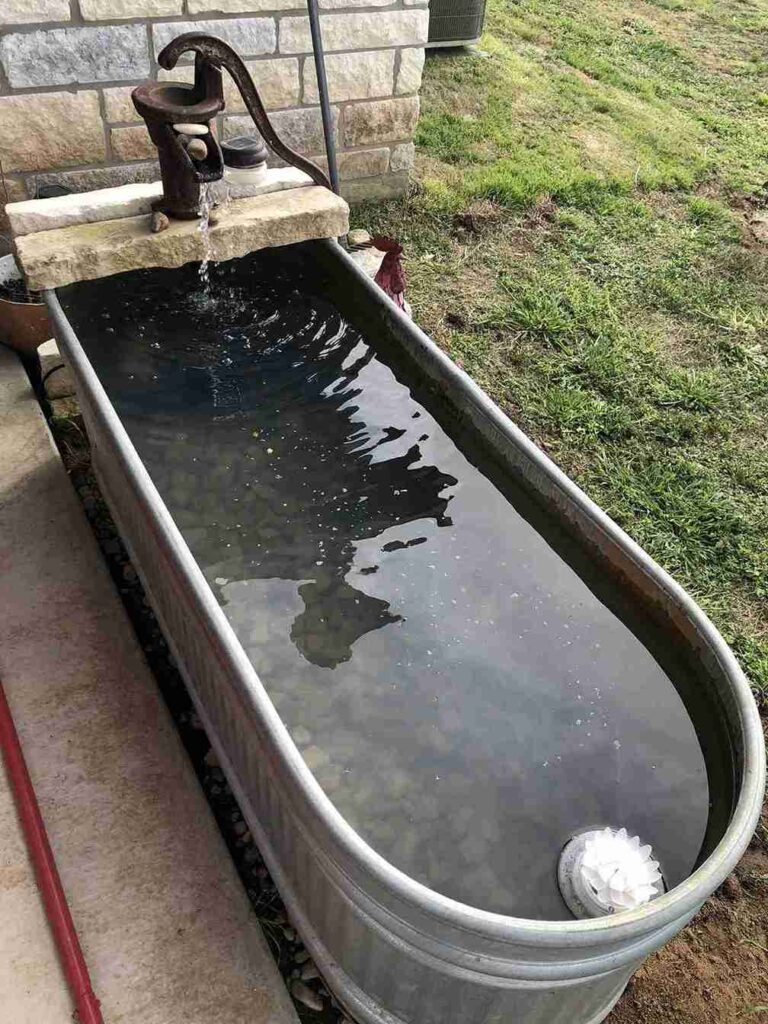
Older tubs or barrels hold steady on uneven ground where lighter builds tend to shift. Their weight helps manage constant splashing without the base moving around.
Rough textures like stone borders, gravel, or weathered wood panels soften the look and help everything blend into the yard. It feels more settled and less like a plastic container.
Durability becomes the main benefit over time. One detail worth checking is the metal edges; smoothing them out and adding a low entry point prevents slips and hesitation.
3. Natural Stone Pond with Waterfall
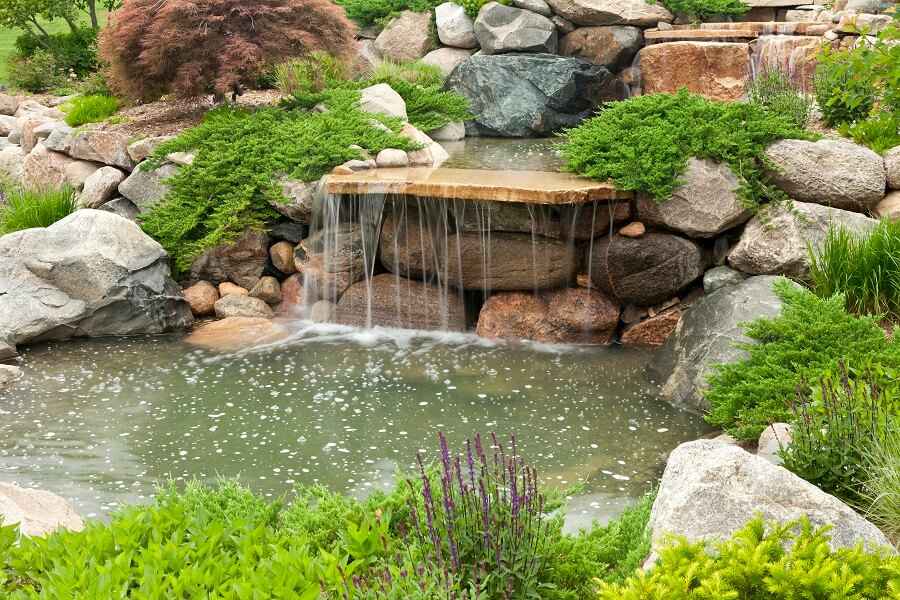
Open layouts benefit most since moving water reduces buildup faster than still setups. Circulation becomes more noticeable during warmer days.
Stacked flat stones with a reachable pump and a gentle cascade create both structure and flow. Edge planting adds a softer transition into the surrounding space.
Water stays clearer with less effort. Poor pump access is a common issue; placing it too deep under stones makes routine cleaning harder than expected.
4. Floating Duck Pond on a Small Boat
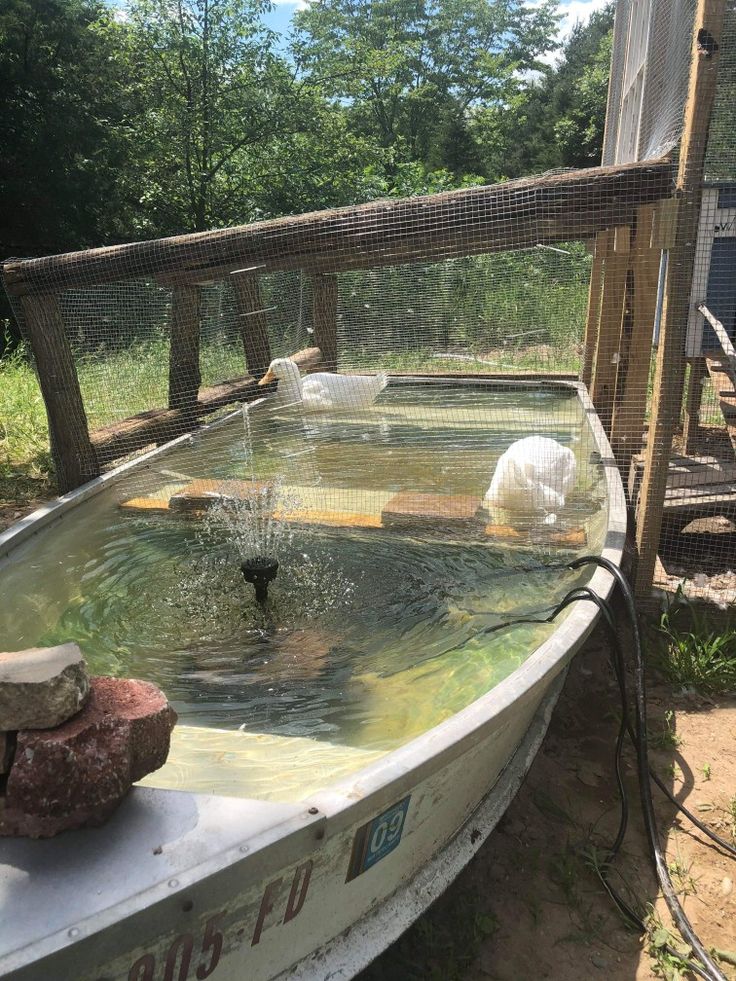
Soft or restricted ground conditions make boat-based ponds useful when digging is not practical. Water stays contained without altering the surface below.
Sealing the base and adding light plants or a compact fountain keeps movement going and prevents stagnation. The shape naturally stands out as a focal point.
Entry height matters more than it seems. Without a stable way in, ducks often struggle or avoid using it altogether.
5. Simple Kiddie Pool Duck Pond
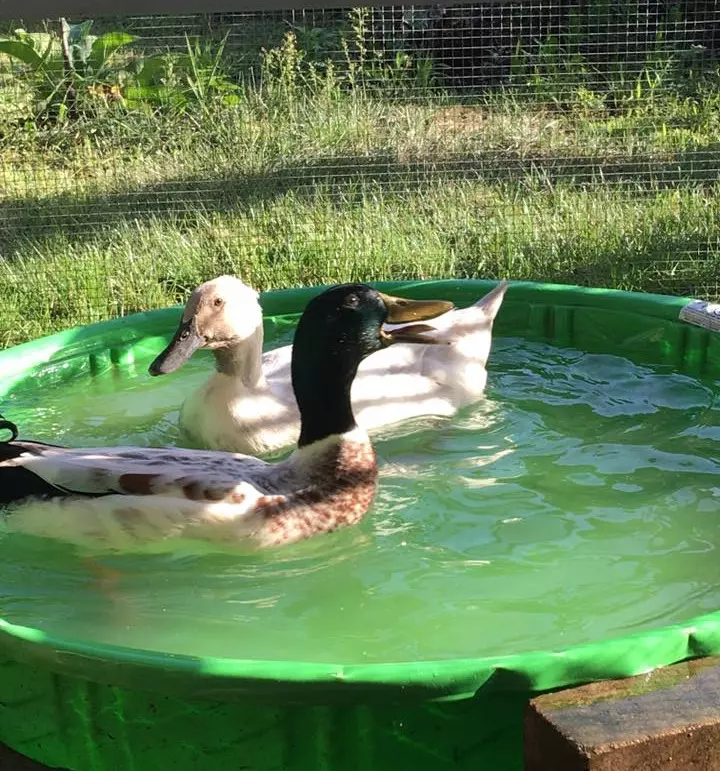
Flexible setups work best for temporary layouts or spaces that change often. Easy relocation makes it a low-commitment option.
Adding pavers or stone around the edges improves stability and tones down the plastic look. Floating plants break up the flat surface visually.
Frequent refilling becomes part of the routine. Keeping it near a water source saves time and reduces effort over the week.
6. DIY Pond with Natural Filtration System

Limited access areas benefit since plant-based filtration reduces the need for constant cleaning. It works best when water keeps moving.
Floating plants like water lettuce, combined with a small pump, absorb excess nutrients. Using baskets helps prevent plants from drifting or getting disturbed.
Water clarity improves gradually. Ducks tend to nibble constantly, so leaving plants exposed often leads to quick loss.
7. Pond in a Large Ceramic Pot
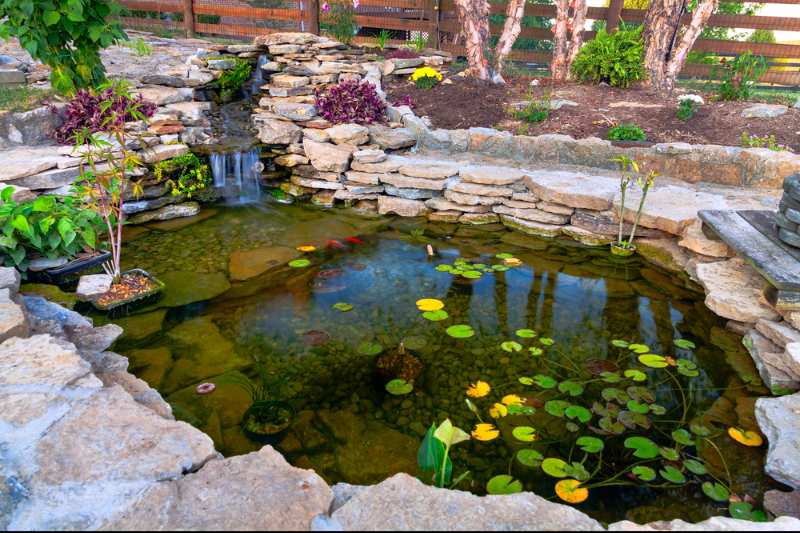
Compact patios or corners suit this setup since digging is not required, and space stays controlled. It fits easily into small layouts.
A glazed ceramic container with a small fountain insert helps maintain movement. A couple of aquatic plants soften the surface visually.
Heat buildup can become an issue. Direct sun warms the ceramic faster than expected, so partial shade helps keep conditions stable.
8. Aquaponics Duck Pond Garden
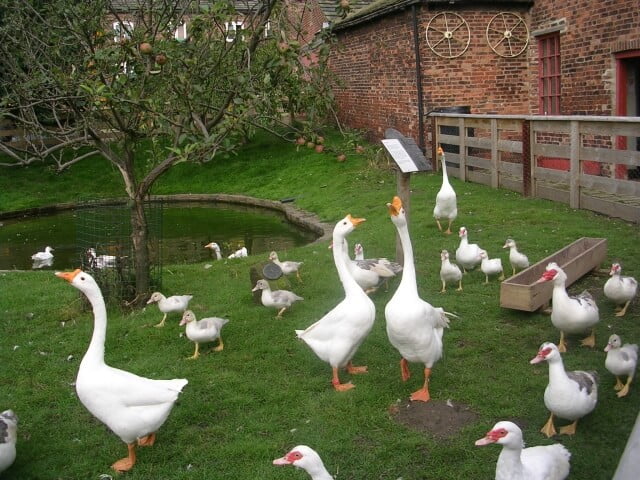
Gardens with excess nutrients benefit since plants help absorb what would otherwise build up in the water. Balance improves with structure.
Channels paired with planted zones and basic filtration flow allow roots to handle waste naturally. Raised sections help protect sensitive plants.
Stability improves over time. Loose plant setups often get disrupted; securing them early avoids constant adjustments.
9. Concrete Duck Pond with Smooth Edges
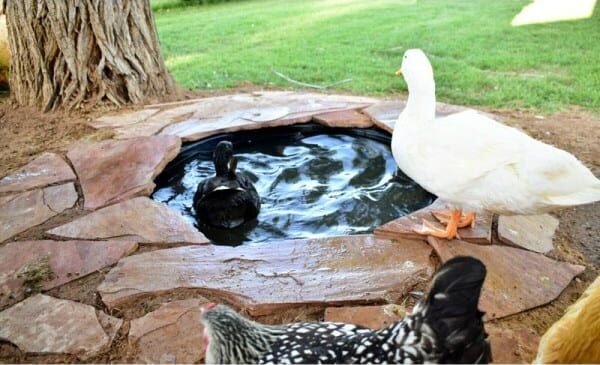
Long-term setups rely on materials that do not shift with soil movement or weather changes. Concrete holds its form consistently.
Sealed surfaces with built-in steps or gradual ramps improve access for ducks. Surrounding plants reduce the harsh look of solid edges.
Longevity becomes the main advantage. Skipping proper sealing affects water quality, which shows up slowly but causes issues later.
10. Pond with Recycled Wine Barrels
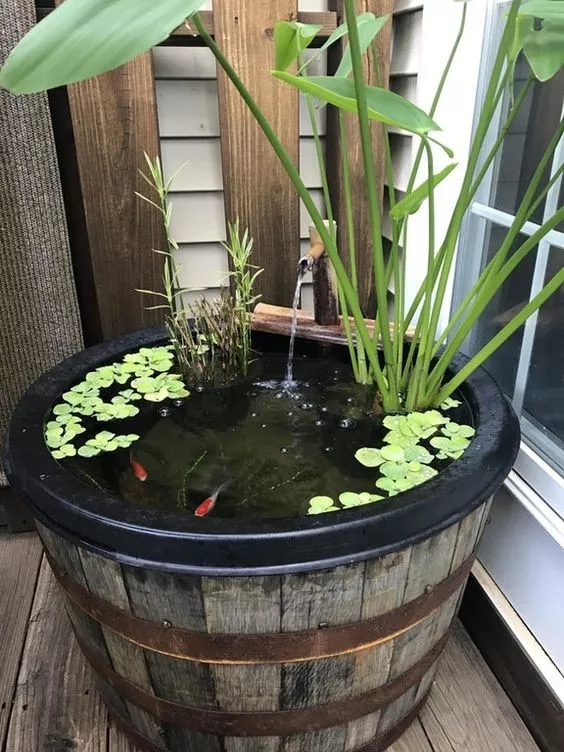
Wine barrels work well in small patios or compact yards where space is limited. Their size keeps the pond manageable while still feeling like a real feature.
Adding a small spout or gentle waterfall inside the barrel keeps water moving and improves freshness. A level base is important so the structure does not tilt over time.
The setup stays stable and easy to maintain. Placing a stepping stone nearby helps ducks approach comfortably instead of circling.
11. Pond with Pondless Waterfall
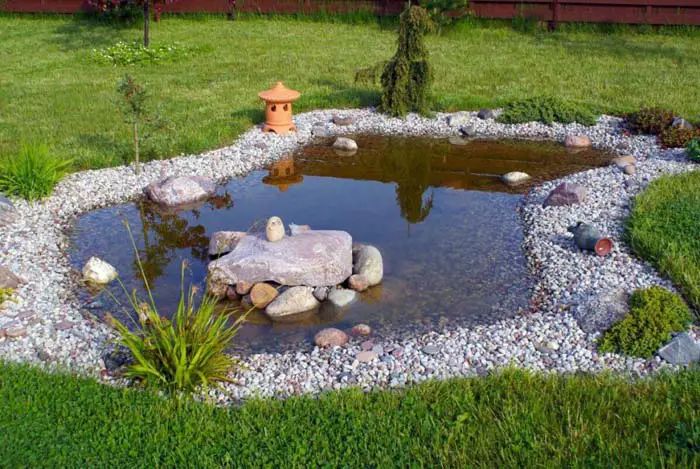
This setup suits yards where full ponds feel too heavy or hard to maintain. It focuses more on sound and movement than water depth.
A hidden reservoir with a visible cascade creates flow without holding a large water body. Positioning it near seating areas enhances the effect.
It stays cleaner since there is less standing water. Ducks may visit briefly, but it works better as a secondary feature rather than a main pond.
12. DIY Pond with a Zen Garden Aesthetic
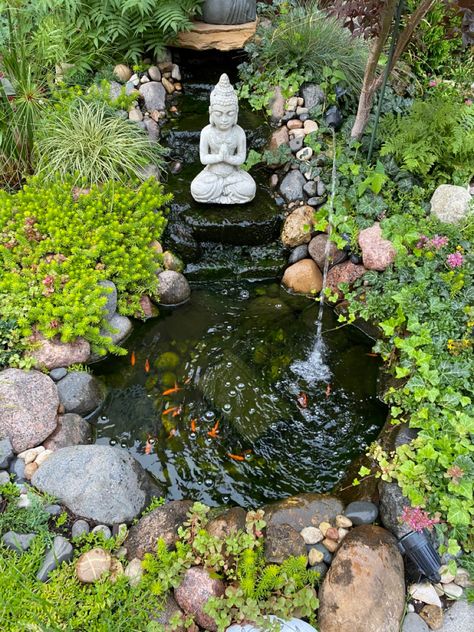
Minimal layouts fit best in spaces where visual clutter builds up quickly. Clean lines and fewer elements help the area feel calm.
Using smooth stones with limited planting, like bamboo or grasses, keeps the design controlled. A shallow ledge gives ducks a place to step and rest.
The pond feels quiet and balanced in daily use. Skipping shallow access often makes ducks hesitant, even if the water looks inviting.
13. Mini Duck Pond for Children’s Play Area
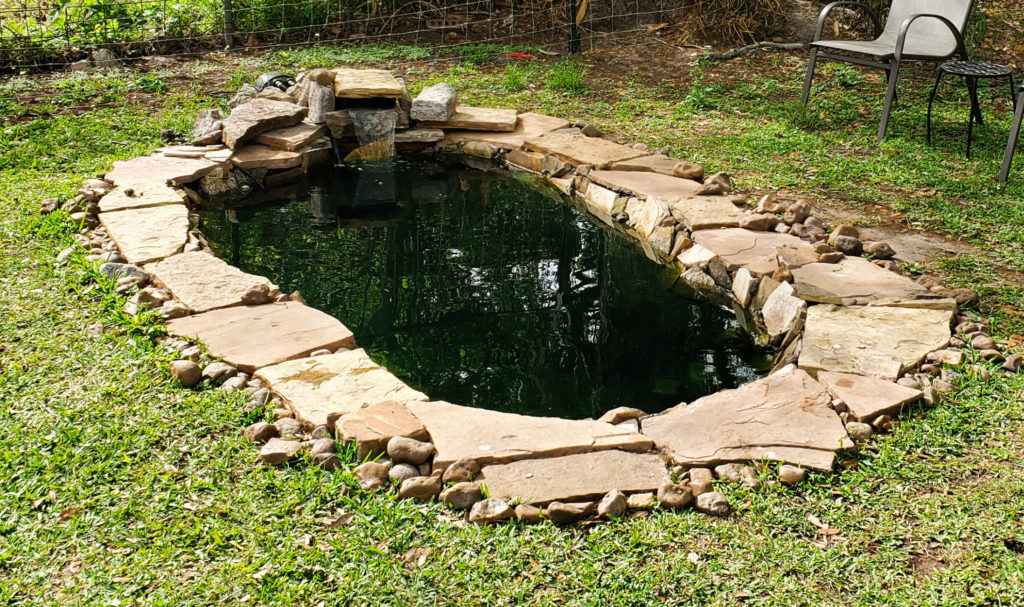
Family yards benefit from shallow designs where safety becomes a priority. Keeping the water depth low reduces risk during playtime.
Soft edges with non-slip surfaces and non-toxic plants make the pond safer while still looking natural. Easy drainage or refill access helps with hygiene.
It turns into a shared spot where both kids and ducks gather. Slippery edges are a common oversight and can quickly become an issue.
14. DIY Pond Using Large Tire
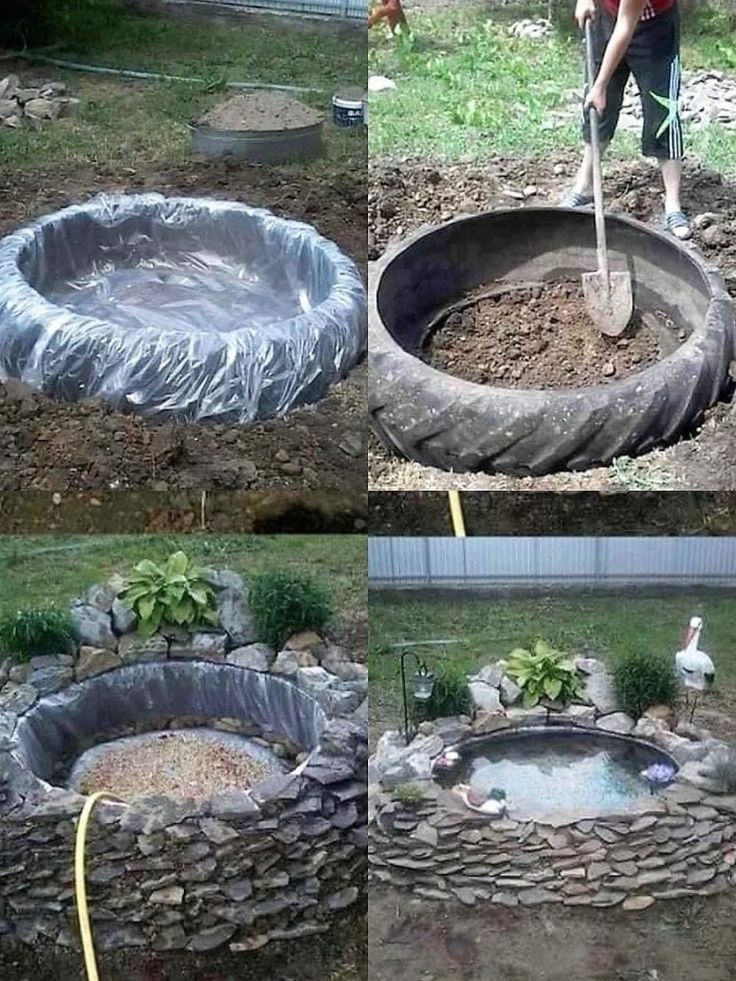
Recycled builds like this work in budget setups or spaces with limited materials. The tire provides a ready-made circular frame.
Adding a protective liner with stone or wood around the edge improves both safety and appearance. Pebbles help soften the structure visually.
Once finished, it feels more intentional than expected. Skipping proper cleaning or lining can affect water quality over time.
Create a More Beautiful Outdoor Space
• DIY Bird House Ideas
• DIY Hydroponic System Ideas
• DIY Scarecrow For Garden
• Modern DIY Mailbox Ideas
15. Self-Cleaning Pond with Aquatic Plants
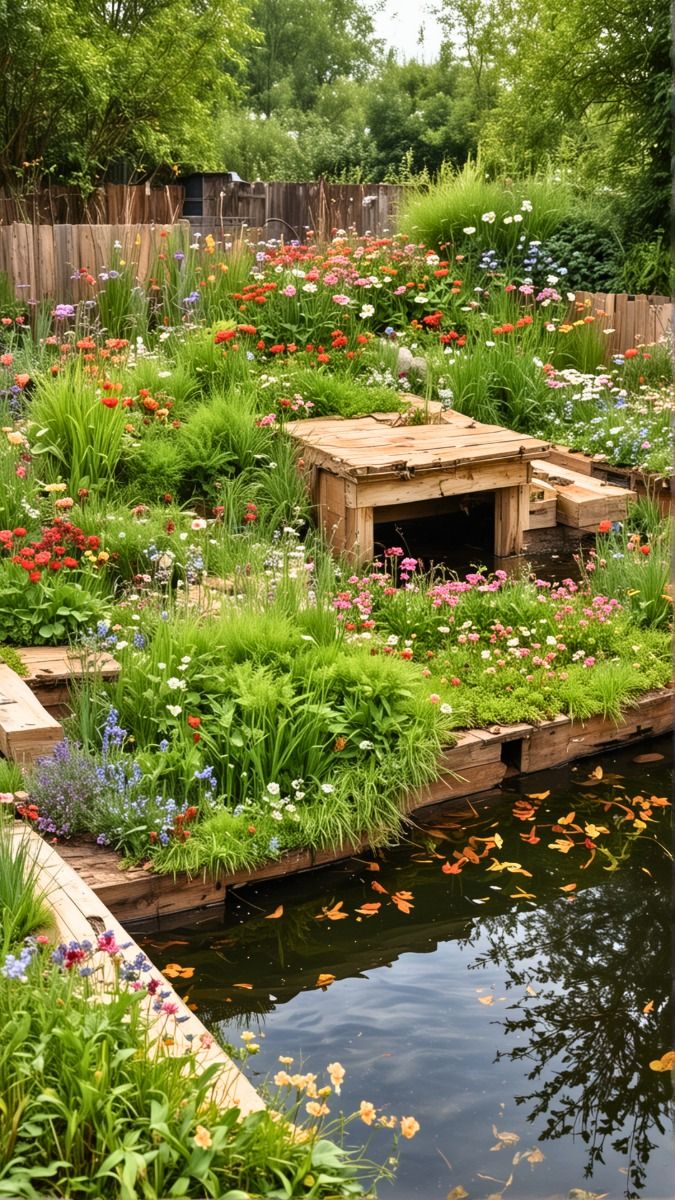
Low-maintenance setups suit busy routines where frequent cleaning is not practical. Plant support reduces manual work.
Using water hyacinths, lilies, or duckweed in contained baskets helps absorb nutrients and limit algae growth. Placement matters for proper coverage.
Water stays clearer with less effort. Leaving plants unprotected often leads to them being eaten before they can do their job.
16. Duck Pond in a Greenhouse
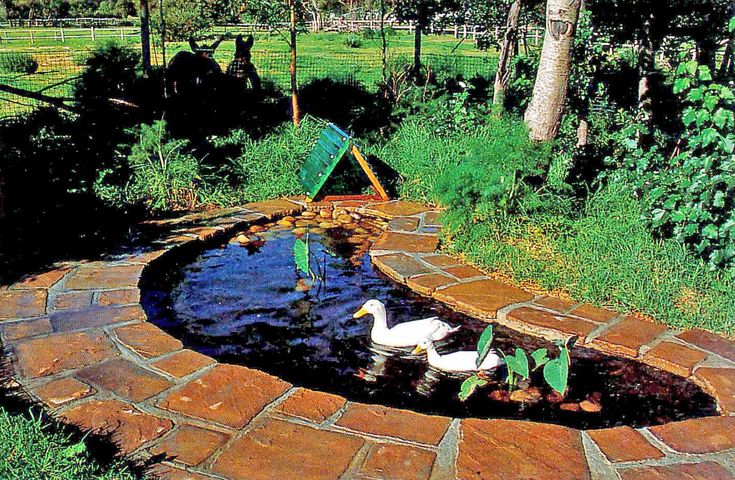
Cold climates benefit from protected environments where outdoor water would freeze. A greenhouse keeps conditions more stable.
Combining enclosed space with water-friendly plants and controlled airflow helps maintain both temperature and moisture balance.
The pond remains usable year-round. Poor ventilation can trap humidity quickly, which affects both plants and water quality.
17. In-ground Duck Pond with Natural Borders
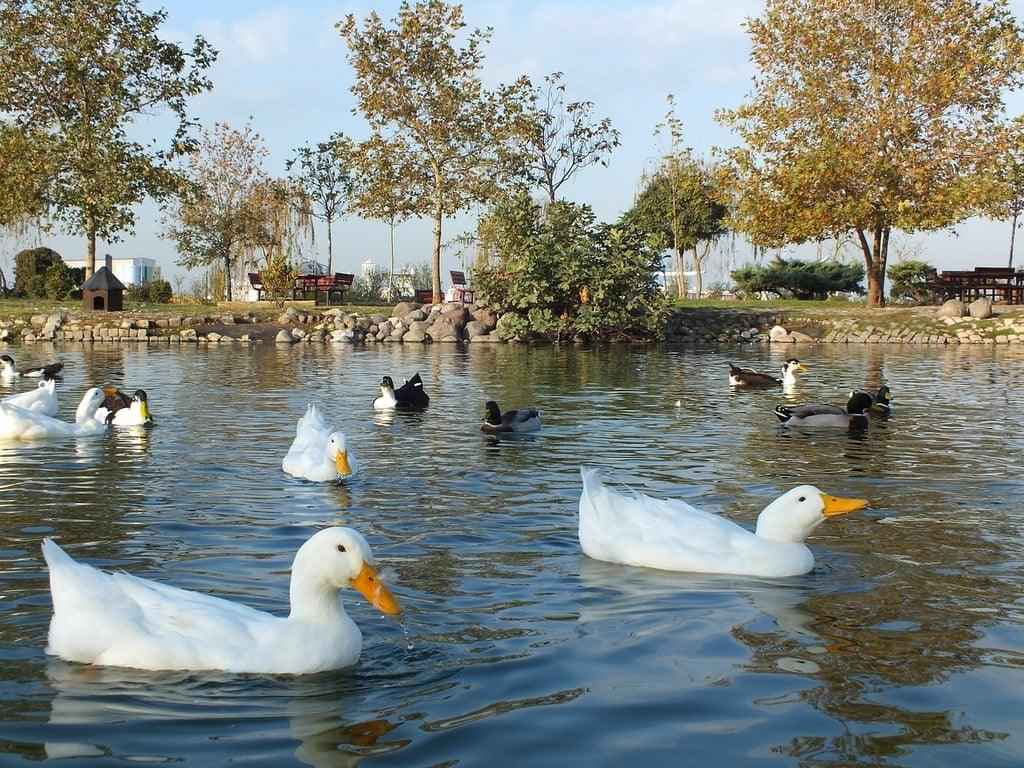
Yards aiming for a natural look benefit from irregular shapes that blend into existing landscaping. Straight edges tend to look artificial.
Using native plants with uneven stone borders and shallow shelf areas creates a more organic feel. The shelf allows easy standing space for ducks.
The pond feels like part of the land rather than an addition. Skipping shallow zones often forces ducks to swim constantly, which they avoid.
18. Cottage Garden Duck Pond with Colorful Flowers
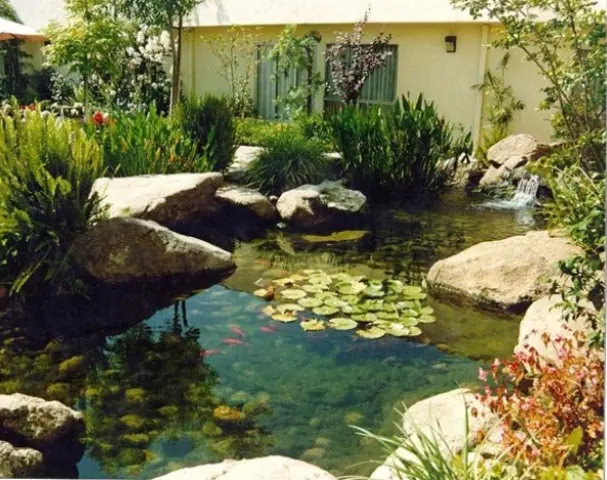
Flower-heavy layouts suit open sunny areas where plants can thrive around water. Shade from blooms also helps moderate temperature.
Placing bright outer plants with a calmer water surface inside keeps the balance between color and function. A few floating plants maintain clarity.
The space feels lively and draws pollinators naturally. Overcrowding plants near the water can block access and make cleaning harder.
19. Duck Pond with Solar-Powered Fountain

Smaller ponds benefit from constant movement, where still water heats up quickly. Circulation helps maintain better conditions.
A solar-powered fountain placed in direct sunlight keeps water active without wiring. Regular intake cleaning prevents blockages.
The pond feels fresher and more active day to day. Leaves and feathers build up faster than expected, so light maintenance keeps it running smoothly.
20. Wooden Pallet Duck Pond with Storage
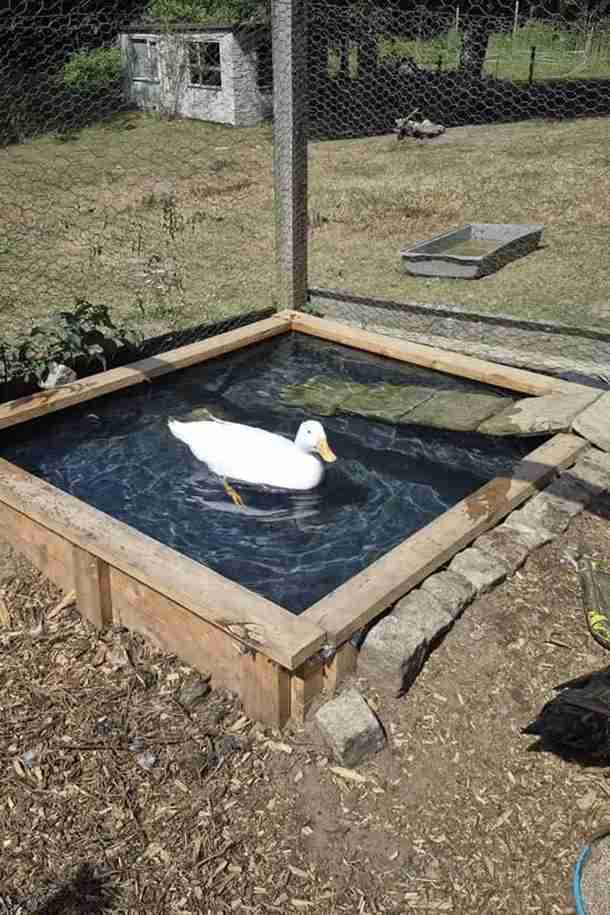
Ever dealt with hoses and feed bags scattered everywhere? That is where this setup quietly solves a real problem. In busy backyard layouts, having storage built into the pond frame keeps things under control.
The structure usually combines sealed pallet wood with a lined water section and side compartments. Keeping supplies tucked away nearby saves time during cleaning or refilling.
It ends up feeling organized instead of chaotic. Skip sealing, though, and moisture will slowly break the wood down faster than expected.
21. Wildlife-Friendly Duck Pond with Native Plants
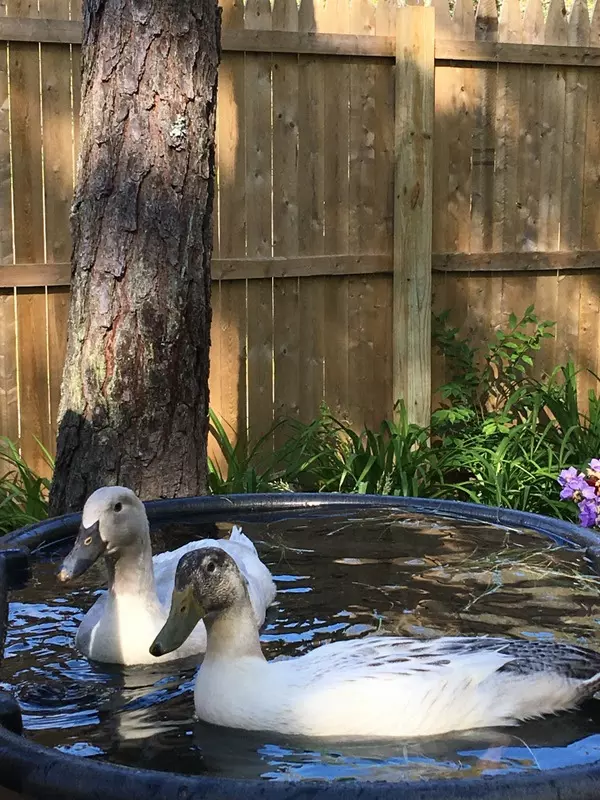
You will notice the difference once local plants take over. In yards that already attract insects or birds, native species help the pond blend in naturally.
Think cattails, reeds, or grasses along the edges. They filter water while creating cover, which helps ducks feel less exposed.
After a while, the space feels alive, not staged. Letting plants grow too dense, too soon, can make the edges hard to access.
22. DIY Pond with a Natural Mud Bottom
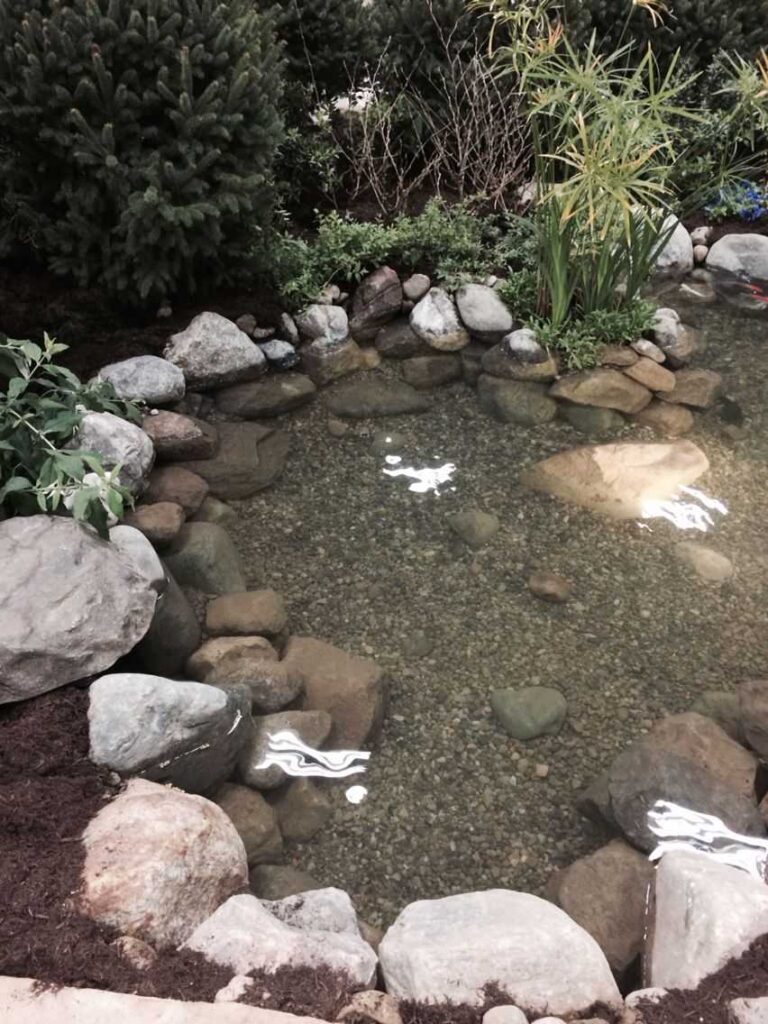
Not everyone loves the mess, but ducks definitely do. In larger yards where mud will not spread into walkways, this setup gives them a more natural space to explore.
Leaving the base unlined with planted edges for control allows the soil to stay soft and interactive. Ducks will stir it constantly.
It turns into a foraging zone instead of just a splash spot. Placing it too close to clean areas quickly leads to frustration.
23. Small Duck Pond with Floating Islands
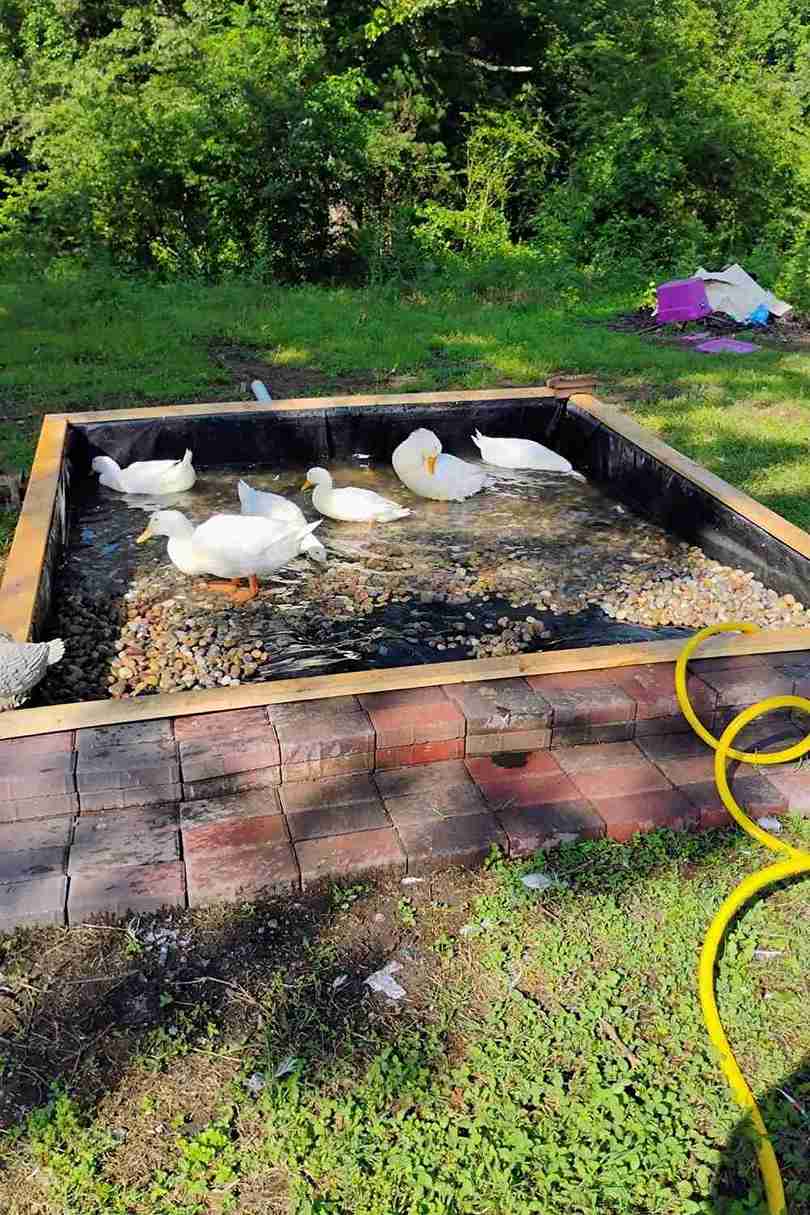
Something feels different when ducks have a place to pause mid-water. In smaller ponds where space is limited, floating islands create extra function without expanding size.
Most builds use light platforms with wet-friendly plants anchored on top. They absorb nutrients while staying afloat.
Ducks climb onto them more often than expected. If the base is not balanced well, it tips and stops being useful.
24. DIY Duck Pond with Hidden Pond Filter
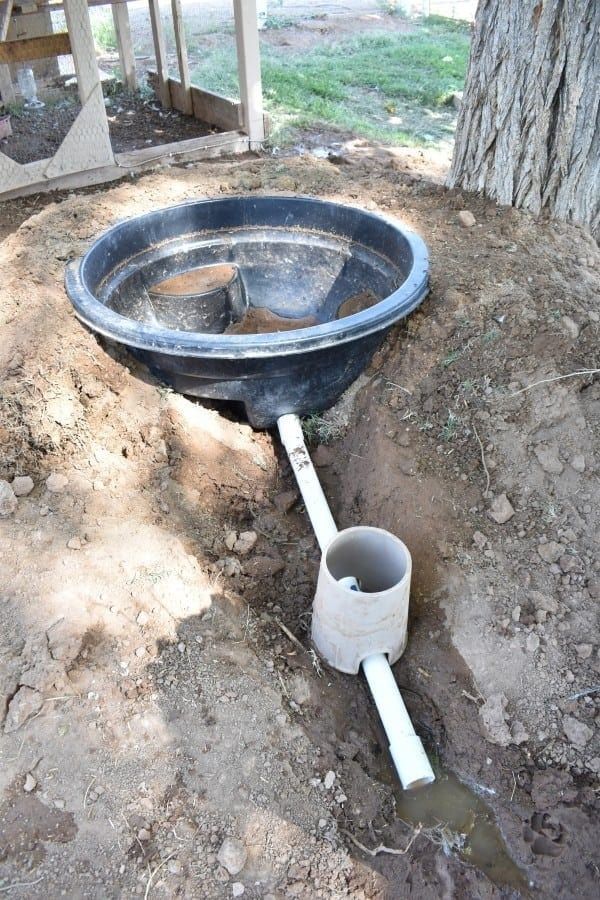
Nothing breaks the look faster than exposed equipment. In decor-focused spaces like patios, hiding the filter keeps everything visually calm.
The trick is placing filtration behind rocks or dense plants while keeping a small open access point. That balance matters more than it seems.
Water stays clear without drawing attention to the system. Fully hiding it without access makes simple cleaning a hassle later.
25. Pond with Natural Rock Steps for Duck Access
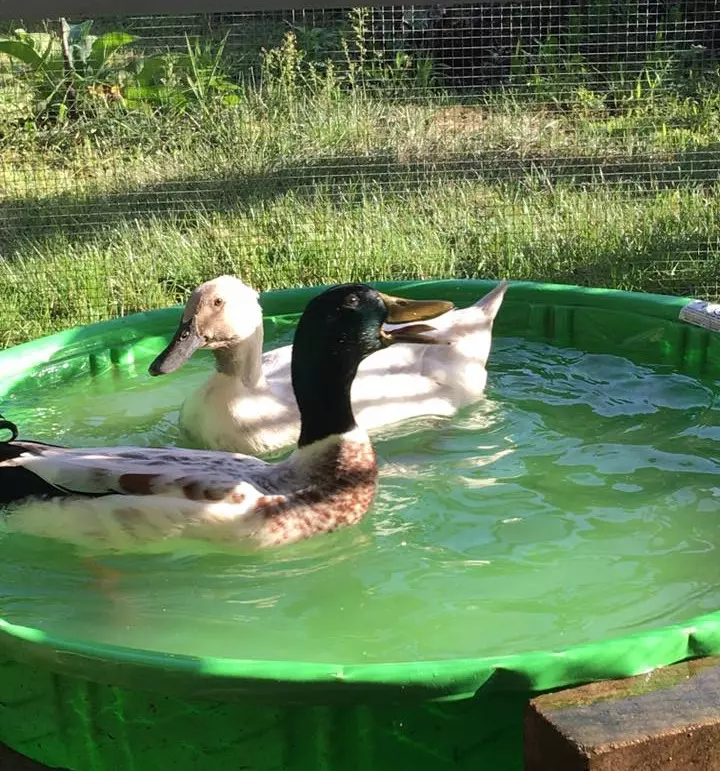
Watch how ducks behave around steep edges; they hesitate. In ponds with deeper sides, gradual entry changes how often they use the water.
Flat textured stones arranged like a slow slope give them grip and confidence. Placement should feel natural, not forced.
Usage increases once access feels safe. Smooth or polished stones can get slippery, especially when wet.
26. DIY Duck Pond with a Duck House
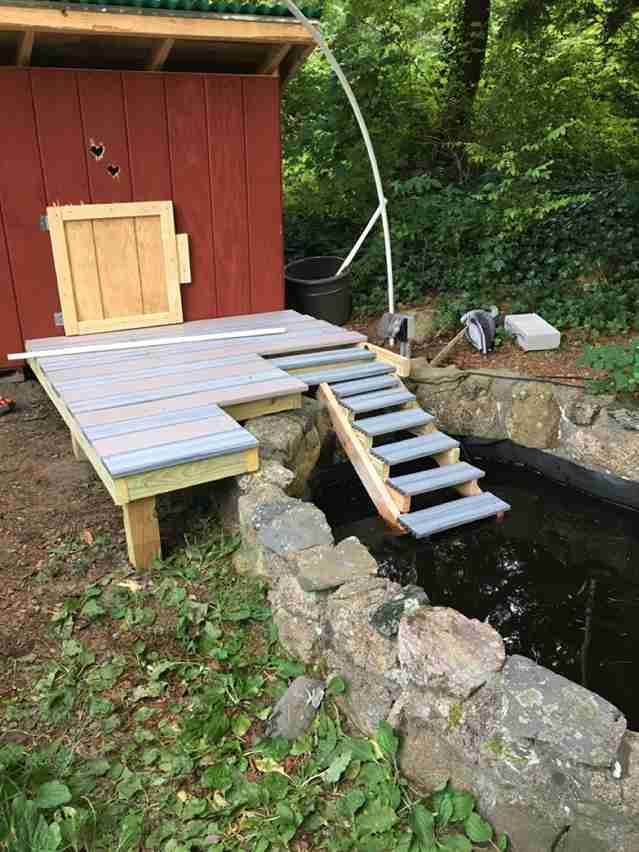
Pairing shelter with water shifts how ducks move throughout the day. In yards where safety matters, keeping both close creates a reliable routine.
Positioning a small house with a nearby dry platform gives ducks a place to rest right after swimming. Distance needs to be carefully balanced.
They settle into a predictable pattern between both areas. Too close, and moisture starts affecting the shelter interior.
27. Elegant Duck Pond with Water Lilies and Lotus Flowers
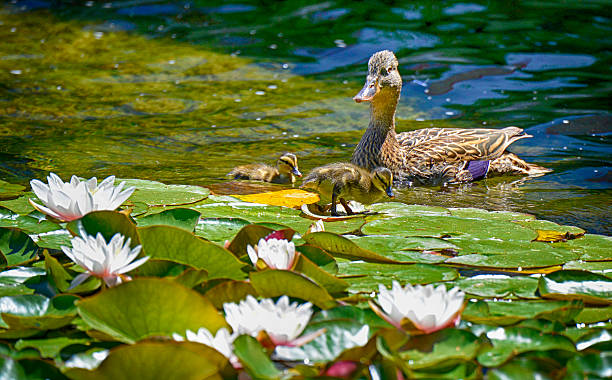
There is a visible shift once plants cover the surface. In sun-exposed areas, lilies and lotus help manage both heat and light.
Planting them in contained sections within the pond base keeps growth controlled while still providing shade.
The water feels calmer and less exposed. Young plants rarely survive without protection since ducks tend to nibble early growth.
FAQs
How Big Should A DIY Duck Pond Be?
It depends on how many ducks you have and how much space you can manage. A small group can do fine with a compact pond, as long as they can splash and clean themselves. Bigger ponds stay cleaner longer, but even a small setup works if you refresh water regularly and keep access easy.
How Do You Keep Duck Pond Water Clean Naturally?
Plants and movement make the biggest difference. Floating plants help absorb waste, while a small pump keeps water from sitting still. Simple changes like partial shade and regular top-ups go a long way. It never stays spotless, but it can stay manageable without constant scrubbing.
Do Ducks Need A Deep Pond To Be Happy?
Not really. Ducks care more about access than depth. A shallow area where they can dabble and wash is enough for daily use. Deeper zones help with water quality, but adding a gradual slope or step matters more for how often they actually use the pond.
What Is The Best Location For A Duck Pond In The Yard?
Look for a spot with some sun and some shade. Full sun can heat the water too much, while full shade can make it stagnant. Also, think about drainage and distance from walkways, because ducks will splash water out and create mud around the edges.
How Often Should You Clean A Duck Pond?
It varies based on size and setup. Smaller ponds need more frequent cleaning or refilling, sometimes every few days. Larger or plant-supported ponds can go longer. Watching the water clarity and smell usually tells you when it is time to step in and refresh things.
Build Your Dream Backyard
• DIY Fence Ideas Cheap
• DIY Goat Shelter Ideas
• Chicken Coop Designs DIY Cheap
• DIY Grill Station Ideas