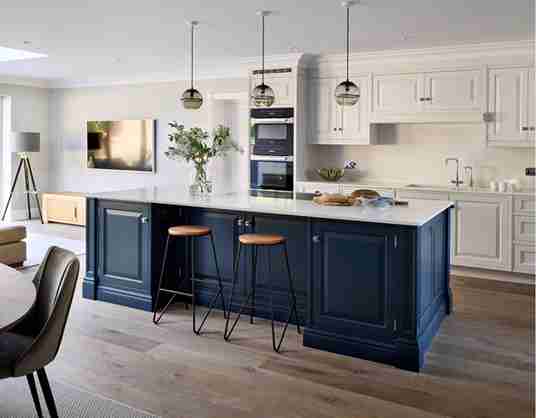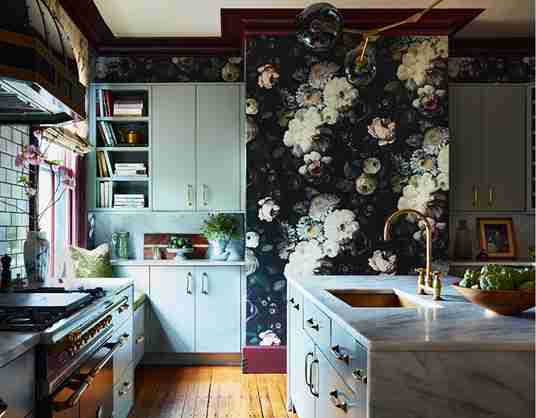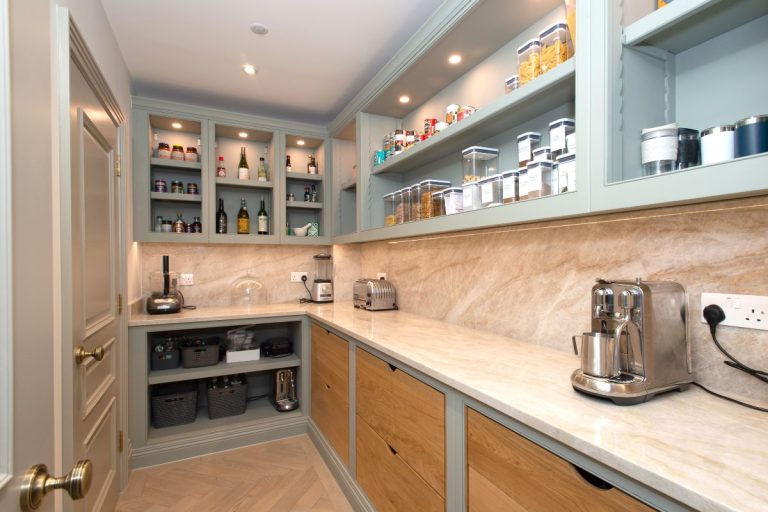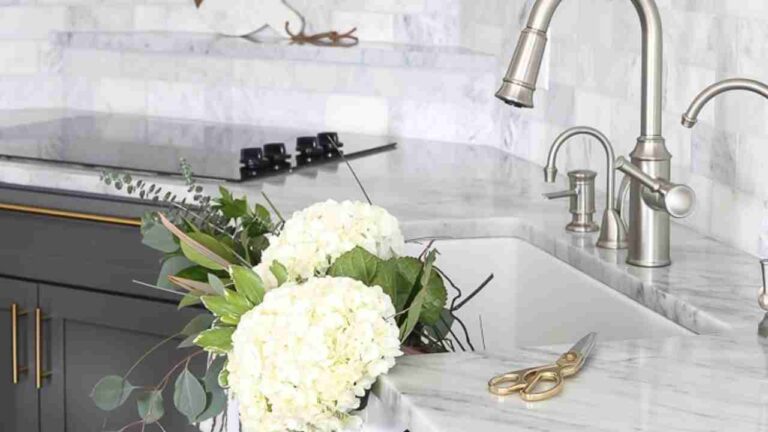
Are Ceiling-Height Kitchen Cabinets a Good Idea? Pros and Cons

I used to think cabinets that go all the way to the ceiling were just a “Pinterest kitchen” thing. Then I lived with a big gap above my cabinets and realized that space is basically a magnet for dust, grease, and random clutter you swear you will style later (you will not).
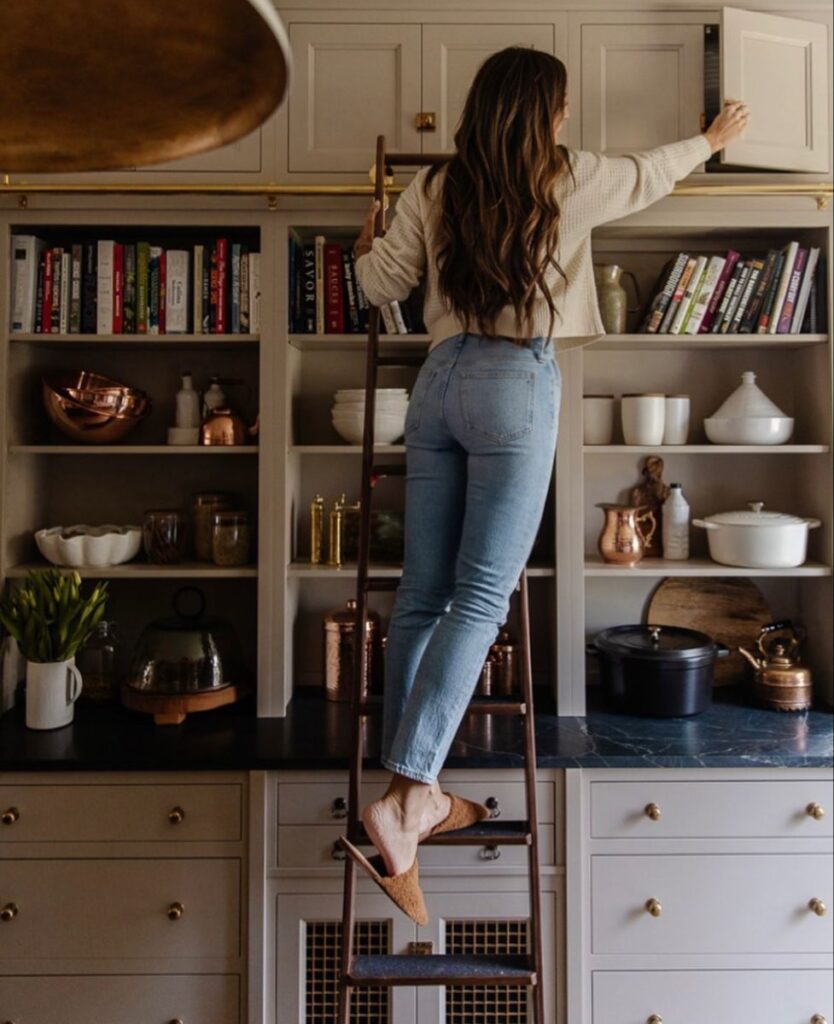
Ceiling-height cabinets can be an amazing decision, but they are not automatically the right decision for every kitchen. The best choice depends on your ceiling height, how you actually use storage, your budget, and whether you want your kitchen to feel more open or more built-in.
Here’s the practical breakdown I wish someone gave me before I obsessed over cabinet renderings.
What “Ceiling-Height Cabinets” Really Means
When people say “cabinets to the ceiling,” they usually mean one of these setups:
- One tall cabinet run that ends right at the ceiling (or very close to it).
- Stacked cabinets: regular uppers plus a smaller cabinet on top to reach the ceiling.
- A finished look with trim: cabinets stop slightly short, but the gap is covered with molding or a clean filler panel so you still get that seamless line.
The goal is the same: no exposed dead space above the cabinets.
Why People Love Cabinets to the Ceiling
1) It Looks More Custom and Finished
This is the biggest visual win. When cabinets stop short, the kitchen can look like it ended early. When they hit the ceiling, the whole wall feels intentional. It reads “built-in,” which instantly feels higher-end even if the materials are simple.
If your kitchen is open to a living room, ceiling-height cabinets also look cleaner from across the space. There is less visual noise.
2) You Get More Storage
That extra top section is perfect for things you do not need every day:
- holiday dishes
- large serving platters
- specialty appliances
- bulk pantry items
- vases, pitchers, big mixing bowls
In my kitchen, that top zone became the place for “I use this a few times a year but I am not getting rid of it.”
3) No Dust Shelf
The gap above cabinets is one of the grossest “hidden” spots in a kitchen. It collects dust, and if it is near the stove, it collects grease too. Even if you clean regularly, it is annoying because you need a ladder or you are doing that awkward reach-and-wipe situation.
Ceiling-height cabinets delete that problem completely.
4) It Can Make a Small Kitchen Feel Taller
This is a real design trick. When vertical lines go all the way up, your eye travels upward, so the room feels taller. In a smaller kitchen, that can make the space feel less cramped and more structured.
The Real Downsides
1) Top Shelves Are Not Everyday-Friendly
This is the truth nobody can talk you out of. If you are not tall, the top shelf will require a stool. Even if you are tall, reaching way up with a heavy dish is not fun.
So the top section usually becomes long-term storage, not daily storage. That is fine, but it only feels “worth it” if you actually have things you can store up there.
2) It Can Cost More
Taller cabinets mean more material, more doors, and often more labor. Even if you do not go full custom, the price typically goes up.
Costs that can increase:
- taller cabinet boxes
- added upper tier cabinets
- extra trim, fillers, or crown
- more install complexity
If you are trying to keep your remodel budget tight, this can be one of the upgrades that pushes you over.
3) Ceilings Are Rarely Perfectly Level
This one matters more than people realize. Many ceilings have slight dips or waves. When cabinets stop short, you can hide unevenness with trim or a small gap. When cabinets go tight to the ceiling, uneven ceilings can create visible gaps that require careful scribing and filler work.
A good installer can make it look clean, but it can add labor time.
4) It Can Feel Heavy in Some Kitchens
If your kitchen is already small, dark, or has low ceilings, tall cabinets can make it feel like the walls are closing in, especially if you choose a darker cabinet color.
This is not guaranteed, but it is something I consider. In tight kitchens, I like lighter cabinet colors or mixed designs (some full height, some open shelving) so the room still breathes.
The Biggest Decision Factor: Ceiling Height
Here’s how I think about it in real life terms.
Under 8 Feet
I usually avoid full-height cabinets here unless the kitchen is very bright and the design is minimal. Low ceilings plus tall uppers can feel crowded fast.
8 Feet
This is the most common ceiling height, and you have options. Both can work.
- Standard uppers with a finished gap can look great.
- Ceiling-height can look modern and clean if done carefully.
If you go to the ceiling with 8-foot ceilings, the details matter more. Trim choice and cabinet proportions matter a lot.
9 Feet
This is where ceiling-height cabinets often look the best. You avoid the awkward “too much empty space” above 36-inch uppers, and the kitchen looks taller and more custom.
10 Feet or More
You can still do ceiling-height cabinets, but practicality drops. Top storage becomes hard to access, and the cabinets can look towering. In these kitchens, stacked cabinets or a combination of uppers plus open shelving can look more balanced.
Quick Table: When It Usually Makes Sense
| Ceiling Height | Cabinets To Ceiling | Why |
|---|---|---|
| Under 8 ft | Usually no | Can feel crowded and visually heavy, especially in smaller kitchens |
| 8 ft | Maybe | Depends on cabinet color, lighting, and whether trim or crown molding is used |
| 9 ft | Often yes | Looks more custom and removes awkward dead space above cabinets |
| 10 ft and above | Sometimes | Best handled with stacked cabinets or a mixed design to keep proportions balanced |
This table works as a quick gut check. Ceiling height alone does not make the decision, but it strongly influences whether cabinets to the ceiling will feel polished or overpowering.
Design Options That Keep It Practical
Option 1: Go to the Ceiling Only on Some Walls
This is one of my favorite compromises. You can do full-height cabinets on the main wall (like the sink wall) and keep other areas lighter (like open shelves near a window).
This gives you the clean look where it matters most without making the whole kitchen feel tall and heavy.
Option 2: Stacked Cabinets
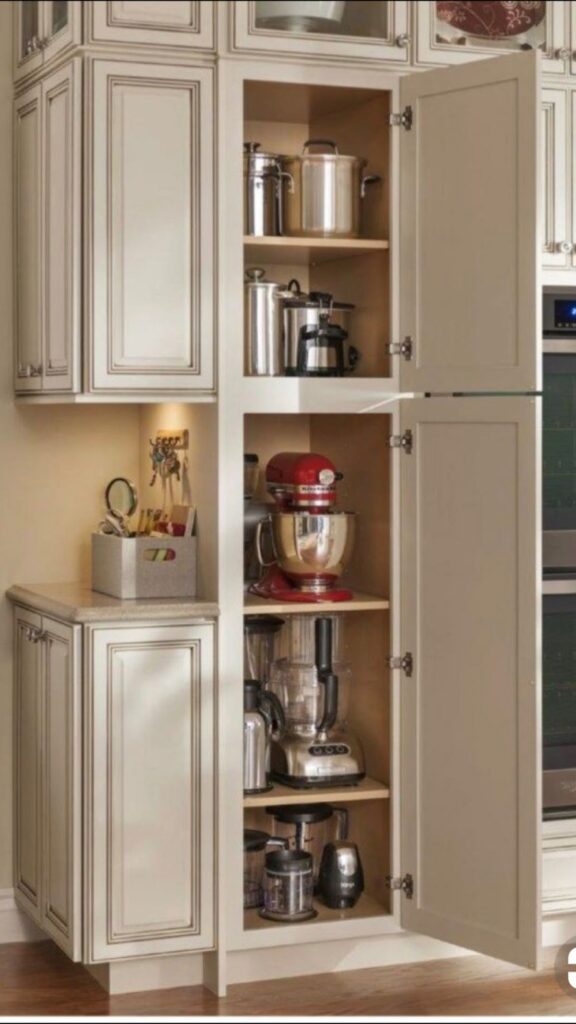
Stacked cabinets are great when you want ceiling-height but do not want one massive door.
- Bottom uppers: everyday storage
- Top smaller cabinets: long-term storage
It also looks very custom, especially with glass doors on the top row if you want a lighter visual feel.
Option 3: Finish the Gap With a Clean Filler
If you like the idea of avoiding dust but do not want the cost of taller cabinets, a finished filler panel and trim can still make the kitchen look intentional. It is not extra storage, but it avoids the unfinished vibe.
What About Crown Molding
Crown molding can make ceiling-height cabinets look seamless, but it is not required.
- If your style is classic or traditional, a crown often looks right.
- If your style is modern, a flat, clean finish with minimal trim usually looks better.
The most important thing is that the top edge looks intentional. Whether that is a crown, a simple trim, or a flush finish depends on your kitchen style.
My Practical “Yes or No” Checklist
I lean toward ceiling-height cabinets if most of these are true:
- I need more storage
- I hate cleaning the top gap
- My ceiling is 9 feet, or I have an awkward gap with standard uppers
- I want a built-in, custom look
- I am fine using the top shelves for seasonal storage
I hesitate if most of these are true:
- My kitchen is small and already feels dark
- My ceilings are low, and the room feels tight
- I do not actually need more storage
- Budget is tigh,t and I would rather spend on lighting or layout
- I do not want to use a stool for storage
FAQ
What are the benefits of floor-to-ceiling kitchen cabinets
You get more storage, a cleaner built-in look, and you eliminate the dusty gap above cabinets. It also makes the kitchen feel taller and more finished, especially in open layouts.
How does ceiling height affect cabinet installation
Ceiling height affects proportion and practicality. With 9-foot ceilings, full-height cabinets often look best. With very tall ceilings, the top storage becomes hard to reach, and you may need stacked cabinets or a mixed design. Uneven ceilings can also require extra filler work for a clean finish.
Do cabinets to the ceiling make a kitchen look bigger
They can, especially in smaller kitchens. The vertical lines pull the eye upward, which can make the room feel taller and more structured. The effect is strongest when cabinet color and lighting keep the space feeling bright.
Is there a downside to leaving a gap above cabinets
The gap becomes a dust and grease shelf and can look unfinished if it is not styled or trimmed intentionally. Some people like the open look, but most people do not enjoy cleaning it.
Should I leave a gap for decor above cabinets?
Only if you genuinely like decorating and you will maintain it. If you want plants, baskets, or display items and you do not mind cleaning, a gap can work. If you want a cleaner, lower-maintenance kitchen, going to the ceiling is usually better.
The Real Takeaway
Ceiling-height kitchen cabinets are a good idea when you want a cleaner built-in look, need more storage, and do not mind that the highest shelves are for occasional-use items. They are less ideal when ceilings are low, the kitchen already feels tight, or you would rather spend the budget on lighting, layout, or better storage inside the cabinets you already have.
If you tell me your ceiling height and whether you are leaning toward modern or classic, I can recommend the most natural-looking setup (full-height, stacked, or finished-gap) for your specific space.