Best Paint to Use on Kitchen Cabinets: Which Is The Best?

If you’re about to paint your kitchen cabinets, I’m going to save you from the two most common DIY regrets: sticky cabinets and chips that show up the second you reinstall the hardware.
I’ve seen cabinet makeovers look incredible for two weeks, then start peeling around the handles like a bad sunburn. And it’s rarely because the person “painted wrong.” It’s usually because they picked the wrong type of paint for cabinets or skipped one prep step that matters more than any brand name.
So here’s the honest answer up front:
The best paint to use on kitchen cabinets is a high-quality waterborne alkyd or urethane reinforced enamel.
Those two paint types dry harder than standard wall paint, resist sticking, and hold up to wiping, grease, and daily abuse.
Now let’s break down exactly what that means, which products are worth it, how to choose based on your cabinet material, and what rules prevent regret later.
What “Best Cabinet Paint” Actually Means
When I say “best,” I’m not talking about what looks pretty on day one. I mean paint that:
- Dries hard, not rubbery
- Does not stay tacky when doors touch the frame
- Resists chips around knobs and pulls
- Handles grease and cleaners without dulling
- Levels out so you do not see heavy brush marks
- Cures reliably so it feels like a factory finish, not craft paint
Standard latex wall paint fails here. It can look nice at first, but it tends to stay softer and scuffs easier on cabinets.
Cabinets need a paint made for trim, doors, and high-touch surfaces.
The Best Types of Paint for Kitchen Cabinets
Not all paint is created equal, especially for cabinets. Cabinets get touched constantly, cleaned often, and exposed to grease and moisture. The right paint choice matters more than color.
Here are the three options that actually hold up, ranked in the order I recommend them for most people.
1) Waterborne Alkyd
My Top Choice for Most DIYers
This is the modern cabinet paint sweet spot. It behaves like traditional oil paint in how it levels and hardens, but it cleans up with water and has far less odor.
Why does it work so well?
It self-levels beautifully, which helps reduce brush and roller marks. Once cured, it forms a harder shell than standard latex, making it more resistant to scuffs and frequent wiping. It also handles kitchen grease and routine cleaning better than basic wall paint.
Why I usually recommend it?
You get an almost oil-paint finish without the fumes, long-term yellowing, or solvent cleanup. For most DIY cabinet projects, this is the best balance of durability and sanity.
The tradeoffs
It dries and cures more slowly than some acrylic paints, so patience matters. You need to respect recoat times and avoid rushing the process, especially between coats.
2) Urethane-Reinforced Acrylic Enamel
Second Best and Very Durable
This is a tougher version of water-based acrylic paint designed specifically for trim and cabinets. It does not level quite as much as alkyd, but it cures harder than standard acrylic and is very forgiving.
Why it works?
It has strong durability, lower odor, and faster recoat windows. It is easier to work with if you are rolling and brushing and do not want to wait as long between coats.
Why do people choose it?
It is a great option if you want durability but prefer quicker dry times and less waiting. Many DIYers find it less stressful than alkyd.
The tradeoffs
If you overwork it with a brush or roller, it can show strokes. The finish is slightly less smooth and oil-like compared to waterborne alkyd, especially on large flat doors.
3) Traditional Oil-Based Enamel
Durable but Usually Not Worth It Now
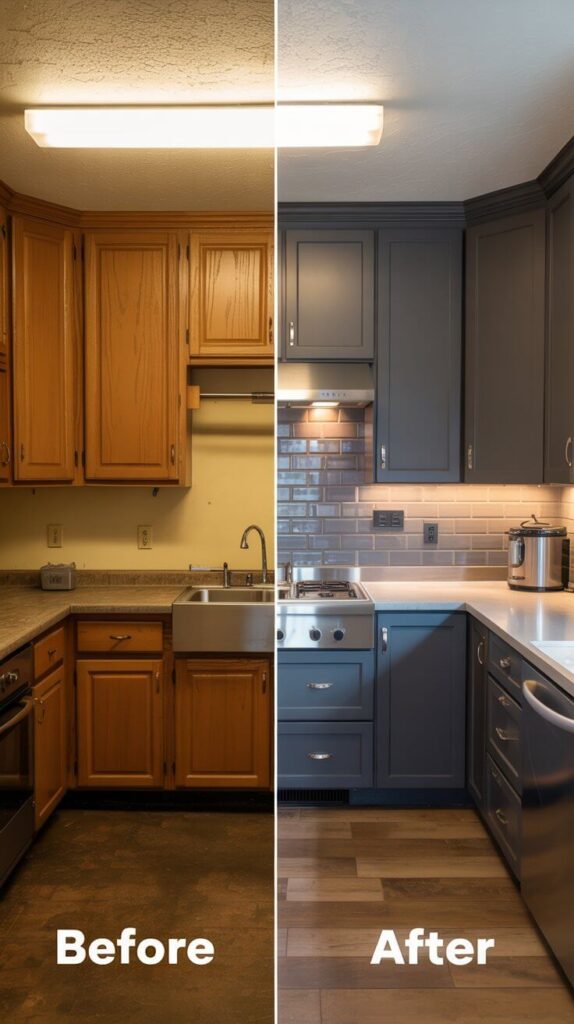
Oil-based enamel still produces a very hard finish, but it comes with significant downsides that make it less appealing today.
Why do some people still use it?
It is extremely hard and has a long history of durability. In the past, it was the gold standard for cabinets.
Why I usually skip it
The fumes are strong, cleanup requires solvents, and it can yellow over time, especially on white or light-colored cabinets. Dry times are long, ventilation is critical, and many regions now restrict its use due to VOC regulations.
For most homes and most DIY projects, modern water-based cabinet paints outperform oil once you factor in ease, safety, and long-term appearance.
Quick takeaway:
If you want the smoothest, most professional-looking result and can be patient, choose waterborne alkyd. If you want durability with faster drying and easier handling, urethane-reinforced acrylic enamel is a solid second choice. Traditional oil-based paint is rarely necessary anymore.
The Best Cabinet Paint Products (Practical Picks)
These are the cabinet paints I actually recommend when the goal is a durable, professional-looking finish without turning the project into a nightmare. All of them can work well. The difference is how forgiving they are, how patient you need to be, and how polished the final result feels.
Best Overall: Benjamin Moore Advance
Type: Waterborne alkyd
Best finishes: Satin or semi gloss
Why it stands out
This is the gold standard for DIY cabinet painting when you want a smooth, furniture-like finish. It levels extremely well, which means fewer visible brush or roller marks if you apply thin coats and resist overworking it. Once cured, it feels hard and durable, not rubbery.
Why do people love it?
It delivers a very professional result even with a roller. Cabinets painted with Advance tend to look sprayed once fully cured if the prep is done properly.
Watchouts
It demands patience. Dry time between coats is longer, and the full cure takes time. You need good ventilation and you cannot rush reassembly without risking dents or sticking.
Best for: DIYers who want the best-looking result and are willing to slow down.
Best from Sherwin-Williams: Emerald Urethane Trim Enamel
Type: Urethane reinforced acrylic enamel
Best finishes: Satin or semi-gloss
Why does it work so well?
This paint strikes a great balance between durability and ease of use. It cures hard, wipes clean easily, and does not stay tacky the way some paints can. Many people find it easier to work with than alkyd, especially when brushing and rolling.
Why do people choose it?
It has a lower odor, faster recoat windows, and still holds up well to daily kitchen use. It is especially good if you want durability without waiting days between steps.
Watchouts
Prep still matters. Skipping primer or laying on thick coats will show in the final finish. Heavy application can lead to visible texture.
Best for: DIYers who want durability with a slightly easier learning curve.
Best for Speed and Toughness: INSL X Cabinet Coat
Type: Acrylic urethane enamel
Best finishes: Satin or semi-gloss
Why do people like it?
This paint is designed specifically for cabinets. It dries faster than many alkyd options and still cures to a tough finish. That makes it appealing if you want to move the project along without sacrificing durability.
Strengths
Good hardness once cured and faster turnaround time compared to traditional alkyds.
Watchouts
Roller choice matters. If you use the wrong nap or apply too heavily, the roller texture can show. Prep is still non-negotiable.
Best for
Projects where time matters but durability still needs to be strong.
Best Budget Option: Behr Alkyd Semi-Gloss Enamel
Type: Alkyd enamel
Finish: Semi-gloss
Why is it a solid option?
It is widely available and more affordable than premium brands. When applied carefully over good prep, it can deliver a tough, respectable finish for a budget makeover.
What to know going in
This paint is less forgiving. Prep, sanding, and application technique matter more. Thin coats are critical, and rushing will show.
Best for: Budget-conscious projects where you are willing to be extra careful with prep and application.
Matching Paint to Your Cabinet Material
This is where people get burned. The “best paint” changes if your cabinets are wood, laminate, or previously painted.
Solid Wood Cabinets
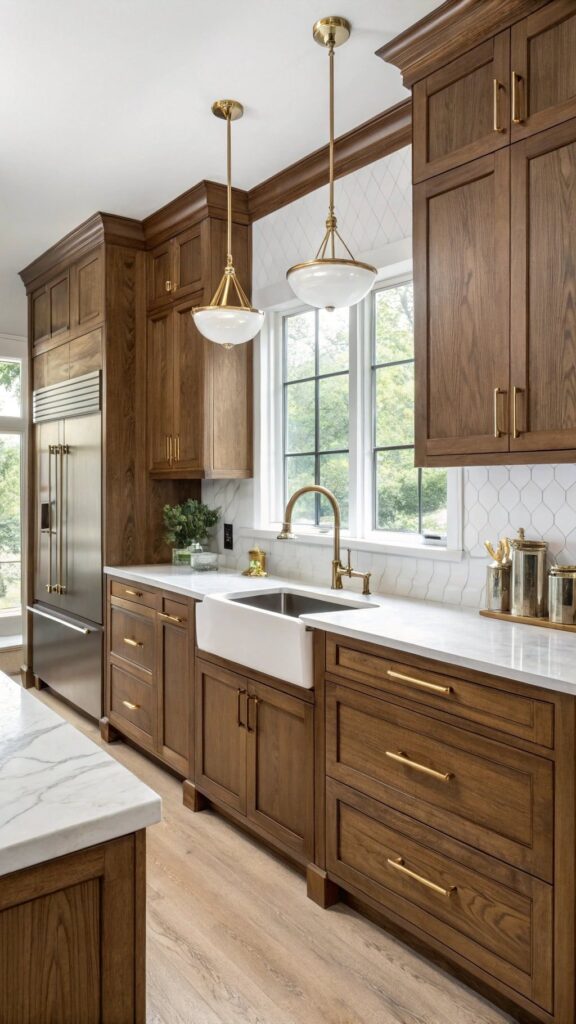
This is the easiest scenario.
What works:
- Waterborne alkyd or urethane enamel
- Standard bonding primer
- Light sanding for adhesion
If your wood grain shows and you want it smooth, plan on extra prep (grain fill or multiple primer coats). If you do not mind some texture, simple prep is enough.
MDF Cabinets
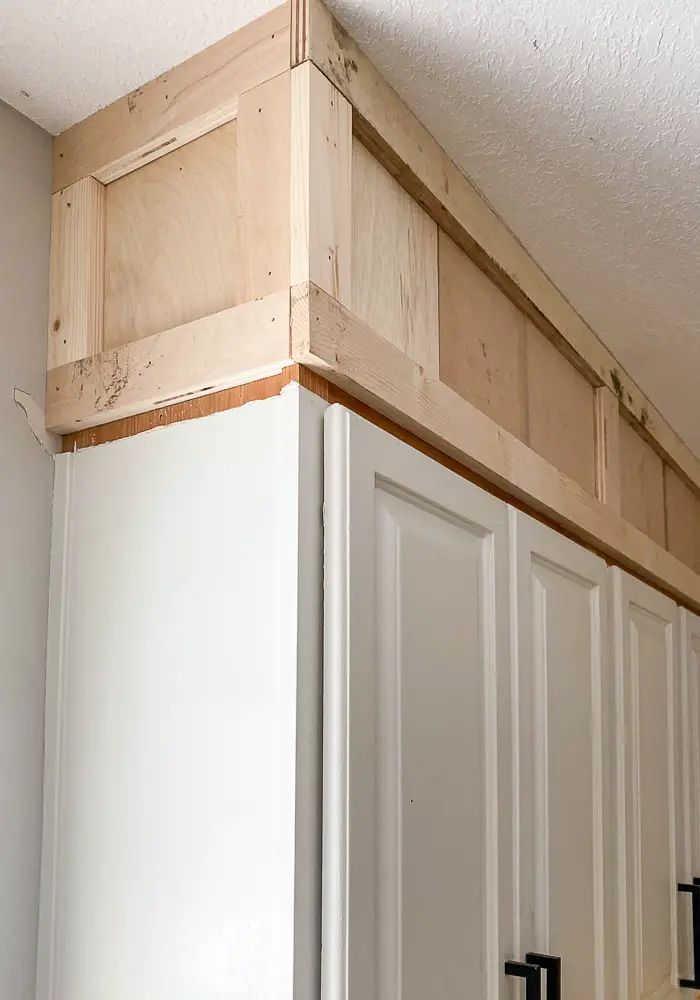
MDF paints well but hates moisture at raw edges.
Rules for MDF:
- Prime the edges well, twice if needed
- Use a quality bonding primer
- Keep coats thin to avoid swelling
Once sealed properly, MDF finishes beautifully.
Laminate Cabinets
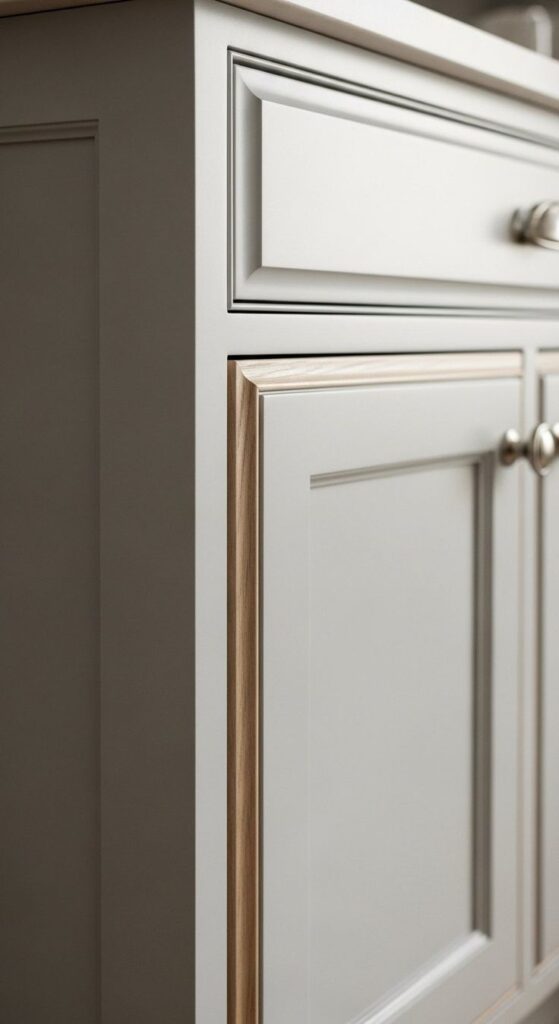
Laminate is the tricky one because it is non-porous.
Rules:
- Degrease thoroughly
- Scuff sand lightly
- Use a true bonding primer
- Then apply cabinet enamel
If you skip the bonding primer, you will eventually get peeling, usually around handles first.
Previously Painted Cabinets
You need to figure out what you are painting over.
If existing paint is stable:
- Clean and degloss
- Light sand
- Prime only where needed
- Repaint
If existing paint is failing:
- Scrape and sand smooth
- Prime properly
- Then repaint
Painting over peeling paint without fixing it is basically guaranteed regret.
Primer: The Step That Makes Cabinets Last
If I could scream one thing into every cabinet DIY project, it would be: primer is not optional.
When You Absolutely Need Primer
- Laminate cabinets
- Stained wood (to prevent bleed through)
- Glossy finishes
- Any repaired areas or filler spots
- Any surface you deglossed or sanded unevenly
Best Types of Primer for Cabinets
- Bonding primer for slick surfaces
- Stain blocking primer for knotty wood or tannins
If you are painting oak or anything with tannin, a good stain blocker prevents yellow bleed through that ruins white cabinets.
Best Paint Finish for Kitchen Cabinets: Satin vs Semi-Gloss
This is personal, but here’s how I decide.
Satin
- Softer look, less shiny
- Hides minor imperfections better
- Shows fewer fingerprints
This is my pick if the cabinets are older or the kitchen gets a lot of natural light and I want a calmer look.
Semi-Gloss
- More reflective, brighter look
- Easier wipe down for grease
- Feels slightly tougher under frequent cleaning
This is my pick if you cook a lot and wipe cabinets often.
My practical rule:
If you have kids, heavy cooking, or constant wiping, go semi-gloss. If you want a softer modern look and slightly more forgiveness, go satin.
The Prep Routine That Prevents Peeling
Cabinet paint usually fails for two reasons: grease and poor adhesion. This prep routine is not exciting, but it is the reason painted cabinets last instead of chipping a few months later.
Step 1: Label And Remove Doors
Start by removing all cabinet doors and hardware.
Use tape to number each door and its matching hinge location. Place screws and hardware into labeled bags. This step feels tedious, but it saves hours of frustration during reassembly and prevents alignment issues later.
Step 2: Degrease Thoroughly
Cabinets collect invisible grease over time, especially around knobs and near the stove. Paint will not stick properly unless this layer is removed.
You can use warm water with dish soap, followed by a clean rinse, or a dedicated degreaser, followed by a rinse. Either option works as long as the residue is fully removed.
Let everything dry completely before moving on. Painting over even slight moisture can cause adhesion problems.
Step 3: Sand For Adhesion
The goal here is not to strip the finish. You are simply dulling the surface so the primer can grip.
Use one hundred twenty to one hundred fifty grit sandpaper for scuff sanding. Focus on edges, corners, and high-touch areas where wear is greatest. Once finished, wipe away all dust so the surface is clean.
If sanding is truly not an option, a liquid deglosser can help, but sanding still provides the best mechanical bond for long-term durability.
Step 4: Prime Properly
Primer is what locks everything in place.
Brush primer into corners and detailed areas, then roll flat surfaces for an even coat. Allow the primer to dry fully according to the product instructions.
For an extra smooth finish, lightly sand the dried primer with two hundred twenty grit sandpaper before painting. This step removes minor texture and helps the final paint coat feel more professional.
This routine may feel slow, but it is what prevents peeling, chipping, and early paint failure.
Application Tips for a Smooth Factory Look
Getting that smooth, factory-style finish is more about technique than tools. Both brushing and spraying can work well if you respect the process.
Brush and Roller Method
This is the easiest DIY approach that still delivers a polished result when done carefully.
The right tools make a big difference. Use a high-quality, angled, synthetic brush for corners and edges, and a microfiber mini roller for flat surfaces. This combination helps reduce brush marks and creates a more even finish.
A few rules matter here. Always apply thin coats rather than trying to cover everything at once. Do not overwork the paint once it is on the surface, as this introduces texture and streaks. Keep a wet edge as you move so the paint blends smoothly without lap marks.
Patience is what creates the factory look, not pressure.
Spraying
If your goal is the smoothest possible finish and you are willing to do the prep work, spraying can look incredible.
That said, spraying comes with extra demands. You will need time for masking, proper ventilation, and cleanup afterward. There is also a learning curve, especially if you have never sprayed before.
If spraying is new to you, practice on cardboard or scrap material first. Getting comfortable with distance, pressure, and speed before touching your project makes a huge difference in the final result.
Both methods can look great. The best choice is the one that matches your patience level and setup, not just the finish you are chasing.
Drying vs Curing: The Biggest Cabinet Paint Trap
Most people treat “dry to the touch” like “ready for life,” and that is when cabinets get dented and sticky.
- Drying is when the surface is no longer wet
- Curing is when the paint reaches full hardness
Most cabinet paints need at least 7 days to cure enough for normal use, and sometimes up to 30 days for full hardness, depending on humidity and product.
My rule:
Do not reinstall hardware or slam doors for at least a week if you can help it. Treat the cabinets gently. It pays off.
My Practical “No Regret” Cabinet Painting Checklist
- Choose waterborne alkyd or urethane enamel
- Use satin or semi-gloss
- Clean and degrease thoroughly
- Scuff sand for adhesion
- Use a bonding primer when needed
- Apply thin coats
- Sand lightly between coats if you want ultra smooth
- Let it cure before heavy use
FAQs
What is the best paint type for kitchen cabinets?
A high-quality waterborne alkyd (like Benjamin Moore Advance) or urethane reinforced enamel (like Sherwin-Williams Emerald Urethane). These dry harder and resist wear better than standard wall paint.
Can I paint cabinets without sanding?
You can reduce sanding, but you still need proper prep. If you skip sanding, use a deglosser and a high-quality bonding primer. On slick or glossy cabinets, skipping both sanding and bonding primer usually ends in peeling.
What finish is easiest to clean: satin or semi-gloss?
Semi-gloss wipes clean the easiest, especially for grease. Satin hides fingerprints better. Both are common and durable when using cabinet-grade enamel.
How many coats do I need?
Typically:
- 1 coat primer
- 2 coats of paint
Sometimes 3 thin coats of paint for darker colors or tricky coverage.
How long before I can use the cabinets normally?
They can feel dry in a day, but curing takes longer. I baby them for 7 days and avoid harsh cleaning for a few weeks.
The Real Takeaway
If you want cabinets that stay smooth and durable, do not chase the cheapest can on the shelf. Choose a cabinet-grade enamel paint, prime correctly, and give it time to cure.
That combination is what keeps your cabinets from peeling, sticking, and looking worn right after you worked so hard.