
10 Things I Wish I Knew Before Starting My Home Renovation

Renovating my first apartment felt exciting at the beginning. Then reality set in.
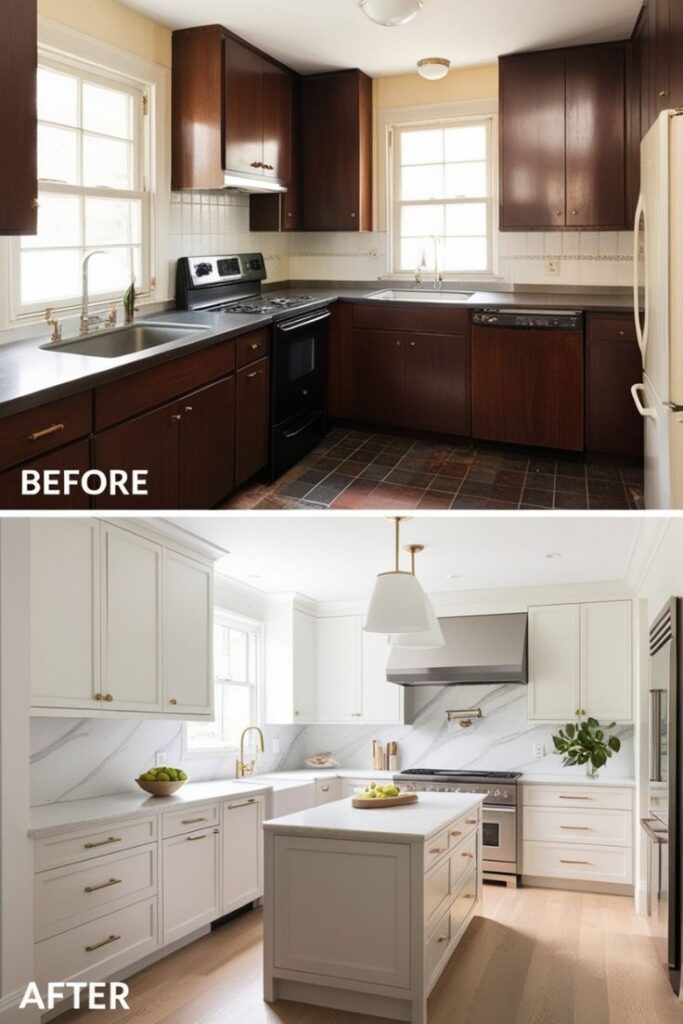
What started as inspiration boards and optimistic timelines quickly turned into dust, delivery delays, budget adjustments, and decisions I was not fully prepared to make. I learned more in a few months than I ever expected to.
If you are about to renovate your home, I want to share the lessons I learned the hard way. Some of them cost me time. Some cost me money. All of them taught me something valuable.
Here are the things I genuinely wish I had known before starting my home renovation.
1. Make a Detailed Plan Before You Touch Anything
I thought I had a plan.
In reality, I had ideas.
There is a big difference.
Before starting, you need clarity on:
- Your renovation goals
- Your budget ceiling
- Your timeline
- Your must-haves versus nice-to-haves
The more specific your plan, the fewer stressful decisions you will make during the process. Renovation fatigue is real. When you are tired and pressured, rushed choices often lead to regret.
If I could go back, I would create a full written plan instead of relying on mental notes.
2. Something Will Go Wrong Expect It
Even in my 540 square foot apartment, we ran into unexpected issues several times.
Hidden plumbing adjustments. Wall imperfections. Delayed materials. Small things that were not obvious until demolition started.
It does not matter how organized you are. Something will surprise you.
The key is not to panic. Budget mentally and financially for surprises. When they happen, adjust calmly and move forward.
Renovation rarely follows a straight path.
3. Design for Yourself Not for Opinions
This was one of my biggest lessons.
I allowed too many outside opinions to influence certain design decisions. At the time, they sounded logical. Later, I realized they did not reflect how I actually live.
Your home needs to function for you, your habits, your routines, and your preferences.
Trends fade. Guest opinions fade. You are the one living there every day.
If you are on a budget, designing the interior yourself is completely possible. Research styles. Study layouts. Save inspiration. But make the final decision yourself.
4. Spend Time Understanding the Space
If possible, spend time understanding the space before finalizing everything.
I created three different layout versions for my living room before choosing one. That extra thinking time helped me avoid a layout that would have felt cramped long term.
Sketch furniture placements.
Measure carefully.
Visualize how you move through the space daily.
Renovation decisions can feel permanent. Giving yourself time to think reduces regret later.
5. Know When to DIY and When to Hire Experts
I enjoy the idea of DIY. It makes you feel connected to your home.
But I also learned that some tasks are not worth the risk, especially electrical, plumbing, or structural work.
If you hire a contractor:
- Ask for references
- Review past projects
- Get written agreements
- Monitor progress
Not all contractors operate with the same level of care. Choose someone who communicates clearly and respects your expectations.
DIY where it makes sense. Hire professionals where mistakes could become expensive.
6. Cheap Materials Often Cost More Later
I tried saving money on certain materials.
It did not work out well.
Lower-quality materials can:
- Wear out faster
- Look outdated quickly
- Require earlier replacement
In high-use areas such as flooring, cabinetry hardware, and countertops, durability matters more than short-term savings.
Investing in quality once is often cheaper than replacing something twice.
7. Order Furniture Earlier Than You Think
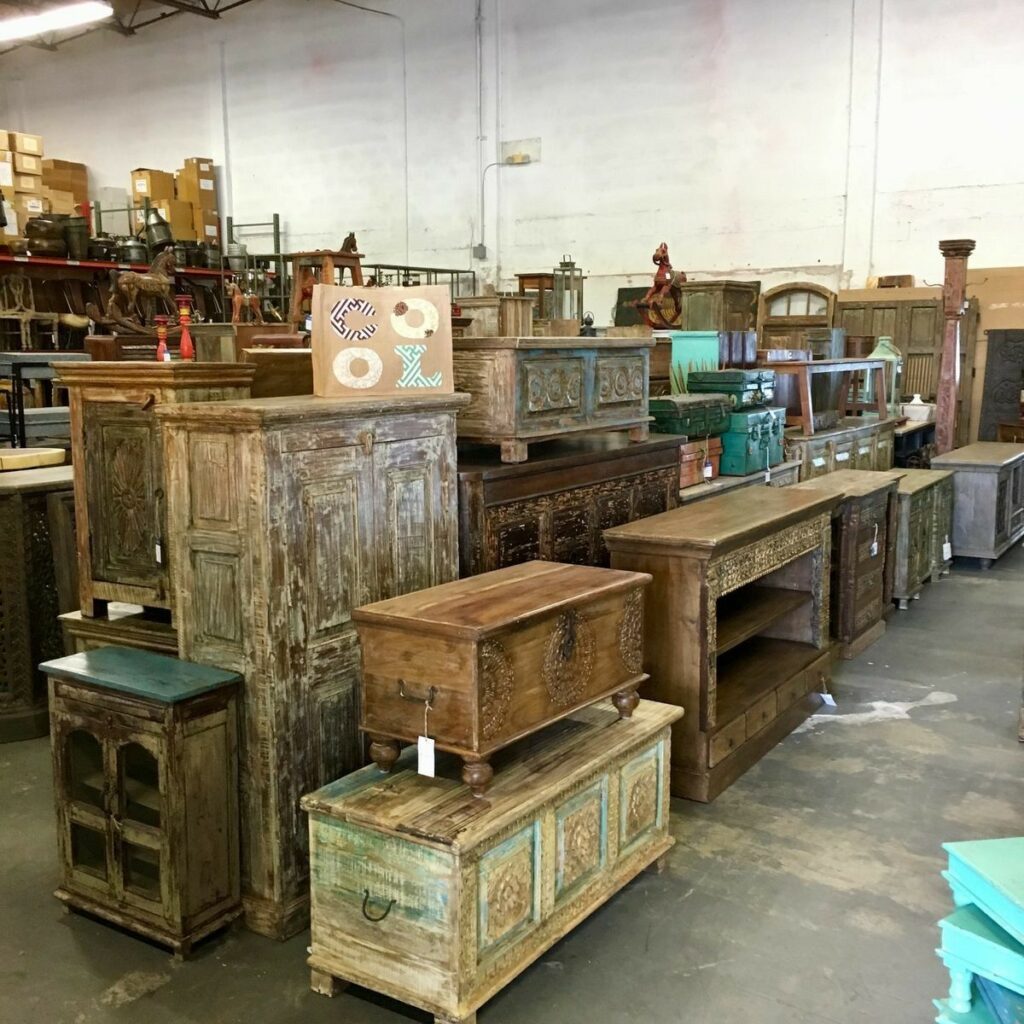
This surprised me.
We started renovations in early December and ordered major furniture pieces at the same time. Beds, sofas, wardrobes, and the kitchen took nearly three months to arrive.
Production timelines, custom builds, and delivery delays are common.
If you want your home ready soon after renovation, plan furniture orders well in advance. Waiting for furniture can delay move-in plans significantly.
8. You Will Likely Go Over Budget
I created a renovation budget.
We exceeded it.
This happens more often than people admit.
Unexpected structural fixes, upgraded material choices, and labor adjustments add up quickly.
If I could redo it, I would:
- Set a realistic base budget
- Add at least 10 to 15 percent contingency
- Separate funds for optional upgrades
A financial buffer reduces stress during the renovation process.
9. It Will Take Longer Than Planned
I planned to move in by the end of January.
I moved in during early March.
Delays can occur due to:
- Material availability
- Contractor scheduling
- Additional repairs discovered mid-project
- Weather conditions
Setting a deadline helps guide progress, but flexibility protects your peace of mind.
10. Stress Is Normal and Most Mistakes Are Fixable
There were moments I questioned my decisions. There were moments I felt overwhelmed.
But most renovation mistakes are not permanent disasters. Paint can be redone. Furniture can be rearranged. Hardware can be replaced.
Renovation is a learning experience.
You gain confidence through the process.
And when it is finished, the space feels deeply personal because you shaped it yourself.
Final Thoughts
Renovation is rewarding, but it is not effortless. It requires planning, flexibility, patience, and realistic expectations.
If I had known these lessons beforehand, I would have:
- Planned more carefully
- Budgeted more conservatively
- Trusted my design instincts
- Expected delays instead of fearing them
Even so, I would not undo the experience. It taught me how to think long term about my home.
If you are about to renovate, take your time. Think clearly. Budget wisely. Choose quality materials. Expect surprises.
Preparation does not eliminate every challenge, but it makes the entire journey far more manageable.