36 vs. 42-inch Kitchen Cabinets: Which Size Works Best?

When I was planning a kitchen update, I thought cabinet height would be a quick decision. Then I realized it changes everything: how “finished” the kitchen looks, how much storage you get, how often you need a step stool, and whether you end up with that dusty gap above the cabinets.
If you are choosing between 36-inch and 42-inch wall cabinets, here’s the honest breakdown based on real use, real ceiling heights, and the stuff you only learn after living with it.
First, What 36 and 42 Inches Actually Refers To
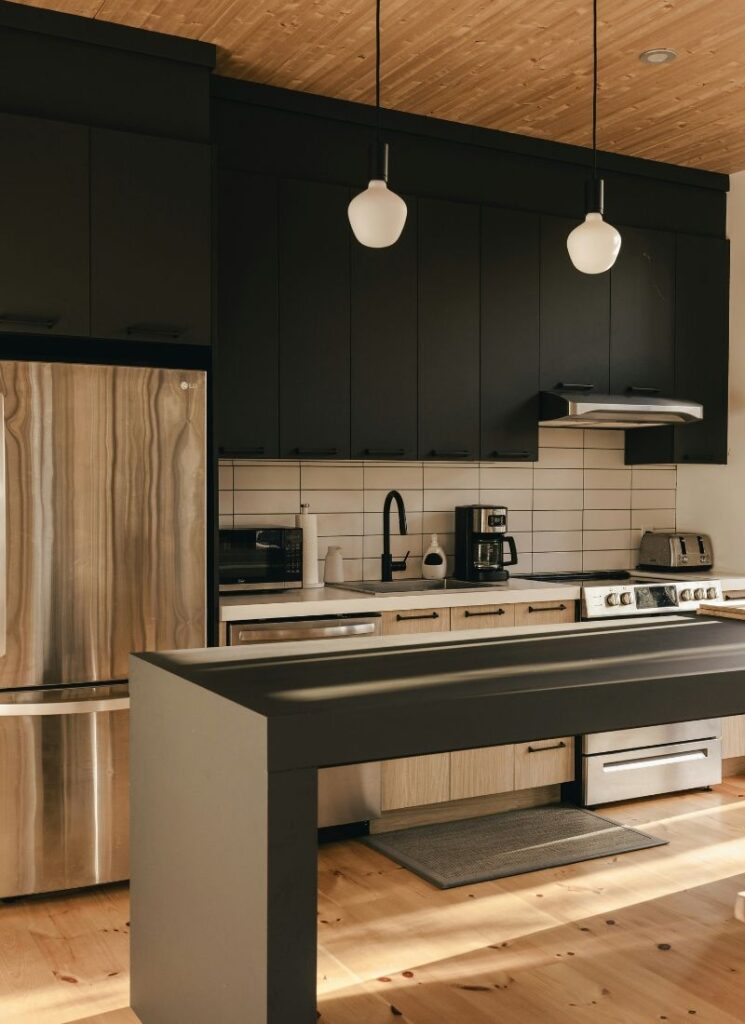
This debate is about wall cabinets (the uppers). Base cabinets are pretty standard:
- Base cabinets are usually 34.5 inches tall before countertops
- The “36 vs 42” choice is for the uppers that sit above your counters
Most kitchens have an 18-inch gap from countertop tothe bottom of wall cabinets (varies slightly, but that’s the common starting point).
The Fast Answer
- Choose 36-inch cabinets if you want easier reach, have 8-foot ceilings, or want a lighter, more classic look (especially with crown molding or a clean soffit).
- Choose 42-inch cabinets if you want maximum storage, a taller, built-in look, and you have enough ceiling height so the kitchen does not feel squeezed.
Now let’s make that decision with specifics.
The 5 Things That Actually Decide This
1) Your Ceiling Height
Ceiling height is the real boss here.
If You Have 8-Foot Ceilings (96 inches)
This is where 36-inch cabinets are most common because you usually have room for a clean finish above them.
Typical math:
- 36-inch cabinet height
- Plus about 18 inches from the counter to the cabinet bottom
- plus base cabinet and countertop height below
It usually lands in a place that looks normal without crowding the ceiling.
42-inch cabinets can work in an 8-foot kitchen, but it tends to feel tight up top unless everything is planned perfectly (molding, trim, lighting, and how the cabinets meet the ceiling).
If You Have 9-Foot Ceilings (108 inches)
This is where 42-inch cabinets usually look best.
With 36-inch cabinets, the space above can look a little too tall and awkward unless you plan a strong finish (taller crown molding, stacked trim, or a deliberate open top display plan).
42-inch cabinets help the whole kitchen look taller and more “custom,” and they reduce that dead space.
If You Have 10-Foot Ceilings (120 inches)
You can go 42-inch, but many people also do stacked uppers or a two-tier design. If you only do 36-inch cabinets, the gap can look huge unless it’s intentionally designed.
2) How Much You Hate the Dust Shelf Problem
This is the part nobody talks about until they have to clean.
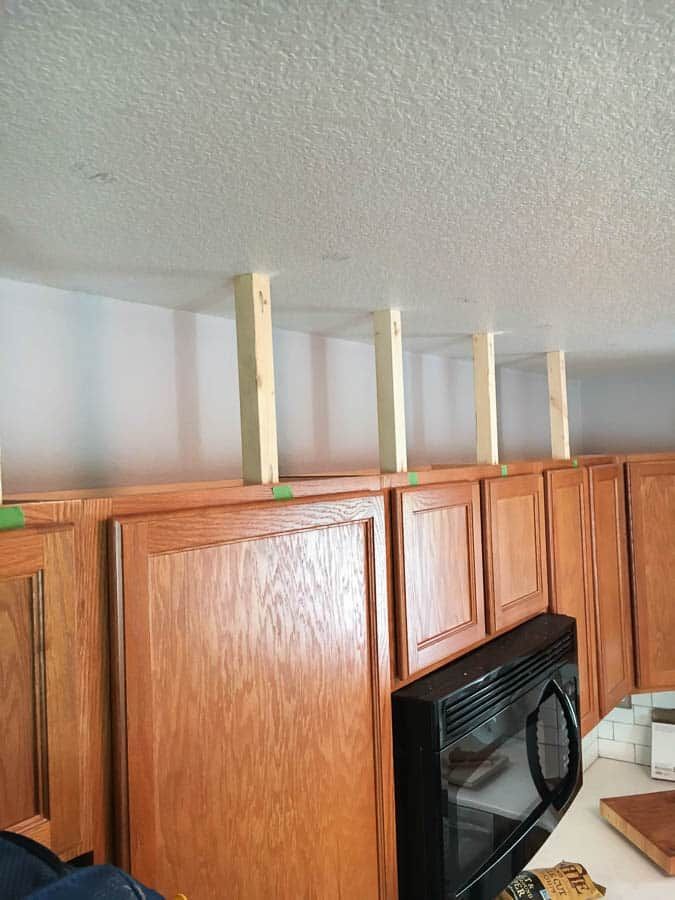
- 36-inch cabinets often leave space above. That space becomes a dust and grease shelf in real kitchens, especially near the stove.
- 42-inch cabinets reduce or eliminate that gap, depending on your ceiling and trim details.
If you know you will never decorate that top space, and you hate cleaning, 42-inch cabinets win on pure sanity.
3) Your Real Storage Needs
Here’s the honest truth: 42-inch cabinets give you more storage, but the top shelf becomes “seasonal storage” for a lot of people.
If you go 42-inch, that extra height is perfect for:
- large serving platters
- holiday dishes
- backstock pantry items
- appliances you use once a month
- vases, big bowls, bulk paper towels
If your kitchen storage already feels tight, that extra cabinet height is a real upgrade.
If you already have a pantry, deep base drawers, and enough space, you may not need the extra vertical storage.
4) Accessibility and Who Uses the Kitchen
This is where the decision gets personal.
36-inch Cabinets
- Easier for most people to reach
- Less step stool dependency
- Better if kids help in the kitchen
- Better for shorter households or aging-in-place comfort
42-inch Cabinets
- Top shelf is often hard to reach without a stool
- Taller people love them
- Shorter people usually treat the highest shelf like storage only
My rule: if you will use the top shelf weekly, 36-inch is more practical. If it’s fine for the top shelf to be “extra storage,” 42-inch is great.
5) The Look You Want
This is where modern versus classic style shows up.
36-inch Cabinets
They can look:
- classic
- airy
- cozy
- traditional
especially if you add crown molding or a clean trim detail.
They also work well if you like a little “breathing space” above the cabinets.
42-inch Cabinets
They can look:
- built-in
- sleek
- high-end
- modern
because they visually stretch the kitchen upward.
If you want a modern kitchen that looks tailored and finished, 42-inch cabinets help a lot.
Side by Side Pros and Cons
36-inch Wall Cabinets
Pros
- Easier reach for daily items
- Often cheaper than 42-inch
- Works naturally with 8-foot ceilings
- Can look classic with crown molding
- Less visual weight in smaller kitchens
Cons
- Less storage
- Creates the “top dust shelf” gap
- Can look short in 9-foot ceilings if not finished well
42-inch Wall Cabinets
Pros
- More storage, often one extra shelf
- Cleaner look, less awkward gap
- More custom and built-in appearance
- Great for 9-foot ceilings
Cons
- Harder to reach top shelves
- Heavier installation, sometimes higher labor cost
- Can feel tall or heavy in small kitchens
- May require careful ceiling and trim planning
Cost Differences: What I See Most Often
In many cabinet lines, 42-inch cabinets cost more because they use more material and often include extra shelving. Installation can also cost more because they are heavier and harder to handle.
A realistic expectation:
- 42-inch cabinets often run about 10 to 20 percent more than 36-inch in the same cabinet line, depending on brand and layout.
The best way to budget is to price out your actual cabinet count, because a few tall cabinets might not move the needle much, but an entire wall of uppers will.
What About Crown Molding and Trim
This is where a lot of kitchens either look amazing or slightly off.
- With 36-inch cabinets, crown molding is often what makes them look finished. You can also do a clean trim or even a simple filler detail.
- With 42-inch cabinets, you can still do crown, but you might do a smaller crown or a tight trim depending on how close you are to the ceiling.
If your ceiling is not perfectly level (many are not), going fully to the ceiling can show uneven gaps, which means fillers and scribing become important. That is not a dealbreaker, just something to plan for.
My “Pick This If” Guide
Pick 36-inch Cabinets If
- You have 8-foot ceilings and want the safest, easiest fit
- You want daily access without a stool
- Your kitchen is smaller and tall cabinets feel heavy
- You like a classic look with crown molding
- You already have good storage elsewhere
Pick 42-inch Cabinets If
- You have 9-foot ceilings and want a seamless, built-in look
- You need more storage, especially for occasional use items
- You hate the dust shelf situation
- You want the kitchen to feel taller and more modern
- You are okay using a stool for upper storage
FAQ
What Is The Biggest Real Difference Between 36 And 42 Inch Cabinets
The big difference is how the kitchen feels visually and how much storage you gain. A 42-inch cabinet gives you six more inches of vertical space, which often means one more shelf and a more finished look near the ceiling. A 36-inch cabinet is easier to reach and can feel lighter, especially in smaller kitchens. Most people love 42-inch for storage and style, but use the top shelf less often.
Can 42-Inch Cabinets Work With 8-Foot Ceilings
They can, but it is a tight fit and it needs careful planning. The kitchen can feel visually crowded if the cabinets go too close to the ceiling without the right trim detail. It also limits options for crown molding and can highlight uneven ceilings. If your goal is a clean, modern look and you are okay with a tighter upper area, it can work. If you want the simplest, most forgiving option, 36-inch is usually better.
Do 42-Inch Cabinets Usually Have More Shelves
Yes, most 42-inch wall cabinets come with an extra shelf compared to 36-inch models. That extra shelf can be very useful for storing large platters, backstock pantry items, or small appliances you do not use daily. The tradeoff is accessibility. Many people treat the top shelf as “seasonal storage” and keep everyday plates and cups on the middle shelves. It is extra space, just not always everyday space.
How Much More Do 42-Inch Cabinets Cost
It depends on the cabinet line and your layout, but a common range is around 10 to 20 percent more than 36-inch cabinets for the same style. You may also see slightly higher installation costs because the cabinets are heavier and harder to lift and secure. If you are choosing between the two, price out your actual cabinet count. Sometimes the difference is smaller than you expect, especially in a compact kitchen.
The Real Takeaway
If your ceiling height supports it and you want that modern, built-in look with more storage, 42-inch cabinets are usually the winner, especially in 9-foot kitchens. If you want easy access, a lighter visual feel, and a safer fit for 8-foot ceilings, 36-inch cabinets are still the classic choice.
If you tell me your ceiling height and whether you want cabinets to hit the ceiling or leave a finished gap, I can give you the cleanest “this will look right” recommendation fast.